Author: Axyl

  • 6 Key Benefits of Mixed Reality Displays for the Future of Digital Experiences

    6 Key Benefits of Mixed Reality Displays for the Future of Digital Experiences

    Introduction

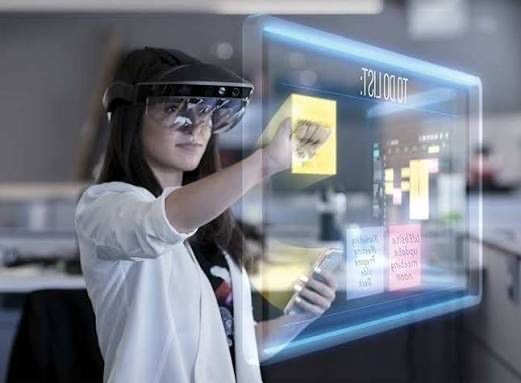
    Mixed reality display technology is revolutionizing the way we experience digital content alongside the real world. In 2025, this cutting-edge technology is no longer confined to sci-fi or experimental labs — it has become an essential tool for a wide array of industries, including business, healthcare, education, gaming, and retail. By merging the immersive capabilities of virtual reality (VR) with the contextual richness of augmented reality (AR), mixed reality (MR) displays enable users to interact with digital and physical worlds simultaneously, creating highly engaging, interactive, and practical experiences.

    Mixed reality displays blend the physical and digital worlds to create immersive, interactive experiences. From education and healthcare to gaming and business, this technology enhances visualization, collaboration, and user engagement. Explore six essential insights into how mixed reality displays are shaping the future of innovation.

    Whether it’s enhancing surgical precision, training employees, or transforming gaming adventures, mixed reality display systems are shaping the future. Let’s explore the essential aspects powering this transformative technology in 2025.


    Understanding Mixed Reality and Virtual Reality

    To appreciate mixed reality display technology, it’s important to distinguish it from virtual reality. Virtual reality immerses users in a fully digital environment, shutting out the real world entirely. Users wear headsets that transport them to virtual landscapes where everything is computer-generated.

    In contrast, mixed reality displays overlay interactive digital content onto the real world. These systems map and understand the physical environment using sensors, cameras, and spatial computing. The result? Digital objects appear anchored in your actual surroundings, responding naturally to your movements and environment changes.

    While VR offers total immersion, mixed reality enriches your current space with dynamic digital elements, blending virtual content with reality in real-time. This creates a far more flexible, collaborative, and practical experience for users and businesses alike.


    1. Real-World Applications of Mixed Reality Display in 2025

    Mixed reality displays are moving rapidly from novelty to necessity across diverse industries:

    • Healthcare: Surgeons use MR displays for planning complex procedures, overlaying 3D models of patient anatomy during operations. Medical students gain immersive training by interacting with life-like anatomical holograms. Patient education also benefits from visualizing treatment plans and health conditions more clearly.
    • Education: Classrooms are evolving with mixed reality by allowing students to explore historical sites, perform virtual science labs, or study molecular structures in 3D space. These experiences deepen engagement and improve knowledge retention.
    • Retail: Shoppers can visualize furniture, apparel, or electronics in their homes before purchasing, minimizing returns and enhancing satisfaction. Retailers leverage MR to create interactive catalogs and immersive brand experiences.
    • Manufacturing & Maintenance: Workers receive on-site digital instructions and safety warnings directly overlaid on machinery, improving accuracy and reducing downtime.
    • Entertainment & Gaming: Gamers experience new worlds blending seamlessly with their real environments, offering novel gameplay mechanics and social experiences.

    These examples represent just the tip of the iceberg. Mixed reality display technology is creating new possibilities in virtually every sector.


    2. Hardware Advancements Powering Mixed Reality Displays

    The evolution of hardware is central to MR’s rising impact. Recent years have seen leaps in headset design and performance:

    • Lightweight & Comfortable: Devices from leaders like Microsoft (HoloLens 2) and Magic Leap have shed bulky designs, emphasizing ergonomics to allow extended use without discomfort.
    • High Resolution & Wide Field of View: Crisp visuals with wide viewing angles make digital overlays realistic and immersive, eliminating the sense of a “screen” floating in front of users.
    • Advanced Sensors & Cameras: Depth sensors, eye tracking, spatial mapping cameras, and inertial measurement units enable precise positioning and environment recognition, essential for stable, believable digital content.
    • Wireless Connectivity: Improved wireless standards reduce tethering, enhancing user mobility and interaction freedom.

    Together, these hardware advances are breaking down barriers, making mixed reality displays accessible and practical for everyday professional and personal use.


    3. Software Ecosystems for Mixed Reality Display

    Great hardware is only half the equation; powerful software frameworks enable developers and businesses to unleash MR’s full potential.

    • Development Platforms: Microsoft’s Mixed Reality Toolkit (MRTK) and Unity’s MR plugins provide robust libraries, tools, and sample projects to accelerate app creation. These platforms streamline building spatial interactions, object manipulation, and environmental understanding.
    • Intuitive Interaction Methods: Gesture recognition, gaze control, and voice commands reduce reliance on bulky controllers. These natural interfaces lower learning curves and improve user engagement.
    • Cross-Platform Support: Modern MR software supports multiple device types and operating systems, ensuring broad reach and easy integration.
    • Enterprise Solutions: Customizable SDKs and APIs allow companies to tailor MR experiences to unique workflows — from virtual collaboration rooms to remote expert assistance.

    This evolving software ecosystem is fueling rapid innovation and widespread adoption of mixed reality display applications.


    4. The Role of Artificial Intelligence in Enhancing Mixed Reality Display

    Artificial intelligence (AI) significantly amplifies mixed reality display capabilities by interpreting complex sensor data in real time.

    • Spatial Mapping & Scene Understanding: AI algorithms analyze input from cameras and sensors to create detailed, dynamic 3D maps of the user’s surroundings, ensuring digital objects interact realistically with physical surfaces and objects.
    • Object Recognition: AI-powered recognition identifies real-world items, enabling contextual digital overlays — like highlighting a specific machine part or labeling tools during training.
    • Adaptive Content: AI tailors MR experiences by learning user behaviors and preferences, delivering more relevant and responsive interactions.
    • Natural Language Processing: Voice commands powered by AI allow seamless communication with MR systems without cumbersome manual inputs.

    In manufacturing, healthcare, and education, AI-driven mixed reality displays are becoming indispensable tools for enhancing precision, efficiency, and safety.


    5. User Experience and Ergonomics of Mixed Reality Displays

    The success of mixed reality display technology hinges on user comfort and seamless experience design.

    • Lightweight Designs: Balanced weight distribution and slim form factors minimize fatigue, crucial for prolonged use in professional settings.
    • Natural Interactions: Gesture-based controls and eye tracking replace clunky handheld devices, making MR feel more intuitive and less intrusive.
    • Visual Comfort: Reducing motion sickness and eye strain through optimized frame rates, contrast, and display quality keeps users comfortable.
    • Accessibility: Adaptive interfaces accommodate diverse user needs, promoting inclusion and ease of adoption across various demographics.

    By focusing on ergonomics and intuitive UX, manufacturers and developers ensure mixed reality displays are both powerful and user-friendly tools.


    6. Overcoming Challenges: Connectivity and Integration

    Despite tremendous progress, mixed reality display technology still faces hurdles that must be addressed for mainstream success:

    • Connectivity: High-quality MR demands powerful processing and ultra-low latency data transmission to maintain real-time responsiveness. The roll-out of 5G and edge computing infrastructures in 2025 is critical in meeting these requirements, enabling smooth multi-user collaboration and cloud-based rendering.
    • Integration with Workflows: Businesses need MR systems to blend effortlessly into existing software and hardware environments. Seamless interoperability with enterprise tools, databases, and IoT devices is essential to maximize efficiency.
    • Cost and Scalability: While prices have dropped, enterprise-grade MR displays and development can still be expensive. Scalability solutions and modular hardware/software designs will drive broader adoption.
    • Privacy and Security: As MR collects rich environmental and biometric data, ensuring strong data protection protocols remains a priority.

    Overcoming these challenges will unlock the full transformative power of mixed reality display technology.


    Conclusion

    Mixed reality display technology is no longer a distant or niche innovation — it’s an essential part of the digital transformation landscape in 2025. By seamlessly merging real and virtual worlds, MR is reshaping industries from healthcare to retail, education to entertainment, making interactions more immersive, efficient, and impactful.

    At aibuzz, we specialize in helping businesses harness the potential of mixed reality display technology through innovative software development and tailored solutions. Whether you’re looking to revolutionize training, enhance customer engagement, or build the next generation of interactive experiences, our expertise in MR, AI, and software development will bring your vision to life.

    Contact: +91 99679 40928
    Visit: www.aibuzz.net
    Mail: info@aibuzz.net

    Embrace the future of interaction — unlock the power of mixed reality displays with aibuzz and transform how your organization works, learns, and plays.

  • Foundation of Artificial Intelligence and its7 Core Concepts

    Foundation of Artificial Intelligence and its7 Core Concepts

    Artificial Intelligence (AI) is no longer a futuristic concept—it’s a core part of the technology we interact with every day. From voice assistants to automated recommendations and intelligent data analysis, AI is reshaping how businesses and individuals operate. But before diving into machine learning models, robots, or predictive analytics, it’s important to understand the foundations of artificial intelligence.

    In this blog, we’ll explore 7 essential concepts that form the foundations of artificial intelligence, why they matter, and how they connect to the broader world of IT, tech, and software development.

    Artificial Intelligence is transforming industries by enabling machines to learn, reason, and make intelligent decisions. Understanding its core concepts—from machine learning and neural networks to data processing and automation—provides a strong foundation for exploring modern AI technologies and their real-world applications.

    1. Machine Learning: The Heart of AI

    Machine learning is one of the most essential components in the foundations of artificial intelligence. It allows systems to learn from data and improve over time without being explicitly programmed. Instead of relying on rule-based instructions, machine learning enables algorithms to detect patterns, make decisions, and continuously adapt based on new information.

    There are three main types of machine learning:

    • Supervised Learning (e.g., spam detection)
    • Unsupervised Learning (e.g., customer segmentation)
    • Reinforcement Learning (e.g., robotics and gaming AI)

    Understanding machine learning is fundamental to mastering the foundations of artificial intelligence and applying AI in real-world systems.


    2. Neural Networks and Deep Learning

    Neural networks mimic the human brain’s structure and are a key part of deep learning, which takes AI to the next level. A neural network is composed of layers of interconnected nodes (neurons) that process and transform input data.

    Deep learning enables AI to perform complex tasks like:

    • Image and speech recognition
    • Natural language processing
    • Self-driving car navigation

    These networks form a significant layer in the foundations of artificial intelligence, allowing machines to understand context, emotions, and meaning far beyond rule-based programming.


    3. Natural Language Processing (NLP)

    Another crucial pillar of the foundations of artificial intelligence is Natural Language Processing (NLP). NLP allows machines to understand, interpret, and respond to human language in a meaningful way.

    Applications of NLP include:

    • Chatbots and virtual assistants
    • Sentiment analysis in social media
    • Language translation

    With advancements in NLP, businesses can offer more human-like interactions and improve customer engagement, making it a foundational AI concept in both software development and tech support solutions.


    4. Computer Vision: Teaching Machines to See

    Computer vision enables machines to analyze and interpret visual data from the world. It is used in:

    • Facial recognition
    • Medical imaging diagnostics
    • Quality control in manufacturing

    This concept is embedded deep within the foundations of artificial intelligence because it teaches machines to “see” and make decisions based on visual inputs. Combined with deep learning, computer vision powers everything from autonomous vehicles to augmented reality experiences.


    5. Knowledge Representation and Reasoning (KRR)

    At its core, AI is about simulating intelligence. For that, machines need to represent knowledge and reason with it. Knowledge representation and reasoning (KRR) is the practice of encoding data in a way that machines can use to make logical decisions.

    For example:

    • Rule-based systems in healthcare
    • Expert systems in financial analysis

    This structured approach allows AI to simulate decision-making, making KRR a key player in the foundations of artificial intelligence and essential in domains where logic and rules govern actions.


    6. Robotics and Automation

    The foundations of artificial intelligence extend beyond software into the physical world through robotics. AI-powered robots are used in warehouses, manufacturing plants, and even in surgical procedures.

    With sensors, actuators, and decision-making capabilities, robots can:

    • Automate repetitive tasks
    • Navigate physical environments
    • Interact safely with humans

    The merging of AI and robotics has changed how industries operate, enabling higher efficiency and safety.


    7. Ethics and Explainability in AI

    AI is powerful, but with great power comes responsibility. Ethical AI and explainability have become essential in the foundations of artificial intelligence. Businesses and developers must ensure that AI systems are:

    • Transparent
    • Fair and unbiased
    • Accountable

    Understanding how AI makes decisions is not just a legal requirement but also a way to build trust with users. Responsible AI development is crucial, especially in sensitive sectors like healthcare, finance, and security.


    Why the Foundations of Artificial Intelligence Matter More Than Ever

    AI isn’t just a buzzword—it’s driving the future of technology. But for AI to be truly effective, businesses and developers need to focus on its core foundations. Whether you’re building an AI model, deploying automation, or enhancing customer support, the foundations of artificial intelligence ensure that your systems are smart, scalable, and ethical.

    Without a solid understanding of these core concepts, it’s easy to create inefficient or even harmful AI systems. That’s why businesses should prioritize training, development, and integration based on the foundations of artificial intelligence.


    The Role of IT, Tech, and Software Development

    Modern IT and tech services have evolved to include artificial intelligence as a fundamental offering. From cloud infrastructure to big data analytics and intelligent automation, IT departments now play a central role in implementing AI solutions. Software development has also shifted to include AI-first thinking, where applications are designed with machine learning and intelligent automation built-in.

    Developers today must understand not only programming languages and frameworks but also the foundations of artificial intelligence to remain competitive and relevant in a rapidly changing digital world.


    Conclusion: Partner with AIBuzz for Cutting-Edge AI and Tech Solutions

    The foundations of artificial intelligence are essential for businesses looking to innovate, scale, and compete in the digital age. At aibuzz, we specialize in delivering next-generation AI solutions backed by strong IT infrastructure and advanced software development capabilities. Whether you’re a startup or an enterprise, our expert team can help you navigate the complex world of AI, automation, and smart software.

    As the tech landscape evolves, so should your business. aibuzz offers comprehensive IT and tech services—from cloud management to custom AI development—to support your journey into the future.

  • 7 Essential Steps to Build a Successful AI Pipeline Development for Modern Businesses

    7 Essential Steps to Build a Successful AI Pipeline Development for Modern Businesses

    What is AI Pipeline Development?

    7 Essential Steps for Seamless AI Pipeline Development in 2025

    AI pipeline development refers to the end-to-end process of managing and automating the flow of data from its raw state to actionable insights or decisions using artificial intelligence. It involves various stages like data collection, preprocessing, feature engineering, model training, evaluation, and deployment. A robust AI pipeline is essential for scaling machine learning efforts, reducing manual intervention, and ensuring consistent, reproducible results.


    Why AI Pipeline Development Matters in 2025

    As industries rapidly adopt AI technologies, the demand for structured AI workflows is rising. Enterprises no longer build one-off machine learning models — they need scalable, repeatable, and secure systems that align with business objectives. That’s where AI pipeline development becomes crucial.

    In 2025, the emphasis is not just on AI capabilities but on operationalizing AI — and this can only be achieved with well-planned pipelines that support automation, monitoring, and continuous learning.


    1. Data Collection and Ingestion

    Every AI pipeline starts with data — the lifeblood of any artificial intelligence model. Whether it’s structured data from databases or unstructured data from IoT devices, emails, or images, data ingestion is the first essential step. Effective AI pipeline development ensures this data is gathered in real-time or batches, cleaned, and stored securely.

    Keywords: real-time data ingestion, data lakes, AI data pipeline


    2. Data Preprocessing and Cleaning

    Raw data is rarely usable out of the box. This stage involves handling missing values, outliers, noise, and normalizing data formats. In AI pipeline development, this step is essential to ensure model performance and reliability.

    Techniques such as tokenization for text, normalization for numerical data, and image augmentation are often used here. Automated preprocessing tools and scripts make it easy to replicate results across models.


    3. Feature Engineering

    Once your data is clean, the next step is feature engineering — extracting meaningful inputs that can improve model accuracy. This is often one of the most time-consuming stages in AI pipeline development but yields high rewards.

    Features can be created using domain knowledge, statistical methods, or even through deep learning models that auto-generate embeddings. Feature stores are increasingly used to maintain consistency across projects.


    4. Model Selection and Training

    Here’s where the magic begins. Machine learning models are trained using the cleaned and feature-rich dataset. This stage in the AI pipeline development process involves selecting the best algorithm, tuning hyperparameters, and ensuring model generalization.

    From regression to neural networks, every use case demands a specific approach. Tools like TensorFlow, PyTorch, and Scikit-learn are commonly integrated into this stage of the pipeline.


    5. Model Evaluation and Validation

    Before deploying, it’s critical to evaluate model performance using test data. Metrics like accuracy, precision, recall, and F1-score help decide whether the model is production-ready.

    In modern AI pipeline development, this stage also includes cross-validation and A/B testing to ensure that the model works effectively across different environments.


    6. Model Deployment and Integration

    Once validated, the model is pushed into production. AI pipeline development ensures that this is a seamless, automated process. Deployment can be done using REST APIs, microservices, or directly integrated into apps and dashboards.

    CI/CD (Continuous Integration and Continuous Deployment) is now a standard practice in deploying AI models, thanks to its efficiency and error minimization capabilities.


    7. Monitoring and Feedback Loop

    Deployment isn’t the end — it’s just the beginning of the feedback loop. Monitoring ensures your model performs well in real-world scenarios. Drift detection, performance tracking, and alert systems are essential components of this stage.

    In AI pipeline development, this continuous feedback loop is what differentiates a static model from a learning, evolving system.


    How AI Pipeline Development Supports TD Pipeline Development

    TD pipeline development (short for Technology Development pipeline) is the broader framework under which various technologies, including AI, are developed, tested, and deployed. AI pipeline development is often a subset within this, focusing specifically on machine learning and data flow components.

    While TD pipeline development encompasses hardware testing, software updates, security compliance, and integration with cloud infrastructure, the AI pipeline zeroes in on data, models, and intelligence. Together, they form a unified tech development ecosystem essential for scalable innovation.


    The Role of Software Development in AI Pipeline Development

    Software development lays the groundwork for building the tools, APIs, and infrastructure that make AI pipeline development possible. From writing data transformation scripts to building the back-end logic for model integration, software engineers are crucial to AI success.

    In fact, today’s AI engineers often work hand-in-hand with developers to build flexible, modular pipelines that can be reused and improved over time. Agile methodologies and DevOps practices are also increasingly applied to AI projects, merging the best of both worlds.


    Benefits of AI Pipeline Development

    Let’s break down why AI pipeline development is essential for modern businesses:

    • Scalability: Reusable components make it easier to apply AI across departments.
    • Efficiency: Automation reduces manual effort and speeds up model deployment.
    • Consistency: Standardized steps ensure repeatable and predictable results.
    • Monitoring: Real-time insights into model performance help maintain high accuracy.
    • Collaboration: Engineers, data scientists, and stakeholders can all interact through shared platforms.

    Tools & Technologies for AI Pipeline Development

    Here are some leading tools and platforms commonly used:

    • Apache Airflow – Workflow automation
    • Kubeflow – Machine learning orchestration on Kubernetes
    • MLflow – Experiment tracking and model registry
    • DataRobot – Automated machine learning platform
    • Amazon SageMaker – End-to-end ML service by AWS

    Each tool serves a unique purpose within AI pipeline development, and choosing the right stack depends on your business needs and technical expertise.


    Use Cases of AI Pipeline Development

    1. Retail: Personalized recommendations using real-time user behavior.
    2. Healthcare: Early diagnosis from patient data using predictive models.
    3. Finance: Fraud detection using anomaly recognition pipelines.
    4. Manufacturing: Quality control using computer vision AI pipelines.
    5. Logistics: Route optimization using predictive and real-time data.

    These are all powered by structured AI pipeline development, ensuring not just accuracy but operational efficiency.


    Conclusion: Why AI Pipeline Development Is the Backbone of Modern IT

    As businesses continue their digital transformation journey, AI pipeline development emerges as an essential pillar for success. From data ingestion to model monitoring, each step is crucial for delivering real-time insights and automation. By integrating AI pipeline development with TD pipeline development and leveraging robust software development practices, companies can build scalable and sustainable AI solutions.

    At aibuzz, we specialize in building intelligent IT and tech systems that incorporate advanced AI pipeline development to meet your business goals. Whether you’re looking to automate processes, develop predictive systems, or scale your data science capabilities, our team is here to help transform your ideas into real-world impact.

  • Mixed Reality Education:  7 ways its Shaping the Future of Smart Learning

    Mixed Reality Education: 7 ways its Shaping the Future of Smart Learning

    Welcome to the future of learning! Mixed reality education is transforming how students engage with content, educators present information, and institutions redefine their teaching models. As technology rapidly evolves, traditional classroom models are being enhanced—and in some cases, replaced—by immersive, interactive platforms that empower deeper understanding and engagement.

    This blog explores how mixed reality education is reshaping the academic landscape, the benefits it offers, real-world applications, and why it’s an essential tool for 21st-century learning. Whether you’re an educator, policymaker, parent, or tech enthusiast, you’ll see how this powerful educational evolution is lighting up classrooms around the world.


    What Is Mixed Reality? A Quick Primer

    Mixed reality (MR) blends the physical and digital worlds to produce environments where real and virtual elements co-exist and interact in real-time. It sits between virtual reality (VR)—where everything is computer-generated—and augmented reality (AR)—which overlays digital objects onto the real world.

    In education, mixed reality brings subjects to life. Imagine students walking through the Roman Colosseum during a history lesson or dissecting a virtual frog with real-time feedback—without the mess or the cost.


    Why Mixed Reality Education Matters Now

    The global education sector has faced incredible disruption in the past few years. With a rise in remote and hybrid learning, institutions have turned to technology for meaningful engagement. Mixed reality education emerges as a powerful response, creating rich, interactive experiences that deepen understanding, inspire curiosity, and personalize learning.

    From K-12 classrooms to university laboratories, MR tools allow students to experience lessons, not just observe them. This hands-on engagement fuels curiosity, retention, and problem-solving skills.


    1. Enhanced Engagement & Attention Span

    Traditional lectures and textbooks can’t always hold a student’s attention. But mixed reality education offers vivid, 3D simulations that stimulate all senses and keep learners absorbed. Instead of passively watching a screen, students interact with educational content in an active, sensory-rich environment.

    Studies show that learners in immersive settings can retain information 33% more effectively than in traditional classrooms. That’s a game-changer for struggling students and gifted learners alike.


    2. Breaking Down Complex Concepts

    Subjects like physics, biology, and chemistry often involve abstract or invisible phenomena. Mixed reality education allows students to manipulate atoms, simulate biological systems, or visualize planetary orbits—all in a virtual setting.

    By making the intangible visible, mixed reality fosters better conceptual clarity and gives learners more confidence in tackling difficult subjects.


    3. Personalized and Adaptive Learning Paths

    Every student learns differently. Mixed reality platforms can adapt to individual needs, offering personalized feedback, pacing, and content delivery. Whether it’s language learning or advanced mathematics, MR systems analyze progress and adjust accordingly.

    This personalized approach leads to increased autonomy, better self-assessment, and ultimately, higher academic performance.


    4. Collaboration Across Boundaries

    Imagine a classroom where students in India collaborate in real-time with peers in Germany to solve global climate issues—using the same mixed reality simulation. MR education encourages global collaboration, breaking geographical and cultural boundaries.

    Such immersive learning spaces promote teamwork, communication, and cross-cultural understanding—essential skills in today’s globalized world.


    5. Safe Simulations for High-Risk Training

    In fields like medicine, aviation, or engineering, real-life training can be expensive—or risky. Mixed reality education provides realistic simulations where learners can make mistakes safely, gain experience, and build confidence.

    Medical students can perform virtual surgeries, engineering students can build and test bridges, and pilots can train in digital cockpits. All this happens in a controlled, risk-free environment that still feels incredibly real.


    6. Cost-Effective in the Long Run

    Although the initial investment in MR hardware and software may seem high, the long-term cost savings are significant. Educational institutions save on lab equipment, field trips, and material resources. MR content is also scalable—usable across many subjects and grade levels.

    As technology becomes more accessible, mixed reality education is set to democratize high-quality learning for students from all socioeconomic backgrounds.


    7. Real-Time Assessment and Feedback

    Teachers can instantly monitor student interaction within the MR environment. From understanding how long a student spends on a task to identifying patterns in mistakes, educators get real-time analytics that support data-driven instruction.

    Students also benefit from immediate feedback and can re-engage with content until mastery is achieved, fostering self-directed learning and accountability.


    Real-World Applications of Mixed Reality in Education

    1. Medical Schools use mixed reality to train students in anatomy and surgery.
    2. Architecture Programs allow students to walk through virtual building designs.
    3. Vocational Training incorporates MR to simulate machinery operations.
    4. STEM Subjects come alive with interactive simulations and virtual experiments.
    5. Language Learning utilizes MR environments for immersive conversational practice.

    Across all educational levels and disciplines, mixed reality education is no longer a concept of the future—it’s happening now.


    Challenges and Considerations

    While the benefits are clear, implementing mixed reality education also comes with its challenges:

    • Infrastructure requirements: Reliable internet, headsets, and space are necessary.
    • Training for educators: Teachers need to be comfortable with the technology.
    • Cost barrier: Not all schools can afford the upfront investment—yet.

    Despite these hurdles, governments and edtech companies are collaborating to scale MR access, especially in underserved regions.


    The Future Is Immersive

    As 5G, AI, and edge computing continue to develop, the next generation of mixed reality education will be more intuitive, immersive, and accessible. We’re moving toward holographic classroomsAI-powered tutors, and hyper-realistic simulations that replicate real-world scenarios.

    From enabling neurodiverse students to helping underserved communities access elite-level education, MR offers a powerful solution to some of education’s most persistent problems.


    Final Thoughts: The Power of Mixed Reality Education

    Mixed reality education is no longer just a buzzword—it’s a revolution. By making learning more engaging, interactive, personalized, and practical, MR is unlocking human potential like never before. Institutions that embrace this shift early will shape the future of education, preparing students for careers and challenges we’ve yet to imagine.

    If you’re an educator, policymaker, or parent, now is the time to explore how mixed reality education can be integrated into your learning ecosystem.


    Conclusion: Power Up with AIbuzz

    At AIBuzz, we’re passionate about helping institutions and organizations adopt cutting-edge technologies like VR realityto transform learning environments. Whether you’re interested in building virtual classrooms or integrating MR tools into your curriculum, we can support your transition into the future of education. Let’s redefine how the world learns—one immersive experience at a time.

  • Top 10 Blockchain Developer Tools Shaping the Future in 2026

    Top 10 Blockchain Developer Tools Shaping the Future in 2026

    In today’s rapidly evolving digital world, blockchain technology is no longer just a buzzword—it’s the backbone of next-gen decentralized systems. From powering cryptocurrencies like Bitcoin and Ethereum to enabling smart contracts, NFTs, and DeFi apps, blockchain is reshaping industries. But to build on the blockchain, developers need more than just coding skills—they need powerful tools.

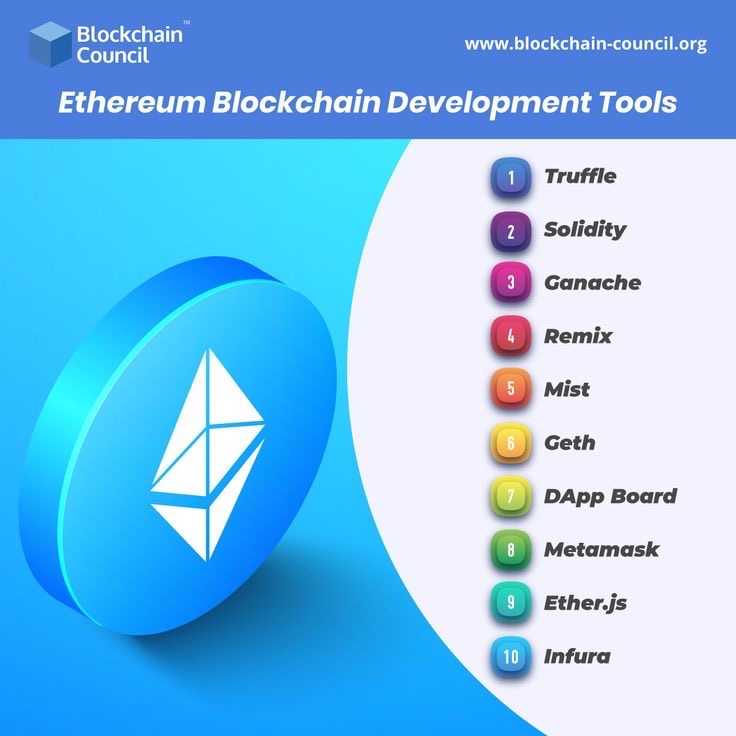
    This guide introduces 10 essential Blockchain Developer Tools in 2026 that are shaping the future of decentralized apps. Whether you’re a newbie or a seasoned dev, these tools will help you streamline development, ensure smart contract security, and enhance deployment efficiency.

    Let’s dive in.


    Why Blockchain Developer Tools Matter

    Blockchain development isn’t just about writing smart contracts anymore. Today, it encompasses everything from creating decentralized applications (dApps) to integrating blockchain into real-world services like supply chains, healthcare systems, and even the foundations of artificial intelligence.

    To achieve these integrations, developers rely heavily on a growing suite of specialized Blockchain Developer Toolsthat support testing, compiling, deploying, debugging, and monitoring.


    1. Truffle Suite – The OG Framework

    If you’ve heard of Ethereum, chances are you’ve heard of Truffle. This development environment is one of the most popular Blockchain Developer Tools. Truffle allows for:

    • Smart contract compilation and deployment
    • Automated testing with Mocha and Chai
    • Integration with Ganache (a personal blockchain)

    Truffle Suite is often considered the foundation for Ethereum-based blockchain development and is still widely used in 2025 thanks to its seamless integration with AI and the foundations of artificial intelligence. It’s one of the go-to Blockchain Developer Tools for beginners and pros alike.


    2. Hardhat – The Developer’s Best Friend

    Hardhat is a modern alternative to Truffle and has gained popularity for its flexibility and plugin ecosystem. It enables:

    • Smart contract testing and debugging
    • Stack traces and console logs for Solidity
    • Integration with TypeScript

    Hardhat is an essential Blockchain Developer Tool for those building high-performance dApps in industries like finance, gaming, and AI, where blockchain meets the foundations of artificial intelligence. As one of the most versatile Blockchain Developer Tools, it offers power and simplicity in one package.


    3. Ganache – Your Local Blockchain

    Ganache is another key component of the Truffle Suite. It spins up a local Ethereum blockchain for rapid testing and deployment. It lets you:

    • Test smart contracts before going live
    • Simulate transactions and mining
    • View gas costs and balances

    Ganache supports testing of AI-blockchain interactions, a growing trend due to the deeper integration of blockchain with the foundations of artificial intelligence. As Blockchain Developer Tools go, it’s indispensable for sandbox experimentation.


    4. MetaMask – Essential for DApp Interaction

    No blockchain development is complete without MetaMask, the wallet and gateway to Ethereum dApps. It allows developers and users to:

    • Manage identities and wallets
    • Interact with Ethereum-based applications
    • Test user journeys and smart contracts

    As the world shifts to decentralized identity systems, especially in sectors leveraging the foundations of artificial intelligence, MetaMask is becoming even more critical among Blockchain Developer Tools. It’s not just a wallet—it’s one of the most used Blockchain Developer Tools in 2026.


    5. Remix IDE – Web-Based Smart Contract Dev

    Remix is a web-based IDE built specifically for Solidity. It offers:

    • Real-time compilation and deployment
    • Built-in debugger and static analysis
    • Plugin integration for learning and prototyping

    Remix is perfect for developers building educational tools and research apps in blockchain and artificial intelligence foundations. It remains one of the simplest yet most powerful Blockchain Developer Tools available.


    6. Alchemy – Blockchain Infrastructure as a Service

    Alchemy offers blockchain APIs, analytics, and developer dashboards. It’s often compared to Firebase for the blockchain world. Key features include:

    • Enhanced node management
    • Analytics dashboards
    • Webhooks and real-time data feeds

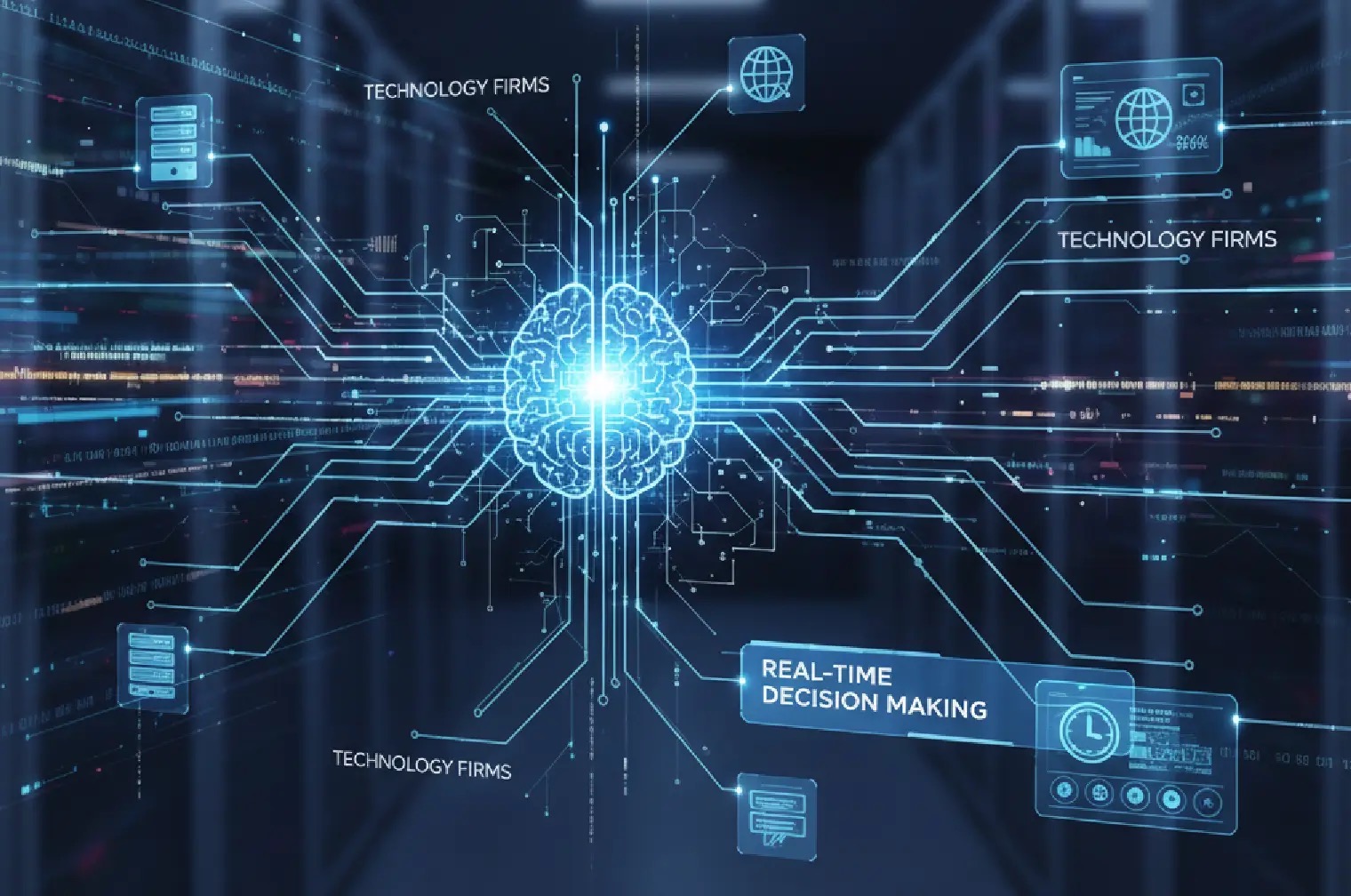
    For apps working on predictive modeling or real-time decision-making—common in the foundations of artificial intelligence—Alchemy’s real-time data is a game-changer among Blockchain Developer Tools.


    7. Infura – Scalable Ethereum Access

    Infura provides reliable, scalable access to Ethereum and IPFS networks without needing to run your own node. Ideal for:

    • DApps requiring always-on infrastructure
    • Projects scaling AI and machine learning on blockchain
    • Data-heavy applications

    Its utility in connecting decentralized intelligence layers with blockchain aligns closely with the foundations of artificial intelligence and makes it a vital Blockchain Developer Tool. Infura continues to be one of the top Blockchain Developer Tools for cloud-based blockchain apps.


    8. Moralis – Web3 Backend Powerhouse

    Moralis simplifies backend development for Web3 projects. It handles:

    • User authentication
    • Database sync with blockchain
    • Real-time events and notifications

    If you’re building dApps with AI features—like adaptive games or autonomous finance apps—Moralis helps integrate blockchain into the foundations of artificial intelligence effortlessly. It’s one of the fastest-growing Blockchain Developer Tools today and ideal for AI-blockchain apps.


    9. Ethers.js – Powerful JavaScript Library

    Ethers.js is an Ethereum library for JavaScript developers, offering:

    • Secure wallet and key management
    • Smart contract interactions
    • ENS (Ethereum Name Service) support

    It’s lightweight, flexible, and ideal for AI-powered web applications utilizing blockchain data streams as part of their foundations of artificial intelligence. A must-have Blockchain Developer Tool for web devs and one of the most popular Blockchain Developer Tools in the JavaScript community.


    10. Chainlink – Decentralized Oracle Network

    Last but not least, Chainlink connects smart contracts with off-chain data. It enables:

    • Real-world data integration (weather, stock prices, etc.)
    • Secure, tamper-proof oracle networks
    • AI-driven automation and IoT connections

    Chainlink is a cornerstone for building intelligent decentralized systems where blockchain and the foundations of artificial intelligence intersect. It’s one of the most strategic Blockchain Developer Tools for data-driven apps.


    The Role of Blockchain in AI and Tech

    The synergy between blockchain and the foundations of artificial intelligence is undeniable. Blockchain offers transparency, security, and decentralization—crucial for ethical and responsible AI development. On the other hand, AI provides blockchain with intelligence and adaptability, creating smarter systems and predictive analytics.

    These tools are not just enablers of blockchain—they are essential to building platforms where blockchain, AI, and IT infrastructure come together to power the future. That’s why investing in the right Blockchain Developer Tools is essential for long-term success.


    A Quick Word About IT and Tech

    In a world where data is king and security is everything, IT and tech services play a foundational role. From maintaining server uptime to developing cutting-edge platforms, IT is the invisible force that drives digital transformation. With the rise of AI, IoT, and blockchain, the tech landscape is expanding rapidly—and keeping up requires a robust tech stack, skilled professionals, and future-focused innovation.


    Conclusion: Where Blockchain Meets the Future

    Blockchain development is evolving fast, and these 10 essential Blockchain Developer Tools are just the tip of the iceberg. As blockchain technology merges deeper into the foundations of artificial intelligence, it’s clear that smart, decentralized, and adaptive applications will rule the future.

    At aibuzz, we specialize in delivering cutting-edge solutions across blockchain development, IT services, and artificial intelligence. Whether you’re building the next-gen dApp, launching a DeFi startup, or exploring how blockchain can enhance your AI systems, we’ve got the expertise you need.

    Let’s build the future of tech—one block at a time, using the most advanced Blockchain Developer Tools available.

  • 10 Key Advantages of Reliable Computer Network Support

    10 Key Advantages of Reliable Computer Network Support

    In the ever-evolving digital age, smooth communication, data sharing, and system security are critical to every organization. Behind all of this is one often-overlooked hero: computer network support. Without it, businesses risk slowdowns, data breaches, and massive inefficiencies.

    Whether you’re running a small startup or managing a large enterprise, investing in computer network support is no longer optional—it’s essential. In this blog, we’ll explore 10 essential benefits of robust computer network supportthat help businesses grow, stay secure, and run smoothly in today’s tech-driven landscape.


    10 Essential Benefits of Computer Network Support

    What is Computer Network Support?

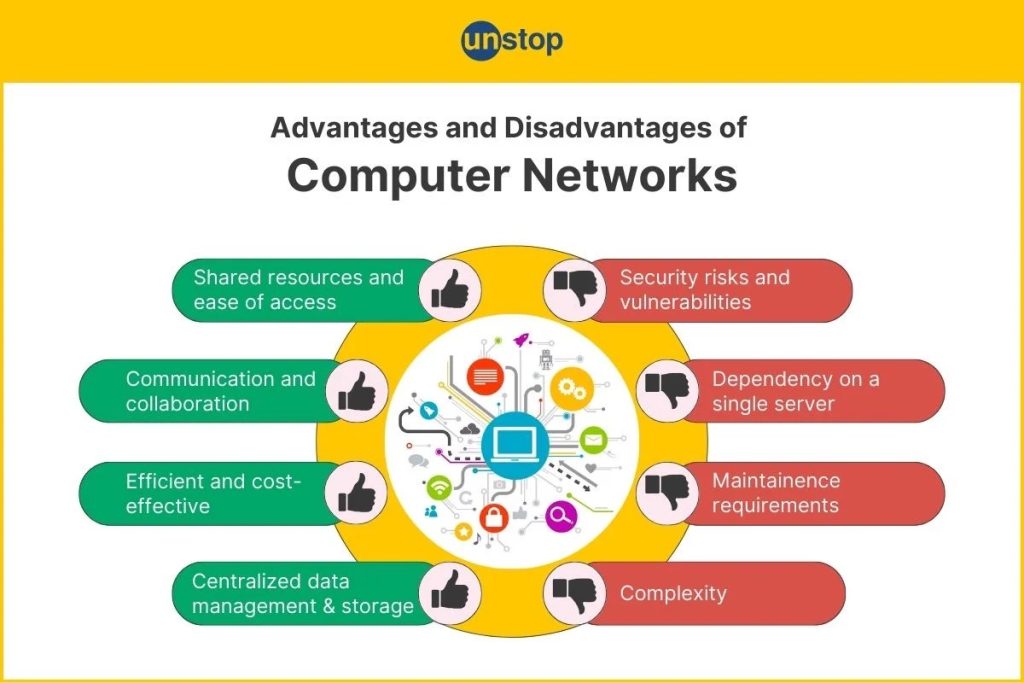
    Computer network support refers to the practice of managing, maintaining, troubleshooting, and optimizing a business’s IT network. This includes configuring routers and switches, maintaining wired and wireless connectivity, implementing cybersecurity protocols, and ensuring overall uptime and efficiency of the company’s communication systems.

    Without proper computer network support, internal systems can break down, communications may fail, and valuable data may be at risk. Let’s dive into why computer network support is a must-have for businesses in every industry.


    1. Improved Network Performance

    A sluggish network can slow down your entire business operation. Computer network support ensures optimized bandwidth usage, reduced latency, and faster data transmission. Network technicians monitor performance in real time and identify bottlenecks before they affect productivity.

    This constant monitoring and adjustment help businesses provide better services to customers, reduce internal delays, and maintain a competitive edge.


    2. Enhanced Security and Data Protection

    Security threats like malware, phishing, and ransomware are more aggressive and sophisticated than ever. Computer network support teams implement critical security measures like firewalls, VPNs, multi-factor authentication, and regular software updates to protect business data.

    These experts also conduct vulnerability assessments and respond swiftly to suspicious activities, preventing breaches before they happen.


    3. Reduced Downtime and Faster Recovery

    Every minute of network downtime costs money. From lost sales to damaged customer trust, the consequences can be severe. Computer network support ensures that your infrastructure is constantly monitored and maintained to avoid unplanned disruptions.

    Even when issues occur, having a support team in place guarantees faster recovery times. From diagnosing the problem to implementing quick fixes, computer network support keeps your systems running smoothly.


    4. Scalability and Future-Proofing

    As your business grows, your network needs to expand with it. Whether you’re adding new offices, remote teams, or cloud-based systems, computer network support provides the technical expertise to scale your network infrastructure without compromising performance or security.

    They also ensure that your systems are ready to integrate future technologies like AI, IoT, and 5G seamlessly.


    5. Cost-Effective Operations

    Hiring a full-time, in-house IT team may not be practical for small or medium-sized businesses. Outsourcing computer network support gives you access to a team of experts without the overhead costs of salaries, benefits, and training.

    Plus, the proactive nature of support services helps prevent costly disasters, saving money in the long run.


    6. Remote Work Enablement

    Remote and hybrid work models are here to stay. Computer network support plays a pivotal role in setting up secure remote access, cloud collaboration tools, and VPN configurations. These solutions allow your team to work efficiently from anywhere in the world while keeping your data protected.

    Reliable computer network support ensures your remote workforce can stay connected without technical hiccups or security threats.


    7. Compliance and Legal Safety

    Many industries are bound by strict compliance regulations like GDPR, HIPAA, or PCI-DSS. Computer network support ensures that your network infrastructure meets all legal requirements, reducing the risk of penalties and legal action.

    They maintain logs, ensure data privacy, and assist in audits—providing peace of mind to business owners and stakeholders.


    8. Centralized Network Management

    Managing a growing network with multiple devices and users can be a nightmare without the right support. Computer network support centralizes network monitoring, device management, and troubleshooting—making it easier for IT professionals to manage everything from a single dashboard.

    This visibility helps improve control, performance, and the ability to respond to issues quickly and efficiently.


    9. 24/7 Technical Support

    Many computer network support providers offer 24/7 assistance. This ensures your systems are protected and functional even outside regular working hours. Whether it’s a minor glitch or a critical failure, around-the-clock support minimizes business disruption.

    You don’t have to worry about finding help during an emergency—expert technicians are always just a call or click away.


    10. Peace of Mind

    Last but not least, investing in computer network support gives business owners and IT managers peace of mind. With a team of experienced professionals handling your network’s health, you can focus more on strategic growth and less on technical issues.

    It’s comforting to know that your network is protected, optimized, and monitored by specialists.


    The Role of AI and Automation in Network Support

    Modern computer network support goes beyond cables and routers. AI-powered tools can now analyze traffic patterns, detect anomalies, and even automate routine maintenance tasks. Machine learning helps predict network issues before they arise, ensuring even greater uptime and reliability.

    This shift toward smart IT infrastructure makes computer network support more essential than ever, as businesses need experts who can harness the power of these intelligent tools.


    Conclusion: Why aibuzz is Your Ideal IT and Tech Partner

    In a world where everything from customer service to core operations relies on network connectivity, computer network support is not a luxury—it’s an essential pillar of success. From minimizing downtime and enhancing security to enabling scalability and remote work, the value it brings is immeasurable.

    At aibuzz, we specialize in delivering top-tier computer network support, along with comprehensive IT and tech services tailored to your business needs. Whether you’re upgrading your infrastructure, transitioning to the cloud, or seeking 24/7 managed services, our expert team is ready to help you grow with confidence. Partner with us for seamless connectivity, robust security, and future-ready solutions.

  • Big Data Self-Service: Empowering Businesses to Make Smarter Decisions Faster

    Big Data Self-Service: Empowering Businesses to Make Smarter Decisions Faster

    Big Data has revolutionized how businesses extract value from information. Yet, the traditional process—waiting on IT teams for reports and dashboard updates—has often delayed decision-making. Enter Big Data Self-Service, a powerful approach that gives business users the freedom to access, analyze, and visualize data independently.

    As organizations evolve to be more agile and data-driven, the adoption of big data self-service tools has skyrocketed. This shift is not just technological—it’s cultural. It’s about empowering employees, streamlining operations, and fostering innovation across departments.

    In this blog, we’ll explore the 9 empowering benefits of big data self-service, why it’s crucial in 2025, and how businesses can make the most of this transformation.


    What is Big Data Self-Service?

    Big data self-service refers to systems and platforms that allow non-technical users—like marketers, HR professionals, sales teams, and executives—to access large-scale data sets, run queries, and generate insights without relying heavily on IT or data analysts.

    These tools often feature user-friendly dashboards, drag-and-drop analytics, intuitive data visualizations, and AI-powered suggestions, making data exploration faster and more efficient.


    Why Big Data Self-Service is a Game Changer

    In a world of real-time decisions and hyper-competition, waiting for insights is no longer an option. Companies need instant data access and the ability to act on it. Big data self-service tools democratize data access, enabling every department to become insight-driven.

    Let’s explore the 9 empowering benefits:


    1. Faster Decision-Making

    With big data self-service platforms, decision-makers no longer depend on IT to retrieve reports. They can explore data, spot trends, and act in real time. This significantly reduces turnaround time and supports proactive business strategies.

    Imagine a retail manager spotting a sudden dip in regional sales and immediately adjusting promotional efforts—without logging a support ticket or waiting hours for a report.


    2. Enhanced Productivity Across Teams

    Teams spend less time requesting reports and more time analyzing, strategizing, and implementing. By giving employees tools to extract insights themselves, organizations improve overall productivity and reduce data bottlenecks.

    Self-sufficiency fuels momentum. Teams no longer hit roadblocks waiting for analysis—they become the analysts.


    3. Cost Efficiency and IT Optimization

    While implementing big data self-service tools requires upfront investment, the long-term savings are substantial. IT teams are freed from repetitive reporting tasks and can focus on more critical infrastructure and innovation.

    Businesses save on labor costs, boost IT morale, and get a higher return on data infrastructure.


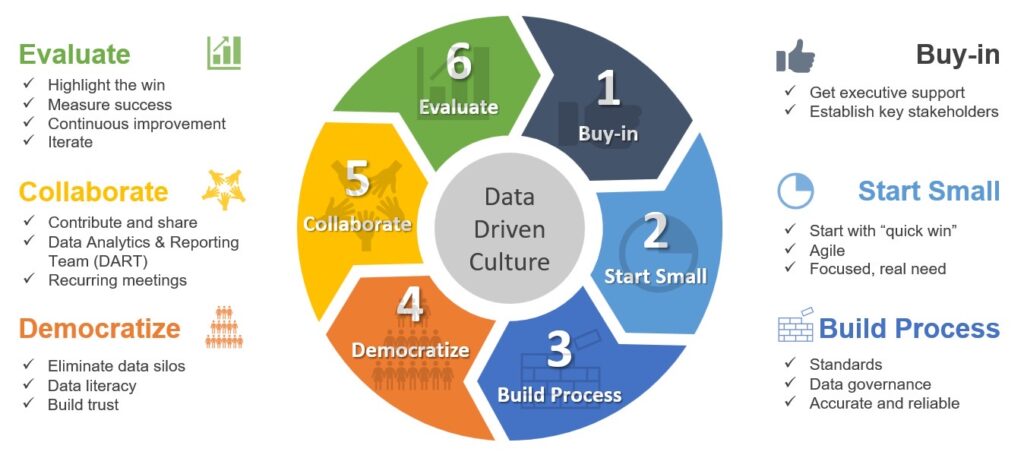
    4. Data Democratization and a Stronger Data Culture

    Data democratization means giving data access to everyone—not just analysts and engineers. Big data self-service platforms encourage a data-first mindset, where every employee can confidently explore, question, and utilize data to back their decisions.

    This shift builds a powerful data culture, where curiosity and innovation thrive.


    5. Improved Data Literacy

    As more employees engage with big data self-service tools, their comfort with data increases. They learn how to interpret charts, ask better questions, and draw meaningful conclusions.

    Over time, this raises the organization’s collective data IQ, turning basic users into savvy problem-solvers.


    6. Real-Time Insights and Dashboards

    Big data self-service tools often come equipped with live dashboards and real-time analytics. This means data reflects the current state of business, not yesterday’s news.

    Whether it’s website traffic, supply chain logistics, or customer sentiment, decisions can be made based on the latest data—no delay.


    7. Reduced Data Silos

    Traditionally, different departments often work in isolation, leading to fragmented insights. Big data self-service platforms centralize access and make data more shareable and unified.

    This removes silos and promotes cross-functional collaboration, where marketing, sales, and operations align using the same data sets.


    8. Customization and Personalization

    Modern big data self-service platforms allow users to create personalized dashboards, KPIs, and reports. This customization helps users focus on what matters most to them without the noise.

    Each department can tailor the tool to its workflow—marketing might track lead conversion, while finance monitors expense trends.


    9. Boosted Innovation and Competitive Edge

    When data access is open and easy, employees become innovators. They experiment, test hypotheses, and spot patterns others miss.

    This often leads to new ideas, optimized processes, and product improvements, giving businesses a sharp competitive edge in fast-moving markets.


    Short Paragraph: What is Software Development?

    Software development is the process of designing, building, testing, and maintaining applications and systems that solve problems or deliver value to users. It combines coding, user interface design, and system integration to create functional solutions for businesses and individuals. From web platforms to AI tools and mobile apps, software development underpins much of today’s digital innovation.


    Challenges of Big Data Self-Service (And How to Overcome Them)

    While big data self-service has massive benefits, it’s not without its hurdles:

    • Data Governance: With more users accessing data, the risk of misuse or misinterpretation increases. This can be mitigated with role-based permissions, audit trails, and training.
    • Quality and Trust Issues: Users must trust the data. Ensuring data is accurate, clean, and consistent is essential.
    • Training and Adoption: Not all employees are data-savvy. Businesses must invest in onboarding programs and tutorials to help teams make the most of self-service tools.

    With the right implementation, these challenges can be turned into strengths.


    Choosing the Right Big Data Self-Service Platform

    When selecting a platform, consider:

    • Ease of Use: Does the tool cater to non-technical users?
    • Integration: Can it pull data from your existing systems like CRMs, ERPs, and cloud storage?
    • Scalability: Can it handle the size and complexity of your data as you grow?
    • Security: Does it comply with data protection standards?
    • Collaboration Features: Does it allow sharing, commenting, and joint editing of dashboards?

    Popular tools in this space include TableauMicrosoft Power BIQlik, and Looker, each offering distinct features to empower your workforce.


    The Future of Big Data Self-Service

    In 2025 and beyond, AI and natural language processing will supercharge big data self-service tools. Users will be able to ask questions like, “What were our top-performing products last month?” in plain English and get visualized answers in seconds.

    Voice-enabled analytics, predictive modeling, and auto-generated insights will soon become standard features, making big data self-service even more intuitive and powerful.

    The trend is clear: businesses that adopt and evolve with these platforms will lead the way in innovation and agility.


    Conclusion: Big Data Self-Service with aibuzz

    Big data self-service is more than just a tech upgrade—it’s a cultural shift toward independence, speed, and smarter decisions. From empowering teams to accelerating business growth, the benefits are transformative.

    aibuzz offers robust solutions in big data self-service, helping businesses harness the full potential of their data ecosystems. With expert guidance and cutting-edge technology, we ensure your teams are equipped, your data is secure, and your insights are impactful.

    Partner with aibuzz to make your data work for you—not against you.


  • 7 Powerful Secure Blockchain Solutions Every Business Needs in 2025

    7 Powerful Secure Blockchain Solutions Every Business Needs in 2025

    Introduction: Security Has a New Name — Blockchain

    As we step deeper into 2025, cybersecurity is no longer just a technical concern — it’s a business survival strategy. Secure blockchain solutions are becoming the new standard for enterprises across the world, offering unmatched protection for data, identity, and transactions.

    Companies are now moving beyond traditional tools and embracing decentralized security that is verifiable, tamper-resistant, and mathematically trusted. Blockchain doesn’t rely on a central authority — and that’s exactly what makes it one of the strongest shields in the digital age.

    Let’s explore the 7 most powerful secure blockchain solutions every future-ready business needs in 2025.


    1. Zero-Trust Architecture Powered by Blockchain

    The zero-trust model assumes one thing: trust no one by default — verify everything.

    Blockchain strengthens this model through:

    • Immutable identity verification
    • Distributed access control
    • Transparent audit logs
    • Zero single points of failure

    With blockchain-backed zero trust, unauthorized access becomes nearly impossible.


    2. Smart Contract Security & Audit-Proof Execution

    Smart contracts automate financial and operational processes — but any loophole can lead to major losses.

    2025 introduces advanced protection through:

    • AI-powered contract audits
    • Real-time vulnerability detection
    • Secure execution engines
    • Automated compliance checks

    Businesses now run automated operations with confidence and complete transparency.


    3. Decentralized Digital Identity (DID)

    Identity theft and password breaches continue to rise — but DID changes everything.

    Secure blockchain identity systems offer:

    • Self-sovereign identity control
    • Encrypted keys instead of passwords
    • No centralized storage
    • Fraud-resistant verification

    Users own their identity, not a corporation or server. That’s real security.


    4. Immutable Data Storage for Enterprises

    Enterprise data breaches cost billions globally.
    Blockchain prevents corruption or tampering with:

    • Immutable transaction logs
    • Verifiable data integrity
    • Decentralized storage
    • Cryptographic hashing

    This ensures every piece of information remains authentic and tamper-proof.


    5. Secure Blockchain-Based Finance

    The financial world trusts blockchain for its unbeatable security. In 2025, it powers:

    • Cross-border payments
    • Fraud detection
    • Instant settlements
    • Transparent audits
    • Verified financial records

    Banks, fintech companies, and payment platforms now rely on blockchain as their core security engine.


    6. Supply Chain Traceability & Authentication

    Counterfeit goods and supply uncertainties disrupt global markets.
    Blockchain fixes this by offering:

    • Real-time product tracking
    • Provenance verification
    • Secure vendor authentication
    • Tamper-proof process records

    Businesses gain total visibility — from origin to delivery.


    7. Advanced Blockchain Consensus Mechanisms

    2025 brings fast, energy-efficient, and highly secure consensus algorithms like:

    • Proof of Stake (PoS)
    • Proof of Authority (PoA)
    • Hybrid blockchain consensus
    • BFT (Byzantine Fault Tolerance) models

    These systems make enterprise blockchain more scalable, secure, and sustainable.


    Why Blockchain Security Matters in 2025

    Digital threats are evolving faster than ever.
    Businesses need infrastructure that can defend itself — not wait for a human to intervene.

    Blockchain offers:

    • Zero tampering
    • Zero central failure
    • Full transparency
    • Cryptographic protection
    • Decentralized trust

    It’s not just technology — it’s the foundation of modern digital security.


    Services Offered by abuzz Technoventures Pvt. Ltd.

    abuzz Technoventures delivers cutting-edge technology solutions that help businesses innovate, scale, and stay secure. Their key offerings include:

    Their expertise ensures businesses stay ahead of industry trends with reliable, future-ready technology.


    Conclusion

    Secure blockchain solutions are becoming essential for any business preparing for the future. From data protection to financial integrity and identity security, blockchain brings trust, transparency, and unmatched safety to digital operations.

    abuzz continues to support global businesses with advanced blockchain development, powerful cybersecurity planning, and full-scale enterprise technology services.

    📞 Contact: 919967940928
    🌐 Visit: www.aibuzz.net
    📩 Mail: info@aibuzz.net

  • Artificial intelligence:9 Powerful Cases That Will Transform the World in 2025

    Artificial intelligence:9 Powerful Cases That Will Transform the World in 2025

    Introduction: 2025 — The Year AI Becomes Mainstream

    By the time we hit 2025, Artificial Intelligence is no longer an add-on or a luxury—it’s the engine running global innovation. Across industries, AI is shifting from “experimental tech” to “daily necessity,” powering decisions, operations, creativity, and problem-solving at a scale we’ve never seen before.

    The biggest leap?
    Artificial Intelligence is finally becoming intuitive, accessible, and predictive—meaning you don’t need a PhD or a data lab to use it. Businesses, governments, schools, hospitals, creators, and even small teams are unlocking smarter, faster, more effective workflows with AI at the core.

    Here are 9 powerful AI use cases that will reshape industries and daily life in 2025.


    1. Predictive Analytics for Smarter, Faster Decision-Making

    In 2025, predictive analytics evolves from “nice to have” to “critical for survival.”
    AI analyzes massive data streams in real time and predicts:

    • Market demand
    • Customer behavior
    • Machine failure
    • Supply chain disruptions
    • Risk patterns

    Businesses no longer react—they anticipate.
    This gives companies an unfair advantage in competitive industries, and it’s becoming the new baseline for success.


    2. Healthcare Diagnostics That Beat Human Speed

    Artificial Intelligence in healthcare is hitting a new milestone in 2025:
    accurate diagnostic insights in seconds, thanks to deep learning models trained on millions of medical images and patient records.

    Artificial Intelligence supports doctors with:

    • Early disease detection
    • Personalized treatment plans
    • Real-time patient monitoring
    • Risk prediction

    It doesn’t replace medical professionals — it amplifies them, reducing errors and improving outcomes.


    3. AI-Powered Automation Across Every Industry

    From factories to finance departments, AI automation is delivering peak efficiency in 2025.
    Repetitive tasks like:

    • Data entry
    • Inventory updates
    • Email classification
    • Reporting
    • Scheduling

    …all happen automatically, freeing human teams for creative and strategic work.

    The biggest win?
    Automation scales effortlessly, making small teams feel like large ones.


    4. Hyper-Personalized Customer Experiences

    Artificial Intelligence is the new customer experience engine.
    Brands now offer:

    • Personalized product recommendations
    • Tailored marketing messages
    • Smart chatbots with human-like responses
    • Real-time behavior tracking
    • Dynamic website experiences

    By 2025, customers expect personalization.
    AI makes it possible—instantly.


    5. AI Cybersecurity for Real-Time Threat Defense

    The digital world is growing, and so are cyber threats.
    Thankfully, Artificial Intelligence in cybersecurity is becoming more intelligent and proactive.

    AI monitors:

    • Suspicious user behavior
    • Abnormal network patterns
    • Fraud attempts
    • Malware signatures
    • Intrusion risks

    It can detect, block, and report threats faster than any human team.
    And in 2025, that’s exactly what businesses need.


    6. AI in Education for Adaptive, Personalized Learning

    Education in 2025 is no longer one-size-fits-all.
    Artificial Intelligence transforms classrooms—with or without walls—by offering:

    • Personalized learning paths
    • Intelligent tutoring systems
    • Automated grading
    • Student progress predictions
    • Immersive learning content

    Students learn at their own pace.
    Teachers get better insights.
    Education becomes smarter and more inclusive.


    7. AI for Creative Work: Content, Design, and Media

    Artificial Intelligence isn’t replacing creators—it’s empowering them with speed and flexibility.

    In 2025, AI tools can:

    • Generate visual concepts
    • Write content drafts
    • Create short films
    • Produce 3D models
    • Mix music
    • Brainstorm ideas

    Creativity is exploding because AI removes the technical barriers and allows creators to focus on imagination.


    8. Smart Cities Powered by AI

    Cities are becoming more intelligent, sustainable, and safe thanks to AI-driven systems like:

    • Traffic flow optimization
    • Smart public transport
    • Predictive maintenance for roads and utilities
    • Real-time pollution tracking
    • Emergency response systems

    Smart cities improve quality of life with seamless services—everything runs smoother because Artificial Intelligence holds the controls.


    9. AI in Finance for Accuracy, Speed, and Stability

    Artificial Intelligence is becoming the heartbeat of modern financial systems.

    Use cases in 2025 include:

    • Fraud detection
    • Credit scoring
    • Portfolio management
    • Automated trading
    • Expense forecasting
    • Customer risk profiling

    Finance becomes more transparent, more secure, and more efficient.

    About AiBuzz Technoventures Pvt. Ltd.

    AiBuzz Technoventures Pvt. Ltd. is a leading digital innovation company helping businesses embrace the future with powerful technology solutions. Their expertise includes:

    AiBuzz is committed to helping organizations scale with innovation and digital excellence.
    Visit: www.aibuzz.net


    Conclusion: The AI Revolution of 2025 Is Here

    As we step deeper into 2025, Artificial Intelligence is no longer a future technology—it’s the most powerful tool shaping our present. These use cases prove that AI is transforming every industry with unmatched speed, innovation, and intelligence.

    And the best part?
    We’re still at the beginning of what’s possible.

    📞 Contact: 919967940928
    🌐 Visit:www.aibuzz.net
    📩 Mail:info@aibuzz.net

  • 10 Powerful Ways Virtual Reality Will Transform the World by 2030

    10 Powerful Ways Virtual Reality Will Transform the World by 2030

    Introduction: A Breakthrough Decade Begins

    As we move toward 2030, virtual reality is becoming more advanced, more accessible, and more deeply integrated into everyday life. What once felt experimental is now turning into a powerful ecosystem capable of transforming industries, empowering education, and elevating human experience.

    The decade ahead will redefine how people interact with digital environments, making virtual reality one of the most influential technologies of our time.


    1. Immersive Learning Will Become the New Standard

    Education is entering a revolution where virtual reality replaces traditional textbooks with lifelike simulations. Students will explore ancient civilizations, perform scientific experiments safely, and visualize complex concepts with absolute clarity.


    2. Healthcare Will Benefit from Precision-Based Simulations

    Doctors will train using virtual reality tools that replicate real surgical conditions. Patients will experience therapy through calming digital environments that help reduce anxiety, stress, and chronic pain.


    3. Corporate Training Will Become Hyper-Realistic

    By 2030, organizations will adopt virtual reality for hands-on training without risk. From manufacturing floors to emergency response exercises, teams can practice complex operations in a safe yet realistic world created through virtual reality.


    4. Entertainment Will Evolve Into Fully Interactive Worlds

    Movies, concerts, and sports will be reinvented through virtual reality experiences that allow individuals to become part of the action. This shift will change how fans engage with stories, performers, and digital events.


    5. Remote Work Will Feel Surprisingly Real

    Virtual offices designed with virtual reality will allow team members to collaborate as if they were physically together. Meetings will move from flat screens to shared 3D spaces that boost creativity and efficiency.


    6. Travel and Exploration Will Become Accessible to All

    People will visit global destinations using virtual reality, experiencing cultures, landmarks, and outdoor adventures without leaving home. This capability will also support tourism businesses by offering previews of real-world experiences.


    7. Retail and Shopping Will Turn Fully Interactive

    Consumers will walk through digital stores powered by virtual reality, try on outfits, test products, and preview purchases in lifelike 3D environments. The result: a more confident and enjoyable buying experience.


    8. Mental Wellness Will Be Reinvented

    Therapists will use virtual reality scenarios to help patients overcome fears, reduce stress, and build emotional resilience. Guided environments will make healing more engaging and personalized.


    9. Architecture and Real Estate Will Use True-to-Life Visualization

    Designers will walk clients through unbuilt structures using virtual reality, enabling them to explore interiors, adjust layouts, and visualize future homes or offices with unprecedented clarity.


    10. Social Interaction Will Reach a New Dimension

    People will build friendships, connect with communities, and attend global events using virtual reality, forming meaningful relationships beyond geographical boundaries.


    About AiBuzz Technoventures Pvt. Ltd.

    AiBuzz Technoventures Pvt. Ltd. is a future-ready technology company offering digital solutions across industries. Their services include:

    Explore their offerings at www.aibuzz.net


    Conclusion: A More Immersive Tomorrow

    By 2030, VR will reshape the way the world learns, works, heals, and connects. Industries will move faster, creativity will expand, and human experiences will become richer. With advanced solutions and deep technical expertise, virtual reality innovation led by AiBuzz Technoventures will continue pushing boundaries and unlocking new possibilities for businesses everywhere.

    📞 Contact: 919967940928
    🌐 Visit: www.aibuzz.net
    📩 Mail: info@aibuzz.net