Category: Uncategorized

  • Mixed Reality Development: 7 Game-Changing Innovations in 2025

    Mixed Reality Development: 7 Game-Changing Innovations in 2025

    Mixed reality development is revolutionizing the way we interact with digital environments, seamlessly blending physical and virtual worlds. From healthcare innovations to AI-powered applications, mixed reality software is unlocking new possibilities for businesses and individuals alike. This blog explores seven groundbreaking ways mixed reality development is shaping the future, highlighting key mixed reality features, trends, and real-world applications.


    1. The Rise of Mixed Reality Software

    Mixed reality software is at the core of MR experiences, enabling users to interact with both real and virtual objects in real-time. Unlike traditional augmented reality (AR) or virtual reality (VR), MR allows for seamless interaction, making digital elements feel as tangible as physical objects.

    Key mixed reality features include:
    ✔️ Real-world spatial mapping
    ✔️ Gesture and voice recognition
    ✔️ AI-powered object interaction
    ✔️ Cloud-based collaboration

    These features make mixed reality development a game-changer across various industries, from gaming to enterprise solutions.


    2. Healthcare Mixed Reality: A New Era of Medical Innovation

    One of the most promising applications of MR is in the healthcare industry. Healthcare mixed reality is enabling medical professionals to visualize complex data, conduct remote surgeries, and train students with immersive simulations.

    🔹 Surgical Assistance: Surgeons can use MR headsets to overlay 3D anatomical models during procedures, improving precision and reducing risks.
    🔹 Medical Training: Mixed reality provides hands-on experience for medical students without real-life risks.
    🔹 Patient Rehabilitation: Patients recovering from injuries can use MR-assisted therapy programs for faster recovery.

    With AI in mixed reality, these healthcare solutions are becoming smarter, adapting to patient needs in real-time.


    3. AI in Mixed Reality: The Intelligent Future of MR

    Artificial intelligence is supercharging mixed reality development by enabling smarter, more intuitive interactions. AI-driven mixed reality software allows applications to recognize objects, understand user behavior, and enhance user experience.

    🧠 Smart Assistants: AI-powered MR assistants can guide users through complex tasks in industries like manufacturing, retail, and customer service.
    🌍 Real-time Translation: AI integration allows for real-time language translation in MR environments, breaking communication barriers.
    🔍 Predictive Analysis: AI can analyze MR data to provide insights and improve decision-making in business operations.

    With AI’s role expanding in mixed reality development, expect smarter, more responsive MR applications across all sectors.


    4. Mixed Reality in Education: A New Way to Learn

    Education is being transformed by mixed reality development, making learning more interactive and engaging. From virtual field trips to hands-on science experiments, MR allows students to experience lessons like never before.

    📚 Immersive Classrooms: Teachers can create interactive lessons, helping students grasp complex subjects faster.
    🔬 STEM Training: Mixed reality software provides simulated environments for students to experiment in physics, chemistry, and biology.
    🧑‍💻 Skill-based Learning: MR offers hands-on training in vocational fields like engineering and architecture.

    The combination of MR and AI in education is making learning more personalized and accessible worldwide.


    5. Revolutionizing Retail & E-Commerce with Mixed Reality

    Shopping is no longer confined to physical stores or flat screens. MR is redefining the retail industry with immersive shopping experiences that bridge the gap between online and offline purchasing.

    🛍️ Virtual Try-Ons: Customers can try on clothes, accessories, or even furniture in their homes before making a purchase.
    📱 Interactive Product Displays: Mixed reality features allow users to interact with 3D models of products before buying.
    🛒 AI-Powered Recommendations: AI in mixed reality personalizes shopping experiences by suggesting products based on user behavior.

    Retailers adopting mixed reality development are seeing increased engagement and conversion rates.


    6. Enhancing Workplace Productivity with MR Collaboration

    Businesses are leveraging mixed reality software to improve productivity, training, and collaboration. With remote work becoming more common, MR is creating new ways for teams to connect.

    💼 Virtual Meetings: MR-powered virtual workspaces allow employees to collaborate in 3D environments, making remote meetings more engaging.
    🔧 Employee Training: Industries like manufacturing and construction use MR for hands-on training without real-world risks.
    📈 Data Visualization: Mixed reality features allow for 3D data analysis, improving decision-making processes.

    The integration of AI in mixed reality further enhances these applications by automating workflows and providing real-time insights.


    7. The Future of Mixed Reality Development

    Mixed reality is still evolving, and its future looks promising. As MR hardware becomes more affordable and software advancements continue, we can expect even more innovative applications in gaming, social media, and enterprise solutions.

    Key trends shaping mixed reality development include:
    🚀 5G & Edge Computing: Faster data processing for smoother MR experiences.
    🕶️ Lightweight MR Devices: More comfortable and accessible MR headsets.
    🤖 Deeper AI Integration: Smarter MR applications that adapt to user behavior.

    Businesses that invest in mixed reality software today will be ahead of the curve in the next wave of digital transformation.


    Final Thoughts

    Mixed reality development is more than just a futuristic concept—it’s already reshaping industries, from healthcare and education to retail and business collaboration. With AI-driven enhancements, mixed reality software is becoming more immersive, intelligent, and impactful.

    At aibuzz.net, we specialize in cutting-edge mixed reality development, helping businesses create innovative MR solutions tailored to their needs. Whether you’re looking to integrate MR into healthcare, education, or enterprise, our expertise in AI in mixed reality ensures the best results.

    Ready to bring the future to your business? Explore our mixed reality services at aibuzz.net today! 🚀

  • 24/7 it support

    24/7 it support

    24/7 IT Support: The Key to Ensuring Seamless Business Operations

    In today’s fast-paced digital world, businesses depend heavily on technology to operate smoothly and efficiently. Whether it’s a small start-up or a multinational corporation, the need for reliable and continuous IT support is critical. This is where 24/7 IT support comes into play. By offering around-the-clock assistance, businesses can ensure that their systems, networks, and software function without any disruptions. This blog will explore the importance of 24/7 IT support, the services it provides, and why your business should consider utilizing these services. At the end of the blog, we will also highlight Aibuzz.net and why it might be the right partner for your IT support needs.

    What is 24/7 IT Support?

    24/7 IT support refers to technical assistance provided to businesses and organizations at all hours of the day, seven days a week, 365 days a year. This service is essential for companies that require continuous operation and cannot afford downtime. It ensures that any technical issues are promptly addressed, minimizing disruptions and maintaining the productivity of employees and customers alike.

    The “24/7” aspect highlights that businesses do not need to wait until regular office hours to get their technical issues resolved. Whether it’s a weekend, a holiday, or the middle of the night, businesses can always count on a team of experts to assist them with any IT challenges they face.

    The Importance of 24/7 IT Support for Businesses

    1. Minimizing Downtime

    Downtime is one of the most costly aspects of business operations. It refers to the time when systems are unavailable or malfunctioning, preventing employees from accessing critical data, tools, and applications. This leads to productivity loss and potentially financial losses.

    With 24/7 IT support, businesses can swiftly resolve technical problems that might otherwise lead to extended downtime. Whether it’s fixing a network outage or troubleshooting a software issue, round-the-clock support ensures that your systems are back online quickly, reducing the impact on your business operations.

    2. Enhanced Security

    Cybersecurity is one of the most pressing concerns for businesses today. Cyberattacks and data breaches can have devastating effects, including loss of data, financial penalties, and a damaged reputation. Since cyberattacks can happen at any time, having 24/7 IT support ensures that your business is always protected.

    Security experts monitor your systems continuously to detect any signs of a security breach, malware, or ransomware. If an attack is detected, they can take immediate action to protect sensitive data and prevent further damage. This proactive security management helps safeguard your business against evolving cyber threats.

    3. Improved Customer Experience

    In many industries, especially e-commerce, customer experience is paramount. A slow or non-functional website, payment gateway issues, or problems with customer service tools can have a significant negative impact on customer satisfaction.

    By having 24/7 IT support, businesses can resolve issues promptly, ensuring that their website and other digital platforms remain fully functional and customer-friendly at all times. This reliability enhances the customer experience, keeping them happy and encouraging repeat business.

    4. Fostering Business Continuity

    Business continuity refers to the ability of an organization to continue its critical operations without interruption during a crisis. For businesses that rely on technology, IT systems are often at the core of these operations. A sudden IT failure can derail the whole business.

    24/7 IT support plays a crucial role in business continuity. When issues arise, IT support teams can respond immediately to get things back on track. Additionally, through regular system backups, updates, and monitoring, 24/7 IT support helps prevent unexpected issues from occurring in the first place.

    5. Cost Efficiency

    While it may seem like a significant investment to hire a team of IT experts for round-the-clock support, it can actually be more cost-efficient than dealing with frequent and prolonged outages or security breaches.

    Rather than paying for emergency repairs, businesses can opt for a predictable monthly or annual support contract. This allows for better budgeting, while ensuring that technical issues are addressed before they escalate into expensive problems. Plus, businesses don’t have to invest in hiring and training in-house IT staff to work around the clock, saving on recruitment and operational costs.

    Services Offered by 24/7 IT Support Providers

    24/7 IT support encompasses a wide range of services designed to keep your business operations running smoothly. Here are some of the key services offered by most IT support providers:

    1. Network Monitoring and Management

    Network infrastructure is the backbone of your business. Without a stable and secure network, all other IT systems would fail to operate properly. IT support teams constantly monitor your network to detect any potential issues, including bandwidth problems, system overloads, and security vulnerabilities. If an issue arises, they can troubleshoot it immediately, preventing any major disruptions.

    2. Help Desk Support

    Whether employees are dealing with software bugs, hardware failures, or login issues, a help desk provides quick solutions to a wide range of problems. 24/7 IT support teams offer help desk services to provide users with timely assistance via phone, email, or chat. With round-the-clock availability, help desks are an essential part of ensuring that employees can continue working without delays.

    3. Data Backup and Recovery

    Data loss is a nightmare for any business. Whether due to a cyberattack, hardware failure, or human error, losing critical data can lead to irreparable damage. 24/7 IT support includes data backup and recovery services that ensure your important files are regularly backed up and can be restored quickly if something goes wrong.

    4. Software and Hardware Support

    The technology your business uses is constantly evolving. Keeping systems up-to-date and well-maintained requires continuous monitoring and intervention. IT support teams assist with software updates, patches, and bug fixes to ensure your systems stay secure and functional. They can also help with hardware maintenance and repairs, ensuring that all physical devices are running smoothly.

    5. Cloud Services Management

    Cloud computing has become an integral part of modern businesses. From storage to communication tools, cloud services offer flexibility and scalability. IT support providers help businesses manage their cloud infrastructure, ensuring seamless access to data and applications, while also optimizing performance and security.

    6. Cybersecurity Services

    24/7 IT support teams provide constant cybersecurity monitoring, ensuring that your organization is protected from potential threats like viruses, malware, and phishing attacks. They implement firewalls, encryption, and other protective measures to safeguard sensitive business data from unauthorized access.

    7. Remote Support

    Remote IT support allows your business to receive assistance without needing to wait for an on-site technician. Using remote desktop tools, IT professionals can quickly access and resolve technical issues on employee devices or servers, all from a distance. This is particularly helpful for businesses with multiple office locations or remote workers.

    Benefits of 24/7 IT Support for Remote Workforces

    As more businesses embrace remote work, the need for reliable IT support has grown. Remote work presents unique challenges, such as ensuring that employees have access to the tools and resources they need, while also maintaining network security.

    24/7 IT support offers several benefits for remote teams:

    • Instant troubleshooting: Remote workers can resolve technical issues quickly with the help of IT support, ensuring that productivity is not hindered.
    • Support across time zones: With employees working from different parts of the world, having 24/7 support ensures that no matter when problems arise, help is available.
    • Enhanced security: Remote workers may use different networks and devices to access company systems, which could pose security risks. IT support teams can monitor and address these risks in real-time.

    Why Choose Aibuzz.net for 24/7 IT Support?

    When it comes to selecting an IT support partner, Aibuzz.net stands out as an industry leader in providing 24/7 IT support services. Whether you are a small start-up or a large enterprise, Aibuzz.net offers customized IT solutions that suit your specific business needs.

    Aibuzz.net’s services include:

    • Proactive monitoring to minimize downtime
    • Comprehensive cybersecurity strategies to safeguard your data
    • Expert help desk support for quick resolution of IT issues
    • Reliable backup and disaster recovery services
    • Seamless integration of cloud services

    With their experienced team of IT professionals and a commitment to delivering top-tier support, Aibuzz.net ensures your business can focus on growth while they take care of your IT infrastructure.

    Conclusion

    In today’s world, having 24/7 IT support is no longer just a luxury; it’s a necessity for businesses that rely on technology to maintain operations. The advantages—minimizing downtime, improving security, enhancing customer experience, and promoting business continuity—are undeniable. As technology continues to evolve, so too do the risks and challenges associated with it. By partnering with a reliable IT support provider like Aibuzz.net, your business can ensure smooth, uninterrupted operations, allowing you to focus on achieving your core business goals.

    Call to Action: Don’t let IT issues slow you down. Contact

    Contact:- 91 9967940928
    Visit:- www.aibuzz.net
    Mail us:- info@aibuzz.net


    Aibuzz.net today to learn more about how our 24/7 IT support services can benefit your business. Get in touch and discover the difference a dedicated IT team can make!

  • 10 Reasons Why Top Software Development Companies Choose Us for Cutting-Edge Solutions

    10 Reasons Why Top Software Development Companies Choose Us for Cutting-Edge Solutions

    Introduction

    In today’s rapidly evolving digital landscape, businesses across industries need cutting-edge software solutions to maintain a competitive edge. Choosing the right software development agency is a crucial decision that can determine the success of your projects. As one of the top software development companies, we specialize in delivering tailored software development services that align with your business goals, whether it’s android software developmenthealthcare software development, or enterprise-grade solutions.

    Our team of experts is dedicated to providing scalable, secure, and high-performance solutions that empower businesses to innovate and grow. Here are 12 key reasons why companies trust us to develop their mission-critical software solutions.

    1. Expertise in Cutting-Edge Technologies

    Technology is always evolving, and we make it a priority to stay ahead of the curve. Our team is proficient in a wide range of technologies, including AI, blockchain, cloud computing, and IoT, allowing us to build powerful, next-generation software solutions for businesses of all sizes.

    2. Customized Solutions for Unique Business Needs

    Every business has unique challenges and requirements. Unlike off-the-shelf software, our software development services focus on delivering custom solutions that are tailored to your exact needs. Whether you require android software development for mobile apps or healthcare software development with strict compliance standards, we craft software that aligns perfectly with your objectives.

    3. Agile and Adaptive Development Process

    We follow an Agile methodology, allowing us to deliver projects faster and with greater flexibility. Our iterative development approach ensures continuous collaboration, real-time feedback, and the ability to adapt to changes efficiently. This results in a more refined and successful end product.

    4. Scalable Software That Grows With You

    Your business is bound to grow, and we build software that grows with you. Our solutions are designed to be scalable, ensuring they can handle increasing user demands, expanding data volumes, and new functionalities as your business evolves.

    5. Seamless Integration With Existing Systems

    We understand that businesses often have pre-existing software and workflows in place. Our team ensures smooth integration with your existing tech stack, including CRMs, ERPs, cloud services, and third-party APIs, without disrupting your operations.

    6. Security-First Approach to Development

    With cybersecurity threats on the rise, protecting your software is our top priority. We incorporate the latest security measures, including encryption, multi-layer authentication, and compliance-driven security protocols, to safeguard your applications and data.

    7. Cost-Effective Solutions Without Compromising Quality

    High-quality software doesn’t have to come with an exorbitant price tag. As a leading software development firm, we provide cost-effective development services that cater to startups, SMEs, and enterprises alike while maintaining the highest standards of quality.

    8. Dedicated Support and Maintenance for Long-Term Success

    Our commitment to clients doesn’t end after deployment. We offer ongoing support, software updates, bug fixes, and performance enhancements to ensure your software remains secure, up-to-date, and optimized for peak efficiency.

    9. Deep Industry Knowledge and Experience

    From healthcare software development to fintech and e-commerce, our team has extensive experience in multiple industries. We understand the unique challenges and regulatory requirements of various sectors, allowing us to develop solutions that not only meet but exceed industry standards.

    10. Proven Track Record of Successful Projects

    Our portfolio speaks volumes about our capabilities. Over the years, we’ve helped numerous businesses—from startups to Fortune 500 companies—achieve success through innovative software solutions that drive efficiency and growth.

    Conclusion

    When it comes to choosing among the top software development companies, selecting a trusted partner with the right expertise, experience, and dedication is critical. Our software development agency is committed to delivering high-quality, tailored solutions that help businesses innovate, scale, and succeed in a competitive market.

    Are you ready to take your business to the next level? Let’s discuss your project today! Contact us for a consultation and discover how we can transform your vision into reality.

    For more details, visit our website at aibuzz.net.

  • Healthcare Software Development in 2025: A Glimpse into the Future

    Healthcare Software Development in 2025: A Glimpse into the Future

    The healthcare industry is undergoing a remarkable transformation in 2025, with the rise of innovative technologies shaping the future of healthcare software development. From artificial intelligence (AI) to telemedicine, the demand for smarter, more efficient software solutions is on the rise. This blog explores the latest trends, challenges, and opportunities in healthcare software development and how they are revolutionizing the healthcare landscape.

    The Importance of Healthcare Software in 2025

    In 2025, healthcare software development will be more crucial than ever. As the industry embraces digitalization, healthcare software is becoming a cornerstone for improving patient care, optimizing operational efficiency, and ensuring data security. With the ever-growing need for seamless healthcare systems, developers are creating platforms that cater to a wide range of needs—from electronic health records (EHR) management to telemedicine solutions and predictive healthcare analytics.

    The integration of healthcare software solutions will lead to:

    • Improved Patient Outcomes: With real-time data analytics and predictive algorithms, healthcare providers can better understand patient needs and offer personalized treatments.
    • Cost Efficiency: Healthcare software solutions streamline administrative tasks and clinical workflows, saving time and reducing costs.
    • Enhanced Data Security: Software solutions built with robust security measures ensure the privacy and confidentiality of patient data, a vital concern in the healthcare industry.

    Key Trends Shaping Healthcare Software Development

    Healthcare software development in 2025 will be significantly impacted by emerging technologies. Here are some key trends that are driving the evolution of healthcare software:

    1. Artificial Intelligence and Machine Learning

    AI and machine learning are rapidly transforming healthcare software development. These technologies can analyze vast amounts of data, uncover patterns, and assist in decision-making processes. In 2025, healthcare software powered by AI and machine learning will become more advanced, with the ability to:

    • Predict Health Outcomes: AI-driven software will use predictive analytics to forecast patient outcomes, enabling healthcare providers to take preventive actions.
    • Automate Routine Tasks: AI will be used to automate administrative tasks, such as appointment scheduling, billing, and inventory management, allowing healthcare professionals to focus more on patient care.
    • Enhance Diagnostics: Machine learning algorithms will assist in the diagnosis of diseases by analyzing medical imaging data and identifying abnormalities faster and more accurately than human doctors.

    2. Telemedicine and Remote Patient Monitoring

    Telemedicine has gained significant traction in recent years, especially after the global pandemic. By 2025, the demand for telemedicine solutions will continue to grow as healthcare providers adopt digital tools to offer remote consultations and monitor patient health from a distance.

    Healthcare software solutions will integrate telemedicine features such as:

    • Video Consultations: Software platforms will enable real-time video consultations, allowing patients to connect with healthcare professionals from the comfort of their homes.
    • Remote Monitoring: Patients with chronic conditions will be able to use wearable devices and health tracking apps that integrate with healthcare software for continuous monitoring of vital signs like blood pressure, heart rate, and glucose levels.
    • AI-driven Alerts: Telemedicine platforms will leverage AI to analyze patient data from remote monitoring devices and send automated alerts to healthcare providers when there are signs of health deterioration.

    3. Blockchain Technology for Healthcare Data Security

    With healthcare becoming increasingly digitized, data security remains a top concern. The use of blockchain technology in healthcare software development will be a game-changer in 2025.

    Blockchain provides an immutable and transparent ledger that can be used to securely store and transfer healthcare data. Key benefits include:

    • Decentralized Data Storage: Blockchain allows for the secure storage and sharing of medical records across multiple platforms without the risk of data manipulation.
    • Increased Transparency: Blockchain ensures that all transactions and data exchanges are traceable, which is crucial for regulatory compliance and auditing.
    • Enhanced Patient Privacy: By using blockchain, healthcare software can provide patients with greater control over their personal health data, ensuring that only authorized parties can access sensitive information.

    4. Cloud Computing and Interoperability

    Cloud computing will continue to play a significant role in healthcare software development. Cloud-based healthcare solutions offer flexibility, scalability, and cost-effectiveness, allowing healthcare organizations to store, access, and share data across multiple platforms. By 2025, healthcare software will be designed with a focus on:

    • Data Sharing and Collaboration: Cloud computing enables seamless data sharing between healthcare providers, specialists, and patients, improving collaboration and patient care.
    • Interoperability: One of the key challenges in healthcare is ensuring that various systems can communicate with each other. Cloud-based solutions in 2025 will prioritize interoperability, enabling healthcare organizations to connect EHRs, laboratory systems, and other essential software solutions.

    5. Wearable Technology Integration

    Wearable devices, such as smartwatches and fitness trackers, have become popular tools for monitoring health. In 2025, wearable technology will be fully integrated with healthcare software, providing real-time health data to both patients and healthcare providers. Some examples of wearable technology integration include:

    • Continuous Health Monitoring: Wearables will track vital signs such as heart rate, blood oxygen levels, and sleep patterns, sending the data directly to healthcare providers for continuous monitoring.
    • Chronic Disease Management: Patients with chronic diseases like diabetes and hypertension will benefit from wearable devices that provide real-time feedback, helping to manage their conditions more effectively.
    • Personalized Health Insights: Healthcare software will use data from wearables to offer personalized recommendations based on individual health patterns, allowing patients to take a more proactive approach to their health.

    Challenges in Healthcare Software Development

    While the future of healthcare software development is promising, there are still several challenges that developers must overcome to ensure the successful implementation of these solutions:

    1. Data Privacy and Security

    With the increasing volume of sensitive patient data being collected and stored, data security remains a primary concern. Healthcare software must adhere to strict regulations such as HIPAA (Health Insurance Portability and Accountability Act) to ensure that patient data is kept private and secure.

    2. Regulatory Compliance

    Healthcare software must comply with various regulations and standards, such as HIPAA, FDA (Food and Drug Administration) regulations, and GDPR (General Data Protection Regulation). Navigating these complex legal requirements can be challenging for developers, but it is essential to ensure that the software is legally compliant.

    3. User Adoption

    Despite the many benefits of healthcare software, some healthcare professionals and patients may resist adopting new technologies. Developers must focus on creating user-friendly interfaces and providing adequate training to ensure smooth adoption.

    Conclusion: Embracing the Future of Healthcare Software Development

    The healthcare industry is poised for significant transformation in 2025, thanks to advancements in technology that are reshaping healthcare software development. From AI-powered predictive analytics to blockchain-enhanced security, the future of healthcare software is bright and full of promise. However, challenges such as data security, regulatory compliance, and user adoption will need to be addressed for successful implementation.

    At Aibuzz.net, we are committed to developing innovative healthcare software solutions that help organizations provide better patient care, enhance operational efficiency, and ensure data security. If you’re ready to embrace the future of healthcare software, get in touch with us today!

    Call to Action: Let’s Shape the Future of Healthcare Together!

    Partner with Aibuzz.net to develop cutting-edge healthcare software that will revolutionize patient care and healthcare management. Contact us today to learn more about how we can help you build software solutions tailored to your needs.


    Contact:- 91 9967940928
    Visit:- www.aibuzz.net
    Mail us:- info@aibuzz.net

  • 7 Key Steps to Master TD Pipeline Development for Scalable Workflows

    7 Key Steps to Master TD Pipeline Development for Scalable Workflows

    In the world of modern production, efficiency is everything. Whether you’re working in animation, visual effects (VFX), game development, or any other tech-driven industry, a well-structured TD pipeline development process can make all the difference. Technical Directors (TDs) rely on robust pipelines to automate workflows, streamline asset management, and optimize team productivity. But how do you go about building a TD pipeline that is both efficient and scalable?

    A TD pipeline consists of several key components, including ingestion, frontend, and processing. The ingestion phase involves importing raw assets, such as models, textures, and animations, into the pipeline while ensuring compatibility with the production environment. The frontend acts as the interface where artists and developers interact with the tools and data, providing an intuitive and efficient workflow. The processing stage involves running scripts, automations, and optimizations to transform assets into production-ready components.

    This blog will walk you through the TD pipeline development process, the essential strategies, and the importance of TD pipeline testing to ensure smooth operations. Let’s dive into the key steps to creating a powerful production pipeline.

    1. Define Your TD Pipeline Strategy

    Before you start building, you need a solid plan. Your TD pipeline strategy should align with your production goals, team requirements, and technological constraints. Consider these factors:

    • Project Scope: What type of production are you working on? (VFX, animation, gaming, etc.)
    • Software & Tools: Will you use Maya, Houdini, Unreal Engine, or proprietary tools?
    • Automation Needs: What repetitive tasks can be automated?
    • Scalability: Can the pipeline grow as your production demands increase?

    A clear TD pipeline strategy helps lay the groundwork for an efficient system that supports long-term project success.

    2. Choose the Right Technologies and Tools

    Selecting the right tools is crucial in the TD pipeline development process. Your choice will impact efficiency, integration, and collaboration.

    Some essential components include:

    • Asset Management: ShotGrid, ftrack, or custom database solutions
    • Version Control: Git, Perforce, or SVN to manage code and assets
    • Scripting & Automation: Python is widely used for automating tasks in Maya, Houdini, Blender, and other software
    • Render Management: Deadline, Qube!, or cloud-based solutions for rendering optimization

    Using industry-standard tools ensures smoother integration and minimizes compatibility issues when scaling your pipeline.

    3. Design a Modular TD Pipeline Architecture

    A well-designed TD pipeline development process should follow a modular approach. This means breaking down your pipeline into independent yet interconnected components.

    For example:

    • Asset Management Module – Handles models, textures, and animations
    • Rendering Module – Optimizes rendering processes and queue management
    • Automation Module – Deals with repetitive scripting tasks
    • Collaboration Module – Manages file sharing, naming conventions, and versioning

    A modular structure allows for flexibility, making it easier to update or replace specific components without overhauling the entire pipeline.

    4. Automate Workflows to Reduce Manual Effort

    One of the biggest advantages of TD pipeline development services is automation. TDs can automate repetitive tasks to improve efficiency and reduce human error.

    Common automation tasks include:

    • Auto-rigging characters in animation workflows
    • Automated file conversion for different software compatibility
    • Scripted batch rendering for large-scale projects
    • Procedural asset generation in Houdini

    By automating these tasks, production teams can focus more on creative aspects while ensuring technical consistency across the pipeline.

    5. Implement TD Pipeline Testing for Reliability

    A great pipeline is only as good as its reliability. Regular TD pipeline testing is essential to identify bugs, bottlenecks, and inefficiencies before they become production roadblocks.

    Testing best practices include:

    • Unit Testing: Test individual scripts and tools before full integration
    • Load Testing: Simulate high workloads to ensure the pipeline can handle large-scale projects
    • Integration Testing: Ensure compatibility between different pipeline components
    • User Testing: Gather feedback from artists and developers to optimize usability

    Ongoing testing prevents unexpected failures and keeps the pipeline running smoothly throughout production.

    6. Focus on Scalability and Future-Proofing

    A well-designed TD pipeline strategy should not only meet current needs but also be adaptable for future projects.

    To future-proof your pipeline:

    • Use open-source frameworks where possible to avoid vendor lock-in
    • Ensure cross-platform compatibility between software and hardware
    • Design flexible API-driven architectures for easier integrations
    • Keep documentation updated to help new team members onboard quickly

    Scalability ensures that as your production team and project scope grow, your pipeline can grow with it.

    7. Leverage TD Pipeline Development Services for Expert Support

    If building a pipeline from scratch feels overwhelming, leveraging TD pipeline development services can save time and resources. These services offer specialized expertise in:

    • Custom pipeline design and architecture
    • Tool development and integration
    • Workflow optimization and automation
    • Technical support and troubleshooting

    Working with professional pipeline developers ensures that your system is robust, industry-compliant, and optimized for maximum efficiency.

    Final Thoughts

    The success of any production heavily depends on an efficient TD pipeline development process. By following a strategic approach, selecting the right tools, implementing automation, and prioritizing TD pipeline testing, you can create a scalable pipeline that enhances productivity and collaboration.

    Whether you’re an independent studio or a large-scale production house, building a TD pipeline the right way ensures smooth operations and long-term success. If you need expert guidance, consider partnering with professional TD pipeline development services to optimize your workflow.

    At AI Buzz, we specialize in TD pipeline development services, offering end-to-end solutions to streamline your production workflows. From custom pipeline design to automation and integration, our expert team ensures your pipeline is efficient, scalable, and future-proof.

    Want to take your TD pipeline to the next level? Visit aibuzz.net to learn more about our services and how we can help enhance your production today!

  • beat saber mixed reality quest 2

    beat saber mixed reality quest 2

    A Comprehensive Guide to Beat Saber Mixed Reality on Quest 2

    Beat Saber is one of the most popular virtual reality (VR) games today, known for its rhythmic gameplay where players slice through blocks with lightsabers to the beat of energetic music. As VR technology continues to advance, so do the ways players interact with games like Beat Saber. One of the most exciting ways to experience this game is through Mixed Reality (MR), which adds a new dimension to the already immersive gameplay by blending the virtual world of Beat Saber with your physical environment.

    In this blog, we’ll explore how you can set up and experience Beat Saber Mixed Reality on the Oculus Quest 2. We’ll discuss the setup process, hardware and software requirements, the benefits of Mixed Reality, and how you can take your gaming experience to the next level.


    What Is Beat Saber Mixed Reality?

    Mixed Reality (MR) is a technology that allows virtual elements to interact with the real world in real-time. When applied to Beat Saber, Mixed Reality creates a unique and engaging experience where your real-world movements and surroundings become part of the game. Instead of simply being inside a virtual environment, Mixed Reality lets you see yourself in the game’s world through the use of external cameras or other devices, enhancing the immersion.

    For Quest 2 players, this means that they can integrate their real-world environment—whether it’s their living room, gaming space, or even a specially set-up room—into the gameplay itself. With the right tools, you can film your session with an external camera, giving you the ability to stream your Beat Saber gameplay while showing both your physical movements and the virtual environment.


    Why Play Beat Saber in Mixed Reality?

    Playing Beat Saber in Mixed Reality isn’t just about showing off your dance moves. It has several practical benefits that improve the experience, making it more fun and immersive. Here’s why you should consider giving MR a try:

    1. Enhanced Immersion

    Mixing the virtual and real worlds amplifies your sense of presence. You feel as though you’re truly inside the Beat Saber universe, as your physical body becomes part of the virtual experience. The ability to see yourself slashing through blocks while wearing the headset can make you feel more connected to the game and its beat-driven mechanics.

    2. Engagement with Viewers

    If you’re streaming your gameplay on platforms like Twitch, YouTube, or Facebook, Mixed Reality allows you to create more dynamic content. Instead of just showing your hands swinging lightsabers in the virtual space, you can show the audience how your body moves and interacts with the game in real-time. This creates a more entertaining and interactive experience for viewers.

    3. Improved Tracking

    While the Oculus Quest 2 offers excellent hand and head tracking within the virtual environment, adding the physical space into the equation helps refine your movements. You can track yourself from multiple angles using external cameras, making sure you’re moving fluidly and accurately to the rhythm of the game.

    4. Personalization of the Gameplay Environment

    With MR, you can film yourself playing Beat Saber from various angles, and even integrate different physical environments into your VR experience. This is perfect for those who want to give their gameplay a more personalized touch or showcase unique rooms or settings in which they’re playing.


    Setting Up Beat Saber Mixed Reality on Oculus Quest 2

    Before diving into Mixed Reality, there are a few things you’ll need to prepare. The setup can be slightly technical, but don’t worry—we’ve got you covered with a step-by-step guide.

    What You’ll Need:

    1. Oculus Quest 2: The VR headset you’ll be using for the experience.
    2. A PC with VR Capabilities: For the mixed reality setup, your Quest 2 will need to be connected to a PC via a USB cable or wirelessly through Air Link. Your PC should meet the minimum requirements for VR gaming.
    3. External Cameras: You’ll need one or more cameras to capture your physical movements and the environment. Many VR streamers use GoPro or webcam setups, but the key is to have a high-quality camera that can record from different angles.
    4. OBS Studio: This is a free software that allows you to stream and record your gameplay. You can use it to overlay your VR feed onto a live-action feed, creating a combined experience.
    5. Mixed Reality Software (e.g., LIV): LIV is a popular MR software that integrates the real world and virtual world for a seamless Beat Saber experience. It works with the Quest 2 and lets you configure your MR stream setup.

    Step-by-Step Setup Process:

    1. Install the Necessary Software
      • Download Oculus Link and install it on your PC.
      • Download LIV from the LIV website. This will be the main software to create your Mixed Reality experience.
      • Install OBS Studio to record and stream your gameplay.
    2. Connect Your Oculus Quest 2 to Your PC
      • If you want to use a wired connection, connect your Quest 2 to your PC using a high-quality USB cable.
      • Alternatively, you can use Oculus Air Link to connect wirelessly. Ensure both the Quest 2 and PC are on the same network for this to work smoothly.
    3. Set Up External Cameras
      • Position your external cameras in a way that captures your full body movement. A typical setup includes placing the camera at a front-facing angle and one or two cameras on the sides to capture your movements in 3D.
      • Ensure the cameras have a clear view of your play space.
    4. Configure LIV Software
      • Launch LIV and adjust settings for your cameras, ensuring that the software recognizes them.
      • LIV will give you the ability to overlay your real-world footage with the VR environment, placing you physically in the game.
    5. Test Your Setup
      • Before you start streaming, test the setup to make sure the camera feed and VR feed are synchronized properly.
      • Check the lighting in your room to ensure you’re clearly visible on camera. Make adjustments as necessary to avoid shadows or poor visibility.
    6. Start Playing
      • Once everything is set up, launch Beat Saber from your Oculus Quest 2 or SteamVR and begin playing. LIV will automatically merge your live-action camera feed with your VR gameplay.
      • You’re now ready to experience Beat Saber in Mixed Reality.

    Tips for a Better Mixed Reality Experience

    1. Optimize Your Play Area
      • Ensure your physical play area is clear of obstacles, as you’ll be moving around a lot. A well-lit space will also help your external cameras capture the best footage of your movements.
    2. Lighting
      • Good lighting is essential for clear Mixed Reality footage. Avoid overly harsh or dim lighting, and experiment with different setups to find what works best.
    3. Frame Rate and Resolution
      • For smoother streaming, aim to use a camera that supports a high frame rate (60fps or above) and resolution. This ensures that the MR experience looks fluid and realistic.
    4. Post-Processing
      • If you’re looking to add some personal flair to your MR footage, consider using OBS Studio to apply some basic post-processing effects like filters, transitions, and custom overlays.

    Final Thoughts: Take Your Gaming to the Next Level with Mixed Reality

    Beat Saber in Mixed Reality is a game-changer for VR enthusiasts. Whether you’re looking to create engaging content for your audience, or simply want to enjoy a more immersive gaming experience, MR enhances everything about the game, from the music to the movement.

    By setting up Beat Saber Mixed Reality with your Oculus Quest 2, you not only unlock the potential for stunning visuals and a more fun experience but also elevate the way you engage with the VR community. It’s a fantastic way to showcase your gameplay, improve your immersion, and make your sessions even more exciting.

    Conclusion

    For those looking to push the boundaries of VR gaming, Beat Saber Mixed Reality is an essential experience to try out. It takes full advantage of the Oculus Quest 2’s capabilities and offers a unique twist on a beloved game. If you want to take your VR gaming setup to the next level, don’t miss out on setting up Mixed Reality with Beat Saber!

    For more tips on enhancing your gaming experience, check out Aibuzz.net—your one-stop resource for the latest in gaming, tech, and virtual reality news. Ready to dive in? Start exploring the world of Beat Saber Mixed Reality today!

    Call to Action

    Ready to bring your Beat Saber gameplay to life in Mixed Reality? Check out our in-depth guides and explore the latest accessories and setups to enhance your VR experience. Don’t forget to share your MR setups and gameplay with us—let’s take virtual reality to the next level together!

    Visit: Aibuzz.net
    email: info@aibuzz.net
    call us: +91 9967940928.

    4o mini

  • Top 7 JavaTpoint Artificial Intelligence Resources You Need to Know

    Top 7 JavaTpoint Artificial Intelligence Resources You Need to Know

    Artificial Intelligence (AI) is no longer just a buzzword—it’s a game-changer. From self-driving cars to AI-powered chatbots, AI is driving innovation across industries. For those looking to get involved in the AI revolution, understanding its core concepts and applications is a must. If you’re eager to learn AI, JavaTpoint is one of the best resources available today.

    In this blog, we’ll explore the top 7 JavaTpoint AI resources that can help you get started, dive deeper into the technology, and apply it in real-world scenarios. Whether you’re a beginner or an experienced professional, these resources will help you on your AI journey.

    1. What is Artificial Intelligence?

    Before diving into the specifics of JavaTpoint’s resources, it’s essential to have a clear understanding of what artificial intelligence is. AI refers to the ability of a machine to perform tasks that would typically require human intelligence, such as problem-solving, learning, and decision-making. It’s an umbrella term that includes various technologies such as Machine Learning (ML)Natural Language Processing (NLP)RoboticsComputer Vision, and more.

    Artificial intelligence works by creating models or systems that can adapt and learn from data over time. Whether it’s predicting customer behavior or enabling voice assistants to understand our commands, AI is making a profound impact in many industries.

    At JavaTpoint, you’ll find extensive resources that explain not only the theoretical foundations of AI but also practical examples that show how AI is used in real-world applications.

    2. JavaTpoint’s Role in AI Education

    JavaTpoint is well-known for its high-quality programming tutorials that cater to a wide range of technologies, and AI is no exception. One of the reasons JavaTpoint has gained popularity in the AI community is because of its accessible, easy-to-understand tutorials that break down complex topics into manageable lessons.

    JavaTpoint’s AI tutorials are structured in a way that allows learners to progress from basic to advanced topics at their own pace. The platform’s no-cost, beginner-friendly approach makes it an ideal choice for anyone looking to break into AI without breaking the bank.

    3. Key AI Concepts Covered by JavaTpoint

    JavaTpoint’s resources cover a variety of key AI concepts that are essential for anyone looking to understand or work with AI. Here are some of the most important concepts they cover:

    Machine Learning (ML)

    Machine learning is a subset of AI that allows machines to learn from data. JavaTpoint provides a detailed guide to supervisedunsupervised, and reinforcement learning. These techniques are the backbone of AI models and applications. In their tutorials, JavaTpoint explains the concepts of training datamodel evaluation, and overfitting.

    Whether you want to learn how to create regression models or build classification algorithms, JavaTpoint’s ML tutorials offer the foundation you need to get started with practical machine learning.

    Deep Learning

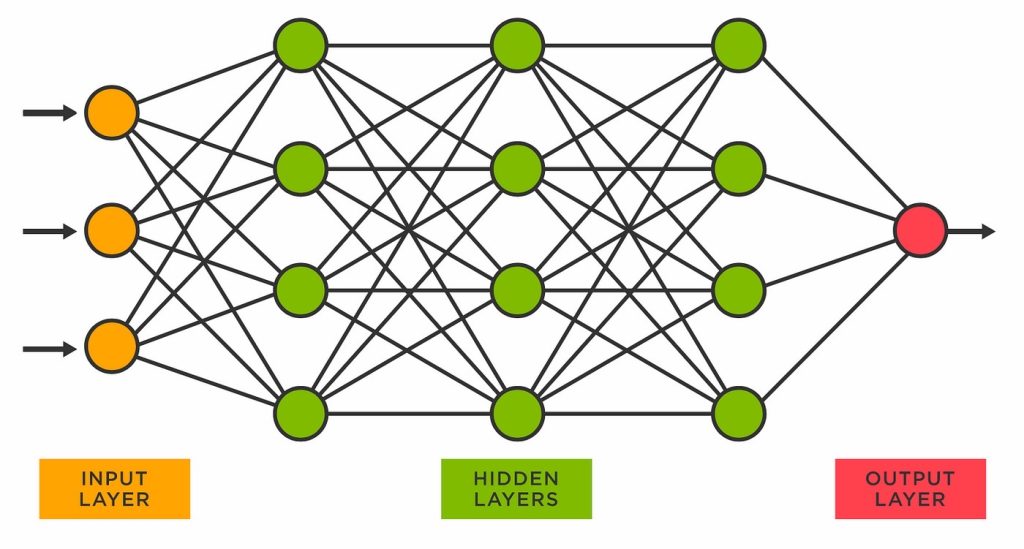
    Deep learning is a more advanced subset of machine learning that involves artificial neural networks. These networks are designed to mimic the way the human brain works, allowing machines to process complex data, such as images, text, and audio. JavaTpoint’s deep learning tutorials cover popular neural network architectures like Convolutional Neural Networks (CNNs) and Recurrent Neural Networks (RNNs).

    If you’re looking to dive into image recognitionnatural language processing, or speech recognition, deep learning is the field you want to focus on. JavaTpoint’s tutorials make it easy to understand how deep learning works and how you can apply it.

    Natural Language Processing (NLP)

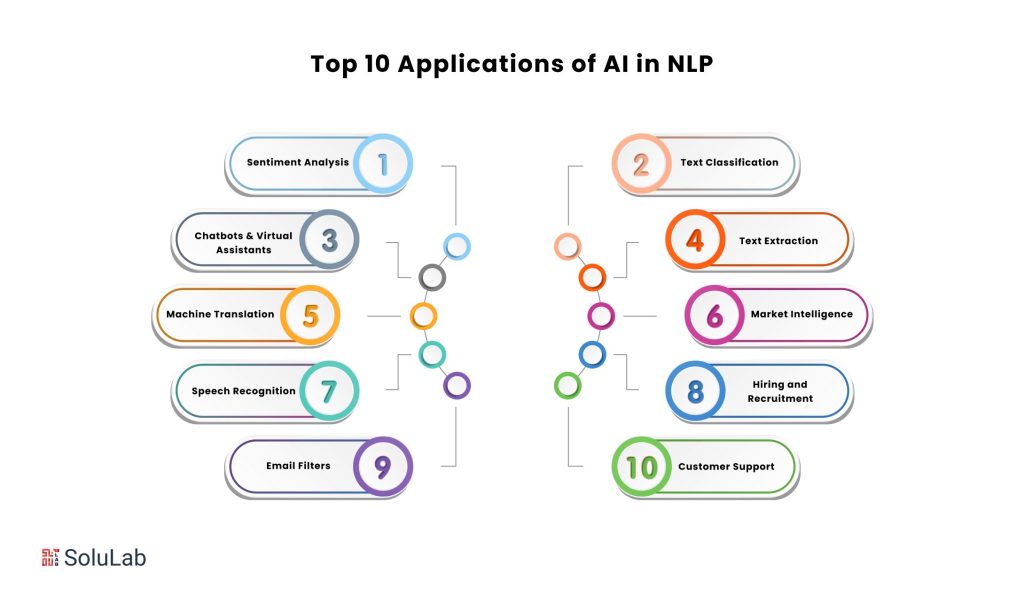
    NLP is the AI field that enables machines to understand, interpret, and respond to human language. It powers everything from chatbots to translation tools. JavaTpoint offers resources on various NLP techniques such as tokenizationpart-of-speech taggingnamed entity recognition, and sentiment analysis.

    By learning these techniques, you can build applications that can process and analyze text—whether it’s social media posts, customer reviews, or news articles.

    Neural Networks

    JavaTpoint takes a deep dive into neural networks, explaining how they are structured and trained. These networks are responsible for much of the magic behind AI, powering everything from facial recognition to voice assistants.

    You’ll learn about feed-forward networksbackpropagation, and other essential neural network concepts. Understanding how these networks work is crucial for anyone interested in deep learning and AI in general.

    AI Algorithms

    JavaTpoint offers in-depth tutorials on various AI algorithms that form the foundation of many AI applications. From decision trees and k-means clustering to support vector machines and genetic algorithms, JavaTpoint ensures that you understand how these algorithms work and when to apply them in real-world projects.

    These AI algorithms are not just theoretical; they have real applications in areas like data analysisoptimization, and forecasting.

    4. Why JavaTpoint is an Ideal Platform for AI Learners

    JavaTpoint’s success as an educational platform for AI boils down to several key factors:

    Structured Learning Paths

    One of the platform’s greatest strengths is its structured approach to learning. Each tutorial is divided into smaller sections, making it easy to follow and digest even the most complex topics. With JavaTpoint, you won’t feel overwhelmed by dense information. Instead, you’ll be guided step-by-step from one concept to the next.

    Hands-On Learning

    The platform is designed to encourage hands-on learning, which is crucial when it comes to AI. Most tutorials come with code examplesexercises, and even projects that let you practice what you’ve learned in real-time.

    Access to a Community

    While learning AI can be a solitary journey, JavaTpoint provides access to a community of like-minded learners and experts. Through their forums and discussion boards, you can ask questions, share insights, and get feedback from others.

    Completely Free

    JavaTpoint offers all of its resources for free, which makes it an excellent choice for individuals who want to dive into AI without any financial barriers.

    5. JavaTpoint Tutorials and Courses in AI

    JavaTpoint offers an extensive list of tutorials and courses designed to cover the full spectrum of AI. Here’s a closer look at some of the most notable resources:

    AI Basics and Terminologies

    For those who are completely new to AI, this introductory tutorial is the perfect place to start. It covers basic AI conceptsterminologies, and applications, making it easier to understand what AI is all about.

    Machine Learning Algorithms

    If you’re keen to learn the foundations of machine learning, JavaTpoint has comprehensive tutorials that explain supervised and unsupervised learning, as well as how to implement machine learning models using popular programming languages like Python and R.

    Deep Learning with Python

    Python is one of the most popular programming languages for AI, and JavaTpoint provides a complete guide to implementing deep learning using Python libraries like TensorFlow and Keras. From setting up your environment to training neural networks, this tutorial has everything you need to get started with deep learning.

    Natural Language Processing with Python

    For those interested in working with text data, JavaTpoint offers detailed tutorials on NLP using Python. You’ll learn how to perform text preprocessing, build NLP models, and leverage libraries like NLTK and spaCy to build applications like chatbots and recommendation systems.

    6. Real-World AI Applications Covered on JavaTpoint

    JavaTpoint doesn’t just teach theory—it also shows how AI is applied in the real world. Here are some of the key applications covered in their tutorials:

    AI in Healthcare

    AI is revolutionizing healthcare, and JavaTpoint covers how technologies like machine learning and image recognitionare used in medical diagnostics. With the ability to analyze medical images, AI is helping doctors detect diseases like cancer more accurately.

    AI in Business

    Business applications of AI are vast, from automating customer service with chatbots to using predictive analytics to forecast sales. JavaTpoint’s tutorials provide concrete examples of how AI is transforming business practices and boosting productivity.

    AI in Autonomous Vehicles

    Autonomous vehicles rely heavily on AI technologies like computer visionmachine learning, and sensor fusion. JavaTpoint explores how these technologies work together to make self-driving cars a reality.

    7. Benefits of Learning AI via JavaTpoint

    Here are just a few of the key benefits of using JavaTpoint to learn AI:

    • Free access to high-quality resources
    • Beginner-friendly tutorials that don’t assume prior knowledge
    • Hands-on practice with coding examples and projects
    • Comprehensive coverage of AI topics, from basics to advanced
    • A supportive community to help you along the way

    8. Case Study: Real-World Impact of JavaTpoint AI Resources

    Case Study 1: Building a Chatbot for Customer Support

    A small e-commerce company turned to JavaTpoint to learn how to build an AI-powered chatbot for customer support. Using JavaTpoint’s NLP tutorials, the company’s development team learned how to process customer queries and automate responses. This led to significant improvements in customer satisfaction and a reduction in support costs.

    Case Study 2: Predicting Stock Prices

    A data science enthusiast used JavaTpoint’s machine learning tutorials to build a predictive model for stock prices. By applying regression algorithms and training the model on historical data, they were able to forecast stock movements with a high degree of accuracy, leading to investment success.

    Conclusion

    JavaTpoint offers some of the most accessible and comprehensive AI resources available. Whether you’re just starting out in the field of artificial intelligence or looking to deepen your knowledge, the platform’s tutorials will guide you every step of the way. From machine learning and deep learning to NLP and real-world AI applications, JavaTpoint provides a thorough foundation for anyone interested in AI.

    To learn more about AI and explore the world of cutting-edge technologies, visit aibuzz.net. Our company is dedicated to helping businesses harness the power of AI through solutions and consulting, and we’re excited to support you in your AI learning journey.


  • P2P Cryptocurrency Exchange Development: A Comprehensive Guide

    P2P Cryptocurrency Exchange Development: A Comprehensive Guide

    In the rapidly evolving world of cryptocurrencies, Peer-to-Peer (P2P) exchanges have emerged as a popular alternative to traditional centralized platforms. This comprehensive guide delves into the intricacies of P2P cryptocurrency exchange development, exploring its benefits, challenges, key features, and the steps involved in creating a successful platform.

    Understanding P2P Cryptocurrency Exchanges

    A P2P cryptocurrency exchange facilitates direct transactions between users, eliminating the need for a central intermediary. Unlike centralized exchanges, where a third party manages the trading process, P2P platforms connect buyers and sellers directly, giving them greater control over their funds and transactions. This decentralized nature offers several advantages, including enhanced security, increased privacy, and lower fees.

    Benefits of Developing a P2P Cryptocurrency Exchange

    Developing a P2P exchange offers numerous benefits for entrepreneurs and businesses:

    • Enhanced Security: By removing a central point of failure, P2P exchanges can be more resistant to hacking and security breaches. Users retain control of their private keys, reducing the risk of theft from a centralized wallet.
    • Increased Privacy: P2P platforms often require less personal information from users compared to centralized exchanges, enhancing user privacy. This anonymity appeals to users concerned about data security.
    • Lower Fees: P2P exchanges typically charge lower fees than centralized platforms as they don’t have the same operational overhead. This cost-effectiveness attracts price-sensitive traders.
    • Greater Control: Users have complete control over their funds and transactions, eliminating the risk of asset freezing or manipulation by a central authority.
    • Decentralization: P2P exchanges align with the core principles of cryptocurrency, promoting decentralization and reducing reliance on intermediaries.
    • Global Accessibility: P2P platforms can be accessed from anywhere in the world, fostering financial inclusion and enabling cross-border transactions.
    • Customization Options: Developers have greater flexibility in customizing the platform to meet specific needs and target niche markets.

    Key Features of a Successful P2P Exchange

    A successful P2P cryptocurrency exchange should incorporate the following key features:

    • User-Friendly Interface: An intuitive and easy-to-navigate interface is crucial for attracting and retaining users. The platform should be accessible to both novice and experienced traders.
    • Robust Security Measures: Implementing robust security protocols, such as two-factor authentication (2FA), encryption, and cold storage for funds, is paramount to protect user assets.
    • Secure Wallet Integration: Seamless integration with secure cryptocurrency wallets is essential for facilitating transactions. The platform should support various wallet types and offer secure key management.
    • Multiple Cryptocurrency Support: Offering support for a wide range of cryptocurrencies increases the platform’s appeal and attracts a larger user base.
    • Efficient Matching Engine: A high-performance matching engine is crucial for processing transactions quickly and efficiently. The engine should be able to handle high volumes of trades without delays.
    • Dispute Resolution System: A fair and transparent dispute resolution system is essential for resolving conflicts between buyers and sellers. The platform should provide clear guidelines and procedures for handling disputes.
    • KYC/AML Compliance: Implementing Know Your Customer (KYC) and Anti-Money Laundering (AML) compliance measures is crucial for adhering to regulatory requirements and preventing illicit activities.
    • Escrow System: An escrow system can add an extra layer of security to transactions by holding funds in escrow until both parties have fulfilled their obligations.
    • Communication Features: Integrated communication tools, such as chat or messaging systems, enable buyers and sellers to communicate directly and negotiate trades.
    • Mobile App Support: Offering mobile apps for iOS and Android devices expands the platform’s reach and allows users to trade on the go.
    • API Integration: Providing API access enables developers to integrate third-party applications and services with the platform, enhancing its functionality.

    P2P Cryptocurrency Exchange Development Process

    Developing a P2P cryptocurrency exchange involves several key steps:

    1. Market Research and Analysis: Conduct thorough market research to identify target audience, competitors, and market trends.
    2. Business Planning: Develop a comprehensive business plan that outlines the platform’s goals, target market, revenue model, and operational strategy.
    3. Technology Stack Selection: Choose the appropriate technology stack, including programming languages, frameworks, and databases, based on the platform’s requirements.
    4. UI/UX Design: Design a user-friendly and intuitive interface that provides a seamless trading experience.
    5. Development: Develop the platform’s core functionalities, including the matching engine, wallet integration, security features, and dispute resolution system.
    6. Testing and Quality Assurance: Thoroughly test the platform to identify and fix bugs and ensure its security and performance.
    7. Deployment: Deploy the platform to a secure and reliable server environment.
    8. Marketing and Promotion: Promote the platform to attract users and build a community.
    9. Maintenance and Support: Provide ongoing maintenance and support to ensure the platform’s smooth operation and address user issues.

    Challenges in P2P Exchange Development

    Developing a P2P exchange comes with its own set of challenges:

    • Security Risks: Ensuring the platform’s security and protecting user funds from hacking and theft is a major challenge.
    • Scalability: Designing a platform that can handle a large volume of transactions and users is crucial for long-term success.
    • Regulatory Compliance: Navigating the complex regulatory landscape and complying with KYC/AML requirements can be challenging.
    • Competition: The P2P exchange market is becoming increasingly competitive, requiring developers to differentiate their platform and offer unique features.
    • Building Trust: Establishing trust among users is essential for attracting and retaining them. Transparency and security are key to building trust.

    Monetization Strategies for P2P Exchanges

    P2P exchanges can generate revenue through various monetization strategies:

    • Transaction Fees: Charge a small percentage fee on each transaction.
    • Listing Fees: Charge fees for listing new cryptocurrencies on the platform.
    • Premium Features: Offer premium features, such as advanced trading tools or API access, for a fee.
    • Advertising: Display advertisements on the platform.

    Conclusion

    Developing a successful P2P cryptocurrency exchange requires careful planning, robust technology, and a strong focus on security and user experience. By addressing the challenges and implementing the key features outlined in this guide, businesses can create a thriving platform that empowers users to trade cryptocurrencies securely and efficiently.

    Call to Action

    Ready to launch your own P2P cryptocurrency exchange? Aibuzz.net specializes in developing custom P2P exchange solutions tailored to your specific needs. Our team of experienced developers can help you build a secure, scalable, and user-friendly platform that meets your business objectives.

    Contact us today at Aibuzz.net to discuss your project and learn how we can help you succeed in the exciting world of cryptocurrency exchange development.

    Visit: Aibuzz.net
    email: info@aibuzz.net
    call us: +91 9967940928.

  • Power BI and Big Data: Transforming Insights for Modern Enterprises

    Power BI and Big Data: Transforming Insights for Modern Enterprises

    In today’s data-driven world, organizations are inundated with vast amounts of information from various sources. Effectively harnessing this big data is crucial for informed decision-making and maintaining a competitive edge. Microsoft Power BI emerges as a powerful tool in this landscape, offering robust capabilities to integrate, analyze, and visualize large datasets seamlessly. Let’s explore how Power BI and big data work together to drive business growth and innovation.


    Understanding Power BI and Big Data Integration

    Power BI is a business analytics service by Microsoft that provides interactive visualizations and business intelligence capabilities. It allows end users to create their own reports and dashboards with ease. When it comes to big data—extremely large datasets that reveal patterns, trends, and associations—Power BI offers several methods to connect, analyze, and present this information effectively.


    Data Connection Methods in Power BI

    Power BI provides multiple ways to connect to big data sources:

    1. Import Mode:
      In this mode, Power BI copies the data from the source. This is ideal for datasets that change infrequently or are manageable in size. However, data model size restrictions may apply, making it less suitable for extremely large datasets.
    2. DirectQuery Mode:
      DirectQuery connects directly to the data source without copying it. This is useful for real-time analysis and for working with datasets that exceed Power BI’s import limitations. However, performance may be affected as every interaction queries the source.
    3. Composite Mode:
      Combining both Import and DirectQuery modes, Composite Mode allows flexibility in handling multiple data sources while optimizing performance. Frequently accessed data can be imported, while other data remains in DirectQuery.

    Optimizing Power BI for Big Data

    To effectively manage big data in Power BI, strategic planning is essential. Here are some best practices:

    1. Data Modeling:
      Design efficient data models by creating relationships between tables, defining hierarchies, and optimizing data structures. This reduces complexity and enhances query performance.
    2. Data Reduction Techniques:
      Implement data reduction strategies like aggregations, filtering unnecessary data, and using summary tables. This ensures Power BI processes only essential data.
    3. Incremental Refresh:
      For large datasets that update regularly, set up incremental refreshes to update only the new or changed data. This reduces processing time and resource usage.
    4. Performance Monitoring:
      Regularly monitor performance metrics within Power BI to identify bottlenecks. Using tools like Power BI’s Performance Analyzer can help optimize query performance and rendering times.

    Real-World Applications of Power BI with Big Data

    Organizations worldwide are leveraging Power BI to transform big data into actionable insights:

    • Carnegie Mellon University:
      CMU utilized Power BI to provide employees with dashboards showing power consumption patterns, enabling them to reduce energy usage. This resulted in a 30% decrease in power consumption.
    • Heathrow Airport:
      Heathrow uses Power BI to visualize real-time traffic data, allowing staff to better manage changing conditions. By connecting multiple data sources, they run operations more efficiently.

    Enhancing SEO with Rank Math

    To reach a broader audience, optimizing content for search engines is crucial. Rank Math, a powerful SEO plugin for WordPress, streamlines this process by offering:

    1. SEO Analysis Tool:
      Comprehensive SEO analysis with actionable recommendations to enhance website performance.
    2. On-Page Optimization:
      Real-time suggestions for meta tags, readability, and keyword usage.
    3. Schema Markup:
      Easily add schema markup to enhance search engine visibility.

    Best Practices for Using Rank Math

    • Keyword Optimization:
      Conduct thorough keyword research and strategically incorporate keywords using Rank Math’s on-page SEO analysis tool.
    • Optimize Meta Tags:
      Create compelling meta titles and descriptions to attract users and improve click-through rates.
    • Leverage Analytics:
      Utilize Rank Math’s Analytics feature to track performance, keyword rankings, and user engagement.

    Conclusion

    The integration of Power BI with big data empowers organizations to make data-driven decisions, optimize operations, and innovate with confidence. As businesses continue to navigate the complexities of modern markets, leveraging advanced analytics tools like Power BI is not just an advantage—it’s a necessity.

    At Aibuzz.net, we specialize in implementing Power BI solutions tailored to your business needs. Our team of experts ensures seamless data integration, powerful analytics, and intuitive visualizations, enabling you to harness the full potential of big data.

    Ready to transform your data into actionable insights?
    Contact Aibuzz.net today and take the first step toward a smarter, data-driven future!

    Visit Aibuzz.net
    Email: info@aibuzz.net
    Call: 91 9967940928

  • Secure Software Development: A Comprehensive Guide

    Secure Software Development: A Comprehensive Guide

    In today’s digital era, secure software development is not just an option; it’s a necessity. As cyber threats evolve and become more sophisticated, the need to integrate security measures throughout the software development lifecycle is more pressing than ever. This guide explores the significance of secure software development, essential practices to adopt, and how Aibuzz.net can help you build resilient and secure software solutions.


    What is Secure Software Development?

    Secure software development is the process of designing, coding, and deploying software with security in mind. Unlike traditional development approaches where security is an afterthought, secure software development integrates security practices at every stage—from requirements gathering to deployment and maintenance. This proactive approach helps identify and mitigate potential security risks early, reducing vulnerabilities and ensuring robust protection against cyber threats.


    Why is Secure Software Development Important?

    1. Protection Against Cyber Threats: Cyberattacks are constantly evolving, targeting software vulnerabilities to steal data or cause disruption. Secure software development minimizes these risks by identifying and addressing security flaws early in the development process.
    2. Data Integrity and Privacy: Ensuring the security of sensitive user data is crucial for maintaining trust and complying with data protection regulations such as GDPR and CCPA.
    3. Cost Efficiency: Fixing security issues during the development phase is significantly more cost-effective than patching them after deployment.

    4. Regulatory Compliance: Many industries have strict regulatory requirements related to software security. Integrating secure development practices helps in maintaining compliance with these standards.
    5. Brand Reputation: A security breach can severely damage a company’s reputation. Secure software development protects your brand’s integrity by reducing the chances of a security incident.

    Key Principles of Secure Software Development

    1. Shift-Left Security: Security should be integrated early in the development lifecycle. By identifying and addressing vulnerabilities at the coding stage, developers can minimize security risks and reduce remediation costs.

    2. Secure Coding Practices: Adopting secure coding guidelines, such as input validation, output encoding, and proper error handling, reduces vulnerabilities like SQL injection, cross-site scripting (XSS), and buffer overflows.
    3. Threat Modeling: Threat modeling helps identify potential security threats and vulnerabilities by anticipating how malicious actors might exploit the system.
    4. Continuous Security Testing: Regular security testing, including static analysis, dynamic analysis, and penetration testing, ensures vulnerabilities are identified and fixed promptly.
    5. Automated Security Tools: Implementing automated tools for security testing, code review, and vulnerability scanning streamlines the secure software development process.
    6. Secure Deployment: Ensuring secure deployment configurations and regular updates to libraries and dependencies reduces exposure to known vulnerabilities.
    7. Access Control and Authentication: Implementing strong access controls and multi-factor authentication mechanisms prevents unauthorized access to sensitive data and systems.

    Secure Software Development Lifecycle (SSDLC)

    A Secure Software Development Lifecycle (SSDLC) integrates security practices into each phase of the software development lifecycle. Here’s how it works:

    1. Requirements Gathering: Identify security requirements early, including compliance needs, data security, and threat models.
    2. Design Phase: Incorporate secure architecture design, threat modeling, and risk analysis.
    3. Development Phase: Adopt secure coding practices and conduct static code analysis.
    4. Testing Phase: Perform security testing, including vulnerability assessments, penetration testing, and dynamic analysis.
    5. Deployment Phase: Ensure secure deployment configurations, including access controls and network security measures.
    6. Maintenance and Monitoring: Continuously monitor for vulnerabilities, apply patches, and conduct periodic security audits.

    Best Practices for Secure Software Development

    1. Adopt DevSecOps Culture: DevSecOps integrates security into DevOps practices, promoting collaboration between development, security, and operations teams.
    2. Use Secure Libraries and Frameworks: Always use trusted and updated libraries and frameworks to minimize third-party vulnerabilities.
    3. Encrypt Sensitive Data: Ensure data is encrypted in transit and at rest to protect against data breaches.
    4. Perform Code Reviews: Peer code reviews help identify security flaws that automated tools might miss.
    5. Security Training for Developers: Regular security awareness training for developers ensures they are well-versed in secure coding practices.
    6. Incident Response Planning: Have a robust incident response plan to quickly mitigate security incidents and reduce their impact.

    Tools for Secure Software Development

    1. Static Application Security Testing (SAST): Tools like SonarQube and Checkmarx analyze source code to detect security vulnerabilities.
    2. Dynamic Application Security Testing (DAST): Tools like OWASP ZAP and Burp Suite perform runtime analysis to find security flaws.
    3. Dependency Scanners: Tools like Snyk and Dependabot help identify vulnerabilities in third-party libraries and dependencies.
    4. Container Security: Tools like Aqua Security and Twistlock ensure secure container configurations and prevent container-based attacks.
    5. CI/CD Integration: Integrate security testing tools within CI/CD pipelines for continuous security validation.

    How Aibuzz.net Ensures Secure Software Development

    At Aibuzz.net, we understand the importance of building secure and reliable software solutions. Our team of experienced developers and security experts follow industry best practices and implement advanced security measures throughout the software development lifecycle. Here’s how we do it:

    1. Comprehensive Security Assessment: We conduct thorough security assessments, including threat modeling, vulnerability scanning, and penetration testing.
    2. Secure Coding Standards: Our developers adhere to secure coding guidelines to minimize vulnerabilities.
    3. Continuous Monitoring and Updates: We provide continuous monitoring services to detect and respond to emerging threats promptly.
    4. DevSecOps Integration: By integrating security into our DevOps practices, we ensure continuous security validation at every stage of the development process.
    5. Compliance Assurance: We ensure our software solutions comply with industry regulations, including GDPR, HIPAA, and PCI DSS.

    Conclusion

    In a world where cyber threats are constantly evolving, secure software development is more critical than ever. By adopting a proactive approach and integrating security at every stage of the software development lifecycle, organizations can safeguard sensitive data, maintain regulatory compliance, and protect their brand reputation.

    At Aibuzz.net, we specialize in delivering secure software solutions tailored to meet your business needs. Our team of experts is committed to implementing the latest security practices and technologies to ensure your software remains resilient against cyber threats.

    Contact us today at Aibuzz.net to learn more about our secure software development services and how we can help you build reliable and secure software solutions.