Tag: AI in VR

  • 7 Powerful Features That Make a Virtual Reality Set Platform Unstoppable in 2025

    7 Powerful Features That Make a Virtual Reality Set Platform Unstoppable in 2025

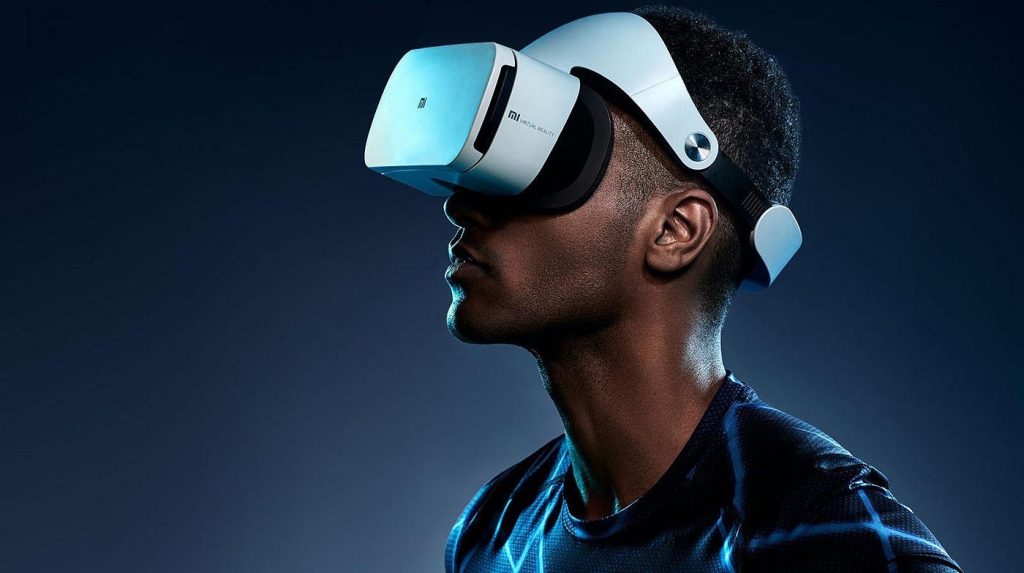
    The future is immersive—and it’s happening right now. As industries worldwide embrace innovation, the rise of the virtual reality set is changing how we live, learn, work, and play. With applications expanding from entertainment and education to healthcare and enterprise, the demand for feature-rich, intuitive, and scalable VR experiences is higher than ever.

    In this blog, we’ll explore seven powerful features that make modern VR sets not just relevant but truly unstoppable in 2025.


    Understanding Virtual Reality and Mixed Reality

    Discover 7 powerful features making the virtual reality set unstoppable in 2025. Explore innovation, AI, and immersive tech for business and beyond.

    Virtual reality (VR) is a simulated environment created by computer technology that immerses users into a fully digital world. Equipped with headsets and motion-tracking devices, users can engage in 3D environments for gaming, training, design, and more.

    Mixed reality (MR) goes one step further—blending real-world surroundings with digital elements. It allows real and virtual objects to coexist and interact in real-time. This tech is revolutionizing industries like architecture, healthcare, and remote collaboration, making it a vital companion to VR.

    Together, these technologies are reshaping the way humans experience digital content.


    1. Stunning Visual Fidelity with High Frame Rates

    The most compelling virtual reality set of today feature ultra-sharp displays, hyper-realistic graphics, and frame rates of 90Hz or more. High-quality rendering reduces motion sickness and allows for a more enjoyable, lifelike interaction. Whether it’s gaming, virtual tours, or training simulations, visual quality remains a top priority.

    Users now expect environments that feel as real as the physical world—and with today’s advancements, it’s more achievable than ever.


    2. Precision Tracking and Immersive Haptics

    Modern virtual reality set utilize six degrees of freedom (6DoF) to allow fluid, natural movement. Hand tracking, eye tracking, and even full-body sensors are becoming standard. Combine this with haptic feedback—and users can feel what they’re doing, not just see it.

    This realism enables more effective training, realistic gaming, and interactive learning experiences that were unthinkable a decade ago.


    3. Cross-Device and Multi-Set Compatibility

    In 2025, a great virtual reality set must go beyond a single device. Users expect compatibility across VR headsets, mobile devices, desktops, and even browser-based portals. From Meta Quest to HTC Vive and upcoming cloud-based interfaces, seamless switching between systems enhances accessibility and reach.

    Flexible sets support broader adoption and ensure that content can meet users where they are.


    4. Scalable Cloud Integration and Collaboration

    Collaboration in immersive environments is becoming the new norm. Cloud-based VR experiences allow teams from different locations to work together in the same digital space, in real time.

    A powerful virtual reality set includes features like synced cloud storage, real-time editing, and user access control. Whether for design teams or online classrooms, cloud-backed sets ensure continuity and collaboration.


    5. Developer-Friendly SDKs and APIs

    Behind every successful VR experience lies a strong developer ecosystem. That’s why the best virtual reality sets offer robust SDKs and APIs, giving developers the flexibility to build highly customized environments using engines like Unity and Unreal.

    Developer support is key to expanding the content library and unlocking new use cases across industries like manufacturing, healthcare, and education.


    6. Personalized AI-Driven Interactions

    Artificial intelligence is adding a smart layer to VR. Through behavior tracking, intelligent assistants, and adaptive environments, AI makes virtual spaces more intuitive and engaging.

    This feature enables smart learning environments, interactive training scenarios, and hyper-personalized gaming. It also opens new doors in therapy, mental wellness, and customer service experiences.


    7. Top-Tier Security and User Privacy

    As VR captures vast amounts of user data—from biometrics to behavioral patterns—security becomes a non-negotiable. The latest virtual reality set include encrypted connections, secure login protocols, and user data controls.

    Especially in enterprise and healthcare settings, trust and compliance are vital. Sets that prioritize user safety will continue to lead the market.


    The Rise of Industry-Focused VR Sets

    Today’s VR isn’t just for gamers. We’re seeing a boom in industry-specific virtual reality set, including:

    • Medical VR for surgery simulation and mental health therapy
    • Retail VR for immersive shopping and product demos
    • Education VR for virtual classrooms and labs
    • Real Estate VR for 3D walkthroughs and virtual staging

    Each set adapts to industry needs, delivering purpose-built experiences that drive efficiency and innovation.


    Challenges Virtual Reality Sets Must Overcome

    Despite major strides, challenges remain:

    • Hardware costs remain high, limiting accessibility
    • Content diversity is still evolving beyond games
    • User onboarding for new users can be overwhelming

    To overcome these hurdles, developers must focus on creating intuitive interfaces, budget-friendly options, and broader content ecosystems.


    The Social and Economic Impact of VR
    The Social and Economic Impact of VR

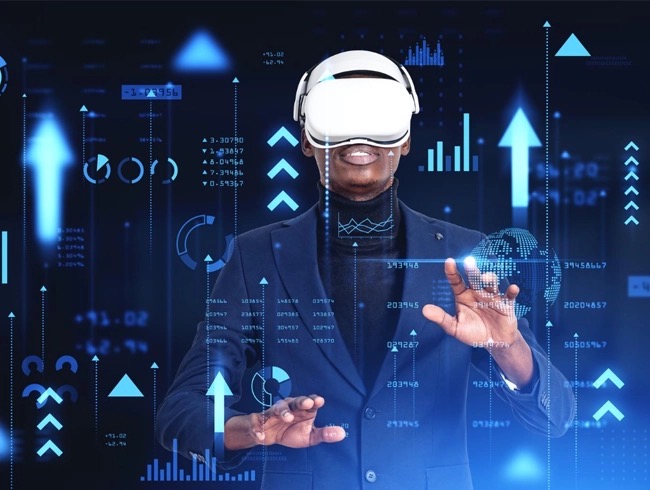
    VR is shaping how we interact socially and professionally. From attending concerts to collaborating remotely, immersive sets are becoming mainstream. People are forming communities, holding events, and conducting business—all in simulated environments.

    The potential economic impact is massive, with VR expected to contribute billions to global GDP by 2030.


    Where Is the Future of VR Headed?

    Looking ahead, VR will increasingly blend with:

    • Augmented reality (AR)
    • 5G connectivity
    • AI-driven storytelling
    • Digital twins and IoT
    • Blockchain for asset ownership and metaverse experiences

    This convergence will define the next generation of spatial computing, and the virtual reality set will be at the center of it.


    Conclusion: Partner with aibuzz to Build the Future of Virtual Reality

    As immersive technology advances, forward-thinking businesses need reliable partners to develop next-gen VR applications. At aibuzz, we specialize in software development for immersive technologies, offering custom solutions for VR, AR, and AI-powered environments. Whether you’re building an educational tool, a virtual training environment, or an interactive showroom, our team brings your ideas to life with innovative design, agile development, and enterprise-grade infrastructure.

    Let aibuzz help you build the virtual experiences of tomorrow.
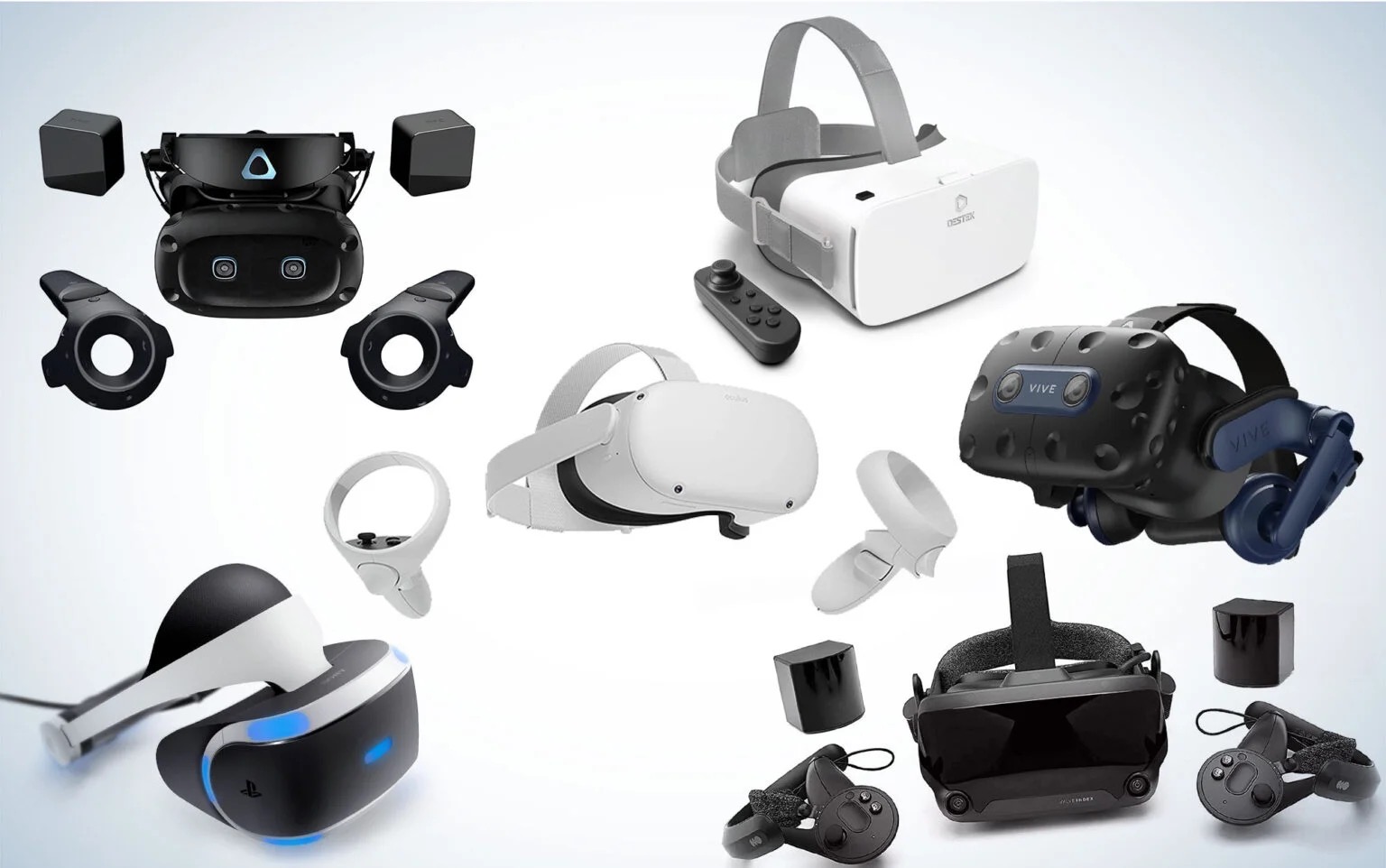
  • 10 Essential Virtual Reality Devices to Elevate Your 2025

    10 Essential Virtual Reality Devices to Elevate Your 2025


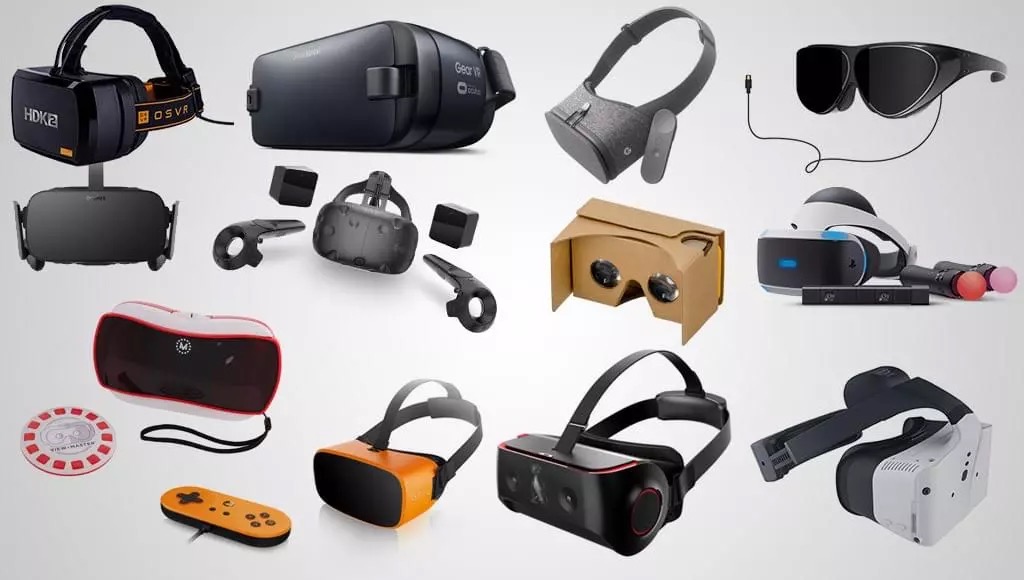
    Virtual reality (VR) is no longer a futuristic concept—it’s here, now, and rapidly transforming the way we work, play, learn, and socialize. At the heart of this revolution are virtual reality devices—the hardware that bridges the digital and physical worlds. From immersive gaming headsets to enterprise training tools, these gadgets are essential for anyone looking to explore or innovate within the VR landscape.

    In this blog, we’ll explore 10 essential virtual reality devices that are redefining industries in 2025. Whether you’re a gamer, a tech enthusiast, or a business innovator, understanding these devices is critical for staying ahead in the digital age.


    What is Virtual Reality?

    10 Must-Have Virtual Reality Devices That Inspire in 2025

    Virtual reality (VR) refers to a simulated digital environment that users can interact with in real time using specialized hardware. The goal is to create a sense of immersion where the virtual feels real. Whether it’s a 3D-rendered world for gaming or a virtual classroom for learning, VR technology provides powerful experiences beyond traditional screens.

    The Role of Artificial Intelligence in Virtual Reality

    Artificial intelligence (AI) is playing a pivotal role in enhancing virtual reality devices. AI helps create smarter, more responsive virtual environments. From adaptive NPC behavior in games to AI-powered training simulations in enterprise settings, AI is enabling VR to be more personalized and dynamic. For example, voice recognition, gesture control, and real-time data analytics are all improved thanks to AI integration into VR systems.


    10 Essential Virtual Reality Devices in 2025

    10 Must-Have Virtual Reality Devices That Inspire in 2025

    1. Meta Quest 3

    The Meta Quest 3 is one of the most accessible and feature-rich virtual reality devices available today. With a standalone design, it doesn’t require a PC or external sensors. It offers mixed reality passthrough, hand tracking, and enhanced performance, making it a top choice for gaming, fitness, and productivity.

    Keywords: standalone VR headset, mixed reality, Oculus alternative


    2. Sony PlayStation VR2

    For console gamers, the PlayStation VR2 is a game-changer. With high-resolution OLED screens, inside-out tracking, and haptic feedback, it pushes the boundaries of console-based VR. Designed specifically for PlayStation 5, it provides seamless integration and stunning immersion.

    Keywords: VR for PlayStation, gaming headset, immersive VR games


    3. HTC Vive XR Elite

    The HTC Vive XR Elite combines the best of VR and AR, making it one of the most versatile virtual reality devicesin the market. It’s lightweight, modular, and supports a wide range of enterprise and consumer applications.

    Keywords: enterprise VR, AR headset, HTC Vive


    4. Apple Vision Pro

    Apple’s long-anticipated entry into the VR/AR market, the Apple Vision Pro, delivers exceptional visuals and seamless interaction. It’s powered by Apple’s M-series chips, offering unmatched performance and integration with iOS and macOS devices.

    Keywords: Apple VR headset, Vision Pro, spatial computing


    5. Pico 4 Enterprise

    Pico 4 Enterprise is designed with business users in mind. With eye tracking, face tracking, and business-grade security, it’s ideal for training, collaboration, and data visualization. As one of the leading standalone virtual reality devices, it’s gaining traction in corporate settings.

    Keywords: enterprise VR headset, Pico, workplace VR


    6. Valve Index

    The Valve Index is a high-fidelity VR system that continues to be popular with PC gamers and developers. Its precise finger tracking and superior audio quality make it a favorite for building and experiencing complex VR worlds.

    Keywords: PC VR, SteamVR, developer-friendly VR headset


    7. Lenovo ThinkReality VRX

    Aimed at business users, the ThinkReality VRX by Lenovo provides enterprise-focused tools for collaboration, training, and remote support. With cloud capabilities and rugged design, it’s among the most robust virtual reality devices for the workplace.

    Keywords: Lenovo VR, enterprise virtual reality, ThinkReality


    8. Samsung Gear VR (2025 Update)

    Samsung has relaunched its iconic Gear VR as a mobile-first device optimized for 2025’s smartphones. Lightweight and affordable, it’s bringing virtual reality to casual users and students who want to explore immersive content.

    Keywords: mobile VR, smartphone VR, affordable VR headset


    9. DPVR E4

    DPVR is gaining ground as a solid competitor in both the consumer and business space. The E4 model offers high-resolution displays and low latency, ideal for gaming, simulation, and education.

    Keywords: VR for education, training simulators, DPVR headset


    10. Varjo XR-4

    If you’re looking for cutting-edge professional-grade virtual reality devices, the Varjo XR-4 is unmatched. With photorealistic visuals, eye tracking, and full-color passthrough, it’s perfect for high-end simulation, design, and aviation training.

    Keywords: professional VR, XR headset, simulation training


    Why These Devices Are Essential in 2025

    Each of these virtual reality devices plays a unique role in expanding what’s possible in the VR ecosystem. Whether you’re exploring new worlds in a game, designing products in 3D, or conducting virtual surgery simulations, the right hardware matters.

    Here’s why these devices are essential in 2025:

    • Immersion: They deliver stunning visual and audio experiences.
    • Accessibility: Devices like Meta Quest 3 and Pico 4 make VR more affordable.
    • Innovation: High-end systems like Varjo XR-4 push technological boundaries.
    • Enterprise-grade features: Tools like ThinkReality VRX cater to business needs.

    As industries adopt immersive technologies, these virtual reality devices are becoming indispensable.


    Choosing the Right Virtual Reality Device

    When selecting a VR device, consider:

    • Use case: Gaming, training, design, or entertainment?
    • Budget: Do you need a premium system or a budget-friendly option?
    • Compatibility: Does it work with your PC, console, or smartphone?
    • Portability: Standalone or tethered?

    Investing in the right VR hardware can completely change how you interact with digital environments.


    The Future of Virtual Reality Devices

    As we move further into 2025, virtual reality devices are expected to become even more intelligent, portable, and interconnected. Integration with cloud computing, enhanced gesture recognition, and biometric feedback are all on the horizon. Moreover, the convergence of VR, artificial intelligence, and mixed reality will pave the way for more adaptive, real-time environments.

    We’re also seeing the rise of interactive mixed reality, where users can interact with digital and physical elements simultaneously. This is the next big leap beyond VR.


    Final Thoughts

    The evolution of virtual reality devices is redefining how we interact with the world—both virtual and physical. These 10 essential devices showcase the best the industry has to offer in 2025, empowering users across gaming, education, enterprise, and beyond.

    As VR becomes more integrated into our daily lives, staying informed about the latest hardware is essential. Whether you’re a creator, educator, or gamer, now is the time to dive in.


    Conclusion

    At aibuzz, we’re passionate about helping businesses and individuals unlock the power of immersive technologies. From VR development to full-scale mixed reality solutions, our team provides expert guidance and tailored tech strategies to bring your vision to life. As the future of work, play, and learning continues to evolve, aibuzz is your trusted partner in navigating the virtual frontier.