Tag: ai integration

  • 7 Essential Insights into Big Data Consulting for Business Success in 2025

    7 Essential Insights into Big Data Consulting for Business Success in 2025

    In the rapidly evolving digital landscape, big data consulting has emerged as a pivotal force for business transformation. Companies now operate in a data-centric ecosystem where success hinges on making sense of vast datasets. As we move into 2025, organizations that leverage big data consulting services effectively are outperforming competitors by a wide margin.

    This blog explores 7 essential insights into the world of big data consulting, shedding light on how it empowers organizations to drive innovation, streamline operations, and enhance decision-making. Whether you’re a startup, an established enterprise, or a government agency, understanding the importance of big data strategy is no longer optional—it’s mission-critical.


    What is Big Data and Why Does It Matter?

    Discover 7 powerful reasons why big data consulting will boost your business in 2025. Learn how data-driven strategies, AI integration, and expert guidance can drive growth, innovation, and success.

    Big data refers to massive, complex data sets generated from various sources such as social media, sensors, transactions, and IoT devices. This data is characterized by high volume, velocity, and variety—often referred to as the “3Vs.” Traditional data processing tools are insufficient to manage and analyze this information efficiently. That’s where big data consulting comes in.

    Consultants guide businesses through the entire lifecycle of big data—from strategy and architecture to implementation and optimization. These experts help you extract meaningful insights from raw data, thus supporting smarter decision-making and sustainable growth.


    What is Software Development’s Role in Big Data?

    Software development plays a critical role in big data consulting by creating robust applications and systems that capture, store, process, and visualize large volumes of data. Custom software solutions are often required to meet specific business goals, ensure data security, and integrate analytics into core workflows. Whether it’s cloud-native applications or AI-driven tools, software development underpins all successful big data projects.


    1. Essential Strategy: Aligning Big Data with Business Goals

    The first step in effective big data consulting is to align data initiatives with overarching business objectives. Data without direction leads to unnecessary costs and missed opportunities. Consultants evaluate your KPIs, market demands, and operational workflows to build a data strategy that aligns with ROI-driven goals.

    Big data experts help identify valuable data sources, prioritize use cases, and set measurable milestones. Whether you want to improve customer experiences, optimize logistics, or mitigate risks, aligning your big data consulting plan with business outcomes is essential.


    2. Data Architecture: Building the Right Foundation

    A solid data architecture is the backbone of any successful big data initiative. This includes the design of data lakes, data warehouses, and pipelines that support real-time analytics and scalability.

    Big data consulting firms assess your current infrastructure and recommend the best architecture tailored to your needs. Whether you’re using cloud platforms like AWS, Azure, or hybrid environments, the right architecture ensures data flows efficiently and securely.

    Properly implemented architecture enables seamless integration across departments, improves data governance, and accelerates time-to-insight.


    3. Data Governance: Ensuring Security and Compliance

    As data grows, so do privacy concerns and regulatory challenges. One of the most essential roles of big data consultingis implementing robust data governance frameworks.

    Consultants help define roles, access permissions, audit trails, and compliance policies aligned with regulations like GDPR, HIPAA, and CCPA. Without governance, your data strategy risks fines, breaches, and reputational damage.

    Big data consulting teams ensure that your analytics efforts are not only powerful but also trustworthy and legally compliant.


    4. Advanced Analytics and AI Integration

    Modern big data consulting is incomplete without the integration of AI and machine learning. These technologies can identify trends, predict future outcomes, and automate complex tasks.

    For instance, predictive analytics helps businesses forecast demand, detect fraud, or personalize customer journeys. AI algorithms, fueled by big data, enable intelligent automation and drive faster decision-making.

    Consultants implement ML models, train algorithms, and integrate them into dashboards or business intelligence tools. This creates a proactive organization that anticipates problems before they arise.


    5. Cloud Scalability and Real-Time Processing

    Cloud computing has revolutionized big data consulting by offering elastic scalability and real-time data processing capabilities. Tools like Apache Kafka, Spark, and Snowflake allow businesses to analyze data as it streams in.

    Consultants guide companies in choosing cloud providers, migrating legacy systems, and optimizing cost-performance ratios. Real-time processing helps in industries like finance, healthcare, and retail where immediate insights are mission-critical.

    Whether it’s handling millions of transactions or processing IoT sensor data, cloud-native big data solutions ensure you’re always a step ahead.


    6. Industry-Specific Big Data Solutions

    One size does not fit all. Big data consulting varies significantly across industries:

    • Healthcare: Patient data, EHR integration, predictive diagnostics
    • Retail: Customer segmentation, inventory optimization, sentiment analysis
    • Finance: Fraud detection, credit scoring, risk modeling
    • Manufacturing: Supply chain analytics, predictive maintenance, quality control

    Specialized consultants understand the nuances of each sector and craft solutions that deliver tangible value. This industry-specific knowledge turns data into a strategic asset.


    7. ROI Measurement and Continuous Optimization

    How do you know your big data consulting efforts are paying off? Measurement is essential.

    Consultants define KPIs and ROI metrics from the start. These might include reduced operational costs, increased sales, improved customer satisfaction, or time saved through automation.

    Once the system is live, continuous monitoring and optimization ensure peak performance. Feedback loops help in refining algorithms, improving data quality, and updating the tech stack as business needs evolve.


    The Value of a Long-Term Big Data Consulting Partnership

    Partnering with a trusted big data consulting firm means more than just a one-time service. It’s about building a long-term relationship that evolves with your business.

    A great consultant doesn’t just fix problems—they anticipate them. They help you stay ahead of trends like generative AI, blockchain analytics, or quantum computing. With the right partnership, you gain a competitive edge, not just insights.


    Why Big Data Consulting Is Essential in 2025
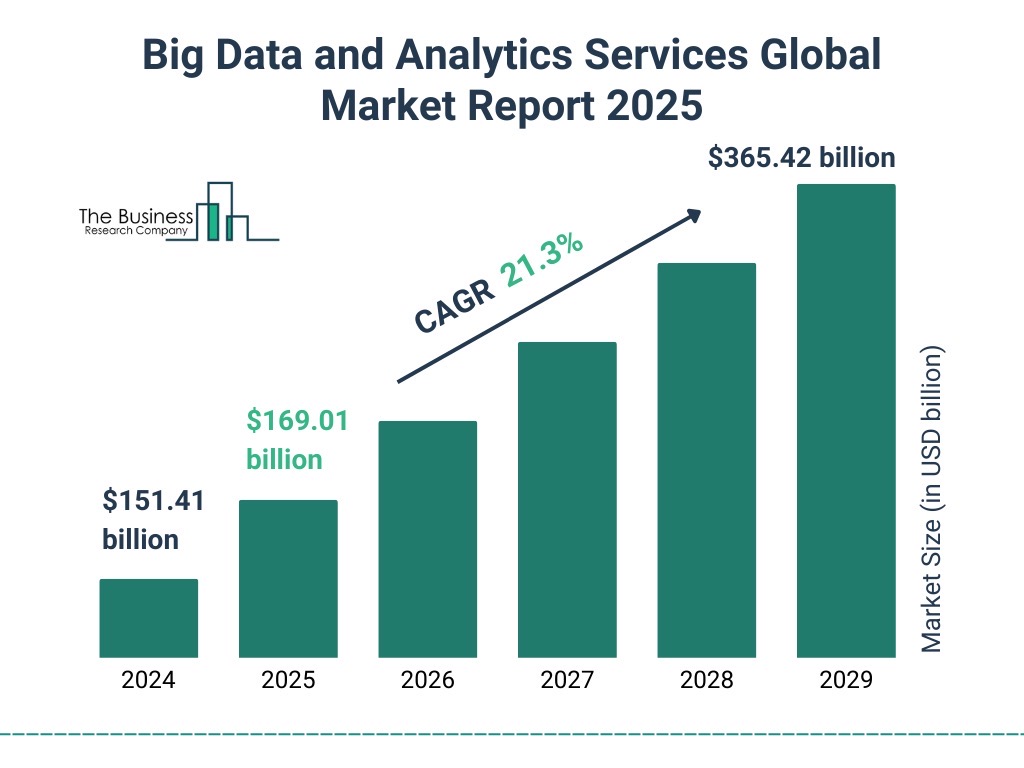
    To thrive in the data economy, businesses must move from reactive to proactive decision-making. Big data consulting provides the tools, frameworks, and expertise to harness data’s full potential.

    From optimizing internal processes to transforming customer engagement, the possibilities are endless. But without expert guidance, data initiatives can easily stall or fail. That’s why big data consulting is not just beneficial—it’s essential in 2025 and beyond.


    Final Thoughts: Partner with Experts for Big Data Success

    As digital transformation accelerates, big data will only become more complex. Whether you’re starting your data journey or scaling advanced analytics, expert consulting is key.

    aibuzz offers cutting-edge big data consulting services tailored to your unique needs. We combine our expertise in software development, cloud architecture, AI integration, and data security to deliver end-to-end solutions that drive measurable impact.

    Our software development services ensure that your data tools are robust, scalable, and user-friendly. With AIBuzz, you get more than just data insights—you gain a strategic partner in your growth journey.

  • 7 Essential Insights into Mobile Mixed Reality: Transforming the Future of Digital Interaction

    7 Essential Insights into Mobile Mixed Reality: Transforming the Future of Digital Interaction

    Mobile Mixed Reality (MR) is rapidly emerging as one of the most innovative and exciting technologies in the digital world. By blending the physical world with digital elements through mobile devices, MR is changing how we interact with content, entertainment, education, and business. Whether you’re a tech enthusiast or a business looking to integrate cutting-edge technology into your services, understanding the essentials of Mobile Mixed Reality is crucial. In this guide, we will explore what Mobile MR is, its key applications, and how it’s shaping the future of digital interaction.

    What is Mobile Mixed Reality?

    7 Essential Insights into Mobile Mixed Reality

    Mobile Mixed Reality (MR) refers to the integration of virtual objects into the real world using mobile devices like smartphones and tablets. Unlike Virtual Reality (VR), which isolates the user from the physical environment, and Augmented Reality (AR), which overlays digital information on the physical world, MR combines both by allowing virtual objects to interact with real-world surroundings in real-time.

    For instance, MR enables you to use your phone or tablet to view a piece of furniture placed virtually in your living room, interact with it, and see it adjust in real-time based on your physical space. This immersive experience is made possible through sophisticated sensors, cameras, and advanced software.

    The Key Technologies Behind Mobile MR

    Several technologies work in tandem to bring Mobile Mixed Reality to life. Understanding these components is essential for appreciating the scope and potential of MR.

    1. Sensors and Cameras

    Mobile devices are equipped with a variety of sensors such as accelerometers, gyroscopes, and magnetometers, as well as cameras to track the physical environment. These sensors allow the device to map the real world and place virtual objects within it. Advanced cameras also enable high-definition visuals that make interactions more realistic.

    2. Processing Power

    Mobile MR requires significant computational power to render virtual elements and process the interaction between the digital and physical world in real-time. Modern smartphones come equipped with powerful processors and GPUs that can handle the complex calculations necessary for smooth MR experiences.

    3. Software and Applications

    Apps designed for MR are critical for its functionality. They use algorithms to track the user’s environment, detect surfaces, and correctly align virtual objects. Popular MR platforms, such as Apple’s ARKit and Google’s ARCore, provide developers with the tools to create these engaging experiences.

    4. C

    Cloud-based computing plays a key role in MR by enabling large-scale data processing and real-time updates. Many MR applications offload some of the heavy processing to the cloud, ensuring that the device doesn’t become overwhelmed by the demands of MR experiences.

    Mobile Mixed Reality Applications

    Mobile MR is not just a trend but a transformative force across various industries. Here are some key sectors where MR is making an impact.

    1. Gaming and Entertainment

    The gaming industry has already begun to embrace MR, offering more immersive experiences than ever before. Players can interact with game elements as though they exist in the real world. For example, games like Pokémon GO and Harry Potter: Wizards Unite use augmented reality elements to bring the digital world into players’ surroundings.

    The future holds potential for mobile MR to create highly interactive and personalized experiences, where users can engage in dynamic, real-time storytelling or multiplayer games with the physical environment integrated seamlessly.

    2. Retail and E-Commerce

    Mobile MR has revolutionized the retail industry by offering virtual try-ons and product visualization. For example, platforms like IKEA have MR features that let customers visualize how furniture will look in their homes before making a purchase. This provides customers with a more informed decision-making process, driving both satisfaction and sales.

    Additionally, brands use MR to create engaging and interactive marketing campaigns, blending the physical and digital worlds in creative ways.

    3. Education and Training

    Mixed Reality offers significant potential in the education sector. Through MR, students can immerse themselves in educational environments where they can interact with 3D models, conduct virtual experiments, or explore historical events firsthand. This form of experiential learning can be more effective than traditional methods, helping to engage students on a deeper level.

    In professional training, MR is used to simulate real-life scenarios, such as surgeries for medical students or flight simulations for pilots, providing a safe and cost-effective way to gain practical experience.

    4. Healthcare

    Mobile MR has various applications in healthcare, especially in diagnostics, surgery, and patient care. Doctors can use MR apps to overlay diagnostic data over patient scans, improving the precision of medical procedures. Furthermore, mobile MR enables medical professionals to conduct remote consultations or provide virtual rehabilitation services.

    5. Real Estate

    The real estate industry has also started adopting MR technology to help prospective buyers visualize properties in 3D. Through mobile MR, users can take virtual tours of homes and apartments, providing an immersive experience that would otherwise require a physical visit.

    How Mobile MR is Enhancing User Interaction

    The power of Mobile Mixed Reality lies in its ability to enhance the user experience by blending real-world interactions with digital elements. Here’s how it’s transforming the way we interact with technology:

    1. Enhanced Engagement

    MR keeps users engaged by offering dynamic and interactive content. Whether you’re gaming, shopping, or learning, the interactivity created by MR enhances the experience, making it more enjoyable and memorable.

    2. Personalization

    Mobile MR allows for personalized experiences based on real-time feedback and interactions with the user’s environment. For example, a mobile app could tailor content to specific locations, objects, or even the individual user’s preferences, creating a unique, one-on-one experience.

    3. Natural Interaction

    The integration of digital and physical spaces in MR allows for more natural, intuitive interactions. Whether through gestures, voice commands, or simply pointing your phone at objects, Mobile MR enables seamless and user-friendly interaction with digital content.

    4. Accessibility

    Mobile MR has the potential to make technology more accessible to a wider audience. Its compatibility with smartphones means that users don’t need specialized equipment, such as headsets or computers, to enjoy mixed reality experiences. This lowers the barrier to entry and broadens the reach of MR.

    The Future of Mobile Mixed Reality

    The future of Mobile Mixed Reality is incredibly promising. As mobile technology continues to evolve, MR will become even more integrated into our daily lives. We can expect:

    1. Improved Hardware

    Mobile devices will continue to get faster, with improved cameras and sensors that allow for even more seamless MR experiences. We may also see the development of lightweight wearables that further enhance MR experiences without the need for bulky devices.

    2. AI Integration

    Artificial Intelligence (AI) will play a key role in Mobile MR by enabling smarter interactions, better environmental mapping, and more personalized experiences. AI algorithms will help predict user behavior and preferences, creating an even more intuitive and responsive user experience.

    3. Wider Adoption

    As MR becomes more mainstream, it will penetrate a broader range of industries, from entertainment and education to healthcare and beyond. New applications and use cases will continue to emerge, expanding the possibilities of what MR can achieve.

    4. 5G Networks

    With the rollout of 5G technology, MR will benefit from faster speeds and lower latency, enabling more fluid and responsive experiences. This will be especially important for real-time interactive applications like gaming, remote collaboration, and virtual tourism.

    Conclusion

    In conclusion, aibuzz is at the forefront of transforming the mobile mixed reality landscape, providing innovative solutions that blend the virtual and real worlds seamlessly. By leveraging cutting-edge AI technology and immersive mobile experiences, we empower users to engage with content in ways that were once unimaginable. As the mobile mixed reality market continues to evolve, aibuzz remains committed to pushing the boundaries of creativity and functionality, ensuring that both businesses and consumers enjoy the full potential of this groundbreaking technology. Whether it’s for gaming, education, or real-world applications, aibuzz is dedicated to delivering immersive experiences that redefine the way we interact with our environment.