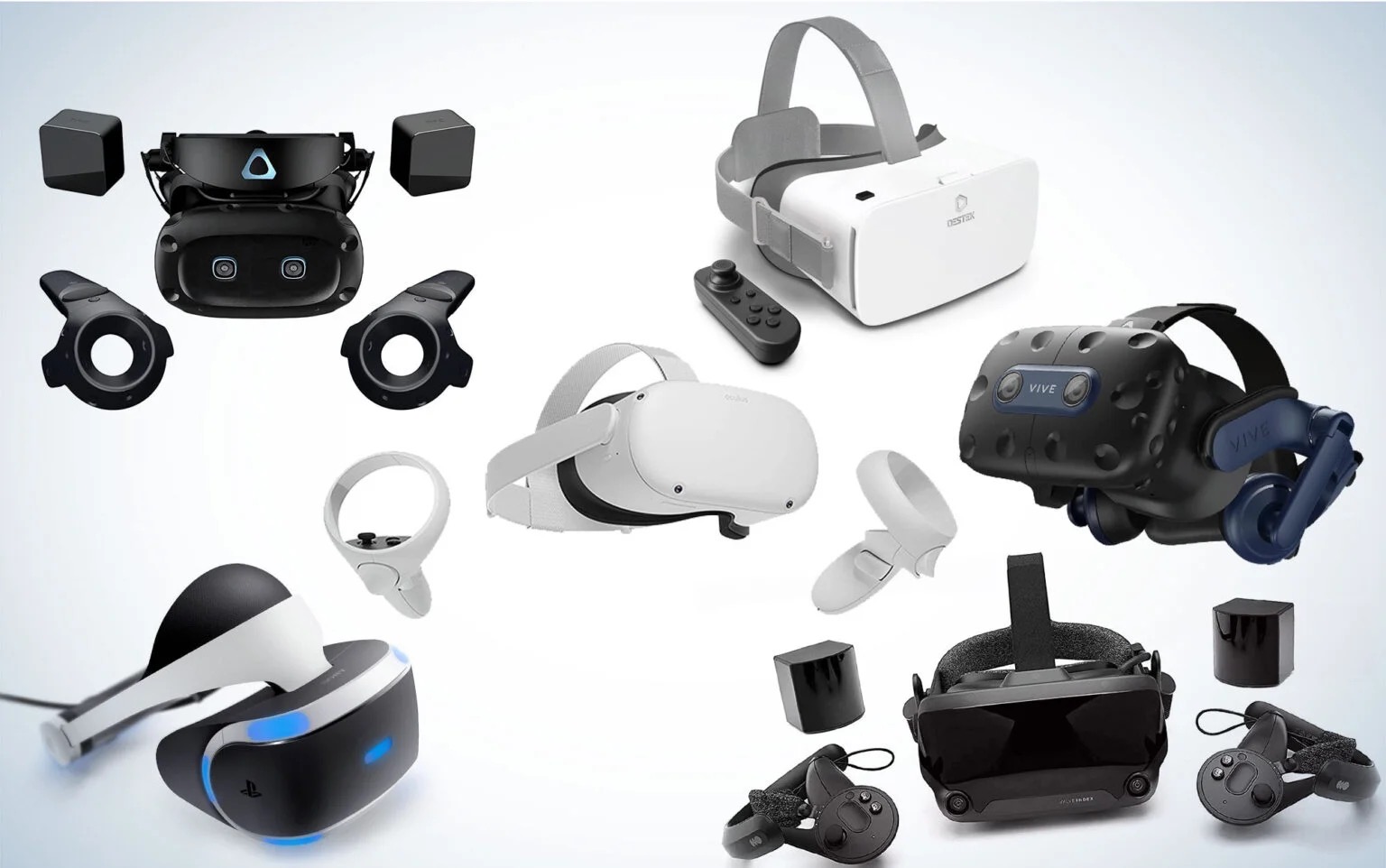
Virtual reality (VR) is no longer a futuristic concept—it’s here, now, and rapidly transforming the way we work, play, learn, and socialize. At the heart of this revolution are virtual reality devices—the hardware that bridges the digital and physical worlds. From immersive gaming headsets to enterprise training tools, these gadgets are essential for anyone looking to explore or innovate within the VR landscape.
In this blog, we’ll explore 10 essential virtual reality devices that are redefining industries in 2025. Whether you’re a gamer, a tech enthusiast, or a business innovator, understanding these devices is critical for staying ahead in the digital age.
What is Virtual Reality?
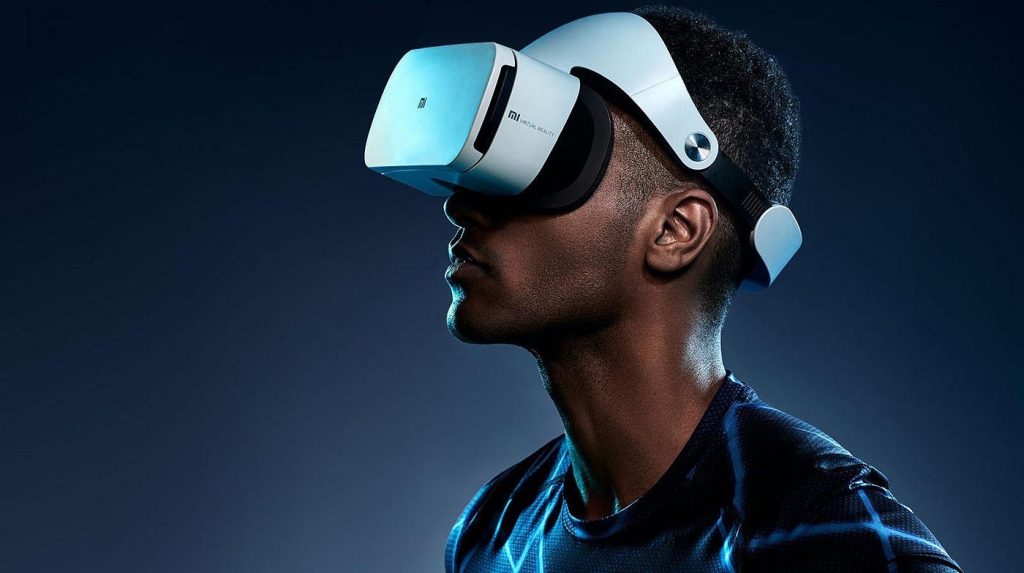
Virtual reality (VR) refers to a simulated digital environment that users can interact with in real time using specialized hardware. The goal is to create a sense of immersion where the virtual feels real. Whether it’s a 3D-rendered world for gaming or a virtual classroom for learning, VR technology provides powerful experiences beyond traditional screens.
The Role of Artificial Intelligence in Virtual Reality
Artificial intelligence (AI) is playing a pivotal role in enhancing virtual reality devices. AI helps create smarter, more responsive virtual environments. From adaptive NPC behavior in games to AI-powered training simulations in enterprise settings, AI is enabling VR to be more personalized and dynamic. For example, voice recognition, gesture control, and real-time data analytics are all improved thanks to AI integration into VR systems.
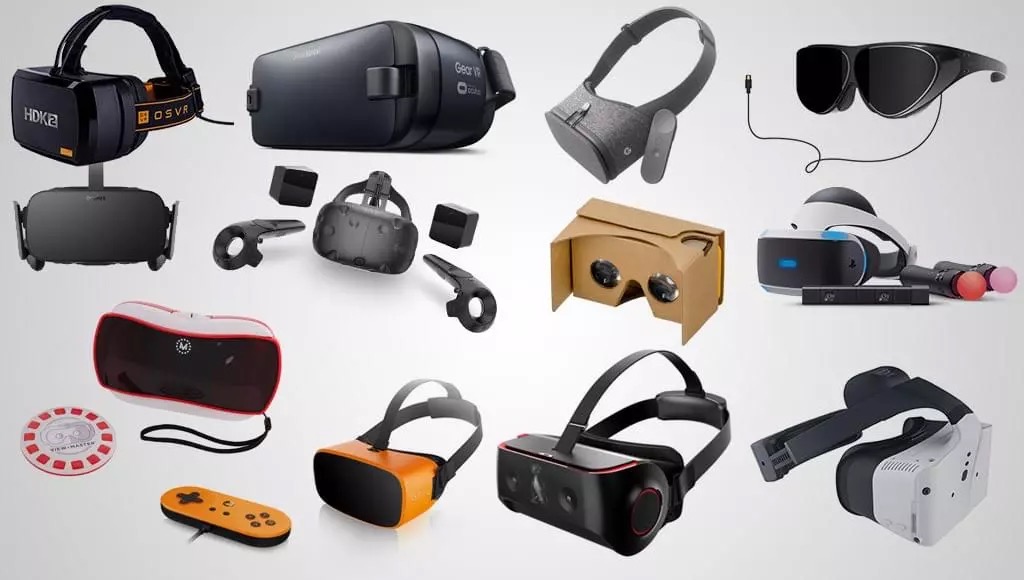
10 Essential Virtual Reality Devices in 2025
1. Meta Quest 3
The Meta Quest 3 is one of the most accessible and feature-rich virtual reality devices available today. With a standalone design, it doesn’t require a PC or external sensors. It offers mixed reality passthrough, hand tracking, and enhanced performance, making it a top choice for gaming, fitness, and productivity.
Keywords: standalone VR headset, mixed reality, Oculus alternative
2. Sony PlayStation VR2
For console gamers, the PlayStation VR2 is a game-changer. With high-resolution OLED screens, inside-out tracking, and haptic feedback, it pushes the boundaries of console-based VR. Designed specifically for PlayStation 5, it provides seamless integration and stunning immersion.
Keywords: VR for PlayStation, gaming headset, immersive VR games
3. HTC Vive XR Elite
The HTC Vive XR Elite combines the best of VR and AR, making it one of the most versatile virtual reality devicesin the market. It’s lightweight, modular, and supports a wide range of enterprise and consumer applications.
Keywords: enterprise VR, AR headset, HTC Vive
4. Apple Vision Pro
Apple’s long-anticipated entry into the VR/AR market, the Apple Vision Pro, delivers exceptional visuals and seamless interaction. It’s powered by Apple’s M-series chips, offering unmatched performance and integration with iOS and macOS devices.
Keywords: Apple VR headset, Vision Pro, spatial computing
5. Pico 4 Enterprise
Pico 4 Enterprise is designed with business users in mind. With eye tracking, face tracking, and business-grade security, it’s ideal for training, collaboration, and data visualization. As one of the leading standalone virtual reality devices, it’s gaining traction in corporate settings.
Keywords: enterprise VR headset, Pico, workplace VR
6. Valve Index
The Valve Index is a high-fidelity VR system that continues to be popular with PC gamers and developers. Its precise finger tracking and superior audio quality make it a favorite for building and experiencing complex VR worlds.
Keywords: PC VR, SteamVR, developer-friendly VR headset
7. Lenovo ThinkReality VRX
Aimed at business users, the ThinkReality VRX by Lenovo provides enterprise-focused tools for collaboration, training, and remote support. With cloud capabilities and rugged design, it’s among the most robust virtual reality devices for the workplace.
Keywords: Lenovo VR, enterprise virtual reality, ThinkReality
8. Samsung Gear VR (2025 Update)
Samsung has relaunched its iconic Gear VR as a mobile-first device optimized for 2025’s smartphones. Lightweight and affordable, it’s bringing virtual reality to casual users and students who want to explore immersive content.
Keywords: mobile VR, smartphone VR, affordable VR headset
9. DPVR E4
DPVR is gaining ground as a solid competitor in both the consumer and business space. The E4 model offers high-resolution displays and low latency, ideal for gaming, simulation, and education.
Keywords: VR for education, training simulators, DPVR headset
10. Varjo XR-4
If you’re looking for cutting-edge professional-grade virtual reality devices, the Varjo XR-4 is unmatched. With photorealistic visuals, eye tracking, and full-color passthrough, it’s perfect for high-end simulation, design, and aviation training.
Keywords: professional VR, XR headset, simulation training
Why These Devices Are Essential in 2025
Each of these virtual reality devices plays a unique role in expanding what’s possible in the VR ecosystem. Whether you’re exploring new worlds in a game, designing products in 3D, or conducting virtual surgery simulations, the right hardware matters.
Here’s why these devices are essential in 2025:
- Immersion: They deliver stunning visual and audio experiences.
- Accessibility: Devices like Meta Quest 3 and Pico 4 make VR more affordable.
- Innovation: High-end systems like Varjo XR-4 push technological boundaries.
- Enterprise-grade features: Tools like ThinkReality VRX cater to business needs.
As industries adopt immersive technologies, these virtual reality devices are becoming indispensable.
Choosing the Right Virtual Reality Device
When selecting a VR device, consider:
- Use case: Gaming, training, design, or entertainment?
- Budget: Do you need a premium system or a budget-friendly option?
- Compatibility: Does it work with your PC, console, or smartphone?
- Portability: Standalone or tethered?
Investing in the right VR hardware can completely change how you interact with digital environments.
The Future of Virtual Reality Devices
As we move further into 2025, virtual reality devices are expected to become even more intelligent, portable, and interconnected. Integration with cloud computing, enhanced gesture recognition, and biometric feedback are all on the horizon. Moreover, the convergence of VR, artificial intelligence, and mixed reality will pave the way for more adaptive, real-time environments.
We’re also seeing the rise of interactive mixed reality, where users can interact with digital and physical elements simultaneously. This is the next big leap beyond VR.
Final Thoughts
The evolution of virtual reality devices is redefining how we interact with the world—both virtual and physical. These 10 essential devices showcase the best the industry has to offer in 2025, empowering users across gaming, education, enterprise, and beyond.
As VR becomes more integrated into our daily lives, staying informed about the latest hardware is essential. Whether you’re a creator, educator, or gamer, now is the time to dive in.
Conclusion
At aibuzz, we’re passionate about helping businesses and individuals unlock the power of immersive technologies. From VR development to full-scale mixed reality solutions, our team provides expert guidance and tailored tech strategies to bring your vision to life. As the future of work, play, and learning continues to evolve, aibuzz is your trusted partner in navigating the virtual frontier.