Tag: big data analytics

  • 10 Transformative Benefits of Big Data Service for Your Business’s Growth

    10 Transformative Benefits of Big Data Service for Your Business’s Growth

    In today’s hyper-connected digital landscape, the amount of data generated by businesses is nothing short of staggering. Every click, purchase, feedback, and transaction produces valuable information that can be harnessed to transform decision-making, improve efficiency, and drive innovation. By leveraging big data service, businesses can unlock insights that were once unimaginable, turning raw numbers into powerful, growth-driving strategies. Let’s explore 10 transformative benefits of big data service that can revolutionize your organization’s journey toward success.


    1. Laser-Sharp Decision-Making with Real-Time Insight

    One of the most impactful advantages of big data service is its ability to provide real-time intelligence. Imagine making critical decisions with up-to-the-minute information instead of relying on outdated reports. With big data, managers and leaders can access dashboards that reflect live customer behavior, supply chain metrics, and market trends. This means strategies are backed by accurate and timely data, reducing guesswork and increasing confidence. Businesses can pivot quickly, adapt to changes, and seize new opportunities without hesitation.


    2. Turbocharge Customer Experience

    In the competitive modern marketplace, customer experience can make or break a brand. Big data service allows you to deeply understand what your customers want, how they behave, and where their pain points lie. By analyzing patterns in purchases, website interactions, and feedback, companies can personalize offerings to an incredible degree—tailoring promotions, improving customer support, and creating meaningful engagement. The result? Customers feel valued and understood, leading to increased loyalty and stronger brand advocacy.


    3. Unleash Predictive Power

    Predictive analytics is one of the most exciting facets of big data service. It doesn’t just look at past events—it forecasts what’s likely to happen next. Retailers can predict which products will trend, financial institutions can anticipate market fluctuations, and healthcare providers can identify potential outbreaks before they happen. This foresight allows companies to plan better, allocate resources effectively, and avoid costly surprises. It’s like having a roadmap for the future, helping you stay ahead of the curve.


    4. Fortify Operational Efficiency

    Every business has bottlenecks—processes that slow things down, waste resources, or hinder growth. Big data service helps pinpoint these inefficiencies with precision. By analyzing operational data from manufacturing lines, logistics, or service workflows, you can identify delays, excessive costs, and underutilized resources. Once these pain points are visible, managed IT services can step in to optimize systems, automate repetitive tasks, and improve collaboration between departments. The result is smoother operations, reduced costs, and a stronger bottom line.


    5. Innovate with Competitive Agility

    The business world moves fast, and companies that can’t adapt risk being left behind. Big data service empowers innovation by revealing new market opportunities, identifying emerging customer needs, and highlighting areas ripe for product or service improvements. With data-driven insights, your business can experiment with new ideas, test them quickly, and refine them based on real results. This agility not only keeps you competitive—it positions you as a leader in your industry.


    6. Maximize ROI with Strategic Insights

    Investments—whether in marketing campaigns, product launches, or operational upgrades—need to generate returns. Big data service offers the visibility to track performance and measure success in real time. By identifying which strategies work and which don’t, businesses can allocate budgets more effectively. For example, marketing teams can identify the most effective channels for lead generation, while sales teams can focus on the most promising customer segments. This targeted approach ensures every dollar spent delivers maximum impact.


    7. Strengthened Risk Management

    Risk is a part of business, but big data service gives you tools to manage it intelligently. From detecting fraudulent transactions to spotting potential system vulnerabilities, analytics can act as an early warning system. Businesses can track unusual patterns that might indicate security breaches, operational failures, or financial risks. This proactive approach helps protect assets, maintain compliance, and build trust with clients and partners.


    8. Elevate Employee Performance

    Data isn’t just for customers and operations—it can be a powerful tool for improving internal performance. By tracking productivity metrics, training results, and employee engagement data, businesses can identify high performers and provide targeted support where it’s needed most. Big data service enables HR teams to design incentive programs that resonate with employees, encourage collaboration, and improve job satisfaction. A motivated team, supported by accurate insights, is a recipe for long-term success.


    9. Scale with Confidence

    Scaling a business comes with challenges—new markets, larger teams, increased data volumes, and more complex systems. Big data service grows with you, ensuring that as your operations expand, you maintain visibility and control. Whether you’re entering international markets, launching new product lines, or handling exponential growth in customer data, big data infrastructure—supported by managed IT services—ensures the process is smooth, secure, and sustainable.


    10. Foster a Culture of Data Empowerment

    Perhaps the most transformative aspect of big data service is cultural. When organizations embrace a data-first mindset, decision-making becomes collaborative, transparent, and future-focused. Teams feel empowered when they can access the insights they need to do their jobs effectively. This cultural shift doesn’t just improve performance—it sparks innovation, boosts morale, and drives collective success.


    Why “Managed IT Services” and Big Data Service Are a Perfect Match

    Big data service works best when supported by reliable managed IT services. From system integration to cloud security, managed IT services ensure that your big data tools run flawlessly, your analytics remain accessible, and your sensitive information stays protected. These services provide expert oversight, reduce downtime, and allow your team to focus on leveraging insights rather than troubleshooting technical issues.


    Spotlight on AIBuzz Technoventures Pvt Ltd: Driving Innovation Across Industries

    AIBuzz Technoventures Pvt Ltd is a leading technology solutions provider dedicated to delivering high-impact digital transformation services. Their diverse portfolio spans:

    By combining their expertise with robust managed IT services, AIBuzz ensures that clients harness the full potential of big data service, gaining actionable insights that fuel growth, innovation, and competitive advantage.


    Conclusion

    Harnessing big data service brings transformative clarity, innovation, and efficiency to your business. When powered by expert managed IT services, you not only unlock insights—you create an intelligent, future-ready ecosystem.

    AIBuzz Technoventures Pvt Ltd stands at the forefront of this transformation, offering a powerful combination of advertising, IT, software, AI, cryptocurrency, VR, MR, TD pipeline, and big data solutions to drive your success.

    Contact: 919967940928
    Visit: www.aibuzz.net
    Mail: info@aibuzz.net
  • 7 Powerful Reasons Why AWS in Big Data Is a Game-Changer for 2025

    7 Powerful Reasons Why AWS in Big Data Is a Game-Changer for 2025

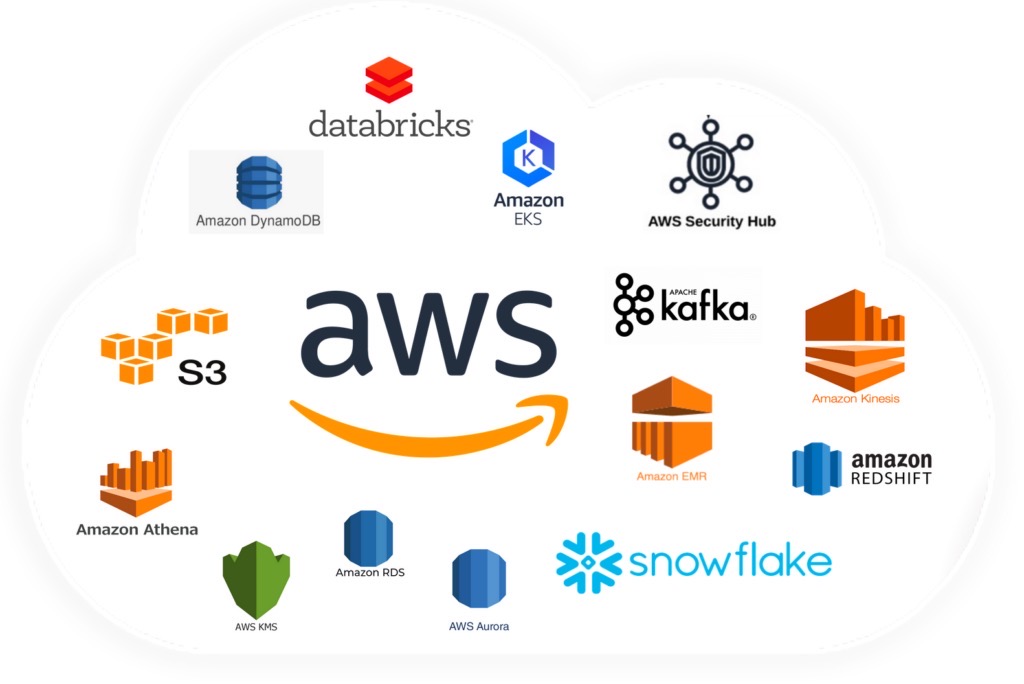
    Big data has revolutionized how businesses make decisions, optimize operations, and drive innovation. But the real magic happens when you pair big data with cloud infrastructure—and no name stands taller in that space than Amazon Web Services (AWS). In today’s digitally dynamic world, AWS in big data is not just a choice—it’s the engine driving powerful, scalable, and secure data transformation.

    In this blog, we’ll dive into 7 compelling reasons why AWS in big data is redefining enterprise intelligence in 2025. From storage flexibility to advanced analytics, AWS has built an ecosystem tailored for the demands of real-time data and future-forward organizations.


    1. Scalability Like Never Before

    One of the most celebrated advantages of AWS in big data is its unparalleled scalability. Whether you’re a startup working with gigabytes or an enterprise processing petabytes daily, AWS auto-scales its services to meet your needs without compromising performance.

    Tools like Amazon EMR (Elastic MapReduce) and Amazon Redshift are designed to grow with your business. You can start small and scale your clusters or data warehouses based on workload—paying only for what you use. This elasticity is crucial for data-driven teams working on unpredictable workloads, especially in industries like retail, finance, and IoT.


    2. Massive Data Storage with Flexibility

    Storing vast volumes of structured and unstructured data is a big data challenge. AWS in big data solves this elegantly with services like:

    • Amazon S3: Ideal for storing large data lakes with robust security and availability.
    • Amazon Glacier: A low-cost solution for long-term archival data.
    • AWS Lake Formation: Quickly set up secure data lakes and manage access with precision.

    What sets AWS apart is the integration between storage, analytics, and machine learning tools. You’re not just storing data—you’re preparing it for deep insights.


    3. Advanced Analytics Made Simple

    Gone are the days when big data analytics was reserved for data scientists. With AWS in big data, analytics is accessible, intuitive, and incredibly powerful. Services like:

    • Amazon Athena: Allows SQL queries directly on S3 data without moving it.
    • AWS Glue: A serverless data integration service for preparing and loading data.
    • Amazon QuickSight: A fast, cloud-powered business intelligence (BI) service.

    These services democratize data, letting teams across departments run queries, generate dashboards, and visualize trends—without coding or hardware overhead.


    4. Integrated Machine Learning Capabilities

    What makes AWS in big data truly futuristic is how seamlessly it integrates machine learning (ML). With Amazon SageMaker, data teams can:

    • Build, train, and deploy ML models at scale.
    • Automate workflows with built-in algorithms and AutoML.
    • Monitor models with explainability and bias detection tools.

    By combining big data with ML on AWS, businesses can unlock predictive insights—forecasting sales, detecting fraud, personalizing customer experiences, and much more.


    5. Real-Time Data Streaming for Instant Decisions

    In industries like finance, gaming, and e-commerce, real-time data isn’t a luxury—it’s a necessity. AWS in big dataaddresses this through:

    • Amazon Kinesis: Real-time data ingestion and analytics.
    • AWS Lambda: Serverless functions that respond to data triggers.
    • Amazon MSK (Managed Streaming for Apache Kafka): A fully managed service to run real-time apps.

    These tools empower businesses to act on data the moment it arrives—whether it’s fraud detection in fintech or personalization in e-commerce.


    6. Ironclad Security and Compliance

    When it comes to AWS in big data, trust and security are built-in. AWS ensures:

    • End-to-end encryption for data at rest and in transit.
    • IAM (Identity and Access Management) for detailed user permissions.
    • Audit trails via AWS CloudTrail and AWS Config.

    Moreover, AWS complies with major regulations like GDPR, HIPAA, and ISO, making it a secure home for sensitive data across industries like healthcare and finance.


    7. Cost Optimization at Every Level

    Unlike traditional on-prem setups, where you’re locked into costly hardware, AWS in big data provides a pay-as-you-go model. With tools like AWS Cost ExplorerSavings Plans, and Spot Instances, businesses can optimize spend without sacrificing power.

    Even at scale, AWS helps organizations control budget leakage by auto-scaling resources and suggesting cost-saving measures proactively.


    Software Development and AWS: A Synergistic Force

    Modern software development is heavily data-driven. Whether you’re building mobile apps, web platforms, or backend systems, your application is likely interacting with vast datasets.

    Here’s where AWS in big data shines for developers:

    • Seamless APIs for integrating S3, DynamoDB, and Redshift.
    • DevOps-friendly tools like AWS CodePipeline and CodeBuild.
    • Cloud-native architecture for microservices and containerized workloads via ECS and EKS.

    For developers, it means faster deployments, deeper insights, and the ability to iterate with real-world feedback drawn directly from data.


    Case Study: E-Commerce at Scale

    Let’s take an example. A mid-sized e-commerce company wanted to personalize user experience in real-time during peak holiday traffic. Using AWS in big data, they:

    • Collected clickstream data through Amazon Kinesis.
    • Processed user behavior using AWS Lambda.
    • Built ML models in SageMaker to recommend products.
    • Visualized customer trends in QuickSight dashboards.

    Result? 25% increase in average cart value and 40% improvement in customer retention. This is the kind of transformation AWS makes possible.


    Real-World Applications of AWS in Big Data

    Here’s a glance at industries benefiting from this powerful combo:

    Healthcare:

    • Predicting patient readmissions.
    • Managing clinical records.
    • Detecting disease outbreaks using real-time data.

    Automotive:

    • Autonomous vehicle telemetry processing.
    • Predictive maintenance.
    • Customer behavior analytics.

    Finance:

    • Real-time fraud detection.
    • Credit scoring.
    • Personalized investment advice.

    Gaming:

    • Player behavior tracking.
    • Dynamic content generation.
    • In-game monetization optimization.

    AWS provides the reliability, speed, and depth these industries need to innovate continuously.


    Best Practices for Implementing AWS in Big Data Projects

    1. Define a Data Strategy: Don’t just migrate—align your data goals with business objectives.
    2. Choose the Right Tools: Don’t overcomplicate. Start with core services like S3, Glue, and Redshift.
    3. Secure Early, Scale Smoothly: Apply IAM and encryption from day one.
    4. Use Serverless Where Possible: Lambda and Glue reduce operational complexity.
    5. Monitor and Optimize Continuously: Use AWS CloudWatch, Cost Explorer, and performance metrics.

    Challenges and How AWS Helps Overcome Them

    ChallengeAWS Solution
    Data silosAWS Lake Formation
    Real-time analyticsAmazon Kinesis
    Data preparation complexityAWS Glue
    High infrastructure costAuto-scaling + Spot Instances
    Security concernsIAM, KMS, CloudTrail

    With the right architecture and approach, AWS mitigates common big data bottlenecks efficiently.


    The Future of AWS in Big Data: 2025 and Beyond

    As we move into a future powered by AIIoT, and hyper-personalizationAWS in big data will only become more integral. The emergence of generative AIedge computing, and quantum data processing will open new doors—most of which will run on scalable, intelligent platforms like AWS.

    The power of AWS lies in its vision: a world where data is no longer a burden but an asset that propels innovation, empowers employees, and delights customers.


    Conclusion: Why AIBuzz Recommends AWS for Big Data Success

    At AIBuzz, we believe that AWS in big data is not just a platform—it’s a strategic advantage. Whether you’re a startup, SMB, or enterprise, adopting AWS ensures your big data operations are secure, scalable, and future-ready.

    As experts in IT and tech services, our team at AIBuzz helps businesses harness the full potential of cloud and data. From consultation to implementation, we bring data to life—and AWS is our go-to partner for that journey.


  • 7 Powerful Ways Big Data Customer Service Is Revolutionizing Customer Experience in 2025

    7 Powerful Ways Big Data Customer Service Is Revolutionizing Customer Experience in 2025


    In a world driven by rapid digital transformation, customer service is no longer just about answering queries—it’s about delivering seamless, personalized, and predictive experiences. At the heart of this transformation lies a game-changing force: Big Data Customer Service.

    From analyzing feedback to predicting future behavior, big data is helping brands understand their customers like never before. In 2025, businesses that leverage this intelligent combination of data management and customer-centric strategies are surging ahead of competitors. This blog explores how Big Data Customer Service is setting new standards in support, loyalty, and satisfaction.


    What is Big Data?

    Before diving into the customer service applications, let’s decode big data itself.

    Big data refers to the vast volume of structured and unstructured information that businesses generate every second. It includes everything from transaction records, website clicks, and social media posts to chat logs, voice recordings, and more. The key characteristics of big data are volume, velocity, and variety.

    But big data alone isn’t valuable. It becomes impactful when integrated into analytics platforms and AI systems—enabling smart decisions, automation, and real-time responses.


    Why Big Data Customer Service Matters in 2025

    Discover how Big Data Customer Service is transforming customer support in 2025 with AI, analytics, and data-driven personalization. Learn the 7 powerful ways now!

    In 2025, customers expect instant gratification—whether they’re ordering food, seeking technical support, or tracking an online purchase. They demand tailored solutions, faster turnaround times, and proactive service.

    Big Data Customer Service empowers companies to meet these expectations. Here’s how:

    • Faster query resolution via predictive support
    • Personalized communication based on behavior history
    • Real-time sentiment analysis
    • AI-driven chatbots with deep learning abilities
    • Efficient escalation management

    Every interaction is a data point—and when analyzed properly, these points create a 360-degree view of the customer.


    1. Personalized Support Like Never Before

    One of the standout features of Big Data Customer Service is its ability to personalize every interaction.

    Let’s say a customer contacts your support center about an issue with a smart device. Instead of asking repetitive questions, your system already knows the device model, purchase history, previous complaints, and typical issues. Using this data, your agent or AI chatbot can offer a relevant solution—instantly.

    This level of hyper-personalization drastically improves customer satisfaction. Netflix, Amazon, and Spotify have already mastered this with content and product recommendations. Now, service teams are doing the same with support.


    2. Predictive Service and Issue Prevention

    Another major impact of Big Data Customer Service is in predicting problems before they occur.

    By analyzing patterns across thousands of users, companies can identify common issues and alert customers proactively. Imagine receiving a message from your telecom provider saying, “We’ve noticed a drop in your internet speed due to a router issue. We’re sending you a new one.”

    That’s no longer science fiction—that’s data science.

    This predictive model reduces customer churn while building deep brand trust.


    3. Enhancing Chatbot Intelligence

    Chatbots are now front-line customer service representatives. However, without data, they’re often limited and robotic.

    With Big Data Customer Service, chatbots get smarter.

    They learn from millions of prior interactions, customer preferences, and contextual signals. This means better responses, natural conversation flow, and the ability to escalate to human agents only when necessary.

    In 2025, top businesses are using AI-driven chatbots not only for support but also for up-sellingcross-selling, and customer retention.


    4. Sentiment Analysis for Real-Time Emotion Detection

    How does your support team know if a customer is angry, confused, or delighted?

    Big Data Customer Service uses sentiment analysis—a machine learning technique that deciphers emotional tone from messages, voice, or social media posts.

    This helps agents respond with empathy and prioritize escalations. It also allows managers to monitor service health across platforms and adjust strategy in real-time.

    For instance, if 300 customers complain on Twitter about a billing issue, the system can alert your team instantly.


    5. Omni-Channel Integration

    Customers interact through many platforms—email, chat, social media, and phone. Traditionally, this data is siloed and fragmented.

    Big Data Customer Service integrates these channels into a single intelligent system.

    A customer who first tweets about an issue and later calls the helpline won’t have to repeat themselves. The system already has their full journey tracked. This omni-channel experience is seamless, consistent, and builds loyalty.


    6. Real-Time Dashboards for Data-Driven Decisions

    Today’s support managers don’t need to wait for monthly reports. With Big Data Customer Service, they get real-time dashboards showing:

    • Ticket resolution time
    • First-contact resolution rates
    • Agent performance
    • Customer satisfaction scores
    • Trending complaints

    Armed with this data, managers can make instant improvements to boost efficiency and morale.


    7. Fraud Detection and Compliance Monitoring

    Another powerful use case is fraud prevention. By analyzing transactional patterns, location data, and behavioral anomalies, Big Data Customer Service can flag suspicious activities automatically.

    Similarly, companies operating under GDPR, HIPAA, or other regulations can use big data to ensure compliance tracking is automated and auditable.

    This ensures not only safety but also avoids costly legal consequences.


    Case Study: How a Telecom Giant Leveraged Big Data Customer Service

    A leading telecom provider in India integrated big data with its support platform.

    They analyzed over 50 million call logs, support tickets, and device logs using AI. Results:

    • 30% reduction in support call volume
    • 25% increase in first-contact resolution
    • 40% faster identification of network issues
    • 50% improvement in customer satisfaction scores (CSAT)

    The company not only retained more users but also optimized its internal resources.


    Common Tools Powering Big Data Customer Service

    Common Tools Powering Big Data Customer Service

    Here are the tools and technologies making this revolution possible:

    • CRM systems (Salesforce, Zendesk)
    • Big data platforms (Hadoop, Spark)
    • Analytics & visualization (Power BI, Tableau)
    • AI & ML frameworks (TensorFlow, PyTorch)
    • Customer data platforms (Segment, Totango)

    These platforms work in tandem to deliver end-to-end insight, automation, and performance.


    Challenges to Overcome

    Despite the benefits, Big Data Customer Service comes with its share of challenges:

    • Data privacy: Companies must comply with data protection laws.
    • Data overload: Managing and filtering massive datasets requires robust infrastructure.
    • Skilled workforce: Data scientists, AI engineers, and trained agents are essential.
    • Tool integration: Legacy systems may struggle to integrate new platforms.

    However, with a clear strategy, training, and trusted technology partners, these hurdles can be overcome.


    The Future of Big Data Customer Service

    As we look toward 2030, Big Data Customer Service will become even more integrated with augmented realityvoice assistants, and IoT devices. Imagine your smart fridge reporting a defect and scheduling a service call—all without your involvement.

    The lines between product, support, and experience will blur—and data will be the glue that holds it all together.


    Conclusion: Why aibuzz is Your Ideal Data Management Partner

    At aibuzz, we specialize in helping businesses unlock the full power of data. Whether you’re building a smart customer service platform, setting up predictive analytics, or integrating AI into your support ecosystem—we provide cutting-edge data management solutions that ensure your operations are future-ready.

    Big Data Customer Service isn’t just a trend—it’s the backbone of next-gen customer engagement. Partner with us to embrace intelligent support, automation, and unbeatable customer experiences.

  • 9 Game-Changing Benefits of IT and Tech Services for Modern Businesses

    9 Game-Changing Benefits of IT and Tech Services for Modern Businesses


    In today’s hyper-digital era, businesses that embrace robust IT and Tech Services are not only surviving—but thriving. From cloud infrastructure and cybersecurity to automation and data analytics, the right technology solutions can supercharge your productivity, secure your assets, and future-proof your organization. Whether you’re a startup founder, a mid-size company, or a large-scale enterprise, understanding the true power behind IT and Tech Services can redefine your success trajectory.

    In this blog, we’ll explore the top 9 game-changing benefits of integrating IT and Tech Services into your business model. Along the way, we’ll dive into important concepts like Big Datasoftware development, and digital transformation to help you stay ahead of the competition.


    1. Scalable Infrastructure for Every Stage of Growth

    As businesses scale, so should their IT backbone. One of the biggest advantages of modern IT and Tech Services is their scalability. Whether you’re expanding your user base, launching new applications, or growing into new markets, IT service providers can help you scale without system breakdowns.

    With options like cloud-based serversvirtual machines, and remote collaboration tools, you no longer need to invest in expensive on-premise infrastructure. This not only reduces costs but allows companies to remain agile and responsive.


    2. Seamless Integration with Cloud Computing

    Cloud adoption has become a key trend across all industries. By working with cloud-ready IT and Tech Service providers, businesses gain access to on-demand resources, better collaboration tools, and real-time backups.

    Popular platforms like AWSGoogle Cloud, and Azure offer advanced functionalities like machine learning, container orchestration, and secure storage. When integrated correctly, these tools enable remote teams to work securely and efficiently from anywhere in the world.


    3. Cybersecurity That’s Proactive, Not Reactive

    Cyber threats are evolving—so should your defense strategy. Trusted IT and Tech Service companies now offer 24/7 monitoringthreat detection, and incident response solutions that reduce your risk of costly breaches.

    From multi-factor authentication to encryption and security audits, businesses get a full spectrum of protection. More importantly, IT providers now use AI-powered analytics to proactively identify vulnerabilities before they become threats.


    4. Data-Driven Decision Making with Big Data

    Big Data is revolutionizing how companies make decisions. By collecting, analyzing, and acting on large data sets, businesses can gain insights into customer behavior, market trends, and operational efficiency.

    Here’s a simple definition:

    Big Data refers to extremely large datasets that traditional software can’t handle efficiently. It includes structured and unstructured data collected from social media, sensors, transactions, and more.

    When paired with effective IT and Tech Services, companies can unlock the power of real-time dashboardspredictive analytics, and data visualization tools like Power BI and Tableau—helping them outpace competitors.


    5. Custom Software Development for Unique Business Needs

    Off-the-shelf software rarely fits every business. That’s why software development plays a critical role in modern IT and Tech Services.

    Software development is the process of designing, coding, testing, and deploying custom programs or applications that solve specific problems for a business.

    Whether it’s a customer relationship management (CRM) system, a mobile app, or a backend automation tool, custom solutions offer better functionality, efficiency, and competitive advantage.

    Partnering with the right development team ensures your software aligns with your business goals and scales with your needs.


    6. Remote IT Support for Modern Workplaces

    With remote work now a permanent fixture, businesses need flexible IT and Tech Service solutions. Remote IT support ensures your team stays productive, even when scattered across time zones.

    From virtual desktops to VPN configurations and remote troubleshooting, IT providers ensure your team is never more than a call or chat away from help. It saves time, boosts uptime, and improves user experience—especially for remote-first or hybrid organizations.


    7. Business Continuity Through Disaster Recovery Solutions

    No business is immune to disasters—whether it’s cyber-attacks, natural calamities, or system failures. One of the most overlooked benefits of professional IT and Tech Services is business continuity planning.

    Disaster recovery (DR) solutions include automated backupsredundant systems, and failover mechanisms that minimize downtime and ensure your business stays operational. Cloud-based DR solutions are fast, scalable, and cost-effective—making them a must for every modern enterprise.


    8. AI and Automation for Operational Excellence

    Automation is no longer a luxury—it’s a necessity. IT and Tech Services that incorporate AI-powered botsmachine learning algorithms, and automated workflows reduce human error, save time, and improve accuracy.

    Common use cases include:

    • Chatbots for customer support
    • Automated invoice processing
    • Predictive maintenance in manufacturing
    • Smart inventory management

    By automating routine tasks, companies can redirect human talent toward innovation and strategy.


    9. 24/7 Monitoring and Maintenance

    Proactive monitoring is key to avoiding downtime and tech failures. IT and Tech Service providers now offer round-the-clock monitoring for networks, servers, applications, and even user activity.

    This ensures immediate alerts, quick resolutions, and seamless performance. Regular updates, patch management, and performance optimizations are part of this ongoing service—helping businesses stay up to date and secure.


    Why IT and Tech Services Are the Backbone of Digital Transformation

    Digital transformation isn’t just about going paperless—it’s about leveraging technology to improve how you serve customers, manage operations, and innovate faster. IT and Tech Services provide the foundation for this change by offering the tools, support, and strategies needed to digitize every layer of your business.

    Companies that embrace this shift will:

    • Improve customer experience
    • Launch products faster
    • Adapt quickly to market changes
    • Secure their digital assets
    • Future-proof their operations

    Final Thoughts

    As you can see, embracing the full range of IT and Tech Services can transform your business in remarkable ways. From Big Data analytics and custom software development to AI automation and cybersecurity, the opportunities are endless for organizations ready to grow in a tech-first world.

    If you’re looking to upgrade your technology capabilities and unlock digital success, now is the time to invest in powerful IT and Tech Service solutions.


    About aibuzz

    At aibuzz, we specialize in providing cutting-edge IT and Tech Services tailored to your unique business needs. Whether you’re exploring cloud adoption, AI integration, or custom software solutions, our experts are ready to guide you every step of the way. Empower your business with the technology it deserves—explore aibuzz today and experience the future of tech-enabled success.

  • 7 Essential Reasons to Use Google Cloud Big Data for Modern Enterprises

    7 Essential Reasons to Use Google Cloud Big Data for Modern Enterprises

    In today’s digital era, businesses generate data at an unprecedented scale. This explosion of information—known as Big Data—presents both a challenge and an opportunity. The key to unlocking this opportunity lies in choosing the right platform. Google Cloud Big Data offers scalable, intelligent, and cost-effective tools to harness data for business growth. In this blog, we’ll explore 7 essential reasons why Google Cloud Big Data is the right choice for modern enterprises.


    What is Big Data? (A Quick Overview)

    Discover 7 essential reasons why Google Cloud Big Data is the top choice for modern businesses. Learn how it powers real-time analytics, AI integration, and secure, scalable data solutions.

    Big Data refers to extremely large datasets that are too complex to be managed or analyzed by traditional data-processing systems. These datasets can come from various sources like social media, sensors, mobile devices, transactions, and more. Big Data is characterized by the three V’s—Volume, Velocity, and Variety. Its proper utilization leads to better decisions, predictive insights, and operational efficiencies.


    1. Essential Scalability with Google Cloud Big Data Tools

    One of the strongest advantages of Google Cloud Big Data is its unmatched scalability. Whether you’re a startup or an enterprise, you can handle petabytes of data with ease. Google’s infrastructure is designed to auto-scale, meaning it adjusts resources dynamically as your data grows or shrinks. Tools like BigQuery, a serverless and highly scalable data warehouse, allow you to run complex SQL queries in seconds.

    By leveraging Google Cloud Big Data services, businesses can grow without worrying about infrastructure limitations.


    2. Real-Time Analytics and Stream Processing

    Modern business demands instant insights. With Google Cloud Big Data, you can analyze real-time data streams from devices, applications, and social platforms. Tools such as Cloud Dataflow and Pub/Sub enable fast, efficient stream processing. This is crucial for use cases like fraud detection, IoT monitoring, and live dashboards.

    Real-time analytics not only improves operational agility but also provides competitive advantages in fast-paced industries.


    3. Machine Learning Integration Made Easy

    Google Cloud Big Data seamlessly integrates with AI and Machine Learning services. With tools like Vertex AI, you can build, train, and deploy ML models on your big data sets without deep knowledge of data science. This integration helps businesses develop smarter applications, from customer personalization to demand forecasting.

    The synergy of Google Cloud Big Data and AI leads to actionable intelligence and automated decision-making.


    4. Enterprise-Grade Security and Compliance

    Data security is a major concern for every organization. With Google Cloud Big Data, security is baked into every layer. It offers end-to-end encryptionIAM (Identity and Access Management), and audit logging. Additionally, Google complies with key industry standards such as HIPAAGDPR, and ISO/IEC 27001, making it a trusted partner for industries like healthcare and finance.

    By choosing Google Cloud Big Data, enterprises ensure their data remains protected and compliant with global regulations.


    5. Seamless Data Migration and Hybrid Architecture

    Worried about migrating your legacy systems? Google makes it simple. With Transfer ApplianceStorage Transfer Service, and Database Migration Service, you can move your workloads to the cloud without major disruptions. Plus, Google Cloud Big Data supports hybrid and multi-cloud architectures, giving you flexibility to run your systems where they make the most sense.

    This adaptability helps businesses modernize without the fear of vendor lock-in or service interruptions.


    6. Cost-Efficiency and Flexible Pricing

    Google’s pay-as-you-go model ensures that you only pay for the resources you use. Whether you’re storing archived data or running powerful analytics jobs, Google Cloud Big Data provides pricing options that suit different needs. Additionally, features like flat-rate pricing in BigQuery allow enterprises to predict and manage their budget better.

    Smart resource management and pricing flexibility make Google Cloud Big Data ideal for businesses focused on ROI.


    7. Powerful Ecosystem and Tooling

    From data engineers to business analysts, everyone can find a tool that fits their workflow in the Google ecosystem. With integrations for LookerData StudioApache BeamTensorFlow, and Python notebooks, your entire data pipeline—from ingestion to visualization—is covered.

    The broad ecosystem of Google Cloud Big Data empowers collaboration across teams and drives data-driven culture within organizations.


    Popular Tools in the Google Cloud Big Data Suite

    Here are some of the most widely used tools in the Google Cloud Big Data ecosystem:

    • BigQuery: A serverless, highly scalable data warehouse for fast SQL queries.
    • Cloud Dataflow: Real-time stream and batch data processing.
    • Cloud Pub/Sub: Messaging service for event ingestion and delivery.
    • Dataproc: Managed Spark and Hadoop service.
    • Data Fusion: No-code ETL tool for building data pipelines.
    • Looker: Data visualization and business intelligence platform.

    These tools work together to deliver a comprehensive solution for Big Data analytics.


    Industries Benefiting from Google Cloud Big Data

    1. Retail: Real-time recommendations and inventory analytics.
    2. Healthcare: Predictive diagnosis, genomics, and patient trend analysis.
    3. Finance: Fraud detection, algorithmic trading, and compliance monitoring.
    4. Manufacturing: Predictive maintenance and supply chain optimization.
    5. Media & Entertainment: Audience analytics and content personalization.

    Across sectors, Google Cloud Big Data enables smarter decisions through deep insights.


    Key Benefits Recap

    Let’s summarize the essential benefits of Google Cloud Big Data:

    • Ultra-scalable and serverless infrastructure
    • Real-time and batch data processing
    • Integrated AI/ML capabilities
    • Secure and compliant environment
    • Cost-effective pricing models
    • Easy migration and hybrid deployment
    • Rich ecosystem for full data lifecycle

    These features make it an indispensable solution for data-intensive enterprises.


    Conclusion: Why Choose aibuzz for Big Data Solutions?

    Discover 7 essential reasons why Google Cloud Big Data is the top choice for modern businesses. Learn how it powers real-time analytics, AI integration, and secure, scalable data solutions.

    Adopting Google Cloud Big Data is no longer optional—it’s essential for businesses that want to thrive in a data-driven world. With its scalable tools, AI integration, and enterprise-grade security, Google offers a powerful ecosystem that’s both flexible and future-ready. Whether you’re dealing with structured or unstructured data, real-time streams, or historical logs, Google Cloud Big Data ensures you gain meaningful insights that drive growth.

    At aibuzz, we help organizations build robust Big Data pipelines using Google Cloud’s cutting-edge technology. We specialize in end-to-end software development, from data ingestion to analytics, and integrate AI for next-level intelligence. If you’re ready to supercharge your business with Google Cloud Big Data, our expert team is here to guide your digital transformation journey.