Tag: Machine learning

  • 7 Essential Artificial Intelligence Projects You Should Explore in 2025

    7 Essential Artificial Intelligence Projects You Should Explore in 2025

    Artificial Intelligence (AI) has evolved from a futuristic concept into a transformative force across industries. In 2025, AI is no longer just an innovation—it’s a necessity. From smart assistants to autonomous vehicles and predictive systems to medical diagnostics, artificial intelligence projects are at the heart of the next-gen tech revolution.

    If you’re a developer, tech enthusiast, or entrepreneur, diving into essential artificial intelligence projects can sharpen your skills and provide real-world solutions. These projects combine machine learning, deep learning, and data science to solve complex problems in creative ways.

    Let’s explore 7 essential artificial intelligence projects you should try in 2025, complete with tools, use cases, and industry impact.

    7 Essential Artificial Intelligence Projects You Should Explore in 2025

    1. AI-Powered Chatbots for Customer Service

    One of the most widely adopted artificial intelligence projects today is the development of intelligent chatbots. These systems are driven by Natural Language Processing (NLP) to understand human conversations and provide instant support.

    Tools:

    • Python, NLTK, spaCy
    • TensorFlow or PyTorch
    • Dialogflow or Rasa

    Why It Matters:

    Chatbots reduce operational costs and improve customer satisfaction with real-time, AI-driven conversations.


    2. Predictive Analytics for E-Commerce

    This is one of the most essential artificial intelligence projects in retail and e-commerce. By analyzing consumer behavior and sales trends, AI predicts future demands and personalizes customer experiences.

    Features:

    • Machine learning models like XGBoost
    • Data visualization tools
    • Real-time dashboards with Power BI

    Business Value:

    Companies utilizing predictive AI often see sales growth and better inventory control.


    3. AI in Healthcare: Disease Prediction Models

    Healthcare is a fertile ground for impactful artificial intelligence projects. AI models can detect diseases like cancer and diabetes using patient data and medical imaging.

    Tools:

    • TensorFlow, OpenCV, Keras
    • Medical datasets (e.g., NIH Chest X-rays)

    Why It’s Essential:

    Early detection improves survival rates. AI achieves up to 95% accuracy in some diagnostics.


    4. Object Detection for Autonomous Vehicles

    7 artificial intelligence project

    This high-tech artificial intelligence project focuses on enabling vehicles to see and respond to their surroundings using computer vision. It’s a core function of autonomous driving systems.

    Frameworks:

    • YOLO, OpenCV, NVIDIA tools
    • Real-time processing with edge devices

    Impact:

    AI-based object detection drastically reduces accidents and enhances traffic safety.


    5. AI Recommendation Systems

    Recommendation engines are one of the most commercially successful artificial intelligence projects. These systems drive content, product, or service suggestions based on user behavior and preferences.

    Tools & Methods:

    • Collaborative filtering
    • Deep learning for personalization
    • Datasets like MovieLens or Amazon Reviews

    Use Case:

    Platforms like Netflix and Amazon have seen significant user engagement and revenue growth thanks to AI recommendations.


    6. Real-Time Facial Recognition Systems

    7 artificial intelligence projects

    Security-focused artificial intelligence projects often include facial recognition systems. These are used in surveillance, access control, and even marketing analytics.

    Tech Stack:

    • OpenCV, FaceNet, Dlib
    • Flask or Django for interface

    Key Consideration:

    While powerful, these systems require strict compliance with data privacy laws.


    7. AI Fraud Detection in Financial Services

    Fraud detection is among the most mission-critical artificial intelligence projects in the finance industry. These systems identify unusual activity and alert for possible fraud in real-time.

    Technologies:

    • Anomaly detection algorithms (Autoencoders, Isolation Forest)
    • Apache Spark for big data handling

    Real-World Benefits:

    Banks and fintech companies report over 50% fraud reduction after deploying AI models.


    Why Artificial Intelligence Projects Matter in 2025

    In today’s digital era, artificial intelligence projects aren’t just for big tech firms—they’re becoming essential across all sectors. Whether it’s automating a task, predicting outcomes, or improving user experience, these projects help businesses stay ahead of the curve.

    They also offer a practical way to learn AI—providing hands-on experience with data handling, model training, and system deployment. Plus, they make for great portfolio pieces if you’re job hunting or freelancing.


    How to Start Your Own Artificial Intelligence Project

    How to Start Your Own Artificial Intelligence Project

    Want to build your own artificial intelligence project?

    • Choose a real-world problem
    • Find open datasets (try Kaggle or UCI)
    • Pick the right tools (Python, TensorFlow, Scikit-learn)
    • Train, test, and optimize your model

    Document your journey to showcase your thought process, problem-solving, and impact. Whether it’s on GitHub or your portfolio, well-presented projects can lead to exciting career or business opportunities.


    Conclusion: AI, Tech, and Future-Ready IT with aibuzz.net

    Artificial intelligence projects are reshaping the future of technology, and they’re vital for any business wanting to stay competitive. Whether you’re looking to enhance your IT systems, integrate smart automation, or build AI tools from scratch, the future lies in smart solutions. At aibuzz, we specialize in crafting innovative AI-powered IT and tech solutions that drive results. Explore what’s next—because the future is built with intelligence.

  • 10 Essential Ways Quantum Computing is Transforming Artificial Intelligence

    10 Essential Ways Quantum Computing is Transforming Artificial Intelligence

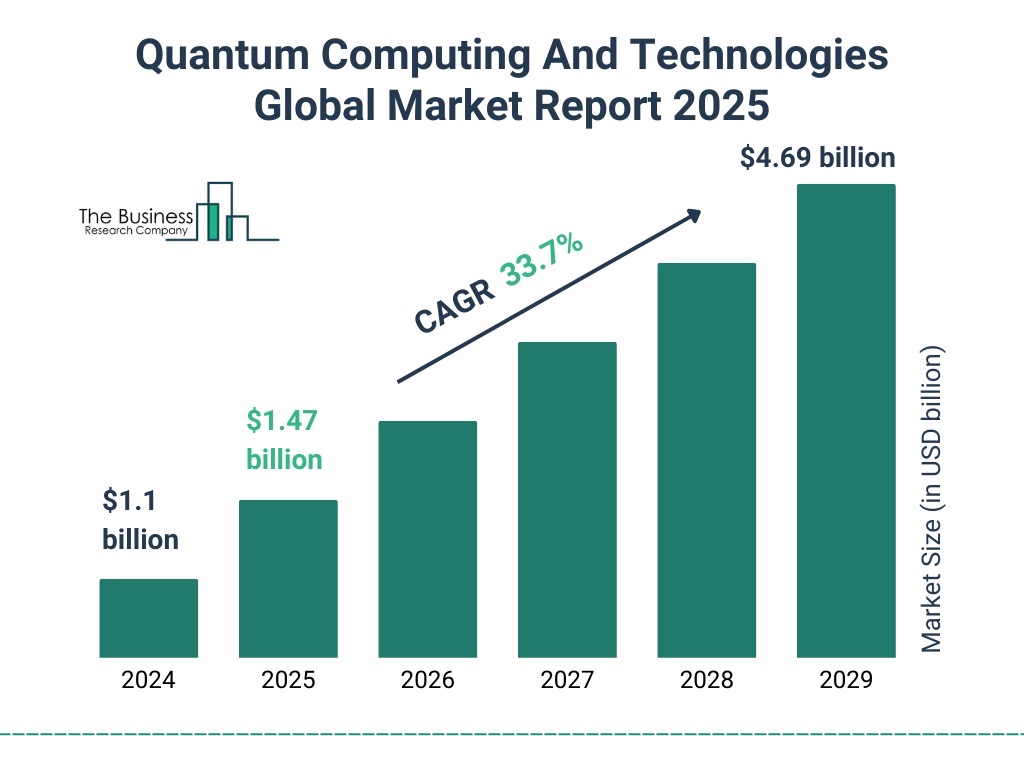
    Quantum computing and artificial intelligence (AI) are two of the most revolutionary technologies of our time. While AI has already transformed industries with machine learning, deep learning, and automation, quantum computing promises to take these capabilities to an entirely new level. By harnessing quantum mechanics, quantum computers can solve complex problems at speeds unimaginable for classical computers.

    Let’s explore 10 essential ways quantum computing is reshaping AI, and how this convergence is driving advancements in software development, data analysis, and automation. Let’s dive in!

    10 essential ways quantum computing is reshaping AI

    1. Accelerated Machine Learning

    Machine learning models often require massive amounts of computation to process data and optimize performance. Quantum computing can dramatically speed up model training by handling complex probability distributions more efficiently than classical computers. This means AI algorithms will be able to learn from vast datasets in minutes instead of days.

    2. Enhanced Optimization Techniques

    Many AI problems involve optimization—finding the best solution among a vast number of possibilities. Quantum computing’s ability to evaluate multiple solutions simultaneously makes it perfect for problems like neural network tuning, supply chain management, and autonomous decision-making.

    3. Revolutionizing Natural Language Processing (NLP)

    Natural language processing (NLP) powers everything from chatbots to real-time translation. Quantum computers can improve NLP by processing linguistic data faster and understanding the complexity of human language more accurately. This will lead to more responsive virtual assistants and highly sophisticated AI-driven communication systems.

    4. Advanced Image and Speech Recognition

    Quantum algorithms can enhance pattern recognition, allowing AI systems to detect objects, speech patterns, and anomalies with greater accuracy. This is especially useful in computer vision, medical imaging, and security applications where high-precision recognition is critical.

    5. Breakthroughs in Drug Discovery and Healthcare

    AI is already playing a major role in drug discovery, but quantum computing can take it further by simulating molecular interactions at an unprecedented scale. This will enable researchers to develop new medicines faster, identify personalized treatment plans, and improve disease prediction models.

    6. More Secure AI Models with Quantum Cryptography

    Cybersecurity is a growing concern as AI becomes more integrated into business and daily life. Quantum computing introduces quantum cryptography, making AI models more secure against cyber threats. Quantum encryption can safeguard sensitive AI-driven applications in finance, healthcare, and national security.

    7. Transforming Financial Forecasting and Risk Analysis

    Financial institutions rely on AI for predicting market trends, assessing risks, and detecting fraud. Quantum computing enhances these AI models by analyzing multiple market scenarios simultaneously and improving risk assessment accuracy. This will revolutionize trading strategies, fraud detection, and credit scoring.

    8. AI-Powered Autonomous Systems

    Self-driving cars, robotics, and automated industrial processes depend on AI-driven decision-making. Quantum computing can enhance real-time processing and decision-making abilities, leading to safer and more efficient autonomous systems in industries such as logistics, transportation, and manufacturing.

    9. Energy Efficiency and Sustainability

    Quantum computing can help AI models optimize energy usage, climate modeling, and renewable energy research. AI-driven quantum simulations can develop new materials for solar panels, improve battery efficiency, and optimize power grids, contributing to a more sustainable future.

    10. Revolutionizing Software Development

    The impact of quantum computing on software development is profound. AI-driven software development tools can leverage quantum computing to optimize coding processes, automate debugging, and create highly efficient algorithms. This will drastically reduce software development time and enhance the performance of AI-based applications.

    The Future of Quantum AI and Its Role in Software Development

    The Future of Quantum AI and Its Role in Software Development

    As quantum computing continues to evolve, its integration with artificial intelligence will unlock capabilities beyond our imagination. AI-driven quantum algorithms will solve problems that are currently unsolvable, paving the way for groundbreaking innovations in software development, automation, and beyond.

    Why aibuzz is at the Forefront of AI and Software Development

    At aibuzz, we are committed to leveraging cutting-edge AI and software development techniques to help businesses stay ahead of the curve. Our expertise in artificial intelligence, machine learning, and software solutions ensures that our clients benefit from the latest advancements in technology. Whether you’re looking for custom AI solutions, advanced data analytics, or software development services, AIbuzz has the expertise to drive your business forward.

    Final Thoughts

    Quantum computing is not just a futuristic concept—it’s already shaping the AI landscape. The convergence of these two powerful technologies will redefine automation, software development, and problem-solving across industries. If you’re looking to harness the potential of AI and quantum computing, AIbuzz is here to help you stay ahead in this technological revolution.

    Explore more about our AI and software development solutions at aibuzz.net!