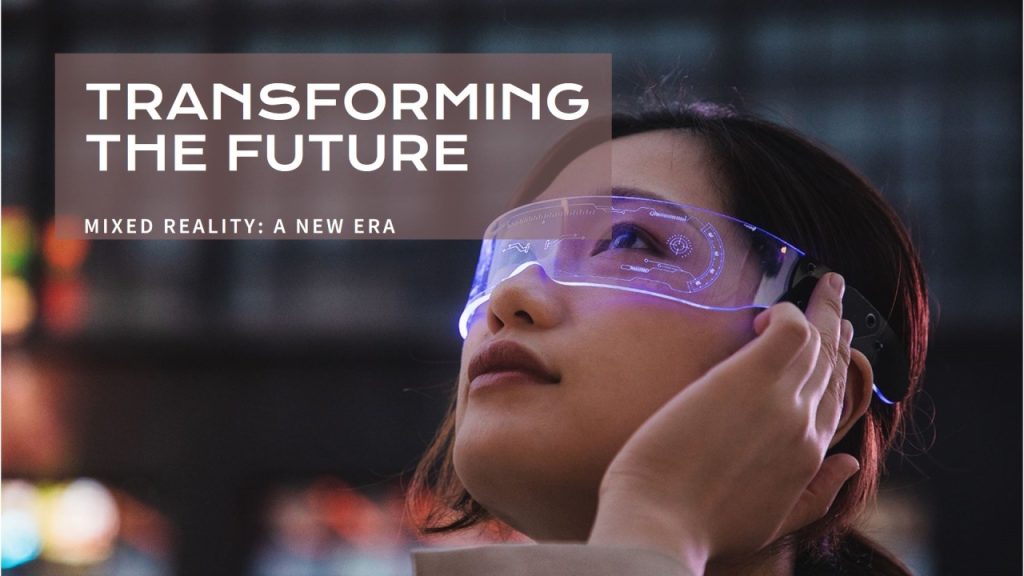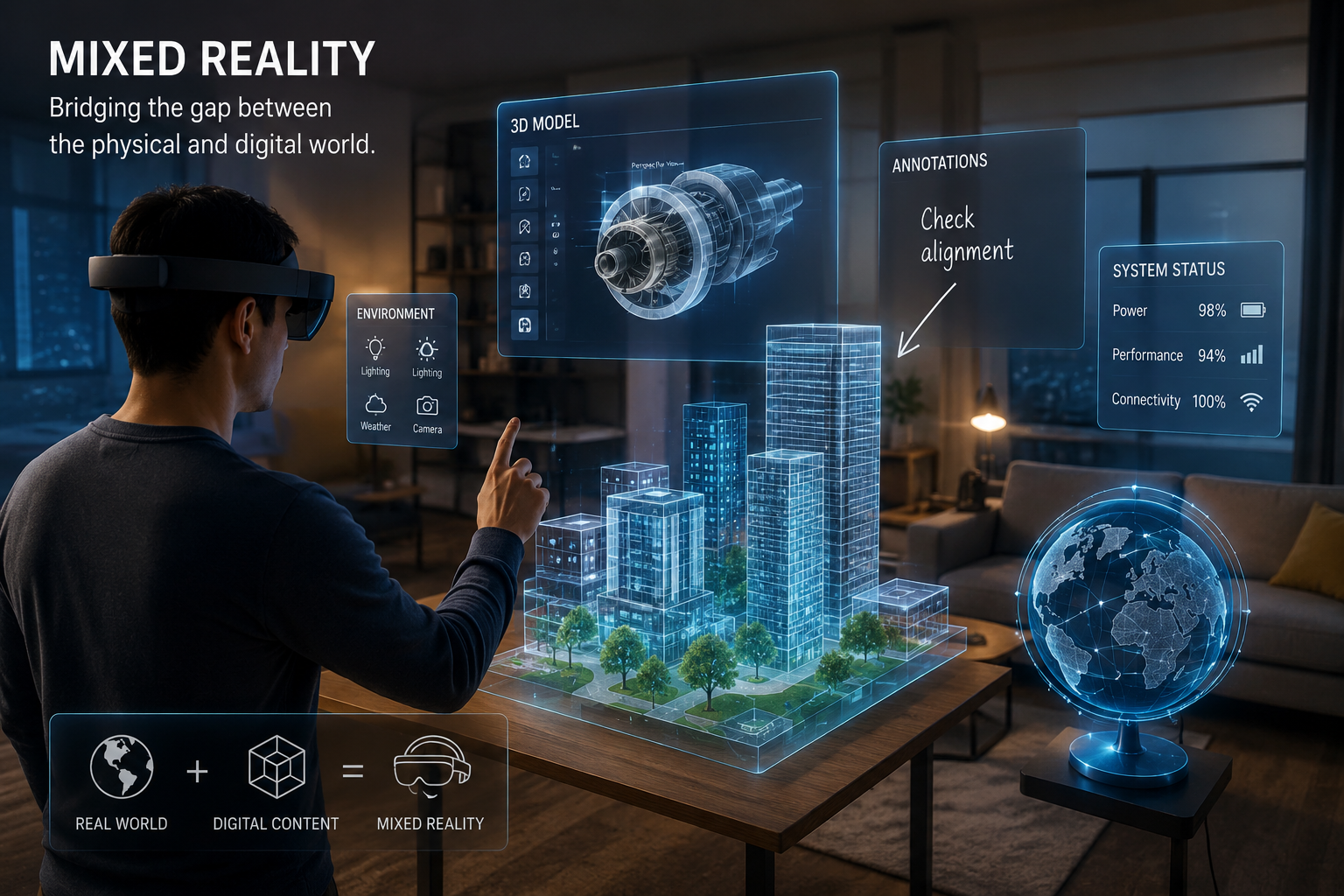
Technology has evolved at an incredible pace over the last decade. From smartphones and cloud computing to artificial intelligence and immersive experiences, innovation continues to reshape how people interact with the world around them. One of the most exciting advancements leading this transformation is Mixed Reality (MR).
Mixed Reality is no longer a futuristic concept seen only in science fiction movies. Today, it is actively being used across industries including healthcare, education, manufacturing, retail, architecture, gaming, and entertainment. Businesses are investing heavily in MR solutions to improve productivity, collaboration, customer engagement, and training experiences.
As organizations seek more interactive and efficient ways to connect digital information with real-world environments, Mixed Reality is emerging as a powerful solution. It combines the best elements of Virtual Reality (VR) and Augmented Reality (AR), creating immersive experiences where digital and physical objects coexist and interact in real time.
In this comprehensive guide, we’ll explore everything you need to know about Mixed Reality, including how it works, its benefits, applications, challenges, technologies, and what the future holds for this revolutionary innovation.
What Is Mixed Reality? :
Mixed Reality (MR) is an advanced technology that blends the physical and digital worlds, allowing users to interact with both environments simultaneously.
Unlike traditional digital experiences that separate users from their surroundings, Mixed Reality integrates virtual content directly into the real world. Digital objects can understand physical spaces, respond to user actions, and interact naturally with the environment.
For example, imagine wearing a Mixed Reality headset and seeing a life-sized 3D model of a car in your living room. You can walk around it, open virtual doors, inspect internal components, and interact with it as though it were physically present.
This seamless interaction between digital and real-world elements is what makes Mixed Reality unique.
Understanding the Reality-Virtuality Spectrum :
To understand Mixed Reality better, it helps to view it within the reality-virtuality spectrum.
Physical Reality :
The real-world environment that people interact with daily.
Examples include:
- Buildings
- Vehicles
- Furniture
- People
- Natural surroundings
Augmented Reality (AR) :
AR overlays digital information onto the real world.
Examples:
- Snapchat filters
- Pokémon GO
- Navigation overlays
Users can see the physical world while digital content is added on top.
Mixed Reality (MR) :
MR takes AR a step further.
Digital objects are not simply displayed—they understand and interact with the physical environment.
Examples:
- Virtual objects placed on real tables
- Interactive 3D engineering models
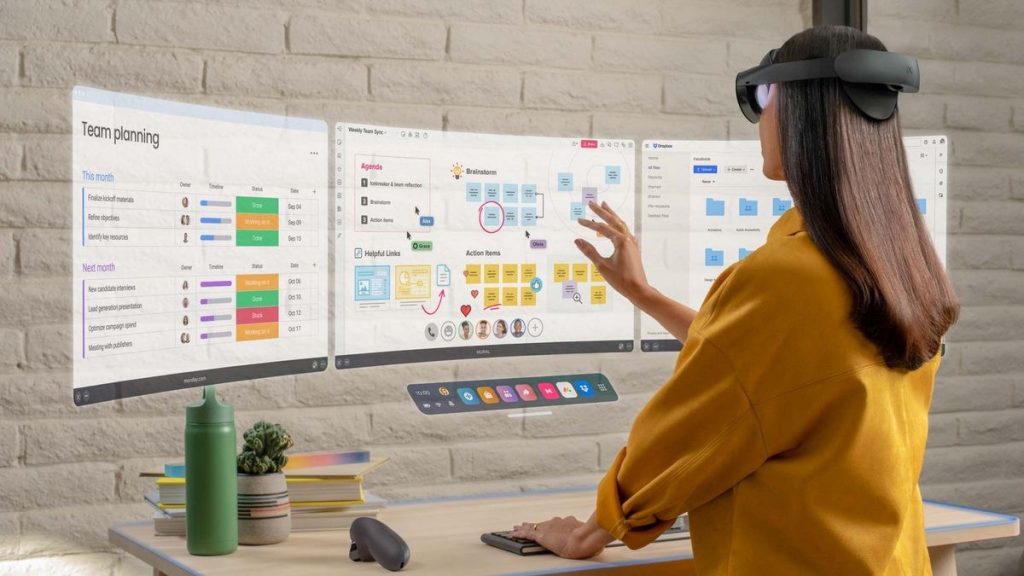
- Collaborative holographic workspaces
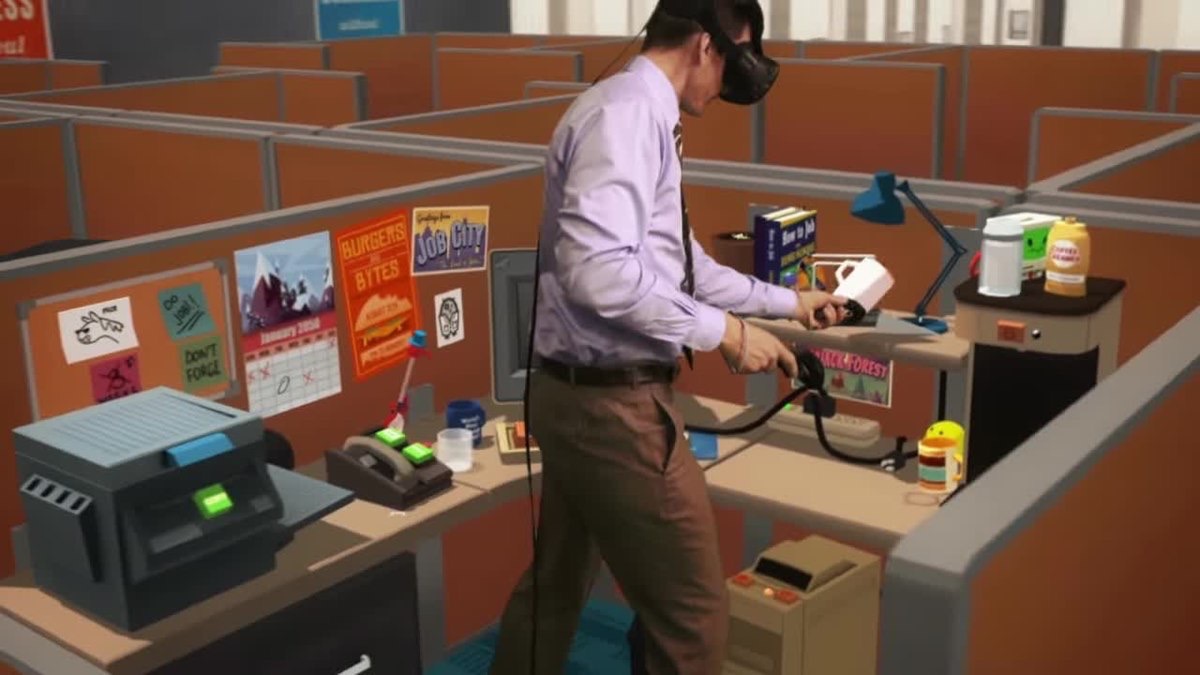
Virtual Reality (VR) :
VR creates a completely digital environment.
Users are immersed in a computer-generated world and typically cannot see their physical surroundings.
Examples:
- Virtual gaming environments
- Flight simulators
- Virtual training systems
How Mixed Reality Works :
Mixed Reality relies on a combination of advanced hardware and software technologies.
Environmental Mapping :
MR devices scan and understand physical surroundings.
They identify:
- Walls
- Floors
- Furniture
- Objects
- Room dimensions
This process creates a digital representation of the physical environment.
Spatial Computing :
Spatial computing enables virtual objects to occupy real-world spaces realistically.
For example:
- A holographic chair stays in one location.
- A virtual screen remains attached to a wall.
- Digital objects avoid passing through physical obstacles.
Sensors and Cameras :
MR devices use multiple sensors to gather environmental data.
Common sensors include:
Depth Sensors
Measure distances between objects.
Cameras
Capture environmental details.
Motion Sensors
Track head and body movements.
Eye Tracking
Monitors user focus and gaze direction.
Hand Tracking
Allows natural interaction without controllers.
Artificial Intelligence :
AI enhances MR experiences by:
- Recognizing objects
- Understanding environments
- Predicting user behavior
- Improving interaction accuracy
Key Components of Mixed Reality Systems :
Several technologies work together to create effective MR experiences.
MR Headsets :
Headsets are the primary interface for Mixed Reality.
Popular examples include:
- Microsoft HoloLens
- Magic Leap
- Meta Quest (MR capabilities)
- Apple Vision Pro
These devices project digital content into real-world environments.
Spatial Mapping Software :
Software continuously analyzes surroundings and updates virtual content accordingly.
Cloud Computing :
Cloud platforms process large amounts of data and enable real-time collaboration.
Artificial Intelligence :
AI improves environmental awareness and object recognition.
3D Content Creation Tools :
Developers use specialized software to create immersive MR experiences.
Examples include:
- Unity
- Unreal Engine
- Blender
Major Features of Mixed Reality :
Mixed Reality offers several capabilities that distinguish it from other immersive technologies.
Real-Time Interaction :
Users can interact with digital objects instantly.
Spatial Awareness :
Virtual elements understand and respond to physical surroundings.
Persistent Experiences :
Digital content remains anchored in specific locations.
Multi-User Collaboration :
Multiple users can view and interact with the same digital environment.
Natural User Interfaces :
Interaction occurs through:
- Hand gestures
- Voice commands
- Eye movements
- Physical movement
Benefits of Mixed Reality :
Organizations across industries are embracing Mixed Reality due to its numerous advantages.
Enhanced Learning and Training :
MR provides realistic, hands-on training without physical risks.
Benefits include:
- Faster learning
- Better knowledge retention
- Reduced training costs
- Safe practice environments
Improved Collaboration :
Remote teams can work together using shared holographic environments.
Benefits include:
- Real-time communication
- Better visualization
- Increased productivity
Better Decision-Making :
Interactive 3D data visualization helps professionals make informed decisions.
Increased Efficiency :
Workers can access digital information while performing physical tasks.
Reduced Operational Costs :
Organizations can save money on:
- Physical prototypes
- Travel expenses
- Training resources
- Equipment downtime
Mixed Reality in Healthcare :
Healthcare is one of the most impactful sectors adopting Mixed Reality technology.
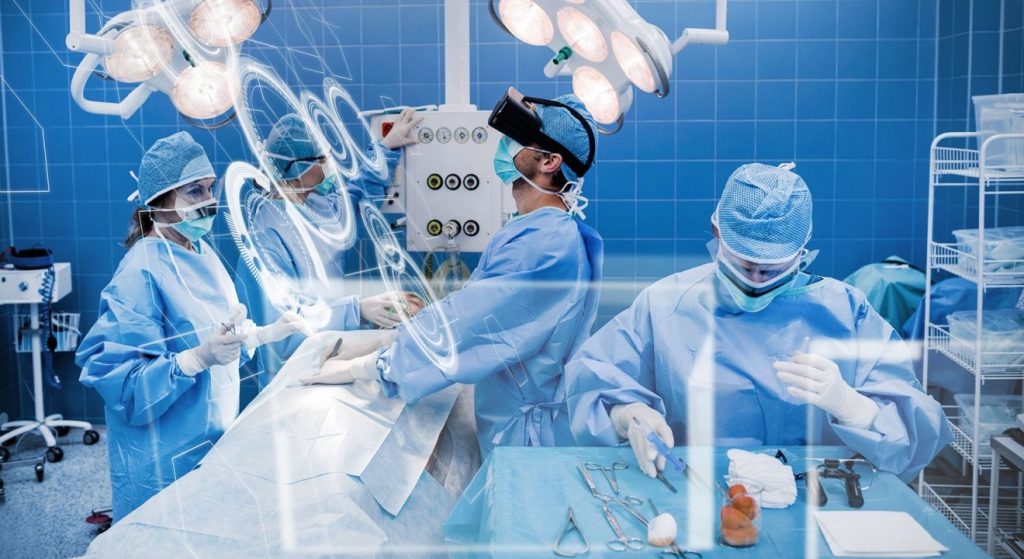
Surgical Planning :
Doctors can visualize patient anatomy in 3D before surgery.
Benefits include:
- Improved precision
- Better outcomes
- Reduced complications
Medical Training :
Students gain hands-on experience through realistic simulations.
Patient Education :
Doctors can explain conditions using interactive 3D visualizations.
Remote Assistance :
Experts can provide guidance from different locations.
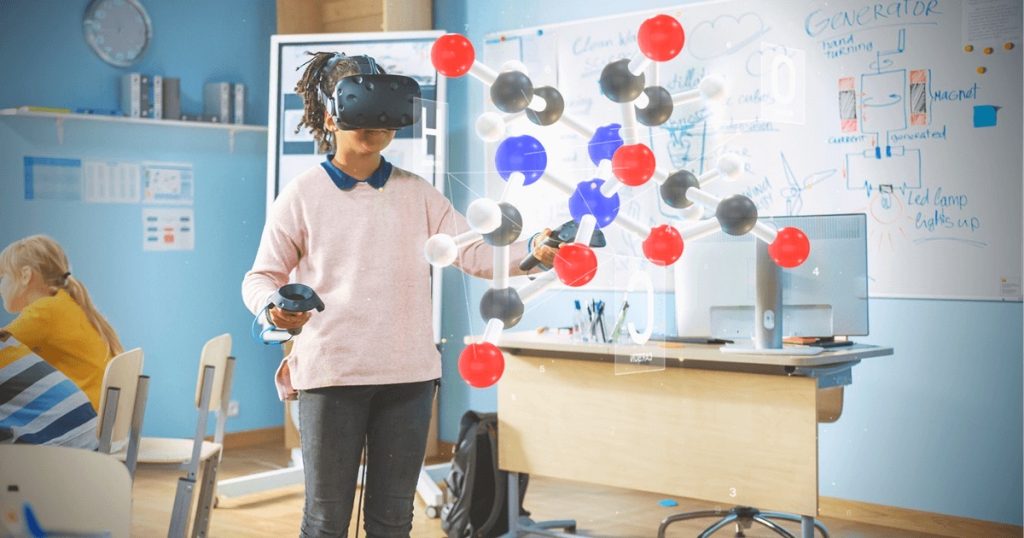
Mixed Reality in Education :
Education is undergoing a significant transformation through immersive technologies.
Interactive Learning :
Students can explore concepts visually rather than relying solely on textbooks.
Examples include:
- Virtual science experiments
- Historical recreations
- Interactive geography lessons
Increased Engagement :
Immersive experiences improve student attention and participation.
Personalized Education :
MR enables adaptive learning environments tailored to individual needs.
Mixed Reality in Manufacturing :
Manufacturers are increasingly adopting Mixed Reality to streamline operations.
Equipment Maintenance :
Technicians receive step-by-step holographic instructions.
Employee Training :
Workers practice procedures safely before handling actual equipment.
Product Design :
Engineers can visualize and modify 3D models in real environments.
Quality Control :
MR assists inspectors in identifying defects quickly.
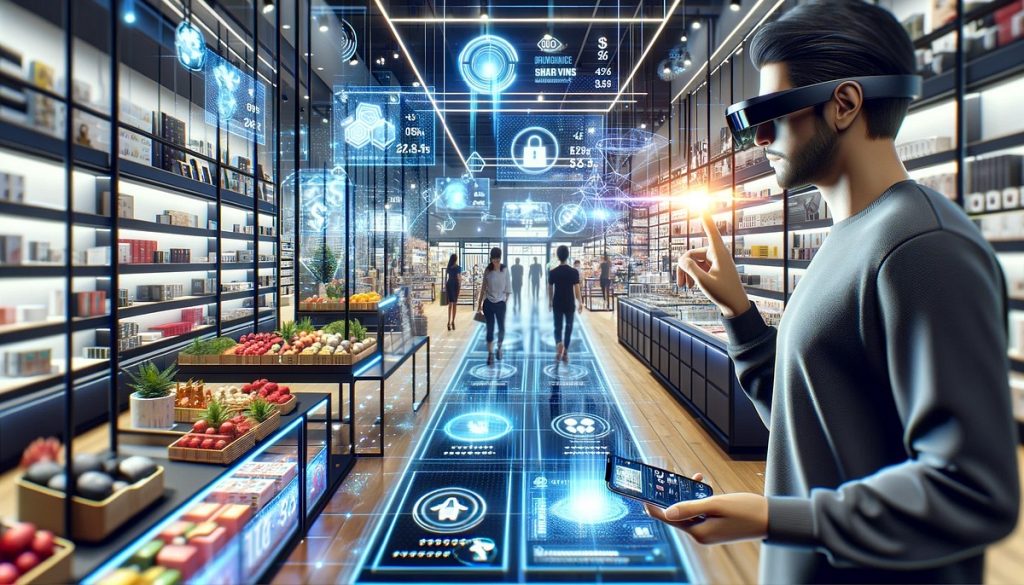
Mixed Reality in Retail :
Retailers use Mixed Reality to create engaging customer experiences.
Virtual Product Demonstrations :
Customers can explore products interactively.
Virtual Showrooms :
Retailers showcase products without maintaining large inventories.
Personalized Shopping :
MR delivers customized recommendations based on user preferences.
Home Visualization :
Customers can see furniture and décor in their homes before purchasing.
Mixed Reality in Architecture and Construction :
Architects and builders benefit significantly from MR technology.
Design Visualization :
Clients can walk through virtual building models before construction begins.
Construction Planning :
Teams identify issues before implementation.
Site Inspections :
MR overlays design plans onto physical construction sites.
Stakeholder Collaboration :
Project teams communicate more effectively through shared visual models.
Internal Links :
To improve SEO and website navigation, link this article to related content:
Rich Media links :
Embed the following rich media to improve engagement:
YouTube Videos
External Resources :
For additional information, readers can explore:
Frequently Asked Questions (FAQs) :
1. What is Mixed Reality (MR)? :
Mixed Reality (MR) is an immersive technology that combines the physical and digital worlds. Unlike traditional Augmented Reality (AR), MR allows virtual objects to interact with real-world environments, creating more realistic and interactive experiences.
2. What is the difference between Mixed Reality, Augmented Reality, and Virtual Reality? :
- Augmented Reality (AR): Adds digital elements to the real world.
- Virtual Reality (VR): Creates a completely virtual environment that replaces the real world.
- Mixed Reality (MR): Blends physical and digital environments, allowing real and virtual objects to interact in real time.
3. What industries benefit the most from Mixed Reality? :
Mixed Reality is widely used in healthcare, education, manufacturing, retail, architecture, construction, gaming, and entertainment. It helps improve training, collaboration, visualization, and customer engagement across these industries.
4. What devices are used for Mixed Reality experiences? :
Mixed Reality experiences are typically accessed through specialized headsets and smart devices, such as Microsoft HoloLens 2, Apple Vision Pro, and Magic Leap 2. These devices use sensors, cameras, and advanced software to merge digital content with the physical world.
5. What is the future of Mixed Reality? :
The future of Mixed Reality looks promising as advancements in artificial intelligence, spatial computing, 5G connectivity, and wearable technology continue to evolve. Businesses are expected to adopt MR more widely for remote collaboration, training, product design, customer experiences, and digital transformation initiatives.
Conclusion :
Mixed Reality is transforming the way people interact with technology by seamlessly combining the physical and digital worlds. As businesses and consumers seek more immersive, efficient, and engaging experiences, MR is emerging as a powerful tool that goes beyond the capabilities of traditional Augmented Reality and Virtual Reality. From healthcare and education to manufacturing, retail, and architecture, organizations are using Mixed Reality to improve training, collaboration, visualization, and decision-making.
The rapid advancement of technologies such as artificial intelligence, spatial computing, cloud computing, and 5G networks is making Mixed Reality more accessible and practical than ever before. What was once considered a futuristic innovation is now becoming an essential part of digital transformation strategies across industries.
As adoption continues to grow, Mixed Reality will play a critical role in shaping the future of work, learning, entertainment, and communication. Businesses that invest in MR today will be better positioned to deliver innovative experiences, increase operational efficiency, and stay ahead in an increasingly digital world. Whether you are a technology enthusiast, business leader, developer, or entrepreneur, understanding Mixed Reality is key to preparing for the next generation of immersive technology.
☎️ 919967940928
🌐 https://aibuzz.net/