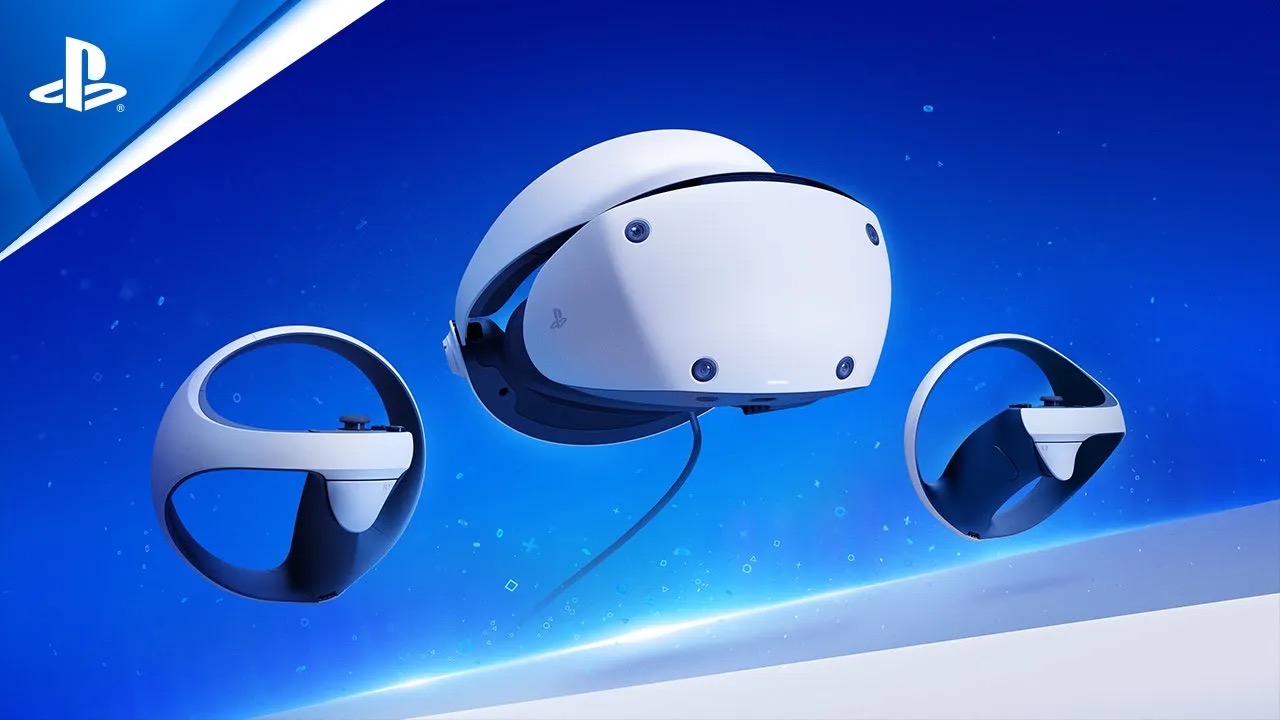
In the rapidly evolving world of immersive gaming, PlayStation Virtual Reality (PS VR) continues to capture the imagination of gamers and developers alike. Since its inception, PS VR has carved a unique niche for itself in the virtual reality (VR) ecosystem, blending Sony’s technological prowess with groundbreaking design to elevate the way we experience video games. As we enter 2025, the fusion of advanced optics, sensory feedback, and seamless integration with the PlayStation ecosystem is pushing boundaries like never before.
In this blog, we’ll explore the 7 most compelling reasons why PlayStation Virtual Reality is transforming gaming, how it stacks up against competitors, what the future holds, and what role mixed reality could play in this immersive revolution.
1. Seamless Integration with the PlayStation Ecosystem
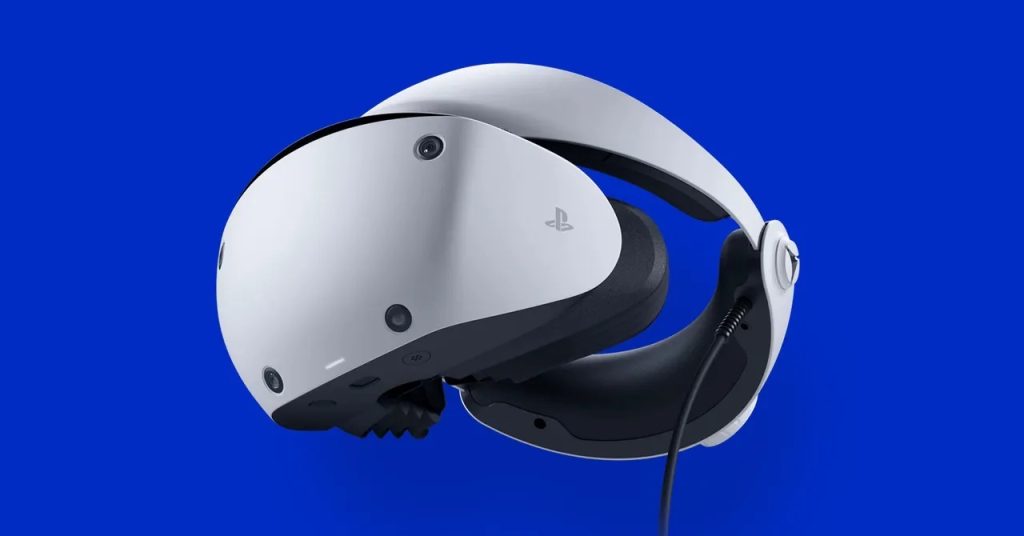
One of the most powerful features of PlayStation Virtual Reality is its deep integration with the PlayStation 5 console. Unlike many standalone VR headsets, PS VR doesn’t require a high-end gaming PC or complex setup. You plug it in, update the firmware, and you’re ready to dive into alternate dimensions. This frictionless entry point is one of the key reasons for PS VR’s growing popularity among both casual and serious gamers.
By leveraging the processing power of the PlayStation 5, PlayStation Virtual Reality delivers smooth frame rates, realistic environments, and near-zero latency—three pillars critical for immersive VR gameplay. This strong ecosystem support enhances user experience, making VR gaming more accessible than ever.
2. Stunning Visual and Audio Fidelity
The PS VR2 headset, launched in early 2023, brought massive improvements in resolution and field of view. Featuring 4K HDR OLED displays, eye-tracking, and a wide 110-degree field of vision, the system provides truly cinematic immersion. Combined with Sony’s proprietary Tempest 3D AudioTech, every step, whisper, or explosion is rendered with stunning spatial awareness.
What makes PlayStation Virtual Reality standout is not just its crisp visuals but also how sound design is optimized for VR. Whether you’re solving puzzles in eerie ruins or sprinting through futuristic battlegrounds, your ears guide your intuition, creating a deeper connection with the virtual world.
3. Diverse and High-Quality Game Library
Sony’s strategic partnerships with leading developers have led to a growing library of VR-exclusive and optimized titles. Games like Horizon Call of the Mountain, Gran Turismo 7 VR, and Resident Evil Village VR are pushing the envelope of what’s possible in PlayStation Virtual Reality.
These games are more than just ports; they are rebuilt from the ground up with immersive design at their core. The intuitive motion tracking, haptic feedback, and adaptive triggers of the PS VR2 Sense controllers amplify the realism, making players feel every action, whether it’s pulling a bowstring or steering a supercar.
With more AAA titles and indie gems on the horizon, PlayStation Virtual Reality is well-positioned to continue dominating the console VR space.
4. Advanced Controller Design with Haptic Feedback
Sony has taken inspiration from its DualSense controllers and brought haptic feedback and adaptive triggers to the PS VR2 controllers. This innovation adds a new layer of immersion to gameplay. The tactile sensations mimic real-life physical resistance, making virtual interactions feel incredibly lifelike.
For instance, in a stealth-based VR mission, the slight rumble of tension when drawing a weapon or the soft recoil of a firearm can heighten engagement significantly. It’s a feature that makes PlayStation Virtual Reality far more than just a headset—it’s an extension of your sensory perception.
5. User-Centric Design for Comfort and Accessibility
Sony has prioritized user comfort in the development of its latest VR gear. The updated PS VR2 is lighter, with improved weight distribution and better ventilation. Adjustable lenses and a soft, flexible headband ensure a snug but not suffocating fit, even during extended sessions.
Accessibility settings like customizable control schemes, visual filters, and compatibility with accessibility peripherals ensure that more gamers can enjoy PlayStation Virtual Reality without barriers. In a market that often overlooks inclusivity, Sony’s design choices make a significant impact.
6. The Rise of Social and Cooperative VR Experiences
While solo gameplay dominates the narrative, multiplayer VR is rapidly gaining traction. Titles like No Man’s Sky, Firewall Ultra, and The Walking Dead: Saints & Sinners now offer cooperative modes that allow players to explore, strategize, and survive together in shared virtual environments.
PlayStation Virtual Reality is also compatible with several social platforms, allowing users to hang out in virtual lounges, watch movies together, or collaborate in creative environments. With the integration of PlayStation Networkfeatures like voice chat and party systems, it’s easier than ever to share the thrill of VR with friends and family.
7. Sony’s Long-Term Commitment to Virtual and Mixed Reality
Sony is not just riding the wave of virtual reality—it’s investing heavily in its evolution. Through patents, acquisitions, and R&D, Sony has made clear its intentions to be a leader in immersive technology.
This includes developing features for mixed reality—a hybrid of physical and digital environments. While not yet mainstream in PS VR, Sony has signaled future headsets may include pass-through cameras, AR overlays, and spatial mapping, merging real and virtual worlds. This would allow gamers to interact with physical objects in their play space, or turn their living rooms into dynamic battle zones.
What is Mixed Reality?
Mixed reality (MR) blends real and virtual worlds, allowing physical and digital elements to interact in real-time. Unlike virtual reality, which immerses you in a fully digital space, MR overlays holograms or data on the real world. It offers exciting potential for gaming, education, training, and productivity.
In the context of PlayStation Virtual Reality, mixed reality could soon allow players to play VR games while still interacting with their real environment—enhancing safety, versatility, and gameplay possibilities. Sony’s gradual foray into MR tech suggests exciting developments ahead.
A Short Note on Sony PlayStation
Sony PlayStation, launched in 1994, has been a revolutionary force in the gaming world. From the original PlayStation to the powerful PS5, it has redefined home entertainment at every turn. Its expansion into virtual reality with the PS VR and now PS VR2, underscores Sony’s vision to lead the charge in immersive gaming.
With a legacy of innovation and a global user base, Sony continues to inspire both developers and gamers to explore uncharted territories in interactive entertainment.
Conclusion
PlayStation Virtual Reality is no longer just an accessory—it’s a powerful platform for immersive storytelling, realistic gameplay, and futuristic experiences. From high-fidelity visuals and tactile controllers to a strong library and visionary roadmap, it checks all the right boxes for casual and hardcore gamers alike.
As virtual reality continues to evolve, platforms like PlayStation Virtual Reality will drive this transformation by making immersive tech more accessible, powerful, and creative. And with Sony’s commitment to innovation and player-first design, the future of VR looks bright.
At aibuzz, we specialize in exploring the frontiers of virtual reality, mixed reality, and AI-driven experiences. Our IT and tech services are designed to support developers, studios, and businesses in creating the next wave of interactive experiences. Connect with us to learn how we can help bring your immersive visions to life.