In the world of modern production, efficiency is everything. Whether you’re working in animation, visual effects (VFX), game development, or any other tech-driven industry, a well-structured TD pipeline development process can make all the difference. Technical Directors (TDs) rely on robust pipelines to automate workflows, streamline asset management, and optimize team productivity. But how do you go about building a TD pipeline that is both efficient and scalable?
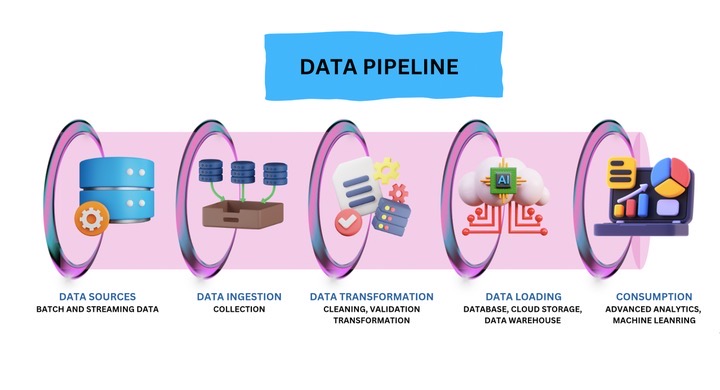
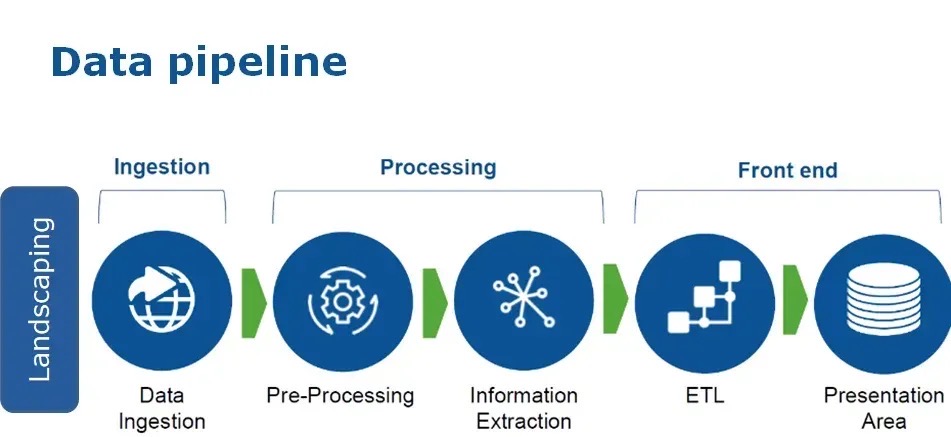
A TD pipeline consists of several key components, including ingestion, frontend, and processing. The ingestion phase involves importing raw assets, such as models, textures, and animations, into the pipeline while ensuring compatibility with the production environment. The frontend acts as the interface where artists and developers interact with the tools and data, providing an intuitive and efficient workflow. The processing stage involves running scripts, automations, and optimizations to transform assets into production-ready components.
This blog will walk you through the TD pipeline development process, the essential strategies, and the importance of TD pipeline testing to ensure smooth operations. Let’s dive into the key steps to creating a powerful production pipeline.
1. Define Your TD Pipeline Strategy
Before you start building, you need a solid plan. Your TD pipeline strategy should align with your production goals, team requirements, and technological constraints. Consider these factors:

- Project Scope: What type of production are you working on? (VFX, animation, gaming, etc.)
- Software & Tools: Will you use Maya, Houdini, Unreal Engine, or proprietary tools?
- Automation Needs: What repetitive tasks can be automated?
- Scalability: Can the pipeline grow as your production demands increase?
A clear TD pipeline strategy helps lay the groundwork for an efficient system that supports long-term project success.
2. Choose the Right Technologies and Tools
Selecting the right tools is crucial in the TD pipeline development process. Your choice will impact efficiency, integration, and collaboration.
Some essential components include:
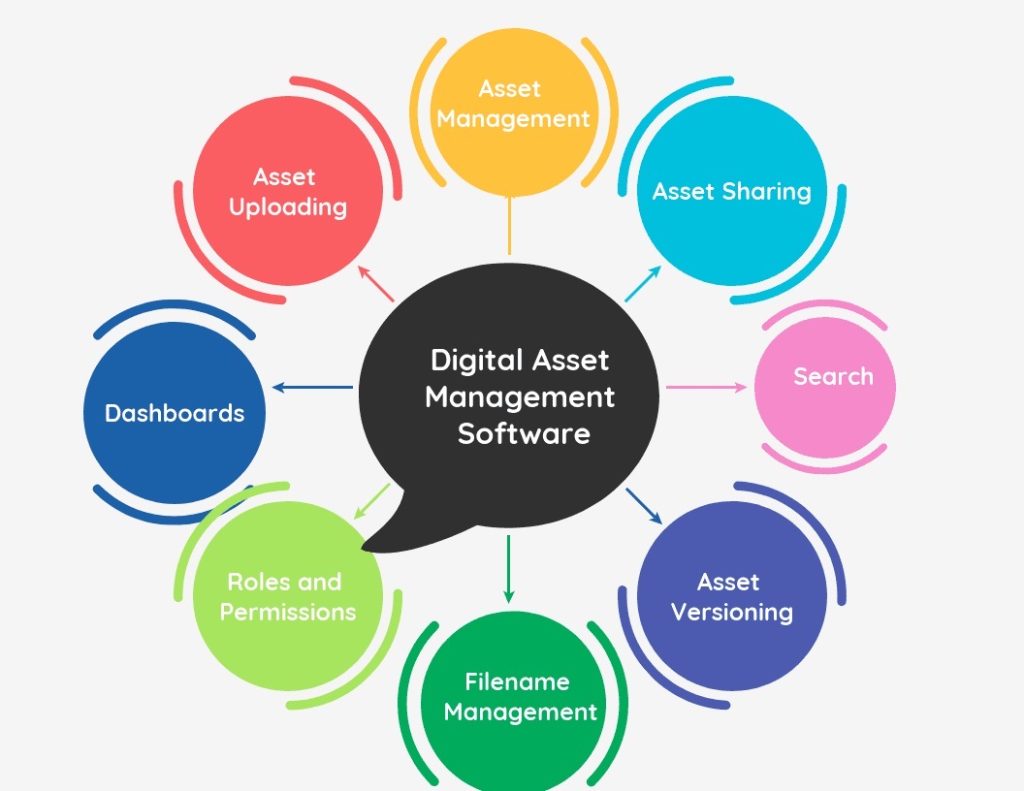
- Asset Management: ShotGrid, ftrack, or custom database solutions
- Version Control: Git, Perforce, or SVN to manage code and assets
- Scripting & Automation: Python is widely used for automating tasks in Maya, Houdini, Blender, and other software
- Render Management: Deadline, Qube!, or cloud-based solutions for rendering optimization
Using industry-standard tools ensures smoother integration and minimizes compatibility issues when scaling your pipeline.
3. Design a Modular TD Pipeline Architecture
A well-designed TD pipeline development process should follow a modular approach. This means breaking down your pipeline into independent yet interconnected components.
For example:
- Asset Management Module – Handles models, textures, and animations
- Rendering Module – Optimizes rendering processes and queue management
- Automation Module – Deals with repetitive scripting tasks
- Collaboration Module – Manages file sharing, naming conventions, and versioning
A modular structure allows for flexibility, making it easier to update or replace specific components without overhauling the entire pipeline.
4. Automate Workflows to Reduce Manual Effort
One of the biggest advantages of TD pipeline development services is automation. TDs can automate repetitive tasks to improve efficiency and reduce human error.
Common automation tasks include:
- Auto-rigging characters in animation workflows
- Automated file conversion for different software compatibility
- Scripted batch rendering for large-scale projects
- Procedural asset generation in Houdini
By automating these tasks, production teams can focus more on creative aspects while ensuring technical consistency across the pipeline.
5. Implement TD Pipeline Testing for Reliability
A great pipeline is only as good as its reliability. Regular TD pipeline testing is essential to identify bugs, bottlenecks, and inefficiencies before they become production roadblocks.
Testing best practices include:
- Unit Testing: Test individual scripts and tools before full integration
- Load Testing: Simulate high workloads to ensure the pipeline can handle large-scale projects
- Integration Testing: Ensure compatibility between different pipeline components
- User Testing: Gather feedback from artists and developers to optimize usability
Ongoing testing prevents unexpected failures and keeps the pipeline running smoothly throughout production.
6. Focus on Scalability and Future-Proofing
A well-designed TD pipeline strategy should not only meet current needs but also be adaptable for future projects.
To future-proof your pipeline:
- Use open-source frameworks where possible to avoid vendor lock-in
- Ensure cross-platform compatibility between software and hardware
- Design flexible API-driven architectures for easier integrations
- Keep documentation updated to help new team members onboard quickly
Scalability ensures that as your production team and project scope grow, your pipeline can grow with it.
7. Leverage TD Pipeline Development Services for Expert Support
If building a pipeline from scratch feels overwhelming, leveraging TD pipeline development services can save time and resources. These services offer specialized expertise in:
- Custom pipeline design and architecture
- Tool development and integration
- Workflow optimization and automation
- Technical support and troubleshooting
Working with professional pipeline developers ensures that your system is robust, industry-compliant, and optimized for maximum efficiency.
Final Thoughts
The success of any production heavily depends on an efficient TD pipeline development process. By following a strategic approach, selecting the right tools, implementing automation, and prioritizing TD pipeline testing, you can create a scalable pipeline that enhances productivity and collaboration.
Whether you’re an independent studio or a large-scale production house, building a TD pipeline the right way ensures smooth operations and long-term success. If you need expert guidance, consider partnering with professional TD pipeline development services to optimize your workflow.
At AI Buzz, we specialize in TD pipeline development services, offering end-to-end solutions to streamline your production workflows. From custom pipeline design to automation and integration, our expert team ensures your pipeline is efficient, scalable, and future-proof.
Want to take your TD pipeline to the next level? Visit aibuzz.net to learn more about our services and how we can help enhance your production today!