Author: Axyl

  • 7 Essential IT and Tech Services Every Business Needs in 2025

    7 Essential IT and Tech Services Every Business Needs in 2025

    Introduction

    Technology is at the core of modern businesses, driving efficiency, security, and growth. From IT service desk support to advanced AI-driven automation, companies need a comprehensive IT strategy to stay ahead of the competition. In 2025, IT and tech services are more critical than ever, ensuring seamless operations, enhanced security, and future-ready infrastructure.

    In this blog, we’ll explore the seven essential IT and tech services that every business should invest in, including how AI is revolutionizing IT management and automation.

    7 Essential IT and Tech Services Every Business Needs in 2025

    1. IT Service Desk Support: The First Line of Defense

    IT Service Desk Support

    IT service desk support is essential for businesses to maintain smooth daily operations. It serves as the first point of contact for employees and customers facing technical difficulties, ensuring that IT issues are resolved efficiently.

    How AI is Transforming IT Service Desk Support

    • AI Chatbots for Instant Support – AI-powered chatbots can handle routine IT queries, freeing up human agents for complex issues.
    • Predictive Issue Resolution – AI can analyze past service requests to anticipate and prevent common IT problems.
    • Automated Ticketing Systems – AI streamlines ticket management by prioritizing urgent issues and routing them to the right department.

    Key Benefits:
    ✅ Faster resolution times
    ✅ 24/7 assistance with AI-driven chatbots
    ✅ Reduced workload for IT staff


    2. IT Hardware Support: Ensuring Longevity and Performance

    IT and Tech Services

    Hardware remains a crucial part of IT infrastructure, from laptops and desktops to networking devices and servers. IT hardware support services include maintenance, upgrades, and troubleshooting to prevent failures and maximize performance.

    AI in Hardware Monitoring and Predictive Maintenance

    • Smart Diagnostics – AI-driven tools continuously monitor hardware performance and detect early signs of failure.
    • Automated Firmware Updates – AI can schedule and execute firmware and driver updates without disrupting business operations.
    • Asset Management – AI tracks IT assets and predicts when replacements or upgrades are needed.

    Why Businesses Need IT Hardware Support:
    ✅ Prevents unexpected downtime
    ✅ Extends hardware lifespan
    ✅ Enhances overall IT infrastructure stability


    3. IT Server Management: The Backbone of Digital Operations

    IT Server Management

    Servers are the powerhouse of IT operations, managing databases, applications, and company data. IT server management ensures high availability, security, and performance optimization.

    AI-Powered Server Management

    • Self-Healing Servers – AI can detect server issues and automatically execute repairs.
    • Performance Optimization – AI analyzes server loads and optimizes resource allocation in real-time.
    • Cybersecurity Threat Detection – AI detects anomalies and potential breaches before they cause damage.

    Advantages of IT Server Management:
    ✅ Improves server uptime and performance
    ✅ Strengthens cybersecurity defenses
    ✅ Reduces manual workload for IT teams


    4. Cloud IT Support: Driving Digital Transformation

    Cloud computing is now the foundation of modern IT infrastructure, offering flexibility, scalability, and cost savings. Cloud IT support ensures that businesses can efficiently manage cloud storage, software applications, and remote collaboration tools.

    How AI Enhances Cloud IT Support

    • AI-Based Cloud Security – AI-driven threat detection secures cloud environments against cyber threats.
    • Automated Data Backup & Recovery – AI predicts data loss risks and ensures secure backups.
    • Cost Optimization – AI analyzes cloud usage patterns to suggest cost-saving adjustments.

    Why Businesses Need Cloud IT Support:
    ✅ Secure data access from anywhere
    ✅ Scalable IT resources without heavy upfront costs
    ✅ Automated security updates and backup management


    5. IT Technology Services: Powering Innovation and Growth

    IT technology services cover a broad spectrum of solutions, including AI-driven automation, data analytics, and cybersecurity. Businesses leveraging emerging technologies gain a competitive edge and improve operational efficiency.

    AI’s Role in IT Technology Services

    • Intelligent Automation – AI automates repetitive tasks, from data entry to IT ticket management.
    • Predictive Analytics – AI helps businesses analyze vast amounts of data to forecast trends and optimize decision-making.
    • AI-Driven Cybersecurity – Machine learning algorithms detect and mitigate cyber threats in real-time.

    Emerging IT Technologies Include:
    ✅ Artificial Intelligence (AI) & Machine Learning
    ✅ Internet of Things (IoT) for smart connectivity
    ✅ Blockchain for secure data transactions


    6. IT Integration Services: Unifying Digital Infrastructure

    Businesses use multiple software and hardware systems that need to work seamlessly together. IT integration services help organizations connect various applications, databases, and networks for smooth operations.

    AI in IT Integration Services

    • Automated Workflow Orchestration – AI streamlines data flow between different platforms.
    • Real-Time Data Synchronization – AI ensures instant updates across all connected systems.
    • Seamless API Integration – AI optimizes API communication for smooth software interactions.

    Benefits of IT Integration Services:
    ✅ Eliminates data silos and improves collaboration
    ✅ Enhances process automation and efficiency
    ✅ Reduces system compatibility issues


    7. AI-Driven IT Solutions: The Future of Business Technology

    AI is revolutionizing IT and tech services by automating complex processes, improving security, and optimizing IT infrastructure. From AI-powered IT service desk support to smart cybersecurity solutions, businesses that embrace AI gain a significant advantage.

    How AI Transforms IT Services:

    • AI-Powered IT Support – Virtual assistants provide instant troubleshooting for employees.
    • Smart IT Asset Management – AI predicts hardware failures and schedules proactive maintenance.
    • AI-Enhanced Security – Machine learning identifies and blocks cyber threats before they escalate.

    Why AI is Essential for IT Services:
    ✅ Reduces operational costs
    ✅ Increases efficiency and productivity
    ✅ Provides proactive IT management


    Conclusion: Elevate Your Business with AI-Powered IT & Tech Services

    Investing in IT and tech services is no longer optional—it’s essential for staying competitive in today’s digital world. Whether it’s IT service desk support, IT hardware support, IT server management, cloud IT support, IT technology services, or IT integration services, businesses must adopt the latest innovations to optimize performance and security.

    Why Choose AIBUZZ.NET?

    At AIBuzz, we specialize in cutting-edge AI and IT & Tech solutions tailored to meet your business needs. Our services include:
    ✅ AI-powered IT service desk support for faster issue resolution
    ✅ Advanced IT server management with predictive maintenance
    ✅ Secure cloud IT support with AI-driven threat detection
    ✅ Smart IT integration services for seamless digital operations

    🔹 Future-proof your business with AI-driven IT solutions. Contact us today at aibuzz.net to discover how we can help you streamline operations, enhance security, and scale efficiently.

  • 7 Explosive Ways 3D Virtual Reality is Transforming the World

    7 Explosive Ways 3D Virtual Reality is Transforming the World

    Virtual reality (VR) has transformed from a futuristic concept into an everyday technology. From gaming to healthcare, 3D virtual reality is reshaping industries in ways we never imagined. Companies like Google Virtual Reality and Sony Virtual Reality are leading the charge, making immersive experiences more accessible.

    Virtual reality

    Whether you’re a gamer exploring PlayStation 4 Virtual Reality, a business professional utilizing VR for training, or just someone fascinated by tech, this guide will walk you through seven incredible ways VR is making an impact.

    1. Gaming Like Never Before

    Virtual reality Gaming

    Gaming was one of the first industries to embrace VR, and it’s still the most exciting space for innovation. PlayStation 4 Virtual Reality (PSVR) brought high-quality immersive gaming to the masses, allowing players to step inside their favorite games.

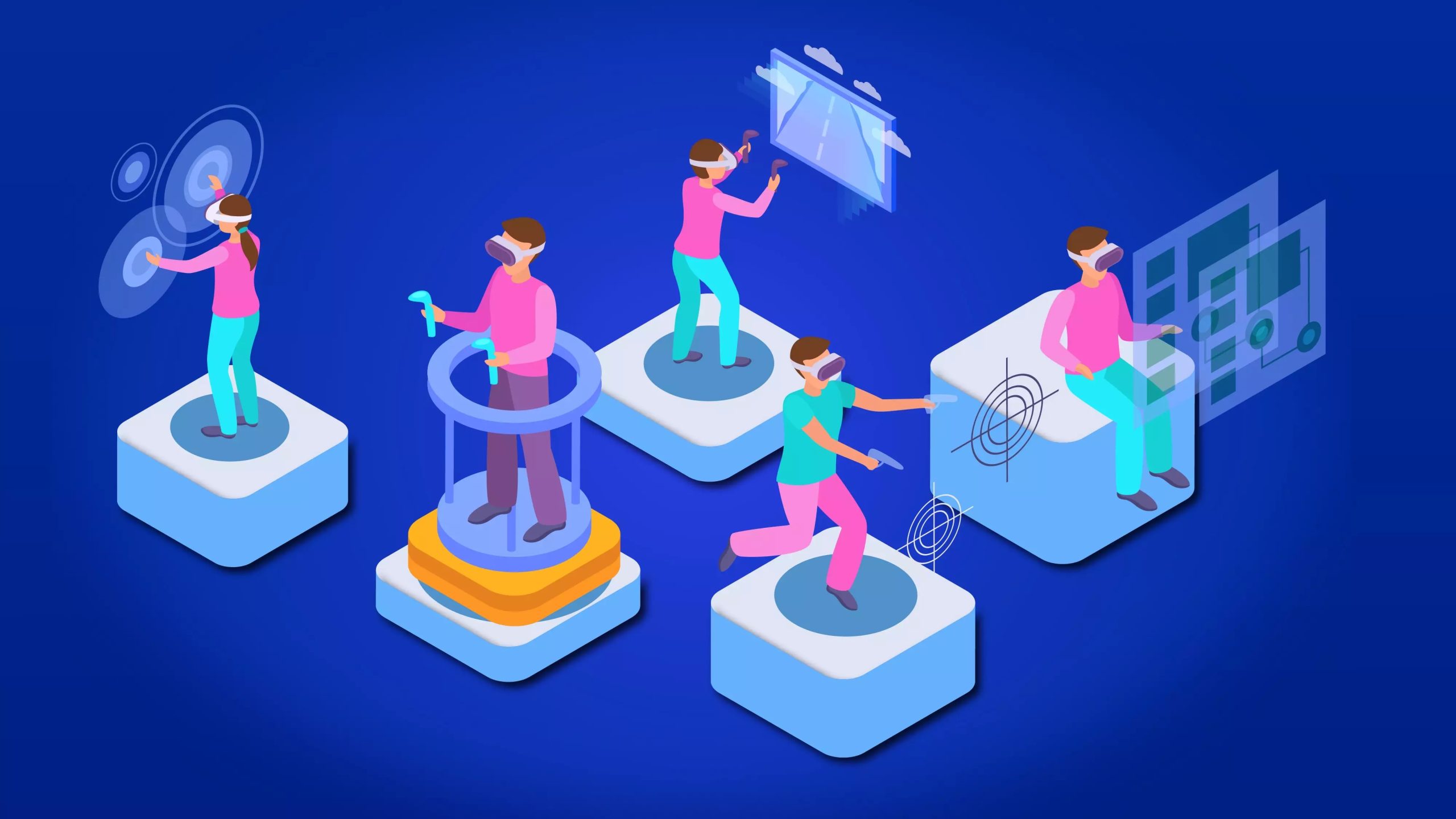
    Meanwhile, platforms like Omni Virtual Reality enhance the experience by letting users physically walk and run in their virtual worlds. With haptic feedback, 3D audio, and motion tracking, VR gaming isn’t just fun—it’s a workout too!

    2. Virtual Travel and Exploration

    Virtual Travel and Exploration

    Ever wanted to walk through the streets of Paris without leaving your home? VR makes it possible! Google Virtual Reality is pushing the boundaries of travel with tools like Google Earth VR, where users can explore the world from the comfort of their couch.

    Virtual tourism is also gaining traction, allowing people to visit famous landmarks, museums, and even historical events through VR simulations. It’s a game-changer for those unable to travel due to time, money, or physical limitations.

    3. Revolutionizing Education and Training

    Revolutionizing Education and Training

    Imagine learning about ancient civilizations by walking through a virtual reconstruction or practicing surgery without touching a real patient. That’s the power of VR in education.

    Medical students now use VR to simulate complex procedures, while military personnel train in realistic combat environments. Schools are also integrating VR into classrooms, helping students engage with subjects like never before.

    4. The Future of Social Interaction

    The Future of Social Interaction

    With the rise of Virtual Reality, social interactions are becoming more immersive. Instead of video calls, people can meet in virtual spaces, represented by avatars, and interact naturally.

    Platforms like VRChat and Meta’s Horizon Worlds are redefining digital communication. Whether it’s a business meeting, a virtual party, or just hanging out with friends across the globe, VR is bridging the gap between physical and digital worlds.

    5. Transforming the Workplace

    Companies are embracing VR for remote work, training, and collaboration. Instead of boring Zoom meetings, imagine sitting in a virtual boardroom, complete with whiteboards, presentations, and real-time interactions.

    Industries like architecture and design also benefit from VR. Professionals can create, test, and visualize projects in 3D before committing to real-world construction. This reduces costs, improves efficiency, and enhances creativity.

    6. Healthcare and Therapy

    VR isn’t just about fun—it’s also saving lives. Medical professionals use VR for pain management, mental health therapy, and physical rehabilitation.

    Patients suffering from PTSD, anxiety, and phobias are benefiting from VR exposure therapy, which gradually introduces them to their fears in a controlled environment. Meanwhile, stroke victims use VR to regain motor functions through engaging exercises.

    7. The Future of Entertainment

     The Future of Entertainment

    Beyond gaming, VR is reshaping the entertainment industry. Sony Virtual Reality and other companies are working on immersive movie experiences where viewers can step inside a film rather than just watching it.

    Concerts, theater performances, and even sporting events are also adopting VR, allowing fans to experience front-row seats without ever leaving home. With advances in VR technology, the way we consume entertainment is set to change forever.


    Final Thoughts

    3D Virtual Reality is no longer a niche technology—it’s a mainstream revolution. From PlayStation 4 Virtual Realitygaming to Google Virtual Reality experiences, the possibilities are endless. As VR continues to evolve, its impact will only grow, transforming how we work, play, and connect.

    At aibuzz, we specialize in cutting-edge virtual reality solutions, helping businesses and individuals harness the full potential of 3D VR. Whether you’re looking for immersive gaming, business applications, or training simulations, we’ve got you covered.

    Are you ready to step into the virtual world? Explore the latest in VR technology with aibuzz and see how it can change your life!


  • 10 Game-Changing Ways Mixed Reality is Transforming Technology in 2025

    10 Game-Changing Ways Mixed Reality is Transforming Technology in 2025

    Introduction

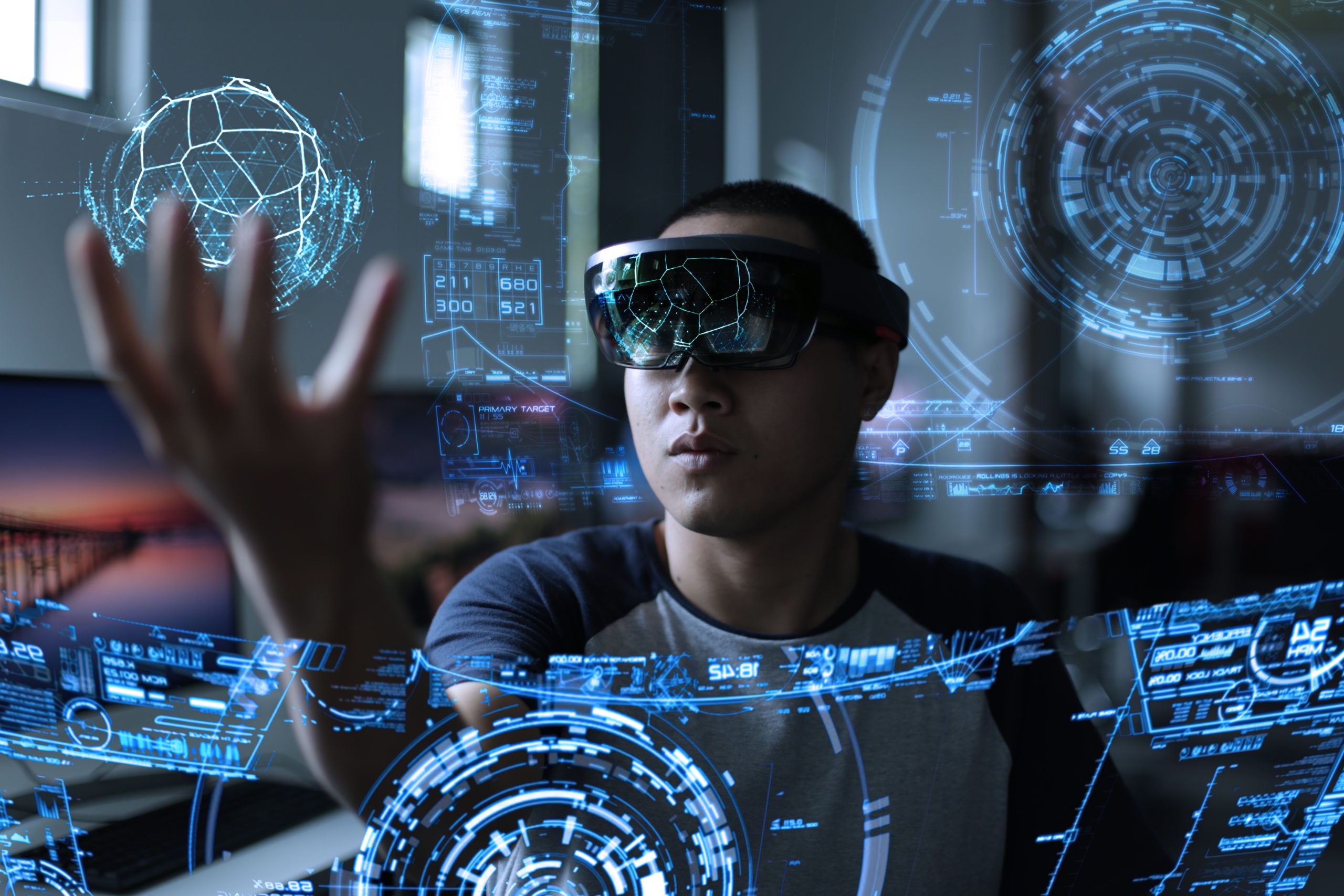
    Mixed Reality (MR) is revolutionizing the way we interact with digital content, seamlessly blending the physical and virtual worlds. With the rapid advancements in Windows 10 Mixed RealityMixed Reality Headsets, and artificial intelligence, industries like gaming, healthcare, education, and business are experiencing groundbreaking innovations. This blog explores how the best Windows Mixed Reality experiences are shaping the future and why MR is the next big thing in technology.

    mixed reality

    1. Enhanced Gaming and Entertainment

    One of the most significant impacts of mixed reality is in gaming. Unlike traditional Virtual Reality (VR), which immerses users in a completely digital space, MR overlays digital elements onto the real world. This hybrid experience makes gaming more interactive, offering players an engaging mix of real-world elements with virtual enhancements.

    With Windows 10 Mixed Reality, users can access high-quality MR experiences through compatible headsets, providing better tracking, real-time responsiveness, and ultra-immersive environments. Companies like Microsoft and HP are investing heavily in mixed reality headsets that push the boundaries of interactive entertainment.


    2. Revolutionizing Healthcare and Surgery

    Mixed reality is transforming the healthcare sector by providing doctors and surgeons with augmented visualization tools. MR-powered headsets enable professionals to analyze 3D anatomical models, perform precision surgeries, and train medical students in a more hands-on environment.

    For example, MR applications allow surgeons to visualize a patient’s anatomy in real-time during procedures, reducing risks and improving outcomes. Technologies like best Windows Mixed Reality headsets are also being used in mental health treatments, offering immersive therapy sessions for anxiety, PTSD, and phobias.


    3. AI-Powered Productivity and Collaboration

    Artificial intelligence (AI) and MR together are enhancing workplace productivity by enabling remote collaboration. AI-driven MR applications help businesses visualize data in interactive 3D environments, making meetings more engaging and insightful.

    For instance, AI-powered virtual assistants integrated with Windows 10 Mixed Reality headsets can guide professionals through complex tasks, from assembling machinery to software development. These AI-enhanced MR tools are making hybrid work environments more efficient, eliminating the need for physical presence in office spaces.


    4. Transforming Education and Training

    The education sector is leveraging mixed reality to create immersive learning environments. Traditional classrooms are evolving into interactive spaces where students can explore historical sites, conduct virtual science experiments, and engage with 3D models of complex concepts.

    Universities and corporate training programs are incorporating Windows 10 Mixed Reality headsets to offer realistic simulations, such as flight training for pilots or safety drills for emergency responders. MR-based learning improves knowledge retention by making lessons more engaging and experiential.


    5. Retail and E-Commerce Innovations

    Mixed reality is reshaping the retail industry by offering customers virtual try-on experiences and immersive product previews. Consumers can visualize how furniture will look in their homes, try on clothes without changing physically, or test electronic devices before purchasing.

    Brands like IKEA and Nike are adopting the best Windows Mixed Reality technologies to enhance their digital shopping experience, making online shopping more interactive and reducing return rates by giving buyers a better sense of their purchases beforehand.


    6. Advancements in Architecture and Real Estate

    The real estate and architecture industries are using mixed reality to visualize property designs and construction projects. Instead of looking at blueprints, clients and engineers can walk through virtual versions of properties before they’re built, making modifications in real time.

    With Windows 10 Mixed Reality headsets, real estate developers can showcase virtual property tours, allowing potential buyers to explore homes remotely. This technology is revolutionizing how properties are sold and designed, making architectural planning more precise and interactive.


    7. Military and Defense Applications

    The military is utilizing MR for training and strategic planning. Mixed reality simulations help soldiers train in high-risk environments without physical dangers. These simulations include combat training, aircraft maintenance, and mission planning using AI-powered MR tools.

    The U.S. Army and other defense organizations are integrating the best Windows Mixed Reality solutions to improve battlefield awareness and decision-making. Mixed reality helps create a more effective and informed military force.


    8. Revolutionizing Manufacturing and Engineering

    Manufacturing and engineering industries are embracing MR to optimize production lines, enhance worker safety, and streamline design processes. Engineers can interact with holographic blueprints, reducing prototyping costs and improving efficiency.

    With Windows 10 Mixed Reality, assembly line workers can receive real-time guidance, ensuring accuracy and reducing errors. MR is making industrial operations more precise, cost-effective, and innovative.


    9. Enhancing Tourism and Cultural Experiences

    Mixed reality is reshaping the travel and tourism industry by offering virtual tours of historic landmarks, museums, and cities. Tourists can experience ancient civilizations through MR reconstructions or explore destinations before booking trips.

    With best Windows Mixed Reality headsets, museums and cultural institutions are creating immersive exhibitions, allowing visitors to engage with artifacts and historical events in entirely new ways.


    10. Smart Home and IoT Integration

    The integration of MR with smart home technology is enhancing the way people interact with IoT devices. Users can control home appliances, security systems, and lighting using gesture-based or voice-activated MR interfaces.

    With Windows 10 Mixed Reality, smart home experiences are becoming more intuitive, allowing users to customize their environment in real-time, making homes more connected, interactive, and futuristic.


    Conclusion

    As mixed reality continues to evolve, its applications across various industries will only expand. From gaming and healthcare to retail and defense, MR is bridging the gap between digital and physical worlds, offering unprecedented levels of interactivity and efficiency.

    If you’re looking to explore the potential of mixed reality for your business or project, aibuzz.net offers cutting-edge MR solutions tailored to your needs. Stay ahead of the curve and embrace the future of mixed reality today!

  • 7 Key Steps to Cryptocurrency Development: A Complete Guide for 2025

    7 Key Steps to Cryptocurrency Development: A Complete Guide for 2025

    The rise of digital assets has revolutionized the global financial landscape, and cryptocurrency development continues to gain momentum. Whether you’re a startup, an enterprise, or a blockchain enthusiast, understanding the intricacies of cryptocurrency development is crucial. From blockchain architecture to security protocols, every step plays a vital role in building a successful cryptocurrency.

    In this guide, we’ll explore the seven key steps to cryptocurrency development, incorporating essential aspects such as blockchain application developmentblockchain consulting and development, and the use of advanced blockchain developer tools.

    7 Key Steps to Cryptocurrency Development: A Complete Guide for 2025

    1. Define the Purpose and Use Case

    Before diving into the technical aspects of cryptocurrency development, it’s essential to outline its purpose and utility. Will your cryptocurrency be used for payments, smart contracts, decentralized applications (dApps), or industry-specific solutions? Conducting thorough market research and leveraging blockchain consulting and development services can help shape the vision of your cryptocurrency project.

    2. Choose the Right Blockchain Platform

    The next crucial step is selecting the appropriate blockchain technology. You can either build a cryptocurrency on an existing blockchain like Ethereum, Binance Smart Chain, or Solana, or develop a custom blockchain from scratch. Engaging a blockchain development agency can provide expert insights into the best platform based on scalability, transaction speed, and security.

    3. Design the Consensus Mechanism

    The consensus mechanism determines how transactions are verified and added to the blockchain. Some common mechanisms include:

    • Proof of Work (PoW) – Used by Bitcoin, requires miners to solve complex cryptographic puzzles.
    • Proof of Stake (PoS) – Ethereum 2.0 and Cardano use this energy-efficient approach.
    • Delegated Proof of Stake (DPoS) – Increases scalability and transaction speed.

    Choosing the right consensus mechanism depends on your cryptocurrency’s security and efficiency goals. Blockchain application development services can help you determine the best approach for your project.

    4. Develop Smart Contracts and Core Features

    Smart contracts enable automated transactions without intermediaries. They define the rules and functionalities of your cryptocurrency. Blockchain developer tools like Solidity (Ethereum), Rust (Solana), and Go (Hyperledger Fabric) help developers build secure and efficient smart contracts. Partnering with blockchain development firms ensures the implementation of secure and scalable smart contracts.

    5. Ensure Security and Compliance

    Ensure Security and Compliance

    Security is paramount in cryptocurrency development. Implementing encryption protocols, multi-signature wallets, and rigorous testing can safeguard your blockchain network from vulnerabilities. Additionally, compliance with regulatory frameworks such as AML (Anti-Money Laundering) and KYC (Know Your Customer) is critical to ensuring legal operations. Consulting a blockchain development agency can assist in navigating these complexities.
    6. Create a User-Friendly Wallet and Interface

    A cryptocurrency wallet is essential for users to store, send, and receive digital assets. Wallets can be:

    hot wallet and cold wallet
    • Hot Wallets – Online wallets connected to the internet (e.g., MetaMask, Trust Wallet).
    • Cold Wallets – Offline wallets offering enhanced security (e.g., Ledger, Trezor).

    An intuitive user interface enhances the adoption of your cryptocurrency. Working with a blockchain application development team can help create seamless wallet integration.

    7. Launch and Continuous Improvement

    Once your cryptocurrency is developed, launch it on a testnet to identify potential issues before the mainnet release. Engage with a blockchain development agency to refine and optimize your network. Marketing, community engagement, and continuous development play crucial roles in ensuring long-term success.

    Conclusion

    Cryptocurrency development is a multi-faceted process that requires strategic planning, technical expertise, and security implementation. From defining a use case to ensuring compliance and security, each step contributes to the success of your project. Partnering with experienced blockchain consulting and development firms can simplify the process and provide valuable insights.

    Additionally, ongoing support, community engagement, and future upgrades are essential to maintaining the competitiveness and security of your cryptocurrency. As the blockchain landscape continues to evolve, staying informed about the latest trends and technological advancements will be critical to your project’s success.

    Whether you are an entrepreneur looking to launch a new digital asset or a company aiming to integrate blockchain solutions, the right expertise can make all the difference. Leveraging blockchain app development services, utilizing blockchain developer tools, and collaborating with blockchain development firms can streamline the development process and ensure a successful launch.

    If you’re ready to embark on your cryptocurrency journey, our team at aibuzz.net offers top-tier blockchain app development services to bring your vision to life. We provide expert solutions tailored to your needs, ensuring security, efficiency, and innovation. Contact us today to start building the future of digital finance!

  • 7 Ways Big Data Services Are Transforming Businesses in 2025

    7 Ways Big Data Services Are Transforming Businesses in 2025

    Introduction

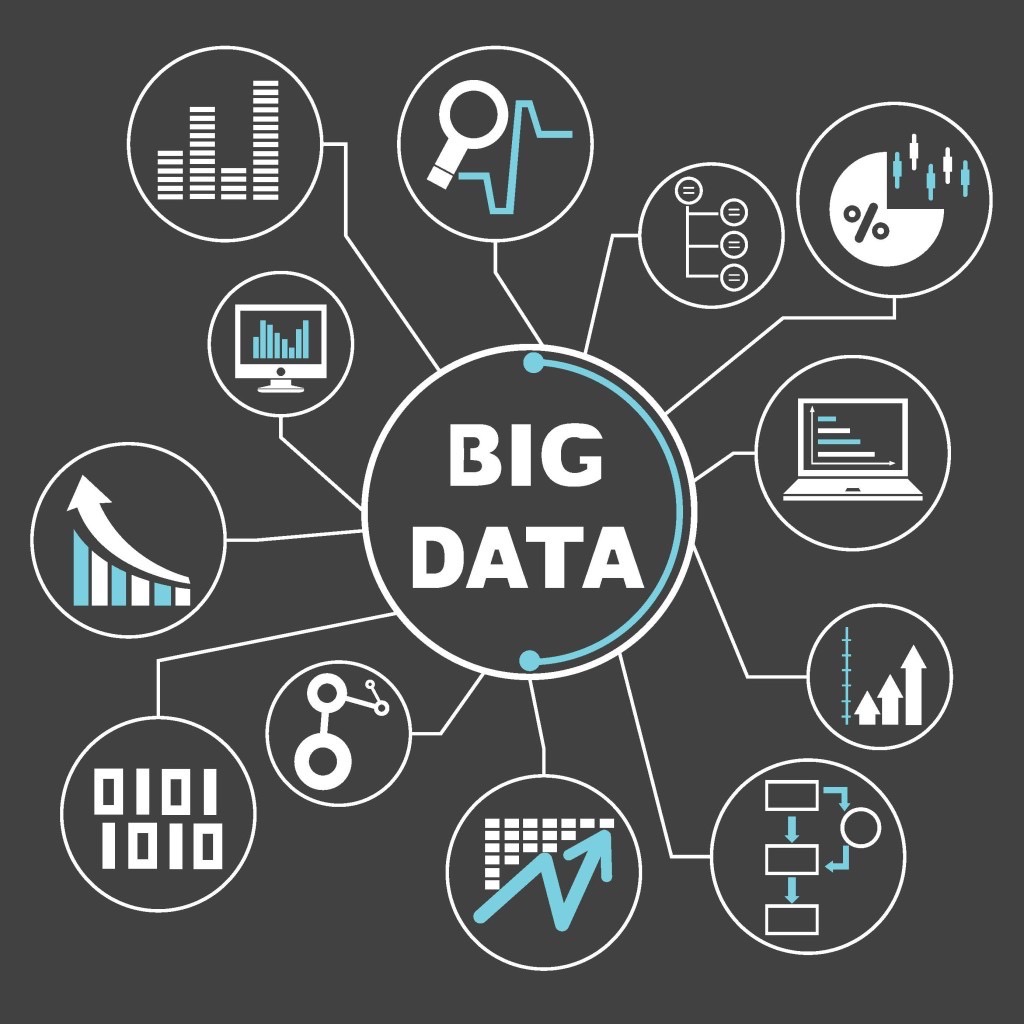
    Big data has become a cornerstone of modern business operations, driving insights, improving decision-making, and enhancing overall efficiency. With the rapid advancements in technology, companies are leveraging big data in cloudenvironments, integrating tools like Power BI and big data, and adopting sophisticated analytics solutions to stay ahead. In this blog, we will explore seven transformative ways big data services are shaping businesses in 2025, covering essential trends and key benefits.

    7 Ways Big Data Services Are Transforming Businesses in 2025

    1. Cloud-Based Big Data Solutions for Scalability and Efficiency

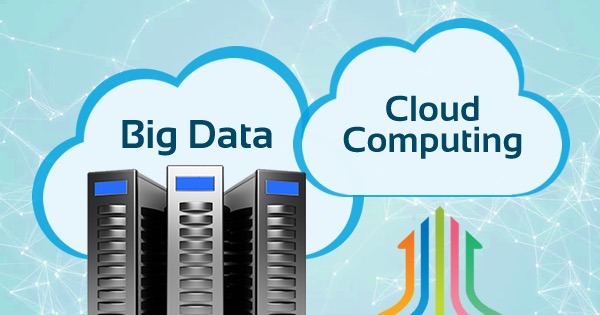
    The demand for big data in cloud environments has skyrocketed, with businesses relying on cloud platforms like AWS, Google Cloud, and Microsoft Azure to manage vast datasets efficiently. Cloud solutions offer scalability, cost-effectiveness, and real-time data processing capabilities. With pay-as-you-go models, companies no longer need to invest heavily in on-premise infrastructure, making big data services more accessible to startups and enterprises alike.

    2. Power BI and Big Data for Enhanced Visualization

    Power BI and big data analytics have become an inseparable duo in modern data analysis. Power BI, a business intelligence tool from Microsoft, allows companies to create interactive dashboards and real-time reports. By integrating Power BI with big data platforms, businesses can extract meaningful insights from raw data, identify trends, and make data-driven decisions faster. The intuitive interface and AI-powered analytics make Power BI a favorite among data analysts and executives.

    3. AI-Driven Big Data Analytics for Smarter Decision-Making

    Artificial intelligence is revolutionizing the way businesses process and interpret big data. AI-powered analytics platforms use machine learning algorithms to detect patterns, predict customer behavior, and automate decision-making. From fraud detection in banking to predictive maintenance in manufacturing, AI-driven big data solutions are enhancing efficiency across industries.

    The integration of AI and big data goes beyond traditional analytics. AI enables businesses to move from reactive to proactive decision-making. For example, in healthcare, AI-driven big data models help doctors diagnose diseases earlier by analyzing medical records and patient histories. In finance, AI-powered risk analysis tools can predict creditworthiness with higher accuracy, reducing loan defaults.

    Additionally, AI-based natural language processing (NLP) is transforming how businesses interact with data. Chatbots and AI assistants can analyze large datasets in real-time and provide actionable insights without requiring deep technical expertise. Companies can leverage AI-powered big data analytics to streamline operations, enhance customer experience, and uncover hidden growth opportunities.

    4. Edge Computing: Bringing Big Data Processing Closer to Users

    Edge computing is redefining how businesses manage big data by processing it closer to the source rather than relying on centralized cloud servers. This technology is particularly beneficial in sectors like healthcare, IoT, and retail, where real-time data analysis is critical. By reducing latency and improving speed, edge computing enables organizations to make instantaneous decisions based on real-time insights, thus enhancing operational efficiency.

    5. Big Data in Cybersecurity: Strengthening Protection Against Threats

    As cyber threats become more sophisticated, companies are leveraging big data analytics to enhance their cybersecurity measures. Security teams use big data tools to analyze network traffic, detect anomalies, and identify potential security breaches before they occur. Machine learning models trained on vast datasets help businesses predict cyber threats and implement proactive security measures, ensuring data integrity and compliance with regulations like GDPR and CCPA.

    6. Predictive Analytics for Personalized Customer Experiences

    With the integration of big data services, companies can now offer highly personalized experiences to customers. Predictive analytics tools analyze historical data, social media interactions, and purchasing behaviors to deliver targeted marketing campaigns and personalized recommendations. Industries such as e-commerce, banking, and healthcare are utilizing these insights to improve customer engagement, reduce churn rates, and enhance customer satisfaction.

    Retailers, for example, use predictive analytics to optimize inventory management by forecasting demand. Streaming platforms like Netflix and Spotify rely on AI-driven big data analytics to recommend content tailored to individual user preferences. These personalized experiences drive customer loyalty and increase revenue streams for businesses.

    7. Blockchain and Big Data: Enhancing Data Security and Transparency

    Blockchain technology is playing a pivotal role in securing big data transactions and ensuring transparency. By decentralizing data storage and eliminating single points of failure, blockchain enhances data security and prevents unauthorized alterations. Industries like supply chain management, healthcare, and finance are integrating blockchain with big data to improve data integrity, traceability, and fraud prevention.

    Conclusion

    Big data services are continuously evolving, reshaping industries, and providing businesses with unparalleled advantages. From big data in cloud environments and Power BI and big data integration to AI-driven analytics and blockchain security, organizations that harness the power of big data will remain at the forefront of innovation. Whether you’re a startup or an established enterprise, leveraging these transformative trends will help you stay competitive in 2025 and beyond.

    Explore how our big data services at aibuzz.net can help your business unlock new opportunities and drive success in the data-driven world!

  • Mixed Reality Development: 7 Game-Changing Innovations in 2025

    Mixed Reality Development: 7 Game-Changing Innovations in 2025

    Mixed reality development is revolutionizing the way we interact with digital environments, seamlessly blending physical and virtual worlds. From healthcare innovations to AI-powered applications, mixed reality software is unlocking new possibilities for businesses and individuals alike. This blog explores seven groundbreaking ways mixed reality development is shaping the future, highlighting key mixed reality features, trends, and real-world applications.


    1. The Rise of Mixed Reality Software

    Mixed reality software is at the core of MR experiences, enabling users to interact with both real and virtual objects in real-time. Unlike traditional augmented reality (AR) or virtual reality (VR), MR allows for seamless interaction, making digital elements feel as tangible as physical objects.

    Key mixed reality features include:
    ✔️ Real-world spatial mapping
    ✔️ Gesture and voice recognition
    ✔️ AI-powered object interaction
    ✔️ Cloud-based collaboration

    These features make mixed reality development a game-changer across various industries, from gaming to enterprise solutions.


    2. Healthcare Mixed Reality: A New Era of Medical Innovation

    One of the most promising applications of MR is in the healthcare industry. Healthcare mixed reality is enabling medical professionals to visualize complex data, conduct remote surgeries, and train students with immersive simulations.

    🔹 Surgical Assistance: Surgeons can use MR headsets to overlay 3D anatomical models during procedures, improving precision and reducing risks.
    🔹 Medical Training: Mixed reality provides hands-on experience for medical students without real-life risks.
    🔹 Patient Rehabilitation: Patients recovering from injuries can use MR-assisted therapy programs for faster recovery.

    With AI in mixed reality, these healthcare solutions are becoming smarter, adapting to patient needs in real-time.


    3. AI in Mixed Reality: The Intelligent Future of MR

    Artificial intelligence is supercharging mixed reality development by enabling smarter, more intuitive interactions. AI-driven mixed reality software allows applications to recognize objects, understand user behavior, and enhance user experience.

    🧠 Smart Assistants: AI-powered MR assistants can guide users through complex tasks in industries like manufacturing, retail, and customer service.
    🌍 Real-time Translation: AI integration allows for real-time language translation in MR environments, breaking communication barriers.
    🔍 Predictive Analysis: AI can analyze MR data to provide insights and improve decision-making in business operations.

    With AI’s role expanding in mixed reality development, expect smarter, more responsive MR applications across all sectors.


    4. Mixed Reality in Education: A New Way to Learn

    Education is being transformed by mixed reality development, making learning more interactive and engaging. From virtual field trips to hands-on science experiments, MR allows students to experience lessons like never before.

    📚 Immersive Classrooms: Teachers can create interactive lessons, helping students grasp complex subjects faster.
    🔬 STEM Training: Mixed reality software provides simulated environments for students to experiment in physics, chemistry, and biology.
    🧑‍💻 Skill-based Learning: MR offers hands-on training in vocational fields like engineering and architecture.

    The combination of MR and AI in education is making learning more personalized and accessible worldwide.


    5. Revolutionizing Retail & E-Commerce with Mixed Reality

    Shopping is no longer confined to physical stores or flat screens. MR is redefining the retail industry with immersive shopping experiences that bridge the gap between online and offline purchasing.

    🛍️ Virtual Try-Ons: Customers can try on clothes, accessories, or even furniture in their homes before making a purchase.
    📱 Interactive Product Displays: Mixed reality features allow users to interact with 3D models of products before buying.
    🛒 AI-Powered Recommendations: AI in mixed reality personalizes shopping experiences by suggesting products based on user behavior.

    Retailers adopting mixed reality development are seeing increased engagement and conversion rates.


    6. Enhancing Workplace Productivity with MR Collaboration

    Businesses are leveraging mixed reality software to improve productivity, training, and collaboration. With remote work becoming more common, MR is creating new ways for teams to connect.

    💼 Virtual Meetings: MR-powered virtual workspaces allow employees to collaborate in 3D environments, making remote meetings more engaging.
    🔧 Employee Training: Industries like manufacturing and construction use MR for hands-on training without real-world risks.
    📈 Data Visualization: Mixed reality features allow for 3D data analysis, improving decision-making processes.

    The integration of AI in mixed reality further enhances these applications by automating workflows and providing real-time insights.


    7. The Future of Mixed Reality Development

    Mixed reality is still evolving, and its future looks promising. As MR hardware becomes more affordable and software advancements continue, we can expect even more innovative applications in gaming, social media, and enterprise solutions.

    Key trends shaping mixed reality development include:
    🚀 5G & Edge Computing: Faster data processing for smoother MR experiences.
    🕶️ Lightweight MR Devices: More comfortable and accessible MR headsets.
    🤖 Deeper AI Integration: Smarter MR applications that adapt to user behavior.

    Businesses that invest in mixed reality software today will be ahead of the curve in the next wave of digital transformation.


    Final Thoughts

    Mixed reality development is more than just a futuristic concept—it’s already reshaping industries, from healthcare and education to retail and business collaboration. With AI-driven enhancements, mixed reality software is becoming more immersive, intelligent, and impactful.

    At aibuzz.net, we specialize in cutting-edge mixed reality development, helping businesses create innovative MR solutions tailored to their needs. Whether you’re looking to integrate MR into healthcare, education, or enterprise, our expertise in AI in mixed reality ensures the best results.

    Ready to bring the future to your business? Explore our mixed reality services at aibuzz.net today! 🚀

  • 10 Reasons Why Top Software Development Companies Choose Us for Cutting-Edge Solutions

    10 Reasons Why Top Software Development Companies Choose Us for Cutting-Edge Solutions

    Introduction

    In today’s rapidly evolving digital landscape, businesses across industries need cutting-edge software solutions to maintain a competitive edge. Choosing the right software development agency is a crucial decision that can determine the success of your projects. As one of the top software development companies, we specialize in delivering tailored software development services that align with your business goals, whether it’s android software developmenthealthcare software development, or enterprise-grade solutions.

    Our team of experts is dedicated to providing scalable, secure, and high-performance solutions that empower businesses to innovate and grow. Here are 12 key reasons why companies trust us to develop their mission-critical software solutions.

    1. Expertise in Cutting-Edge Technologies

    Technology is always evolving, and we make it a priority to stay ahead of the curve. Our team is proficient in a wide range of technologies, including AI, blockchain, cloud computing, and IoT, allowing us to build powerful, next-generation software solutions for businesses of all sizes.

    2. Customized Solutions for Unique Business Needs

    Every business has unique challenges and requirements. Unlike off-the-shelf software, our software development services focus on delivering custom solutions that are tailored to your exact needs. Whether you require android software development for mobile apps or healthcare software development with strict compliance standards, we craft software that aligns perfectly with your objectives.

    3. Agile and Adaptive Development Process

    We follow an Agile methodology, allowing us to deliver projects faster and with greater flexibility. Our iterative development approach ensures continuous collaboration, real-time feedback, and the ability to adapt to changes efficiently. This results in a more refined and successful end product.

    4. Scalable Software That Grows With You

    Your business is bound to grow, and we build software that grows with you. Our solutions are designed to be scalable, ensuring they can handle increasing user demands, expanding data volumes, and new functionalities as your business evolves.

    5. Seamless Integration With Existing Systems

    We understand that businesses often have pre-existing software and workflows in place. Our team ensures smooth integration with your existing tech stack, including CRMs, ERPs, cloud services, and third-party APIs, without disrupting your operations.

    6. Security-First Approach to Development

    With cybersecurity threats on the rise, protecting your software is our top priority. We incorporate the latest security measures, including encryption, multi-layer authentication, and compliance-driven security protocols, to safeguard your applications and data.

    7. Cost-Effective Solutions Without Compromising Quality

    High-quality software doesn’t have to come with an exorbitant price tag. As a leading software development firm, we provide cost-effective development services that cater to startups, SMEs, and enterprises alike while maintaining the highest standards of quality.

    8. Dedicated Support and Maintenance for Long-Term Success

    Our commitment to clients doesn’t end after deployment. We offer ongoing support, software updates, bug fixes, and performance enhancements to ensure your software remains secure, up-to-date, and optimized for peak efficiency.

    9. Deep Industry Knowledge and Experience

    From healthcare software development to fintech and e-commerce, our team has extensive experience in multiple industries. We understand the unique challenges and regulatory requirements of various sectors, allowing us to develop solutions that not only meet but exceed industry standards.

    10. Proven Track Record of Successful Projects

    Our portfolio speaks volumes about our capabilities. Over the years, we’ve helped numerous businesses—from startups to Fortune 500 companies—achieve success through innovative software solutions that drive efficiency and growth.

    Conclusion

    When it comes to choosing among the top software development companies, selecting a trusted partner with the right expertise, experience, and dedication is critical. Our software development agency is committed to delivering high-quality, tailored solutions that help businesses innovate, scale, and succeed in a competitive market.

    Are you ready to take your business to the next level? Let’s discuss your project today! Contact us for a consultation and discover how we can transform your vision into reality.

    For more details, visit our website at aibuzz.net.

  • 7 Key Steps to Master TD Pipeline Development for Scalable Workflows

    7 Key Steps to Master TD Pipeline Development for Scalable Workflows

    In the world of modern production, efficiency is everything. Whether you’re working in animation, visual effects (VFX), game development, or any other tech-driven industry, a well-structured TD pipeline development process can make all the difference. Technical Directors (TDs) rely on robust pipelines to automate workflows, streamline asset management, and optimize team productivity. But how do you go about building a TD pipeline that is both efficient and scalable?

    A TD pipeline consists of several key components, including ingestion, frontend, and processing. The ingestion phase involves importing raw assets, such as models, textures, and animations, into the pipeline while ensuring compatibility with the production environment. The frontend acts as the interface where artists and developers interact with the tools and data, providing an intuitive and efficient workflow. The processing stage involves running scripts, automations, and optimizations to transform assets into production-ready components.

    This blog will walk you through the TD pipeline development process, the essential strategies, and the importance of TD pipeline testing to ensure smooth operations. Let’s dive into the key steps to creating a powerful production pipeline.

    1. Define Your TD Pipeline Strategy

    Before you start building, you need a solid plan. Your TD pipeline strategy should align with your production goals, team requirements, and technological constraints. Consider these factors:

    • Project Scope: What type of production are you working on? (VFX, animation, gaming, etc.)
    • Software & Tools: Will you use Maya, Houdini, Unreal Engine, or proprietary tools?
    • Automation Needs: What repetitive tasks can be automated?
    • Scalability: Can the pipeline grow as your production demands increase?

    A clear TD pipeline strategy helps lay the groundwork for an efficient system that supports long-term project success.

    2. Choose the Right Technologies and Tools

    Selecting the right tools is crucial in the TD pipeline development process. Your choice will impact efficiency, integration, and collaboration.

    Some essential components include:

    • Asset Management: ShotGrid, ftrack, or custom database solutions
    • Version Control: Git, Perforce, or SVN to manage code and assets
    • Scripting & Automation: Python is widely used for automating tasks in Maya, Houdini, Blender, and other software
    • Render Management: Deadline, Qube!, or cloud-based solutions for rendering optimization

    Using industry-standard tools ensures smoother integration and minimizes compatibility issues when scaling your pipeline.

    3. Design a Modular TD Pipeline Architecture

    A well-designed TD pipeline development process should follow a modular approach. This means breaking down your pipeline into independent yet interconnected components.

    For example:

    • Asset Management Module – Handles models, textures, and animations
    • Rendering Module – Optimizes rendering processes and queue management
    • Automation Module – Deals with repetitive scripting tasks
    • Collaboration Module – Manages file sharing, naming conventions, and versioning

    A modular structure allows for flexibility, making it easier to update or replace specific components without overhauling the entire pipeline.

    4. Automate Workflows to Reduce Manual Effort

    One of the biggest advantages of TD pipeline development services is automation. TDs can automate repetitive tasks to improve efficiency and reduce human error.

    Common automation tasks include:

    • Auto-rigging characters in animation workflows
    • Automated file conversion for different software compatibility
    • Scripted batch rendering for large-scale projects
    • Procedural asset generation in Houdini

    By automating these tasks, production teams can focus more on creative aspects while ensuring technical consistency across the pipeline.

    5. Implement TD Pipeline Testing for Reliability

    A great pipeline is only as good as its reliability. Regular TD pipeline testing is essential to identify bugs, bottlenecks, and inefficiencies before they become production roadblocks.

    Testing best practices include:

    • Unit Testing: Test individual scripts and tools before full integration
    • Load Testing: Simulate high workloads to ensure the pipeline can handle large-scale projects
    • Integration Testing: Ensure compatibility between different pipeline components
    • User Testing: Gather feedback from artists and developers to optimize usability

    Ongoing testing prevents unexpected failures and keeps the pipeline running smoothly throughout production.

    6. Focus on Scalability and Future-Proofing

    A well-designed TD pipeline strategy should not only meet current needs but also be adaptable for future projects.

    To future-proof your pipeline:

    • Use open-source frameworks where possible to avoid vendor lock-in
    • Ensure cross-platform compatibility between software and hardware
    • Design flexible API-driven architectures for easier integrations
    • Keep documentation updated to help new team members onboard quickly

    Scalability ensures that as your production team and project scope grow, your pipeline can grow with it.

    7. Leverage TD Pipeline Development Services for Expert Support

    If building a pipeline from scratch feels overwhelming, leveraging TD pipeline development services can save time and resources. These services offer specialized expertise in:

    • Custom pipeline design and architecture
    • Tool development and integration
    • Workflow optimization and automation
    • Technical support and troubleshooting

    Working with professional pipeline developers ensures that your system is robust, industry-compliant, and optimized for maximum efficiency.

    Final Thoughts

    The success of any production heavily depends on an efficient TD pipeline development process. By following a strategic approach, selecting the right tools, implementing automation, and prioritizing TD pipeline testing, you can create a scalable pipeline that enhances productivity and collaboration.

    Whether you’re an independent studio or a large-scale production house, building a TD pipeline the right way ensures smooth operations and long-term success. If you need expert guidance, consider partnering with professional TD pipeline development services to optimize your workflow.

    At AI Buzz, we specialize in TD pipeline development services, offering end-to-end solutions to streamline your production workflows. From custom pipeline design to automation and integration, our expert team ensures your pipeline is efficient, scalable, and future-proof.

    Want to take your TD pipeline to the next level? Visit aibuzz.net to learn more about our services and how we can help enhance your production today!

  • Top 7 JavaTpoint Artificial Intelligence Resources You Need to Know

    Top 7 JavaTpoint Artificial Intelligence Resources You Need to Know

    Artificial Intelligence (AI) is no longer just a buzzword—it’s a game-changer. From self-driving cars to AI-powered chatbots, AI is driving innovation across industries. For those looking to get involved in the AI revolution, understanding its core concepts and applications is a must. If you’re eager to learn AI, JavaTpoint is one of the best resources available today.

    In this blog, we’ll explore the top 7 JavaTpoint AI resources that can help you get started, dive deeper into the technology, and apply it in real-world scenarios. Whether you’re a beginner or an experienced professional, these resources will help you on your AI journey.

    1. What is Artificial Intelligence?

    Before diving into the specifics of JavaTpoint’s resources, it’s essential to have a clear understanding of what artificial intelligence is. AI refers to the ability of a machine to perform tasks that would typically require human intelligence, such as problem-solving, learning, and decision-making. It’s an umbrella term that includes various technologies such as Machine Learning (ML)Natural Language Processing (NLP)RoboticsComputer Vision, and more.

    Artificial intelligence works by creating models or systems that can adapt and learn from data over time. Whether it’s predicting customer behavior or enabling voice assistants to understand our commands, AI is making a profound impact in many industries.

    At JavaTpoint, you’ll find extensive resources that explain not only the theoretical foundations of AI but also practical examples that show how AI is used in real-world applications.

    2. JavaTpoint’s Role in AI Education

    JavaTpoint is well-known for its high-quality programming tutorials that cater to a wide range of technologies, and AI is no exception. One of the reasons JavaTpoint has gained popularity in the AI community is because of its accessible, easy-to-understand tutorials that break down complex topics into manageable lessons.

    JavaTpoint’s AI tutorials are structured in a way that allows learners to progress from basic to advanced topics at their own pace. The platform’s no-cost, beginner-friendly approach makes it an ideal choice for anyone looking to break into AI without breaking the bank.

    3. Key AI Concepts Covered by JavaTpoint

    JavaTpoint’s resources cover a variety of key AI concepts that are essential for anyone looking to understand or work with AI. Here are some of the most important concepts they cover:

    Machine Learning (ML)

    Machine learning is a subset of AI that allows machines to learn from data. JavaTpoint provides a detailed guide to supervisedunsupervised, and reinforcement learning. These techniques are the backbone of AI models and applications. In their tutorials, JavaTpoint explains the concepts of training datamodel evaluation, and overfitting.

    Whether you want to learn how to create regression models or build classification algorithms, JavaTpoint’s ML tutorials offer the foundation you need to get started with practical machine learning.

    Deep Learning

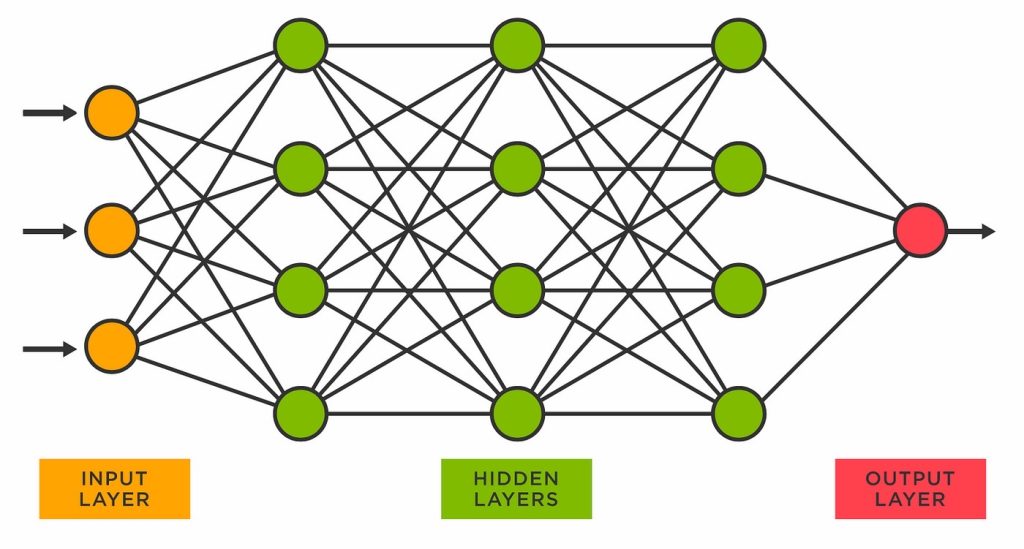
    Deep learning is a more advanced subset of machine learning that involves artificial neural networks. These networks are designed to mimic the way the human brain works, allowing machines to process complex data, such as images, text, and audio. JavaTpoint’s deep learning tutorials cover popular neural network architectures like Convolutional Neural Networks (CNNs) and Recurrent Neural Networks (RNNs).

    If you’re looking to dive into image recognitionnatural language processing, or speech recognition, deep learning is the field you want to focus on. JavaTpoint’s tutorials make it easy to understand how deep learning works and how you can apply it.

    Natural Language Processing (NLP)

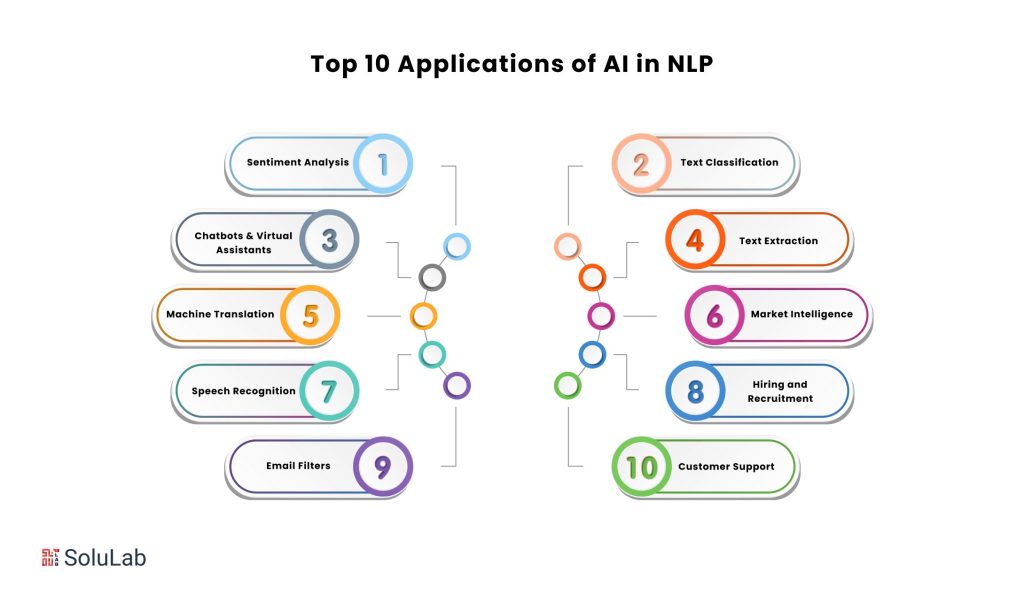
    NLP is the AI field that enables machines to understand, interpret, and respond to human language. It powers everything from chatbots to translation tools. JavaTpoint offers resources on various NLP techniques such as tokenizationpart-of-speech taggingnamed entity recognition, and sentiment analysis.

    By learning these techniques, you can build applications that can process and analyze text—whether it’s social media posts, customer reviews, or news articles.

    Neural Networks

    JavaTpoint takes a deep dive into neural networks, explaining how they are structured and trained. These networks are responsible for much of the magic behind AI, powering everything from facial recognition to voice assistants.

    You’ll learn about feed-forward networksbackpropagation, and other essential neural network concepts. Understanding how these networks work is crucial for anyone interested in deep learning and AI in general.

    AI Algorithms

    JavaTpoint offers in-depth tutorials on various AI algorithms that form the foundation of many AI applications. From decision trees and k-means clustering to support vector machines and genetic algorithms, JavaTpoint ensures that you understand how these algorithms work and when to apply them in real-world projects.

    These AI algorithms are not just theoretical; they have real applications in areas like data analysisoptimization, and forecasting.

    4. Why JavaTpoint is an Ideal Platform for AI Learners

    JavaTpoint’s success as an educational platform for AI boils down to several key factors:

    Structured Learning Paths

    One of the platform’s greatest strengths is its structured approach to learning. Each tutorial is divided into smaller sections, making it easy to follow and digest even the most complex topics. With JavaTpoint, you won’t feel overwhelmed by dense information. Instead, you’ll be guided step-by-step from one concept to the next.

    Hands-On Learning

    The platform is designed to encourage hands-on learning, which is crucial when it comes to AI. Most tutorials come with code examplesexercises, and even projects that let you practice what you’ve learned in real-time.

    Access to a Community

    While learning AI can be a solitary journey, JavaTpoint provides access to a community of like-minded learners and experts. Through their forums and discussion boards, you can ask questions, share insights, and get feedback from others.

    Completely Free

    JavaTpoint offers all of its resources for free, which makes it an excellent choice for individuals who want to dive into AI without any financial barriers.

    5. JavaTpoint Tutorials and Courses in AI

    JavaTpoint offers an extensive list of tutorials and courses designed to cover the full spectrum of AI. Here’s a closer look at some of the most notable resources:

    AI Basics and Terminologies

    For those who are completely new to AI, this introductory tutorial is the perfect place to start. It covers basic AI conceptsterminologies, and applications, making it easier to understand what AI is all about.

    Machine Learning Algorithms

    If you’re keen to learn the foundations of machine learning, JavaTpoint has comprehensive tutorials that explain supervised and unsupervised learning, as well as how to implement machine learning models using popular programming languages like Python and R.

    Deep Learning with Python

    Python is one of the most popular programming languages for AI, and JavaTpoint provides a complete guide to implementing deep learning using Python libraries like TensorFlow and Keras. From setting up your environment to training neural networks, this tutorial has everything you need to get started with deep learning.

    Natural Language Processing with Python

    For those interested in working with text data, JavaTpoint offers detailed tutorials on NLP using Python. You’ll learn how to perform text preprocessing, build NLP models, and leverage libraries like NLTK and spaCy to build applications like chatbots and recommendation systems.

    6. Real-World AI Applications Covered on JavaTpoint

    JavaTpoint doesn’t just teach theory—it also shows how AI is applied in the real world. Here are some of the key applications covered in their tutorials:

    AI in Healthcare

    AI is revolutionizing healthcare, and JavaTpoint covers how technologies like machine learning and image recognitionare used in medical diagnostics. With the ability to analyze medical images, AI is helping doctors detect diseases like cancer more accurately.

    AI in Business

    Business applications of AI are vast, from automating customer service with chatbots to using predictive analytics to forecast sales. JavaTpoint’s tutorials provide concrete examples of how AI is transforming business practices and boosting productivity.

    AI in Autonomous Vehicles

    Autonomous vehicles rely heavily on AI technologies like computer visionmachine learning, and sensor fusion. JavaTpoint explores how these technologies work together to make self-driving cars a reality.

    7. Benefits of Learning AI via JavaTpoint

    Here are just a few of the key benefits of using JavaTpoint to learn AI:

    • Free access to high-quality resources
    • Beginner-friendly tutorials that don’t assume prior knowledge
    • Hands-on practice with coding examples and projects
    • Comprehensive coverage of AI topics, from basics to advanced
    • A supportive community to help you along the way

    8. Case Study: Real-World Impact of JavaTpoint AI Resources

    Case Study 1: Building a Chatbot for Customer Support

    A small e-commerce company turned to JavaTpoint to learn how to build an AI-powered chatbot for customer support. Using JavaTpoint’s NLP tutorials, the company’s development team learned how to process customer queries and automate responses. This led to significant improvements in customer satisfaction and a reduction in support costs.

    Case Study 2: Predicting Stock Prices

    A data science enthusiast used JavaTpoint’s machine learning tutorials to build a predictive model for stock prices. By applying regression algorithms and training the model on historical data, they were able to forecast stock movements with a high degree of accuracy, leading to investment success.

    Conclusion

    JavaTpoint offers some of the most accessible and comprehensive AI resources available. Whether you’re just starting out in the field of artificial intelligence or looking to deepen your knowledge, the platform’s tutorials will guide you every step of the way. From machine learning and deep learning to NLP and real-world AI applications, JavaTpoint provides a thorough foundation for anyone interested in AI.

    To learn more about AI and explore the world of cutting-edge technologies, visit aibuzz.net. Our company is dedicated to helping businesses harness the power of AI through solutions and consulting, and we’re excited to support you in your AI learning journey.


  • 10 Steps to Successful Blockchain Application Development in 2025

    10 Steps to Successful Blockchain Application Development in 2025

    Blockchain technology is revolutionizing industries worldwide, offering unmatched security, transparency, and decentralization. As the world moves toward digital transformation, blockchain is proving to be a game-changer for businesses, governments, and individuals alike. But how do you develop a blockchain application that stands out in a competitive landscape? Whether you’re a startup, an enterprise, or a developer, this comprehensive guide will walk you through the essential steps to successful blockchain application development in 2025.

    1. Define Your Blockchain Use Case

    Before diving into development, it’s crucial to define the problem your blockchain application aims to solve. Blockchain is a powerful technology, but it isn’t a one-size-fits-all solution. Identify whether your application will operate in finance (DeFi), supply chain management, healthcare, digital identity, real estate, gaming, or another industry.
    Ask yourself these key questions:

    • What inefficiencies does my application address?
    • How does decentralization enhance my solution?
    • Do I need a public or private blockchain network?
    • What value does blockchain add that traditional technologies cannot?

    Understanding your use case will provide a solid foundation for development and prevent unnecessary costs and effort down the line.

    2. Choose the Right Blockchain Platform

    Checklist for Choosing a Blockchain Platform:

    • Centralization vs. Decentralization: Do you need a public, private, or hybrid blockchain?
    • Transaction Speed & Scalability: Can the platform handle your expected user base?
    • Development Cost: What are the deployment and transaction costs?
    • Security & Compliance: Does the platform align with regulatory requirements?
    • Ecosystem & Community Support: Are there enough resources and developers available?
    • Smart Contract Compatibility: Does the platform support the programming languages and frameworks you need?

    Each blockchain platform has distinct advantages and trade-offs. Carefully evaluate these factors before making your decision.

    3. Design the Architecture

    Once you’ve selected the blockchain platform, it’s time to design the architecture of your application. A well-structured architecture ensures smooth functioning and scalability. Key components include:

    • Nodes: The computers running the blockchain network.
    • Consensus Mechanism: The algorithm that validates transactions (Proof-of-Work, Proof-of-Stake, etc.).
    • Smart Contracts: Self-executing contracts that automate processes.
    • APIs: Bridges that allow blockchain applications to communicate with external services.
    • Wallets: Secure interfaces for users to store and manage digital assets.

    Consider whether your blockchain will be public (accessible to anyone), private (restricted access), or hybrid (a combination of both).

    4. Develop Smart Contracts

    Smart contracts are the backbone of blockchain applications. They enable automated, trustless transactions by executing predefined rules without intermediaries.

    Steps to Create a Secure Smart Contract:

    • Define the contract logic – Determine the rules and conditions for execution.
    • Choose a programming language – Solidity (Ethereum), Rust (Solana), or Go (Hyperledger) are common choices.
    • Write and deploy the contract – Use frameworks like Truffle or Hardhat.
    • Audit for vulnerabilities – Regularly test your contracts to ensure security and compliance.

    Smart contracts power decentralized applications (DApps), non-fungible tokens (NFTs), and automated finance (DeFi) solutions, making them a crucial part of blockchain development.

    5. Integrate the Frontend and Backend

    A blockchain application isn’t just about on-chain functionality. The frontend and backend play vital roles in delivering a seamless user experience.

    Frontend Development:

    • Use frameworks like React.js, Vue.js, or Angular for user-friendly interfaces.
    • Ensure smooth wallet integrations (MetaMask, Trust Wallet, etc.).
    • Optimize performance and UX/UI design.

    Backend Development:

    • Implement Node.js, Python, or Golang for backend functionality.
    • Set up APIs to communicate between blockchain and external data sources.
    • Handle authentication, security, and data storage efficiently.

    The key to a great blockchain application is ensuring smooth interactions between smart contracts, backend systems, and the user interface.

    6. Ensure Security and Compliance

    Security breaches and exploits have cost blockchain users billions. Protecting your blockchain application is non-negotiable.

    Security Best Practices:

    • Conduct regular smart contract audits to identify vulnerabilities.
    • Use multi-signature wallets to enhance security.
    • Implement encryption protocols to protect sensitive data.
    • Stay compliant with regulations like GDPR, AML, KYC depending on your jurisdiction.

    A security-first approach builds trust and credibility, ensuring your blockchain application remains robust and reliable.

    7. Test Thoroughly

    Testing helps identify and fix potential flaws before launching. Use testnets such as Ropsten (Ethereum) or Devnet (Solana) to simulate real-world scenarios.

    Testing Strategies:

    • Unit Testing – Test individual functions and components.
    • Integration Testing – Ensure different modules work together.
    • Load Testing – Assess performance under heavy traffic.
    • Security Audits – Use automated tools like Truffle, Ganache, or Hardhat.

    Thorough testing ensures a seamless and bug-free user experience.

    8. Deploy on the Mainnet

    Once you’ve rigorously tested your application, it’s time to deploy on the mainnet. Consider these steps for a smooth launch:

    • Optimize gas fees to reduce transaction costs.
    • Monitor real-world transaction performance.
    • Ensure a stable and scalable infrastructure.
    • Prepare for gradual rollouts to minimize risks.

    A strategic launch plan will help mitigate potential issues while ensuring a successful deployment.

    9. Optimize for Performance

    Scalability is a major concern in blockchain applications. Solutions like Layer-2 scaling (Rollups, sidechains, and state channels) help handle high transaction volumes efficiently.

    Other strategies include:

    • Sharding – Distributing workload across multiple networks.
    • Off-chain storage – Reducing blockchain bloat by storing data externally.
    • Optimized consensus mechanisms – Using Proof-of-Stake (PoS) instead of energy-intensive Proof-of-Work (PoW).

    Performance optimization ensures a fast, efficient, and user-friendly blockchain experience.

    10. Maintain and Upgrade

    Blockchain technology is constantly evolving. Regular maintenance and upgrades ensure your application remains competitive.

    Ongoing development is crucial to keeping your blockchain app relevant and efficient in a fast-changing landscape. Software development services and IT services—including continued improvement of blockchain applications, integration with other technologies, and system optimizations—are essential for long-term success. By leveraging the right IT services and software development solutions, you can ensure your blockchain application stays innovative and meets the changing demands of your users.


    Final Thoughts
    If you’re looking for expert blockchain development services, visit abuzz.net. We offer comprehensive IT services and software development to help you build, maintain, and upgrade cutting-edge blockchain applications that are secure, scalable, and future-proof. Let’s bring your vision to life and create solutions that are ahead of the curve!