Author: Axyl

  • 7 Transformative Benefits of Mixed Reality Education for Future-Ready Learning

    7 Transformative Benefits of Mixed Reality Education for Future-Ready Learning

    Introduction:

    Welcome to the future of learning! Mixed reality education is transforming how students engage with content, educators present information, and institutions redefine their teaching models. As technology rapidly evolves, traditional classroom models are being enhanced—and in some cases, replaced—by immersive, interactive platforms that empower deeper understanding and engagement.

    This blog explores how mixed reality education is reshaping the academic landscape, the benefits it offers, real-world applications, and why it’s an essential tool for 21st-century learning. Whether you’re an educator, policymaker, parent, or tech enthusiast, you’ll see how this powerful educational evolution is lighting up classrooms around the world.


    What Is Mixed Reality? A Quick Primer

    Mixed reality (MR) blends the physical and digital worlds to produce environments where real and virtual elements co-exist and interact in real-time. It sits between virtual reality (VR)—where everything is computer-generated—and augmented reality (AR)—which overlays digital objects onto the real world.

    In education, mixed reality brings subjects to life. Imagine students walking through the Roman Colosseum during a history lesson or dissecting a virtual frog with real-time feedback—without the mess or the cost.


    Why Mixed Reality Education Matters Now

    The global education sector has faced incredible disruption in the past few years. With a rise in remote and hybrid learning, institutions have turned to technology for meaningful engagement. Mixed reality education emerges as a powerful response, creating rich, interactive experiences that deepen understanding, inspire curiosity, and personalize learning.

    From K-12 classrooms to university laboratories, MR tools allow students to experience lessons, not just observe them. This hands-on engagement fuels curiosity, retention, and problem-solving skills.


    1. Enhanced Engagement & Attention Span

    Traditional lectures and textbooks can’t always hold a student’s attention. But mixed reality education offers vivid, 3D simulations that stimulate all senses and keep learners absorbed. Instead of passively watching a screen, students interact with educational content in an active, sensory-rich environment.

    Studies show that learners in immersive settings can retain information 33% more effectively than in traditional classrooms. That’s a game-changer for struggling students and gifted learners alike.


    2. Breaking Down Complex Concepts

    Subjects like physics, biology, and chemistry often involve abstract or invisible phenomena. Mixed reality education allows students to manipulate atoms, simulate biological systems, or visualize planetary orbits—all in a virtual setting.

    By making the intangible visible, mixed reality fosters better conceptual clarity and gives learners more confidence in tackling difficult subjects.


    3. Personalized and Adaptive Learning Paths

    Every student learns differently. Mixed reality platforms can adapt to individual needs, offering personalized feedback, pacing, and content delivery. Whether it’s language learning or advanced mathematics, MR systems analyze progress and adjust accordingly.

    This personalized approach leads to increased autonomy, better self-assessment, and ultimately, higher academic performance.


    4. Collaboration Across Boundaries

    Imagine a classroom where students in India collaborate in real-time with peers in Germany to solve global climate issues—using the same mixed reality simulation. MR education encourages global collaboration, breaking geographical and cultural boundaries.

    Such immersive learning spaces promote teamwork, communication, and cross-cultural understanding—essential skills in today’s globalized world.


    5. Safe Simulations for High-Risk Training

    In fields like medicine, aviation, or engineering, real-life training can be expensive—or risky. Mixed reality education provides realistic simulations where learners can make mistakes safely, gain experience, and build confidence.

    Medical students can perform virtual surgeries, engineering students can build and test bridges, and pilots can train in digital cockpits. All this happens in a controlled, risk-free environment that still feels incredibly real.


    6. Cost-Effective in the Long Run

    Although the initial investment in MR hardware and software may seem high, the long-term cost savings are significant. Educational institutions save on lab equipment, field trips, and material resources. MR content is also scalable—usable across many subjects and grade levels.

    As technology becomes more accessible, mixed reality education is set to democratize high-quality learning for students from all socioeconomic backgrounds.


    7. Real-Time Assessment and Feedback

    Teachers can instantly monitor student interaction within the MR environment. From understanding how long a student spends on a task to identifying patterns in mistakes, educators get real-time analytics that support data-driven instruction.

    Students also benefit from immediate feedback and can re-engage with content until mastery is achieved, fostering self-directed learning and accountability.


    Real-World Applications of Mixed Reality in Education

    1. Medical Schools use mixed reality to train students in anatomy and surgery.
    2. Architecture Programs allow students to walk through virtual building designs.
    3. Vocational Training incorporates MR to simulate machinery operations.
    4. STEM Subjects come alive with interactive simulations and virtual experiments.
    5. Language Learning utilizes MR environments for immersive conversational practice.

    Across all educational levels and disciplines, mixed reality education is no longer a concept of the future—it’s happening now.


    Challenges and Considerations

    While the benefits are clear, implementing mixed reality education also comes with its challenges:

    • Infrastructure requirements: Reliable internet, headsets, and space are necessary.
    • Training for educators: Teachers need to be comfortable with the technology.
    • Cost barrier: Not all schools can afford the upfront investment—yet.

    Despite these hurdles, governments and edtech companies are collaborating to scale MR access, especially in underserved regions.


    The Future Is Immersive

    As 5G, AI, and edge computing continue to develop, the next generation of mixed reality education will be more intuitive, immersive, and accessible. We’re moving toward holographic classroomsAI-powered tutors, and hyper-realistic simulations that replicate real-world scenarios.

    From enabling neurodiverse students to helping underserved communities access elite-level education, MR offers a powerful solution to some of education’s most persistent problems.


    Final Thoughts: The Power of Mixed Reality Education

    Mixed reality education is no longer just a buzzword—it’s a revolution. By making learning more engaging, interactive, personalized, and practical, MR is unlocking human potential like never before. Institutions that embrace this shift early will shape the future of education, preparing students for careers and challenges we’ve yet to imagine.

    If you’re an educator, policymaker, or parent, now is the time to explore how mixed reality education can be integrated into your learning ecosystem.


    Conclusion: Power Up with AIbuzz

    At AIBuzz, we’re passionate about helping institutions and organizations adopt cutting-edge technologies like VR realityto transform learning environments. Whether you’re interested in building virtual classrooms or integrating MR tools into your curriculum, we can support your transition into the future of education. Let’s redefine how the world learns—one immersive experience at a time.


  • 9 Powerful Reasons Why Computer Tech Support Is Essential for Every Business in 2025

    9 Powerful Reasons Why Computer Tech Support Is Essential for Every Business in 2025

    In today’s digital-first world, businesses of all sizes rely heavily on technology. From software tools to hardware infrastructure, everything needs to work seamlessly. But what happens when things break down or systems go haywire? That’s where computer tech support becomes the backbone of your business continuity. In 2025, the need for efficient, responsive, and strategic tech support has never been more urgent—or more empowering.

    This blog explores the 9 powerful reasons why computer tech support is not just helpful but essential. Whether you’re running a startup, managing an enterprise, or building a hybrid workspace, the value of smart tech support can’t be overstated.


    1. Immediate Issue Resolution Increases Productivity

    One of the biggest advantages of computer tech support is the speed at which issues can be resolved. When a printer stops working or a crucial application crashes, your employees lose valuable hours. Reliable computer tech support ensures that such issues are resolved in real-time, minimizing downtime and maximizing team output.

    With remote diagnostics and AI-based ticketing systems, tech teams today can resolve problems within minutes. This efficiency translates to improved business operations and happier employees.


    2. Enhanced Data Security and Risk Management

    Cyberattacks are growing more sophisticated, and small to mid-sized businesses are prime targets. Effective computer tech support ensures that your antivirus programs are updated, firewalls are active, and systems are regularly patched. It also includes regular data backups and security audits, reducing your exposure to potential threats.

    Proactive support also ensures compliance with international regulations such as GDPR, HIPAA, or ISO, depending on your industry.


    3. Cost-Efficiency Through Outsourced and Scalable Support

    Instead of investing heavily in an internal IT team, many businesses are turning to outsourced computer tech support. These services offer flexible payment models—hourly, monthly, or per-incident—that make budgeting easier.

    Moreover, you only pay for what you need. As your business grows, you can scale your tech support requirements without overcommitting to resources, saving costs and boosting ROI.


    4. Expert Guidance and Technological Innovation

    A top-tier computer tech support service isn’t just reactive—it’s also strategic. With constant tech evolution, businesses can’t afford to fall behind. Support teams offer expert advice on adopting new technologies, streamlining operations, or upgrading infrastructure.

    Want to integrate AI into your CRM? Thinking about migrating to the cloud? Your tech support partner can guide you through it, making innovation less intimidating.


    5. Reliable Network and System Uptime

    Nothing is more frustrating than a lagging network during a major product launch or sales call. With effective computer tech support, you gain access to professionals who monitor your networks 24/7, resolve bottlenecks, and ensure optimal performance.

    This kind of proactive management reduces the likelihood of major outages and keeps your business running smoothly.


    6. Boosting Customer Satisfaction and Support

    When your internal systems work efficiently, your customer support teams can do their jobs better. Smooth-running CRMs, payment gateways, and live chat systems allow customers to get their issues resolved quickly, resulting in higher satisfaction and stronger brand loyalty.

    Computer tech support indirectly boosts your customer experience by ensuring that the tools your team uses to serve clients are always operational.


    7. Support for Remote and Hybrid Workforces

    With remote work becoming the norm, businesses must support teams scattered across multiple locations. Computer tech support plays a key role in managing VPNs, remote desktops, collaboration tools, and endpoint security.

    Employees can work confidently from anywhere, knowing there’s a dedicated team ready to resolve their technical issues instantly.


    8. 24/7 Availability for Global Operations

    In a global economy, your operations might span across different time zones. Whether it’s late-night shifts in Asia or early morning logins in Europe, your business needs tech support that’s always on.

    Round-the-clock computer tech support ensures that no matter where your team is or what time it is, they have the help they need.


    9. Future-Proofing Through Preventive Maintenance

    Preventive maintenance is often overlooked until something breaks. Top-quality computer tech support includes regular system checks, software updates, hardware inspections, and performance reviews.

    This forward-thinking approach not only reduces the risk of critical failures but also extends the life of your infrastructure, ensuring you get the most from your tech investments.


    The Role of IT and Tech in Today’s Digital Era

    Information Technology (IT) and tech services are more than just back-end support—they’re the drivers of digital transformation. From cloud infrastructure to artificial intelligence, from cybersecurity to software development, IT is the foundation on which businesses build resilience, scalability, and growth. A strong IT setup powered by reliable tech support ensures that businesses are not only surviving—but thriving.


    How to Choose the Right Computer Tech Support Partner

    Here are some key features to look for when choosing a tech support service:

    • Certifications & Expertise: Ensure the team is certified and up-to-date with current technologies.
    • Responsiveness: SLAs and ticket resolution times matter.
    • Security Capabilities: Look for partners who can provide cybersecurity as part of their services.
    • Custom Solutions: Tech support should be tailored to your industry and business needs.
    • Scalability: As you grow, your support partner should grow with you.

    Emerging Trends in Computer Tech Support in 2025

    🔹 AI-Powered Chatbots for Instant Assistance

    Modern tech support includes AI bots that can handle low-level requests like password resets or FAQ queries, reducing the burden on human agents.

    🔹 Predictive Analytics for System Health

    Using data analytics, support teams can now predict failures before they occur, creating a more proactive service environment.

    🔹 Virtual Reality (VR) Support Training

    Some tech teams are even using VR to train support agents, offering a more immersive learning experience that shortens the onboarding curve.

    🔹 Green IT Practices

    Eco-friendly support, including energy monitoring and sustainable hardware disposal, is becoming standard practice.


    Final Thoughts

    In a hyper-connected world, the importance of reliable and smart computer tech support cannot be overstated. It’s no longer just about fixing problems; it’s about empowering growth, securing operations, and future-proofing your business.

    Whether you’re a small business owner, an enterprise executive, or a tech-savvy entrepreneur, investing in the right tech support is one of the most critical decisions you’ll make in 2025.


    Conclusion: Trust Aibuzz for Smart Support & Software Development

    At Aibuzz, we understand the unique needs of modern businesses. Our robust computer tech support solutions are designed to keep your systems running smoothly, your data secure, and your operations uninterrupted. Beyond support, we also specialize in cutting-edge software development tailored to your goals—whether you’re building mobile apps, enterprise software, or cloud solutions.

    Partner with Aibuzz and transform tech challenges into opportunities for growth.

  • 7 Powerful Reasons Why IT Support and Maintenance is Essential for Business Success in 2025

    7 Powerful Reasons Why IT Support and Maintenance is Essential for Business Success in 2025


    Introduction: The Backbone of Modern Business

    In today’s tech-driven era, IT support and maintenance isn’t just a luxury — it’s the foundation of efficiency, security, and growth. Whether you’re a startup, SME, or enterprise, seamless IT operations are vital to staying competitive in 2025. With rising digital threats, increasing automation, and complex infrastructure, the need for IT support and maintenance has reached new heights. In this blog, we explore the top seven reasons why investing in IT upkeep is a game-changerfor modern businesses.


    1. Minimize Downtime and Maximize Productivity

    Every minute your system is down, your business loses money, reputation, and client trust. Proactive IT support and maintenance ensures systems are monitored, issues are resolved promptly, and potential breakdowns are avoided altogether. This leads to:

    • Increased uptime
    • Enhanced employee productivity
    • Faster workflow and process execution

    By maintaining healthy IT infrastructure, companies can focus more on growth rather than troubleshooting problems.


    2. Strengthen Cybersecurity and Data Protection

    With cybercrime expected to cost the world $10.5 trillion annually by 2025, cybersecurity is a top concern. IT support and maintenance services include regular software updates, patch management, antivirus configurations, and network monitoring. These help in:

    • Identifying vulnerabilities early
    • Preventing unauthorized access
    • Ensuring compliance with data protection laws (like GDPR and HIPAA)

    It’s no longer enough to install firewalls; ongoing IT vigilance is essential to keep your digital assets secure.


    3. Ensure Scalability with Future-Ready Solutions

    As your business grows, your tech must scale accordingly. Proper IT support and maintenance provides the infrastructure and planning needed for:

    • Smooth onboarding of new employees
    • Expanding server capacity
    • Integrating new tools and platforms
    • Upgrading outdated systems

    This allows your business to evolve without facing bottlenecks or performance issues.


    4. Boost Client Trust and Operational Transparency

    Clients value reliability. A company with strong IT support and maintenance in place ensures:

    • 24/7 customer service availability
    • Secure transaction processing
    • Reliable website and software performance

    When systems work flawlessly, client trust grows — and so does loyalty. This operational transparency builds a solid reputation in competitive industries.


    5. Stay Compliant with Industry Standards

    Different industries have different regulatory requirements for IT systems — especially healthcare, finance, and legal sectors. IT support and maintenance ensures your business:

    • Meets compliance standards like ISO, PCI DSS, HIPAA
    • Avoids legal penalties and fines
    • Maintains a clean audit trail

    Regular IT assessments and documentation can make the difference between passing or failing a compliance audit.


    6. Access to Expert IT Guidance and Innovation

    Having a dedicated team or outsourced partner for IT support and maintenance gives you access to:

    • IT experts with up-to-date knowledge
    • Recommendations on new tools and platforms
    • Early warnings on technology risks
    • Continuous improvement opportunities

    Instead of reacting to issues, you gain insights that help shape proactive, tech-forward business strategies.


    7. Reduce Long-Term IT Costs

    Many businesses believe IT maintenance is an added cost — but in truth, it prevents larger, unexpected expenses. Think about:

    • Server crashes requiring emergency recovery
    • Security breaches resulting in legal action
    • Outdated hardware causing poor employee performance

    Through routine IT support and maintenance, companies save significantly over time. Preventive care is always cheaper than crisis management.


    What Does IT Support and Maintenance Include?

    Let’s break down the key services involved in IT support and maintenance:

    • Monitoring: Real-time oversight of systems, networks, and servers
    • Help Desk Support: Troubleshooting software/hardware issues
    • Patch Management: Updating systems to fix vulnerabilities
    • Backup & Recovery: Ensuring data is safe and restorable
    • Network Configuration: Securing internal and external connectivity
    • System Optimization: Keeping systems running at peak performance

    Having these essentials covered ensures that IT supports — not hinders — business operations.


    A Short Note About IT and Tech in 2025

    Information Technology (IT) has transcended its original role as a support function. In 2025, it’s the driving force behind innovation, automation, and intelligent business models. IT integrates deeply with AI, cloud computing, big data, and remote work ecosystems. Businesses that treat IT as a strategic partner — not just a service — unlock new levels of efficiency, scalability, and customer satisfaction. Tech is no longer a cost center; it’s a value generator.


    Real-World Use Case: Mid-Sized E-commerce Business

    A mid-sized online retailer saw repeated checkout errors and lagging website performance, especially during peak shopping seasons. By partnering with a professional IT support and maintenance provider, they:

    • Deployed faster, scalable cloud infrastructure
    • Secured payment gateways against threats
    • Automated inventory management
    • Provided real-time customer support tools

    Result: Website downtime dropped by 90%, customer satisfaction increased by 30%, and sales grew by 45% year over year.


    Emerging Trends in IT Support and Maintenance

    1. AI-Powered Support Systems
    Chatbots and predictive diagnostics now assist help desks, reducing human workload.

    2. Remote Monitoring Tools (RMMs)
    Businesses can now manage their entire IT infrastructure remotely and securely.

    3. Cloud-First Maintenance
    Maintaining virtual environments is becoming just as crucial as physical systems.

    4. Green IT
    Eco-friendly IT practices — from energy-efficient servers to e-waste recycling — are becoming a part of maintenance routines.


    How to Choose the Right IT Support Partner?

    When selecting a service provider for IT support and maintenance, look for:

    • Proven track record with businesses of your size
    • 24/7 availability and proactive monitoring
    • Customizable service packages
    • Transparent pricing models
    • Security-first approach

    Avoid one-size-fits-all vendors. Choose a partner that understands your business goals and aligns tech accordingly.


    Common Myths About IT Support and Maintenance

    Myth 1: “We’re too small to need support.”
    Even small businesses can face data loss, hacking, or hardware failure.

    Myth 2: “We can handle IT internally.”
    Without expert guidance, internal teams can struggle with complex updates and threats.

    Myth 3: “Support is only needed during a problem.”
    Preventive care avoids problems altogether — and that’s the real win.


    Final Thoughts: Empower Your Business with IT Excellence

    IT support and maintenance is no longer optional — it’s a strategic investment. In an age where every click, file, and interaction depends on technology, businesses that prioritize IT thrive while others fall behind. With the right IT partner, you gain not just peace of mind but a serious edge in your market.


    Conclusion: Aibuzz — Your Partner in Smart IT Solutions

    At Aibuzz, we specialize in delivering reliable, scalable, and secure IT support and maintenance tailored to your business needs. Whether you’re a startup or a seasoned enterprise, our team ensures your tech infrastructure is not only maintained — but optimized for performance and growth.

    We also offer cutting-edge software development services, enabling you to build custom platforms, automate operations, and launch next-gen digital products. From IT support to full-scale software innovation — we power your digital success.

  • 10 Game-Changing Reasons Virtual Reality Fitness Will Skyrocket Your Health in 2025

    10 Game-Changing Reasons Virtual Reality Fitness Will Skyrocket Your Health in 2025


    In a world where technology is redefining how we work, play, and connect, fitness has undergone a digital revolution of its own. Welcome to Virtual Reality Fitness — the electrifying fusion of immersive gaming and physical movement that’s turning living rooms into full-blown workout studios. As we sprint into 2025, this fitness trend is no longer just a futuristic fantasy; it’s a thriving wellness lifestyle embraced by millions.

    Whether you’re bored with traditional workouts or looking for a new way to meet your fitness goals, virtual reality fitness is here to ignite your inner athlete and elevate your well-being to levels you never imagined.

    Let’s dive into the 10 powerful reasons why virtual reality fitness is the future of health — and why you should be a part of it.


    1. Immersive Motivation: No More Boring Workouts

    Gone are the days of staring at a blank wall on a treadmill. Virtual reality fitness transforms your exercise routine into thrilling quests, dance battles, and adrenaline-pumping challenges. With immersive environments and real-time interaction, VR workouts are anything but boring.

    Whether you’re climbing snowy peaks, boxing an opponent, or dancing to high-energy beats, the experience is so engaging that you’ll forget you’re burning calories.


    2. Accessibility for All Fitness Levels

    One of the most remarkable aspects of virtual reality fitness is its inclusive design. From beginners looking to shed a few pounds to seasoned athletes aiming to stay sharp, VR workouts cater to all levels.

    Adjust difficulty, set personalized goals, and progress at your own pace. The technology adapts to your needs — ensuring everyone has a path to wellness.


    3. Real-Time Feedback and Tracking

    Fitness without feedback is like driving without a dashboard. Thankfully, virtual reality fitness platforms offer detailed analytics, performance tracking, and real-time feedback on your form, stamina, and effort.

    With integrated heart rate monitors, calorie counters, and motion tracking, you can see exactly how hard you’re working — and where to improve.


    4. Mental Health Boost: More Than Just Muscles

    Let’s not forget the powerful mind-body connection. Virtual reality fitness isn’t just about burning fat; it’s also a dynamic way to reduce stress, combat anxiety, and boost mental clarity.

    Many VR programs include calming meditations, yoga sessions, and nature-based escapes that help balance your mental state while staying physically active. It’s wellness in every sense of the word.


    5. Social Connectivity in a Virtual Gym

    Fitness is more fun with friends. Virtual reality fitness platforms allow you to join live workout classes, compete on global leaderboards, or challenge your bestie to a dance-off — all in real-time.

    You’re never alone in the metaverse gym. This digital social layer adds accountability, encouragement, and excitement to every sweat session.


    6. Customizable Environments for Ultimate Focus

    Distractions are the enemy of progress. But with VR, you control the setting — whether it’s a serene mountain, a futuristic dojo, or a neon-lit dance floor.

    These immersive environments allow you to stay focused, fully engaged, and free from external interruptions. It’s your world. Your workout.


    7. Cost-Effective Fitness Solution

    Gym memberships, equipment, personal trainers — the traditional fitness journey can be expensive. Virtual reality fitness, on the other hand, is a one-time investment in hardware plus access to various free or low-cost apps.

    In the long run, it’s more affordable than most gym subscriptions, and you’re saving time and travel too.


    8. Gamified Goals = Higher Engagement

    VR workouts tap into the power of gamification — a proven technique for increasing motivation and consistency. You earn points, unlock levels, and achieve goals in a way that’s rewarding and exciting.

    Instead of dreading your next workout, you’ll look forward to conquering new milestones. That’s what keeps you coming back.


    9. Incredible Variety of Workouts

    Whether you love HIIT, boxing, yoga, dance, or obstacle courses, virtual reality fitness platforms offer an extensive range of workout styles. Apps like Supernatural, FitXR, and Les Mills Bodycombat bring world-class programs to your living room.

    With fresh content dropping regularly, you’ll never feel stuck in a routine.


    10. Safe, Private, and Convenient

    Feel self-conscious at the gym? Dealing with bad weather? Limited on time? VR solves all these problems. You can work out anytime, anywhere, with total privacy.

    And since you’re in full control of the intensity, it’s easy to exercise safely — especially important for beginners or those recovering from injury.


    A Quick Word on Mixed Reality: Bridging Real and Virtual Workouts

    Mixed reality — the blending of digital and physical environments — is taking fitness a step further. Unlike pure VR, mixed reality allows you to see your surroundings while overlaying virtual elements.

    This opens up new possibilities for hybrid workouts: imagine doing jumping jacks while digital arrows guide your form or shadowboxing in your room while fighting virtual opponents who dodge your every move. Mixed reality is the bridge between traditional training and the immersive future — and it’s evolving fast.


    Real-World Examples: Who’s Leading the VR Fitness Charge?

    • Meta Quest & Supernatural: With scenic workouts guided by elite coaches, this combo is redefining at-home cardio.
    • Pico 4: This rising VR headset is gaining popularity in the fitness space for its lightweight design and compatibility with top workout apps.
    • FitXR: Offers HIIT, boxing, and dance with multiplayer features and expert-led sessions.
    • Holofit: Combines rowing machines and bikes with virtual environments for an unforgettable cardio experience.

    The tech is here. The content is amazing. And the impact is real.


    The Future of Fitness Is Virtual

    With better hardware, smarter software, and growing adoption, virtual reality fitness is only going to get bigger. We’re entering a world where gyms, trainers, and workout routines are becoming digital — accessible to everyone, anywhere.

    VR fitness is more than a tech fad; it’s a lifestyle revolution that combines fun, health, and motivation like never before.


    Conclusion: A New Era of Fitness and Tech with Aibuzz

    At Aibuzz, we believe in shaping the future of health through smart technology, and virtual reality fitness is one of the most exciting frontiers. We’re committed to helping users, developers, and businesses tap into the full potential of immersive technologies — from fitness to enterprise and beyond.

    We’re also passionate about how virtual reality connects with broader tech landscapes like big data, allowing you to monitor your workouts, analyze performance trends, and optimize fitness journeys like never before.

    Ready to take your health to the next level? Step into the world of virtual reality fitness — and let AIBUZZ help you build the future you envision.

  • 7 Powerful Reasons Why Pico 4 Mixed Reality Is Revolutionizing Immersive Tech in 2025

    7 Powerful Reasons Why Pico 4 Mixed Reality Is Revolutionizing Immersive Tech in 2025


    Introduction: A New Dawn in Immersive Technology

    The world of immersive tech is evolving at lightning speed, and at the forefront of this revolution is the Pico 4 Mixed Reality headset. With 2025 shaping up to be the most transformative year yet for extended reality (XR), Pico 4 mixed reality is winning hearts, minds, and wallets. Lightweight, powerful, and affordably priced, this headset combines augmented and virtual environments into an unforgettable experience.

    In this blog, we’ll explore seven powerful reasons why Pico 4 mixed reality is making headlines, thrilling users, and reshaping industries. Whether you’re a gamer, educator, developer, or business leader, there’s something in Pico 4’s mixed reality universe for you.


    What is Mixed Reality? (Short Explanation)

    Mixed Reality (MR) refers to the seamless blend of physical and digital worlds. Unlike virtual reality (VR), which immerses users in a completely virtual space, or augmented reality (AR), which overlays virtual elements onto the real world, mixed reality combines both. Through spatial mapping, depth sensing, and real-time interaction, users engage with both real and virtual objects, enabling more interactive and contextual experiences. The Pico 4 mixed realityheadset leverages this concept brilliantly.


    1. Stunning Visual Fidelity that Elevates Every Experience

    With dual 2.56-inch LCD screens and a 4K+ resolution, the Pico 4 mixed reality headset offers breathtaking visuals that transform ordinary interaction into cinematic brilliance. The pixel density, sharp color contrast, and fast refresh rates (up to 90Hz) ensure minimal motion blur and ultra-realistic rendering.

    Whether you’re walking through a virtual museum, participating in a 3D architectural design project, or attending a virtual training session, the visual immersion is positively magical.


    2. Sleek Comfort-First Design for Long Usage

    One of the top complaints with earlier XR headsets was the weight and discomfort. Not anymore. The Pico 4 mixed reality headset weighs just 295g (without straps) and is carefully balanced with a front-back design that eliminates pressure on your face. The result? You can wear it for hours without fatigue.

    Combined with an adjustable strap, breathable facial interface, and glasses-friendly design, it becomes a comfort-first companion for work or play.


    3. Advanced Inside-Out Tracking with 6DoF Precision

    For those unfamiliar with the term, 6 Degrees of Freedom (6DoF) means you can move forward/backward, up/down, and left/right—and also rotate along three perpendicular axes. The Pico 4 mixed reality headset supports full 6DoF thanks to its four wide-angle tracking cameras and advanced sensors.

    This means every step, jump, or lean you take in the real world is mirrored in the virtual space—with unmatched accuracy. It brings your mixed reality adventures to life in real time.


    4. Mixed Reality Passthrough for Enhanced Interaction

    The full-color passthrough feature in Pico 4 mixed reality is nothing short of impressive. Unlike previous black-and-white or pixelated passthroughs, this allows users to clearly see their surroundings while still interacting with digital elements.

    From interactive educational simulations to real-world gaming and workplace applications, this passthrough enables a natural coexistence of the real and virtual worlds. Imagine viewing your desktop screen floating mid-air or playing chess with a holographic opponent on your actual table—Pico 4 makes it possible.


    5. Developer-Friendly Ecosystem with Open SDKs

    What makes the Pico 4 mixed reality headset particularly exciting is its commitment to an open developer environment. With support for Unity, Unreal Engine, OpenXR, and more, the device encourages developers to push creative boundaries.

    The headset is not just for consumers—it’s a power tool for creators. Developers can build, test, and launch innovative MR applications ranging from training modules and medical simulations to immersive storytelling and virtual showrooms.


    6. Enterprise-Ready: Transforming Workspaces and Training

    The Pico 4 mixed reality headset isn’t just for entertainment. Businesses around the globe are adopting it for corporate training, remote collaboration, product design, and even healthcare.

    • Training simulations become more intuitive and safe.
    • Remote meetings feel more like in-person interactions.
    • Product prototypes can be explored in 3D before a single component is manufactured.

    The result? Better outcomes, cost efficiency, and a workforce equipped with 21st-century skills.


    7. Affordable Power for the Masses

    Despite its advanced features, the Pico 4 mixed reality headset remains surprisingly affordable, making it accessible to individuals, startups, and schools. It undercuts most high-end competitors while offering comparable—if not superior—performance.

    By lowering the entry barrier, Pico 4 has democratized mixed reality. Students can learn in interactive environments, indie developers can publish their own MR games, and families can explore the metaverse together—all without breaking the bank.


    Bonus: Ecosystem and App Support

    The headset offers a growing library of apps, games, productivity tools, and educational content through the Pico Store. Integration with SteamVR and cross-platform support ensures users are not limited to a single content source.

    In addition, the robust battery life of 2.5-3 hours and support for USB-C fast charging keeps users immersed longer without interruptions.


    Use Cases: Real-World Applications of Pico 4 Mixed Reality

    🔧 Manufacturing & Engineering

    Engineers can visualize machinery, simulate complex assembly tasks, and inspect virtual blueprints in a shared space.

    🏫 Education & Training

    Educators can create MR classrooms, enabling students to interact with 3D models and conduct virtual science experiments.

    🩺 Healthcare

    Doctors and medical students can practice surgeries, understand anatomy in 3D, and collaborate remotely.

    🏢 Architecture & Design

    Designers can walk clients through virtual buildings before construction begins, helping them make real-time changes.

    🎮 Gaming & Entertainment

    From MR escape rooms to fitness apps, the Pico 4 mixed reality platform offers thrilling ways to play and connect.


    User Feedback: What the Community is Saying

    “Pico 4 has changed the way I teach biology. My students dissect a virtual frog, not a real one!”
    — Rajiv Mehta, High School Teacher, Mumbai

    “Our company reduced training costs by 45% after switching to Pico 4 mixed reality. It’s a game changer.”
    — Laura Gibson, Corporate Trainer, UK

    “It’s sleek, smooth, and incredibly immersive. I use it to design furniture in my studio!”
    — Anna Yamaguchi, Interior Designer, Tokyo


    Conclusion: Step Into the Future with Confidence

    The Pico 4 mixed reality headset offers a compelling blend of performance, comfort, affordability, and versatility. Whether you’re an innovator, learner, or business leader, it provides an empowering platform to explore, create, and connect in bold new ways. As XR becomes the new normal, Pico 4 is leading the charge—beautifully, powerfully, and accessibly.


    Aibuzz: Your Partner in Mixed Reality and Big Data

    At Aibuzz, we specialize in cutting-edge technology—from mixed reality experiences to big data analytics that transform decision-making. Our team helps organizations harness immersive tech like Pico 4 mixed reality for training, development, and customer engagement. When paired with data-driven insights, your business doesn’t just adapt—it thrives. Connect with us to step into a smarter, more immersive future today.

  • 7 Powerful Benefits of IT Support Outsourcing for Business Growth in 2025

    7 Powerful Benefits of IT Support Outsourcing for Business Growth in 2025

    Outsourcing IT support isn’t just a cost-saving strategy anymore — it’s a business accelerator. In 2025, companies around the world are redefining how they manage their IT infrastructure. With rising operational complexities and an ever-evolving digital landscape, IT support outsourcing has emerged as a strategic power move that boosts agility, efficiency, and resilience.

    This blog uncovers the 7 powerful benefits of IT support outsourcing and explains why businesses — from startups to enterprises — are embracing it as a cornerstone of their tech strategy. Whether you’re running a WordPress-based business or a data-heavy enterprise, this guide gives you the roadmap you need.


    What is IT Support Outsourcing?

    IT support outsourcing refers to the practice of hiring third-party vendors or specialized service providers to manage an organization’s IT services. This includes handling help desk support, cloud management, cybersecurity, software updates, hardware maintenance, and more.

    Instead of managing everything in-house, businesses partner with external experts to ensure round-the-clock, reliable, and scalable tech support — often at a fraction of the cost.


    Why Businesses Are Shifting to IT Support Outsourcing

    Digital transformation isn’t a buzzword anymore — it’s a necessity. With businesses relying more on cloud computing, data analytics, and automation tools, the need for uninterrupted IT support is crucial. That’s where IT support outsourcing shines.

    Here are the seven powerful advantages that are driving this global shift:


    1. Cost Efficiency Without Compromise

    One of the biggest drivers of IT support outsourcing is cost savings. Maintaining an in-house IT team means investing in recruitment, training, infrastructure, and ongoing certifications.

    Outsourcing, on the other hand, gives you access to a pool of experts at predictable, scalable pricing. Most service providers offer custom packages tailored to your business needs, making it a smart choice for both SMEs and large enterprises.

    Moreover, you only pay for what you need — whether it’s 24/7 support, weekend coverage, or specific project-based assistance.


    2. Access to Top-Tier Expertise

    In 2025, technology is evolving at breakneck speed. New tools, new threats, and new demands are becoming the norm. It’s not easy to find and retain top IT talent who can handle cybersecurity, AI integration, data backup, and system upgrades.

    By choosing IT support outsourcing, you instantly tap into a reservoir of trained professionals who stay updated on the latest tech trends. They bring years of cross-industry experience and certified expertise, ensuring your systems are always in capable hands.


    3. Enhanced Focus on Core Business Functions

    Managing IT in-house can distract your leadership from focusing on what truly matters — innovation, customer experience, and revenue growth.

    IT support outsourcing allows your internal teams to concentrate on core operations while the tech experts handle backend complexities. The result? Better productivity, faster product cycles, and sharper market focus.

    Think of it as having a safety net that lets you walk the tightrope of business growth with confidence.


    4. Scalability and Flexibility

    Whether you’re scaling up or downsizing, your IT needs fluctuate. In-house teams may struggle to keep pace with rapid change.

    With IT support outsourcing, you gain unparalleled flexibility. Need more hands during a product launch or holiday traffic surge? No problem. Want to pause services during a slow quarter? That’s easy too.

    This adaptability allows you to align IT resources with your business growth — on your terms.


    5. 24/7 Monitoring and Proactive Support

    Downtime is expensive. Every second your system is down, you lose productivity, sales, and reputation.

    Professional IT outsourcing firms offer 24/7 monitoring, automated alerts, and proactive issue resolution. Before you even notice a problem, it’s already being fixed in the background. This kind of seamless support is critical in industries like e-commerce, finance, and healthcare.

    And if your business runs on WordPress, they ensure real-time updates, plugin health, website uptime, and cybersecurity — so your site is always ready for traffic.


    6. Advanced Cybersecurity Defense

    Cyber threats are at an all-time high in 2025. From phishing and ransomware to cloud breaches and insider threats, businesses face an increasingly hostile digital environment.

    IT support outsourcing gives you access to the best cybersecurity protocols, including:

    • Endpoint protection
    • Intrusion detection systems
    • Regular audits and risk assessments
    • Data encryption and secure backups

    Plus, outsourced IT teams are often trained to deal with industry-specific compliance standards like GDPR, HIPAA, or ISO — keeping you secure and audit-ready.


    7. Improved Service Levels and Accountability

    With a service-level agreement (SLA) in place, IT support outsourcing providers are contractually bound to deliver a specific level of performance. You get crystal-clear metrics around:

    • Response times
    • Resolution timelines
    • Ticket handling accuracy

    This kind of accountability builds trust and ensures your systems are always running at peak performance. If a vendor doesn’t deliver, you have the leverage to escalate or pivot — something much harder to do with internal teams.


    How IT Support Outsourcing Helps WordPress Users

    If your website or business operates on WordPress, you’re already aware of the technical nuances — plugins, themes, PHP compatibility, SEO optimization, and more.

    With IT support outsourcing, all these backend concerns are handled by experts:

    • Speed optimization and caching
    • Core updates and security patches
    • Backup and recovery integration
    • Conflict resolution between plugins

    Whether you’re running an eCommerce shop or a high-traffic blog, IT support teams can transform WordPress from a platform into a powerhouse.


    What to Look for in an IT Support Outsourcing Partner

    Not all providers are created equal. Here are a few key traits to look for:

    • Proven Track Record: Look for companies with experience in your industry.
    • Customizable Plans: Choose providers who offer tailored packages.
    • Certifications: Ensure their team has relevant IT certifications.
    • Security First: Their cybersecurity practices should be non-negotiable.
    • Responsive Support: Check reviews for customer service speed and quality.

    Always start with a consultation and ask for a free trial or pilot project before committing long-term.


    A Quick Look at IT and Tech Services

    IT and tech services encompass a wide range of solutions that support businesses in managing hardware, software, networks, databases, and more. These include:

    • Managed IT Services
    • Cloud Computing & Migration
    • Cybersecurity Solutions
    • Infrastructure Management
    • Helpdesk & Remote Support
    • Data Backup & Disaster Recovery
    • Application Development and Integration

    Modern businesses depend on these services to function efficiently and remain competitive. Outsourcing them smartly ensures that you remain ahead of the curve without stretching internal resources.


    Final Thoughts

    In a digital-first world, IT support outsourcing is more than a business decision — it’s a competitive advantage. With its cost benefits, expert support, cybersecurity defenses, and scalability, it gives businesses the freedom to grow without limits.

    As we move deeper into 2025, companies that embrace this model are the ones that will thrive. Whether you’re a startup or an enterprise, the time to act is now.


    Conclusion

    AIbuzz is your go-to partner for AI-powered IT and tech solutions, including seamless IT support outsourcing tailored for modern businesses. With expertise in automation, cybersecurity, and big data services, we ensure that your infrastructure stays strong, smart, and scalable.

    Our big data solutions are designed to give you real-time insights, predictive intelligence, and business optimization. At AIbuzz, we don’t just support your systems — we empower your growth.

  • Big Data Consulting: 7 Powerful Insights to Skyrocket Your Business in 2025

    Big Data Consulting: 7 Powerful Insights to Skyrocket Your Business in 2025

    Introduction: Why Big Data Consulting is the Game-Changer of 2025

    In 2025, businesses aren’t just competing on products or services they’re competing on intelligence. And that intelligence comes from data. Big data consulting has emerged as the secret weapon for companies aiming to dominate their industries through precision, prediction, and performance.

    If you’ve ever wondered how global enterprises make smarter moves faster, the answer lies in data-driven strategy. Big data consulting firms provide the guidance and infrastructure needed to turn raw data into business gold. Let’s dive into 7 powerful insights that make big data consulting essential for future-ready businesses.


    What is Big Data and Why Does It Matter?

    Discover 7 powerful reasons why big data consulting will boost your business in 2025. Learn how data-driven strategies, AI integration, and expert guidance can drive growth, innovation, and success. Discover 7 powerful reasons why big data consulting will boost your business in 2025. Learn how data-driven strategies, AI integration, and expert guidance can drive growth, innovation, and success.

    Big data refers to massive, complex data sets generated from various sources such as social media, sensors, transactions, and IoT devices. This data is characterized by high volume, velocity, and variety—often referred to as the “3Vs.” Traditional data processing tools are insufficient to manage and analyze this information efficiently. That’s where big data consulting comes in.

    Consultants guide businesses through the entire lifecycle of big data—from strategy and architecture to implementation and optimization. These experts help you extract meaningful insights from raw data, thus supporting smarter decision-making and sustainable growth.


    What is Software Development’s Role in Big Data?

    Software development plays a critical role in big data consulting by creating robust applications and systems that capture, store, process, and visualize large volumes of data. Custom software solutions are often required to meet specific business goals, ensure data security, and integrate analytics into core workflows. Whether it’s cloud-native applications or AI-driven tools, software development underpins all successful big data projects.


    1. Data-Driven Strategy Is the New Business Blueprint

    Gone are the days of relying on instinct alone. Big data consulting helps businesses build data-driven strategies by analyzing customer behavior, market trends, and operational performance in real time.

    With the help of big data consulting, you can:

    • Identify what’s working and what’s not.
    • Personalize your marketing approach.
    • Align your business goals with measurable KPIs.

    Consultants work closely with leadership teams to ensure every decision is backed by actionable data — making your business smarter, faster, and future-ready.


    2. Predictive Analytics Uncovers Market Opportunities

    One of the most transformative aspects of big data consulting is predictive analytics. Using algorithms and AI-powered tools, consultants can forecast trends before they happen. This means:

    • Spotting new customer needs before competitors.
    • Avoiding costly market missteps.
    • Enhancing supply chain and inventory planning.

    Big data analytics services allow companies to build smarter business models by anticipating rather than reacting. In a fast-paced economy, that’s a serious advantage.


    3. Business Intelligence Solutions Boost Decision-Making

    A good decision backed by data is better than a great guess. Business intelligence (BI) tools are integrated into your systems through big data consulting, helping you:

    • Visualize data using real-time dashboards.
    • Monitor KPIs across departments.
    • Empower teams to make faster, data-backed decisions.

    Business intelligence solutions translate complex data into easy-to-understand insights, democratizing decision-making across the organization.


    4. Operational Efficiency Hits New Heights

    Big data consulting isn’t just about marketing and sales — it’s deeply operational. Consultants dig into your business processes and use data to:

    • Optimize workflow and resource allocation.
    • Eliminate bottlenecks in production and service delivery.
    • Improve customer satisfaction through efficiency.

    With the rise of IoT and real-time data streams, enterprise data solutions are becoming essential to ensure every part of your organization runs at peak performance.


    5. Enhanced Customer Experience with Personalization

    Today’s customers expect personalized experiences. Big data consulting firms use advanced customer segmentation and behavioral analytics to deliver just that.

    With insights from big data, you can:

    • Tailor product recommendations.
    • Customize email and ad campaigns.
    • Predict customer churn before it happens.

    The result? Higher retention, increased loyalty, and better ROI on marketing spend.


    6. Data Governance and Compliance Made Easy

    Regulations around data are tightening worldwide. From GDPR to India’s Data Protection Act, compliance is no longer optional. Big data consulting ensures your data:

    • Is securely stored and encrypted.
    • Meets regional and industry compliance standards.
    • Is used ethically and responsibly.

    Working with a trusted data consulting firm not only protects your business legally but also builds customer trust.


    7. Scalable Infrastructure for Long-Term Growth

    As your business grows, so does your data. Big data consulting helps you build scalable infrastructure that can:

    • Handle increasing data volumes with ease.
    • Support cloud-based systems and AI tools.
    • Adapt to future technologies and integrations.

    By investing in the right platforms and architectures early, you ensure that your data strategy grows with your business — not against it.itoring and optimization ensure peak performance. Feedback loops help in refining algorithms, improving data quality, and updating the tech stack as business needs evolve.


    How Big Data Consulting Works (In Brief)

    Big data consulting is more than analysis — it’s a strategic partnership. Here’s how a typical engagement looks:

    Continuous Optimization: Ongoing support helps evolve the system with your business.

    Assessment: Consultants evaluate your current data landscape.

    Strategy Design: They create a roadmap tailored to your goals.

    Implementation: This includes integrating tools, dashboards, and AI solutions.

    Training & Enablement: Teams are trained to use and trust data daily.


    Why Big Data Consulting Is Essential in 2025

    To thrive in the data economy, businesses must move from reactive to proactive decision-making. Big data consultingprovides the tools, frameworks, and expertise to harness data’s full potential.

    From optimizing internal processes to transforming customer engagement, the possibilities are endless. But without expert guidance, data initiatives can easily stall or fail. That’s why big data consulting is not just beneficial—it’s essential in 2025 and beyond.


    Final Thoughts: Partner with Experts for Big Data Success

    As digital transformation accelerates, big data will only become more complex. Whether you’re starting your data journey or scaling advanced analytics, expert consulting is key.

    aibuzz offers cutting-edge big data consulting services tailored to your unique needs. We combine our expertise in software development, cloud architecture, AI integration, and data security to deliver end-to-end solutions that drive measurable impact.

    Our software development services ensure that your data tools are robust, scalable, and user-friendly. With AIBuzz, you get more than just data insights—you gain a strategic partner in your growth journey.


  • Top 9 Game-Changing Benefits of Mixed Reality Software in 2025: Unlocking a Powerful Future

    Top 9 Game-Changing Benefits of Mixed Reality Software in 2025: Unlocking a Powerful Future


    Introduction

    In a world driven by constant innovation, Mixed Reality Software is emerging as a game-changer across industries—from gaming and healthcare to education and enterprise solutions. As we move deeper into 2025, the convergence of the physical and digital worlds is no longer a futuristic dream. It’s a present-day reality made possible by the seamless integration of mixed reality software, which bridges real and virtual environments using smart technology, cloud processing, and spatial computing.

    With the market projected to reach $84 billion by 2030, this is the perfect time to explore the powerful advantages of mixed reality software. In this blog, we’ll delve into nine phenomenal benefits that are elevating businesses and personal experiences alike. Plus, we’ll touch on how platforms like AIBuzz are transforming this ecosystem with their innovative solutions.

    Let’s dive into the transformative world of mixed reality software!


    What is Mixed Reality Software?

    Discover 9 powerful benefits of mixed reality software in 2025. Learn how AIBuzz is redefining industries with immersive MR & virtual reality solutions.

    Mixed reality software refers to digital platforms and applications that combine elements of both augmented reality (AR) and virtual reality (VR). Unlike AR, which overlays digital content onto the real world, or VR, which immerses users in a completely virtual environment, mixed reality (MR) allows real and virtual objects to interact in real-time.

    This software relies on cutting-edge sensors, AI, cloud integration, and advanced graphics engines to render digital content that seamlessly merges with our physical surroundings. Think of it as the best of both AR and VR—redefining how we work, play, and connect.


    A Quick Note on Virtual Reality

    Discover 9 powerful benefits of mixed reality software in 2025. Learn how AIBuzz is redefining industries with immersive MR & virtual reality solutions.

    Virtual reality (VR) is a fully immersive digital environment where users experience simulated scenarios through headsets or digital screens. Unlike MR, VR doesn’t involve the physical world. It’s used widely in gaming, training simulations, and design. While VR has laid the foundation, mixed reality software is the next evolution, making digital experiences more interactive and realistic by integrating them into our physical environment.


    Top 9 Game-Changing Benefits of Mixed Reality Software


    1. Next-Level Immersive Learning Experiences

    Educational institutions and corporate trainers are turning to mixed reality software to create immersive simulations and virtual classrooms. Imagine learning human anatomy by walking through a 3D holographic model of the human body or training for surgery through interactive mixed reality procedures. MR software boosts retention, increases engagement, and allows learners to understand complex concepts through visual interaction.


    2. Revolutionizing Remote Collaboration

    In a post-pandemic world, collaboration is more critical than ever. Mixed reality software empowers remote teams by providing 3D virtual workspaces, interactive holograms, and shared digital whiteboards. Users can visualize products, manipulate models, and interact with teammates from anywhere in the world—reducing travel costs and enhancing productivity.


    3. Unmatched Product Design and Prototyping

    Industries like automotive, aerospace, and architecture benefit immensely from mixed reality software. Designers and engineers can create, test, and refine prototypes in a mixed environment before committing to physical production. This cuts down costs, speeds up design cycles, and enhances team collaboration. Brands like Ford and Boeing have already integrated MR into their workflow.


    4. Transforming Retail and E-commerce

    The future of shopping is interactive. Using mixed reality software, retailers can offer virtual try-ons, 3D product previews, and in-store navigation. Customers can now “place” furniture in their homes using a headset or mobile app, leading to more informed buying decisions. This creates a dynamic shopping journey that blends fun with functionality.


    5. Enhanced Field Service and Maintenance

    Field technicians often deal with complex machinery and remote locations. Mixed reality software empowers them with real-time, hands-free guidance. Whether it’s a step-by-step repair overlay or a remote expert assisting through an MR interface, the software reduces downtime and increases accuracy. Industries like oil & gas, aviation, and utilities are already reaping the benefits.


    6. Breakthroughs in Healthcare and Therapy

    From surgical simulations to cognitive rehabilitation, mixed reality software is saving lives. Doctors can plan surgeries using 3D visualizations of patients’ anatomy. Therapists use MR experiences for mental health treatment, helping patients cope with PTSD or phobias. The result is a highly personalized and effective healthcare solution that blends empathy with technology.


    7. Elevating the Gaming and Entertainment Industry

    Gaming has always been at the forefront of immersive tech, and mixed reality software is taking it further. Players can interact with virtual characters in their real surroundings, enjoy 360° gameplay, and even play multiplayer games with friends in a shared mixed space. Entertainment companies are also using MR for concerts, live events, and cinematic experiences that break the fourth wall.


    8. Advanced Real Estate and Architecture Visualization

    Architects, builders, and real estate agents can use mixed reality software to showcase virtual walkthroughs of unbuilt structures. Clients can experience properties before construction begins, walk through floor plans, and interact with design elements in real-time. This minimizes costly redesigns and aligns expectations early on.


    9. Boosting Industrial Training and Safety

    Heavy industries often involve high-risk environments. Mixed reality software helps train workers in realistic yet safe scenarios. From operating heavy machinery to hazardous material handling, trainees get hands-on experience without real-world consequences. This reduces errors, improves response time, and ensures higher safety standards on the floor.


    Why Mixed Reality Software Is the Future

    The rise of mixed reality software marks a turning point in how we perceive digital transformation. It’s not just about adding flair to your operations—it’s about reinventing how humans interact with data, space, and each other. Businesses leveraging MR tech are seeing a solid ROI through enhanced training, streamlined operations, and richer customer experiences.

    And with the rise of 5G, cloud computing, and AI, mixed reality software will only become more scalable, affordable, and accessible. Whether you’re a startup exploring immersive marketing or a hospital looking to improve patient care, MR is the missing piece that can unlock powerful progress.


    Top Industries Using Mixed Reality Software in 2025

    Here’s a quick glance at who’s adopting mixed reality software and why:

    IndustryUse Case
    HealthcareSurgical training, patient treatment
    EducationVirtual labs, history walkthroughs
    AutomotiveDesign visualization, mechanic training
    ManufacturingRemote maintenance, machinery simulation
    Real EstateProperty walkthroughs, interior design
    RetailVirtual try-ons, digital showrooms
    EntertainmentImmersive concerts, interactive gaming
    Oil & GasHazardous training environments
    ArchitectureBlueprint visualization, stakeholder approval

    How to Choose the Right Mixed Reality Software

    If you’re planning to adopt MR in your business or project, here are a few tips for selecting the right mixed reality software:

    •  Cross-Platform Compatibility: Ensure the software works with different devices and operating systems.
    •  Real-Time Spatial Mapping: Accurate environmental understanding is crucial for seamless integration.
    •  Cloud Connectivity: Look for scalable solutions that integrate with your existing cloud infrastructure.
    •  User Experience: Intuitive UI/UX leads to faster adoption across your team.
    • Security & Compliance: Especially in healthcare or finance, data integrity matters.

    Popular platforms include Microsoft HoloLens, Unity Mixed Reality Toolkit, and Magic Leap SDK. However, a custom-built MR solution tailored to your business may offer the best results.


    Looking Ahead: The Road to a Mixed Reality World

    By 2025 and beyond, mixed reality software is poised to become as essential as mobile apps and cloud platforms. As artificial intelligence becomes more context-aware and devices become lighter and more powerful, MR will shape the way we experience everything—from our daily tasks to our wildest imaginations.

    We are heading toward a world where digital and physical realities are no longer separate—but one cohesive, blended experience.


    Conclusion: The Future is Here with AIBuzz

    At AIBuzz, we are proud to be at the forefront of this digital evolution. Our team of developers and innovators specializes in crafting robust mixed reality software solutions that are scalable, intuitive, and tailored to your business goals. Whether you’re an enterprise looking to train your workforce or a creative agency aiming to wow your audience, we bring your vision into a new dimension.

    We also lead in virtual reality, offering immersive experiences for education, gaming, healthcare, and more. Our VR and MR development services focus on data-driven environments, secure cloud integrations, and lifelike simulations—empowering you to step boldly into the future.

  • 7 Powerful Reasons Why AWS in Big Data Is a Game-Changer for 2025

    7 Powerful Reasons Why AWS in Big Data Is a Game-Changer for 2025

    Big data has revolutionized how businesses make decisions, optimize operations, and drive innovation. But the real magic happens when you pair big data with cloud infrastructure—and no name stands taller in that space than Amazon Web Services (AWS). In today’s digitally dynamic world, AWS in big data is not just a choice—it’s the engine driving powerful, scalable, and secure data transformation.

    In this blog, we’ll dive into 7 compelling reasons why AWS in big data is redefining enterprise intelligence in 2025. From storage flexibility to advanced analytics, AWS has built an ecosystem tailored for the demands of real-time data and future-forward organizations.


    1. Scalability Like Never Before

    One of the most celebrated advantages of AWS in big data is its unparalleled scalability. Whether you’re a startup working with gigabytes or an enterprise processing petabytes daily, AWS auto-scales its services to meet your needs without compromising performance.

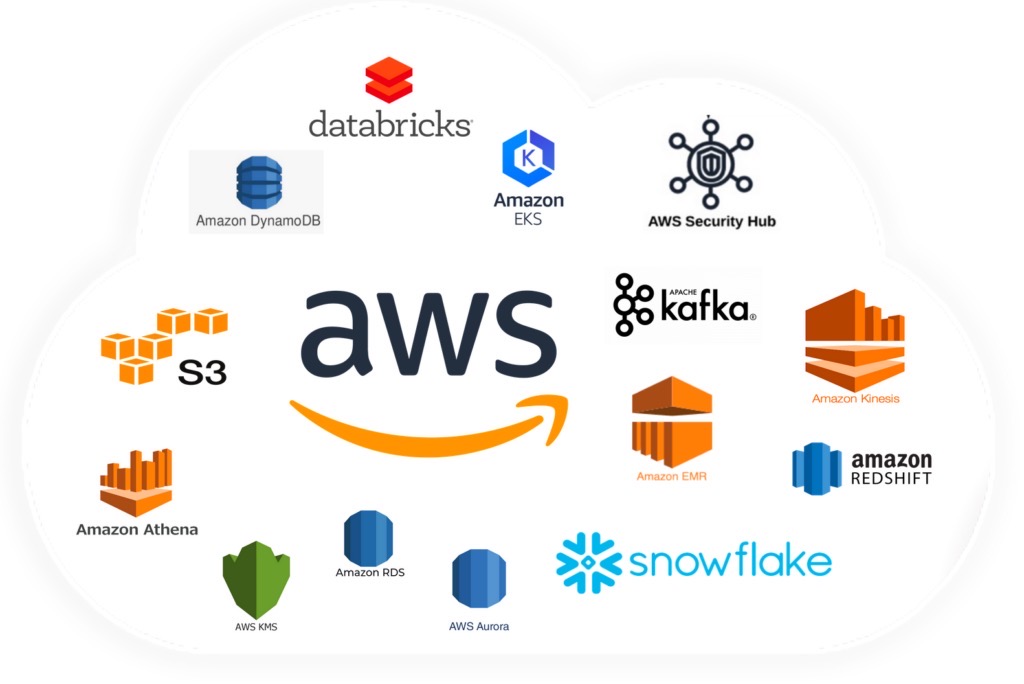
    Tools like Amazon EMR (Elastic MapReduce) and Amazon Redshift are designed to grow with your business. You can start small and scale your clusters or data warehouses based on workload—paying only for what you use. This elasticity is crucial for data-driven teams working on unpredictable workloads, especially in industries like retail, finance, and IoT.


    2. Massive Data Storage with Flexibility

    Storing vast volumes of structured and unstructured data is a big data challenge. AWS in big data solves this elegantly with services like:

    • Amazon S3: Ideal for storing large data lakes with robust security and availability.
    • Amazon Glacier: A low-cost solution for long-term archival data.
    • AWS Lake Formation: Quickly set up secure data lakes and manage access with precision.

    What sets AWS apart is the integration between storage, analytics, and machine learning tools. You’re not just storing data—you’re preparing it for deep insights.


    3. Advanced Analytics Made Simple

    Gone are the days when big data analytics was reserved for data scientists. With AWS in big data, analytics is accessible, intuitive, and incredibly powerful. Services like:

    • Amazon Athena: Allows SQL queries directly on S3 data without moving it.
    • AWS Glue: A serverless data integration service for preparing and loading data.
    • Amazon QuickSight: A fast, cloud-powered business intelligence (BI) service.

    These services democratize data, letting teams across departments run queries, generate dashboards, and visualize trends—without coding or hardware overhead.


    4. Integrated Machine Learning Capabilities

    What makes AWS in big data truly futuristic is how seamlessly it integrates machine learning (ML). With Amazon SageMaker, data teams can:

    • Build, train, and deploy ML models at scale.
    • Automate workflows with built-in algorithms and AutoML.
    • Monitor models with explainability and bias detection tools.

    By combining big data with ML on AWS, businesses can unlock predictive insights—forecasting sales, detecting fraud, personalizing customer experiences, and much more.


    5. Real-Time Data Streaming for Instant Decisions

    In industries like finance, gaming, and e-commerce, real-time data isn’t a luxury—it’s a necessity. AWS in big dataaddresses this through:

    • Amazon Kinesis: Real-time data ingestion and analytics.
    • AWS Lambda: Serverless functions that respond to data triggers.
    • Amazon MSK (Managed Streaming for Apache Kafka): A fully managed service to run real-time apps.

    These tools empower businesses to act on data the moment it arrives—whether it’s fraud detection in fintech or personalization in e-commerce.


    6. Ironclad Security and Compliance

    When it comes to AWS in big data, trust and security are built-in. AWS ensures:

    • End-to-end encryption for data at rest and in transit.
    • IAM (Identity and Access Management) for detailed user permissions.
    • Audit trails via AWS CloudTrail and AWS Config.

    Moreover, AWS complies with major regulations like GDPR, HIPAA, and ISO, making it a secure home for sensitive data across industries like healthcare and finance.


    7. Cost Optimization at Every Level

    Unlike traditional on-prem setups, where you’re locked into costly hardware, AWS in big data provides a pay-as-you-go model. With tools like AWS Cost ExplorerSavings Plans, and Spot Instances, businesses can optimize spend without sacrificing power.

    Even at scale, AWS helps organizations control budget leakage by auto-scaling resources and suggesting cost-saving measures proactively.


    Software Development and AWS: A Synergistic Force

    Modern software development is heavily data-driven. Whether you’re building mobile apps, web platforms, or backend systems, your application is likely interacting with vast datasets.

    Here’s where AWS in big data shines for developers:

    • Seamless APIs for integrating S3, DynamoDB, and Redshift.
    • DevOps-friendly tools like AWS CodePipeline and CodeBuild.
    • Cloud-native architecture for microservices and containerized workloads via ECS and EKS.

    For developers, it means faster deployments, deeper insights, and the ability to iterate with real-world feedback drawn directly from data.


    Case Study: E-Commerce at Scale

    Let’s take an example. A mid-sized e-commerce company wanted to personalize user experience in real-time during peak holiday traffic. Using AWS in big data, they:

    • Collected clickstream data through Amazon Kinesis.
    • Processed user behavior using AWS Lambda.
    • Built ML models in SageMaker to recommend products.
    • Visualized customer trends in QuickSight dashboards.

    Result? 25% increase in average cart value and 40% improvement in customer retention. This is the kind of transformation AWS makes possible.


    Real-World Applications of AWS in Big Data

    Here’s a glance at industries benefiting from this powerful combo:

    Healthcare:

    • Predicting patient readmissions.
    • Managing clinical records.
    • Detecting disease outbreaks using real-time data.

    Automotive:

    • Autonomous vehicle telemetry processing.
    • Predictive maintenance.
    • Customer behavior analytics.

    Finance:

    • Real-time fraud detection.
    • Credit scoring.
    • Personalized investment advice.

    Gaming:

    • Player behavior tracking.
    • Dynamic content generation.
    • In-game monetization optimization.

    AWS provides the reliability, speed, and depth these industries need to innovate continuously.


    Best Practices for Implementing AWS in Big Data Projects

    1. Define a Data Strategy: Don’t just migrate—align your data goals with business objectives.
    2. Choose the Right Tools: Don’t overcomplicate. Start with core services like S3, Glue, and Redshift.
    3. Secure Early, Scale Smoothly: Apply IAM and encryption from day one.
    4. Use Serverless Where Possible: Lambda and Glue reduce operational complexity.
    5. Monitor and Optimize Continuously: Use AWS CloudWatch, Cost Explorer, and performance metrics.

    Challenges and How AWS Helps Overcome Them

    ChallengeAWS Solution
    Data silosAWS Lake Formation
    Real-time analyticsAmazon Kinesis
    Data preparation complexityAWS Glue
    High infrastructure costAuto-scaling + Spot Instances
    Security concernsIAM, KMS, CloudTrail

    With the right architecture and approach, AWS mitigates common big data bottlenecks efficiently.


    The Future of AWS in Big Data: 2025 and Beyond

    As we move into a future powered by AIIoT, and hyper-personalizationAWS in big data will only become more integral. The emergence of generative AIedge computing, and quantum data processing will open new doors—most of which will run on scalable, intelligent platforms like AWS.

    The power of AWS lies in its vision: a world where data is no longer a burden but an asset that propels innovation, empowers employees, and delights customers.


    Conclusion: Why AIBuzz Recommends AWS for Big Data Success

    At AIBuzz, we believe that AWS in big data is not just a platform—it’s a strategic advantage. Whether you’re a startup, SMB, or enterprise, adopting AWS ensures your big data operations are secure, scalable, and future-ready.

    As experts in IT and tech services, our team at AIBuzz helps businesses harness the full potential of cloud and data. From consultation to implementation, we bring data to life—and AWS is our go-to partner for that journey.


  • 9 Powerful Reasons Why IT Systems Support Is Essential for Modern Businesses

    9 Powerful Reasons Why IT Systems Support Is Essential for Modern Businesses

    In today’s fast-paced digital economy, reliable IT systems support isn’t just a necessity—it’s a growth enabler. From streamlining daily operations to enhancing data security, businesses of all sizes are recognizing the undeniable value of robust IT infrastructure. Whether you’re a startup or a large enterprise, having a dependable IT support system can give your company the edge it needs to thrive in a highly competitive environment.

    In this blog, we’ll explore 9 powerful reasons why IT systems support is essential for businesses in 2025, especially when aligned with strategic goals like cybersecurity, productivity, and customer satisfaction. We’ll also take a quick dive into software development, the backbone of digital transformation. Ready? Let’s dive in.


    1. Ensures Business Continuity and Minimizes Downtime

    Downtime is the silent killer of productivity. Without dedicated IT systems support, even minor technical issues can escalate into significant problems, leading to delays, client dissatisfaction, and loss of revenue. Professional IT support teams proactively monitor systems, identifying potential threats before they become costly disruptions.

    In fact, companies with consistent IT support experience up to 60% less downtime than those without.


    2. Boosts Cybersecurity and Data Protection

    Cyberattacks are evolving rapidly. In 2025, ransomware, phishing, and data breaches continue to threaten businesses globally. A strong IT systems support service offers layered protection—firewalls, real-time monitoring, encryption, and threat detection.

    It’s not just about having antivirus software anymore. It’s about having a team of cybersecurity experts who can adapt to ever-changing digital threats and protect sensitive information.


    3. Enhances Employee Productivity

    When systems are running smoothly, employees can focus on their actual work—not troubleshooting printer issues or slow networks. Reliable IT systems support eliminates daily frustrations that cause productivity to drop.

    Help desks, automated ticketing systems, and remote troubleshooting tools allow employees to get the help they need instantly, without bottlenecks or delays.


    4. Offers Scalable Solutions for Growing Businesses

    Scalability is a hallmark of great IT systems support. As your business expands, so do your technology requirements. Whether it’s integrating new software, expanding cloud storage, or adding users to a network, IT support ensures these changes happen smoothly.

    Scalable support allows your tech infrastructure to grow alongside your business without unnecessary costs or downtime.


    5. Drives Smarter Decision-Making Through Data Analytics

    With the help of IT teams, businesses can harness real-time data to make smarter decisions. Analytics tools and dashboards require smooth integration, secure access, and real-time performance. Behind the scenes, IT systems supportensures these systems work together without a hitch.

    From sales trends to customer feedback, proper IT backing allows teams to analyze and act on data, creating a competitive edge.


    6. Provides Reliable Cloud Integration and Support

    Cloud computing is no longer optional. Businesses rely on cloud platforms for storage, collaboration, CRM, and more. IT systems support helps companies migrate to the cloud, maintain uptime, manage backups, and ensure seamless integration.

    A trusted IT team also monitors cloud security, ensuring data integrity and regulatory compliance, which is especially critical in industries like finance and healthcare.


    7. Reduces Operational Costs Over Time

    Hiring full-time IT staff for every need is expensive. With professional IT systems support, you get access to a wide pool of expertise at a fraction of the cost. Many support teams operate on a subscription or pay-as-you-go basis, allowing for better budget control.

    Predictable costs, fewer emergencies, and proactive maintenance mean long-term savings for your business.


    8. Improves Customer Experience

    Today’s customers expect fast, seamless service. Whether it’s a mobile app, website, or CRM platform, every touchpoint matters. If your systems are slow, outdated, or frequently offline, it reflects poorly on your brand.

    Behind a stellar customer experience lies strong IT systems support—ensuring your platforms work efficiently, your data is secure, and your support channels are always online.


    9. Strengthens Compliance and Industry Regulations

    From GDPR to HIPAA, businesses must comply with a wide range of data regulations. IT systems support ensures your business remains compliant by implementing the right data governance policies, audit trails, encryption standards, and user access controls.

    This is especially important in industries like legal, financial, and healthcare, where compliance is non-negotiable.


    A Quick Note on Software Development

    Software development plays a foundational role in IT infrastructure. It involves designing, creating, testing, and maintaining applications that serve specific business needs. Whether you’re building an e-commerce platform, automating internal processes, or developing custom CRMs, the software you use must be secure, scalable, and user-friendly.

    Behind every efficient software application is a strong IT team that ensures it integrates seamlessly with your business systems and provides ongoing support.


    IT Systems Support in Action: Real-World Example

    Let’s say you’re a mid-sized healthcare provider adopting telehealth services. You’ll need secure video conferencing, protected patient data storage, and real-time system monitoring. Without expert IT systems support, integrating all these technologies while remaining compliant with HIPAA would be nearly impossible.

    With IT support, not only is the infrastructure solid, but you’ll also have access to immediate help if something goes wrong—ensuring uninterrupted patient care and satisfaction.


    Choosing the Right IT Systems Support Provider

    When selecting an IT partner, look for:

    • Experience with your industry
    • 24/7 monitoring and support
    • Flexible and scalable service plans
    • Proactive threat detection
    • Data backup and disaster recovery

    Make sure they align with your business goals and are capable of growing with you.


    Future-Proofing Your Business with IT Systems Support

    As emerging technologies like AI, IoT, and blockchain become mainstream, businesses must stay prepared. Having a reliable IT systems support team ensures your business can adopt these innovations without breaking your existing systems.

    Think of IT support not just as a service—but as a strategic asset in your digital transformation journey.


    Conclusion: Why AIbuzz is Your Perfect IT Partner

    At AIbuzz, we specialize in future-ready IT systems support and advanced tech solutions that help your business thrive. From managing complex networks to developing cutting-edge software, our experts ensure your operations are smooth, secure, and scalable. Whether you’re a startup or an enterprise, AIbuzz provides reliable support that empowers growth.

    And don’t forget—our IT and tech services go beyond just support. We bring innovation into action with AI integration, big data solutions, software development, and digital transformation strategies tailored to your goals.