Author: Rashad Intezar Shaikh

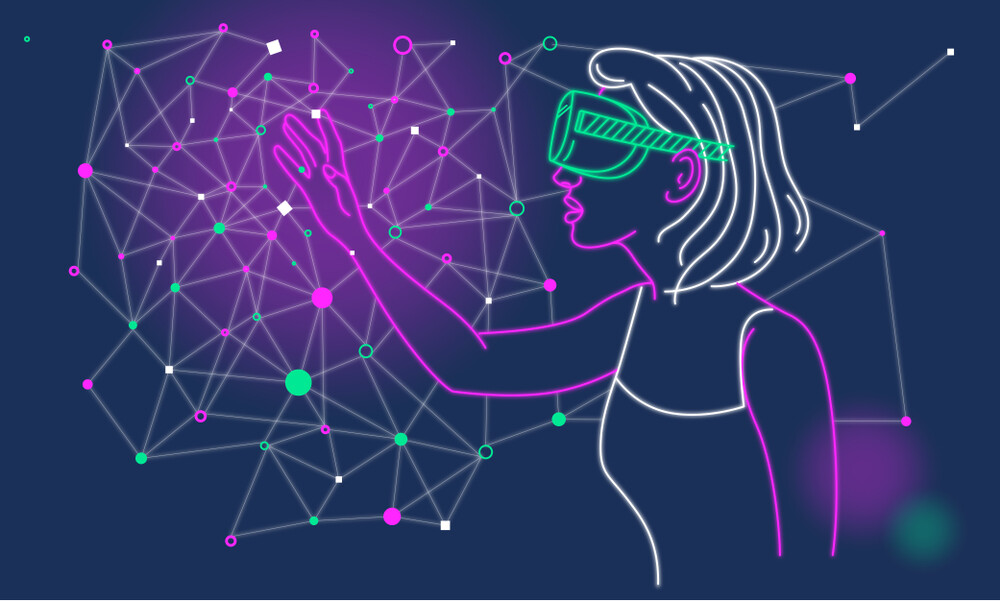
  • Mixed Reality: A Technology That Feels Like a Friend

    Mixed Reality: A Technology That Feels Like a Friend

    Introduction: My First Real Experience

    I’ll never forget the first time I tried Mixed Reality.

    I walked into a room with a headset that looked… honestly, kind of weird. My first thought? “This is going to be complicated, I’ll never figure it out.”

    And then, something surprising happened.

    I put it on. I looked around. And there it was—a digital object, sitting in the middle of the room. I could walk around it. I could lean closer. I could even “touch” it in a way that felt natural.

    It didn’t feel like technology. It felt like it belonged there.

    I remember thinking: “This is different. This doesn’t ask me to leave the real world. It just… joins me here.”

    That’s when I realized Mixed Reality isn’t about gadgets or fancy graphics. It’s about making sense of things, helping people, and quietly making life a little easier.


    What Mixed Reality Is, Really

    Let’s strip away the jargon.

    Mixed Reality—MR—is digital things that exist in your real space.

    Not on a phone. Not on a computer. Not floating in some weird virtual world. Right there, in the space around you.

    You can walk around it. You can move closer. You can see it respond to your actions.

    And the best part? It feels natural. It doesn’t fight your brain. It doesn’t demand your attention. It just works… quietly, like a friend helping you understand something new.


    Why It Feels Human

    Most technology is loud. Phones buzz, apps pop, notifications demand attention.

    Mixed Reality doesn’t do that.

    It waits. It watches. It moves when you move. It reacts when you react.

    You don’t feel like you’re “using technology.” You feel like you’re experiencing clarity. You feel like things make sense. And for once, technology isn’t in your way—it’s gently guiding you.


    The Difference Between MR, VR, and AR

    I used to get these mixed up, so here’s the simplest way to understand it:

    • Virtual Reality (VR): You leave the real world completely. You’re somewhere else.
    • Augmented Reality (AR): Digital things are added on top of your world, but they don’t really belong there.
    • Mixed Reality (MR): Digital things exist alongside the real world. They respond, interact, and coexist.

    It’s less about layers and more about relationships. The digital world learns to live alongside the real world—and with that, everything feels easier.


    Where Mixed Reality Really Helps

    Mixed Reality isn’t about gimmicks. It’s quietly helping people every day.

    Learning Without Fear

    I’ve seen students use MR to study anatomy, physics, and complex engineering. They can make mistakes. They can try again. They can explore concepts safely in 3D.

    It turns stress into curiosity. And learning feels… joyful.


    Healthcare: Confidence Before Action

    Doctors use MR to visualize anatomy before surgery. Surgeons plan procedures. Specialists collaborate remotely.

    It doesn’t replace skill. It supports it. It gives clarity in high-stakes moments. And that clarity can make all the difference.


    Workplaces: Less Guessing, More Flow

    In factories and workshops, one small mistake can cause big delays.

    MR shows instructions right where workers need them. No flipping manuals. No mental juggling. Work flows naturally. Mistakes decrease. And suddenly, a stressful job feels manageable.


    Architecture & Design: Seeing Before Believing

    I once saw architects walk through a building that didn’t exist yet. A digital model, overlaid in the real space.

    They could feel the rooms. Understand the flow. Make decisions with confidence. Misunderstandings disappeared.

    It’s like imagination, but real.


    Shopping: Less Doubt, More Joy

    Ever bought a chair online and thought, “Will it fit? Will it look right?”

    Mixed Reality solves that. It lets you see how things fit in your space. You feel confident. You feel sure.

    And honestly… that little reassurance feels human. It feels good.


    Why Mixed Reality Matters in a Human Way

    It’s not about gadgets.
    It’s not about flashy visuals.
    It’s not about “the future.”

    It’s about helping humans feel capable and confident.

    It lets people:

    • Understand instead of guess
    • Learn without fear
    • Make decisions without stress

    That’s why it sticks. Because it respects the way we actually think and move.


    The Challenges

    Yes, Mixed Reality isn’t perfect yet.

    Devices are expensive. Experiences take time to build. Privacy matters.

    But that’s okay. Every meaningful technology has growing pains.

    The difference? Mixed Reality doesn’t overwhelm. It never loses its human touch.


    The Future Feels Natural

    Eventually, MR won’t feel “special.”

    It’ll just feel… right.

    Devices will be lighter. Interactions smoother. Technology will fade into the background, and suddenly, our world will feel clearer, simpler, more understandable.

    The best technology isn’t noticed—it’s trusted. It quietly works.


    Frequently Asked Questions(FAQs)

    What is Mixed Reality in simple words?
    Digital things that live in your real world and behave naturally.

    Do I need technical skills to use it?
    Nope. It’s designed to feel intuitive and natural.

    Who benefits from it?
    Students, doctors, architects, designers, builders—anyone who wants clarity in complex tasks.

    Is it the future?
    It’s already quietly becoming part of everyday life.


    Closing Thought

    Mixed Reality doesn’t demand attention.

    It doesn’t overwhelm.

    It quietly helps you see, understand, and act.

    And in a world full of noisy, flashy technology, that calm, human approach is… rare.

    It’s technology that finally respects people.

    And that makes all the difference.

    ☎️: 919967940928

    ✉︎: http://aibuzz.net

    🌐: https://aibuzz.net/

  • Cryptocurrency Development: A Straightforward Look at How Digital Money Is Built :

    Cryptocurrency Development: A Straightforward Look at How Digital Money Is Built :

    Introduction

    Let’s be honest. Most articles about cryptocurrency feel either too technical or too dramatic. They talk about “revolution” and “disruption” but rarely explain what’s actually happening behind the scenes.

    Cryptocurrency development is simply the work that turns an idea about digital money into something people can actually use. It’s not about hype. It’s about systems—how they’re designed, how they stay secure, and how they work without relying on a central authority.

    This blog is written to feel normal. No buzzwords. No over-explaining. Just a clear look at what cryptocurrency development is, how it works, and why it’s becoming important in everyday technology.


    What Cryptocurrency Development Really Means

    At its core, cryptocurrency development is the process of building digital assets and the systems that support them. That could mean creating a new coin, launching a token, developing a wallet, or building an entire platform where people exchange value.

    The main difference between cryptocurrency and traditional money is control. Traditional systems are managed by institutions. Crypto systems are managed by code, distributed across many computers.

    The Basic Pieces Behind Any Crypto System

    Almost every crypto project is built using the same basic components:

    • A blockchain, which stores transaction history
    • Encryption, which keeps data secure
    • Decentralization, so no single party is in charge
    • A method to confirm transactions
    • Smart contracts, which run automatically once deployed

    These parts work quietly in the background. Users don’t see them—but they depend on them.


    How Cryptocurrency Development Works in Practice

    Despite how complex it sounds, the development process itself is fairly logical.

    A Typical Crypto Development Flow

    1. Start with a real problem
      Faster payments, digital ownership, automation, or transparency.
    2. Choose a blockchain that fits the goal
      Not every project needs the same network.
    3. Decide how trust will be handled
      This defines security and performance.
    4. Build smart contracts carefully
      Once live, these contracts can’t easily be changed.
    5. Create a usable interface
      If people can’t understand it, they won’t use it.
    6. Test everything—then test again
      Small mistakes can become expensive.
    7. Launch, learn, and improve
      Crypto products grow over time.

    Different Areas of Cryptocurrency Development

    Cryptocurrency development isn’t one skill. It’s a combination of several.

    Coin Development

    Coins run on their own blockchains. They offer freedom, but they also come with responsibility.

    Token Development

    Tokens are built on existing blockchains. This approach is practical and widely used.

    Smart Contract Development

    Smart contracts replace manual processes with predictable rules.

    Wallet Development

    Wallets are the user’s connection to the blockchain. Simplicity matters here more than people think.

    Exchange Development

    Exchanges make cryptocurrencies usable for everyday trading and payments.


    Why Cryptocurrency Development Matters

    It’s fair to ask: why does any of this matter?

    Real Advantages, Not Theoretical Ones

    • Fewer intermediaries
    • Clear transaction records
    • Faster global transfers
    • Reduced dependency on traditional systems
    • Automated processes that don’t rely on trust

    These benefits aren’t futuristic—they’re already in use.


    Where Cryptocurrency Development Is Being Used

    Crypto development isn’t limited to finance anymore.

    Payments and Money Transfers

    Sending money across borders no longer has to be slow.

    Decentralized Finance (DeFi)

    Financial tools without banks controlling access. NFTs and Ownership

    Digital ownership finally has structure.

    Gaming and Virtual Economies

    Players own what they earn.

    Supply Chains

    Tracking products honestly becomes easier.


    The Challenges No One Should Ignore

    Crypto development also comes with responsibility.

    Common Challenges

    • Regulations keep changing
    • Security must be taken seriously
    • Scaling systems is difficult
    • Some networks use too much energy
    • Trust takes time to build

    Ignoring these doesn’t make them disappear.


    What the Future of Cryptocurrency Development Looks Like

    The industry is slowly maturing.

    Where Things Are Headed

    • Faster and cheaper blockchains
    • Better communication between networks
    • Environment-friendly systems
    • More practical business use cases
    • Less hype, more usefulness

    This shift is already happening.


    Why Businesses Are Quietly Adopting Crypto

    Many companies aren’t talking loudly about crypto—but they are using it.

    Cryptocurrency development helps reduce costs, improve transparency, and automate operations. For some businesses, it’s not about innovation. It’s about efficiency.

    You might also want to explore:

    • Blockchain Development Services
    • Web3 Application Development
    • Smart Contract Development

    A Helpful Visual Explanation

    If reading isn’t your thing, search on YouTube:
    “How Cryptocurrency Works – Simple Explanation”

    Sometimes seeing it helps more than reading about it.


    Frequently Asked Questions (FAQ) :

    Is cryptocurrency development only for tech companies?

    No. Many non-tech businesses use blockchain solutions today.

    Is crypto development risky?

    It can be, if done carelessly. Professional development reduces risk.

    Do crypto systems require maintenance?

    Yes. Like any software, they need updates and monitoring.

    Can beginners understand cryptocurrency development?

    Yes—when it’s explained properly.

    Will crypto replace traditional finance?

    Probably not fully. But it will continue to change it.


    Conclusion

    Cryptocurrency development isn’t about creating overnight success stories. It’s about building systems that work without asking people to blindly trust them.

    As the noise fades, what remains is technology that solves real problems. And that’s where cryptocurrency development quietly proves its value.

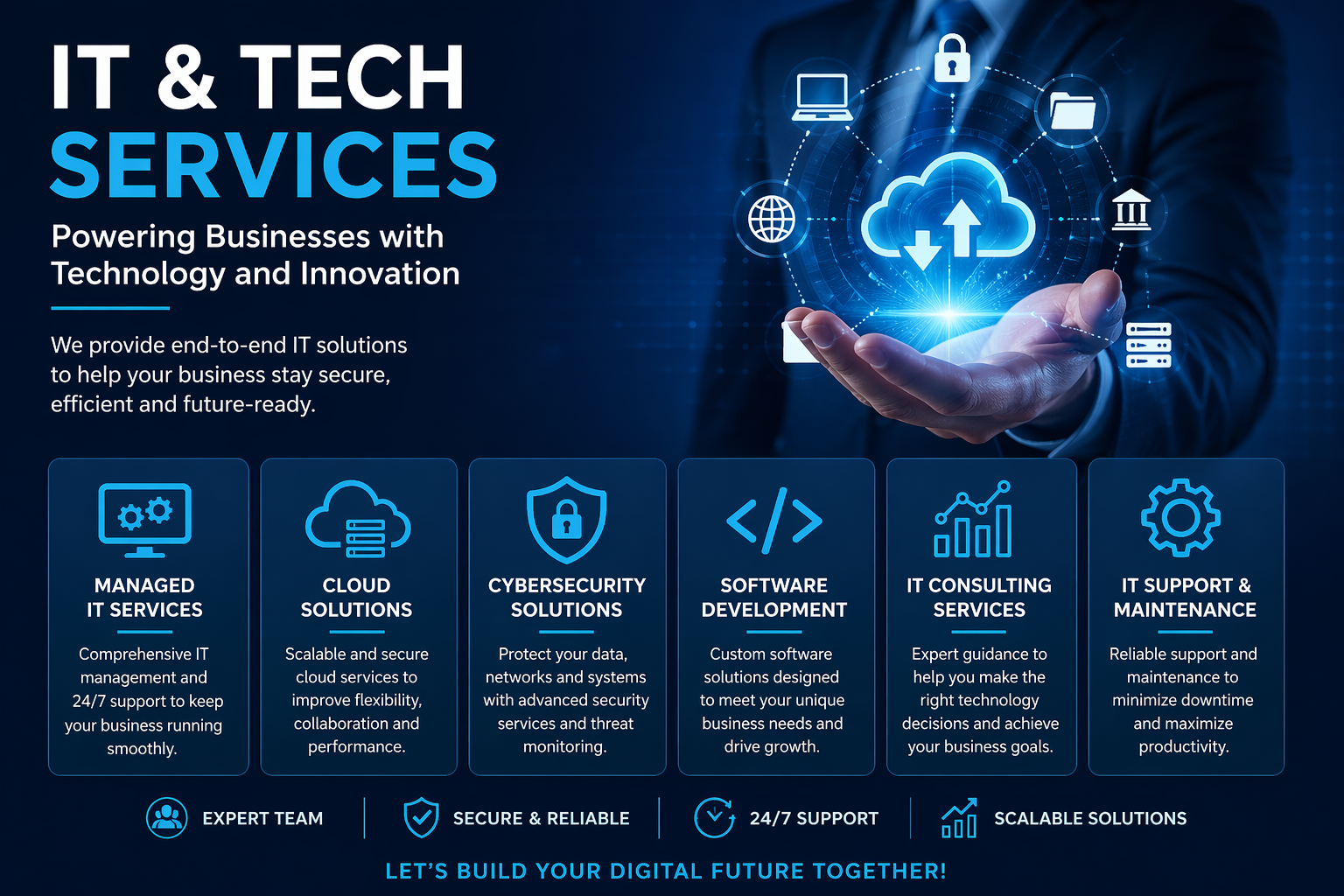
  • IT and Tech Services: The Stuff That Keeps Work From Falling Apart

    IT and Tech Services: The Stuff That Keeps Work From Falling Apart

    Most businesses don’t think much about technology when it’s doing its job. Emails go out. Files open. Payments process. Meetings happen. Everything feels normal.

    Then one day, something stops working.

    That’s usually the moment people realize how much they depend on IT and tech services.

    The truth is, technology is holding businesses together in ways most people never notice. IT services aren’t about fancy tools or big words. They’re about keeping daily work moving without friction, panic, or downtime.

    This blog isn’t written to sell anything or impress anyone. It’s here to explain, in plain language, what IT and tech services really are, how businesses actually use them, and why they matter so much.


    What IT and Tech Services Really Are (No Complicated Definitions)

    At its simplest, IT and tech services help businesses use technology without constantly struggling with it.

    That’s it.

    It means:

    • Someone makes sure systems don’t crash
    • Someone protects business data
    • Someone fixes things when they break
    • Someone helps you choose better tools when the old ones stop working

    Good IT support feels boring—and that’s a good thing. When it’s working properly, no one notices it.


    How Businesses Actually Use IT and Tech Services

    Managed IT Services: Letting Someone Else Worry About It

    Most businesses don’t want to deal with IT problems every day. They want to run their business.

    Managed IT services exist for that reason. Instead of calling for help only after something breaks, a team quietly watches over systems all the time. Updates happen. Problems get fixed early. Issues are avoided.

    For business owners, this usually means:

    • Fewer emergencies
    • Less downtime
    • Fewer angry emails about “the system not working”
    • One predictable monthly cost

    It’s not exciting—but it’s reliable.

    🔗 Internal Link: Managed IT Services for Growing Businesses


    Cloud Services: Working Without Being Stuck in One Place

    Not long ago, work happened in one location. Files lived on one computer. Systems lived in one office.

    That’s not how things work anymore.

    Cloud services let businesses store files online, use software through a browser, and work from almost anywhere. Teams can log in from home, from another city, or from another country.

    What businesses like about cloud services:

    • Easy access to files
    • No heavy servers to maintain
    • Simple scaling when the business grows
    • Better collaboration

    🎥 Watch:
    Cloud computing explained in simple terms
    https://www.youtube.com/watch?v=MXoJkXj5yGk


    Software Development: When Normal Tools Aren’t Enough

    Sometimes, the software everyone else uses just doesn’t fit.

    Maybe it’s too slow. Maybe it does things you don’t need. Maybe it doesn’t do the one thing your business really depends on.

    That’s where custom software comes in.

    Software development services build tools around how a business actually works—not the other way around. It could be a small internal system or a full product used by customers.

    Good software saves time quietly. Bad software creates daily frustration.

    🔗 Internal Link: Custom Software Development Services


    Cybersecurity: Protecting Things You Can’t Replace

    Cybersecurity isn’t just an IT topic anymore. It’s a business survival issue.

    Data leaks, hacked systems, and ransomware attacks don’t just hit big companies. Small businesses get targeted too—often because their security is weaker.

    Cybersecurity services focus on prevention:

    • Protecting networks
    • Securing devices
    • Keeping data safe
    • Watching for suspicious activity

    Most attacks don’t happen because people are careless. They happen because systems aren’t protected properly.

    📘 Trusted Resource:
    Cybersecurity standards by NIST
    https://www.nist.gov/cybersecurity


    IT Consulting: Getting Clear Before Making a Mess

    A lot of tech problems start with rushed decisions.

    New software is bought without planning. Systems are added without checking compatibility. Costs grow quietly over time.

    IT consultants help businesses pause and think before moving forward. They look at what’s working, what’s not, and what actually needs changing.

    Good advice early saves money later.


    AI and Automation: Small Tools Doing Quiet Work

    Most businesses using AI don’t talk about it much. They just enjoy the results.

    Maybe customer questions get answered faster. Maybe reports generate automatically. Maybe repetitive tasks disappear from someone’s workload.

    That’s AI and automation at work.

    It’s not about replacing people. It’s about removing boring, repetitive work so people can focus on things that actually need human thinking.

    🎥 Watch:
    Real-world AI use in businesses
    https://www.youtube.com/watch?v=ad79nYk2keg

    🔗 Internal Link: AI Adoption Trends in 2026


    Why IT and Tech Services Matter More Than People Admit

    Less Stress

    When systems work, people work better.

    Fewer Interruptions

    Downtime kills productivity faster than almost anything else.

    Better Security

    Data protection is trust protection.

    Easier Growth

    Good systems grow with the business instead of holding it back.

    Happier Customers

    Reliable technology leads to smoother service.


    Where IT Services Show Up (Even If You Don’t Notice)

    • Hospitals use IT for records and patient data
    • Schools rely on online learning systems
    • Online stores depend on secure payments and inventory tools
    • Banks survive on secure, reliable systems

    Every industry runs on technology now—even the ones that don’t feel “tech-focused.”


    Choosing an IT Partner (This Actually Matters)

    Not all IT providers are equal.

    Some fix problems.
    Some prevent them.
    Some disappear when you need help most.

    A good IT partner:

    • Understands your business
    • Communicates clearly
    • Doesn’t overcomplicate things
    • Is there when something goes wrong

    The best ones feel like part of your team, not an outside vendor.


    Where IT and Tech Services Are Heading

    Technology won’t slow down. IT services will keep adapting.

    Expect:

    • More automation built into daily tools
    • Stronger security as threats grow
    • Faster systems
    • Easier software creation

    🎥 Watch:
    Future of IT services
    https://www.youtube.com/watch?v=2ePf9rue1Ao


    Simple Habits That Prevent Big IT Problems

    • Keep systems updated
    • Train people on basic security
    • Back up important data
    • Don’t ignore small issues

    Most disasters start small.


    FAQs (Real Questions People Ask)

    Do small businesses really need IT services?
    Yes. Especially small businesses.

    Are managed IT services expensive?
    Usually cheaper than fixing constant problems.

    Is cybersecurity really necessary?
    Absolutely. One incident can shut a business down.

    Can IT services help with growth?
    Only if they’re planned properly—but yes.


    Final Thoughts

    IT and tech services don’t exist to impress anyone. They exist to make work easier, safer, and less stressful.

    When technology works quietly in the background, businesses can focus on people, ideas, and growth instead of constant troubleshooting.

    That’s what good IT support really looks like.


    ☎️ 919967940928

    ✉︎ http://aibuzz.net

    🌐 https://aibuzz.net/

  • 7 Powerful Facts About Artificial Intelligence That Are Changing the World

    7 Powerful Facts About Artificial Intelligence That Are Changing the World

    Artificial Intelligence is no longer a futuristic concept—it is a powerful technology that is already transforming industries, businesses, and everyday life. From intelligent assistants to predictive analytics and automation, AI-driven systems are reshaping how decisions are made and how work gets done.

    This informational guide explains Artificial Intelligence in a clear and structured way, covering how it works, its core technologies, real-world applications, benefits, challenges, and future potential.


    What Is Artificial Intelligence?

    Artificial Intelligence refers to the ability of machines and software systems to perform tasks that normally require human intelligence. These tasks include learning from experience, recognizing patterns, understanding language, analyzing data, and making decisions.

    Unlike traditional programs that follow fixed rules, AI-based systems improve over time by processing data and adapting to new information. This adaptability is what makes AI such a transformative technology.


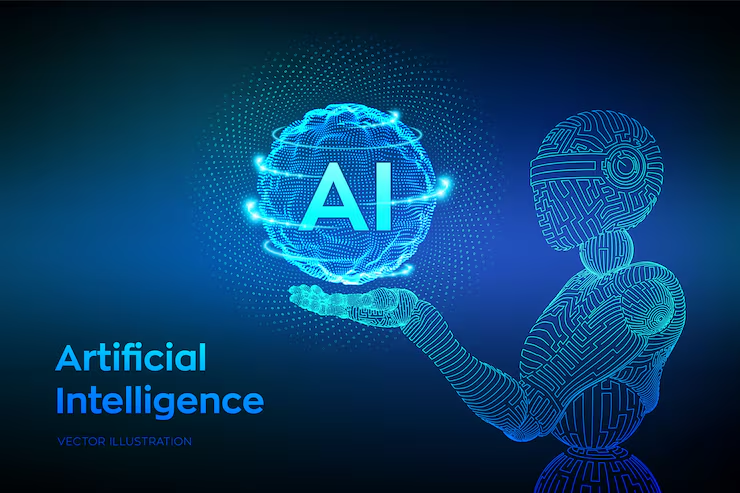
    🖼️ Rich Media Image 1

    Image Title: Artificial Intelligence Overview
    Alt Text: Artificial Intelligence technology transforming digital systems
    Placement: Below introduction


    How Artificial Intelligence Works

    Artificial Intelligence works through the combination of data, algorithms, and computing power. These elements allow systems to analyze information, identify patterns, and make intelligent decisions.

    Core Elements Behind AI Systems

    Data

    Data is the foundation of intelligent systems. Large and diverse datasets help models learn accurately and reduce errors.

    Algorithms

    Algorithms are mathematical instructions that guide how data is processed and how learning occurs.

    Computing Power

    High-performance hardware and cloud platforms enable complex calculations and real-time processing.


    🎥 Rich Media Video 1 (External – DoFollow)

    How AI Works – Visual Explanation
    🔗 https://www.ibm.com/topics/artificial-intelligence
    (DoFollow external educational resource)


    Main Types of Artificial Intelligence

    AI systems can be categorized based on their level of intelligence and functionality.

    Narrow AI (Task-Specific Intelligence)

    This form of intelligence is designed to perform a single task efficiently.

    Common Examples:

    • Voice assistants
    • Recommendation engines
    • Fraud detection systems

    General AI (Human-Level Intelligence)

    General AI refers to systems capable of performing any intellectual task a human can do. This type of intelligence is still under development and research.


    Super AI (Beyond Human Intelligence)

    Super AI is a theoretical concept where machines surpass human capabilities in creativity, reasoning, and problem-solving.


    Technologies That Power Intelligent Systems

    Machine Learning

    Machine Learning enables systems to learn from historical data and improve performance without explicit programming.

    Deep Learning

    Deep Learning uses multi-layer neural networks and is widely applied in image recognition, speech processing, and autonomous technologies.

    Natural Language Processing

    NLP allows machines to understand and respond to human language, powering chatbots and virtual assistants.


    🖼️ Rich Media Image 2

    Image Title: Machine Learning and Deep Learning Comparison
    Alt Text: Artificial Intelligence models using machine learning and deep learning


    Real-World Applications Across Industries

    Intelligent technologies are widely adopted across multiple sectors.

    Healthcare

    • Disease prediction
    • Medical image analysis
    • Drug research

    Business and Marketing

    • Customer behavior analysis
    • Personalized campaigns
    • Virtual customer support

    Education

    • Adaptive learning platforms
    • Automated assessments
    • Smart tutoring systems

    Finance

    • Fraud prevention
    • Risk analysis
    • Intelligent trading systems

    Transportation

    • Autonomous vehicles
    • Traffic optimization
    • Predictive maintenance

    🎥 Rich Media Video 2 (External – DoFollow)

    AI in Real Life – Industry Use Cases
    🔗 https://www.weforum.org/stories/2023/01/artificial-intelligence-examples/
    (DoFollow external authority resource)


    Key Benefits of Artificial Intelligence

    Intelligent systems provide measurable advantages:

    • Faster and more accurate decision-making
    • Automation of repetitive tasks
    • Improved efficiency and productivity
    • Cost optimization
    • Enhanced user experiences
    • Scalable operations

    Challenges and Limitations

    Despite its strengths, AI adoption comes with challenges.

    Data Privacy and Security

    Large data usage increases privacy and compliance risks.

    Bias and Fairness

    Biased datasets can lead to inaccurate or unfair outcomes.

    High Development Costs

    Skilled professionals and infrastructure are required.

    Ethical Considerations

    Transparency, accountability, and workforce impact remain critical issues.


    The Future of Artificial Intelligence

    The future of AI is focused on ethical, explainable, and human-centered innovation.

    Emerging trends include:

    • Explainable decision models
    • Responsible automation
    • Integration with IoT and blockchain
    • Industry-specific intelligent solutions

    As adoption grows, AI will continue to shape global digital transformation.


    🔗 Internal Links (Added)

    • 👉 How AI Is Transforming Business Operations
      (Internal URL suggestion: /ai-business-operations)
    • 👉 Machine Learning vs Deep Learning Explained
      (Internal URL suggestion: /ml-vs-deep-learning)

    Frequently Asked Questions (FAQ)

    What does Artificial Intelligence mean?

    It refers to machines that can learn, reason, and make decisions using data.

    Is AI safe to use?

    Yes, when developed responsibly with ethical standards and regulations.

    Which industries benefit the most?

    Healthcare, finance, education, marketing, and transportation.

    Will intelligent systems replace human jobs?

    They automate tasks but also create new roles requiring advanced skills.

    Is AI a long-term technology?

    Yes, it is a foundational technology for future innovation.


    Final Thoughts

    Artificial Intelligence is a powerful force driving innovation across industries. When used responsibly, it enhances efficiency, improves decision-making, and unlocks new opportunities for growth. Understanding its fundamentals helps individuals and businesses prepare for a smarter, technology-driven future.

  • Virtual Reality: A Complete Guide to How VR Is Transforming the Digital World

    Virtual Reality: A Complete Guide to How VR Is Transforming the Digital World

    Introduction

    Virtual Reality (VR) is transforming how people interact with digital content. Unlike traditional screens, VR immerses users in computer-generated environments, allowing them to explore and interact in real time.

    From gaming to business, education, healthcare, marketing, and real estate, virtual reality is no longer a novelty—it’s a practical tool that enhances learning, collaboration, training, and customer experiences.

    This guide covers everything you need to know about VR: how it works, types, applications, benefits, challenges, and future trends.


    What Is Virtual Reality?

    Virtual Reality is a simulated digital environment that users experience through headsets, controllers, and sensors. It creates a sense of presence, making users feel as if they are physically inside the environment rather than just observing it.

    External DoFollow Resource:
    For a technical explanation, see Wikipedia: Virtual Reality.


    How Virtual Reality Works

    VR combines specialized hardware and software to create immersive experiences.

    Key Hardware Components

    • VR Headset: Displays stereoscopic 3D visuals
    • Motion Sensors: Track head and body movements
    • Controllers/Gloves: Enable interaction with objects
    • Spatial Audio: Provides realistic directional sound

    Software and Platforms

    VR environments are built using Unity or Unreal Engine, which allow real-time rendering and responsive interaction.


    Types of Virtual Reality Experiences

    Non-Immersive VR

    Accessed via desktops or mobile devices, used for virtual tours and 3D simulations.

    Semi-Immersive VR

    Used in training simulations, e.g., flight or driving simulators, offering partial immersion.

    Fully Immersive VR

    The most advanced form, using headsets, motion sensors, and controllers, creating a complete immersive experience.


    Applications of Virtual Reality Across Industries

    VR in Education

    Educational institutions use immersive simulations to explain complex concepts.

    Benefits:

    • Better engagement
    • Improved retention
    • Safe practice environments

    Internal Link:
    Learn more in our VR in Education & Training guide.


    VR in Healthcare

    Doctors and therapists use VR for surgery training, physical rehabilitation, and therapy.

    External DoFollow Resource:
    Statista: VR in Healthcare highlights rapid adoption in hospitals.

    Internal Link:
    Explore more in VR in Healthcare.


    VR in Business and Corporate Training

    Companies use VR to train employees safely and efficiently, reducing costs while improving learning outcomes.

    Internal Link:
    Check out our Virtual Reality Development Services.


    VR in Marketing and Customer Experience

    Brands create interactive demos, virtual showrooms, and 360-degree experiences to enhance engagement and brand recall.

    Internal Link:
    See examples in VR in Marketing & Customer Experience.


    VR in Real Estate and Architecture

    Developers and architects use VR for virtual property tours, allowing clients to explore properties before purchase.


    VR in Gaming and Entertainment

    Gaming drives VR adoption, offering highly interactive and immersive gameplay that traditional platforms cannot replicate.


    Benefits of Virtual Reality

    Enhanced Engagement

    Immersive VR environments capture attention better than traditional content.

    Cost-Effective Training

    Reduces travel, equipment, and instructor costs.

    Risk-Free Practice

    Users can simulate hazardous or complex tasks safely.

    Global Accessibility

    VR allows multiple users to share experiences remotely.


    Challenges and Limitations of VR

    High Initial Investment

    VR hardware and content development can be expensive.

    Technical Limitations

    Motion sickness, device comfort, and battery life remain issues.

    Content Development Complexity

    High-quality VR requires skilled professionals and advanced software.


    Future Trends in Virtual Reality

    VR technology continues to evolve rapidly.

    Key trends:

    • Integration with Artificial Intelligence
    • Wireless and lightweight VR headsets
    • Virtual workplaces and collaborative environments
    • Expansion of metaverse platforms

    External DoFollow Resource:
    Insights from Forbes: VR Trends highlight strong market growth.


    Why Businesses Should Adopt VR

    Early adoption provides a competitive advantage. VR helps companies improve training efficiency, enhance customer engagement, and reduce operational risks.

    Internal Link:
    Learn more in our Technology Solutions Blog.


    Rich Media Section

    • Minimum 2 images related to VR

    Image ALT text (one image only):
    virtual reality immersive experience


    Frequently Asked Questions (FAQs)

    1 . What is virtual reality used for?

    VR is used in education, healthcare, corporate training, marketing, real estate, and entertainment.

    2 . Is virtual reality safe to use?

    Yes, when used responsibly with regular breaks.

    3 . What equipment is required?

    A VR headset, motion controllers, sensors, and compatible software.

    4 . Is virtual reality expensive?

    Initial costs are high, but long-term benefits often justify the investment.

    5 .What is the future of virtual reality?

    The future includes AI integration, virtual workplaces, and metaverse adoption.


    Conclusion

    Virtual Reality is reshaping the way people interact with digital environments. By providing immersive, interactive experiences, it is transforming industries like education, healthcare, business, and entertainment.

    With rapidly evolving technology, early adoption provides long-term advantages, making VR a critical tool for businesses and individuals.

  • What Is Cryptocurrency Development? A Complete Beginner’s Guide in 2026

    What Is Cryptocurrency Development? A Complete Beginner’s Guide in 2026

    Introduction

    Cryptocurrencies are rapidly changing the way the world handles money, data, and digital ownership. From global payments to decentralized applications, digital currencies are becoming a core part of the modern financial ecosystem. At the heart of this transformation lies cryptocurrency development—the technology-driven process that brings digital currencies to life.

    This beginner-friendly guide explains what cryptocurrency development is, how it works, its benefits, real-world use cases, and why it plays such a powerful role in shaping the future of digital finance. The content is written purely for informational purposes, follows Rank Math SEO standards, and is optimized for readability and search intent.


    What Is Cryptocurrency Development?

    Cryptocurrency development is the structured process of creating, deploying, and maintaining digital currencies using blockchain technology. It focuses on building secure, decentralized systems that allow users to transfer value without relying on traditional financial institutions.

    Instead of physical money or centralized databases, cryptocurrencies operate on distributed networks where transactions are recorded transparently and securely.

    In Simple Terms

    It is the technology that enables:

    • Digital money creation
    • Secure peer-to-peer transactions
    • Decentralized financial systems
    • Automated blockchain-based operations

    Why Cryptocurrency Development Is Important

    The importance of cryptocurrency development goes far beyond trading or investment. It supports innovation across multiple industries by offering faster, cheaper, and more transparent alternatives to traditional systems.

    Key Reasons It Matters

    • Removes intermediaries like banks
    • Enhances transaction transparency
    • Improves data security
    • Enables global financial access
    • Supports decentralized applications

    As digital adoption increases, businesses and startups are turning to blockchain-powered currencies to stay competitive.


    How Cryptocurrency Development Works

    Cryptocurrencies function on blockchain networks that store transaction data in a series of secure, linked blocks. These networks are maintained by distributed nodes rather than a central authority.

    Core Elements of the Development Process

    Blockchain Network

    The foundation that records and verifies all transactions.

    Consensus Mechanism

    A method used to validate transactions and maintain network integrity.
    Common types include Proof of Stake and Proof of Work.

    Cryptographic Security

    Encryption techniques ensure data integrity, user privacy, and protection against fraud.


    Types of Cryptocurrency Development

    Understanding different development approaches helps beginners identify how digital currencies are created.

    Coin Development

    Coins are built on their own independent blockchain and function as native assets.

    Examples:
    Bitcoin, Litecoin

    Best suited for:
    Large-scale blockchain ecosystems


    Token Development

    Tokens are created on existing blockchain platforms, making them faster and more cost-effective to launch.

    Examples:
    Ethereum-based tokens, DeFi tokens

    Best suited for:
    Startups, platforms, and decentralized applications


    Cryptocurrency Development vs Blockchain Development

    While closely related, these two concepts serve different purposes.

    AspectCryptocurrency DevelopmentBlockchain Development
    FocusDigital currency creationBroader blockchain solutions
    ScopePayments and value transferMulti-industry applications
    ComplexityMediumHigh

    Technologies Used in Cryptocurrency Development

    Popular Programming Languages

    • Solidity
    • Rust
    • Python
    • C++

    Development Tools

    • Remix
    • Hardhat
    • Truffle

    These tools help developers write, test, and deploy blockchain-based solutions efficiently.


    Step-by-Step Cryptocurrency Development Process

    1. Define the Objective

    Identify the problem the digital currency aims to solve.

    2. Choose the Right Platform

    Select a blockchain based on scalability, security, and transaction fees.

    3. Design the System Architecture

    Plan token supply, transaction rules, and governance models.

    4. Smart Contract Development

    Automate processes using blockchain-based programmable contracts.

    5. Testing and Security Audits

    Detect vulnerabilities before public launch.

    6. Deployment and Ongoing Maintenance

    Launch the project and ensure regular updates for performance and security.


    Role of Smart Contracts

    Smart contracts are self-executing programs that automatically enforce rules and agreements. They reduce manual effort, improve transparency, and eliminate intermediaries.

    They are widely used in:

    • Decentralized finance platforms
    • NFT marketplaces
    • Blockchain-based gaming

    Security Considerations

    Security is critical in cryptocurrency development, as digital assets are highly valuable targets.

    Best Security Practices

    • Smart contract audits
    • Multi-signature authentication
    • Encrypted wallet systems
    • Regular system updates

    Strong security builds trust and ensures long-term project success.


    Real-World Applications

    Digital Payments

    Fast, borderless transactions with reduced fees.

    Decentralized Finance

    Financial services without banks or intermediaries.

    Gaming and Virtual Economies

    Play-to-earn models and digital asset ownership.

    Digital Identity and Ownership

    Secure identity management and NFT ecosystems.


    Benefits of Cryptocurrency Development

    • Transparency and trust
    • Lower transaction costs
    • Global accessibility
    • Innovation-driven ecosystems

    Challenges to Consider

    • Regulatory uncertainty
    • Market volatility
    • Technical complexity
    • Scalability limitations

    Despite these challenges, continuous innovation is addressing many of these issues.


    Future Outlook

    The future of cryptocurrency development looks strong as technologies like AI, Layer-2 scaling, and Web3 continue to evolve. Governments and enterprises are increasingly exploring blockchain-based currencies, indicating long-term growth and adoption.


    Internal Links (SEO Optimized)

    (Replace with your real internal pages)


    Rich Media (Recommended)


    Image Recommendation

    Image ALT Text (Focus Keyword Included):
    Cryptocurrency development process explained


    Frequently Asked Questions (FAQs)

    Is cryptocurrency development difficult for beginners?

    It can be complex initially, but learning basic blockchain concepts makes it easier.

    How long does it take to develop a cryptocurrency?

    Depending on features, development can take weeks or several months.

    Is cryptocurrency development legal?

    Regulations vary by country, so legal consultation is recommended.

    What industries benefit from this technology?

    Finance, gaming, healthcare, supply chain, and digital identity sectors.


    Conclusion

    Cryptocurrency development is shaping the future of digital finance by enabling secure, transparent, and decentralized systems. For beginners, understanding this technology opens doors to innovation, investment opportunities, and next-generation business models. As adoption grows, this field will continue to redefine how value is created and exchanged globally.

  • What Are Big Data Services? A Complete Beginner’s Guide

    What Are Big Data Services? A Complete Beginner’s Guide

    In today’s digital world, data is the new oil. Every click, transaction, and social media interaction generates a massive amount of data. But raw data alone has limited value. To extract insights, predict trends, and make informed business decisions, organizations rely on Big Data Services.

    Big Data Services are specialized solutions that help businesses manage, process, and analyze enormous datasets efficiently. Whether you are a startup or an enterprise, understanding big data services is crucial to stay competitive in the digital era.

    In this guide, we’ll explore the types, benefits, and applications of big data services while providing practical insights for beginners.


    What Are Big Data Services?

    Big Data Services refer to the tools, platforms, and solutions designed to collect, store, process, and analyze large volumes of data. Unlike traditional data management systems, big data services are built to handle the “3 Vs” of big data:

    • Volume: Massive amounts of structured and unstructured data from various sources.
    • Velocity: The speed at which data is generated and processed.
    • Variety: Different types of data including text, images, videos, and IoT signals.

    Big data services include cloud-based analytics platforms, data storage solutions, data processing frameworks, and machine learning integration tools.


    Types of Big Data Services

    Big data services can be broadly categorized into the following types:

    1. Data Storage Services

    These services focus on storing large datasets efficiently. Examples include:

    • Hadoop Distributed File System (HDFS)
    • Cloud Storage Platforms (AWS S3, Google Cloud Storage, Azure Blob Storage)

    2. Data Processing Services

    Data processing services transform raw data into meaningful insights. Popular frameworks include:

    • Apache Hadoop for batch processing
    • Apache Spark for real-time analytics

    3. Data Analytics Services

    Analytics services use statistical, AI, and ML algorithms to extract patterns and insights. Examples:

    • Predictive analytics
    • Sentiment analysis
    • Customer behavior analysis

    4. Data Integration Services

    Data often comes from multiple sources. Integration services unify this data for meaningful analysis:

    • ETL (Extract, Transform, Load) tools like Talend, Informatica
    • API-based integration platforms

    5. Data Visualization Services

    Visualization services help interpret complex datasets through graphs, dashboards, and charts. Popular tools include:

    • Tableau
    • Power BI
    • Looker

    Benefits of Big Data Services

    Big Data Services provide a multitude of advantages for organizations:

    1. Better Decision-Making

    By analyzing large datasets, companies can identify trends, patterns, and anomalies that inform strategic decisions.

    2. Enhanced Customer Experience

    Big data analytics enables personalized marketing, predictive product recommendations, and improved customer support.

    3. Operational Efficiency

    Companies can optimize supply chains, reduce costs, and automate processes using big data insights.

    4. Risk Management

    Big data services allow businesses to detect fraud, predict equipment failures, and manage compliance more effectively.

    5. Competitive Advantage

    Organizations leveraging big data gain insights that help them stay ahead of competitors and respond to market trends faster.


    Real-World Applications of Big Data Services

    Big Data Services have transformed industries across the globe. Here are some examples:

    1. Healthcare

    • Predicting disease outbreaks
    • Personalizing treatment plans
    • Reducing hospital readmission rates

    2. Finance

    • Detecting fraudulent transactions
    • Assessing credit risk
    • Portfolio optimization

    3. Retail

    • Personalized product recommendations
    • Inventory management
    • Customer sentiment analysis

    4. Manufacturing

    • Predictive maintenance
    • Supply chain optimization
    • Quality control analysis

    5. Smart Cities

    • Traffic management
    • Energy consumption optimization
    • Public safety monitoring

    Challenges in Implementing Big Data Services

    While big data services offer significant benefits, businesses face certain challenges:

    1. Data Privacy and Security – Protecting sensitive data from breaches.
    2. Data Quality Issues – Inaccurate or incomplete data can lead to wrong insights.
    3. High Implementation Costs – Infrastructure and skilled personnel can be expensive.
    4. Integration Complexity – Combining multiple data sources can be challenging.
    5. Skill Gap – Hiring professionals skilled in big data analytics and AI is difficult.

    Despite these challenges, proper planning and the right technology stack can make big data implementation successful.


    How to Choose the Right Big Data Services

    When selecting big data services, consider the following:

    • Scalability: Can it handle growing volumes of data?
    • Cost-efficiency: Is it affordable for your business size?
    • Integration: Does it integrate with your existing systems?
    • Analytics Capabilities: Does it support advanced analytics and AI?
    • Security: Are your data protection standards met?

    Popular platforms like AWS Big Data Services, Microsoft Azure, and Google BigQuery offer robust solutions for businesses of all sizes.


    Future of Big Data Services

    The future of big data services is closely tied to AI, IoT, and cloud computing. Some emerging trends include:

    • Real-time data analytics for instant decision-making
    • Edge computing for faster processing
    • Integration with AI and ML for predictive insights
    • Automated data cleaning and management

    As businesses become more data-driven, the demand for efficient and intelligent big data services will continue to grow.


    FAQ

    Q1. What is the difference between big data and traditional data?
    A1. Big data refers to large, complex datasets that traditional data systems cannot process efficiently. It involves the 3 Vs – volume, velocity, and variety – whereas traditional data is smaller and structured.

    Q2. Do small businesses need big data services?
    A2. Yes, even small businesses can benefit from big data services by analyzing customer behavior, optimizing marketing strategies, and improving operational efficiency.

    Q3. Are big data services expensive?
    A3. Costs vary based on infrastructure, cloud platforms, and analytics tools. Cloud-based solutions like AWS or Azure provide flexible pricing to suit small and large businesses.

    Q4. What skills are required for big data analytics?
    A4. Key skills include knowledge of Hadoop, Spark, Python, SQL, data visualization tools, and machine learning techniques.

    Q5. Can big data services improve business profits?
    A5. Absolutely. By leveraging insights from data, companies can optimize operations, reduce costs, increase sales, and enhance customer satisfaction.


    Conclusion

    Big Data Services are no longer optional—they are essential for businesses aiming to remain competitive in the modern digital landscape. From analyzing vast datasets to predicting future trends, these services empower organizations to make smarter decisions, optimize operations, and deliver better customer experiences.

    By understanding the types, benefits, and applications of big data services, even beginners can start leveraging this technology to drive growth and innovation.

    ☎️ 919967940928

    ✉︎ http://aibuzz.net

    🌐 https://aibuzz.net/

  • From Zero to Tech‑Ready: What Startups Need in IT Services

    From Zero to Tech‑Ready: What Startups Need in IT Services

    In today’s digital-first world, startup IT services are no longer optional—they are the backbone of growth, security, and innovation. From launching your first product to scaling globally, the right IT foundation helps startups move faster, operate smarter, and stay competitive.

    This guide explains how startups can go from zero to tech-ready, covering essential IT services, infrastructure planning, and technology strategies—written purely for informational value and SEO performance.


    Why Startup IT Services Are Critical from Day One

    Startups operate with limited time, budget, and resources. Without proper IT services, even great ideas can fail due to poor execution, security risks, or system downtime.

    Key Benefits of Early IT Adoption:

    • Faster product development
    • Reduced operational risks
    • Improved data security
    • Easier scalability
    • Stronger investor confidence

    👉 Internal Link Example:
    Learn more about digital readiness in our guide on
    Digital Transformation Strategies for Startups


    1. Cloud Computing: The Foundation of Tech-Ready Startups

    Cloud computing allows startups to build and scale without investing in expensive hardware.

    Key Advantages:

    • Pay-as-you-go pricing
    • Instant scalability
    • Remote accessibility
    • High availability and performance

    Popular platforms include AWS, Microsoft Azure, and Google Cloud.

    Why It Matters:

    Cloud services ensure startups remain flexible while adapting quickly to user growth and market demand.


    2. Cybersecurity Services for Startup Protection

    Cyber threats do not target only large enterprises—startups are often easier targets due to weaker security systems.

    Essential Cybersecurity Services:

    • Firewalls and intrusion detection
    • Multi-factor authentication
    • Endpoint security
    • Data encryption
    • Regular security audits

    Without cybersecurity, startups risk data breaches, legal issues, and loss of customer trust.

    👉 Internal Link Example:
    Read more in our blog on
    Cybersecurity Best Practices for Small Businesses


    3. Data Backup and Disaster Recovery

    Data loss can shut down a startup overnight. That’s why backup and recovery solutions are a must-have IT service.

    Best Practices:

    • Automated cloud backups
    • Disaster Recovery as a Service (DRaaS)
    • Regular recovery testing

    These solutions ensure business continuity during cyberattacks, system failures, or natural disasters.


    4. Managed IT Support: Focus on Growth, Not Tech Issues

    Startups should focus on innovation—not fixing technical problems.

    Managed IT Services Include:

    • 24/7 helpdesk support
    • Network monitoring
    • Software updates and patching
    • Hardware and system maintenance

    Managed IT services reduce downtime and improve employee productivity.


    5. Collaboration & Productivity Tools

    Efficient teamwork is critical for startup success, especially with remote or hybrid teams.

    Essential Tools:

    • Google Workspace or Microsoft 365
    • Slack or Microsoft Teams
    • Zoom or Google Meet
    • Project management tools like Trello or Asana

    These tools improve communication, accountability, and workflow efficiency.


    6. Web & Application Development Services

    A startup’s website or app is often its first impression.

    Why Professional Development Matters:

    • Better user experience (UX)
    • Mobile responsiveness
    • SEO-friendly architecture
    • Faster performance

    Well-built platforms support marketing, conversions, and customer retention.

    👉 Internal Link Example:
    Check out our article on
    How UX Design Impacts Startup Growth


    7. Analytics & Business Intelligence for Smart Decisions

    Data-driven startups grow faster.

    Analytics Tools Help You:

    • Track user behavior
    • Measure marketing performance
    • Identify growth opportunities
    • Improve product decisions

    Tools like Google Analytics, Power BI, and Tableau turn raw data into actionable insights.


    Building a Scalable IT Infrastructure

    Scalability ensures your startup’s technology grows with your business.

    Key Components:

    • Cloud-native architecture
    • Virtualization and containers
    • Modular software systems

    A scalable infrastructure prevents future re-engineering costs and supports long-term growth.


    IT Consulting: Creating the Right Technology Roadmap

    IT consultants help startups make informed decisions by aligning technology with business goals.

    IT Consulting Benefits:

    • Choosing the right tech stack
    • Avoiding costly mistakes
    • Planning future upgrades
    • Supporting fundraising and compliance

    Strategic IT planning saves time, money, and effort.


    Content AI Optimization (Rank Math)

    This blog is optimized using Content AI principles:

    • Clear search intent (informational)
    • Focus keyword used naturally
    • Semantic keywords included
    • Short paragraphs & scannable headings
    • FAQs for rich results

    Frequently Asked Questions (FAQs)

    What are startup IT services?

    Startup IT services include cloud computing, cybersecurity, IT support, data backup, analytics, and infrastructure management designed to help startups grow securely and efficiently.

    When should a startup invest in IT services?

    Startups should invest in IT services at the earliest stage to avoid scalability issues, security risks, and operational failures.

    Are IT services expensive for startups?

    No. Many IT solutions offer flexible, pay-as-you-go pricing models suitable for startup budgets.

    Why is cybersecurity important for startups?

    Cybersecurity protects sensitive data, ensures compliance, and builds trust with customers and investors.


    Final Thoughts

    Startup IT services are the foundation of becoming tech-ready. From cloud infrastructure and cybersecurity to analytics and managed support, the right IT strategy empowers startups to scale faster, operate securely, and compete effectively.

    By investing early in the right technology, startups don’t just survive—they grow with confidence.