Author: Rashad Intezar Shaikh

  • Understanding IT and Tech Services: Your Go-To Guide

    Understanding IT and Tech Services: Your Go-To Guide

    In today’s world, technology is everywhere — powering businesses, connecting people, and making life easier in countless ways. But all that tech doesn’t just run on its own. Behind the scenes, IT and tech services keep everything humming smoothly. Whether you’re a business owner aiming to leverage technology or just curious about how these services impact your daily life, this guide will walk you through everything you need to know.

    Think of it as your friendly tour through the world of IT and tech services — what they are, why they matter, the types you might encounter, and how to pick the right ones for your needs. Plus, I’ve sprinkled in some helpful FAQs and cool resources so you can keep digging deeper.


    So, What Exactly Are IT and Tech Services?

    Let’s start simple. When we talk about IT services, we’re referring to all the behind-the-scenes work that keeps computers, networks, software, and data systems running smoothly. Imagine the tech equivalent of a pit crew in a racecar team—making sure everything’s in top shape so the car can perform at its best.

    Now, tech services is a bit broader. It includes everything from managing that tech infrastructure to helping you with your personal devices, building custom software, and integrating shiny new technologies like AI or cloud computing.

    Why Should You Care?

    Technology moves fast, and it’s easy to get overwhelmed. IT and tech services help by:

    • Making complex tech easy to use
    • Keeping your systems up and running without hiccups
    • Protecting your data from cyber baddies
    • Supporting remote work and seamless collaboration
    • Helping you stay ahead by adopting cool, innovative tech

    Breaking Down the Main Types of IT and Tech Services

    Here’s a quick tour of the main players in the IT services world:

    1. Network Management — The Digital Highway Crew :

    Networks connect everything — your computers, phones, printers, and more. Network management is all about:

    • Building and maintaining these connections securely
    • Monitoring performance so you don’t get traffic jams (or downtime!)
    • Managing hardware like routers and firewalls
    • Making sure your Wi-Fi is fast and reliable

    Real life example: Think about your local coffee shop’s payment system. Network management keeps all those transactions flowing smoothly, no matter how busy it gets.


    2. Cybersecurity — Your Digital Bodyguard :

    Cyber threats are real, and they’re getting craftier every day. Cybersecurity services include:

    • Scanning for vulnerabilities before hackers find them
    • Installing strong defenses like antivirus and firewalls
    • Responding quickly if something goes wrong
    • Training people to spot suspicious activity
    • Making sure businesses follow important laws about data

    Real life example: Hospitals use cybersecurity to protect sensitive patient records — that’s life-or-death stuff!


    3. Cloud Computing — Your Tech in the Sky :

    Cloud services let you store and access data and apps over the internet instead of a physical hard drive. This can mean:

    • Virtual servers and storage (IaaS)
    • Online platforms to build and run apps (PaaS)
    • Ready-to-use software accessed through a browser (SaaS)
    • Backup and disaster recovery

    Real life example: A startup can easily handle a sudden spike in website visitors during a product launch without buying expensive servers upfront.


    4. Technical Support — Your Tech Lifeline :

    Everyone hits a snag now and then. Tech support helps by:

    • Answering your calls, emails, or chats
    • Troubleshooting problems remotely or in person
    • Installing and updating software
    • Configuring devices so they just work

    5. Data Management and Analytics — Making Sense of the Numbers :

    Data is everywhere, but it only becomes useful when organized and analyzed:

    • Managing databases
    • Combining data from different sources
    • Creating easy-to-understand reports and dashboards
    • Using AI to predict trends and guide decisions

    Real life example: Online retailers analyze buying trends to send you personalized offers that actually interest you.


    6. Software Development — Tailored Tech for Your Needs :

    Sometimes off-the-shelf software doesn’t cut it. Custom software development includes:

    • Building apps for web and mobile
    • Customizing ERP/CRM systems to fit your business
    • Connecting different software through APIs
    • Thorough testing to make sure everything runs smoothly

    Why Do Businesses Literally Rely on IT and Tech Services?

    Working Smarter, Not Harder :

    IT services automate those boring, repetitive tasks so your team can focus on what really matters. For example, automated inventory systems keep stock levels just right, avoiding overstock or empty shelves.

    Locking Down Security :

    Protecting your business’s data and intellectual property isn’t optional—it’s essential. IT services build strong walls around your digital assets and keep watch 24/7.

    Growing Without Growing Pains :

    With cloud services, businesses can scale their technology up or down as needed—no costly guesswork or wasted resources.

    Bringing Innovation to Life :

    Tech services help you tap into exciting innovations like AI and IoT to create new products, improve customer experiences, and find fresh revenue streams.

    Keeping the Lights On :

    Disaster recovery plans mean your business can bounce back quickly from outages or cyberattacks.

    Want to dive deeper? Check out our Cloud Computing Benefits blog.


    How Do IT and Tech Services Touch Your Everyday Life? :

    It’s not just businesses that benefit. Everyday people do too:

    • Reliable internet and Wi-Fi keep you connected for work, school, and socializing
    • Streaming movies, gaming, and social networks depend on solid tech infrastructure
    • Personal firewalls and antivirus software keep your devices safe
    • Cloud storage means your photos, documents, and music are always within reach
    • Online courses and tutorials help you learn new skills on your schedule

    What’s Hot in IT and Tech These Days?

    Artificial Intelligence (AI) and Machine Learning :

    AI is taking over routine IT tasks, like monitoring systems and spotting threats early. It also helps businesses predict what’s coming next.

    Edge Computing :

    Instead of sending data all the way to a central server, edge computing processes it closer to where it’s created — speeding up everything from smart devices to self-driving cars.

    Zero Trust Security :

    This security approach assumes no one’s trustworthy by default — everyone and everything must prove who they are every time.

    Hybrid and Multi-Cloud Solutions :

    Businesses mix private and public clouds to get the best of both worlds — flexibility, cost savings, and security.

    5G Connectivity :

    The new 5G networks bring lightning-fast speeds and low latency that will revolutionize remote work and smart technology.

    Learn more on TechRadar’s IT Services Insights.


    How Do You Pick the Right IT and Tech Service Partner? :

    Here’s what I’d look for:

    • Experience in your industry — they’ll get your unique challenges and needs.
    • Range of services — from infrastructure to cloud, security, and support.
    • A solid reputation — check reviews, testimonials, and certifications.
    • Responsive customer service — you want help fast, anytime.
    • Security standards — they should be up-to-date with the latest protections.
    • Flexible and scalable — as you grow, your provider should too.
    • Clear pricing — no surprises or hidden fees.

    For a step-by-step guide, visit our IT Service Provider Selection Guide.


    Frequently Asked Questions (FAQs)

    What’s the real difference between IT services and tech services? :

    IT services mainly focus on managing business tech infrastructure — networks, servers, and data. Tech services include that plus consumer tech help, software development, and new technologies.

    How can small businesses benefit from IT services? :

    They get access to powerful technology, improve efficiency, boost security, and scale without major upfront costs.

    What exactly is cloud computing? :

    It’s using internet-based servers and software so you don’t need to own or maintain physical hardware.

    How do IT services help with cybersecurity?:

    By identifying risks, installing security tools, training staff, and responding to threats quickly.

    Can IT services help me work remotely? :

    Definitely! VPNs, secure access tools, and collaboration platforms keep you connected and safe wherever you are.


    Dive Deeper: Rich Media Resources You’ll Love


    More Learning Resources


    Conclusion :

    In short, IT and tech services are the unsung heroes of modern business and daily life. They help you work smarter, stay safe, grow faster, and keep up with the latest innovations.

    Want to learn more or get tailored advice? Check out our IT Solutions Blog or reach out anytime. We’re here to help you make the most of technology, easily and confidently.

    ☎️ 919967940928

    🌐 https://aibuzz.net/

  • Software Development Services: A Complete Guide to Building Digital Solutions for Modern Businesses

    Software Development Services: A Complete Guide to Building Digital Solutions for Modern Businesses

    Introduction :

    In today’s digital-first world, software has become the backbone of business growth, innovation, and customer engagement. Whether it is a startup launching a new mobile application, an enterprise automating operations, or an eCommerce brand improving customer experiences, software development services play a crucial role in achieving business objectives.

    Organizations across industries are investing heavily in customized software solutions to streamline workflows, enhance productivity, improve customer satisfaction, and gain a competitive advantage. As technology continues to evolve, businesses require reliable software development partners who can transform ideas into scalable digital products.

    This comprehensive guide explores software development services, their types, benefits, development processes, technologies, costs, and future trends. By the end of this article, you will understand how software development services can help organizations achieve sustainable growth in the digital era.


    What Are Software Development Services? :

    Software development services refer to the process of designing, developing, testing, deploying, and maintaining software applications that solve specific business challenges or meet customer needs.

    These services encompass a wide range of solutions, including:

    • Custom software development
    • Web application development
    • Mobile application development
    • Enterprise software solutions
    • Cloud-based software development
    • Software maintenance and support
    • API development and integration
    • Software modernization

    Software development companies use modern technologies, frameworks, and methodologies to create secure, scalable, and high-performing applications.


    Why Businesses Need Software Development Services :

    Modern businesses face increasing pressure to innovate and deliver exceptional user experiences. Generic software solutions often fail to meet unique operational requirements.

    Professional software development services help businesses:

    Improve Operational Efficiency

    Custom software automates repetitive tasks, reducing manual effort and increasing productivity.

    Enhance Customer Experience

    User-friendly applications improve customer interactions and satisfaction.

    Increase Scalability

    Custom solutions can grow alongside business requirements.

    Strengthen Security

    Professional developers implement advanced security measures to protect sensitive data.

    Gain Competitive Advantage

    Unique software solutions help organizations differentiate themselves from competitors.


    Types of Software Development Services :

    Software development encompasses multiple service categories tailored to different business needs.

    Custom Software Development :

    Custom software development involves building applications specifically designed for a company’s requirements.

    Benefits of Custom Software

    • Personalized functionality
    • Greater flexibility
    • Improved security
    • Better integration capabilities
    • Long-term cost efficiency

    Examples include:

    • CRM systems
    • ERP solutions
    • Healthcare management software
    • Inventory management systems

    Web Application Development :

    Web applications are accessible through browsers and eliminate the need for software installation.

    Popular Web Development Technologies

    Front-End Technologies

    • HTML5
    • CSS3
    • JavaScript
    • React.js
    • Angular
    • Vue.js

    Back-End Technologies

    • Node.js
    • PHP
    • Python
    • .NET
    • Java
    • Ruby on Rails

    Benefits of Web Applications

    • Cross-platform compatibility
    • Easy updates
    • Lower maintenance costs
    • Enhanced accessibility

    Mobile Application Development :

    Mobile apps have become essential for businesses seeking stronger customer engagement.

    Native App Development

    Native applications are developed specifically for:

    • Android
    • iOS

    Cross-Platform App Development

    Frameworks such as:

    • Flutter
    • React Native

    allow developers to build apps for multiple platforms using a single codebase.

    Mobile App Features

    • Push notifications
    • Real-time updates
    • Offline access
    • Location tracking
    • Secure payments

    Enterprise Software Development :

    Large organizations require software systems capable of managing complex operations.

    Enterprise Solutions Include

    • Customer Relationship Management (CRM)
    • Enterprise Resource Planning (ERP)
    • Human Resource Management Systems (HRMS)
    • Supply Chain Management Systems

    Enterprise software helps organizations centralize data and improve decision-making.


    Cloud Application Development :

    Cloud computing has transformed software delivery.

    Benefits of Cloud-Based Applications

    • Reduced infrastructure costs
    • Improved scalability
    • Enhanced security
    • Faster deployment
    • Global accessibility

    Popular cloud platforms include:

    • Amazon Web Services (AWS)
    • Microsoft Azure
    • Google Cloud Platform

    External Resource:
    https://aws.amazon.com/


    Software Development Lifecycle (SDLC) :

    Successful software projects follow a structured Software Development Lifecycle.

    1. Requirement Analysis :

    Developers gather project requirements, business goals, and user expectations.

    Activities

    • Stakeholder meetings
    • Business analysis
    • Requirement documentation

    2. Planning :

    Project managers create timelines, budgets, and resource allocation plans.

    Planning Deliverables

    • Project roadmap
    • Technical architecture
    • Risk assessment

    3. UI/UX Design :

    Designers create intuitive user interfaces and seamless user experiences.

    Design Components

    • Wireframes
    • Prototypes
    • User journey mapping
    • Visual design systems

    4. Development :

    Developers write code and build software features.

    Development Approaches

    Agile Development

    Agile focuses on continuous improvement and iterative releases.

    DevOps Development

    DevOps integrates development and operations for faster delivery.


    5. Testing :

    Quality assurance teams identify bugs and performance issues.

    Testing Types

    • Functional testing
    • Performance testing
    • Security testing
    • Usability testing
    • Regression testing

    6. Deployment :

    The software is launched into a production environment.

    Deployment Methods

    • Manual deployment
    • Continuous deployment
    • Blue-green deployment

    7. Maintenance and Support :

    Continuous maintenance ensures optimal software performance.

    Services include:

    • Bug fixes
    • Feature enhancements
    • Security updates
    • Performance optimization

    Technologies Used in Software Development :

    Modern software development utilizes various technologies.

    Programming Languages :

    Front-End :

    • JavaScript
    • TypeScript

    Back-End :

    • Python
    • Java
    • PHP
    • C#
    • Go

    Databases

    Relational Databases :

    • MySQL
    • PostgreSQL
    • SQL Server

    NoSQL Databases :

    • MongoDB
    • Cassandra

    Frameworks :

    Front-End Frameworks :

    • React
    • Angular
    • Vue

    Back-End Frameworks :

    • Laravel
    • Django
    • Spring Boot
    • Express.js

    Benefits of Hiring Professional Software Development Services :

    Access to Skilled Developers :

    Businesses gain expertise from experienced software engineers.

    Faster Time to Market :

    Professional teams streamline development processes.

    Reduced Development Risks :

    Structured methodologies minimize project failures.

    Improved Product Quality :

    Dedicated testing ensures reliable software performance.

    Cost Efficiency :

    Businesses avoid expenses associated with maintaining in-house teams.


    How to Choose the Right Software Development Company :

    Selecting the right partner significantly impacts project success.

    Evaluate Technical Expertise :

    Review technologies, frameworks, and industry experience.

    Check Portfolio :

    Analyze previous projects and case studies.

    Assess Communication :

    Strong communication ensures project transparency.

    Review Client Testimonials :

    Client feedback helps evaluate reliability and service quality.

    Understand Development Methodology :

    Look for Agile and DevOps expertise.


    Emerging Trends in Software Development Services :

    Technology is evolving rapidly, shaping the future of software development.

    Artificial Intelligence Integration :

    AI-powered applications are transforming automation and decision-making.

    Low-Code and No-Code Development :

    Businesses can create applications with minimal coding knowledge.

    Blockchain Development :

    Blockchain enhances transparency and security.

    Internet of Things (IoT) :

    Connected devices continue to drive digital transformation.

    Cybersecurity-First Development :

    Security is becoming a core component of every software project.


    Software Development Services Across Industries :

    Healthcare :

    • Telemedicine platforms
    • Electronic Health Records
    • Patient management systems

    Finance :

    • Banking applications
    • Payment gateways
    • FinTech platforms

    Retail :

    • eCommerce platforms
    • Inventory systems
    • Loyalty programs

    Education :

    • Learning Management Systems
    • Virtual classrooms
    • Online assessment platforms

    Manufacturing :

    • Automation software
    • Supply chain solutions
    • Predictive maintenance systems

    Future of Software Development Services :

    The future of software development will be driven by innovation, automation, and intelligent technologies. Businesses will increasingly adopt AI, cloud computing, machine learning, and advanced analytics to create personalized user experiences and improve operational efficiency.

    Companies that invest in modern software solutions today will be better positioned to adapt to future market changes and customer expectations.


    Internal Links :

    • Software Development Services
    • Big Data Services

    External Resources :


    Rich Media Resources :

    YouTube:
    https://www.youtube.com/results?search_query=software+development+lifecycle

    Google Developers:
    https://developers.google.com/

    GitHub:
    https://github.com/

    Image Source:
    https://unsplash.com/s/photos/software-development


    Frequently Asked Questions (FAQs) :

    What are software development services? :

    Software development services involve designing, developing, testing, deploying, and maintaining software applications for businesses and organizations.

    How much do software development services cost? :

    Costs vary depending on project complexity, features, technology stack, and development timeline.

    Why is custom software development important? :

    Custom software addresses specific business requirements and provides greater flexibility compared to off-the-shelf solutions.

    What industries benefit from software development services? :

    Healthcare, finance, retail, education, logistics, manufacturing, and many other industries benefit from software solutions.


    Conclusion :

    Software development services have become essential for businesses seeking growth, efficiency, and innovation. From custom software and mobile applications to cloud solutions and enterprise systems, software enables organizations to streamline operations and deliver exceptional customer experiences.

    Choosing the right software development partner ensures access to technical expertise, scalable solutions, and long-term success. As technology continues to evolve, businesses that embrace digital transformation through software development will remain competitive and future-ready.

    ☎️ 919967940928

    🌐 https://aibuzz.net/

  • The Ultimate Guide to Advertising Services: Strategies, Channels, and Making Every Dollar Count

    The Ultimate Guide to Advertising Services: Strategies, Channels, and Making Every Dollar Count

    Let’s be completely honest for a second: the marketplace is exhausting right now.

    You could have the absolute best product on the shelf or offer a service that changes lives, but if you’re operating in a crowded room where everyone is shouting at the top of their lungs, silence is a business killer. Organic reach is a beautiful thing when it works, but waiting around for the algorithms to finally notice your hard work isn’t a growth strategy—it’s a waiting game.

    That is precisely why businesses turn to professional advertising services.

    Paid advertising isn’t about throwing money at a screen and hoping something sticks. It’s an art and a science designed to slice straight through the background noise, find the exact people who already need what you sell, and invite them in. Whether you’re a scrappy local startup trying to own your neighborhood or an enterprise aiming for a global footprint, this guide is a realistic, no-nonsense look at how modern advertising works and how to make it work for you.


    What Do We Actually Mean by “Advertising Services”? :

    Strip away the agency jargon, and advertising services are simply the tactical engines that plan, build, and run paid campaigns for your brand. This work is usually handled by teams who live and breathe consumer psychology, visual design, sharp copywriting, and heavy data analysis.

    The real differentiator here is control and speed.

    While organic marketing (like writing search-optimized articles or posting on your social feeds) builds long-term equity over months, paid advertising lets you buy your way to the front of the line immediately. It gives you the steering wheel—allowing you to decide exactly who sees your message, down to their city, their interests, and the exact hour of the day. For a realistic view of how these paid strategies intertwine with your foundational brand building, take a look at our deep dive

    The Anatomy of a Campaign That Works

    If you look under the hood of any ad campaign that actually makes money, you’ll find three moving parts working in harmony:

    1. The Groundwork: Figuring out who your real buyer is, what your competitors are dropping the ball on, and defining what a “win” actually looks like.
    2. The Creative: The hook. This is the video script that stops the scroll, the headline that makes someone pause, and the clean landing page that makes buying effortless.
    3. The Optimization: This is where the magic happens. It’s the daily habit of looking at performance numbers, cutting the ads that are losing money, and pumping funds into the winners.

    Traditional vs. Digital: Where Should Your Money Go? :

    The advertising world has changed dramatically over the last two decades. We’ve moved away from massive, one-size-fits-all offline broadcasts and stepped into an era of hyper-personalized, real-time digital conversations.

    The Staying Power of Traditional Ads

    Don’t let anyone tell you traditional media is dead. It has evolved, but it still holds immense power when you need massive, undeniable brand authority.

    • Print Media: Trade magazines and niche publications carry a physical weight and credibility that digital banners rarely match. They sit on desks and in lobbies, getting viewed multiple times.
    • Broadcast (TV and Radio): High entry cost, yes, but unmatched when it comes to emotional storytelling. A great TV spot or radio jingle can embed a brand into regional culture for years.
    • Out-of-Home (OOH): Billboards, transit wraps, and digital street displays. OOH is incredible for local saturation—ensuring your community sees your face every single morning on their commute.

    The Precision of Digital Media

    Digital advertising changed the game because it brought accountability to the table. You no longer have to guess if your ad worked. You can track every single click, view, and purchase down to the penny.

    To see a practical breakdown of how this data moves securely through modern networks without compromising user privacy, take a look at this breakdown:


    Breaking Down the Digital Playbook

    Because the digital landscape moves incredibly fast, it helps to focus on the core channels that move the needle for most businesses.

    1. Intent-Based Search Ads (PPC)

    Think about the last time you needed an emergency plumber or a specific software solution. You didn’t scroll social media looking for one; you opened a browser and typed a query.

    Platforms like External Link: Google Ads Official Platform let you show up at the exact millisecond someone searches for what you offer. This is called high-intent advertising. The user is actively looking for a solution, which means they are incredibly close to pulling out their credit card. To make sure your website is actually ready to convert this high-value traffic once they land, check out our guide on [Internal Link: Software Development].

    2. Social Media Campaigns

    If search ads capture intent, social media ads build desire. By utilizing platforms like Meta (Facebook & Instagram), TikTok, and LinkedIn, you can introduce your product to people who don’t even know you exist yet.

    • Meta: Unrivaled for lifestyle, e-commerce, and visual storytelling based on consumer hobbies and habits.
    • LinkedIn: The ultimate playground for B2B. If you need to get your software or consulting service in front of CFOs, tech directors, or HR managers, this is where you go.
    • TikTok: It’s all about native, raw, user-generated energy. If your ad looks like a polished commercial here, people will swipe past it instantly.

    3. Programmatic & Display Advertising

    Ever notice how a pair of shoes you looked at on an e-commerce site suddenly follows you across the internet? That’s display and programmatic advertising. Using automated, split-second AI bidding systems, agencies place your visual banners on contextually relevant websites across the web. To understand the underlying technology that powers these real-time digital auctions, read through External Link: Search Engine Journal’s Guide to Programmatic Ad Buying.


    Why Pay for Professional Agency Services?

    Can you log into Facebook or Google and boost a post yourself? Absolutely. But there is a massive difference between spending money on ads and engineering a profitable acquisition system.

    Professional media buyers bring data maturity to your campaigns. Instead of guessing who your audience is, they build lookalike models based on your best customers, set up rigorous A/B split testing for ad copy, and constantly monitor your acquisition costs. They treat your budget like an investment portfolio, moving money around to protect your margins and scale your profits. To get a head start on outlining your ideal buyer before you spend your first dollar, feel free to use our template: [Internal Link: Advertising Services ].


    Finding Your Best Fit :

    Your choice of channel depends entirely on your business model, your average customer lifecycle, and your current runway.

    +------------------------------------------------------------------------+
    |                     CHOOSING YOUR ADVERTISING PATH                     |
    +--------------------------+---------------------------------------------+
    | If your immediate goal is| Focus your ad spend here...                 |
    +--------------------------+---------------------------------------------+
    | Quick Leads & Sales      | Google Search Ads, High-Intent PPC          |
    | Brand Storytelling       | YouTube Video, Meta Carousels, OOH Billboards|
    | Enterprise B2B Contracts | LinkedIn Account-Based Marketing (ABM)      |
    | Local Foot Traffic       | Location-Targeted Maps Ads & Geo-Fencing    |
    +--------------------------+---------------------------------------------+
    

    Before you sign a contract with any provider, make sure they talk about business metrics (like net revenue and customer acquisition cost) rather than vanity metrics (like impressions, likes, or video views). To see how leading brands are shifting their ad spend across these platforms this year, dive into the raw metrics inside External Link: HubSpot’s Annual State of Marketing Report.


    Frequently Asked Questions :

    Is there a real difference between marketing and advertising?

    Yes, and it’s an important distinction. Marketing is the entire puzzle—it includes your brand identity, your product development, your pricing strategy, your customer service, and your market research. Advertising is just one very sharp, very focused piece of that puzzle. It is the specific act of paying to put your marketing message out into the world.

    What is a realistic starting budget?

    It depends heavily on your industry, but a healthy rule of thumb backed by data from the External Link: U.S. Small Business Administration (SBA) is to allocate roughly 7% to 8% of your gross revenue to your total marketing and advertising efforts. If you are a young company in a hyper-competitive space trying to scale aggressively, that number can comfortably run up to 12% or 15%.

    What on earth is ROAS, and why should I care?

    ROAS stands for Return on Ad Spend. It’s the ultimate reality check for your campaigns. You calculate it by dividing the revenue a campaign generated by the amount of money you spent to run it. If you spend $500 and make $2,500, your ROAS is 5:1. If your ROAS is healthy, your business is growing; if it’s lagging, something in your funnel is broken. To run your own numbers right now, feel free to plug your data into our tool: [Rich Media Link: Interactive Campaign Return on Ad Spend (ROAS) Calculator].


    Conclusion :

    At the end of the day, running paid advertising services shouldn’t feel like a roll of the dice at a casino. When done with patience, clean data, and compelling creative, it is a predictable growth engine.

    Take a step back, look at your current business goals, set aside a testing budget you are comfortable with, and partner with people who care just as much about your bottom-line profitability as they do about creative awards.

    ☎️ 919967940928

    🌐 https://aibuzz.net/

  • Software Development Services: A Complete Guide to Building Digital Solutions for Modern Businesses

    Software Development Services: A Complete Guide to Building Digital Solutions for Modern Businesses

    In today’s digital-first world, businesses of all sizes rely on software to streamline operations, improve customer experiences, and stay competitive. From mobile applications and enterprise platforms to cloud-based systems and AI-powered tools, software has become the backbone of modern business success.

    However, building effective software requires more than just writing code. It demands strategic planning, technical expertise, user-focused design, and continuous support. This is where software development services play a crucial role.

    Whether you’re a startup looking to launch a new application, a growing business seeking process automation, or an enterprise undergoing digital transformation, understanding software development services can help you make informed decisions and maximize your technology investments.

    In this comprehensive guide, we’ll explore what software development services are, their types, benefits, development processes, emerging trends, and how businesses can choose the right development partner.


    What Are Software Development Services? :

    Software development services refer to the professional processes involved in designing, developing, testing, deploying, and maintaining software applications.

    These services help businesses create customized digital solutions tailored to their specific needs and goals.

    Software development is not limited to coding alone. It encompasses:

    • Business analysis
    • Requirement gathering
    • UI/UX design
    • Front-end development
    • Back-end development
    • Quality assurance
    • Deployment
    • Ongoing maintenance and support

    The primary objective is to build software solutions that solve business challenges, improve efficiency, and enhance customer experiences.


    Why Software Development Services Matter :

    Technology has transformed the way businesses operate. Companies that invest in quality software solutions often gain significant advantages over competitors.

    Improved Operational Efficiency :

    Custom software automates repetitive tasks, reducing manual effort and minimizing errors.

    Examples include:

    • Automated invoicing systems
    • Inventory management platforms
    • Customer relationship management (CRM) software
    • Employee management systems

    Better Customer Experience :

    Modern customers expect seamless digital experiences.

    Software development services help businesses create:

    • User-friendly websites
    • Mobile applications
    • Customer portals
    • Online booking systems

    These solutions improve engagement and customer satisfaction.

    Enhanced Scalability :

    As businesses grow, their software needs evolve.

    Custom software can be designed to scale with increasing users, transactions, and business operations.

    Competitive Advantage :

    Businesses that leverage innovative software solutions often outperform competitors by delivering faster, smarter, and more personalized services.


    Types of Software Development Services :

    Different businesses require different types of software solutions. Understanding these services helps organizations choose the right approach.

    Custom Software Development :

    Custom software development involves building applications specifically tailored to a business’s unique requirements.

    Benefits :

    • Personalized features
    • Greater flexibility
    • Improved security
    • Better integration capabilities

    Examples include:

    • Internal management systems
    • Industry-specific software
    • Business automation tools

    Web Application Development :

    Web applications operate through internet browsers and provide accessibility from any device.

    Popular examples include:

    • E-commerce platforms
    • Online marketplaces
    • Learning management systems
    • Customer portals

    Technologies Used :

    • HTML
    • CSS
    • JavaScript
    • React
    • Angular
    • Vue.js
    • Node.js

    Mobile App Development :

    Mobile applications have become essential for businesses seeking direct engagement with customers.

    Types of Mobile Apps

    Native Apps

    Built specifically for:

    • Android
    • iOS

    Cross-Platform Apps

    Built using frameworks like:

    • Flutter
    • React Native

    These apps work across multiple platforms using a single codebase.


    Enterprise Software Development :

    Large organizations often require sophisticated software systems to manage complex operations.

    Examples include:

    • ERP systems
    • CRM platforms
    • HR management software
    • Supply chain management systems

    Enterprise software focuses on scalability, security, and performance.


    Cloud Application Development :

    Cloud computing has revolutionized software delivery.

    Cloud-based applications offer:

    • Remote accessibility
    • Automatic updates
    • Cost efficiency
    • Scalability

    Popular cloud platforms include:

    • Amazon Web Services
    • Microsoft Azure
    • Google Cloud

    Software Consulting Services :

    Software consultants help businesses identify technological opportunities and create strategic roadmaps.

    Consulting services may include:

    • Technology assessment
    • Digital transformation planning
    • Architecture design
    • Process optimization

    Key Stages of the Software Development Process :

    Successful software projects follow a structured development lifecycle.

    1. Requirement Analysis :

    The process begins with understanding business objectives and user needs.

    Activities include:

    • Stakeholder interviews
    • Market research
    • Competitor analysis
    • Functional requirement documentation

    2. Planning and Strategy :

    Development teams create project plans covering:

    • Scope
    • Budget
    • Timeline
    • Resources
    • Technology stack

    Proper planning reduces project risks and delays.


    3. UI/UX Design :

    A great user experience is critical for software success.

    UI Design Focuses On :

    • Visual appearance
    • Branding
    • Layout

    UX Design Focuses On :

    • Navigation
    • Usability
    • User satisfaction

    4. Development :

    This stage involves writing the actual code.

    Front-End Development :

    Responsible for everything users interact with.

    Popular technologies include:

    • React
    • Angular
    • Vue.js

    Back-End Development :

    Handles:

    • Databases
    • Business logic
    • Authentication
    • APIs

    Popular technologies include:

    • Node.js
    • Python
    • Java
    • PHP
    • .NET

    5. Quality Assurance and Testing :

    Testing ensures software performs as expected.

    Common testing methods include:

    • Functional testing
    • Performance testing
    • Security testing
    • Usability testing
    • Compatibility testing

    6. Deployment :

    After successful testing, software is released to production environments.

    Deployment may involve:

    • Cloud servers
    • Dedicated servers
    • Hybrid infrastructure

    7. Maintenance and Support :

    Software requires ongoing updates to remain secure and efficient.

    Maintenance services include:

    • Bug fixes
    • Performance optimization
    • Feature enhancements
    • Security updates

    Benefits of Outsourcing Software Development Services :

    Many businesses choose outsourcing to access specialized expertise and reduce costs.

    Cost Savings :

    Hiring an external development team often costs less than maintaining a large in-house team.

    Access to Global Talent :

    Businesses gain access to experienced developers worldwide.

    Faster Time-to-Market :

    Dedicated teams can accelerate project delivery.

    Focus on Core Business Activities :

    Organizations can concentrate on growth while experts handle software development.


    Emerging Trends in Software Development Services :

    Technology continues to evolve rapidly.

    Artificial Intelligence Integration :

    AI is transforming software capabilities through:

    • Chatbots
    • Predictive analytics
    • Process automation
    • Recommendation systems

    Low-Code and No-Code Platforms :

    These platforms enable faster application development with minimal coding.

    Cloud-Native Development :

    Businesses increasingly build applications specifically designed for cloud environments.

    Internet of Things (IoT) :

    Connected devices generate opportunities for innovative software solutions.

    Cybersecurity-First Development :

    Security is becoming a priority throughout the development lifecycle.


    How to Choose the Right Software Development Company :

    Selecting the right development partner can significantly impact project success.

    Evaluate Experience :

    Review:

    • Portfolio
    • Case studies
    • Industry expertise

    Assess Technical Skills :

    Ensure the team is proficient in modern technologies relevant to your project.

    Check Communication Processes :

    Clear communication helps avoid misunderstandings and delays.

    Consider Scalability :

    Choose a partner capable of supporting future growth.

    Review Client Feedback :

    Testimonials and reviews provide insights into reliability and performance.


    Common Challenges in Software Development Projects :

    Understanding potential obstacles helps businesses prepare effectively.

    Changing Requirements :

    Frequent requirement changes can affect timelines and budgets.

    Budget Constraints :

    Insufficient planning may lead to unexpected costs.

    Security Risks :

    Software vulnerabilities can expose sensitive business data.

    Integration Complexities :

    Connecting new systems with existing infrastructure often requires specialized expertise.


    Future of Software Development Services :

    The future of software development will be driven by innovation, automation, and intelligent technologies.

    Businesses can expect:

    • Greater AI adoption
    • Enhanced cloud solutions
    • More personalized digital experiences
    • Increased automation
    • Stronger cybersecurity measures

    Organizations that embrace these advancements will be better positioned for long-term growth and success.


    Internal Link Suggestions


    External Authority Links :


    Rich Media Suggestions :

    YouTube Videos


    Frequently Asked Questions (FAQs) :

    What are software development services? :

    Software development services involve designing, developing, testing, deploying, and maintaining software applications to meet business requirements.

    Why is custom software development important? :

    Custom software provides tailored functionality, better scalability, improved security, and seamless integration with business processes.

    How long does software development take? :

    The timeline depends on project complexity, features, team size, and technology requirements. Projects can range from a few weeks to several months.

    What is the difference between web and mobile app development? :

    Web applications run through internet browsers, while mobile applications are designed specifically for smartphones and tablets.

    How much do software development services cost? :

    Costs vary based on project scope, features, technology stack, and development team expertise.


    Conclusion :

    Software development services have become essential for businesses navigating today’s digital landscape. Whether it’s building custom applications, developing mobile solutions, implementing enterprise systems, or embracing cloud technologies, professional software development empowers organizations to innovate, scale, and compete effectively.

    By understanding the various types of software development services, development methodologies, emerging trends, and best practices, businesses can make smarter technology decisions and maximize their return on investment.

    As digital transformation continues to accelerate, partnering with experienced software development professionals will remain one of the most valuable investments a business can make.

    ☎️ 919967940928

    🌐 https://aibuzz.net/

  • Mixed Reality: Bridging the Gap Between the Physical and Digital Worlds

    Mixed Reality: Bridging the Gap Between the Physical and Digital Worlds

    Technology is moving at a breakneck pace. Over the last decade, we have watched Artificial Intelligence, Virtual Reality (VR), and Augmented Reality (AR) leap from the pages of science fiction right into our daily lives.

    But among these innovations, Mixed Reality (MR) stands out as the true game-changer. It isn’t just an upgrade to how we view screens—it is completely redefining how we interact with the world around us as part of a wider digital transformation across enterprise workflows.

    Imagine slipping on a pair of sleek glasses and watching a digital engine blueprint appear on your physical desk. You don’t just look at it; you can reach out, turn a virtual gear with your fingers, and watch the physical shadows adjust accordingly. Unlike VR, which cuts you off from reality, or AR, which simply places flat data on top of your view, Mixed Reality flawlessly merges both worlds into a single, interactive sandbox.

    From operating rooms and classrooms to factory floors and retail spaces, MR is quietly spark-plugging an industry revolution. Let’s dive into how it works, why it matters, and where it’s taking us.


    Stripping Down the Tech: What Exactly is Mixed Reality? :

    At its core, Mixed Reality (MR) is a technology that weaves physical environments and digital content together so seamlessly that they can interact with one another in real time.

    In an MR space, you aren’t just a passive observer. You can:

    • Contextualize: See virtual objects sitting naturally on top of your real coffee table.
    • Interact Naturally: Use your actual hands, voice commands, or natural eye movements to manipulate data.
    • Navigate Freely: Walk around a digital statue and view it from different angles, just as if it were carved out of real marble.

    The Reality-Virtuality Continuum

    To see where MR fits, it helps to look at the broader spectrum of immersive tech:

    TechnologyWhat It DoesEveryday Example
    Virtual Reality (VR)Completely replaces your real-world surroundings with a 100% digital environment. Check out our Virtual Reality Development page to see how this builds fully enclosed digital spaces.Immersive gaming headsets like the Meta Quest.
    Augmented Reality (AR)Overlays static digital text or graphics onto your real-world view without spatial context. Learn more about simple overlays via our Augmented Reality Development guidelines.Pokémon GO or Instagram face filters.
    Mixed Reality (MR)Blends real and digital worlds so they can interact dynamically.A virtual anatomy model reacting to a surgeon’s hands.

    The Magic Behind the Curtain: How MR Works :

    Achieving this level of realism requires a complex symphony of hardware and software working together at lightning speed.

    1. Spatial Mapping & Computer Vision

    Before an MR device can place a digital object, it has to understand your room. It uses advanced computer vision to scan and recognize walls, floors, couches, and even minor obstacles. This ensures a virtual glass doesn’t clip through your solid wooden table.

    2. High-Tech Sensors and Cameras

    MR devices are packed to the brim with depth sensors, infrared cameras, and motion trackers. They continuously track your head movements and eye positioning so the digital world shifts instantly as you move—eliminating lag and motion sickness.

    3. Artificial Intelligence & Real-Time Rendering

    AI acts as the brain of MR, handles object recognition, and interprets your voice or hand gestures. Simultaneously, powerful graphic engines render those 3D visuals on the fly. Developers typically construct these responsive environments using major rendering platforms like Unity or Unreal Engine.


    Real-World Applications: Out of the Lab, Into the Wild :

    Mixed Reality is no longer just a cool demo at a tech convention. It is actively solving high-stakes problems across global industries today.

    🩺 Healthcare & Life Sciences :

    • Precision Surgery: Surgeons can overlay 3D holographic scans of a patient’s specific anatomy directly onto their body during a procedure, significantly reducing operating risks.
    • Risk-Free Training: Medical students can practice complex, rare surgeries thousands of times on digital twins before ever touching a scalpel.

    🏭 Manufacturing & Industry 4.0 :

    • Hands-Free Guidance: Field technicians working on complex machinery can view step-by-step digital repair manuals overlaid directly onto the parts they are fixing, keeping their hands free to work.
    • Smart Prototyping: Automotive and aerospace engineers can test aerodynamic designs on virtual car models without building expensive physical prototypes.

    🛍️ Retail & Real Estate :

    • “Try Before You Buy”: Customers can see exactly how a couch looks in their living room, or virtually try on clothing items that adapt to their body shape via high-performance Mobile App Development solutions.
    • Virtual Open Houses: Homebuyers can walk through properties across the globe, toggling different paint colors or furniture layouts in real-time.

    Watch it in Action :

    To truly grasp how these components mesh together on the business floor, check out this video explainer by Microsoft outlining how modern spatial computing works in real-world professional environments:

    👉 Watch “What is Mixed Reality?” by Microsoft on YouTube (Note: Replace with your embedded YouTube video player layout if your CMS supports direct iframe embeds)


    The Business Case: Why Companies are Investing Heavily :

    The ROI of Mixed Reality goes far beyond the “cool factor.” According to structural analysis from organizations like the World Economic Forum, immersive technologies are rapidly shifting from novelty to necessity.

    Massive Cost Savings: By replacing physical prototypes and reducing corporate travel through immersive workspaces, businesses cut overhead dramatically.

    Accelerated Training: Employees learn hands-on skills up to four times faster than in standard classrooms, with much higher knowledge retention.

    Minimized Human Error: Giving assembly line or maintenance workers real-time, visual checkpoints drastically reduces costly mistakes.

    Organizations looking to implement these tech stacks often pair them with flexible Cloud Computing Solutions to handle heavy processing workloads remotely, keeping onsite hardware requirements minimal and scalable.


    The Roadblocks: What’s Holding MR Back? :

    While the potential is massive, it isn’t entirely smooth sailing just yet. Mass adoption still faces a few speed bumps:

    • Hardware Form Factors: Many high-end MR devices, such as the Microsoft HoloLens, are still relatively bulky and carry an enterprise price tag.
    • Data & Privacy: Because MR devices must constantly scan your surroundings to work, they raise valid questions about data privacy and how environmental maps are stored.
    • Development Complexity: Creating high-fidelity, interactive 3D assets requires specialized talent. Navigating these requirements successfully typically demands expert IT Consulting Services and tailored Software Development Services to ensure smooth systems integration.

    Frequently Asked Questions (FAQs) :

    What is the main difference between AR and MR?

    Think of Augmented Reality (AR) as a sticker placed on a window—it sits on top of your vision but doesn’t interact with the outside world. Mixed Reality (MR) is like a hologram that knows the window is there; it can sit on the windowsill, cast a shadow, and be blocked if someone walks in front of it.

    Do I need a headset to experience Mixed Reality?

    Currently, the most immersive MR experiences require specialized headsets. However, advanced smartphone platforms are increasingly capable of entry-level MR experiences through advanced spatial computing applications.

    Where can I read more about the enterprise impact of emerging software models?

    For a deeper conceptual look at how data and immersive logic merge across modern tech frameworks, explore research topics such as IBM Emerging Technologies to see how big data informs interactive design.


    Final Thoughts :

    The line between our physical reality and the digital universe is permanently blurring. Mixed Reality isn’t just a new medium; it’s the next paradigm shift in human-computer interaction. For forward-thinking businesses, the message is clear: the early adopters of today will be the market leaders of tomorrow.

    ☎️ 919967940928

    🌐 https://aibuzz.net/

  • Software Development: How to Build Tech in 2026

    Software Development: How to Build Tech in 2026

    Think about the first 20 minutes of your morning. You turn off your smartphone alarm, scroll through a few notifications, fire off a quick reply to a teammate on Slack, and maybe check if your paycheck hit your account.

    We rarely pause to think about it, but behind every single one of those seamless taps is an invisible, living maze of logic. Software.

    It’s easy to treat software like a utility—like electricity or running water. But the truth is, software has become the literal nervous system of the modern economy. It doesn’t matter if you’re a scrappy two-person team trying to launch a disruptive idea or an established brand keeping thousands of clients happy; your software dictates exactly how fast your business can run.

    But let’s be entirely honest: building software today isn’t about sitting in a dark room manually typing out thousands of lines of basic code anymore. In 2026, the landscape has completely shifted. With AI acting as an active co-pilot and multi-agent systems handling routine plumbing, the job of “developing software” has evolved into something much more human. It’s about architecture, system design, and deep problem-solving.

    If you’re trying to build a digital product, let’s pull back the curtain on how it actually works, what the real journey looks like, and how to build something your users will genuinely love.


    What Are We Actually Talking About Here? :

    If you open an old textbook, it’ll tell you software development is “the systematic process of designing, coding, and maintaining applications.”

    If you ask a real builder: Software development is simply the creative, sometimes messy journey of turning a “What if?” into a functional digital tool that removes a human headache.

    We are miles past the era of buying software on a physical CD-ROM. Today’s tech ecosystem is a collection of moving parts that have to talk to each other perfectly:

    • Pocket Tech (Mobile Apps): The highly optimized apps that live on iOS and Android.
    • Web Platforms (SaaS): Powerful tools like Notion, Figma, or Canva that run beautifully right inside a browser tab.
    • The Internal Infrastructure: The heavy-duty systems (like CRMs or ERPs) keeping massive supply chains and operations teams from melting down.
    • The Cloud Backbone: Secure servers (AWS, Azure, Google Cloud) that host the code and let your app scale instantly from ten users to ten million.

    The point isn’t to build tech for the sake of tech. The goal is to build something so reliable and effortless that your users don’t even have to think about the engineering behind it.


    The Hidden Tax of “Good Enough” Systems :

    When a business decides to lean on outdated tools, manual tracking, or an absolute mountain of duct-taped spreadsheets, it pays a silent, compounding tax every single day.

    You see it when:

    • Your best employees burn hours on mind-numbing manual data entry instead of strategic work.
    • Tiny human errors slide through the cracks and cost real money.
    • Your business hits a growth wall because your tools literally can’t handle a surge in traffic.
    • Customers get frustrated by a clunky interface and quietly slide over to a competitor who has a smooth, modern app.

    Investing in software isn’t about checking an IT box. It’s about buying your team’s time back, automating the repetitive loops, and securing clean data so you can make confident, calculated business moves.


    Choosing Your Weapon: The Tech Setup

    You don’t need to become an overnight engineer, but understanding the basic flavors of development helps you ask the right questions when you’re ready to build.

    1. Web & Browser Apps :

    Web apps have become incredibly sophisticated. Instead of static pages, we’re building dynamic, real-time spaces.

    • The Standard Stack: Modern web ecosystems lean heavily on TypeScript, React, and Node.js. TypeScript has quickly skyrocketed to become a developer favorite because it catches bugs before the code even runs.
    • 👉 Curious about how modern web structures are put together? Take a look at our Web Development Services.

    2. Mobile App Strategy :

    When building for phones, you have two real options. You can build Native Apps (using Swift for iOS and Kotlin for Android) to get absolute max performance out of the hardware. Or, you can use Cross-Platform Frameworks like Flutter or React Native. The cross-platform route lets you write the codebase once and deploy it across both stores—a massive shortcut for teams watching their budget.

    3. Custom vs. Off-The-Shelf :

    Think of off-the-shelf software like a suit you buy off a rack at a department store. It mostly fits, but the shoulders are tight and the sleeves are too long. Custom software is a tailored suit. It’s built entirely around your specific operational DNA, meaning you don’t have to warp your company’s workflows to fit into someone else’s generic app structure.


    The Real Lifecycle: How an Idea Becomes Reality :

    Forget the overly technical jargon for a minute. When a great product team builds software, they follow a common-sense roadmap that looks like this:

    [The Deep Dive] ➔ [The Strategy] ➔ [Designing the Vibe] ➔ [The Architecture & Build] ➔ [Trying to Break It] ➔ [The Release]
    
    • The Deep Dive: Before a single line of code is mapped, you have to nail the fundamentals. Who is the actual user? What is their biggest day-to-day frustration? What problem are we explicitly solving?
    • The Strategy: This is where you outline boundaries. Project managers lock down the features for version 1.0 (your Minimum Viable Product), map timelines, allocate budgets, and select the right tech stack.
    • Designing the Vibe: UI (User Interface) is how it looks; UX (User Experience) is how it feels. Designers build interactive, clickable prototypes. This means you can physically test the user journey before engineers spend weeks wiring up the backend logic.
    • The Architecture & Build: This is where the heavy engineering happens. Front-end developers craft the interface you interact with, while back-end developers build the engines, logic circuits, and database structures that power everything from behind the scenes.
    • Trying to Break It: Quality Assurance (QA) teams are paid to be professional skeptics. They run code reviews, automate test suites, and hunt down bugs or security vulnerabilities before your actual users ever get the chance to find them.
    • The Release & The Long Haul: The app goes live on cloud servers. But remember, software is a living thing. The moment it launches, the journey shifts to optimization—pushing security updates, tweaking performance based on real analytics, and rolling out new features based on user feedback.

    How Modern Teams Deliver Fast (Agile & DevOps) :

    The old days of a development team locking themselves away for a year and emerging with a massive, unverified product are long gone. It was too risky and led to broken timelines.

    Today, top teams rely on highly collaborative methodologies:

    • Agile & Scrum: Instead of building everything at once, projects are broken down into small, digestible chunks called sprints (usually 2-week blocks). You build a specific feature, put it in front of stakeholders, get feedback, and pivot based on real-world inputs.
    • DevOps & Hyperautomation: This bridges the gap between building code and running it on servers. By using automated pipelines, whenever a developer updates code, it automatically goes through security checks and testing scripts, allowing teams to ship safe updates seamlessly.

    The Uncomfortable Hurdles of Product Development :

    Let’s cut through the sales pitches: building software can be challenging. If you want to finish your project on time and on budget, you need to watch out for three classic traps:

    1. Scope Creep: It starts with a simple phrase: “Hey, while you’re in there, can we add this one tiny feature?” Do this five times, and your project is suddenly three months late. Stand firm on your core features for your initial launch. You can always build version 2.0 later.
    2. The Shiny Object Syndrome: New tech frameworks and models pop up every single week. The trick is choosing stable, battle-tested, highly supported languages rather than chasing every single trend on tech forums.
    3. Communication Silos: The biggest failures in tech rarely happen because a developer didn’t know how to code. They happen because the business team and the engineering team weren’t speaking the same language. Keep communication lines clear, transparent, and direct.

    External link :

    Rich Media Links :

    Internal Links :


    (Frequently Asked Question)FAQ :

    How long does a software project actually take?

    There’s no generic timeline. A focused, streamlined MVP can take anywhere from 8 to 12 weeks. A massive, ground-up enterprise tool or specialized platform might take several months of continuous iteration. The smartest move is always to launch a lean version early and build onto it over time.

    Should we buy existing software or build custom?

    Look at it through this lens: Is this specific tool going to be your competitive advantage or part of your company’s secret sauce? If the answer is yes, build it custom. If it’s a non-core business function—like your company’s internal email client or payroll processing—save your capital and subscribe to a trusted off-the-shelf platform.

    What’s the best language for my app?

    Honestly, don’t lose sleep over the language choice. Let your technical lead or development partner pick the tool that best fits your exact performance and database requirements. What matters far more is choosing an ecosystem with a huge developer community so you can easily bring on talent to maintain it down the road.


    Final Thoughts :

    When you peel back the layers, great software development isn’t really about algorithms or cloud configurations. It’s about empathy. It’s about looking at an everyday frustration someone experiences and building a clean, digital bridge to solve it.

    Whether you are launching your first startup product or breathing new life into an old system that your company has outgrown, the secret to success remains completely unchanged: stay incredibly close to your actual users, build in small iterations, and choose development partners who care about your bottom line just as much as they care about their code.

    ☎️ 919967940928

    🌐 https://aibuzz.net/

  • TD Pipeline Development: From Raw Data to Business Insights.

    TD Pipeline Development: From Raw Data to Business Insights.

    Introduction :

    Today, almost every business operates with enormous amounts of data generated by customer interactions, website visits, mobile app usage, sales transactions, marketing campaigns, inventory updates, financial transactions, and operational processes, all creating valuable information every second. The difficulty is no longer simply collecting data, but finding the right ways to utilize it. Imagine managing a business where customer data resides in a separate system, sales reports are stored independently, and marketing data is on another database. Your teams spend a significant amount of time manually piecing together information before any real business decisions can be made. Generating a report may take days, by which time the information it contains is likely already out of date.


    This is where TD Pipeline Development can provide significant improvements. :

    By carefully designing, developing, managing, and maintaining a data pipeline, companies can automatically extract and feed data from different sources into a central repository for analysis. Instead of dedicating an inordinate amount of time to searching for the right data, the business will have immediate access to real-time insights that enable effective decision making .

    In a data-driven environment like today, businesses that successfully leverage data in a dynamic manner will be a step ahead of the competition. TD Pipeline Development will allow the company to maximize the potential of its data while increasing efficiency, scalability, and decision making. This guide will explore the importance, architecture, development process, advantages, underlying technologies, possible difficulties, and emerging trends in TD Pipeline Development.


    What is TD Pipeline Development? :

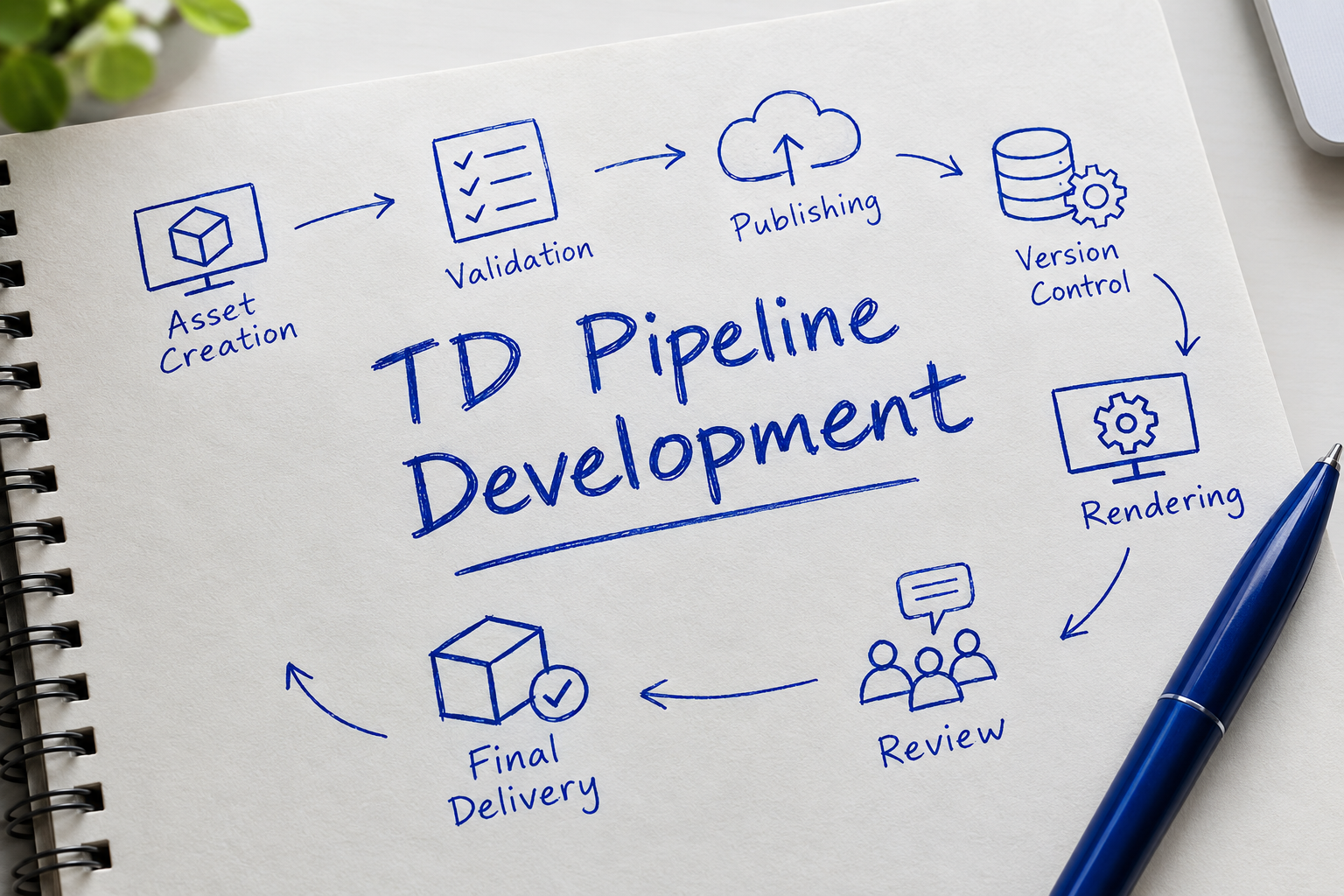
    Data Pipelines explained. TD Pipeline Development consists of the planning, construction, management and improvement of data pipelines used for transporting information between several locations. Similar to how roads and highways connect different places to allow transportation of people and products, data pipelines act as transportation systems for data, transferring it from one system to another. A data pipeline will usually contain the following operations: Data Collection- gathering information from various sources. Data Transformation- cleaning, organizing and structuring of the data. Data Validation- ensuring the quality and accuracy of the data. Data Storage- transfer of the transformed information into appropriate storage locations like databases or warehouses. Data Delivery- allowing data consumption through analytics tools and reports. Without an efficient pipeline, businesses often face the issues of fragmented data and misleading reports that lead to poor decision making.


    Why is TD Pipeline Development important in 2026? :

    Data has become one of the most valuable resources available for any business today, but raw data cannot create any value. Businesses require reliable systems for transforming this information into meaningful business insights. Key improvements include: Enhanced Decision Making- Leaders can make effective decisions based on correct, up-to-date information. Efficient Reporting- Manual reports can be automated thus decreasing the time taken. Better Customer Understanding- Businesses will have a clearer insight into customer habits and requirements. Improved Operational Efficiency- Routine and repetitive jobs can be automated, eliminating errors. Real-Time Analytics- Businesses can easily monitor the status and performance. Scalability- The system can be improved to handle increasing quantities of data as the business grows. Core Components of a TD Pipeline There are several key components in every data pipeline development process: Data Sources- where the process begins. Examples include; CRM, ERP, website, mobile application, IoT device, social media and third-party APIs. Data Ingestion Layer- collects data from the source system. Batch Processing- Data is collected at scheduled times. Real-Time Processing- data is continuously transferred as new events are generated. Data Transformation Layer- corrects any errors, duplicates or inconsistently formatted data in raw data. Data Validation- checking that the data has been correctly collected and that it makes sense. Data storage Layer- Where the processed data is kept. Data Warehouses, Data Lakes, cloud databases and BI platforms. Data Consumption Layer- Access points that users will utilize, like dashboards, reports, analytics tools, machine learning algorithms. Types of TD Pipeline Development Batch Data Pipelines-data is transferred at regular intervals. Use cases; daily or monthly reporting and analysis, historical trends etc. Advantages; low infrastructure costs and predictable workload management. Real-Time Data Pipelines-data is transferred between systems instantly as events are generated. Use cases; fraud detection, stock market tracking, real-time customer analysis, etc. Advantages; immediate insights and instant reaction capacity. Hybrid Pipelines- many organizations will implement a blend of both batch and real-time pipelines, offering flexibility while minimizing cost.


    TD Pipeline Development Process :

    Step 1: Business Requirement Analysis The first step in a data pipeline project is identifying and defining business requirements. The following questions need to be answered; – What data needs to be collected? – At what interval will it be transferred? – Who are the end users? – Which business problem will the pipeline solve? .

    Step 2: Architecture Design The structure of the pipeline is developed, considering: – Scalability – Security – Performance – Reliability .

    Step 3: Technology Selection The most appropriate technologies need to be chosen. These include; data integration tools (e.g. Apache NiFi, Talend, Informatica), data processing frameworks (e.g. Apache Spark, Apache Flink) and cloud platforms (e.g. AWS, Azure, Google Cloud).

    Step 4: Development and Integration Developers then build the connectors and workflow needed to create the pipeline; – source system integration – transformation process creation – storage configuration – monitoring system set up .

    Step 5: Testing Ensuring that the data pipeline is reliable and performs as required; – Performance testing – Data accuracy testing – Security testing – Load testing .

    Step 6: Deployment The pipeline is deployed into production, with systems to monitor data flow, processing speeds, system health, and errors.

    Step 7: Optimization and Maintenance The pipeline’s performance needs to be continually optimized and updated with features and security patches to meet business needs. Benefits of TD Pipeline Development Data Quality- High-quality, consistent data will result in accurate insights and therefore improved business results.


    Operational Efficiency- Time saved through automation.

    Collaboration- Access to a single data source will enable employees across the business to work together more efficiently.

    Compliance- The governance of data will be significantly improved.

    Scalability- The system can be scaled easily to meet the needs of the expanding business.

    Competitive Advantage- Businesses can be much quicker to adapt to the needs of the marketplace. Industries where TD Pipeline Development is utilized Healthcare-managing patient data and conducting medical analysis. Banking and Finance- fraud detection and monitoring of transactions.

    Retail and E-Commerce- analyzing consumer behavior and optimizing stock. Manufacturing- monitoring production and predictive maintenance.

    Logistics- supply chain visibility and optimization of shipping routes.


    Telecommunications- network monitoring and customer analysis. Emerging trends in TD Pipeline Development .

    Artificial Intelligence- AI to automate data processing andanomaly detection.

    Cloud-Native pipelines- utilizing the cloud’s flexible infrastructure to build and manage data pipelines.

    DataOps- Increasing adoption to enhance data pipeline efficiency and collaboration.

    Edge Computing- Transferring and processing data close to the source to minimize latency.

    Serverless Architectures- Organizations adopting serverless to minimize infrastructure management and operational costs.

    Security- Growing implementation of robust security measures to protect sensitive data.


    Challenges in TD Pipeline Development Data Quality- Low quality data will reduce the accuracy of the analysis and reports. Integration complexity- Connecting multiple sources and systems to a pipeline can be intricate. Security- Protecting sensitive information against security breaches. Scalability- increasing volume of data can pose limitations to the capacity and performance of the pipeline. Regulatory compliance- ensuring the adherence to legal requirements related to data privacy. How to select a TD Pipeline Development Partner Look for technical skills, domain knowledge, past project history, data security, and after sales support.

    The future of TD Pipeline Development The business of the future relies on data that can be converted into effective actions. As AI, ML, cloud computing, and real-time analysis advances, the role of data pipelines is increasingly becoming vital. Organizations that invest in up-to-date TD Pipeline Development today will position themselves for innovation and competitiveness in the future.


    Internal Links :

    External Resources :

    Rich Media Resources :

    Video Resource

    https://www.youtube.com/results?

    Infographic Resource :

    Industry Research :

    https://www.statista.com


    Frequently Asked Questions (FAQs) :

    What is TD Pipeline Development?

    TD Pipeline Development involves designing and managing systems that collect, process, transform, and deliver data between multiple platforms.

    Why is data pipeline development important?

    It helps organizations automate data workflows, improve accuracy, and enable faster decision-making.

    What technologies are used in TD Pipeline Development?

    Common technologies include Apache Spark, Hadoop, Talend, Informatica, AWS, Azure, and Google Cloud.

    What is the difference between batch and real-time pipelines?

    Batch pipelines process data at scheduled intervals, while real-time pipelines process information instantly.

    How long does pipeline development take?

    The timeline depends on complexity, integrations, data volume, and business requirements.

    Can TD pipelines support AI and machine learning?

    Yes. Modern pipelines provide clean, structured data that powers AI and machine learning applications.


    Conclusion :

    TD Pipeline Development is no longer just a technical requirement—it’s a business necessity.

    Organizations generate massive amounts of data every day, but without effective pipelines, much of that information remains unused or underutilized.

    A well-designed pipeline enables businesses to automate data movement, improve decision-making, enhance operational efficiency, and unlock valuable insights.

    Whether you’re building a new analytics platform, implementing real-time reporting, or preparing for AI-driven initiatives, investing in robust TD Pipeline Development can create a strong foundation for long-term success.

    ☎️ 919967940928

    🌐 https://aibuzz.net/

  • Software Development Services: The Complete Guide to Building Digital Success in 2026

    Software Development Services: The Complete Guide to Building Digital Success in 2026

    Take a moment and think about how often you interact with software in a single day. You check your emails, order food through an app, attend virtual meetings, shop online, manage finances, or book appointments—all through software. It’s become such a natural part of our lives that we rarely stop to think about it.

    The same is true for businesses.

    Behind every successful online store, mobile app, customer portal, or business management system is software working quietly in the background. It helps teams stay organized, serves customers faster, automates repetitive tasks, and keeps operations running smoothly.

    Now imagine trying to grow a business without it.

    Your team might spend hours updating spreadsheets, responding to customer requests manually, or juggling multiple systems that don’t communicate with one another. As your business grows, those small inefficiencies can quickly become major obstacles.


    Why Software Development Services Matter in 2026 :

    The digital landscape is more competitive than ever. Businesses that fail to embrace technology risk falling behind competitors who leverage innovative software solutions.

    Key Reasons Businesses Invest in Software Development

    Improved Operational Efficiency

    Custom software automates repetitive tasks, reduces manual errors, and streamlines workflows.

    Better Customer Experience

    Modern applications provide personalized experiences, faster service, and improved accessibility.

    Enhanced Data Management

    Software solutions help organizations collect, analyze, and utilize data for smarter decision-making.

    Scalability

    Custom-built software can grow alongside your business without requiring expensive replacements.

    Competitive Advantage

    Unique digital solutions help businesses differentiate themselves in crowded markets.

    Increased Revenue Opportunities

    Software products create new channels for sales, customer engagement, and service delivery.


    In todays world software is key to modern business. It powers every interaction and process.

    Whether you’re ordering food managing finances, software is involved.

    As technology evolves businesses invest in software development services. This helps improve efficiency, customer experiences and workflows.

    Why Software Development Services Matter :

    • Businesses that don’t use technology risk falling behind.
    • Software solutions help organizations solve problems and improve productivity.

    Key Benefits of Software Development Services :

    • ** Efficiency**: Custom software automates tasks and reduces errors.
    • Better Customer Experience: Modern applications provide experiences.
    • Enhanced Data Management: Software solutions help organizations make decisions.

    Types of Software Development Services :

    1. Custom Software Development: Built for business needs.
    • Examples: Enterprise management systems, CRM platforms and inventory management software.
    1. Web Application Development: Runs through browsers. Provides seamless access.
    • Examples: E-commerce platforms, customer portals and SaaS products.
    1. Mobile App Development: Essential for customer engagement.
    • Examples: E-commerce apps, healthcare apps and networking apps.

    The Software Development Process :

    1. Requirement Analysis: Understand business goals and user needs.
    2. Planning: Create a project roadmap and budget estimates.
    3. UI/UX Design: Create wireframes and prototypes.
    4. Development: Coding and building the software.
    5. Quality Assurance Testing: Ensure software functions correctly.
    6. Deployment: Release the application to users.
    7. Maintenance and Optimization: Post-launch support.

    Benefits of Professional Software Development Services :

    • Access to expertise
    • Faster time-to-market
    • Cost efficiency
    • Stronger security
    • Better scalability

    Emerging Trends in 2026 :

    • Artificial Intelligence Integration
    • Low-Code and No-Code Development
    • Cloud-Native Development
    • Internet of Things (IoT)
    • Blockchain Applications

    Choosing the Right Software Development Company :

    • Evaluate experience and technical capabilities
    • Review client testimonials and assess communication
    • Understand pricing models. Consider long-term support

    Software Development Costs :

    • Vary based on complexity features and team expertise
    • Prioritize value, quality and long-term ROI

    Common Challenges :

    • Changing requirements and budget constraints
    • Security risks and scalability concerns
    • Integration issues

    The Future of Software Development Services :

    • Driven by innovation, automation and intelligent technologies
    • Businesses will rely on AI, cloud computing, blockchain and more

    Internal Links

    • Software Development Services
    • AI Development Services

    Rich Media Resources

    https://www.youtube.com/results?search+query=software+development+lifecycle

    Infographic

    External links :

    https://www.statista.com

    https://www.gartner.com

    https://www.stackoverflow.com


    Asked Questions (FAQs) :

    What are software development services?

    Software development services include designing, developing, testing, deploying and maintaining software applications tailored to business needs.

    How much do software development services cost?

    The cost of software development services varies. It depends on how complex the project’s what features are needed which technologies are used and how experienced the development team is.

    What is custom software development?

    Custom software development is about creating applications that meet a companys needs. These applications are designed to help the company work efficiently.

    Why should businesses invest in software development?

    Businesses should invest in software development because it makes their work more efficient. Software also helps improve customer experiences. It can automate tasks. Create new ways to make money.


    Conclusion

    Software development services are essential for businesses seeking growth and innovation. By partnering with a company businesses gain access, to technical expertise and scalable solutions.

    ☎️ 919967940928

    🌐 https://aibuzz.net/

  • Cryptocurrency Development: A Human-Friendly Guide to Building Blockchain Apps in 2026

    Cryptocurrency Development: A Human-Friendly Guide to Building Blockchain Apps in 2026

    Cryptocurrency development sounds like something only hardcore programmers or finance people care about.

    But in reality?

    It’s just the process of building products that run on blockchain—things like crypto coins, tokens, wallets, exchanges, DeFi apps, NFT platforms, and even blockchain-based games.

    And the reason it matters is simple:

    Crypto isn’t just “digital money” anymore. It’s becoming a full ecosystem of technology where people can send value, build apps, create ownership, and automate financial systems—without needing a bank, payment gateway, or centralized authority.

    In this blog, we’ll break down cryptocurrency development in a clean, informational way—like a friend explaining it, but still professional enough to rank well with SEO tools like Rank Math.


    What Is Cryptocurrency Development? (Simple Definition) :

    Cryptocurrency development is the process of creating blockchain-based digital assets and applications, such as:

    • A new cryptocurrency coin (like Bitcoin)
    • A token (like USDT, Shiba Inu, or Chainlink)
    • A crypto wallet app
    • A decentralized exchange (DEX)
    • Smart contracts for DeFi lending or staking
    • NFT marketplaces
    • Blockchain-based payment systems

    The key difference between crypto and normal apps is this:

    Crypto apps often run on decentralized networks, where rules are enforced by code (smart contracts) rather than by a company.


    How Cryptocurrency Development Works (Big Picture) :

    Cryptocurrency development usually involves three main layers:

    1) Blockchain Layer

    This is the foundation. It could be:

    • Ethereum
    • Solana
    • Polygon
    • BNB Chain
    • Avalanche
    • Arbitrum
    • Bitcoin (limited app support)
    • A custom blockchain (rare but possible)

    2) Smart Contract Layer

    This is where the real “magic” happens. Smart contracts are self-executing programs that control:

    • token transfers
    • staking rewards
    • lending/borrowing
    • NFT minting
    • governance voting
    • transaction rules

    3) Application Layer

    This is the part users interact with, like:

    • a website
    • a mobile app
    • a wallet interface
    • an admin dashboard
    • APIs and backend services

    Types of Cryptocurrency Development :

    Crypto development is not one single job. It’s a combination of multiple specialties.

    1) Coin Development (Creating a Blockchain)

    This means creating an entire blockchain network from scratch.

    It includes:

    • consensus algorithm (PoW, PoS, etc.)
    • node setup
    • mining/staking rules
    • network security
    • block explorer
    • wallet integration

    This is expensive and complex, so most startups avoid it.

    2) Token Development (Most Common)

    This is the easiest and most popular path.

    Instead of building a whole blockchain, you create a token on an existing blockchain using standards like:

    • ERC-20 (fungible tokens on Ethereum)
    • BEP-20 (BNB Chain tokens)
    • ERC-721 / ERC-1155 (NFTs)

    Token development is used for:

    • utility tokens
    • governance tokens
    • stablecoins
    • reward tokens
    • gaming tokens

    3) Smart Contract Development

    Smart contracts are the backbone of modern crypto apps.

    Smart contract developers build systems like:

    • staking platforms
    • DeFi protocols
    • NFT minting logic
    • token vesting schedules
    • DAO voting mechanisms

    Smart contract programming languages include:

    • Solidity (Ethereum, Polygon, BNB Chain)
    • Rust (Solana)
    • Move (Aptos, Sui)
    • Vyper (Ethereum alternative)

    4) Crypto Wallet Development

    Wallets are one of the biggest areas in crypto development.

    There are two main types:

    Custodial wallets

    • The company holds private keys
    • Easier for users
    • More legal responsibility

    Non-custodial wallets

    • User controls private keys
    • More secure in theory
    • More complex UX

    Wallet development includes:

    • seed phrase management
    • transaction signing
    • multi-chain support
    • biometric security
    • token and NFT support

    5) Exchange Development

    Exchanges are platforms where users buy, sell, and trade crypto.

    Two types:

    Centralized exchange (CEX)

    • Like Binance, Coinbase
    • Fast and user-friendly
    • Needs KYC, compliance, security

    Decentralized exchange (DEX)

    • Like Uniswap, PancakeSwap
    • Runs via smart contracts
    • No middleman

    6) DeFi App Development

    DeFi means “decentralized finance.”

    It includes apps like:

    • lending/borrowing
    • yield farming
    • liquidity pools
    • staking
    • synthetic assets
    • decentralized insurance

    DeFi is powerful—but also risky, because bugs can lead to millions in losses.

    7) NFT and Web3 Marketplace Development

    NFT development is not dead. It has simply matured.

    Today NFTs are used for:

    • gaming assets
    • membership access
    • digital identity
    • event tickets
    • collectibles

    What Technologies Are Used in Cryptocurrency Development? :

    Crypto development uses both blockchain tools and traditional web technologies.

    Blockchain Development Tools

    • Solidity / Rust
    • Hardhat / Foundry / Truffle
    • OpenZeppelin libraries
    • Web3.js / Ethers.js
    • MetaMask integration
    • Chainlink oracles
    • IPFS (decentralized storage)

    App Development Tools

    • React / Next.js
    • Node.js / Python backend
    • PostgreSQL / MongoDB
    • Firebase (sometimes)
    • Cloud hosting (AWS, GCP)

    Step-by-Step Cryptocurrency Development Process :

    If you’re wondering how real crypto products are built, this is the typical workflow.

    Step 1: Decide the Use Case

    First question:
    Are you building a token, a wallet, a DeFi app, or a full platform?

    A strong use case should answer:

    • What problem does this solve?
    • Why does it need blockchain?
    • What value does the token bring?

    Step 2: Choose the Blockchain

    Different blockchains offer different benefits.

    For example:

    • Ethereum = security + ecosystem
    • Polygon = low fees + Ethereum compatibility
    • Solana = speed
    • Arbitrum = cheaper Ethereum transactions

    Step 3: Design Tokenomics (If Needed)

    Tokenomics means how the token works.

    It includes:

    • total supply
    • distribution plan
    • vesting schedules
    • staking rewards
    • burn mechanism
    • governance rights

    Bad tokenomics kills projects faster than bad marketing.

    Step 4: Develop Smart Contracts

    This is the core coding phase.

    Smart contracts must be:

    • secure
    • optimized (gas efficiency)
    • tested
    • audited

    Step 5: Build the Frontend and Backend

    This is where your crypto product becomes usable.

    Frontend includes:

    • wallet connect
    • dashboards
    • staking pages
    • swap interfaces

    Backend includes:

    • transaction indexing
    • analytics
    • user profile systems (if needed)
    • APIs

    Step 6: Testing and Audit

    Testing is not optional in crypto.

    It includes:

    • unit testing
    • testnet deployment
    • bug bounty testing
    • smart contract audit

    Step 7: Launch and Maintenance

    After launch:

    • you monitor contracts
    • patch vulnerabilities
    • improve UI/UX
    • handle scaling and upgrades

    Security in Cryptocurrency Development (Very Important) :

    Crypto is one of the most attacked industries in the world.

    Even a small bug can lead to:

    • stolen funds
    • hacked wallets
    • drained liquidity pools
    • destroyed project trust

    Common Smart Contract Risks

    • reentrancy attacks
    • integer overflow/underflow
    • price oracle manipulation
    • access control bugs
    • flash loan attacks

    Security Best Practices

    • use OpenZeppelin audited libraries
    • run automated tests
    • use multisig wallets
    • conduct third-party audits
    • launch with limited funds first

    Real-World Use Cases of Cryptocurrency Development :

    Crypto development is already being used in real business models:

    1) Crypto Payments

    Businesses accept crypto globally with lower fees.

    2) Cross-Border Transfers

    Sending money internationally becomes faster and cheaper.

    3) Tokenized Loyalty Programs

    Brands create reward tokens instead of points.

    4) DeFi Lending

    People can borrow without traditional banks.

    5) Gaming Economies

    Players earn tokens and own assets in-game.

    6) Digital Identity

    Blockchain-based identity is gaining traction for privacy-focused systems.


    How Much Does Cryptocurrency Development Cost? :

    Cost depends on what you’re building.

    Typical Cost Ranges

    • Basic token development: low cost
    • Wallet app: medium to high
    • DeFi platform: high
    • Exchange development: very high
    • Custom blockchain: extremely high

    The biggest cost drivers are:

    • security audits
    • UI/UX design
    • compliance requirements
    • scalability needs

    Challenges in Cryptocurrency Development :

    Crypto is exciting, but it’s not easy.

    1) Regulation and Compliance

    Rules change often. Some projects require:

    • KYC/AML
    • licensing
    • tax reporting systems

    2) User Experience

    Web3 UX is still harder than normal apps.

    Seed phrases, gas fees, wallet popups—new users get confused quickly.

    3) Scalability

    Blockchain networks can get congested.

    4) Trust and Security

    Users trust you with money. That’s a huge responsibility.


    Future Trends in Cryptocurrency Development (2026 and Beyond) :

    Crypto development is shifting toward:

    1) Layer-2 Scaling

    Ethereum Layer-2 solutions are becoming mainstream.

    2) Account Abstraction

    This improves wallets by allowing:

    • gasless transactions
    • social login
    • better recovery options

    3) Real-World Asset Tokenization

    Tokenizing:

    • real estate
    • bonds
    • invoices
    • commodities

    4) AI + Crypto

    AI-powered trading, fraud detection, and automation are becoming common.


    Internal Link :

    Artificial Intelligence (AI): A Human-Friendly Guide


    Rich Media Link :

    https://www.youtube.com/watch?v=SSo_EIwHSd4


    External Links :

    Here are official resources developers actually use:


    Frequently Asked Questions FAQ :

    1. What is the difference between a coin and a token? :

    A coin has its own blockchain (like Bitcoin).
    A token runs on an existing blockchain (like an ERC-20 token on Ethereum).

    2. Which language is best for cryptocurrency development? :

    It depends on the blockchain:

    • Solidity for Ethereum-compatible chains
    • Rust for Solana
    • JavaScript for Web3 frontend integration

    3. Is cryptocurrency development legal? :

    In most countries, yes—but regulations vary. Exchanges and payment apps often need compliance and licensing.

    4. How long does it take to build a crypto project? :

    A simple token can be built quickly.
    A full DeFi platform or exchange can take months, especially with audits.

    5. Do I need a blockchain to create a cryptocurrency? :

    Not always. Most projects create a token on an existing blockchain instead of building a blockchain from scratch.


    Final Thoughts :

    Cryptocurrency development is not just about making a token and launching hype.

    It’s about building real digital systems where trust is created through code, transparency, and security.

    Whether you’re building a wallet, a DeFi platform, a token, or a blockchain app, the best approach is always the same:

    Start simple. Build securely. Focus on real utility.

    Because in crypto, the technology is powerful—but trust is everything.

    ☎️ 919967940928

    🌐 https://aibuzz.net/

  • Software Development Services: The Complete Guide to Building Digital Success in 2026

    Software Development Services: The Complete Guide to Building Digital Success in 2026

    In today’s digital-first world, software has become the foundation of business growth, innovation, and customer engagement. From startups launching their first application to large enterprises modernizing legacy systems, software development services play a crucial role in helping organizations stay competitive.

    Whether it is a mobile application, enterprise platform, eCommerce website, cloud solution, or AI-powered software, businesses rely on professional software development services to transform ideas into scalable digital products.

    This guide explores everything you need to know about software development services, their benefits, types, technologies, development processes, and how to choose the right software development partner for your business.


    What Are Software Development Services? :

    Software development services refer to the process of designing, creating, testing, deploying, and maintaining software applications that solve business problems or fulfill user needs.

    These services cover the complete software lifecycle, including:

    • Business analysis
    • Software planning
    • UI/UX design
    • Front-end development
    • Back-end development
    • Mobile app development
    • Quality assurance testing
    • Cloud deployment
    • Software maintenance
    • Security updates

    Professional software development companies help businesses build customized solutions that align with their objectives and operational requirements.


    Why Software Development Services Are Important for Modern Businesses :

    Technology continues to reshape industries worldwide. Businesses that leverage custom software gain a significant competitive advantage.

    Improved Operational Efficiency

    Custom software automates repetitive tasks, reduces manual errors, and improves workflow efficiency.

    Examples include:

    • Inventory management systems
    • Customer relationship management (CRM)
    • Human resource management systems
    • Accounting platforms

    Better Customer Experience

    Modern customers expect seamless digital experiences.

    Software solutions help businesses:

    • Offer personalized experiences
    • Improve customer support
    • Enable self-service options
    • Increase engagement

    Data-Driven Decision Making

    Software applications collect and analyze valuable business data, helping organizations make smarter decisions.

    Benefits include:

    • Real-time reporting
    • Predictive analytics
    • Customer insights
    • Performance tracking

    Enhanced Scalability

    Custom software grows with your business, allowing organizations to expand without technological limitations.


    Types of Software Development Services :

    Different businesses require different software solutions.

    Custom Software Development :

    Custom software development involves creating unique applications tailored specifically to business needs.

    Benefits of Custom Software

    • Personalized functionality
    • Better security
    • Greater flexibility
    • Long-term scalability
    • Competitive advantage

    Common examples include:

    • ERP systems
    • Logistics software
    • Healthcare management platforms
    • Educational portals

    Web Application Development :

    Web applications run through browsers and provide accessibility across devices.

    Examples include:

    • SaaS platforms
    • Customer portals
    • Online marketplaces
    • Project management tools

    Advantages of Web Applications

    • No installation required
    • Easy updates
    • Cross-platform compatibility
    • Lower maintenance costs

    Mobile Application Development :

    Mobile applications help businesses reach customers directly through smartphones and tablets.

    Native App Development

    Native apps are built specifically for:

    • Android
    • iOS

    Benefits include:

    • High performance
    • Better security
    • Improved user experience

    Cross-Platform App Development

    Cross-platform frameworks allow developers to build one application for multiple platforms.

    Popular frameworks:

    • React Native
    • Flutter
    • Xamarin

    Enterprise Software Development :

    Enterprise software is designed for large organizations and complex operations.

    Examples include:

    • ERP solutions
    • CRM systems
    • Supply chain management software
    • Business intelligence platforms

    Enterprise applications improve collaboration, productivity, and operational efficiency.


    eCommerce Development Services :

    eCommerce solutions enable businesses to sell products and services online.

    Features often include:

    • Product management
    • Payment gateways
    • Inventory tracking
    • Customer accounts
    • Order management

    Popular platforms include:

    • Shopify
    • WooCommerce
    • Magento

    Cloud Application Development :

    Cloud-based software provides flexibility, scalability, and remote accessibility.

    Benefits include:

    • Reduced infrastructure costs
    • Automatic updates
    • Enhanced collaboration
    • Better disaster recovery

    Popular cloud platforms include:

    • Amazon Web Services (AWS)
    • Microsoft Azure
    • Google Cloud Platform

    Core Software Development Services Offered by Agencies :

    Professional software development companies typically provide multiple services under one roof.

    Software Consulting :

    Consultants help businesses identify technology requirements and create development strategies.

    Services include:

    • Technology assessment
    • Project planning
    • Architecture design
    • Cost estimation

    UI/UX Design Services :

    User experience significantly impacts software success.

    UI Design

    Focuses on:

    • Visual appearance
    • Layout design
    • Branding consistency

    UX Design

    Focuses on:

    • User journey
    • Navigation
    • Accessibility
    • Functionality

    Good UI/UX increases user engagement and retention.


    Front-End Development :

    Front-end development creates the interface users interact with.

    Popular technologies:

    • HTML5
    • CSS3
    • JavaScript
    • React
    • Angular
    • Vue.js

    Front-end developers ensure responsive and visually appealing experiences.


    Back-End Development :

    Back-end development powers application functionality.

    Common technologies include:

    • Node.js
    • Python
    • PHP
    • Java
    • .NET
    • Ruby on Rails

    Responsibilities include:

    • Database management
    • Server operations
    • API integrations
    • Security implementation

    API Development and Integration :

    APIs allow different software systems to communicate.

    Examples include:

    • Payment gateway integration
    • Social media integration
    • CRM integration
    • Cloud service integration

    API development improves functionality and system connectivity.


    Software Development Process :

    Successful software projects follow a structured development lifecycle.

    1. Requirement Analysis :

    The first step involves understanding:

    • Business goals
    • User requirements
    • Technical needs
    • Budget constraints

    This stage creates a roadmap for development.


    2. Planning and Strategy :

    Project managers define:

    • Development timeline
    • Technology stack
    • Resource allocation
    • Risk management plans

    Proper planning minimizes delays and unexpected costs.


    3. UI/UX Design :

    Designers create:

    • Wireframes
    • Mockups
    • Interactive prototypes

    This stage ensures the software meets user expectations before coding begins.


    4. Development :

    Developers build the application using selected technologies and frameworks.

    Development may follow:

    • Agile methodology
    • Scrum framework
    • DevOps practices

    These approaches improve flexibility and collaboration.


    5. Testing and Quality Assurance :

    QA engineers perform:

    • Functional testing
    • Performance testing
    • Security testing
    • Compatibility testing

    Testing ensures the software performs reliably across environments.


    6. Deployment :

    After successful testing, the software is released to production environments.

    Deployment may involve:

    • Cloud hosting
    • Dedicated servers
    • Hybrid infrastructure

    7. Maintenance and Support :

    Software requires ongoing updates to remain secure and efficient.

    Maintenance includes:

    • Bug fixes
    • Performance optimization
    • Feature enhancements
    • Security updates

    Internal Links :

    You can naturally interlink this blog with:


    External Resources :


    Rich Media Suggestions :

    Video Resource

    Software Development Life Cycle Explained:
    https://www.youtube.com/results?search_query=software+development+lifecycle

    Infographic Resource

    Software Development Process Guide:
    https://www.atlassian.com/software-development

    Industry Report
    https://www.statista.com


    Frequently Asked Questions (FAQ) :

    What are software development services? :

    Software development services involve designing, developing, testing, deploying, and maintaining software applications for businesses and organizations.

    Why should businesses invest in custom software? :

    Custom software provides personalized functionality, better scalability, stronger security, and improved operational efficiency compared to generic solutions.

    How much does software development cost? :

    Costs vary depending on project complexity, features, technology stack, and development timeline. Small projects may cost a few thousand dollars, while enterprise solutions can require substantial investment.

    How long does software development take? :

    Development timelines can range from a few weeks for simple applications to several months for complex enterprise software.

    What technologies are commonly used in software development? :

    Popular technologies include React, Angular, Node.js, Python, Java, .NET, Flutter, AWS, Azure, and Google Cloud.


    Conclusion :

    Software development has become one of the most important investments businesses can make in today’s digital economy. It is no longer just about creating applications—it is about building solutions that improve efficiency, strengthen customer relationships, support innovation, and drive long-term growth.

    ☎️ 919967940928

    🌐 https://aibuzz.net/