Tag: big data and data analytics

  • Big Data Services: The Complete Guide to Unlocking the Power of Data in 2026

    Big Data Services: The Complete Guide to Unlocking the Power of Data in 2026

    In today’s digital world, data is not just information—it is opportunity. Every click, purchase, message, transaction, and interaction generates valuable insights. However, raw data alone does not create business growth. That transformation happens through Big Data Services.

    From startups to global enterprises, organizations rely on big data solutions to analyze patterns, predict trends, optimize operations, and improve customer experiences. Companies like Amazon, Netflix, Google, and Microsoft leverage big data to drive smarter decisions and stay ahead in competitive markets.

    In this comprehensive guide, we will explore:

    • What big data services are
    • Types of big data solutions
    • Technologies powering big data
    • Business benefits
    • Industry use cases
    • Implementation challenges
    • Future trends
    • FAQs

    Let’s dive in.


    What Are Big Data Services? :

    Big Data Services refer to a collection of technologies, tools, strategies, and managed services designed to collect, store, process, analyze, and visualize massive volumes of structured and unstructured data.

    The term “big data” typically involves the 5 Vs:

    1. Volume

    Large quantities of data generated daily from digital platforms, IoT devices, and enterprise systems.

    2. Velocity

    The speed at which data is generated and processed in real-time.

    3. Variety

    Different data formats such as text, images, videos, logs, and structured databases.

    4. Veracity

    Accuracy and reliability of data.

    5. Value

    The actionable insights derived from data.

    Big data services help organizations manage all five dimensions effectively.


    Why Big Data Services Matter in 2026 :

    Businesses today operate in an environment where decisions must be fast and accurate. Big data services enable:

    • Data-driven decision-making
    • Personalized customer experiences
    • Risk mitigation
    • Predictive insights
    • Operational efficiency

    For example, Netflix uses analytics to recommend content based on viewing behavior. Amazon analyzes purchase patterns to personalize product recommendations.

    Without big data services, such precision would be impossible.


    Core Components of Big Data Services :

    Big data solutions typically include the following components:

    1. Data Collection & Integration

    Data is collected from:

    • Websites
    • Mobile apps
    • IoT devices
    • CRM systems
    • Social media platforms

    Tools like Apache Kafka help manage real-time data streams.


    2. Data Storage Solutions

    Traditional databases cannot handle massive data sets efficiently. Big data services use:

    • Data Lakes
    • Data Warehouses
    • Cloud Storage

    Popular platforms include:

    • Amazon Web Services
    • Google Cloud
    • Microsoft Azure

    These platforms offer scalable storage infrastructure.


    3. Data Processing & Analytics

    Processing frameworks analyze vast datasets quickly.

    Common technologies include:

    • Apache Hadoop
    • Apache Spark

    These frameworks allow batch processing and real-time analytics.


    4. Data Visualization & Reporting

    Raw numbers are hard to interpret. Visualization tools convert data into dashboards and reports.

    Popular tools include:

    • Tableau
    • Power BI

    These tools make complex insights easy to understand.


    Types of Big Data Services :

    Big data services are categorized based on business needs.

    1. Big Data Consulting

    Experts analyze your business requirements and design a data strategy.

    2. Data Engineering Services

    Focus on building data pipelines, integration frameworks, and ETL processes.

    3. Data Analytics Services

    Includes:

    • Descriptive analytics
    • Predictive analytics
    • Prescriptive analytics

    4. Cloud Big Data Services

    Cloud-native data platforms provide scalability and cost efficiency.

    5. Managed Big Data Services

    End-to-end management of big data infrastructure and analytics.


    Benefits of Big Data Services :

    1. Improved Decision Making

    Organizations can make informed decisions based on data instead of assumptions.

    2. Cost Optimization

    Analytics identifies inefficiencies and reduces operational costs.

    3. Enhanced Customer Experience

    Personalized marketing improves engagement and retention.

    4. Risk Management

    Fraud detection systems analyze patterns to identify anomalies.

    5. Competitive Advantage

    Businesses gain strategic insights faster than competitors.


    Industry Applications of Big Data Services :

    Healthcare

    Hospitals use big data for predictive diagnostics and patient care optimization.

    Finance

    Banks analyze transaction patterns for fraud detection and risk management.

    Retail & E-commerce

    Companies like Amazon use big data to forecast demand and optimize inventory.

    Manufacturing

    Predictive maintenance reduces downtime and increases productivity.

    Marketing

    Campaign performance tracking and customer segmentation improve ROI.


    Challenges in Big Data Implementation :

    Even though big data offers immense benefits, it comes with challenges:

    • Data security risks
    • Integration complexity
    • High infrastructure costs
    • Talent shortage
    • Data governance issues

    Proper planning and expert guidance can overcome these barriers.


    Future Trends in Big Data Services :

    1. AI Integration

    Big data combined with artificial intelligence enables advanced automation.

    2. Edge Computing

    Data processing closer to the source reduces latency.

    3. Real-Time Analytics

    Businesses demand instant insights for faster decision-making.

    4. Data Democratization

    Self-service analytics tools empower non-technical users.


    How to Choose the Right Big Data Service Provider :

    When selecting a provider, consider:

    • Industry experience
    • Technology stack
    • Security standards
    • Scalability options
    • Support and maintenance

    A reliable provider ensures long-term success.


    Big Data Services vs Traditional Data Management :

    FeatureTraditional SystemsBig Data Services
    Data VolumeLimitedMassive
    ProcessingBatchReal-time + Batch
    ScalabilityLimitedHighly Scalable
    CostHigh upfrontFlexible (Cloud-based)
    AnalyticsBasicAdvanced & Predictive

    Internal & External Resources :

    Internal Link Suggestions:

    • Learn more about Artificial Intelligence Solutions
    • Explore our Cloud Computing Services
    • Discover Data Analytics Consulting

    External Resources:

    • Official Apache Hadoop Documentation
    • Amazon Web Services Big Data Solutions
    • Microsoft Azure Data Platform Overview

    Rich Media Resource :

    📊 Watch: Big Data Explained in 5 Minutes
    (Embed YouTube video from a trusted tech channel for engagement)


    Image Section :


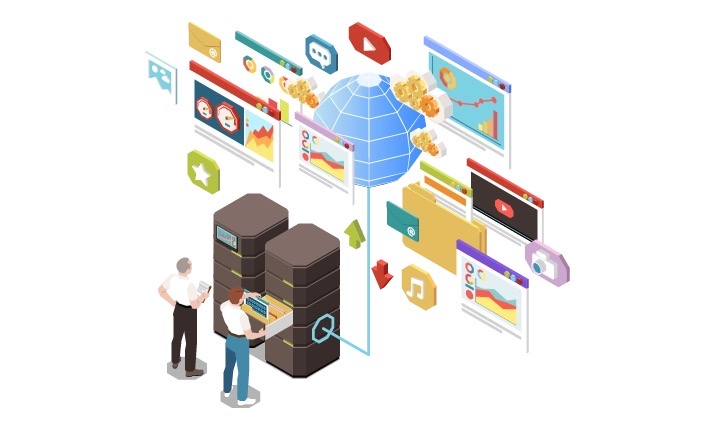
    Description: A visual representation of big data services architecture including data pipelines, cloud storage, analytics engines, and dashboards.


    Frequently Asked Questions (FAQ):

    1. What is the difference between big data and data analytics?

    Big data refers to large datasets, while data analytics is the process of analyzing those datasets to extract insights.

    2. Is big data only for large enterprises?

    No. Cloud-based solutions make big data services accessible for startups and SMEs.

    3. What industries benefit most from big data?

    Healthcare, finance, retail, manufacturing, logistics, and marketing benefit significantly.

    4. Is big data secure?

    Yes, when implemented with strong security measures, encryption, and governance policies.

    5. How long does big data implementation take?

    It depends on business size and complexity but typically ranges from 3 to 12 months.


    Conclusion: Turning Data Into Business Growth

    Big data services are no longer optional—they are essential for modern businesses. In a world driven by digital transformation, organizations that harness data effectively gain a significant competitive advantage.

    From predictive analytics to personalized marketing, big data empowers smarter decisions, operational efficiency, and long-term growth. Whether you are a startup or an enterprise, investing in the right big data strategy today prepares your business for tomorrow’s opportunities.

    ☎️ 919967940928

    🌐 https://aibuzz.net/

  • Big Data 2025: 7 Essential Strategies for Smarter Business Growth

    Big Data 2025: 7 Essential Strategies for Smarter Business Growth

    Introduction

    The digital world is moving at lightning speed, and businesses today are generating more information than ever before. Every click, search, purchase, and interaction produces data—data that, when harnessed correctly, can become a company’s most valuable asset. This is where big data services step in, turning raw information into actionable insights that power smarter decisions and stronger growth.

    In 2025, companies that embrace big data strategies are leading their industries by innovating faster, understanding customers better, and optimizing operations like never before. This blog explores how businesses can leverage big data effectively, what strategies to follow, and how AIBuzz Technoventures Pvt Ltd is helping organizations transform through its advanced digital solutions.


    What is Big Data?

    Unlock the potential of Big Data in 2025 with strategies that transform decision-making, enhance customer experiences, and fuel business growth. Discover how AIBuzz delivers advanced big data services, analytics, and AI-driven insights to help companies stay competitive in the digital era.

    Big Data refers to the massive volume of structured and unstructured data that businesses collect daily. It’s not just about the size of the data, but also its variety, velocity, and veracity—commonly known as the “4 Vs of Big Data.”

    • Volume – Huge amounts of information generated every second.
    • Velocity – The speed at which new data flows in from devices, apps, and transactions.
    • Variety – Different types of data such as text, video, social media, and sensor data.
    • Veracity – The quality and trustworthiness of the data.

    When analyzed effectively, big data enables companies to predict trends, personalize experiences, and discover new business opportunities.


    Why Big Data Matters in 2025

    Unlock the potential of Big Data in 2025 with strategies that transform decision-making, enhance customer experiences, and fuel business growth. Discover how AIBuzz delivers advanced big data services, analytics, and AI-driven insights to help companies stay competitive in the digital era.

    The role of big data services has expanded beyond IT departments—it now influences every part of business strategy. From marketing and product development to supply chain and customer service, data-backed insights are redefining how companies operate.

    Some of the biggest advantages include:

    • Improved decision-making – Make informed choices with real-time analytics.
    • Cost reduction – Optimize operations by identifying inefficiencies.
    • Enhanced customer experience – Deliver personalized interactions and recommendations.
    • Risk management – Detect fraud, predict failures, and improve security.

    Simply put, businesses that fail to adopt big data strategies risk falling behind in an increasingly competitive world.


    7 Essential Big Data Strategies for Business Growth

    1. Building a Data-First Culture

    Big data success starts with mindset. Companies must encourage data-driven decision-making at every level of the organization. Employees should be trained to interpret insights and integrate them into their workflows.

    2. Investing in Scalable Cloud Solutions

    Cloud-based big data services are a game-changer in 2025. They offer flexibility, scalability, and cost-efficiency—allowing businesses to store and analyze large volumes of information without huge infrastructure costs.

    3. Leveraging Predictive Analytics

    Predictive analytics transforms historical data into forecasts about customer behavior, demand fluctuations, and market trends. For example, eCommerce companies use predictive tools to suggest products and anticipate seasonal demand.

    4. Integrating AI and Machine Learning

    Artificial Intelligence (AI) is the backbone of advanced data analysis. AI-powered models automate insights, detect anomalies, and provide recommendations at speeds humans can’t match. Combining AI and big data allows businesses to make smarter, faster decisions.

    5. Strengthening Data Security

    With great data comes great responsibility. Companies must prioritize cybersecurity and compliance, ensuring sensitive customer and business data is protected. Encryption, blockchain-based verification, and strong access controls are critical in 2025.

    6. Real-Time Data Processing

    Gone are the days of batch processing. Businesses now need insights in real time. From tracking logistics to monitoring financial transactions, real-time big data analytics ensures timely responses and improved agility.

    7. Collaborating with Big Data Partners

    Not every company has the resources to build massive data infrastructures. That’s why working with trusted partners like AIBuzz Technoventures Pvt Ltd ensures businesses can access cutting-edge tools, expertise, and customized solutions tailored to their industry.


    How Big Data is Transforming Industries

    Retail

    Retailers use big data to analyze buying behavior, optimize inventory, and launch targeted promotions. Personalized recommendations based on shopping history increase sales and customer loyalty.

    Healthcare

    Hospitals and health-tech companies harness data to improve diagnostics, manage patient records, and predict disease outbreaks. Wearable devices generate real-time health data that doctors can analyze instantly.

    Finance

    Financial institutions rely on big data for fraud detection, risk assessment, and personalized banking services. Predictive analytics helps them identify high-value customers and mitigate losses.

    Manufacturing

    Smart factories powered by IoT sensors use real-time data to reduce downtime, predict equipment failures, and enhance efficiency.

    Education

    Big data platforms track student performance, personalize learning paths, and measure the effectiveness of teaching methods.


    The Future of Big Data in 2025 and Beyond

    Big data continues to evolve alongside emerging technologies:

    • AI Integration – Automated decision-making at scale.
    • Edge Computing – Faster processing closer to the data source.
    • 5G Technology – Seamless connectivity for real-time insights.
    • AR & VR Data Applications – Interactive simulations powered by analytics.

    As innovation accelerates, companies that harness enterprise big data strategy will not only survive but thrive.


    About AIBuzz Technoventures Pvt Ltd

    AIBuzz Technoventures Pvt Ltd is a leading technology solutions provider dedicated to delivering high-impact digital transformation services. Their diverse portfolio spans:

    By combining innovation with expertise, AIBuzz empowers organizations to achieve sustainable growth in the digital era.


    Conclusion

    In 2025, the ability to manage and leverage information through big data services is no longer a luxury—it’s a critical business advantage. From predictive analytics and real-time processing to AI-driven insights, big data unlocks new opportunities across every industry.

    For companies aiming to stay ahead, AIBuzz is the ideal partner—delivering scalable, secure, and transformative big data solutions tailored to your needs.

    Contact: +91 9967940928
    Visit: www.aibuzz.net
    Mail: info@aibuzz.net

  • 7 Powerful Reasons to Embrace Big Data Service for Business Success in 2025

    7 Powerful Reasons to Embrace Big Data Service for Business Success in 2025


    In today’s hyper-digital world, data is not just a byproduct—it is the fuel that drives innovation, decision-making, and growth. As businesses generate more information than ever before, the ability to manage, analyze, and utilize this data becomes a key differentiator. That’s where big data service comes into play. Whether you’re a startup or a Fortune 500 company, implementing a robust IT big data service can redefine your operations and open doors to new opportunities. This blog will explore 7 compelling reasons why businesses should invest in big data services in 2025 and beyond.


    What is Big Data?

    Big data refers to massive volumes of structured, semi-structured, and unstructured data that are too complex to be handled using traditional data-processing software. It encompasses data collected from social media, sensors, transactions, mobile devices, and more. The goal is to extract meaningful insights from this vast pool to inform business strategies.

    Big data operates on the five V’s:

    • Volume (massive amounts of data),
    • Velocity (speed of data generation),
    • Variety (different forms of data),
    • Veracity (accuracy of data), and
    • Value (usefulness of data insights).

    1. Boost Business Intelligence Like Never Before

    Incorporating an IT big data service into your business ecosystem enhances your business intelligence (BI) capabilities. Modern BI tools powered by big data can access real-time insights, forecast trends, and provide visual dashboards that support data-driven decisions.

    Big data services integrate seamlessly with analytics platforms like Power BI, Tableau, and Google Data Studio. With this integration, decision-makers no longer rely on guesswork but on solid, actionable information.


    2. Personalized Customer Experiences at Scale

    One of the most transformative uses of IT big data service is creating personalized customer journeys. From Netflix recommending your next favorite series to Amazon suggesting your next purchase, the power of personalization lies in the algorithms trained on massive datasets.

    With big data, businesses can:

    • Track customer behavior in real time.
    • Offer targeted recommendations.
    • Predict future purchases.
    • Enhance customer satisfaction.

    This level of personalization not only boosts loyalty but also improves conversion rates.


    3. Operational Efficiency and Cost Reduction

    Another game-changer offered by IT big data service is the ability to optimize operations. From supply chain logistics to employee productivity and resource allocation, big data analytics can identify inefficiencies and offer cost-saving solutions.

    Examples include:

    • Predictive maintenance in manufacturing.
    • Inventory optimization in retail.
    • Energy savings in smart buildings.

    With the help of big data, organizations can transition from reactive to proactive operational models—saving time, money, and resources.


    4. Enhanced Risk Management and Security

    Risk management is no longer confined to spreadsheets and intuition. With the advancement of IT big data service, businesses can now implement real-time fraud detection systems, threat monitoring tools, and risk assessment models.

    Use cases include:

    • Detecting unusual transaction patterns in banking.
    • Monitoring cybersecurity threats through log analysis.
    • Reducing financial risks through predictive models.

    These services ensure you stay ahead of potential disruptions, safeguarding your reputation and revenue.


    5. Driving Innovation with Predictive Analytics

    Imagine knowing your customer’s needs before they even express them. That’s the magic of predictive analytics powered by IT big data service. By analyzing historical data, businesses can forecast future behaviors, market trends, and product success.

    Industries like healthcare, e-commerce, and finance use predictive models to:

    • Improve diagnosis accuracy.
    • Anticipate stock demands.
    • Reduce customer churn.

    In 2025, innovation will belong to those who embrace predictive insights early—and big data services are the gateway to this future.


    6. Scaling with Cloud-Based Big Data Services

    The cloud has revolutionized how big data is stored and accessed. With platforms like AWS, Google Cloud, and Azure offering cloud-native IT big data service, businesses of all sizes can leverage enterprise-grade data infrastructure without massive capital investment.

    Benefits include:

    • Scalability on demand.
    • Secure and remote data access.
    • Pay-as-you-go pricing models.
    • Integration with AI and machine learning tools.

    Cloud-based services eliminate the need for heavy on-premise infrastructure, making big data more accessible than ever.


    7. Gain a Competitive Edge with Real-Time Data

    Real-time data processing is no longer a luxury—it’s a necessity. Whether it’s a retail business tracking hourly sales or a logistics company monitoring delivery routes, real-time analytics powered by IT big data service enables fast responses to changing circumstances.

    Use cases of real-time big data include:

    • Real-time ad bidding in digital marketing.
    • Real-time traffic updates in ride-hailing apps.
    • Instant financial fraud detection.

    Companies equipped with real-time data enjoy a significant competitive advantage by acting quickly and efficiently.


    Industry-Specific Applications of Big Data Services

    Let’s briefly look at how different industries benefit from big data:

    • Healthcare: Improved diagnosis, patient monitoring, and personalized treatment plans.
    • Retail: Inventory control, demand forecasting, and personalized marketing.
    • Finance: Fraud detection, credit scoring, and algorithmic trading.
    • Manufacturing: Quality control, supply chain management, and predictive maintenance.
    • Education: Learning analytics, adaptive learning systems, and student engagement tracking.

    These use cases highlight the versatility and impact of IT big data service across sectors.


    Best Practices to Adopt Big Data Services in 2025

    To maximize the benefits of IT big data service, businesses should follow these key practices:

    1. Start with Clear Objectives: Define what you want to achieve—improved efficiency, customer retention, etc.
    2. Invest in the Right Tools: Use platforms that offer scalability and advanced analytics.
    3. Ensure Data Governance: Comply with regulations like GDPR and ensure ethical data usage.
    4. Train Your Team: Equip your staff with the skills to handle data tools and analytics platforms.
    5. Collaborate with Experts: Consider partnering with a big data services company for seamless implementation.

    Future of Big Data Services in 2025 and Beyond

    As we move forward, IT big data service will become even more essential with advancements in:

    • AI Integration: Automated data analysis and decision-making.
    • Edge Computing: Processing data closer to where it is generated.
    • Data Marketplaces: Businesses will trade anonymized data sets for mutual benefit.
    • Quantum Computing: Solving complex data problems in seconds.

    The evolution of big data is unstoppable, and businesses that adopt early will reap long-term rewards.


    Short Summary of Big Data

    Big data is the collection of massive, complex data sets that traditional tools cannot process efficiently. It enables organizations to analyze patterns, uncover insights, and make informed decisions across departments. By using IT big data service, companies harness this potential to achieve better efficiency, customer satisfaction, and innovation.


    Conclusion: Partner with Experts Like AIBuzz

    Big data is no longer optional—it’s mission-critical. Businesses that fail to adopt IT big data service will find themselves outpaced by more agile and informed competitors. From real-time insights to predictive power and industry-specific innovation, big data has truly revolutionized how we do business in 2025.

    If you’re ready to tap into this power, AIBuzz is here to help. As a leader in IT and Tech Services, AIBuzz specializes in delivering scalable, secure, and intelligent big data solutions tailored to your business needs. Whether you’re looking to optimize your operations, delight your customers, or innovate faster, our team can make it happen.

    Let’s build a smarter, data-driven future together with AIBuzz.

  • 7 Powerful Ways Big Data and AI Solutions Are Revolutionizing the Future

    7 Powerful Ways Big Data and AI Solutions Are Revolutionizing the Future


    In today’s digital-first world, information is the most valuable asset. Businesses, governments, and startups alike are turning to it big data and AI solutions to uncover insights, automate operations, and fuel innovation. These technologies are not just buzzwords anymore—they are the driving forces behind smarter decision-making, faster growth, and future-proofing industries.

    From predicting customer behavior to optimizing supply chains, the partnership of big data and artificial intelligence is creating immense opportunities for organizations ready to embrace change. In this blog, we’ll explore seven powerful ways these intelligent systems are revolutionizing our world—and why now is the perfect time to invest in them.


    What is Big Data?

    Big data refers to vast volumes of structured and unstructured data generated every second from digital activities—think social media posts, website clicks, IoT devices, and mobile apps. What makes big data “big” isn’t just the size, but also the velocity, variety, and veracity of the data collected. Traditional data processing tools fall short when dealing with such complexity, which is why new methods like distributed computing, cloud platforms, and real-time analytics have emerged.

    It big data and AI solutions process this enormous data in real time, extract meaningful patterns, and convert raw numbers into actionable strategies. The end result? Businesses get to anticipate trends, reduce risks, and delight customers—before the competition even notices.


    1. Enhanced Predictive Analytics for Smarter Decision Making

    One of the strongest advantages of it big data and AI solutions is their ability to predict future trends based on historical data. Retailers, for instance, can forecast customer demand with incredible accuracy using AI models trained on purchasing history, seasonal behavior, and online engagement.

    This predictive power allows businesses to proactively allocate resources, reduce waste, and drive up profits. In finance, AI-powered analytics identify fraud patterns within seconds. In healthcare, they predict potential outbreaks or patient deterioration—saving lives and cutting costs.


    2. Personalized Customer Experiences

    Consumers today expect hyper-personalized experiences. Thanks to it big data and AI solutions, businesses can now track every touchpoint in a user’s journey—what they browse, how long they stay, what they ignore—and then tailor services accordingly.

    Netflix, for example, uses AI algorithms to recommend shows based on what you watched, paused, or rated. E-commerce giants like Amazon present personalized shopping suggestions based on your preferences, habits, and history. All of this is made possible because of data—smartly interpreted and deployed in real time.


    3. Revolutionizing Healthcare and Life Sciences

    AI and big data are transforming the healthcare industry in dramatic ways. From speeding up drug discovery to enabling precision medicine, the applications are vast. It big data and AI solutions can analyze millions of patient records to find correlations that human researchers would take years to uncover.

    AI-powered diagnostic tools can analyze imaging data like X-rays and MRIs with accuracy comparable to (or sometimes better than) radiologists. During the COVID-19 pandemic, AI models analyzed global data to predict hotspots, model virus spread, and even accelerate vaccine development.


    4. Optimized Business Operations and Supply Chains

    In manufacturing and logistics, downtime and inefficiencies cost billions annually. With it big data and AI solutions, companies can implement predictive maintenance, optimize routes, and forecast demand more accurately than ever before.

    For example, a factory using AI can monitor machine data to predict when a component will fail and schedule maintenance before it disrupts production. In logistics, AI helps in route optimization, reducing delivery times and fuel consumption—boosting customer satisfaction and bottom lines alike.


    5. Intelligent Automation and Workforce Productivity

    Repetitive, time-consuming tasks are being automated using AI-powered bots and machine learning tools. This shift doesn’t replace humans—it empowers them. Employees can focus on strategic, creative, and human-centric tasks while AI handles the grunt work.

    It big data and AI solutions help HR teams screen resumes, IT departments automate ticket resolution, and finance teams reconcile accounts at lightning speed. Companies that embrace intelligent automation not only cut costs but also enhance employee satisfaction and output.


    6. Data-Driven Innovation in Marketing and Advertising

    Marketing has gone through a renaissance thanks to AI and big data. Today, marketers can segment audiences, predict campaign outcomes, and allocate budgets more efficiently. With real-time insights into what works and what doesn’t, strategies can be refined continuously.

    It big data and AI solutions analyze customer behavior across platforms and predict buying triggers. They can even generate dynamic content for different segments, leading to higher engagement and conversions. Platforms like Google Ads and Meta’s ad manager already use these algorithms to target users with almost eerie accuracy.


    7. Smart Cities and Infrastructure Management

    Governments around the world are adopting smart city frameworks to improve infrastructure, traffic, waste management, and citizen services. With millions of sensors and connected devices, cities generate enormous data that requires real-time processing and insight generation.

    AI systems analyze traffic data to manage congestion, monitor air quality, predict water usage, and ensure efficient power distribution. It big data and AI solutions are helping cities like Singapore, Amsterdam, and Dubai become models of sustainable, responsive urban development.


    Real-World Case Study: How BMW Uses AI and Big Data

    BMW uses it big data and AI solutions across its production plants to analyze sensor data, monitor equipment status, and detect inefficiencies. In one plant, AI models helped reduce downtime by 30% simply by predicting failures before they occurred.

    Moreover, customer data from connected vehicles is analyzed in real-time to offer personalized driving tips, notify drivers of potential issues, or recommend service appointments. This kind of proactive engagement boosts brand loyalty and customer trust.


    Ethical AI and Responsible Data Use

    As we push the boundaries of what’s possible with it big data and AI solutions, it’s crucial to do so responsibly. Transparency in algorithms, fair data usage, and protection of user privacy must be central to every implementation.

    Companies must invest in ethical AI frameworks that prioritize fairness, explainability, and accountability. Governments are also setting up regulatory standards to ensure data is collected, stored, and used responsibly.


    The Future of Big Data and AI: Where Are We Headed?

    The fusion of AI with big data will only deepen. We are moving toward self-learning systems that can improve themselves without human intervention. As 5G networks expand and edge computing grows, it big data and AI solutions will shift from centralized cloud-based systems to more distributed, real-time intelligence engines.

    We’ll soon see AI-powered robots in homes, hyper-personalized education systems, autonomous transportation systems, and more—all powered by the unending stream of data.


    Conclusion: Why You Should Embrace Big Data and AI Now

    The era of digital transformation is well underway. Companies and individuals who leverage it big data and AI solutions will thrive, while those who don’t may fall behind. The benefits are clear: smarter decisions, efficient operations, happier customers, and future-readiness.

    If you’re looking to embrace this transformation, AIBuzz is your trusted technology partner. Our team specializes in delivering cutting-edge IT and Tech Services—including it big data and AI solutions, cloud infrastructure, cybersecurity, virtual reality, and more. Whether you’re a startup, SME, or enterprise, we empower you to unlock the full potential of your data.

  • 9 Powerful Reasons Big Data and AI Solutions Will Transform Your Business in 2025

    9 Powerful Reasons Big Data and AI Solutions Will Transform Your Business in 2025


    Big data and AI solutions are no longer futuristic concepts—they’re the driving force behind digital transformation, smarter decisions, and lightning-fast innovation. In 2025, companies that harness the synergy of artificial intelligence and big data are not just staying relevant; they’re thriving. Whether you’re in retail, finance, healthcare, or manufacturing, integrating big data and AI solutions can dramatically elevate your productivity, customer experience, and operational efficiency.

    In this blog, we’ll explore 9 powerful reasons why embracing big data and AI solutions is not just a smart move—it’s essential. We’ll also discuss the benefits, use cases, and industries already riding the wave. And if you’re a business leader ready to unlock your next growth phase, this read is your roadmap.


    What Is Big Data?

    Big data refers to massive, complex sets of structured, semi-structured, and unstructured information generated at high velocity from various sources—social media, IoT devices, transaction records, and more. It’s not just about size. It’s about extracting actionable insights from seemingly chaotic information.

    Modern organizations use big data to identify trends, predict behaviors, and enhance their decision-making capabilities. When combined with artificial intelligence, big data becomes a powerhouse of prediction, automation, and intelligence.


    1. Unmatched Decision-Making Capabilities

    Big data and AI solutions give businesses the ability to make smarter decisions based on real-time data. No more guessing games. AI algorithms can analyze trends, consumer behavior, and market dynamics at scale—delivering insights with laser precision.

    For instance, in the finance industry, AI-powered systems detect fraud faster and suggest investment strategies based on data-driven models. The result? Quicker, smarter, and more confident business choices.


    2. Hyper-Personalized Customer Experiences

    One of the most exciting benefits of big data and AI solutions is the ability to personalize customer experiences down to the individual level. By analyzing customer interactions, preferences, and feedback, AI systems can recommend the right product, deliver custom messages, and anticipate future needs.

    Netflix, Amazon, and Spotify are iconic examples. But even small to mid-size businesses are now using these tools to boost engagement, loyalty, and sales.


    3. Real-Time Analytics for Faster Action

    Gone are the days when data was reviewed weekly or monthly. Big data and AI solutions allow organizations to monitor operations and customer interactions in real time. With this, teams can act immediately if problems arise—or if opportunities emerge.

    Retailers, for example, can track store performance and inventory in real-time, reducing waste and improving logistics.


    4. Operational Efficiency Like Never Before

    Efficiency is the holy grail of business growth. Big data and AI solutions streamline workflows, automate repetitive tasks, and reduce errors. AI-powered bots handle customer queries, while machine learning algorithms optimize supply chain logistics.

    In manufacturing, predictive maintenance—driven by AI analyzing big data—has cut downtime by up to 50%, saving millions.


    5. Predictive Insights Drive Growth

    Wouldn’t it be great to know what customers want before they ask? Big data and AI solutions make this possible. By analyzing historical data, seasonal trends, and external variables (like weather or economic shifts), AI predicts what’s likely to happen next.

    This foresight helps businesses plan better—whether it’s stocking up for peak seasons, launching a new product, or shifting marketing strategies.


    6. Enhanced Security and Risk Management

    Cybersecurity threats are growing—but so is our ability to detect and prevent them. Big data and AI solutions can identify suspicious patterns, flag anomalies, and stop breaches before they cause harm.

    Banks, government agencies, and even eCommerce sites rely on these tools to keep customer data safe, monitor compliance, and stay ahead of bad actors.


    7. Improved Healthcare Outcomes

    Healthcare is experiencing a revolution thanks to big data and AI solutions. From predicting disease outbreaks to personalizing treatment plans, AI is turning data into life-saving knowledge.

    Hospitals use AI to analyze patient records, detect patterns, and recommend treatments. Wearables track patient vitals, feeding real-time data into systems that alert doctors when something’s wrong. It’s a game-changer for preventive care and chronic disease management.


    8. Smarter Marketing and Campaign Optimization

    Digital marketers are increasingly relying on big data and AI solutions to fine-tune campaigns. These tools help segment audiences, test creatives, and analyze campaign performance—all in real time.

    By using AI for A/B testing, content recommendations, and ad targeting, marketers can increase ROI and reduce ad spend waste.


    9. Scalability That Adapts to Growth

    As your business grows, so do your data needs. The beauty of big data and AI solutions is their ability to scale. Cloud-based platforms like AWS, Google Cloud, and Microsoft Azure provide powerful AI and data analytics services that grow with you.

    Startups can begin with lean tools and scale up as they collect more data. Enterprises can centralize massive datasets across geographies and business units—ensuring seamless, unified insights.


    Industries Using Big Data and AI Solutions Successfully

    Big data and AI solutions are not limited to one or two sectors. Here’s a quick glance at how various industries are leveraging them:

    • Retail: Personalized offers, demand forecasting, customer behavior analysis
    • Healthcare: Predictive diagnostics, patient management, operational optimization
    • Finance: Fraud detection, credit scoring, investment analytics
    • Manufacturing: Predictive maintenance, quality control, supply chain management
    • Education: Adaptive learning platforms, student performance monitoring
    • Logistics: Route optimization, fleet tracking, inventory control
    • Telecom: Churn prediction, service personalization, network optimization

    The Future of Big Data and AI Solutions

    The future is thrilling. In the next few years, we’ll see even deeper integration between big data and AI. Autonomous systems, explainable AI, and quantum computing will take performance to the next level.

    Imagine AI models that not only predict outcomes but also explain why they made a decision. Or AI combined with quantum tech to process massive datasets in seconds. The possibilities are endless—and the best part? You can start adopting these tools today.


    Challenges in Adopting Big Data and AI Solutions (And How to Solve Them)

    Of course, adoption isn’t without its hurdles:

    • Data Privacy: Use anonymization and compliance protocols like GDPR.
    • Talent Shortage: Invest in training and partner with experienced vendors.
    • Integration Issues: Use API-friendly platforms and cloud-native solutions.
    • High Costs: Start small with scalable services; ROI will follow.

    The key is to start with a clear goal and evolve step by step.


    Tips for Implementing Big Data and AI Solutions

    • Define Clear Objectives: Know what problem you want to solve.
    • Choose the Right Tools: Open-source or enterprise-level—make sure it fits your business.
    • Build a Skilled Team: Data scientists, AI engineers, and analysts are essential.
    • Ensure Data Quality: Garbage in, garbage out. Clean, organized data wins.
    • Measure & Iterate: Use KPIs to track success and tweak your systems.

    Final Thoughts

    Big data and AI solutions are no longer optional—they’re foundational to success in a hyper-competitive, tech-driven world. From smarter decisions to better customer experiences and scalable growth, these technologies are rewriting the playbook for modern business.

    If you’re still on the fence, now is the time to dive in. Start small, think big, and let data guide your way.


    Conclusion: Big Data and AI Solutions with AIBuzz

    At AIBuzz, we specialize in delivering cutting-edge big data and AI solutions tailored to your industry and goals. Whether you’re a startup or an enterprise, our expertise helps you harness the full power of intelligent data. With deep roots in innovation, we don’t just offer services—we empower transformation.

    Explore how we can take your business into the future with big data and AI solutions that are powerful, scalable, and smart. Let’s build your next big success story—together.


  • 7 Powerful Reasons Why Pico 4 Mixed Reality Is Revolutionizing Immersive Tech in 2025

    7 Powerful Reasons Why Pico 4 Mixed Reality Is Revolutionizing Immersive Tech in 2025


    Introduction: A New Dawn in Immersive Technology

    The world of immersive tech is evolving at lightning speed, and at the forefront of this revolution is the Pico 4 Mixed Reality headset. With 2025 shaping up to be the most transformative year yet for extended reality (XR), Pico 4 mixed reality is winning hearts, minds, and wallets. Lightweight, powerful, and affordably priced, this headset combines augmented and virtual environments into an unforgettable experience.

    In this blog, we’ll explore seven powerful reasons why Pico 4 mixed reality is making headlines, thrilling users, and reshaping industries. Whether you’re a gamer, educator, developer, or business leader, there’s something in Pico 4’s mixed reality universe for you.


    What is Mixed Reality? (Short Explanation)

    Mixed Reality (MR) refers to the seamless blend of physical and digital worlds. Unlike virtual reality (VR), which immerses users in a completely virtual space, or augmented reality (AR), which overlays virtual elements onto the real world, mixed reality combines both. Through spatial mapping, depth sensing, and real-time interaction, users engage with both real and virtual objects, enabling more interactive and contextual experiences. The Pico 4 mixed realityheadset leverages this concept brilliantly.


    1. Stunning Visual Fidelity that Elevates Every Experience

    With dual 2.56-inch LCD screens and a 4K+ resolution, the Pico 4 mixed reality headset offers breathtaking visuals that transform ordinary interaction into cinematic brilliance. The pixel density, sharp color contrast, and fast refresh rates (up to 90Hz) ensure minimal motion blur and ultra-realistic rendering.

    Whether you’re walking through a virtual museum, participating in a 3D architectural design project, or attending a virtual training session, the visual immersion is positively magical.


    2. Sleek Comfort-First Design for Long Usage

    One of the top complaints with earlier XR headsets was the weight and discomfort. Not anymore. The Pico 4 mixed reality headset weighs just 295g (without straps) and is carefully balanced with a front-back design that eliminates pressure on your face. The result? You can wear it for hours without fatigue.

    Combined with an adjustable strap, breathable facial interface, and glasses-friendly design, it becomes a comfort-first companion for work or play.


    3. Advanced Inside-Out Tracking with 6DoF Precision

    For those unfamiliar with the term, 6 Degrees of Freedom (6DoF) means you can move forward/backward, up/down, and left/right—and also rotate along three perpendicular axes. The Pico 4 mixed reality headset supports full 6DoF thanks to its four wide-angle tracking cameras and advanced sensors.

    This means every step, jump, or lean you take in the real world is mirrored in the virtual space—with unmatched accuracy. It brings your mixed reality adventures to life in real time.


    4. Mixed Reality Passthrough for Enhanced Interaction

    The full-color passthrough feature in Pico 4 mixed reality is nothing short of impressive. Unlike previous black-and-white or pixelated passthroughs, this allows users to clearly see their surroundings while still interacting with digital elements.

    From interactive educational simulations to real-world gaming and workplace applications, this passthrough enables a natural coexistence of the real and virtual worlds. Imagine viewing your desktop screen floating mid-air or playing chess with a holographic opponent on your actual table—Pico 4 makes it possible.


    5. Developer-Friendly Ecosystem with Open SDKs

    What makes the Pico 4 mixed reality headset particularly exciting is its commitment to an open developer environment. With support for Unity, Unreal Engine, OpenXR, and more, the device encourages developers to push creative boundaries.

    The headset is not just for consumers—it’s a power tool for creators. Developers can build, test, and launch innovative MR applications ranging from training modules and medical simulations to immersive storytelling and virtual showrooms.


    6. Enterprise-Ready: Transforming Workspaces and Training

    The Pico 4 mixed reality headset isn’t just for entertainment. Businesses around the globe are adopting it for corporate training, remote collaboration, product design, and even healthcare.

    • Training simulations become more intuitive and safe.
    • Remote meetings feel more like in-person interactions.
    • Product prototypes can be explored in 3D before a single component is manufactured.

    The result? Better outcomes, cost efficiency, and a workforce equipped with 21st-century skills.


    7. Affordable Power for the Masses

    Despite its advanced features, the Pico 4 mixed reality headset remains surprisingly affordable, making it accessible to individuals, startups, and schools. It undercuts most high-end competitors while offering comparable—if not superior—performance.

    By lowering the entry barrier, Pico 4 has democratized mixed reality. Students can learn in interactive environments, indie developers can publish their own MR games, and families can explore the metaverse together—all without breaking the bank.


    Bonus: Ecosystem and App Support

    The headset offers a growing library of apps, games, productivity tools, and educational content through the Pico Store. Integration with SteamVR and cross-platform support ensures users are not limited to a single content source.

    In addition, the robust battery life of 2.5-3 hours and support for USB-C fast charging keeps users immersed longer without interruptions.


    Use Cases: Real-World Applications of Pico 4 Mixed Reality

    🔧 Manufacturing & Engineering

    Engineers can visualize machinery, simulate complex assembly tasks, and inspect virtual blueprints in a shared space.

    🏫 Education & Training

    Educators can create MR classrooms, enabling students to interact with 3D models and conduct virtual science experiments.

    🩺 Healthcare

    Doctors and medical students can practice surgeries, understand anatomy in 3D, and collaborate remotely.

    🏢 Architecture & Design

    Designers can walk clients through virtual buildings before construction begins, helping them make real-time changes.

    🎮 Gaming & Entertainment

    From MR escape rooms to fitness apps, the Pico 4 mixed reality platform offers thrilling ways to play and connect.


    User Feedback: What the Community is Saying

    “Pico 4 has changed the way I teach biology. My students dissect a virtual frog, not a real one!”
    — Rajiv Mehta, High School Teacher, Mumbai

    “Our company reduced training costs by 45% after switching to Pico 4 mixed reality. It’s a game changer.”
    — Laura Gibson, Corporate Trainer, UK

    “It’s sleek, smooth, and incredibly immersive. I use it to design furniture in my studio!”
    — Anna Yamaguchi, Interior Designer, Tokyo


    Conclusion: Step Into the Future with Confidence

    The Pico 4 mixed reality headset offers a compelling blend of performance, comfort, affordability, and versatility. Whether you’re an innovator, learner, or business leader, it provides an empowering platform to explore, create, and connect in bold new ways. As XR becomes the new normal, Pico 4 is leading the charge—beautifully, powerfully, and accessibly.


    Aibuzz: Your Partner in Mixed Reality and Big Data

    At Aibuzz, we specialize in cutting-edge technology—from mixed reality experiences to big data analytics that transform decision-making. Our team helps organizations harness immersive tech like Pico 4 mixed reality for training, development, and customer engagement. When paired with data-driven insights, your business doesn’t just adapt—it thrives. Connect with us to step into a smarter, more immersive future today.

  • Big Data Consulting: 7 Powerful Insights to Skyrocket Your Business in 2025

    Big Data Consulting: 7 Powerful Insights to Skyrocket Your Business in 2025

    Introduction: Why Big Data Consulting is the Game-Changer of 2025

    In 2025, businesses aren’t just competing on products or services they’re competing on intelligence. And that intelligence comes from data. Big data consulting has emerged as the secret weapon for companies aiming to dominate their industries through precision, prediction, and performance.

    If you’ve ever wondered how global enterprises make smarter moves faster, the answer lies in data-driven strategy. Big data consulting firms provide the guidance and infrastructure needed to turn raw data into business gold. Let’s dive into 7 powerful insights that make big data consulting essential for future-ready businesses.


    What is Big Data and Why Does It Matter?

    Discover 7 powerful reasons why big data consulting will boost your business in 2025. Learn how data-driven strategies, AI integration, and expert guidance can drive growth, innovation, and success. Discover 7 powerful reasons why big data consulting will boost your business in 2025. Learn how data-driven strategies, AI integration, and expert guidance can drive growth, innovation, and success.

    Big data refers to massive, complex data sets generated from various sources such as social media, sensors, transactions, and IoT devices. This data is characterized by high volume, velocity, and variety—often referred to as the “3Vs.” Traditional data processing tools are insufficient to manage and analyze this information efficiently. That’s where big data consulting comes in.

    Consultants guide businesses through the entire lifecycle of big data—from strategy and architecture to implementation and optimization. These experts help you extract meaningful insights from raw data, thus supporting smarter decision-making and sustainable growth.


    What is Software Development’s Role in Big Data?

    Software development plays a critical role in big data consulting by creating robust applications and systems that capture, store, process, and visualize large volumes of data. Custom software solutions are often required to meet specific business goals, ensure data security, and integrate analytics into core workflows. Whether it’s cloud-native applications or AI-driven tools, software development underpins all successful big data projects.


    1. Data-Driven Strategy Is the New Business Blueprint

    Gone are the days of relying on instinct alone. Big data consulting helps businesses build data-driven strategies by analyzing customer behavior, market trends, and operational performance in real time.

    With the help of big data consulting, you can:

    • Identify what’s working and what’s not.
    • Personalize your marketing approach.
    • Align your business goals with measurable KPIs.

    Consultants work closely with leadership teams to ensure every decision is backed by actionable data — making your business smarter, faster, and future-ready.


    2. Predictive Analytics Uncovers Market Opportunities

    One of the most transformative aspects of big data consulting is predictive analytics. Using algorithms and AI-powered tools, consultants can forecast trends before they happen. This means:

    • Spotting new customer needs before competitors.
    • Avoiding costly market missteps.
    • Enhancing supply chain and inventory planning.

    Big data analytics services allow companies to build smarter business models by anticipating rather than reacting. In a fast-paced economy, that’s a serious advantage.


    3. Business Intelligence Solutions Boost Decision-Making

    A good decision backed by data is better than a great guess. Business intelligence (BI) tools are integrated into your systems through big data consulting, helping you:

    • Visualize data using real-time dashboards.
    • Monitor KPIs across departments.
    • Empower teams to make faster, data-backed decisions.

    Business intelligence solutions translate complex data into easy-to-understand insights, democratizing decision-making across the organization.


    4. Operational Efficiency Hits New Heights

    Big data consulting isn’t just about marketing and sales — it’s deeply operational. Consultants dig into your business processes and use data to:

    • Optimize workflow and resource allocation.
    • Eliminate bottlenecks in production and service delivery.
    • Improve customer satisfaction through efficiency.

    With the rise of IoT and real-time data streams, enterprise data solutions are becoming essential to ensure every part of your organization runs at peak performance.


    5. Enhanced Customer Experience with Personalization

    Today’s customers expect personalized experiences. Big data consulting firms use advanced customer segmentation and behavioral analytics to deliver just that.

    With insights from big data, you can:

    • Tailor product recommendations.
    • Customize email and ad campaigns.
    • Predict customer churn before it happens.

    The result? Higher retention, increased loyalty, and better ROI on marketing spend.


    6. Data Governance and Compliance Made Easy

    Regulations around data are tightening worldwide. From GDPR to India’s Data Protection Act, compliance is no longer optional. Big data consulting ensures your data:

    • Is securely stored and encrypted.
    • Meets regional and industry compliance standards.
    • Is used ethically and responsibly.

    Working with a trusted data consulting firm not only protects your business legally but also builds customer trust.


    7. Scalable Infrastructure for Long-Term Growth

    As your business grows, so does your data. Big data consulting helps you build scalable infrastructure that can:

    • Handle increasing data volumes with ease.
    • Support cloud-based systems and AI tools.
    • Adapt to future technologies and integrations.

    By investing in the right platforms and architectures early, you ensure that your data strategy grows with your business — not against it.itoring and optimization ensure peak performance. Feedback loops help in refining algorithms, improving data quality, and updating the tech stack as business needs evolve.


    How Big Data Consulting Works (In Brief)

    Big data consulting is more than analysis — it’s a strategic partnership. Here’s how a typical engagement looks:

    Continuous Optimization: Ongoing support helps evolve the system with your business.

    Assessment: Consultants evaluate your current data landscape.

    Strategy Design: They create a roadmap tailored to your goals.

    Implementation: This includes integrating tools, dashboards, and AI solutions.

    Training & Enablement: Teams are trained to use and trust data daily.


    Why Big Data Consulting Is Essential in 2025

    To thrive in the data economy, businesses must move from reactive to proactive decision-making. Big data consultingprovides the tools, frameworks, and expertise to harness data’s full potential.

    From optimizing internal processes to transforming customer engagement, the possibilities are endless. But without expert guidance, data initiatives can easily stall or fail. That’s why big data consulting is not just beneficial—it’s essential in 2025 and beyond.


    Final Thoughts: Partner with Experts for Big Data Success

    As digital transformation accelerates, big data will only become more complex. Whether you’re starting your data journey or scaling advanced analytics, expert consulting is key.

    aibuzz offers cutting-edge big data consulting services tailored to your unique needs. We combine our expertise in software development, cloud architecture, AI integration, and data security to deliver end-to-end solutions that drive measurable impact.

    Our software development services ensure that your data tools are robust, scalable, and user-friendly. With AIBuzz, you get more than just data insights—you gain a strategic partner in your growth journey.


  • Big Data AI Solutions in 2025: Unleashing the Power of Intelligent Innovation

    Big Data AI Solutions in 2025: Unleashing the Power of Intelligent Innovation

    In today’s fast-paced and data-driven world, businesses are increasingly relying on Big Data and Artificial Intelligence (AI) to fuel their digital transformation. These technologies, when combined with cloud computing, have not only revolutionized industries but are also creating new opportunities for growth, efficiency, and innovation. With advancements in Big Data cloud solutions and AI-powered analytics, organizations are transforming how they handle and process vast amounts of data to make informed, real-time decisions. This blog explores 7 ways Big Data Cloud Solutions and AI are transforming industries and the future of technology.

    1. Revolutionizing Decision-Making with Real-Time Insights

    The convergence of Big Data Cloud Solutions and AI is revolutionizing how businesses make decisions. Traditionally, decision-making was based on historical data or manual processes that often lacked real-time insights. Now, AI-powered data analytics can analyze massive datasets in real time, allowing organizations to make informed decisions faster than ever before. Industries like healthcare, finance, and retail rely on this real-time data to predict trends, personalize services, and prevent risks.

    For instance, in the finance sector, AI-powered fraud detection systems analyze patterns in real-time transactions to instantly detect fraudulent activity. In healthcare, AI algorithms sift through large datasets to provide timely diagnostics and personalized treatment options, improving patient outcomes.

    2. Enhancing Customer Experience with Personalization

    One of the most significant benefits of AI-driven Big Data Cloud Solutions is the ability to offer personalized customer experiences. Retailers and e-commerce platforms can use AI-powered analytics to gain deep insights into customer preferences, behaviors, and buying patterns. This allows businesses to create highly personalized marketing campaigns, recommend products, and tailor services to meet the specific needs of their customers.

    By analyzing customer data collected across various touchpoints—such as websites, mobile apps, and social media—businesses can enhance engagement, increase customer satisfaction, and boost sales. For example, Amazon and Netflix use AI algorithms to suggest products and content based on previous purchases or viewing history, making the customer experience more relevant and seamless.

    3. Improving Operational Efficiency with Predictive Analytics

    In industries like manufacturing and energy, Big Data Cloud Solutions and AI are improving operational efficiency through predictive analytics. AI algorithms are capable of analyzing historical and real-time data to predict future outcomes, enabling businesses to optimize their operations and reduce downtime. This predictive capability helps organizations identify potential issues before they become costly problems.

    For example, in manufacturing, AI-driven predictive maintenance tools use data from sensors embedded in machines to predict when a piece of equipment is likely to fail, allowing companies to schedule maintenance proactively and avoid costly repairs or production halts. Similarly, in the energy sector, AI systems analyze consumption patterns to predict energy demand and optimize the distribution of power, ensuring a more efficient and cost-effective energy grid.

    4. Transforming Healthcare with AI-Powered Diagnostics

    The healthcare industry is one of the most transformative sectors benefiting from the combination of Big Data Cloud Solutions and AI. AI algorithms are increasingly being used for medical diagnostics, disease prediction, and patient care management. By analyzing vast amounts of health data—such as Electronic Health Records (EHRs), medical imaging, and genetic information—AI systems can provide more accurate diagnoses, identify potential risks, and recommend personalized treatment options.

    For example, AI-powered systems are helping doctors analyze medical images, such as X-rays and MRIs, to detect signs of diseases like cancer at an earlier stage. Additionally, AI-driven tools are used to predict disease outbreaks, personalize treatment plans, and optimize hospital resource management, improving overall healthcare delivery.

    5. Enabling Smarter Supply Chain Management

    AI and Big Data have also made a significant impact on supply chain management. By analyzing large volumes of data from various sources—such as suppliers, logistics providers, and inventory systems—businesses can optimize their supply chains for greater efficiency. AI-powered analytics can predict demand fluctuations, identify supply chain disruptions, and recommend the best routes for transportation, helping companies reduce costs and improve delivery times.

    For instance, AI-powered demand forecasting tools analyze historical sales data, customer trends, and market conditions to predict future product demand, allowing businesses to manage inventory more effectively and minimize overstocking or stockouts. This results in more streamlined operations and a better experience for customers.

    6. Strengthening Security with AI-Driven Threat Detection

    As cyber threats become more sophisticated, organizations are turning to AI-driven security solutions to protect their data and infrastructure. Big Data Cloud Solutions allow businesses to process vast amounts of security data from multiple sources, while AI algorithms can analyze this data to detect potential security breaches in real-time. By leveraging machine learning and advanced analytics, AI systems can identify patterns and anomalies in network traffic, user behavior, and system activities that may indicate a cyber attack.

    In the banking and finance sectors, AI-powered fraud detection systems are used to analyze transaction data in real time to detect fraudulent activities such as unauthorized transactions or identity theft. Similarly, AI-based network security systems can automatically respond to threats, mitigating risks and ensuring that sensitive data remains protected.

    7. Accelerating Innovation with Cloud-Based AI Tools

    Cloud computing has played a critical role in the democratization of AI and Big Data. With cloud-based Big Data solutions, businesses of all sizes—regardless of their resources—can access powerful AI tools and analytics platforms. Leading cloud providers such as AWS, Google Cloud, and Microsoft Azure offer AI and machine learning services that enable companies to build, train, and deploy AI models without the need for extensive on-premise infrastructure.

    These cloud-based solutions have opened up new avenues for innovation. Startups and smaller businesses can now leverage AI-powered analytics to gain a competitive edge and develop groundbreaking products and services. Whether it’s creating personalized marketing campaigns, optimizing supply chains, or enhancing customer service, the availability of cloud-based AI tools has accelerated the pace of innovation across industries.

    Conclusion

    At aibuzz.net, we believe that the combination of Big Data Cloud Solutions and AI is revolutionizing industries and shaping the future of technology. These powerful innovations enable businesses to make data-driven decisions, enhance operational efficiency, elevate customer experiences, and drive innovation. From healthcare and finance to retail and manufacturing, AI-powered Big Data analytics is equipping organizations with the tools they need to stay competitive in today’s rapidly evolving digital world.

    Looking ahead, the impact of AI and Big Data will only continue to expand. By adopting these cutting-edge technologies, businesses can unlock new growth opportunities, optimize performance, and thrive in the digital era. At Aibuzz.net, we empower companies to harness the full potential of AI-driven Big Data Cloud Solutions, ensuring they remain at the forefront of technological advancement. The future is data-driven—those who embrace it today will lead tomorrow.


  • 7 Powerful Ways Big Data Customer Service Is Revolutionizing Customer Experience in 2025

    7 Powerful Ways Big Data Customer Service Is Revolutionizing Customer Experience in 2025


    In a world driven by rapid digital transformation, customer service is no longer just about answering queries—it’s about delivering seamless, personalized, and predictive experiences. At the heart of this transformation lies a game-changing force: Big Data Customer Service.

    From analyzing feedback to predicting future behavior, big data is helping brands understand their customers like never before. In 2025, businesses that leverage this intelligent combination of data management and customer-centric strategies are surging ahead of competitors. This blog explores how Big Data Customer Service is setting new standards in support, loyalty, and satisfaction.


    What is Big Data?

    Before diving into the customer service applications, let’s decode big data itself.

    Big data refers to the vast volume of structured and unstructured information that businesses generate every second. It includes everything from transaction records, website clicks, and social media posts to chat logs, voice recordings, and more. The key characteristics of big data are volume, velocity, and variety.

    But big data alone isn’t valuable. It becomes impactful when integrated into analytics platforms and AI systems—enabling smart decisions, automation, and real-time responses.


    Why Big Data Customer Service Matters in 2025

    Discover how Big Data Customer Service is transforming customer support in 2025 with AI, analytics, and data-driven personalization. Learn the 7 powerful ways now!

    In 2025, customers expect instant gratification—whether they’re ordering food, seeking technical support, or tracking an online purchase. They demand tailored solutions, faster turnaround times, and proactive service.

    Big Data Customer Service empowers companies to meet these expectations. Here’s how:

    • Faster query resolution via predictive support
    • Personalized communication based on behavior history
    • Real-time sentiment analysis
    • AI-driven chatbots with deep learning abilities
    • Efficient escalation management

    Every interaction is a data point—and when analyzed properly, these points create a 360-degree view of the customer.


    1. Personalized Support Like Never Before

    One of the standout features of Big Data Customer Service is its ability to personalize every interaction.

    Let’s say a customer contacts your support center about an issue with a smart device. Instead of asking repetitive questions, your system already knows the device model, purchase history, previous complaints, and typical issues. Using this data, your agent or AI chatbot can offer a relevant solution—instantly.

    This level of hyper-personalization drastically improves customer satisfaction. Netflix, Amazon, and Spotify have already mastered this with content and product recommendations. Now, service teams are doing the same with support.


    2. Predictive Service and Issue Prevention

    Another major impact of Big Data Customer Service is in predicting problems before they occur.

    By analyzing patterns across thousands of users, companies can identify common issues and alert customers proactively. Imagine receiving a message from your telecom provider saying, “We’ve noticed a drop in your internet speed due to a router issue. We’re sending you a new one.”

    That’s no longer science fiction—that’s data science.

    This predictive model reduces customer churn while building deep brand trust.


    3. Enhancing Chatbot Intelligence

    Chatbots are now front-line customer service representatives. However, without data, they’re often limited and robotic.

    With Big Data Customer Service, chatbots get smarter.

    They learn from millions of prior interactions, customer preferences, and contextual signals. This means better responses, natural conversation flow, and the ability to escalate to human agents only when necessary.

    In 2025, top businesses are using AI-driven chatbots not only for support but also for up-sellingcross-selling, and customer retention.


    4. Sentiment Analysis for Real-Time Emotion Detection

    How does your support team know if a customer is angry, confused, or delighted?

    Big Data Customer Service uses sentiment analysis—a machine learning technique that deciphers emotional tone from messages, voice, or social media posts.

    This helps agents respond with empathy and prioritize escalations. It also allows managers to monitor service health across platforms and adjust strategy in real-time.

    For instance, if 300 customers complain on Twitter about a billing issue, the system can alert your team instantly.


    5. Omni-Channel Integration

    Customers interact through many platforms—email, chat, social media, and phone. Traditionally, this data is siloed and fragmented.

    Big Data Customer Service integrates these channels into a single intelligent system.

    A customer who first tweets about an issue and later calls the helpline won’t have to repeat themselves. The system already has their full journey tracked. This omni-channel experience is seamless, consistent, and builds loyalty.


    6. Real-Time Dashboards for Data-Driven Decisions

    Today’s support managers don’t need to wait for monthly reports. With Big Data Customer Service, they get real-time dashboards showing:

    • Ticket resolution time
    • First-contact resolution rates
    • Agent performance
    • Customer satisfaction scores
    • Trending complaints

    Armed with this data, managers can make instant improvements to boost efficiency and morale.


    7. Fraud Detection and Compliance Monitoring

    Another powerful use case is fraud prevention. By analyzing transactional patterns, location data, and behavioral anomalies, Big Data Customer Service can flag suspicious activities automatically.

    Similarly, companies operating under GDPR, HIPAA, or other regulations can use big data to ensure compliance tracking is automated and auditable.

    This ensures not only safety but also avoids costly legal consequences.


    Case Study: How a Telecom Giant Leveraged Big Data Customer Service

    A leading telecom provider in India integrated big data with its support platform.

    They analyzed over 50 million call logs, support tickets, and device logs using AI. Results:

    • 30% reduction in support call volume
    • 25% increase in first-contact resolution
    • 40% faster identification of network issues
    • 50% improvement in customer satisfaction scores (CSAT)

    The company not only retained more users but also optimized its internal resources.


    Common Tools Powering Big Data Customer Service

    Common Tools Powering Big Data Customer Service

    Here are the tools and technologies making this revolution possible:

    • CRM systems (Salesforce, Zendesk)
    • Big data platforms (Hadoop, Spark)
    • Analytics & visualization (Power BI, Tableau)
    • AI & ML frameworks (TensorFlow, PyTorch)
    • Customer data platforms (Segment, Totango)

    These platforms work in tandem to deliver end-to-end insight, automation, and performance.


    Challenges to Overcome

    Despite the benefits, Big Data Customer Service comes with its share of challenges:

    • Data privacy: Companies must comply with data protection laws.
    • Data overload: Managing and filtering massive datasets requires robust infrastructure.
    • Skilled workforce: Data scientists, AI engineers, and trained agents are essential.
    • Tool integration: Legacy systems may struggle to integrate new platforms.

    However, with a clear strategy, training, and trusted technology partners, these hurdles can be overcome.


    The Future of Big Data Customer Service

    As we look toward 2030, Big Data Customer Service will become even more integrated with augmented realityvoice assistants, and IoT devices. Imagine your smart fridge reporting a defect and scheduling a service call—all without your involvement.

    The lines between product, support, and experience will blur—and data will be the glue that holds it all together.


    Conclusion: Why aibuzz is Your Ideal Data Management Partner

    At aibuzz, we specialize in helping businesses unlock the full power of data. Whether you’re building a smart customer service platform, setting up predictive analytics, or integrating AI into your support ecosystem—we provide cutting-edge data management solutions that ensure your operations are future-ready.

    Big Data Customer Service isn’t just a trend—it’s the backbone of next-gen customer engagement. Partner with us to embrace intelligent support, automation, and unbeatable customer experiences.

  • 7 Essential Big Data and AI Solutions Transforming Modern Businesses

    7 Essential Big Data and AI Solutions Transforming Modern Businesses

    In today’s data-driven world, businesses are constantly seeking ways to gain insights, make smarter decisions, and optimize operations. This is where Big Data and Artificial Intelligence (AI) solutions step in. These two powerful technologies, when combined, unlock opportunities to revolutionize everything from customer service to supply chain management.

    Whether you’re a startup looking for a competitive edge or a large enterprise aiming to stay ahead of the curve, implementing these essential Big Data and AI solutions is crucial in 2025 and beyond.


    Why Big Data and AI Are a Perfect Match

    Before diving into the solutions, it’s essential to understand the synergy between Big Data and AI.

    • Big Data refers to massive volumes of structured and unstructured data that businesses generate every second.
    • AI refers to machines and algorithms that simulate human intelligence to analyze data, recognize patterns, and make decisions.

    Together, AI gives Big Data meaning. While Big Data stores and organizes massive datasets, AI transforms that data into actionable insights using predictive models, natural language processing, and machine learning.


    Top 7 Essential Big Data and AI Solutions in 2025

     Predictive Analytics for Smarter Decision-Making

    1. Predictive Analytics for Smarter Decision-Making

    One of the most widely used Big Data and AI solutions is predictive analytics. Businesses across sectors use it to forecast trends, customer behavior, and future outcomes.

    Key applications:

    • Retailers predicting shopping patterns
    • Healthcare providers anticipating disease outbreaks
    • Financial firms forecasting stock movements

    Keywords: predictive analytics, AI data modeling, business forecasting tools


    2. AI-Powered Customer Service with Chatbots

    Customer service has been transformed by AI-driven chatbots and virtual assistants. These bots use Natural Language Processing (NLP) and Big Data insights to offer real-time, 24/7 customer support.

    Benefits:

    • Reduced response time
    • Personalized customer experiences
    • Lower operational costs

    Keywords: AI chatbot solutions, customer service automation, NLP in customer support


    3. Real-Time Fraud Detection

    Fraud detection is a mission-critical task for banks, e-commerce platforms, and insurance companies. By analyzing data in real time, AI algorithms can detect unusual patterns, flagging fraudulent activities instantly.

    How it works:

    • Machine learning models are trained on historical fraud cases.
    • Incoming transactions are monitored for anomalies.
    • Suspicious activity is flagged immediately.

    Keywords: fraud detection AI, real-time data analysis, anomaly detection


    4. AI-Driven Supply Chain Optimization

    Big Data analytics combined with AI is revolutionizing supply chain operations by enhancing efficiency, accuracy, and resilience.

    What it includes:

    • Predicting demand fluctuations
    • Identifying supplier risks
    • Optimizing delivery routes using real-time data

    Case example: Amazon uses AI algorithms to predict product demand and automate warehouse operations for timely deliveries.

    Keywords: supply chain AI, logistics optimization, demand forecasting AI


    5. Personalized Marketing and Customer Insights

    Modern marketing is all about personalization—and Big Data and AI are at the heart of it. AI analyzes customer behavior and preferences from various sources—websites, apps, emails, and social media—to deliver targeted and engaging content.

    Techniques used:

    • Recommendation engines
    • Sentiment analysis
    • Audience segmentation

    Keywords: personalized marketing AI, customer behavior analytics, targeted advertising solutions


    6. AI in Healthcare Diagnostics and Treatment

    AI-powered solutions in healthcare use Big Data from patient records, lab results, and medical imaging to assist in diagnosis and treatment planning.

    Examples:

    • IBM Watson analyzes complex medical data to assist doctors.
    • AI detects diseases such as cancer and Alzheimer’s at early stages.

    Impact:

    • Improved patient outcomes
    • Early detection of critical illnesses
    • Reduced healthcare costs

    Keywords: healthcare AI, diagnostic data analysis, AI medical solutions


    7. Business Intelligence with AI Dashboards

    Business Intelligence (BI) tools powered by AI and Big Data provide real-time visual dashboards that help decision-makers act quickly and accurately.

    Features:

    • Auto-generated reports
    • Data trend predictions
    • KPIs based on real-time performance

    Popular tools: Microsoft Power BI, Tableau with AI integration, Google Data Studio

    Keywords: AI business dashboards, big data reporting tools, real-time analytics


    Industries Benefiting from Big Data and AI Solutions

    Industries Benefiting from Big Data and AI Solutions

    Big Data and AI aren’t just for tech companies. Here are some industries that are seeing massive transformations:

    • Retail: Inventory management, customer engagement, price optimization
    • Healthcare: Predictive diagnostics, drug discovery, telemedicine
    • Finance: Credit scoring, risk assessment, fraud prevention
    • Manufacturing: Predictive maintenance, quality control, automation
    • Education: Personalized learning paths, dropout predictions, smart grading systems

    The Future of Big Data and AI Integration

    As AI models continue to evolve and datasets grow more complex, edge computing and quantum computing are set to play key roles in the future of Big Data and AI integration. Expect faster insightsdeeper analytics, and smarter automation across all sectors.

    Emerging trends to watch:

    • Generative AI for creative tasks
    • AI ethics and data governance
    • No-code AI tools for non-technical users
    • Real-time language translation
    • Hyper-personalization in user experiences

    Challenges and Considerations

    Despite its advantages, implementing Big Data and AI solutions does come with challenges:

    • Data Privacy: With increased data collection, ensuring user privacy is essential.
    • Data Quality: Poor-quality data leads to inaccurate insights.
    • Skill Gap: Organizations need skilled data scientists and AI engineers.
    • Integration Complexity: Aligning AI tools with legacy systems is often difficult.

    To overcome these, businesses must invest in secure infrastructure, data governance policies, and talent development.


    Conclusion: Future-Proof Your Business with Essential Big Data and AI Solutions

    In 2025, Big Data and AI are no longer optional—they are essential tools for innovation, growth, and competitiveness. From real-time fraud detection to personalized customer experiences, the possibilities are endless.

    If your business wants to stay ahead of the curve, embracing these 7 essential Big Data and AI solutions is the smartest move you can make.

    Whether you’re exploring AI integration for the first time or looking to optimize existing systems, the journey begins now. Start with your goals, find the right tools, and work with expert partners to unlock the full potential of your data.

    At aibuzz, we specialize in cutting-edge AI and Big Data solutions that help businesses turn complex data into strategic power. Let us help you innovate smarter, operate faster, and grow stronger.

    Ready to transform your business with AI and Big Data? Let innovation lead the way—partner with aibuzz today.