Tag: big data and data analytics

  • 10 Essential Ways Predictive Analytics in Big Data is Transforming IT & Tech Services

    10 Essential Ways Predictive Analytics in Big Data is Transforming IT & Tech Services

    Introduction

    Predictive analytics is revolutionizing how businesses handle data, make decisions, and improve operational efficiency. With the explosion of big data, IT and tech services are leveraging predictive analytics to anticipate future trends, optimize workflows, and enhance customer experiences. From fraud detection to personalized marketing, predictive analytics is becoming an indispensable tool in modern business strategies.

    In this blog, we’ll explore 10 essential ways predictive analytics in big data is transforming IT and tech services, ensuring smarter decision-making and better business outcomes.

    Predictive Analytics in Big Data

    1. Enhancing Decision-Making with Data-Driven Insights

    Predictive analytics empowers IT service providers to make informed decisions based on historical data and machine learning algorithms. By analyzing past trends, businesses can predict future outcomes, reducing guesswork and improving strategic planning.

    For instance, IT service providers can forecast system failures, allowing proactive maintenance rather than reactive troubleshooting. This reduces downtime and improves overall efficiency.


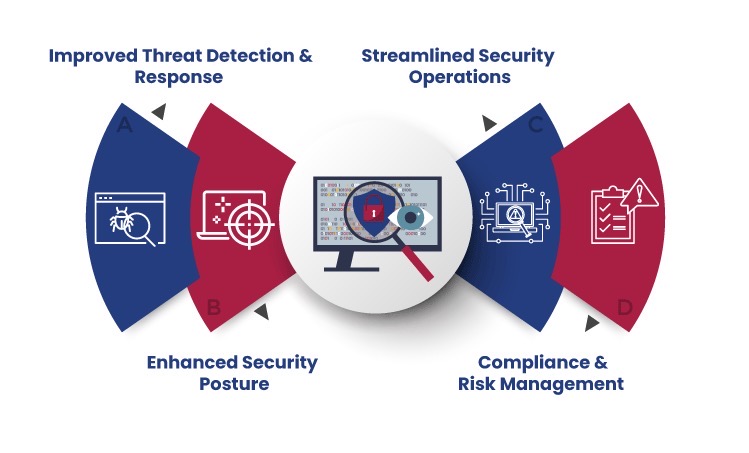
    2. Improving Cybersecurity with Threat Detection

    Cyber threats are becoming increasingly sophisticated, making cybersecurity a top priority for IT services. Predictive analytics plays a crucial role in identifying potential threats before they cause damage.

    By analyzing patterns in network traffic and user behavior, predictive models can detect anomalies and potential security breaches. IT security teams can then respond proactively, mitigating risks and strengthening cybersecurity defenses.


    3. Optimizing IT Infrastructure Performance

    IT infrastructure, including servers, networks, and cloud services, requires constant monitoring to ensure optimal performance. Predictive analytics helps IT teams anticipate hardware failures, optimize resource allocation, and enhance system efficiency.

    By using predictive maintenance, businesses can prevent system breakdowns and extend the lifespan of IT assets. This minimizes costs and ensures uninterrupted service delivery.


    4. Streamlining IT Support with Automated Solutions

    Predictive analytics is transforming IT support by enabling automated solutions and self-healing systems. AI-powered chatbots and virtual assistants analyze past user interactions to provide more accurate and efficient support.

    For example, IT support teams can use predictive analytics to anticipate common technical issues and offer proactive solutions before users even report them. This improves customer satisfaction and reduces downtime.


    5. Personalizing Customer Experiences

    In the tech industry, customer satisfaction is a key differentiator. Predictive analytics allows businesses to analyze customer behavior and preferences, enabling personalized experiences.

    For instance, IT service providers can use predictive models to suggest tailored solutions to clients based on their previous interactions. This enhances engagement and builds long-term customer relationships.


    6. Enhancing Fraud Detection and Risk Management

    Financial transactions, online services, and digital platforms are prone to fraud and security risks. Predictive analytics helps businesses detect fraudulent activities by analyzing transaction patterns and identifying anomalies.

    Banks, fintech companies, and IT service providers use predictive models to flag suspicious activities in real time. This reduces financial losses and enhances trust among customers.


    7. Optimizing Supply Chain and Logistics

    IT services supporting supply chain management benefit greatly from predictive analytics. Businesses can forecast demand, manage inventory efficiently, and optimize logistics operations.

    For example, predictive analytics helps IT teams analyze shipment routes, reducing delays and optimizing delivery schedules. This ensures smooth supply chain operations, reducing costs and improving efficiency.


    8. Boosting Employee Productivity with Workforce Analytics

    HR and IT departments leverage predictive analytics to analyze employee performance, workload distribution, and productivity patterns. This helps organizations optimize workforce management and improve employee engagement.

    By predicting potential burnout and workload imbalances, businesses can take proactive measures to maintain a healthy work environment, leading to increased productivity and employee satisfaction.


    9. Accelerating Innovation in IT & Tech Services

    Predictive analytics fuels innovation by helping IT teams identify emerging trends and technologies. Businesses can use data-driven insights to stay ahead of competitors and develop cutting-edge solutions.

    For instance, software development firms use predictive analytics to analyze user feedback and optimize product development. This ensures software updates and new features align with customer needs.


    10. Reducing IT Costs and Maximizing ROI

    One of the biggest advantages of predictive analytics is cost reduction. By optimizing IT resources, preventing system failures, and automating repetitive tasks, businesses can reduce operational expenses.

    Predictive analytics helps IT teams allocate budgets efficiently, ensuring maximum return on investment (ROI) for technology initiatives. This leads to sustainable growth and long-term success.


    Conclusion

    Predictive analytics is a game-changer for IT and tech services, transforming how businesses operate, secure their systems, and engage with customers. By harnessing the power of big data, companies can stay ahead of risks, optimize their IT infrastructure, and drive innovation.

    As the digital landscape continues to evolve, businesses must embrace predictive analytics to remain competitive. Whether it’s improving cybersecurity, automating IT support, or personalizing customer experiences, predictive analytics is essential for future-ready enterprises.

    For cutting-edge IT solutions powered by predictive analytics and big data, explore aibuzz.net today!

  • 7 Powerful Big Data Services Revolutionizing the Digital World

    7 Powerful Big Data Services Revolutionizing the Digital World

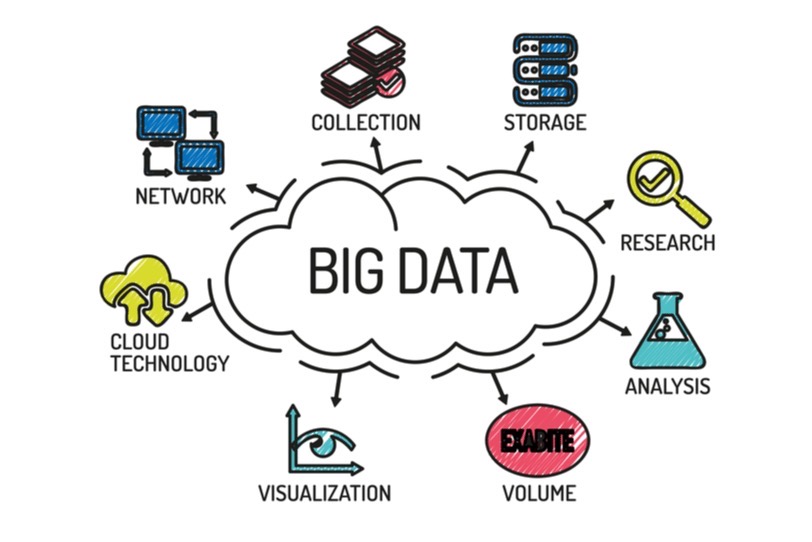
    In today’s data-driven era, businesses are generating and handling vast amounts of information daily. But raw data alone isn’t useful—it needs to be processed, analyzed, and transformed into actionable insights. That’s where big data services step in, providing cutting-edge solutions to store, manage, and analyze massive datasets efficiently.

    From big data testing to big data cloud computing, companies now have access to powerful tools that enhance decision-making, optimize operations, and drive innovation. Let’s dive into seven key big data services that are reshaping industries worldwide.

    7 Powerful Big Data Services Revolutionizing the Digital World

    1. Big Data Testing: Ensuring Accuracy and Performance

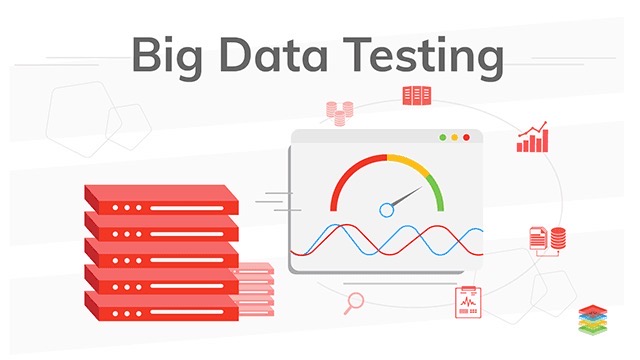
    Bad data can lead to disastrous decisions. Big data testing ensures the accuracy, reliability, and performance of data-driven systems. It involves verifying data integrity, testing ETL (Extract, Transform, Load) processes, and assessing system scalability under high loads. With businesses relying on real-time analytics, robust testing is crucial to prevent costly errors and inefficiencies.

    Why Is Big Data Testing Important?

    
Big Data Testing: Ensuring Accuracy and Performance
    • Data Quality Assurance: Ensures data consistency and correctness before analysis.
    • Performance Benchmarking: Evaluates system response times under different workloads.
    • Security & Compliance: Ensures that data handling meets regulatory requirements like GDPR and HIPAA.

    Modern businesses cannot afford unreliable data, making testing an essential part of big data service implementation.

    2. Big Data Platform: The Backbone of Data Management

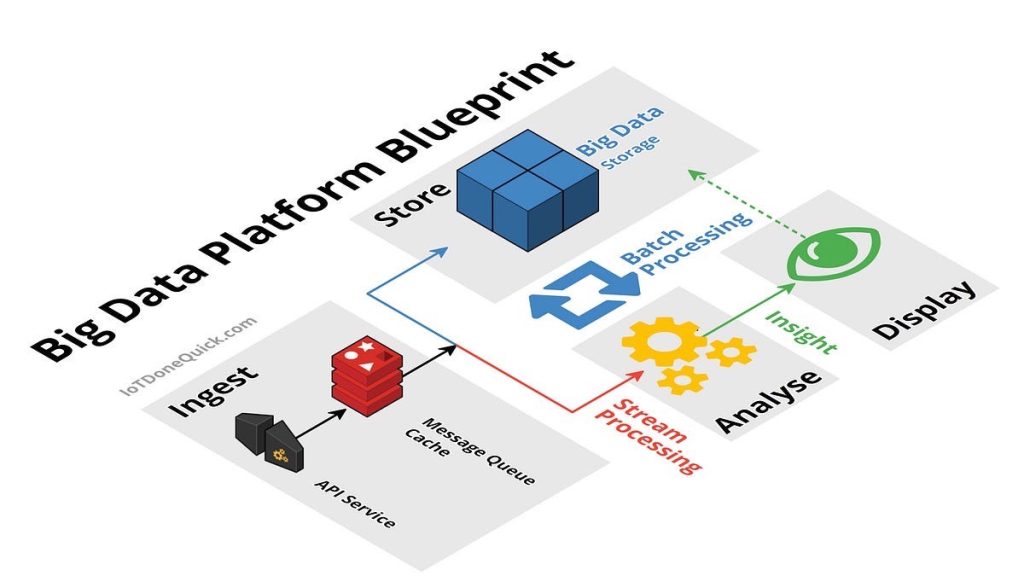
    big data platform is an integrated suite of tools and technologies designed to handle large-scale data operations. It includes data storage, processing, analytics, and visualization features. Popular platforms like Hadoop, Apache Spark, and Google BigQuery enable organizations to extract meaningful insights from massive datasets while ensuring scalability and security.

    Key Features of a Big Data Platform

    • Scalability: Handles vast amounts of structured and unstructured data.
    • Real-time Processing: Enables instant insights for faster decision-making.
    • Integration Capabilities: Supports various data sources, including IoT devices and social media feeds.

    Enterprises need a well-structured platform to ensure seamless data processing and analytics.

    3. Big Data Cloud Computing: Scalability Meets Efficiency

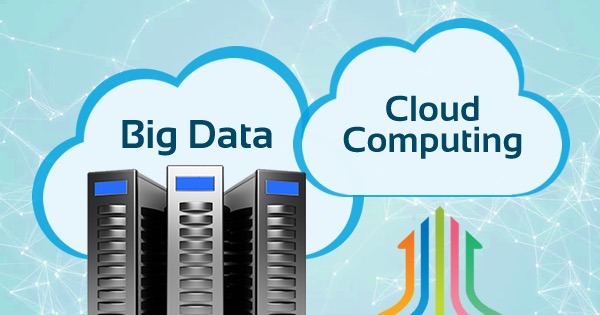
     Big Data Cloud Computing: Scalability Meets Efficiency

    Big data cloud computing allows businesses to process and store enormous data volumes in the cloud rather than relying on on-premise infrastructure. Cloud providers like AWS, Microsoft Azure, and Google Cloud offer scalable big data solutions, ensuring flexibility, cost savings, and seamless integration with AI-powered analytics. The cloud’s ability to handle real-time data streams makes it indispensable for modern enterprises.

    Benefits of Big Data Cloud Computing

    • Cost Efficiency: Reduces the need for expensive hardware investments.
    • Accessibility: Enables remote access to data from anywhere in the world.
    • Disaster Recovery: Ensures data backups and recovery options for business continuity.

    Cloud computing empowers businesses to scale their data infrastructure based on demand, making it one of the most sought-after big data services today.

    4. Big Data and Data Analytics: Turning Information into Insights

    Without analytics, data is just numbers. Big data and data analytics empower companies to uncover patterns, predict trends, and make informed decisions. Advanced techniques like machine learning, artificial intelligence, and predictive analytics allow businesses to gain a competitive edge. Industries like healthcare, finance, and retail are leveraging analytics to improve customer experiences, detect fraud, and optimize supply chains.

    Use Cases of Big Data Analytics

    • Healthcare: AI-driven diagnostics and personalized treatment plans.
    • Retail: Customer behavior prediction for better marketing strategies.
    • Banking: Fraud detection and risk assessment for financial transactions.

    Big data analytics is transforming industries by providing deeper insights that drive better business strategies.

    5. Big Data Pipeline: Streamlining Data Processing

    big data pipeline automates the flow of data from various sources to analytical systems. It involves data ingestion, transformation, and storage, ensuring real-time processing and insights. Companies like Netflix and Uber use sophisticated pipelines to personalize user experiences and optimize operations, demonstrating the power of efficient data management.

    Components of a Big Data Pipeline

    • Data Ingestion: Collects data from multiple sources (APIs, databases, IoT devices).
    • Data Transformation: Cleans and formats raw data for analysis.
    • Data Storage & Retrieval: Stores processed data in data lakes or warehouses for further analysis.

    Big data pipelines help businesses automate data workflows and streamline real-time decision-making.

    6. Big Data Cloud Solutions: Secure and Scalable Storage

    Big data cloud solutions provide businesses with the ability to store, manage, and analyze large datasets securely. These solutions offer features like distributed storage, data encryption, and real-time processing. With cloud-based architectures, companies can scale their data operations without heavy upfront infrastructure investments, making it an ideal choice for businesses of all sizes.

    Advantages of Cloud-Based Big Data Solutions

    • High Availability: Ensures data accessibility even in case of server failures.
    • Advanced Security Measures: Protects sensitive business information with encryption and access controls.
    • Automatic Scaling: Adjusts resources dynamically based on data load and processing needs.

    The rise of cloud computing has made big data services more accessible, allowing businesses to leverage powerful analytics without investing in costly physical infrastructure.

    7. The Future of Big Data Services: AI and Beyond

    As technology advances, big data services are evolving with AI-driven automation, blockchain security, and edge computing. Businesses that harness these innovations will gain a strategic advantage in the ever-competitive digital landscape.

    Emerging Trends in Big Data

    • AI-Powered Data Analytics: Machine learning is making data analysis more predictive and efficient.
    • Edge Computing: Data processing at the source reduces latency and improves performance.
    • Blockchain for Data Security: Enhances data integrity and prevents tampering in sensitive industries like finance and healthcare.

    The future of big data services lies in intelligent automation and enhanced security measures, ensuring businesses stay ahead in an increasingly data-driven world.

    Final Thoughts

    Big data is no longer just a trend—it’s a necessity for businesses looking to stay ahead. From big data cloud computing to big data analytics, these services provide the foundation for smarter decision-making and optimized operations. Companies that invest in big data solutions can expect improved efficiency, better customer insights, and a significant competitive advantage.

    If your business is looking to leverage the power of big data, investing in the right technologies and platforms is key to success. Ready to explore the best big data cloud solutions for your organization? Stay ahead of the curve by embracing the power of big data today with aibuzz!

  • 7 Ways Big Data Services Are Transforming Businesses in 2025

    7 Ways Big Data Services Are Transforming Businesses in 2025

    Introduction

    Big data has become a cornerstone of modern business operations, driving insights, improving decision-making, and enhancing overall efficiency. With the rapid advancements in technology, companies are leveraging big data in cloudenvironments, integrating tools like Power BI and big data, and adopting sophisticated analytics solutions to stay ahead. In this blog, we will explore seven transformative ways big data services are shaping businesses in 2025, covering essential trends and key benefits.

    7 Ways Big Data Services Are Transforming Businesses in 2025

    1. Cloud-Based Big Data Solutions for Scalability and Efficiency

    The demand for big data in cloud environments has skyrocketed, with businesses relying on cloud platforms like AWS, Google Cloud, and Microsoft Azure to manage vast datasets efficiently. Cloud solutions offer scalability, cost-effectiveness, and real-time data processing capabilities. With pay-as-you-go models, companies no longer need to invest heavily in on-premise infrastructure, making big data services more accessible to startups and enterprises alike.

    2. Power BI and Big Data for Enhanced Visualization

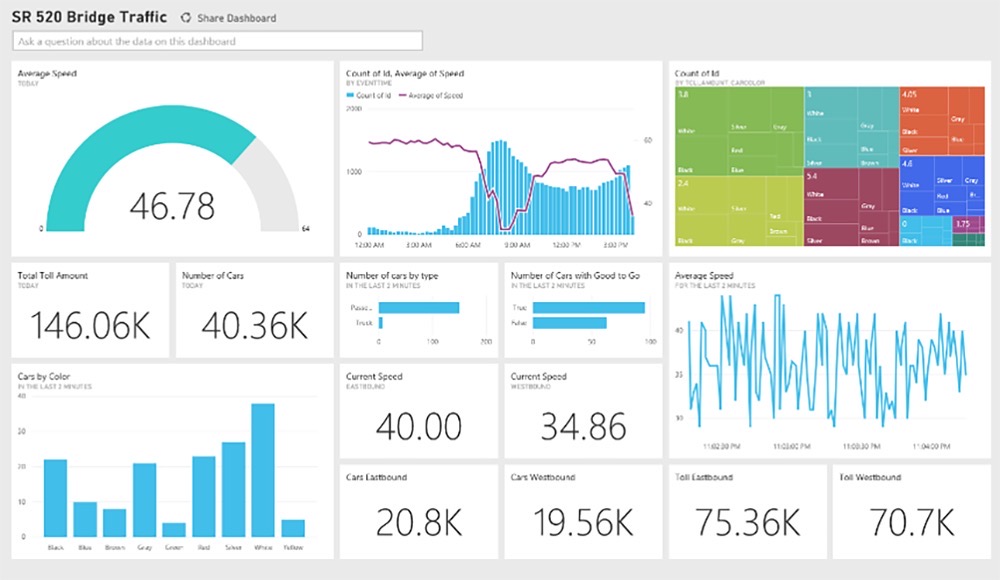
    Power BI and big data analytics have become an inseparable duo in modern data analysis. Power BI, a business intelligence tool from Microsoft, allows companies to create interactive dashboards and real-time reports. By integrating Power BI with big data platforms, businesses can extract meaningful insights from raw data, identify trends, and make data-driven decisions faster. The intuitive interface and AI-powered analytics make Power BI a favorite among data analysts and executives.

    3. AI-Driven Big Data Analytics for Smarter Decision-Making

    Artificial intelligence is revolutionizing the way businesses process and interpret big data. AI-powered analytics platforms use machine learning algorithms to detect patterns, predict customer behavior, and automate decision-making. From fraud detection in banking to predictive maintenance in manufacturing, AI-driven big data solutions are enhancing efficiency across industries.

    The integration of AI and big data goes beyond traditional analytics. AI enables businesses to move from reactive to proactive decision-making. For example, in healthcare, AI-driven big data models help doctors diagnose diseases earlier by analyzing medical records and patient histories. In finance, AI-powered risk analysis tools can predict creditworthiness with higher accuracy, reducing loan defaults.

    Additionally, AI-based natural language processing (NLP) is transforming how businesses interact with data. Chatbots and AI assistants can analyze large datasets in real-time and provide actionable insights without requiring deep technical expertise. Companies can leverage AI-powered big data analytics to streamline operations, enhance customer experience, and uncover hidden growth opportunities.

    4. Edge Computing: Bringing Big Data Processing Closer to Users

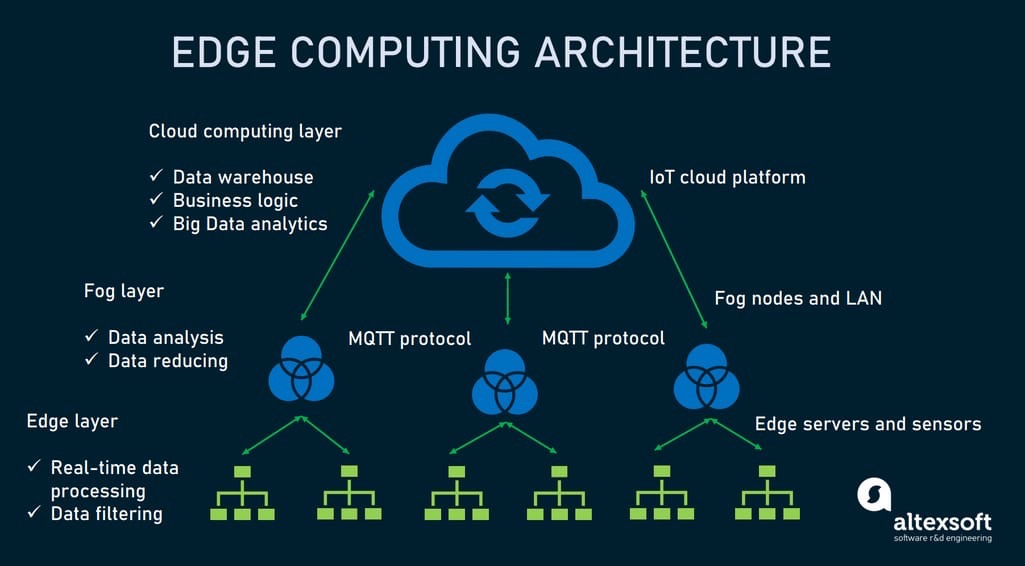
    Edge computing is redefining how businesses manage big data by processing it closer to the source rather than relying on centralized cloud servers. This technology is particularly beneficial in sectors like healthcare, IoT, and retail, where real-time data analysis is critical. By reducing latency and improving speed, edge computing enables organizations to make instantaneous decisions based on real-time insights, thus enhancing operational efficiency.

    5. Big Data in Cybersecurity: Strengthening Protection Against Threats

    As cyber threats become more sophisticated, companies are leveraging big data analytics to enhance their cybersecurity measures. Security teams use big data tools to analyze network traffic, detect anomalies, and identify potential security breaches before they occur. Machine learning models trained on vast datasets help businesses predict cyber threats and implement proactive security measures, ensuring data integrity and compliance with regulations like GDPR and CCPA.

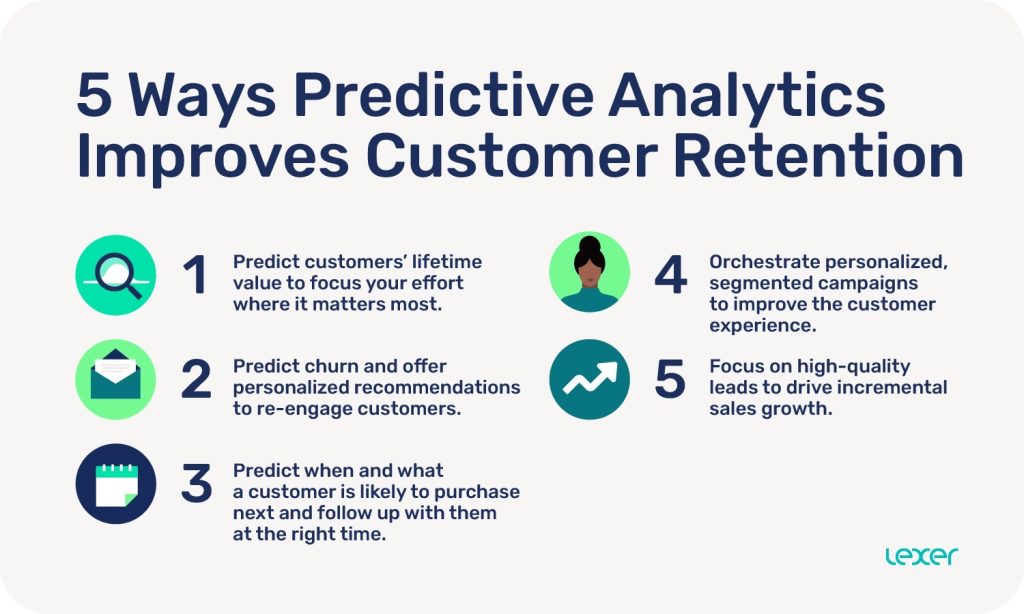
    6. Predictive Analytics for Personalized Customer Experiences

    With the integration of big data services, companies can now offer highly personalized experiences to customers. Predictive analytics tools analyze historical data, social media interactions, and purchasing behaviors to deliver targeted marketing campaigns and personalized recommendations. Industries such as e-commerce, banking, and healthcare are utilizing these insights to improve customer engagement, reduce churn rates, and enhance customer satisfaction.

    Retailers, for example, use predictive analytics to optimize inventory management by forecasting demand. Streaming platforms like Netflix and Spotify rely on AI-driven big data analytics to recommend content tailored to individual user preferences. These personalized experiences drive customer loyalty and increase revenue streams for businesses.

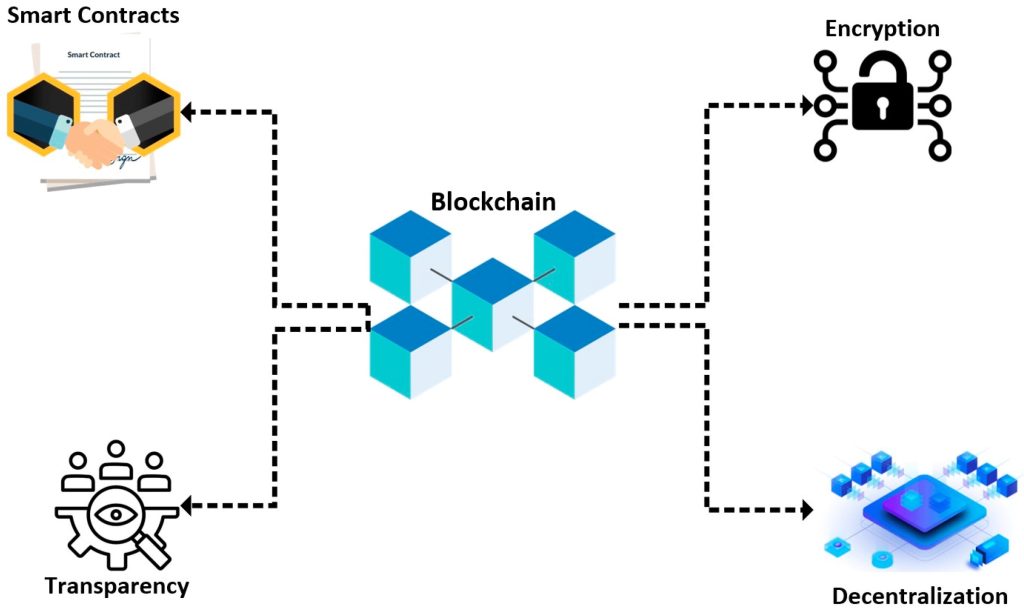
    7. Blockchain and Big Data: Enhancing Data Security and Transparency

    Blockchain technology is playing a pivotal role in securing big data transactions and ensuring transparency. By decentralizing data storage and eliminating single points of failure, blockchain enhances data security and prevents unauthorized alterations. Industries like supply chain management, healthcare, and finance are integrating blockchain with big data to improve data integrity, traceability, and fraud prevention.

    Conclusion

    Big data services are continuously evolving, reshaping industries, and providing businesses with unparalleled advantages. From big data in cloud environments and Power BI and big data integration to AI-driven analytics and blockchain security, organizations that harness the power of big data will remain at the forefront of innovation. Whether you’re a startup or an established enterprise, leveraging these transformative trends will help you stay competitive in 2025 and beyond.

    Explore how our big data services at aibuzz.net can help your business unlock new opportunities and drive success in the data-driven world!