
Introduction
Big data has become a cornerstone of modern business operations, driving insights, improving decision-making, and enhancing overall efficiency. With the rapid advancements in technology, companies are leveraging big data in cloudenvironments, integrating tools like Power BI and big data, and adopting sophisticated analytics solutions to stay ahead. In this blog, we will explore seven transformative ways big data services are shaping businesses in 2025, covering essential trends and key benefits.
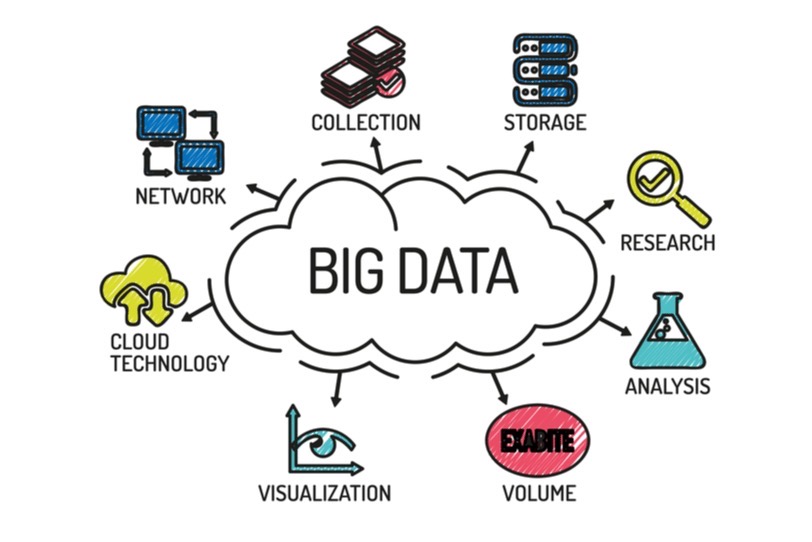
1. Cloud-Based Big Data Solutions for Scalability and Efficiency
The demand for big data in cloud environments has skyrocketed, with businesses relying on cloud platforms like AWS, Google Cloud, and Microsoft Azure to manage vast datasets efficiently. Cloud solutions offer scalability, cost-effectiveness, and real-time data processing capabilities. With pay-as-you-go models, companies no longer need to invest heavily in on-premise infrastructure, making big data services more accessible to startups and enterprises alike.
2. Power BI and Big Data for Enhanced Visualization
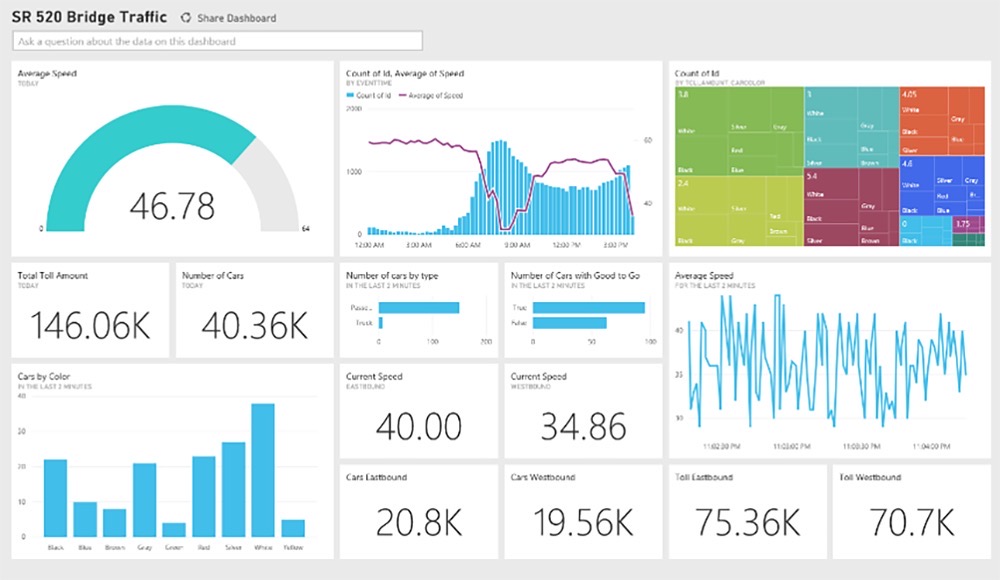
Power BI and big data analytics have become an inseparable duo in modern data analysis. Power BI, a business intelligence tool from Microsoft, allows companies to create interactive dashboards and real-time reports. By integrating Power BI with big data platforms, businesses can extract meaningful insights from raw data, identify trends, and make data-driven decisions faster. The intuitive interface and AI-powered analytics make Power BI a favorite among data analysts and executives.
3. AI-Driven Big Data Analytics for Smarter Decision-Making
Artificial intelligence is revolutionizing the way businesses process and interpret big data. AI-powered analytics platforms use machine learning algorithms to detect patterns, predict customer behavior, and automate decision-making. From fraud detection in banking to predictive maintenance in manufacturing, AI-driven big data solutions are enhancing efficiency across industries.
The integration of AI and big data goes beyond traditional analytics. AI enables businesses to move from reactive to proactive decision-making. For example, in healthcare, AI-driven big data models help doctors diagnose diseases earlier by analyzing medical records and patient histories. In finance, AI-powered risk analysis tools can predict creditworthiness with higher accuracy, reducing loan defaults.
Additionally, AI-based natural language processing (NLP) is transforming how businesses interact with data. Chatbots and AI assistants can analyze large datasets in real-time and provide actionable insights without requiring deep technical expertise. Companies can leverage AI-powered big data analytics to streamline operations, enhance customer experience, and uncover hidden growth opportunities.
4. Edge Computing: Bringing Big Data Processing Closer to Users
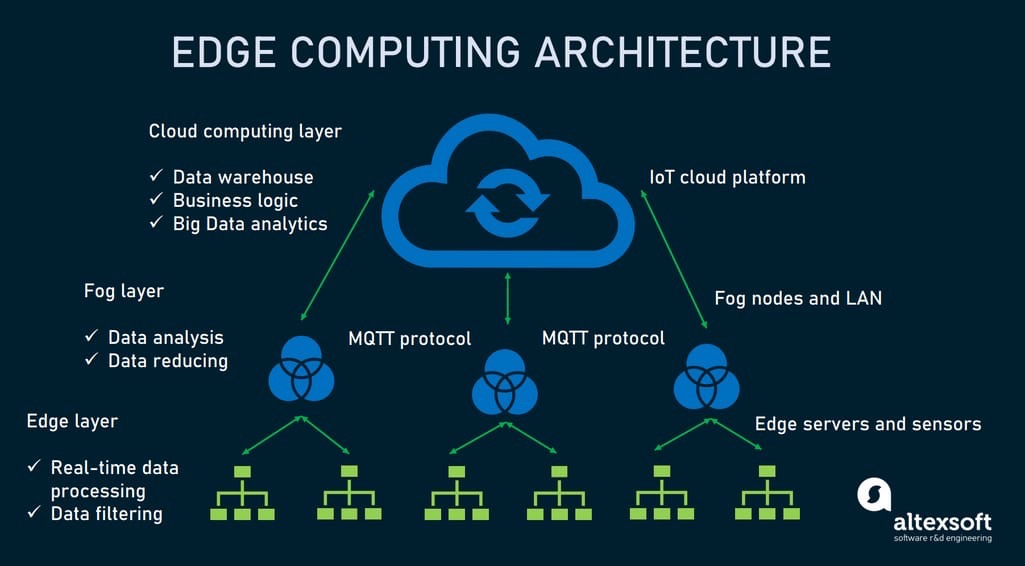
Edge computing is redefining how businesses manage big data by processing it closer to the source rather than relying on centralized cloud servers. This technology is particularly beneficial in sectors like healthcare, IoT, and retail, where real-time data analysis is critical. By reducing latency and improving speed, edge computing enables organizations to make instantaneous decisions based on real-time insights, thus enhancing operational efficiency.
5. Big Data in Cybersecurity: Strengthening Protection Against Threats
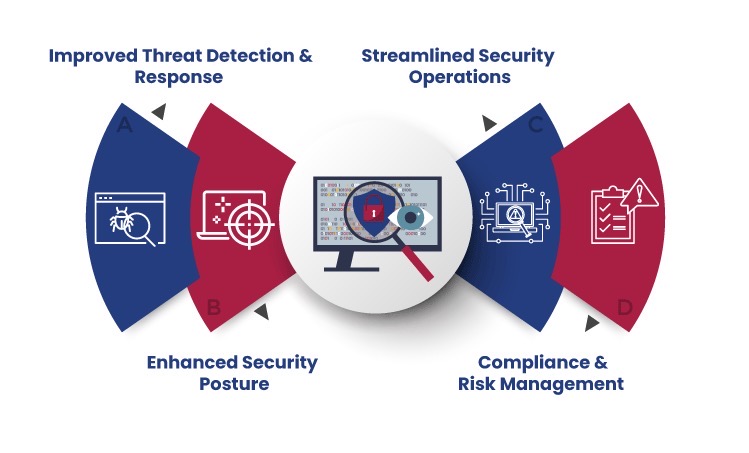
As cyber threats become more sophisticated, companies are leveraging big data analytics to enhance their cybersecurity measures. Security teams use big data tools to analyze network traffic, detect anomalies, and identify potential security breaches before they occur. Machine learning models trained on vast datasets help businesses predict cyber threats and implement proactive security measures, ensuring data integrity and compliance with regulations like GDPR and CCPA.
6. Predictive Analytics for Personalized Customer Experiences
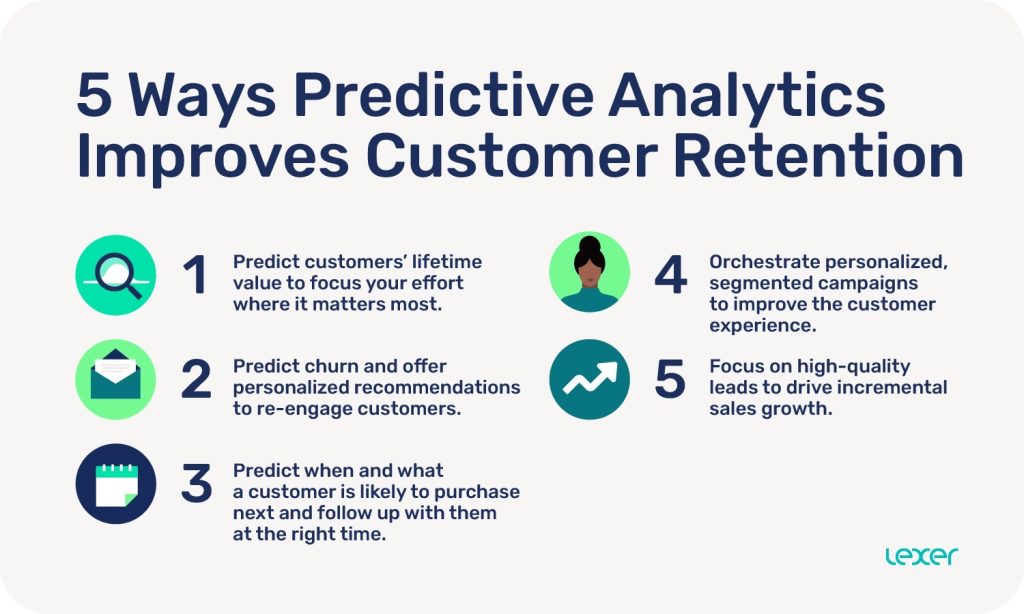
With the integration of big data services, companies can now offer highly personalized experiences to customers. Predictive analytics tools analyze historical data, social media interactions, and purchasing behaviors to deliver targeted marketing campaigns and personalized recommendations. Industries such as e-commerce, banking, and healthcare are utilizing these insights to improve customer engagement, reduce churn rates, and enhance customer satisfaction.
Retailers, for example, use predictive analytics to optimize inventory management by forecasting demand. Streaming platforms like Netflix and Spotify rely on AI-driven big data analytics to recommend content tailored to individual user preferences. These personalized experiences drive customer loyalty and increase revenue streams for businesses.
7. Blockchain and Big Data: Enhancing Data Security and Transparency
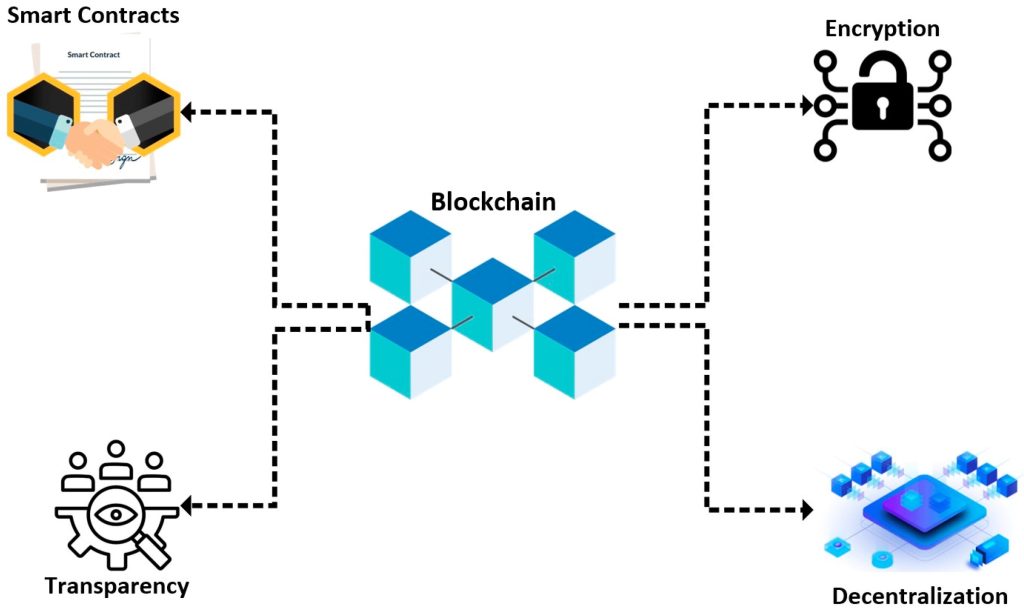
Blockchain technology is playing a pivotal role in securing big data transactions and ensuring transparency. By decentralizing data storage and eliminating single points of failure, blockchain enhances data security and prevents unauthorized alterations. Industries like supply chain management, healthcare, and finance are integrating blockchain with big data to improve data integrity, traceability, and fraud prevention.
Conclusion
Big data services are continuously evolving, reshaping industries, and providing businesses with unparalleled advantages. From big data in cloud environments and Power BI and big data integration to AI-driven analytics and blockchain security, organizations that harness the power of big data will remain at the forefront of innovation. Whether you’re a startup or an established enterprise, leveraging these transformative trends will help you stay competitive in 2025 and beyond.
Explore how our big data services at aibuzz.net can help your business unlock new opportunities and drive success in the data-driven world!
Leave a Reply