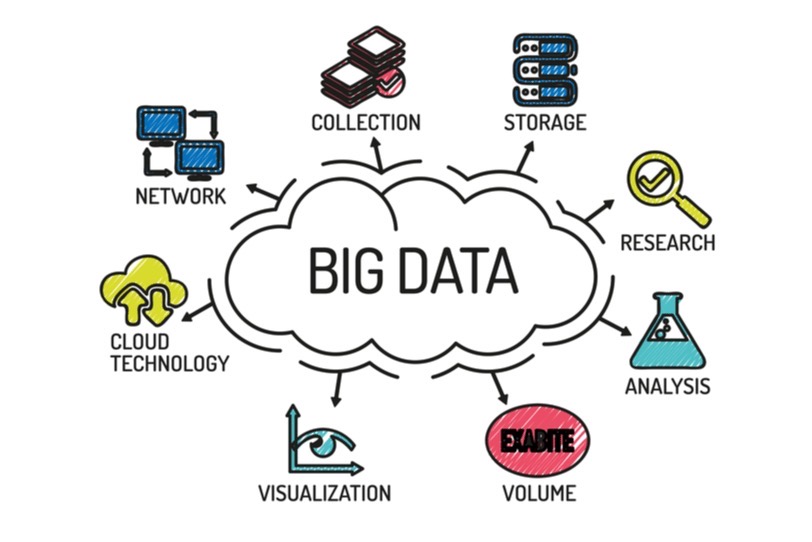
In today’s data-driven era, businesses are generating and handling vast amounts of information daily. But raw data alone isn’t useful—it needs to be processed, analyzed, and transformed into actionable insights. That’s where big data services step in, providing cutting-edge solutions to store, manage, and analyze massive datasets efficiently.
From big data testing to big data cloud computing, companies now have access to powerful tools that enhance decision-making, optimize operations, and drive innovation. Let’s dive into seven key big data services that are reshaping industries worldwide.

1. Big Data Testing: Ensuring Accuracy and Performance
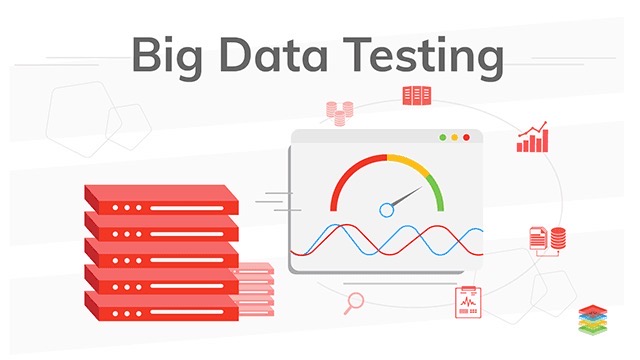
Bad data can lead to disastrous decisions. Big data testing ensures the accuracy, reliability, and performance of data-driven systems. It involves verifying data integrity, testing ETL (Extract, Transform, Load) processes, and assessing system scalability under high loads. With businesses relying on real-time analytics, robust testing is crucial to prevent costly errors and inefficiencies.
Why Is Big Data Testing Important?
- Data Quality Assurance: Ensures data consistency and correctness before analysis.
- Performance Benchmarking: Evaluates system response times under different workloads.
- Security & Compliance: Ensures that data handling meets regulatory requirements like GDPR and HIPAA.
Modern businesses cannot afford unreliable data, making testing an essential part of big data service implementation.
2. Big Data Platform: The Backbone of Data Management
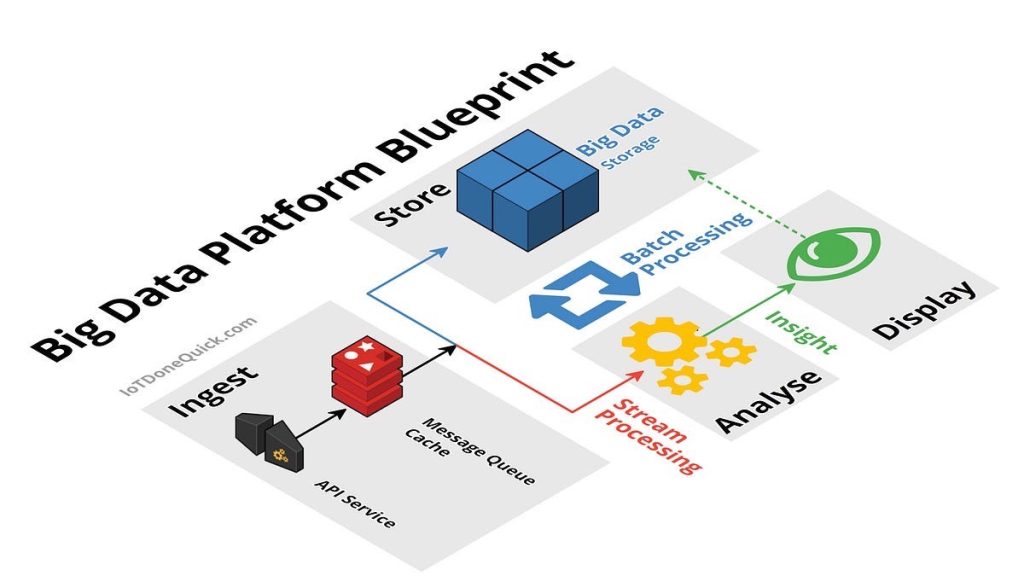
A big data platform is an integrated suite of tools and technologies designed to handle large-scale data operations. It includes data storage, processing, analytics, and visualization features. Popular platforms like Hadoop, Apache Spark, and Google BigQuery enable organizations to extract meaningful insights from massive datasets while ensuring scalability and security.
Key Features of a Big Data Platform
- Scalability: Handles vast amounts of structured and unstructured data.
- Real-time Processing: Enables instant insights for faster decision-making.
- Integration Capabilities: Supports various data sources, including IoT devices and social media feeds.
Enterprises need a well-structured platform to ensure seamless data processing and analytics.
3. Big Data Cloud Computing: Scalability Meets Efficiency
Big data cloud computing allows businesses to process and store enormous data volumes in the cloud rather than relying on on-premise infrastructure. Cloud providers like AWS, Microsoft Azure, and Google Cloud offer scalable big data solutions, ensuring flexibility, cost savings, and seamless integration with AI-powered analytics. The cloud’s ability to handle real-time data streams makes it indispensable for modern enterprises.
Benefits of Big Data Cloud Computing
- Cost Efficiency: Reduces the need for expensive hardware investments.
- Accessibility: Enables remote access to data from anywhere in the world.
- Disaster Recovery: Ensures data backups and recovery options for business continuity.
Cloud computing empowers businesses to scale their data infrastructure based on demand, making it one of the most sought-after big data services today.
4. Big Data and Data Analytics: Turning Information into Insights

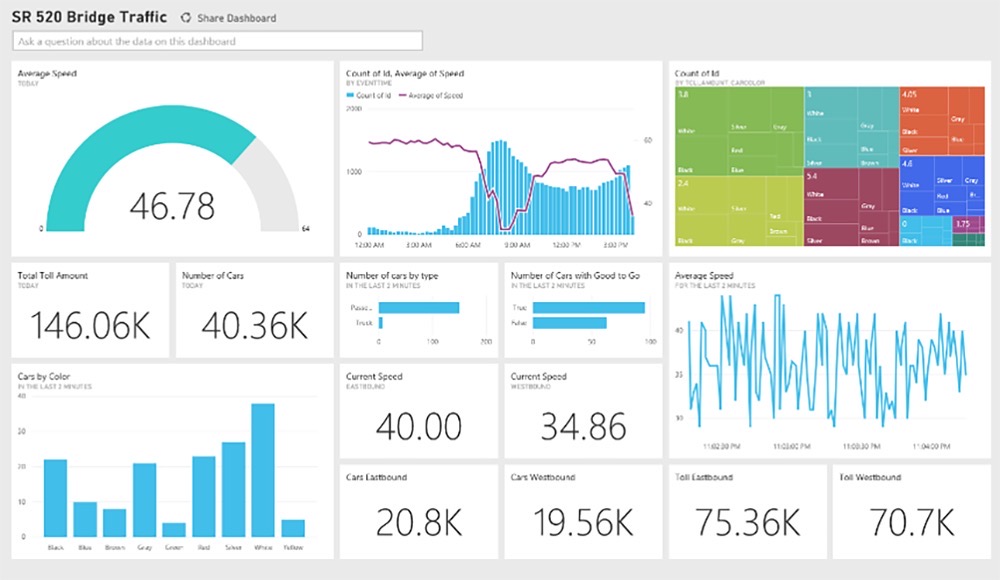
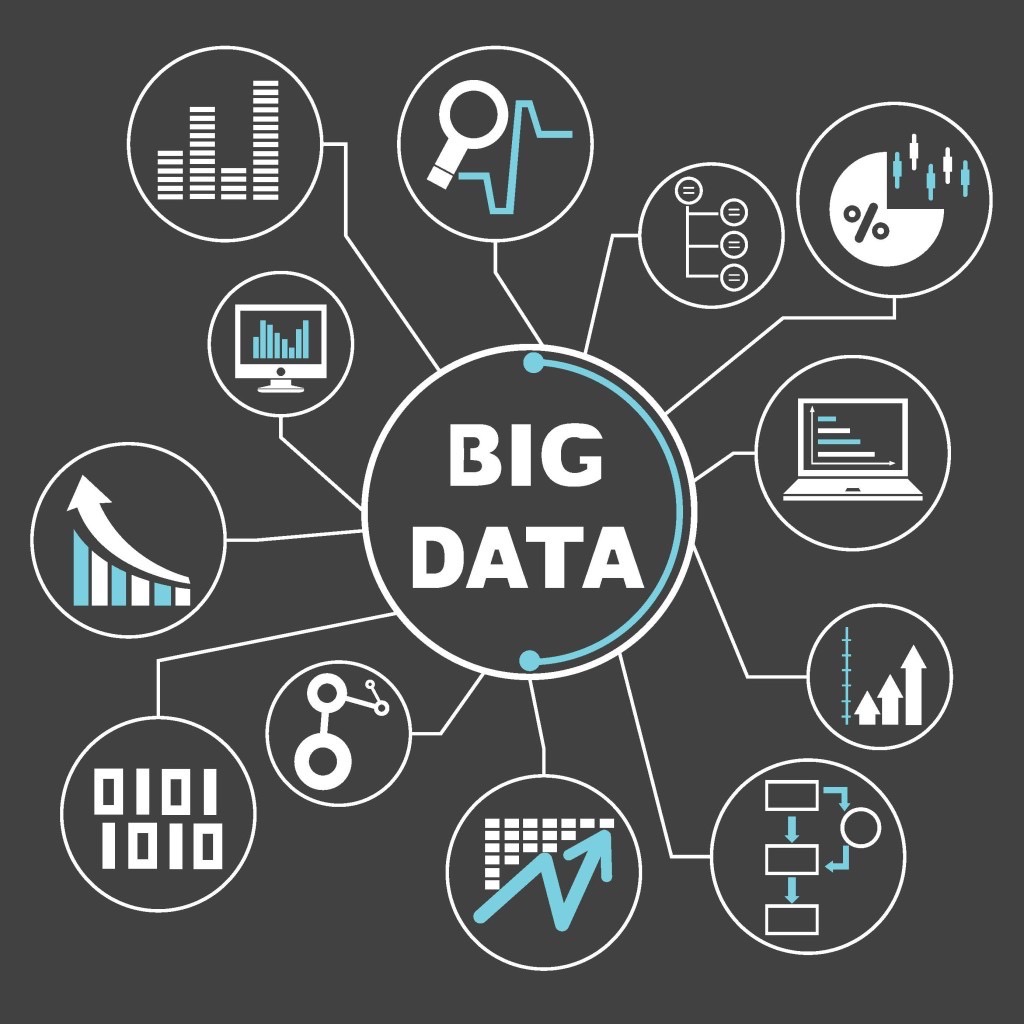
Without analytics, data is just numbers. Big data and data analytics empower companies to uncover patterns, predict trends, and make informed decisions. Advanced techniques like machine learning, artificial intelligence, and predictive analytics allow businesses to gain a competitive edge. Industries like healthcare, finance, and retail are leveraging analytics to improve customer experiences, detect fraud, and optimize supply chains.
Use Cases of Big Data Analytics
- Healthcare: AI-driven diagnostics and personalized treatment plans.
- Retail: Customer behavior prediction for better marketing strategies.
- Banking: Fraud detection and risk assessment for financial transactions.
Big data analytics is transforming industries by providing deeper insights that drive better business strategies.
5. Big Data Pipeline: Streamlining Data Processing
A big data pipeline automates the flow of data from various sources to analytical systems. It involves data ingestion, transformation, and storage, ensuring real-time processing and insights. Companies like Netflix and Uber use sophisticated pipelines to personalize user experiences and optimize operations, demonstrating the power of efficient data management.
Components of a Big Data Pipeline
- Data Ingestion: Collects data from multiple sources (APIs, databases, IoT devices).
- Data Transformation: Cleans and formats raw data for analysis.
- Data Storage & Retrieval: Stores processed data in data lakes or warehouses for further analysis.
Big data pipelines help businesses automate data workflows and streamline real-time decision-making.
6. Big Data Cloud Solutions: Secure and Scalable Storage
Big data cloud solutions provide businesses with the ability to store, manage, and analyze large datasets securely. These solutions offer features like distributed storage, data encryption, and real-time processing. With cloud-based architectures, companies can scale their data operations without heavy upfront infrastructure investments, making it an ideal choice for businesses of all sizes.
Advantages of Cloud-Based Big Data Solutions
- High Availability: Ensures data accessibility even in case of server failures.
- Advanced Security Measures: Protects sensitive business information with encryption and access controls.
- Automatic Scaling: Adjusts resources dynamically based on data load and processing needs.
The rise of cloud computing has made big data services more accessible, allowing businesses to leverage powerful analytics without investing in costly physical infrastructure.
7. The Future of Big Data Services: AI and Beyond
As technology advances, big data services are evolving with AI-driven automation, blockchain security, and edge computing. Businesses that harness these innovations will gain a strategic advantage in the ever-competitive digital landscape.
Emerging Trends in Big Data
- AI-Powered Data Analytics: Machine learning is making data analysis more predictive and efficient.
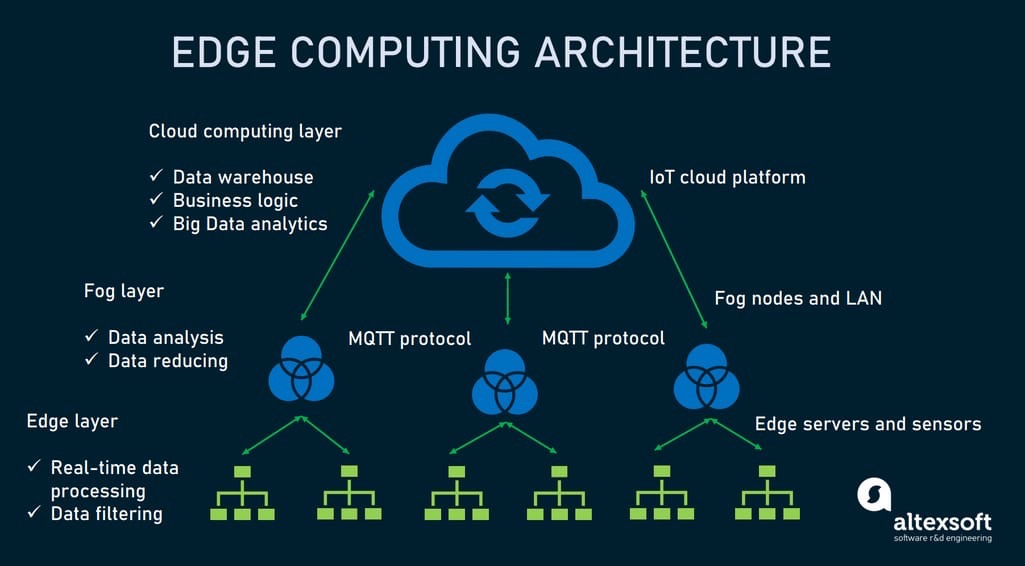
- Edge Computing: Data processing at the source reduces latency and improves performance.
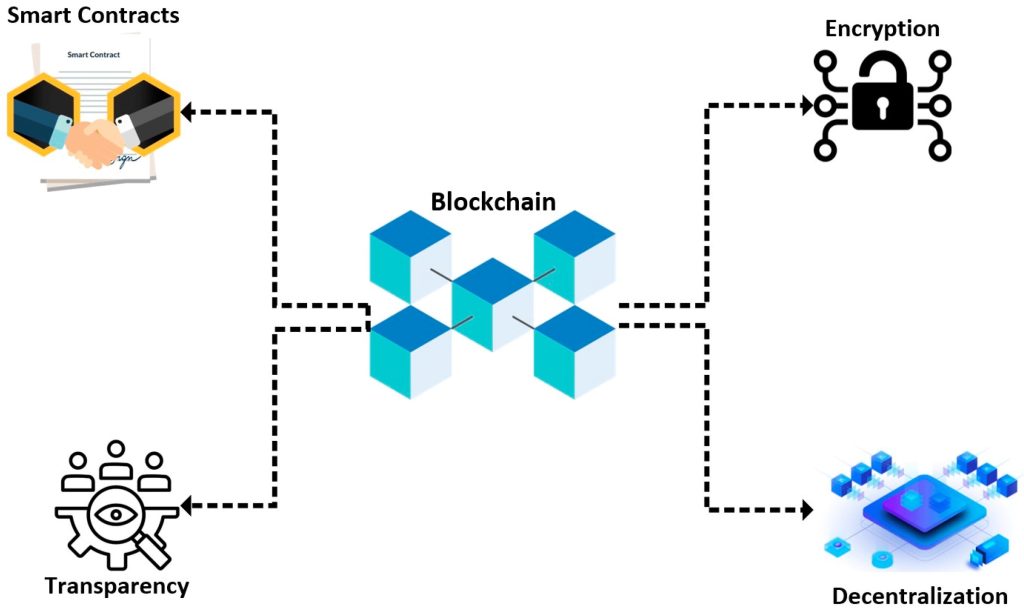
- Blockchain for Data Security: Enhances data integrity and prevents tampering in sensitive industries like finance and healthcare.
The future of big data services lies in intelligent automation and enhanced security measures, ensuring businesses stay ahead in an increasingly data-driven world.
Final Thoughts
Big data is no longer just a trend—it’s a necessity for businesses looking to stay ahead. From big data cloud computing to big data analytics, these services provide the foundation for smarter decision-making and optimized operations. Companies that invest in big data solutions can expect improved efficiency, better customer insights, and a significant competitive advantage.
If your business is looking to leverage the power of big data, investing in the right technologies and platforms is key to success. Ready to explore the best big data cloud solutions for your organization? Stay ahead of the curve by embracing the power of big data today with aibuzz!