Tag: Software development

  • 7 Essential Benefits of Enterprise Software Development for Modern Businesses

    7 Essential Benefits of Enterprise Software Development for Modern Businesses

    In today’s fast-paced, tech-driven world, businesses can’t afford to rely on outdated tools or fragmented processes. Enterprise software development has emerged as a game-changer, offering scalable, customized, and efficient digital solutions that help organizations stay ahead of the curve.

    From streamlining internal operations to improving customer engagement, enterprise software development allows businesses to build tailored platforms that align with their goals and workflows. Whether you’re a startup aiming for growth or a multinational enterprise looking for digital transformation, understanding the benefits of enterprise software development is absolutely essential.

    In this blog, we’ll explore the 7 essential benefits of enterprise software development and why it’s a smart investment for modern organizations.


    What is Software Development?

    7 Essential Benefits of Enterprise Software Development for Modern Businesses

    Software development is the process of designing, coding, testing, and deploying software solutions. It ranges from creating simple mobile apps to complex systems like enterprise software that manage business operations at scale. This involves a combination of programming, software engineering, project management, and testing to build efficient and secure digital products.


    1. Tailored Solutions That Fit Your Business Needs

    Off-the-shelf software may offer quick fixes, but it often fails to accommodate specific workflows, user roles, and internal processes. Enterprise software development offers fully customized solutions built from the ground up to match the unique needs of your business.

    Whether it’s an internal HR system, a finance dashboard, or a project management tool, custom enterprise software development ensures your software fits like a glove — without unnecessary features or limitations.


    2. Enhanced Operational Efficiency

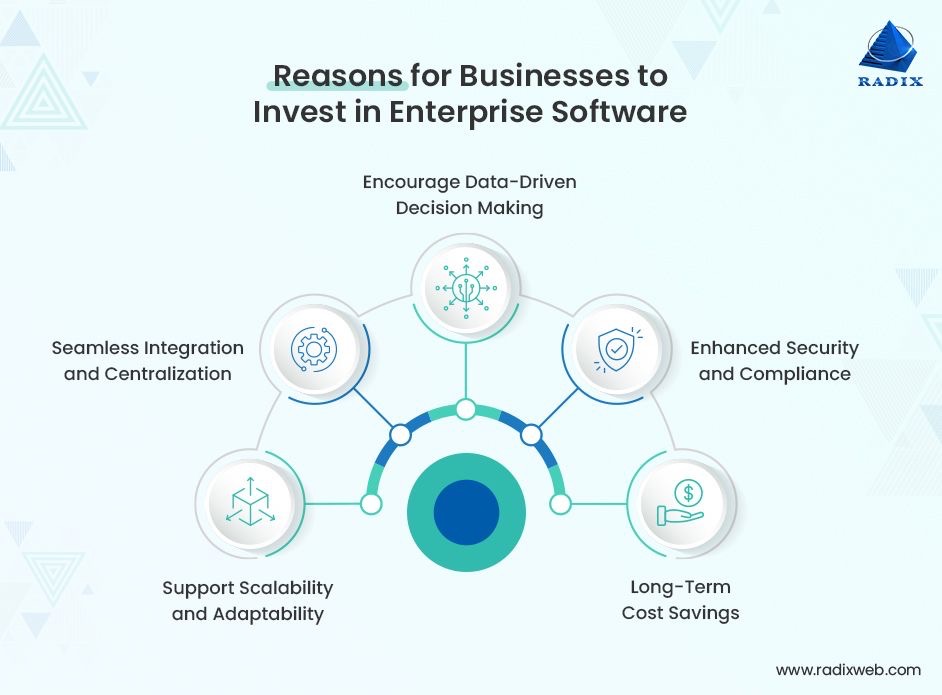
    Efficiency is everything in today’s competitive business environment. By automating repetitive tasks, improving data flow between departments, and offering centralized access to information, enterprise software developmentsignificantly improves overall productivity.

    This means your team spends less time switching between systems and more time focusing on high-impact tasks. With properly integrated enterprise solutions, efficiency becomes the default.


    3. Scalability That Grows With You

    One of the most essential features of any business solution is scalability. As your company grows, your software should too. Custom enterprise software development is designed with growth in mind, allowing you to add new modules, users, or functionalities without system crashes or expensive overhauls.

    You’re not tied down to the limits of third-party tools. Instead, your custom software evolves with your business strategy and operations.


    4. Improved Data Management and Analytics

    Data is the new oil — but only if it’s used effectively. With enterprise software development, organizations can build powerful data analytics systems that offer real-time insights, dashboards, and reporting capabilities.

    By consolidating your data sources and building analytics into the heart of your systems, enterprise software development makes it easier to make informed, data-driven decisions.


    5. Increased Security and Compliance

    Off-the-shelf software is often a target for hackers, simply because it’s widely used and predictable. With custom-built enterprise software development, you gain the upper hand in cybersecurity.

    From encryption protocols to user access controls, you can design security features that comply with your industry standards and regulatory requirements. It’s not just about protection — it’s about peace of mind.


    6. Seamless Integration With Existing Systems

    Your business probably already uses multiple platforms — CRM, ERP, cloud storage, and more. Enterprise software development allows for seamless integration with your existing tech ecosystem.

    Instead of replacing all your tools, you can develop middleware or integrated features that bring all systems together. This creates a unified environment, reduces duplication, and enhances interdepartmental collaboration.


    7. Competitive Advantage in a Crowded Market

    In a saturated digital space, businesses need every edge they can get. Enterprise software development gives you that edge by aligning software features with your unique value proposition.

    Whether it’s through faster delivery, improved user experience, or intelligent automation, your business will stand out from competitors still relying on generic tools. With the right software, your business doesn’t just run better — it innovates.


    Use Cases of Enterprise Software Development

    Here are some real-world applications of enterprise software development:

    • Customer Relationship Management (CRM) tools tailored for niche industries
    • Enterprise Resource Planning (ERP) systems with region-specific tax rules
    • Supply Chain Management software optimized for logistics and shipping routes
    • Employee Portals for onboarding, training, and performance tracking
    • Healthcare Management Systems adhering to HIPAA compliance

    Each of these examples shows how enterprise software development can empower companies in virtually any industry.


    Technologies Used in Enterprise Software Development

    Modern enterprise software development incorporates advanced technologies like:

    • Cloud computing (AWS, Azure, GCP) for scalability
    • Artificial Intelligence & Machine Learning for predictive analytics
    • Blockchain for secure transactions and record-keeping
    • APIs & Microservices for flexible integration
    • DevOps & CI/CD pipelines for efficient deployment

    These technologies form the backbone of robust and future-ready enterprise software solutions.


    Why Invest in Enterprise Software Development Now?

    Why Invest in Enterprise Software Development Now?

    In the post-pandemic era, digital agility is no longer optional — it’s essential. Companies that fail to adapt are rapidly losing ground to more tech-savvy competitors.

    Enterprise software development isn’t just about building tools; it’s about building a digital foundation that supports agility, innovation, and sustainable growth. It’s a proactive move toward future-proofing your organization.


    Common Myths About Enterprise Software Development

    Let’s bust a few myths:

    • “It’s too expensive.” While custom software has upfront costs, it saves more over time by reducing inefficiencies, licensing fees, and scaling issues.
    • “We don’t need it.” Every business has unique needs. Even if you’re managing with existing tools, you might be missing out on performance gains.
    • “It’s too complex.” With the right development partner, the process can be smooth, collaborative, and highly rewarding.

    Choosing the Right Enterprise Software Development Partner

    The success of your software depends on who builds it. When choosing a development partner, look for:

    • Proven experience in enterprise software development
    • Transparent communication and agile methodologies
    • A portfolio of diverse industries and use cases
    • Long-term support and scalability services

    This isn’t just a project — it’s a partnership that fuels your digital transformation.


    Final Thoughts

    To stay competitive in a dynamic digital landscape, investing in enterprise software development is no longer a luxury — it’s a necessity. From tailored workflows to real-time analytics and future-ready scalability, the benefits are too significant to ignore.

    If you want a solution that works for your business, not against it, enterprise software development is the way forward.


    Conclusion

    At aibuzz, we specialize in enterprise software development, helping businesses unlock their full digital potential. Our IT and tech services are tailored to meet your unique needs — from development and integration to ongoing support. Whether you’re starting from scratch or upgrading your current systems, our expert team is here to build software that drives success. Let’s future-proof your business together.


  • 10 Essential Features of Financial Software Development for 2025

    10 Essential Features of Financial Software Development for 2025

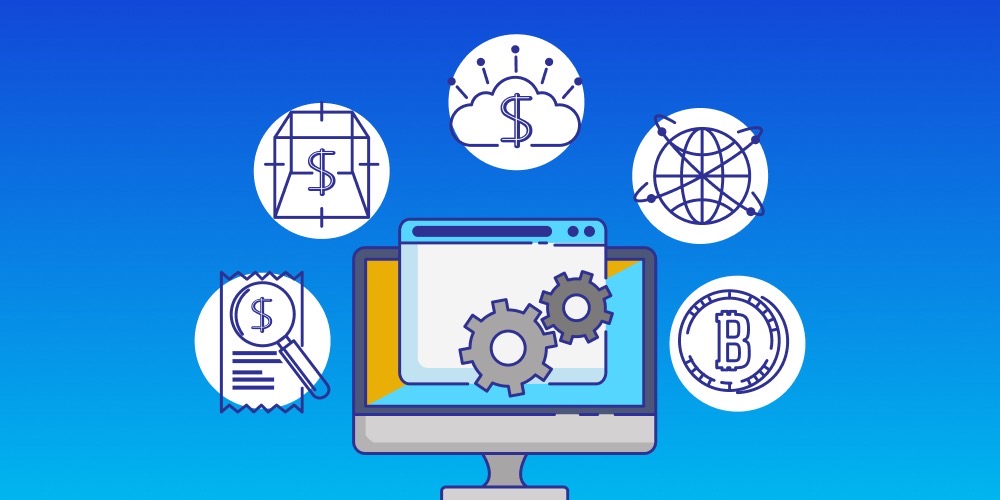
    In the fast-paced world of finance, software solutions have become the backbone of seamless transactions, risk management, and regulatory compliance. Financial software development is evolving to meet the increasing demands of businesses, financial institutions, and consumers. Whether you’re a startup looking to build a fintech platform or an established bank upgrading its digital services, understanding the essential features of financial software is crucial.

    Understanding Financial Software Development

    Financial software development refers to the process of designing, building, and maintaining software solutions tailored for banking, investment, insurance, and fintech applications. These solutions enhance operational efficiency, improve customer experience, and ensure compliance with financial regulations. With advancements in AI, blockchain, and cloud computing, financial software is becoming more sophisticated, secure, and scalable.

    Why is Financial Software Development Important?

    Why is Financial Software Development Important?

    Financial software solutions play a crucial role in modern banking and finance by:

    • Enhancing security against fraud and cyber threats.
    • Automating routine financial processes to increase efficiency.
    • Providing real-time data analytics for better decision-making.
    • Ensuring compliance with financial regulations.
    • Improving customer engagement with user-friendly digital interfaces.

    Let’s explore the 10 essential features every financial software must have in 2025.

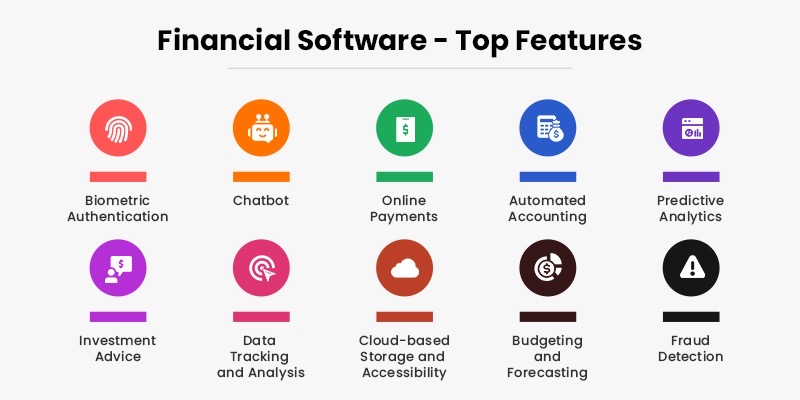
    10 Essential Features of Financial Software Development for 2025

    1. Robust Security & Compliance

    Security is the cornerstone of financial software. With cyber threats becoming more sophisticated, financial software must implement encryption, multi-factor authentication (MFA), and biometric verification. Compliance with regulations like GDPR, PCI DSS, and ISO 27001 ensures that sensitive financial data remains protected. Failing to meet security standards can lead to severe financial losses and reputational damage.

    2. AI-Powered Fraud Detection

    Artificial Intelligence (AI) plays a crucial role in identifying fraudulent transactions. Machine learning algorithms analyze transaction patterns in real time and flag suspicious activities, preventing fraud before it happens. Integrating AI-driven anomaly detection can enhance security and reduce financial losses. Companies that adopt AI-powered fraud detection experience fewer chargebacks and fraudulent claims.

    3. Cloud-Based Architecture

    Cloud technology is reshaping financial software development. Cloud-based financial solutions offer scalability, reduced infrastructure costs, and enhanced collaboration. Popular cloud service providers like AWS, Microsoft Azure, and Google Cloud enable financial firms to process large volumes of data with minimal downtime. Cloud-based financial systems also facilitate remote work and global financial transactions.

    4. Seamless API Integration

    APIs (Application Programming Interfaces) facilitate seamless integration between financial software and third-party applications. Open banking APIs allow fintech platforms to connect with multiple banks, enabling features like real-time payments, digital wallets, and automated reconciliation.

    5. Blockchain for Transparency & Security

    Blockchain technology is revolutionizing financial transactions by providing decentralized, tamper-proof ledgers. By leveraging blockchain, financial software can enhance security, transparency, and efficiency in cross-border payments, smart contracts, and identity verification. Blockchain adoption in finance is growing rapidly, offering benefits like cost reduction, fraud prevention, and real-time settlements.

    6. AI-Driven Analytics & Business Intelligence

    Data-driven decision-making is a priority for financial institutions. AI-powered analytics tools provide predictive insights, helping businesses understand customer behavior, market trends, and financial risks. Business intelligence (BI) dashboards visualize complex financial data in an easy-to-interpret format. With AI-driven analytics, financial firms can make data-backed decisions to increase profitability and reduce risks.

    7. Automated Payment Processing

    Automating payment processes reduces manual intervention, minimizing errors and improving efficiency. Financial software should support multiple payment gateways, real-time settlements, and automated invoicing to streamline transactions for businesses and consumers alike. Automated payment systems improve cash flow management, enhance customer satisfaction, and prevent human errors.

    8. User-Friendly Interface & Mobile Optimization

    An intuitive user experience (UX) is critical for financial software adoption. The interface should be designed with simplicity in mind, ensuring seamless navigation. Mobile-optimized financial apps allow users to access banking services, track investments, and make transactions on the go. As mobile banking adoption grows, businesses must prioritize responsive designs and user-friendly digital experiences.

    9. Scalable & Customizable Solutions

    Financial software must be scalable to accommodate growing user bases and expanding business operations. Customizability is also key, allowing businesses to tailor features according to their specific needs, whether it’s wealth management, insurance tech, or digital lending. Scalable financial solutions help businesses expand globally and adapt to changing market conditions.

    10. Regulatory Compliance Automation

    Staying compliant with financial regulations is a major challenge. Regulatory technology (RegTech) automates compliance processes, ensuring that financial institutions adhere to anti-money laundering (AML), Know Your Customer (KYC), and tax regulations with minimal manual intervention. Automation in regulatory compliance reduces operational costs and mitigates risks associated with non-compliance penalties.

    Future Trends in Financial Software Development

    Future Trends in Financial Software Development

    As we move towards a more digital economy, financial software is expected to integrate advanced technologies like:

    • Decentralized Finance (DeFi): DeFi applications eliminate intermediaries and provide financial services directly on blockchain networks.
    • Quantum Computing: Quantum technologies have the potential to revolutionize financial modeling and risk assessment.
    • Hyper-Personalization: AI-driven personalization will allow financial software to offer tailored financial advice and investment opportunities.
    • Voice-Activated Banking: AI-powered voice assistants will enable users to conduct transactions and inquiries using natural language processing.

    Final Thoughts

    The financial software landscape is constantly evolving, and businesses that invest in feature-rich, secure, and scalable solutions gain a competitive edge. Whether it’s AI-driven analytics, blockchain security, or cloud-based operations, adopting cutting-edge technologies in financial software development is essential for success. By incorporating these essential features, businesses can future-proof their financial platforms and enhance customer satisfaction.

    Looking for expert financial software development services? Visit abuzz.net to explore innovative solutions tailored to your business needs!

  • 10 Essential Ways Quantum Computing is Transforming Artificial Intelligence

    10 Essential Ways Quantum Computing is Transforming Artificial Intelligence

    Quantum computing and artificial intelligence (AI) are two of the most revolutionary technologies of our time. While AI has already transformed industries with machine learning, deep learning, and automation, quantum computing promises to take these capabilities to an entirely new level. By harnessing quantum mechanics, quantum computers can solve complex problems at speeds unimaginable for classical computers.

    Let’s explore 10 essential ways quantum computing is reshaping AI, and how this convergence is driving advancements in software development, data analysis, and automation. Let’s dive in!

    10 essential ways quantum computing is reshaping AI

    1. Accelerated Machine Learning

    Machine learning models often require massive amounts of computation to process data and optimize performance. Quantum computing can dramatically speed up model training by handling complex probability distributions more efficiently than classical computers. This means AI algorithms will be able to learn from vast datasets in minutes instead of days.

    2. Enhanced Optimization Techniques

    Many AI problems involve optimization—finding the best solution among a vast number of possibilities. Quantum computing’s ability to evaluate multiple solutions simultaneously makes it perfect for problems like neural network tuning, supply chain management, and autonomous decision-making.

    3. Revolutionizing Natural Language Processing (NLP)

    Natural language processing (NLP) powers everything from chatbots to real-time translation. Quantum computers can improve NLP by processing linguistic data faster and understanding the complexity of human language more accurately. This will lead to more responsive virtual assistants and highly sophisticated AI-driven communication systems.

    4. Advanced Image and Speech Recognition

    Quantum algorithms can enhance pattern recognition, allowing AI systems to detect objects, speech patterns, and anomalies with greater accuracy. This is especially useful in computer vision, medical imaging, and security applications where high-precision recognition is critical.

    5. Breakthroughs in Drug Discovery and Healthcare

    AI is already playing a major role in drug discovery, but quantum computing can take it further by simulating molecular interactions at an unprecedented scale. This will enable researchers to develop new medicines faster, identify personalized treatment plans, and improve disease prediction models.

    6. More Secure AI Models with Quantum Cryptography

    Cybersecurity is a growing concern as AI becomes more integrated into business and daily life. Quantum computing introduces quantum cryptography, making AI models more secure against cyber threats. Quantum encryption can safeguard sensitive AI-driven applications in finance, healthcare, and national security.

    7. Transforming Financial Forecasting and Risk Analysis

    Financial institutions rely on AI for predicting market trends, assessing risks, and detecting fraud. Quantum computing enhances these AI models by analyzing multiple market scenarios simultaneously and improving risk assessment accuracy. This will revolutionize trading strategies, fraud detection, and credit scoring.

    8. AI-Powered Autonomous Systems

    Self-driving cars, robotics, and automated industrial processes depend on AI-driven decision-making. Quantum computing can enhance real-time processing and decision-making abilities, leading to safer and more efficient autonomous systems in industries such as logistics, transportation, and manufacturing.

    9. Energy Efficiency and Sustainability

    Quantum computing can help AI models optimize energy usage, climate modeling, and renewable energy research. AI-driven quantum simulations can develop new materials for solar panels, improve battery efficiency, and optimize power grids, contributing to a more sustainable future.

    10. Revolutionizing Software Development

    The impact of quantum computing on software development is profound. AI-driven software development tools can leverage quantum computing to optimize coding processes, automate debugging, and create highly efficient algorithms. This will drastically reduce software development time and enhance the performance of AI-based applications.

    The Future of Quantum AI and Its Role in Software Development

    The Future of Quantum AI and Its Role in Software Development

    As quantum computing continues to evolve, its integration with artificial intelligence will unlock capabilities beyond our imagination. AI-driven quantum algorithms will solve problems that are currently unsolvable, paving the way for groundbreaking innovations in software development, automation, and beyond.

    Why aibuzz is at the Forefront of AI and Software Development

    At aibuzz, we are committed to leveraging cutting-edge AI and software development techniques to help businesses stay ahead of the curve. Our expertise in artificial intelligence, machine learning, and software solutions ensures that our clients benefit from the latest advancements in technology. Whether you’re looking for custom AI solutions, advanced data analytics, or software development services, AIbuzz has the expertise to drive your business forward.

    Final Thoughts

    Quantum computing is not just a futuristic concept—it’s already shaping the AI landscape. The convergence of these two powerful technologies will redefine automation, software development, and problem-solving across industries. If you’re looking to harness the potential of AI and quantum computing, AIbuzz is here to help you stay ahead in this technological revolution.

    Explore more about our AI and software development solutions at aibuzz.net!