Artificial Intelligence (AI) is no longer just a futuristic concept. It has transformed from a niche technology into a pivotal force influencing nearly every aspect of our lives. AI is now embedded in everything from the smartphone in your pocket to the vehicles on the roads and even the way businesses operate. Yet, despite its growing presence, many people still struggle to fully understand what AI is, how it works, and what its real-world applications are. This blog post will demystify Artificial Intelligence by providing a clearer understanding of its functions, benefits, and role in modern society.
What is Artificial Intelligence?
Artificial Intelligence is essentially the simulation of human intelligence in machines. These machines are programmed to perform tasks that typically require human intelligence, such as understanding language, recognizing patterns, making decisions, and even learning from experiences. AI isn’t about machines mimicking human behavior exactly; rather, it’s about enabling machines to solve problems and make decisions based on data, often more efficiently than humans can.
AI can be broken down into two main categories:
- Narrow AI (Weak AI): This is AI designed to handle a specific task. Examples include personal assistants like Siri or Alexa, self-driving cars, or even AI-based recommendation systems used by streaming platforms like Netflix. Narrow AI excels at performing one function but lacks the broad cognitive capabilities of a human.
- General AI (Strong AI): This type of AI is theoretical at the moment. It aims to create machines that can perform any cognitive task that a human can do. Unlike Narrow AI, General AI would have the ability to reason, solve problems, and make decisions across a wide range of domains. Researchers are still a long way from achieving General AI, but progress is being made in the field.
The Role of AI in Our Daily Lives
It’s likely that you’re already interacting with AI more than you realize. AI has woven itself into our daily routines in subtle yet powerful ways. Here are just a few examples:
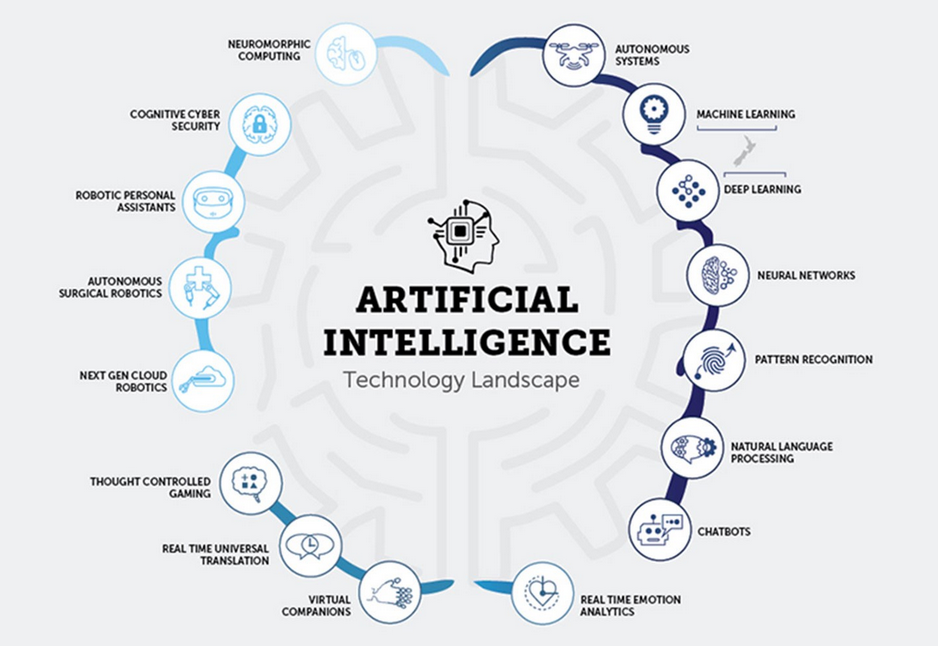
- Smart Assistants: Devices such as Amazon Echo, Google Home, and Apple’s Siri use AI to process voice commands and help with everything from setting reminders to controlling smart home devices.
- Recommendation Systems: Streaming platforms like Netflix and YouTube use AI to analyze your preferences and viewing history to suggest content you might enjoy. AI essentially curates your entertainment choices.
- Social Media: AI influences the way we engage with social platforms. It powers everything from personalized content feeds on Instagram and Facebook to automated moderation systems that detect inappropriate content.
- Customer Service: Many businesses now employ AI-powered chatbots that can provide instant support to customers, answer frequently asked questions, and resolve issues at any time of day or night.
- Healthcare: In the medical field, AI helps doctors analyze patient data, interpret medical images, and predict potential health outcomes. AI tools, like IBM Watson, assist in making more accurate diagnoses and improving patient care.
- Autonomous Vehicles: Self-driving cars are one of the most exciting applications of AI. These vehicles analyze their environment using AI algorithms to make decisions in real-time, improving safety and efficiency.
The Impact of AI on Business
Businesses across the globe are leveraging AI to streamline operations, enhance customer experiences, and drive profitability. Here’s how AI is reshaping industries:
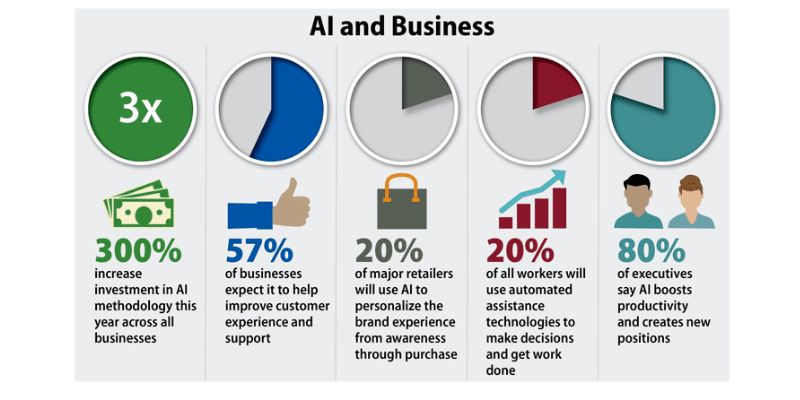
- Improved Decision-Making: AI enables businesses to analyze massive amounts of data and extract actionable insights. With these insights, businesses can make better-informed decisions in real-time, such as optimizing inventory, forecasting trends, or analyzing customer behavior.
- Task Automation: AI automates repetitive and time-consuming tasks, freeing up employees to focus on more creative and strategic aspects of their work. Automation has a direct impact on productivity and can significantly reduce operational costs.
- Enhanced Customer Experience: AI personalizes the customer journey by offering tailored recommendations, 24/7 support through chatbots, and anticipating needs through predictive analytics. This leads to more satisfied customers and better retention rates.
- Marketing Optimization: AI helps businesses craft targeted marketing campaigns by analyzing consumer behavior and preferences. AI-powered tools can optimize ad placements and messaging to reach the right audience at the right time.
- Supply Chain Efficiency: AI can predict demand, track inventory, and optimize shipping routes, making supply chains more efficient. This is crucial for businesses that rely on logistics, such as retailers and manufacturers.
Debunking Common AI Myths
Despite its growing prominence, there are still many misconceptions surrounding AI. Here, we will address some of the most common myths:
- AI Will Replace Human Jobs: While AI can automate certain tasks, it is unlikely to replace entire job sectors. Instead, AI will assist workers by handling repetitive tasks and allowing them to focus on more complex and creative aspects of their jobs. For example, AI in healthcare can help doctors diagnose diseases more accurately but won’t replace the need for human doctors.
- AI is Infallible: AI systems are only as good as the data they are trained on. If the data contains biases or inaccuracies, the AI will produce flawed outcomes. Human oversight and constant updates are necessary to ensure that AI systems remain accurate and ethical.
- AI Can Think Like Humans: AI lacks human-like consciousness and reasoning abilities. While AI can analyze data and make decisions, it doesn’t “think” in the same way that humans do. AI is essentially a tool that processes information and provides outputs based on predefined algorithms.
- AI is Only for Large Corporations: While large companies are indeed leading the way in AI adoption, small and medium-sized businesses (SMBs) can also benefit from AI. AI solutions are becoming more accessible and affordable, allowing even small businesses to automate tasks and improve their operations.
AI in Education
AI is making a significant impact on the education sector by offering personalized learning experiences for students. AI-powered platforms can adapt to individual students’ learning speeds and needs, providing tailored resources and assessments.
- Personalized Learning: AI can help students learn at their own pace by offering customized assignments and resources based on their strengths and weaknesses.
- Automated Grading: Teachers can use AI to quickly grade assignments and exams, freeing up time for more interactive and focused teaching.
- Enhanced Learning Resources: AI can offer a wealth of educational resources, such as virtual tutors or AI-powered simulations, making education more interactive and accessible.
The Future of AI: What’s Next?
The future of AI is full of potential. Here are a few developments to watch out for:
- Ethical AI: As AI becomes more integrated into our lives, discussions about ethics are becoming more important. Issues such as transparency, data privacy, and fairness will guide the development of AI systems.
- AI in Creativity: AI is making its mark in creative fields, helping artists, musicians, and writers push the boundaries of their work.
- AI in Robotics: AI-powered robots will become increasingly autonomous, performing tasks in fields such as manufacturing, healthcare, and even domestic settings.
Conclusion
AI is no longer a distant concept; it is here and impacting every aspect of our lives. Understanding its capabilities and applications is key to harnessing its full potential. Whether it’s improving business efficiency, transforming industries, or enhancing personal experiences, AI is revolutionizing the way we live and work.
At Aibuzz.net, we are committed to helping businesses unlock the power of AI. We provide AI solutions that enhance productivity, streamline operations, and improve decision-making. Visit our website today to discover how we can help your business leverage AI for success.
Leave a Reply