
In today’s fast-paced software development landscape, implementing an effective Continuous Integration and Continuous Deployment (CI/CD) pipeline is crucial for delivering high-quality applications efficiently. A well-structured CI/CD pipeline automates the software delivery process, ensuring rapid and reliable deployments. In this comprehensive guide, we’ll explore the key components of CI/CD pipeline development, best practices to follow, and how to optimize your content for search engines using Rank Math.
Understanding CI/CD Pipelines
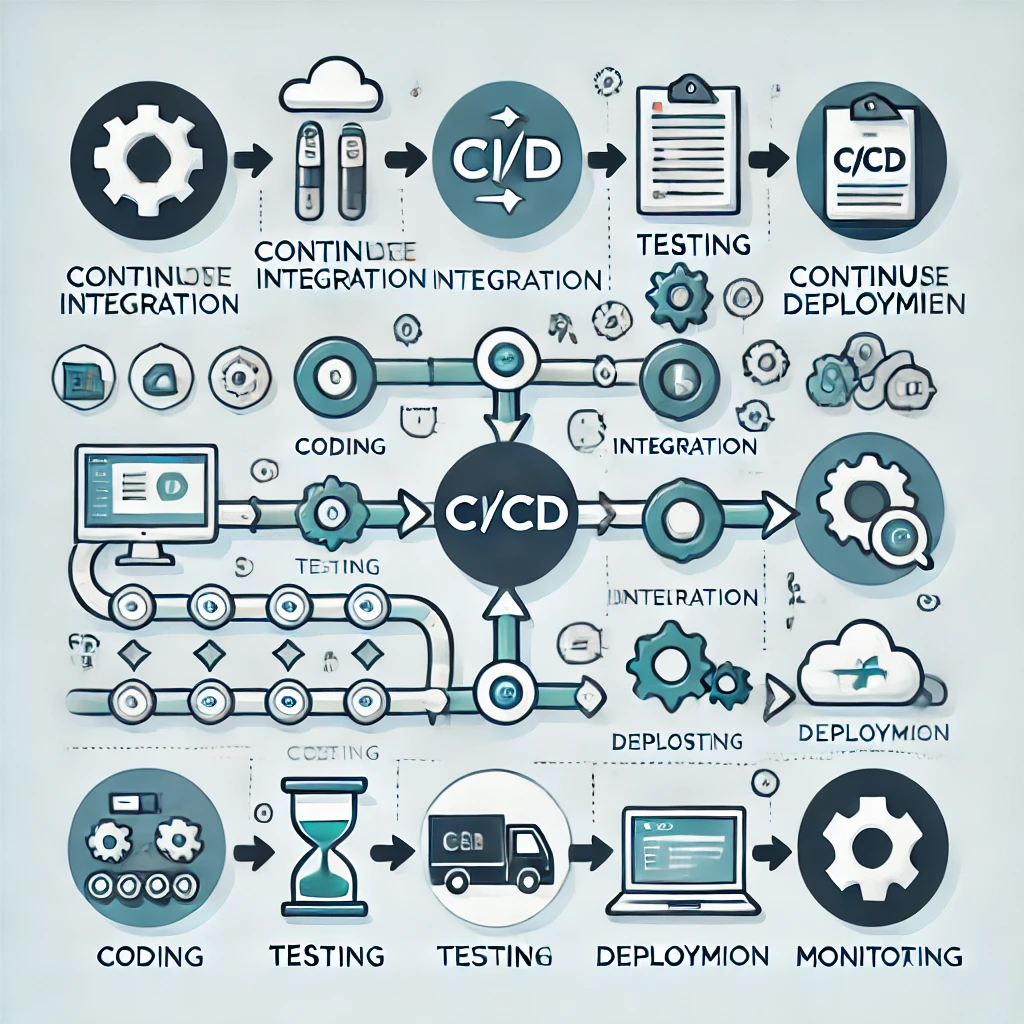
A CI/CD pipeline is a series of automated processes that enable development teams to integrate code changes, run tests, and deploy applications seamlessly. The primary goals are to detect issues early, reduce manual interventions, and accelerate the release cycle.
Key Components of a CI/CD Pipeline

- Source Code Management (SCM): Utilize version control systems like Git to manage code repositories, track changes, and collaborate effectively.
- Continuous Integration (CI): Automatically integrate code changes from multiple contributors into a shared repository, triggering automated builds and tests to identify defects early.
- Automated Testing: Implement various testing stages, including unit tests, integration tests, and end-to-end tests, to ensure code quality and functionality.
- Continuous Deployment (CD): Automate the deployment process to deliver applications to production or staging environments with minimal manual intervention.
- Monitoring and Feedback: Set up monitoring tools to track application performance and gather user feedback for continuous improvement.
Best Practices for CI/CD Pipeline Development
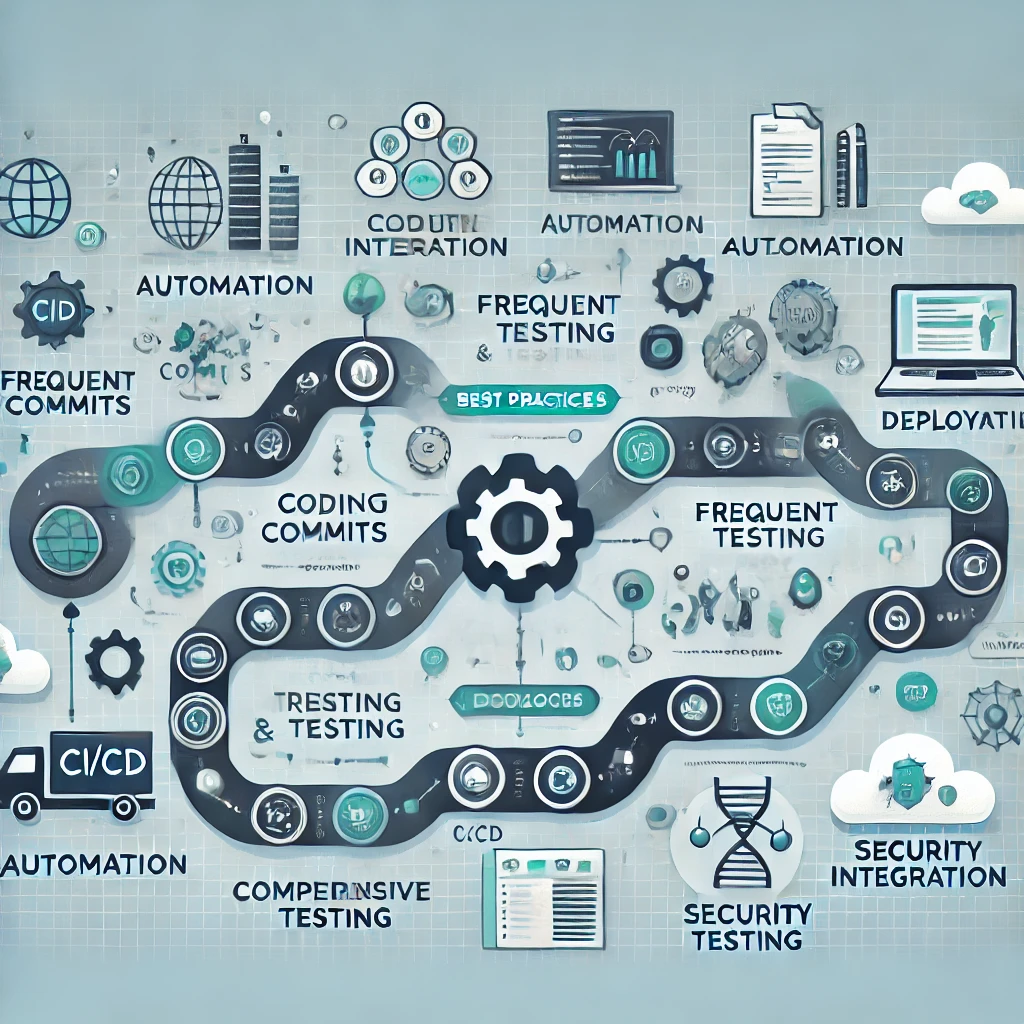
To build a robust and efficient CI/CD pipeline, consider the following best practices:
- Automate Everything: Automation is the cornerstone of a successful CI/CD pipeline. Automate code integration, testing, deployment, and even environment provisioning to minimize human errors and speed up the release process.
- Commit Frequently: Encourage developers to commit code changes regularly. Frequent commits lead to smaller code changes, making it easier to identify and fix issues promptly.
- Implement Comprehensive Testing: Incorporate a variety of tests, such as unit tests, integration tests, and performance tests, to ensure that the application functions as intended and meets performance standards.
- Maintain a Single Source of Truth: Use a centralized version control system to ensure that all team members work with the same codebase, reducing conflicts and inconsistencies.
- Monitor and Optimize: Continuously monitor the pipeline’s performance and gather metrics to identify bottlenecks. Use this data to optimize processes and improve efficiency.
- Ensure Security: Integrate security checks within the pipeline to detect vulnerabilities early. Implement practices like static code analysis and dependency scanning to maintain a secure codebase.
Optimizing Your CI/CD Content for SEO with Rank Math

To ensure that your content on CI/CD pipeline development reaches a wider audience, it’s essential to optimize it for search engines. Rank Math is a powerful SEO plugin that can assist in this process.
- Keyword Research: Identify relevant keywords such as “CI/CD pipeline development,” “Continuous Integration best practices,” and “automated deployment strategies.” Use these keywords naturally throughout your content to improve search visibility.
- High-Quality Content: Create informative and engaging content that provides value to readers. Ensure that your content is well-structured, easy to read, and addresses common questions or challenges related to CI/CD pipelines.
- On-Page Optimization: Use Rank Math to optimize meta titles, descriptions, and headings. Ensure that your focus keyword appears in strategic locations, such as the title, first paragraph, and subheadings.
- Internal Linking: Link to other relevant articles or resources within your website to keep readers engaged and improve SEO. Rank Math can help identify opportunities for internal linking.
- Image Optimization: Include relevant images with descriptive alt text that incorporates your focus keywords. This not only enhances user experience but also improves search engine rankings.
- SEO Analysis: Utilize Rank Math’s SEO analysis tool to assess your content’s optimization level. Follow the recommendations provided to enhance your content’s SEO performance.
Conclusion
Developing a robust CI/CD pipeline is essential for modern software development, enabling teams to deliver high-quality applications efficiently. By following best practices such as automating processes, committing code frequently, and implementing comprehensive testing, you can build a resilient pipeline. Additionally, optimizing your content for search engines using tools like Rank Math will ensure that your insights on CI/CD pipeline development reach a broader audience.
At Aibuzz.net, we specialize in building and optimizing CI/CD pipelines tailored to your business needs. Our team of experts ensures seamless integration, automated testing, and reliable deployments to enhance your software delivery process. Whether you are just starting with CI/CD or looking to optimize your existing pipeline, Aibuzz.net has the solutions to help you succeed.
Contact us today at Aibuzz.net to learn more about our CI/CD pipeline development services and how we can accelerate your software delivery lifecycle. Let’s innovate together and take your development process to the next level!
Leave a Reply