
Introduction
Cryptocurrency exchange platforms are the backbone of the digital asset industry. With the increasing adoption of blockchain technology, more businesses and entrepreneurs are looking to develop their own cryptocurrency exchange platforms. Whether you are a startup or an established business, launching a secure and efficient exchange can be a game-changer. In this guide, we’ll explore the key aspects of cryptocurrency exchange platform development, essential features, security considerations, and the steps involved in building a successful exchange.
Why Develop a Cryptocurrency Exchange Platform?
The cryptocurrency market is booming, with millions of traders globally participating in digital asset exchanges. Here’s why developing a cryptocurrency exchange platform is a lucrative business opportunity:
- High Revenue Potential – Exchanges earn revenue through trading fees, withdrawal charges, and premium membership plans.
- Market Demand – With increased global adoption of cryptocurrencies, demand for secure trading platforms continues to grow.
- Business Expansion – Owning a cryptocurrency exchange provides businesses with an edge in the fintech space.
- Decentralized Future – The rise of decentralized finance (DeFi) and Web3 applications makes exchanges a crucial part of the blockchain ecosystem.
Types of Cryptocurrency Exchange Platforms

Before you start developing a cryptocurrency exchange, you need to decide on the type of exchange you want to build:
1. Centralized Exchange (CEX)
A centralized exchange (CEX) is managed by a single entity that controls the platform’s operations. Examples include Binance, Coinbase, and Kraken. Features of CEX include:
- High liquidity
- Fast transactions
- Regulatory compliance
- Customer support services
2. Decentralized Exchange (DEX)
A decentralized exchange (DEX) operates without a central authority. Instead, it uses blockchain-based smart contracts to facilitate transactions. Examples include Uniswap, SushiSwap, and PancakeSwap. Features of DEX include:
- Enhanced security
- Anonymity
- No third-party control
- Peer-to-peer trading
3. Hybrid Exchange
A hybrid exchange combines features of both CEX and DEX, offering high security and liquidity along with user autonomy.
Key Features of a Cryptocurrency Exchange Platform
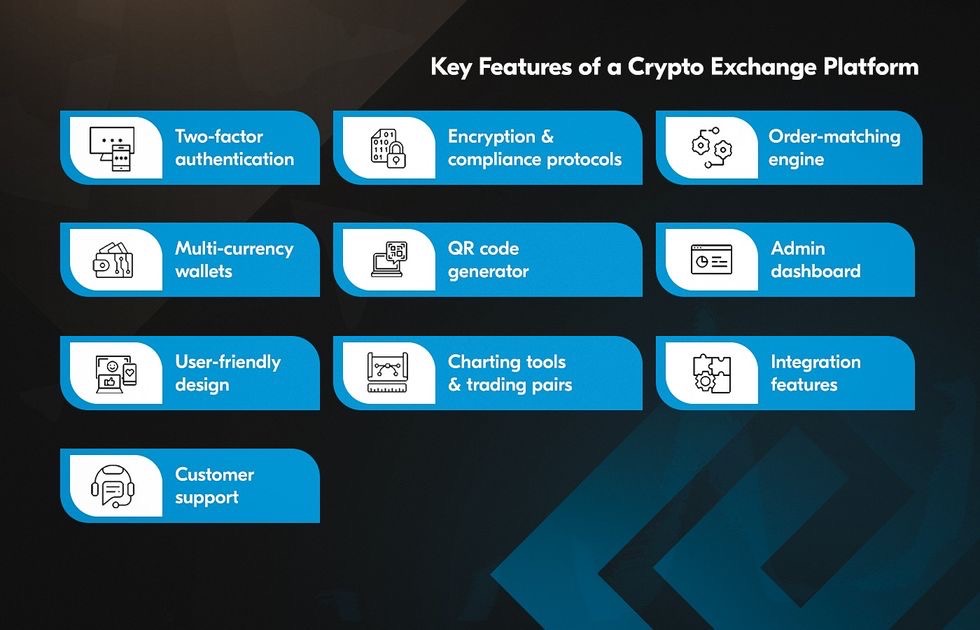
For a successful cryptocurrency exchange, the platform must have essential features that ensure security, efficiency, and user satisfaction. These include:
- User Authentication & KYC Compliance – Secure user verification to prevent fraud.
- Multi-Currency Support – Support for Bitcoin, Ethereum, and various altcoins.
- Trading Engine – A fast and scalable trading engine for seamless transactions.
- Liquidity Management – Integration with liquidity providers to ensure smooth order execution.
- Wallet Integration – Secure hot and cold wallet solutions for asset storage.
- Security Protocols – Features like SSL encryption, two-factor authentication (2FA), and DDoS protection.
- User Dashboard – An intuitive interface for trading, monitoring portfolios, and analyzing market trends.
- API Integration – Connectivity with third-party applications and trading bots.
Steps to Develop a Cryptocurrency Exchange Platform
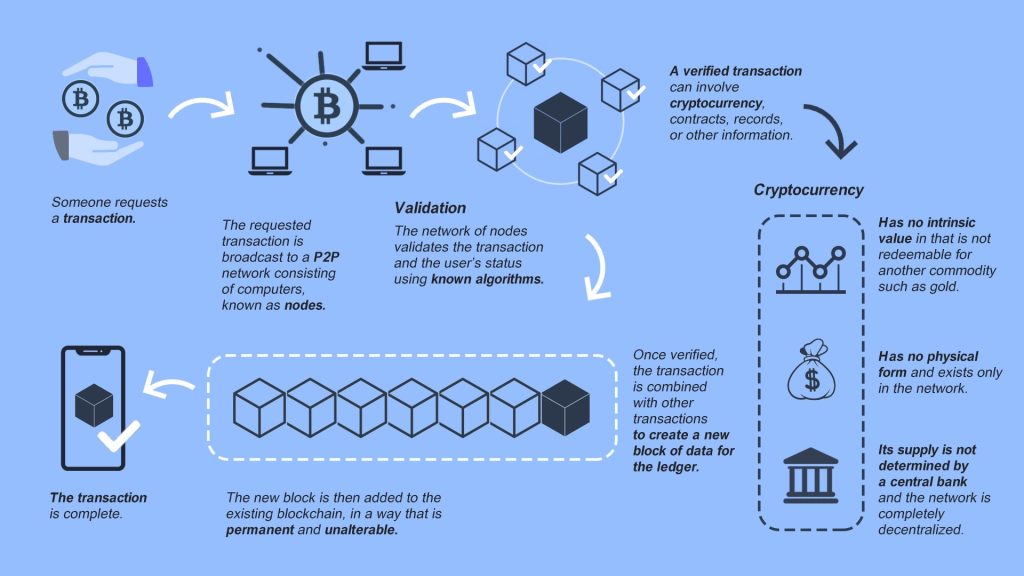
Developing a cryptocurrency exchange involves a strategic approach and technical expertise. Here’s a step-by-step guide:
Step 1: Market Research and Planning
Conduct thorough research on competitors, target audience, and regulatory requirements. Choose a niche that differentiates your exchange.
Step 2: Choose the Right Blockchain Technology
Decide whether your platform will be built on Ethereum, Binance Smart Chain, Solana, or a custom blockchain.
Step 3: Define Features and Functionality
List essential features, including trading pairs, payment gateways, and liquidity options.
Step 4: Partner with a Development Team
Hire an experienced cryptocurrency exchange development company that understands blockchain security, compliance, and trading mechanisms.
Step 5: Design the User Interface (UI/UX)
Create a responsive and user-friendly interface for seamless trading experiences.
Step 6: Develop the Trading Engine
The trading engine is the heart of your exchange, responsible for executing buy and sell orders efficiently.
Step 7: Integrate Security Protocols
Implement security measures like multi-signature wallets, encryption techniques, and real-time monitoring.
Step 8: Test and Deploy
Conduct rigorous testing, including security audits, load testing, and compliance checks before launching your platform.
Step 9: Launch and Marketing Strategy
After deployment, focus on marketing strategies such as SEO, influencer partnerships, and referral programs to attract traders.
Step 10: Continuous Maintenance and Upgrades
Regularly update your platform to enhance security, improve UI, and introduce new trading features.
Security Considerations for a Cryptocurrency Exchange
Security is a top priority in cryptocurrency exchange platform development. Some key security measures include:
- Cold Wallet Storage – Store most funds in offline cold wallets to prevent hacks.
- Two-Factor Authentication (2FA) – Enhance user security with 2FA verification.
- Anti-DDoS Protection – Protect against cyber-attacks and unauthorized access.
- Smart Contract Audits – Regularly audit smart contracts to identify vulnerabilities.
Conclusion
Developing a cryptocurrency exchange platform is a complex yet rewarding venture. By incorporating robust security measures, an intuitive interface, and compliance with regulatory frameworks, you can create a successful trading platform. If you’re looking for expert assistance in cryptocurrency development exchange, visit aibuzz.net for professional blockchain development solutions.
Leave a Reply