Blog

  • 7 Ways Big Data Services Are Transforming Businesses in 2025

    7 Ways Big Data Services Are Transforming Businesses in 2025

    Introduction

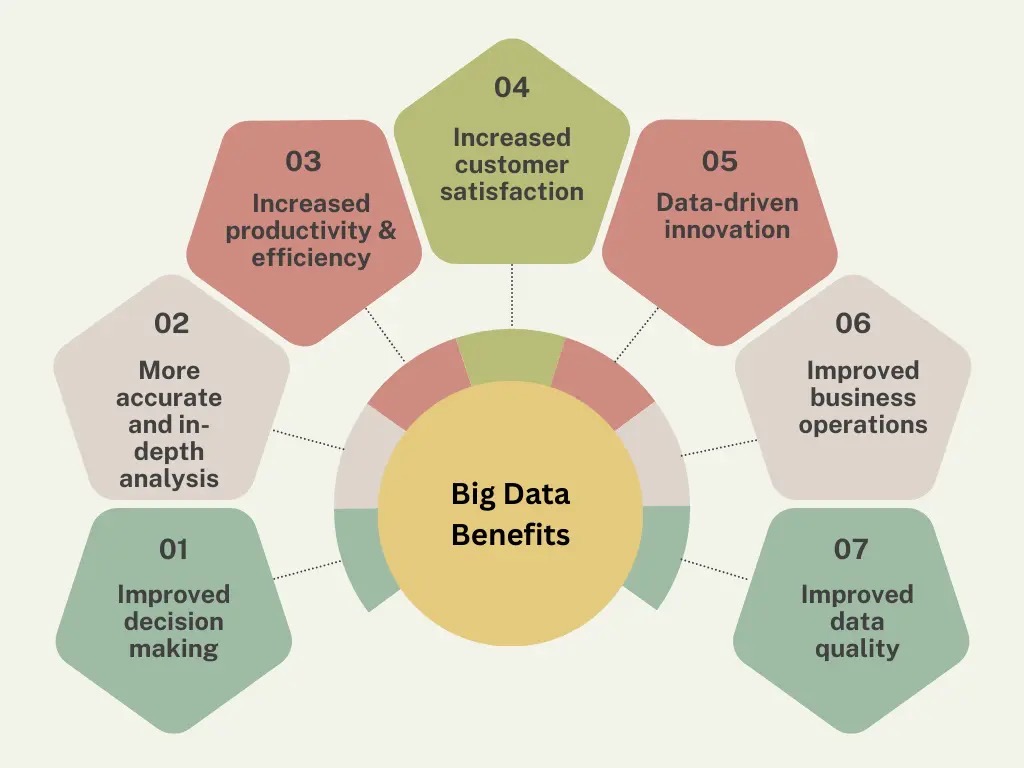
    Big data has become a cornerstone of modern business operations, driving insights, improving decision-making, and enhancing overall efficiency. With the rapid advancements in technology, companies are leveraging big data in cloudenvironments, integrating tools like Power BI and big data, and adopting sophisticated analytics solutions to stay ahead. In this blog, we will explore seven transformative ways big data services are shaping businesses in 2025, covering essential trends and key benefits.

    7 Ways Big Data Services Are Transforming Businesses in 2025

    1. Cloud-Based Big Data Solutions for Scalability and Efficiency

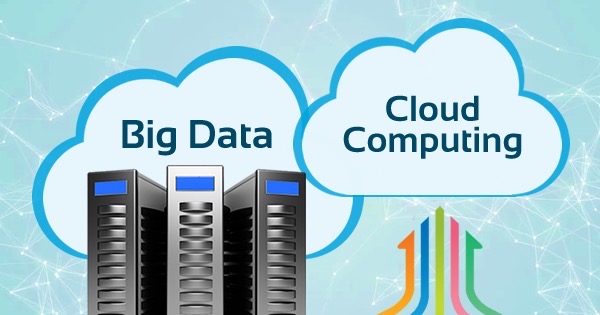
    The demand for big data in cloud environments has skyrocketed, with businesses relying on cloud platforms like AWS, Google Cloud, and Microsoft Azure to manage vast datasets efficiently. Cloud solutions offer scalability, cost-effectiveness, and real-time data processing capabilities. With pay-as-you-go models, companies no longer need to invest heavily in on-premise infrastructure, making big data services more accessible to startups and enterprises alike.

    2. Power BI and Big Data for Enhanced Visualization

    Power BI and big data analytics have become an inseparable duo in modern data analysis. Power BI, a business intelligence tool from Microsoft, allows companies to create interactive dashboards and real-time reports. By integrating Power BI with big data platforms, businesses can extract meaningful insights from raw data, identify trends, and make data-driven decisions faster. The intuitive interface and AI-powered analytics make Power BI a favorite among data analysts and executives.

    3. AI-Driven Big Data Analytics for Smarter Decision-Making

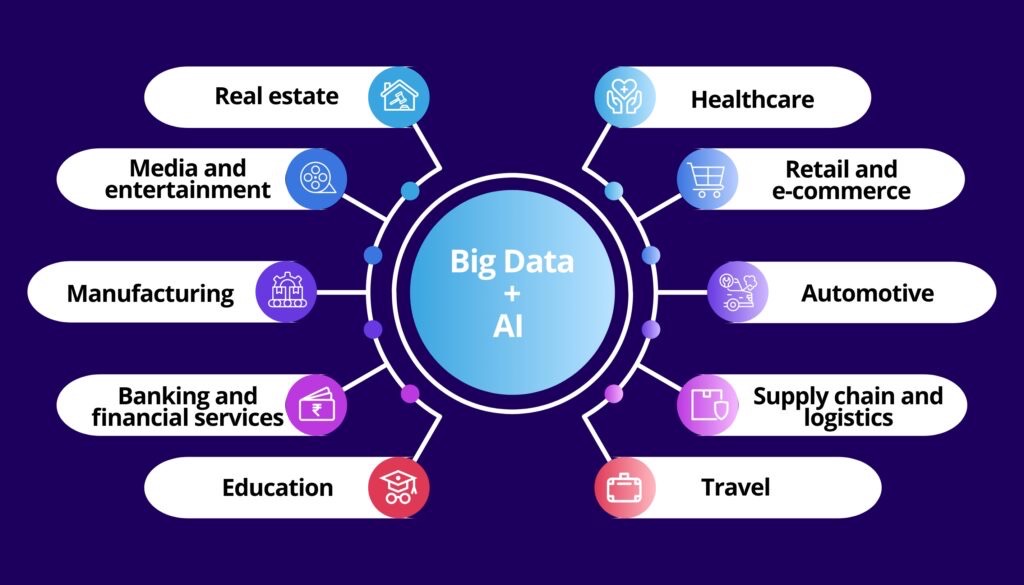
    Artificial intelligence is revolutionizing the way businesses process and interpret big data. AI-powered analytics platforms use machine learning algorithms to detect patterns, predict customer behavior, and automate decision-making. From fraud detection in banking to predictive maintenance in manufacturing, AI-driven big data solutions are enhancing efficiency across industries.

    The integration of AI and big data goes beyond traditional analytics. AI enables businesses to move from reactive to proactive decision-making. For example, in healthcare, AI-driven big data models help doctors diagnose diseases earlier by analyzing medical records and patient histories. In finance, AI-powered risk analysis tools can predict creditworthiness with higher accuracy, reducing loan defaults.

    Additionally, AI-based natural language processing (NLP) is transforming how businesses interact with data. Chatbots and AI assistants can analyze large datasets in real-time and provide actionable insights without requiring deep technical expertise. Companies can leverage AI-powered big data analytics to streamline operations, enhance customer experience, and uncover hidden growth opportunities.

    4. Edge Computing: Bringing Big Data Processing Closer to Users

    Edge computing is redefining how businesses manage big data by processing it closer to the source rather than relying on centralized cloud servers. This technology is particularly beneficial in sectors like healthcare, IoT, and retail, where real-time data analysis is critical. By reducing latency and improving speed, edge computing enables organizations to make instantaneous decisions based on real-time insights, thus enhancing operational efficiency.

    5. Big Data in Cybersecurity: Strengthening Protection Against Threats

    As cyber threats become more sophisticated, companies are leveraging big data analytics to enhance their cybersecurity measures. Security teams use big data tools to analyze network traffic, detect anomalies, and identify potential security breaches before they occur. Machine learning models trained on vast datasets help businesses predict cyber threats and implement proactive security measures, ensuring data integrity and compliance with regulations like GDPR and CCPA.

    6. Predictive Analytics for Personalized Customer Experiences

    With the integration of big data services, companies can now offer highly personalized experiences to customers. Predictive analytics tools analyze historical data, social media interactions, and purchasing behaviors to deliver targeted marketing campaigns and personalized recommendations. Industries such as e-commerce, banking, and healthcare are utilizing these insights to improve customer engagement, reduce churn rates, and enhance customer satisfaction.

    Retailers, for example, use predictive analytics to optimize inventory management by forecasting demand. Streaming platforms like Netflix and Spotify rely on AI-driven big data analytics to recommend content tailored to individual user preferences. These personalized experiences drive customer loyalty and increase revenue streams for businesses.

    7. Blockchain and Big Data: Enhancing Data Security and Transparency

    Blockchain technology is playing a pivotal role in securing big data transactions and ensuring transparency. By decentralizing data storage and eliminating single points of failure, blockchain enhances data security and prevents unauthorized alterations. Industries like supply chain management, healthcare, and finance are integrating blockchain with big data to improve data integrity, traceability, and fraud prevention.

    Conclusion

    Big data services are continuously evolving, reshaping industries, and providing businesses with unparalleled advantages. From big data in cloud environments and Power BI and big data integration to AI-driven analytics and blockchain security, organizations that harness the power of big data will remain at the forefront of innovation. Whether you’re a startup or an established enterprise, leveraging these transformative trends will help you stay competitive in 2025 and beyond.

    Explore how our big data services at aibuzz.net can help your business unlock new opportunities and drive success in the data-driven world!

  • Google Big Data Services

    Google Big Data Services

    Unleashing the Power of Data: A Deep Dive into Google Big Data Services

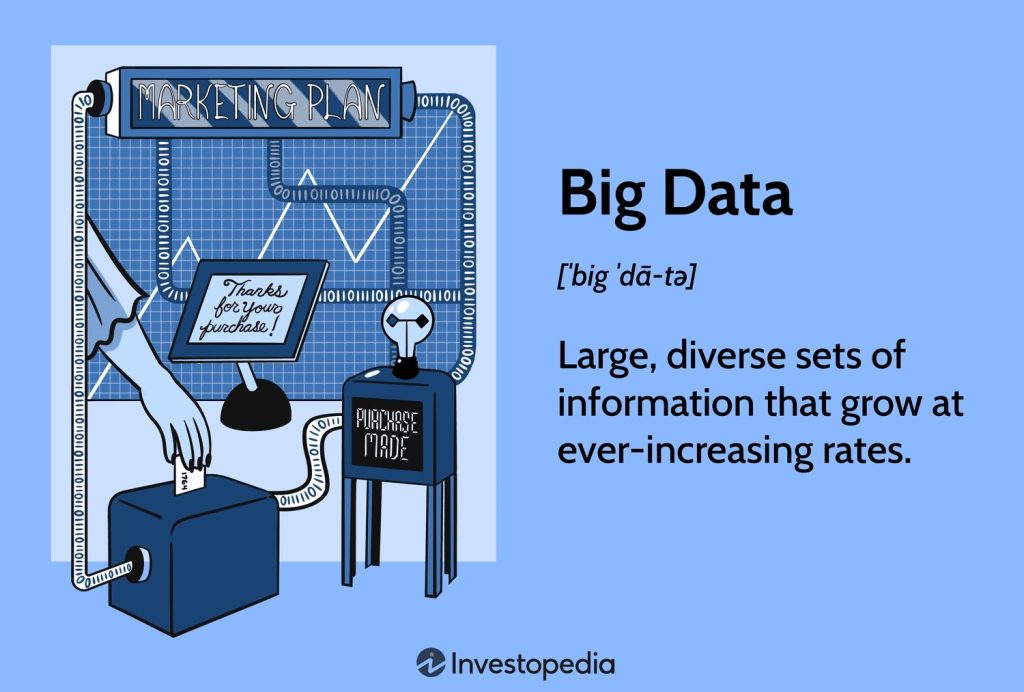
    In today’s data-driven world, businesses across all industries are grappling with massive amounts of information. This explosion of data, often referred to as “Big Data,” presents both a challenge and a tremendous opportunity. Effectively harnessing the power of Big Data can unlock valuable insights, drive innovation, and fuel business growth. Google Cloud Platform (GCP) offers a comprehensive suite of Big Data services designed to help organizations of all sizes manage, analyze, and leverage their data effectively. This blog post will explore the key Google Big Data services, their benefits, and how they can empower your business.

    Understanding the Google Big Data Ecosystem

    Google’s Big Data services are built on a foundation of scalability, reliability, and security. They provide a unified platform for data ingestion, processing, storage, and analysis, enabling businesses to build robust data pipelines and derive meaningful insights. Here’s a closer look at some of the core services:

    • BigQuery: This fully managed, serverless data warehouse allows you to run SQL queries on petabytes of data in seconds. BigQuery’s speed and scalability make it ideal for ad-hoc analysis, reporting, and building data-driven applications. Its integration with other GCP services further enhances its capabilities.
    • Cloud Dataflow: A fully managed service for batch and stream data processing. Dataflow enables you to develop and execute data processing pipelines at scale, regardless of the data’s source or format. It’s perfect for tasks like ETL (Extract, Transform, Load), real-time analytics, and building complex data workflows.
    • Cloud Dataproc: A managed and scalable Hadoop and Spark service. Dataproc simplifies the deployment and management of Hadoop and Spark clusters, empowering you to run your Big Data applications in a cost-effective and efficient manner. It’s a great choice for organizations already familiar with the Hadoop ecosystem.
    • Cloud Pub/Sub: A real-time messaging service that allows you to ingest and distribute data streams at scale. Pub/Sub is crucial for building real-time data pipelines, event-driven architectures, and IoT (Internet of Things) applications. It ensures reliable message delivery and high throughput.
    • Cloud Storage: Google’s highly durable and scalable object storage service. Cloud Storage serves as the foundation for many Big Data workloads, providing a central repository for storing raw data, processed data, and analytical results. Its different storage classes cater to various needs and cost considerations.
    • Cloud Composer: A fully managed workflow orchestration service built on Apache Airflow. Composer allows you to author, schedule, and monitor complex data pipelines, ensuring that your data processing jobs run reliably and efficiently. It simplifies workflow management and integration with other GCP services.
    • Data Catalog: A fully managed and scalable metadata management service. Data Catalog helps you discover, classify, and understand your data assets across GCP. It provides a central inventory of your data, making it easier for data scientists and analysts to find the data they need.

    Benefits of Using Google Big Data Services

    Leveraging Google’s Big Data services offers a multitude of advantages:

    • Scalability and Performance: Google’s infrastructure is designed to handle massive volumes of data and complex workloads. Services like BigQuery and Dataflow can scale seamlessly to meet your growing data needs, ensuring high performance and responsiveness.
    • Cost-Effectiveness: GCP offers flexible pricing models, including pay-as-you-go options, sustained use discounts, and committed use discounts. This allows you to optimize your cloud spending and only pay for the resources you consume.
    • Serverless and Managed Services: Many of Google’s Big Data services are fully managed and serverless, meaning you don’t have to worry about infrastructure management. This frees up your IT team to focus on higher-value tasks.
    • Integration and Ecosystem: Google’s Big Data services are tightly integrated with each other and with other GCP services, providing a seamless and unified platform for data management and analysis. The rich ecosystem of tools and integrations further enhances the capabilities of the platform.
    • Security and Compliance: Google Cloud Platform adheres to stringent security and compliance standards, ensuring that your data is protected from unauthorized access and misuse. Built-in security features and compliance certifications provide peace of mind.
    • Innovation and Cutting-Edge Technology: Google is at the forefront of Big Data innovation, constantly developing new services and features. By using Google’s Big Data services, you gain access to the latest technologies and advancements in the field.

    How Google Big Data Services Empower Your Business

    Google’s Big Data services can transform your business in several ways:

    • Improved Decision-Making: By analyzing your data, you can gain valuable insights into customer behavior, market trends, and operational efficiency. This enables you to make data-driven decisions that drive business growth.
    • Enhanced Customer Experience: Understanding your customers better allows you to personalize their experiences, offer targeted products and services, and improve customer satisfaction.
    • Increased Operational Efficiency: By optimizing your data pipelines and workflows, you can streamline your operations, reduce costs, and improve productivity.
    • Innovation and New Product Development: Big Data can fuel innovation by providing insights into emerging trends, unmet customer needs, and potential new product opportunities.
    • Competitive Advantage: Organizations that effectively leverage Big Data gain a significant competitive advantage by being able to make faster, smarter decisions and adapt quickly to changing market conditions.

    Conclusion

    In the age of Big Data, organizations that can effectively harness the power of their data are poised for success. Google’s comprehensive suite of Big Data services provides the tools and infrastructure you need to unlock the value of your data and drive business growth. From data warehousing and processing to real-time analytics and workflow orchestration, Google Cloud Platform offers a complete and scalable platform for all your Big Data needs.

    Call to Action

    Ready to embark on your Big Data journey? Contact Aibuzz.net today to learn more about how we can help you leverage Google’s Big Data services to achieve your business objectives. Our team of experts can guide you through the process of designing, implementing, and managing your Big Data solutions.

    Company Details

    Aibuzz.net is a leading provider of AI-powered business solutions, specializing in Big Data analytics, cloud computing, and machine learning. We help organizations of all sizes transform their data into actionable insights, driving innovation and growth.

    Contact:

    • Phone: +91 9967940928
    • Website: www.aibuzz.net
    • Email: info@aibuzz.net
  • Pipeline Development Tools

    Pipeline Development Tools

    The Key to Streamlined Workflows: A Deep Dive into Pipeline Development Tools

    In today’s fast-paced business environment, efficiency is paramount. Organizations across various industries are constantly seeking ways to streamline their operations and improve productivity. One crucial aspect of achieving this is through the effective implementation of robust workflows.

    What are Pipelines?

    In the context of business operations, a pipeline refers to a sequential series of stages or steps that a project, task, or process undergoes from its inception to completion.

    Planing of Pipelines

    These workflows can vary greatly depending on the industry and specific business needs. For example, in software development, a typical pipeline might involve stages like planning, coding, testing, and deployment. In sales, it could encompass prospecting, lead qualification, negotiation, and closing deals.

    The Importance of Workflow Management Tools

    While manual management of pipelines is possible, it can be time-consuming, error-prone, and inefficient. This is where specialized tools come into play. These solutions provide a structured framework for managing and optimizing workflows, offering a range of benefits:

    Increased Efficiency

    By automating repetitive tasks and streamlining workflows, these platforms significantly enhance operational efficiency. This frees up valuable time and resources for more strategic initiatives.

    Improved Visibility and Transparency

    These solutions provide real-time insights into the progress of projects and tasks. This visibility helps identify bottlenecks, track key metrics, and make data-driven decisions.

    Enhanced Collaboration

    Many workflow automation tools facilitate seamless collaboration among team members. This fosters better communication, improves coordination, and ensures everyone is aligned on project goals and timelines.

    Reduced Errors and Improved Quality

    By automating tasks and enforcing standardized processes, these systems minimize the risk of human error. This leads to improved data accuracy and higher-quality outcomes.

    Data-Driven Decision Making

    These platforms capture valuable data related to pipeline performance, such as conversion rates, cycle times, and key performance indicators (KPIs). This data can be analyzed to identify areas for improvement and optimize processes.

    Key Features of Effective Workflow Automation Tools

    To effectively manage and optimize your pipelines, it’s crucial to select solutions that offer the following key features:

    Workflow Mapping and Visualization

    The ability to visually map out and understand the various stages of the pipeline is essential. This helps identify potential bottlenecks and areas for improvement.

    Task Management and Automation

    Tools should allow for the creation, assignment, and tracking of tasks within the workflow. Automation features, such as automated reminders and notifications, can significantly improve efficiency.

    Data Tracking and Reporting

    Robust data tracking and reporting capabilities are vital for monitoring performance, identifying trends, and making informed decisions.

    Integration Capabilities

    The ability to integrate with other business applications, such as CRM systems and project management tools, is crucial for seamless data flow and a holistic view of operations.

    Customizability

    The ability to tailor workflows to fit specific business needs is essential for optimal utilization.

    Popular Workflow Management Tools

    A wide range of automation tools are available in the market, each with its own unique strengths and features. Some of the most popular options include:

    Salesforce

    A leading CRM platform that offers robust workflow management features, including opportunity tracking, forecasting, and collaboration tools.

    HubSpot

    A comprehensive inbound marketing and sales platform that includes a powerful CRM with built-in workflow management capabilities.

    Pipedrive

    A visually intuitive sales CRM that focuses on visualizing the sales pipeline and helping teams close deals faster.

    Zoho CRM

    A cloud-based CRM solution that offers a range of features, including contact management, sales force automation, and workflow management.

    Agile CRM

    A comprehensive CRM platform that integrates sales, marketing, and service functions, providing a unified view of customer interactions.

    Choosing the Right Workflow Automation Tool

    Selecting the right platform for your business depends on various factors, including:

    Industry and Business Needs

    The specific requirements of your industry and the nature of your business processes will significantly influence your choice.

    Budget

    Automation tools come with varying price points. It’s important to choose a solution that fits within your budget constraints.

    Team Size and Technical Expertise

    Consider the technical expertise of your team and the level of complexity you require from the platform.

    Integration Requirements

    Evaluate the tool’s ability to integrate with other business applications you use.

    Scalability

    Ensure the system can grow and adapt as your business evolves.

    Implementing a Successful Pipeline

    Once you have selected and implemented a workflow automation tool, it’s crucial to follow these best practices for success:

    Define Clear Goals and Objectives

    Establish clear goals and objectives for your workflow, such as increasing conversion rates, reducing cycle times, and improving customer satisfaction.

    Map Out Your Workflow

    Carefully map out the various stages of your process, ensuring a clear and logical flow.

    Gather and Analyze Data

    Regularly gather and analyze data related to workflow performance. This will help you identify areas for improvement and make data-driven decisions.

    Continuously Optimize

    Regularly review and optimize your workflows based on data analysis and feedback from your team.

    Provide Training and Support

    Ensure your team is properly trained on how to use the platform and provide ongoing support.

    Conclusion

    Workflow automation tools are essential for businesses looking to streamline operations, improve efficiency, and gain a competitive edge. By leveraging these platforms, organizations can optimize their workflows, enhance collaboration, and make data-driven decisions that drive growth and success.

    Call to Action

    Ready to streamline your business processes and unlock your full potential? Contact Aibuzz.net today to learn more about our automation solutions and how we can help you achieve your business goals.


    Contact:- 919967940928

    Visit:- www.aibuzz.net

    Mail us:- info@aibuzz.net

    Company Details

    Aibuzz.net is a leading provider of AI-powered business solutions, including workflow automation, CRM software, and marketing automation platforms. We help businesses of all sizes optimize their operations and drive growth.

  • Mixed Reality Development: 7 Game-Changing Innovations in 2025

    Mixed Reality Development: 7 Game-Changing Innovations in 2025

    Mixed reality development is revolutionizing the way we interact with digital environments, seamlessly blending physical and virtual worlds. From healthcare innovations to AI-powered applications, mixed reality software is unlocking new possibilities for businesses and individuals alike. This blog explores seven groundbreaking ways mixed reality development is shaping the future, highlighting key mixed reality features, trends, and real-world applications.


    1. The Rise of Mixed Reality Software

    Mixed reality software is at the core of MR experiences, enabling users to interact with both real and virtual objects in real-time. Unlike traditional augmented reality (AR) or virtual reality (VR), MR allows for seamless interaction, making digital elements feel as tangible as physical objects.

    Key mixed reality features include:
    ✔️ Real-world spatial mapping
    ✔️ Gesture and voice recognition
    ✔️ AI-powered object interaction
    ✔️ Cloud-based collaboration

    These features make mixed reality development a game-changer across various industries, from gaming to enterprise solutions.


    2. Healthcare Mixed Reality: A New Era of Medical Innovation

    One of the most promising applications of MR is in the healthcare industry. Healthcare mixed reality is enabling medical professionals to visualize complex data, conduct remote surgeries, and train students with immersive simulations.

    🔹 Surgical Assistance: Surgeons can use MR headsets to overlay 3D anatomical models during procedures, improving precision and reducing risks.
    🔹 Medical Training: Mixed reality provides hands-on experience for medical students without real-life risks.
    🔹 Patient Rehabilitation: Patients recovering from injuries can use MR-assisted therapy programs for faster recovery.

    With AI in mixed reality, these healthcare solutions are becoming smarter, adapting to patient needs in real-time.


    3. AI in Mixed Reality: The Intelligent Future of MR

    Artificial intelligence is supercharging mixed reality development by enabling smarter, more intuitive interactions. AI-driven mixed reality software allows applications to recognize objects, understand user behavior, and enhance user experience.

    🧠 Smart Assistants: AI-powered MR assistants can guide users through complex tasks in industries like manufacturing, retail, and customer service.
    🌍 Real-time Translation: AI integration allows for real-time language translation in MR environments, breaking communication barriers.
    🔍 Predictive Analysis: AI can analyze MR data to provide insights and improve decision-making in business operations.

    With AI’s role expanding in mixed reality development, expect smarter, more responsive MR applications across all sectors.


    4. Mixed Reality in Education: A New Way to Learn

    Education is being transformed by mixed reality development, making learning more interactive and engaging. From virtual field trips to hands-on science experiments, MR allows students to experience lessons like never before.

    📚 Immersive Classrooms: Teachers can create interactive lessons, helping students grasp complex subjects faster.
    🔬 STEM Training: Mixed reality software provides simulated environments for students to experiment in physics, chemistry, and biology.
    🧑‍💻 Skill-based Learning: MR offers hands-on training in vocational fields like engineering and architecture.

    The combination of MR and AI in education is making learning more personalized and accessible worldwide.


    5. Revolutionizing Retail & E-Commerce with Mixed Reality

    Shopping is no longer confined to physical stores or flat screens. MR is redefining the retail industry with immersive shopping experiences that bridge the gap between online and offline purchasing.

    🛍️ Virtual Try-Ons: Customers can try on clothes, accessories, or even furniture in their homes before making a purchase.
    📱 Interactive Product Displays: Mixed reality features allow users to interact with 3D models of products before buying.
    🛒 AI-Powered Recommendations: AI in mixed reality personalizes shopping experiences by suggesting products based on user behavior.

    Retailers adopting mixed reality development are seeing increased engagement and conversion rates.


    6. Enhancing Workplace Productivity with MR Collaboration

    Businesses are leveraging mixed reality software to improve productivity, training, and collaboration. With remote work becoming more common, MR is creating new ways for teams to connect.

    💼 Virtual Meetings: MR-powered virtual workspaces allow employees to collaborate in 3D environments, making remote meetings more engaging.
    🔧 Employee Training: Industries like manufacturing and construction use MR for hands-on training without real-world risks.
    📈 Data Visualization: Mixed reality features allow for 3D data analysis, improving decision-making processes.

    The integration of AI in mixed reality further enhances these applications by automating workflows and providing real-time insights.


    7. The Future of Mixed Reality Development

    Mixed reality is still evolving, and its future looks promising. As MR hardware becomes more affordable and software advancements continue, we can expect even more innovative applications in gaming, social media, and enterprise solutions.

    Key trends shaping mixed reality development include:
    🚀 5G & Edge Computing: Faster data processing for smoother MR experiences.
    🕶️ Lightweight MR Devices: More comfortable and accessible MR headsets.
    🤖 Deeper AI Integration: Smarter MR applications that adapt to user behavior.

    Businesses that invest in mixed reality software today will be ahead of the curve in the next wave of digital transformation.


    Final Thoughts

    Mixed reality development is more than just a futuristic concept—it’s already reshaping industries, from healthcare and education to retail and business collaboration. With AI-driven enhancements, mixed reality software is becoming more immersive, intelligent, and impactful.

    At aibuzz.net, we specialize in cutting-edge mixed reality development, helping businesses create innovative MR solutions tailored to their needs. Whether you’re looking to integrate MR into healthcare, education, or enterprise, our expertise in AI in mixed reality ensures the best results.

    Ready to bring the future to your business? Explore our mixed reality services at aibuzz.net today! 🚀

  • 24/7 it support

    24/7 it support

    24/7 IT Support: The Key to Ensuring Seamless Business Operations

    In today’s fast-paced digital world, businesses depend heavily on technology to operate smoothly and efficiently. Whether it’s a small start-up or a multinational corporation, the need for reliable and continuous IT support is critical. This is where 24/7 IT support comes into play. By offering around-the-clock assistance, businesses can ensure that their systems, networks, and software function without any disruptions. This blog will explore the importance of 24/7 IT support, the services it provides, and why your business should consider utilizing these services. At the end of the blog, we will also highlight Aibuzz.net and why it might be the right partner for your IT support needs.

    What is 24/7 IT Support?

    24/7 IT support refers to technical assistance provided to businesses and organizations at all hours of the day, seven days a week, 365 days a year. This service is essential for companies that require continuous operation and cannot afford downtime. It ensures that any technical issues are promptly addressed, minimizing disruptions and maintaining the productivity of employees and customers alike.

    The “24/7” aspect highlights that businesses do not need to wait until regular office hours to get their technical issues resolved. Whether it’s a weekend, a holiday, or the middle of the night, businesses can always count on a team of experts to assist them with any IT challenges they face.

    The Importance of 24/7 IT Support for Businesses

    1. Minimizing Downtime

    Downtime is one of the most costly aspects of business operations. It refers to the time when systems are unavailable or malfunctioning, preventing employees from accessing critical data, tools, and applications. This leads to productivity loss and potentially financial losses.

    With 24/7 IT support, businesses can swiftly resolve technical problems that might otherwise lead to extended downtime. Whether it’s fixing a network outage or troubleshooting a software issue, round-the-clock support ensures that your systems are back online quickly, reducing the impact on your business operations.

    2. Enhanced Security

    Cybersecurity is one of the most pressing concerns for businesses today. Cyberattacks and data breaches can have devastating effects, including loss of data, financial penalties, and a damaged reputation. Since cyberattacks can happen at any time, having 24/7 IT support ensures that your business is always protected.

    Security experts monitor your systems continuously to detect any signs of a security breach, malware, or ransomware. If an attack is detected, they can take immediate action to protect sensitive data and prevent further damage. This proactive security management helps safeguard your business against evolving cyber threats.

    3. Improved Customer Experience

    In many industries, especially e-commerce, customer experience is paramount. A slow or non-functional website, payment gateway issues, or problems with customer service tools can have a significant negative impact on customer satisfaction.

    By having 24/7 IT support, businesses can resolve issues promptly, ensuring that their website and other digital platforms remain fully functional and customer-friendly at all times. This reliability enhances the customer experience, keeping them happy and encouraging repeat business.

    4. Fostering Business Continuity

    Business continuity refers to the ability of an organization to continue its critical operations without interruption during a crisis. For businesses that rely on technology, IT systems are often at the core of these operations. A sudden IT failure can derail the whole business.

    24/7 IT support plays a crucial role in business continuity. When issues arise, IT support teams can respond immediately to get things back on track. Additionally, through regular system backups, updates, and monitoring, 24/7 IT support helps prevent unexpected issues from occurring in the first place.

    5. Cost Efficiency

    While it may seem like a significant investment to hire a team of IT experts for round-the-clock support, it can actually be more cost-efficient than dealing with frequent and prolonged outages or security breaches.

    Rather than paying for emergency repairs, businesses can opt for a predictable monthly or annual support contract. This allows for better budgeting, while ensuring that technical issues are addressed before they escalate into expensive problems. Plus, businesses don’t have to invest in hiring and training in-house IT staff to work around the clock, saving on recruitment and operational costs.

    Services Offered by 24/7 IT Support Providers

    24/7 IT support encompasses a wide range of services designed to keep your business operations running smoothly. Here are some of the key services offered by most IT support providers:

    1. Network Monitoring and Management

    Network infrastructure is the backbone of your business. Without a stable and secure network, all other IT systems would fail to operate properly. IT support teams constantly monitor your network to detect any potential issues, including bandwidth problems, system overloads, and security vulnerabilities. If an issue arises, they can troubleshoot it immediately, preventing any major disruptions.

    2. Help Desk Support

    Whether employees are dealing with software bugs, hardware failures, or login issues, a help desk provides quick solutions to a wide range of problems. 24/7 IT support teams offer help desk services to provide users with timely assistance via phone, email, or chat. With round-the-clock availability, help desks are an essential part of ensuring that employees can continue working without delays.

    3. Data Backup and Recovery

    Data loss is a nightmare for any business. Whether due to a cyberattack, hardware failure, or human error, losing critical data can lead to irreparable damage. 24/7 IT support includes data backup and recovery services that ensure your important files are regularly backed up and can be restored quickly if something goes wrong.

    4. Software and Hardware Support

    The technology your business uses is constantly evolving. Keeping systems up-to-date and well-maintained requires continuous monitoring and intervention. IT support teams assist with software updates, patches, and bug fixes to ensure your systems stay secure and functional. They can also help with hardware maintenance and repairs, ensuring that all physical devices are running smoothly.

    5. Cloud Services Management

    Cloud computing has become an integral part of modern businesses. From storage to communication tools, cloud services offer flexibility and scalability. IT support providers help businesses manage their cloud infrastructure, ensuring seamless access to data and applications, while also optimizing performance and security.

    6. Cybersecurity Services

    24/7 IT support teams provide constant cybersecurity monitoring, ensuring that your organization is protected from potential threats like viruses, malware, and phishing attacks. They implement firewalls, encryption, and other protective measures to safeguard sensitive business data from unauthorized access.

    7. Remote Support

    Remote IT support allows your business to receive assistance without needing to wait for an on-site technician. Using remote desktop tools, IT professionals can quickly access and resolve technical issues on employee devices or servers, all from a distance. This is particularly helpful for businesses with multiple office locations or remote workers.

    Benefits of 24/7 IT Support for Remote Workforces

    As more businesses embrace remote work, the need for reliable IT support has grown. Remote work presents unique challenges, such as ensuring that employees have access to the tools and resources they need, while also maintaining network security.

    24/7 IT support offers several benefits for remote teams:

    • Instant troubleshooting: Remote workers can resolve technical issues quickly with the help of IT support, ensuring that productivity is not hindered.
    • Support across time zones: With employees working from different parts of the world, having 24/7 support ensures that no matter when problems arise, help is available.
    • Enhanced security: Remote workers may use different networks and devices to access company systems, which could pose security risks. IT support teams can monitor and address these risks in real-time.

    Why Choose Aibuzz.net for 24/7 IT Support?

    When it comes to selecting an IT support partner, Aibuzz.net stands out as an industry leader in providing 24/7 IT support services. Whether you are a small start-up or a large enterprise, Aibuzz.net offers customized IT solutions that suit your specific business needs.

    Aibuzz.net’s services include:

    • Proactive monitoring to minimize downtime
    • Comprehensive cybersecurity strategies to safeguard your data
    • Expert help desk support for quick resolution of IT issues
    • Reliable backup and disaster recovery services
    • Seamless integration of cloud services

    With their experienced team of IT professionals and a commitment to delivering top-tier support, Aibuzz.net ensures your business can focus on growth while they take care of your IT infrastructure.

    Conclusion

    In today’s world, having 24/7 IT support is no longer just a luxury; it’s a necessity for businesses that rely on technology to maintain operations. The advantages—minimizing downtime, improving security, enhancing customer experience, and promoting business continuity—are undeniable. As technology continues to evolve, so too do the risks and challenges associated with it. By partnering with a reliable IT support provider like Aibuzz.net, your business can ensure smooth, uninterrupted operations, allowing you to focus on achieving your core business goals.

    Call to Action: Don’t let IT issues slow you down. Contact

    Contact:- 91 9967940928
    Visit:- www.aibuzz.net
    Mail us:- info@aibuzz.net


    Aibuzz.net today to learn more about how our 24/7 IT support services can benefit your business. Get in touch and discover the difference a dedicated IT team can make!

  • 10 Reasons Why Top Software Development Companies Choose Us for Cutting-Edge Solutions

    10 Reasons Why Top Software Development Companies Choose Us for Cutting-Edge Solutions

    Introduction

    In today’s rapidly evolving digital landscape, businesses across industries need cutting-edge software solutions to maintain a competitive edge. Choosing the right software development agency is a crucial decision that can determine the success of your projects. As one of the top software development companies, we specialize in delivering tailored software development services that align with your business goals, whether it’s android software developmenthealthcare software development, or enterprise-grade solutions.

    Our team of experts is dedicated to providing scalable, secure, and high-performance solutions that empower businesses to innovate and grow. Here are 12 key reasons why companies trust us to develop their mission-critical software solutions.

    1. Expertise in Cutting-Edge Technologies

    Technology is always evolving, and we make it a priority to stay ahead of the curve. Our team is proficient in a wide range of technologies, including AI, blockchain, cloud computing, and IoT, allowing us to build powerful, next-generation software solutions for businesses of all sizes.

    2. Customized Solutions for Unique Business Needs

    Every business has unique challenges and requirements. Unlike off-the-shelf software, our software development services focus on delivering custom solutions that are tailored to your exact needs. Whether you require android software development for mobile apps or healthcare software development with strict compliance standards, we craft software that aligns perfectly with your objectives.

    3. Agile and Adaptive Development Process

    We follow an Agile methodology, allowing us to deliver projects faster and with greater flexibility. Our iterative development approach ensures continuous collaboration, real-time feedback, and the ability to adapt to changes efficiently. This results in a more refined and successful end product.

    4. Scalable Software That Grows With You

    Your business is bound to grow, and we build software that grows with you. Our solutions are designed to be scalable, ensuring they can handle increasing user demands, expanding data volumes, and new functionalities as your business evolves.

    5. Seamless Integration With Existing Systems

    We understand that businesses often have pre-existing software and workflows in place. Our team ensures smooth integration with your existing tech stack, including CRMs, ERPs, cloud services, and third-party APIs, without disrupting your operations.

    6. Security-First Approach to Development

    With cybersecurity threats on the rise, protecting your software is our top priority. We incorporate the latest security measures, including encryption, multi-layer authentication, and compliance-driven security protocols, to safeguard your applications and data.

    7. Cost-Effective Solutions Without Compromising Quality

    High-quality software doesn’t have to come with an exorbitant price tag. As a leading software development firm, we provide cost-effective development services that cater to startups, SMEs, and enterprises alike while maintaining the highest standards of quality.

    8. Dedicated Support and Maintenance for Long-Term Success

    Our commitment to clients doesn’t end after deployment. We offer ongoing support, software updates, bug fixes, and performance enhancements to ensure your software remains secure, up-to-date, and optimized for peak efficiency.

    9. Deep Industry Knowledge and Experience

    From healthcare software development to fintech and e-commerce, our team has extensive experience in multiple industries. We understand the unique challenges and regulatory requirements of various sectors, allowing us to develop solutions that not only meet but exceed industry standards.

    10. Proven Track Record of Successful Projects

    Our portfolio speaks volumes about our capabilities. Over the years, we’ve helped numerous businesses—from startups to Fortune 500 companies—achieve success through innovative software solutions that drive efficiency and growth.

    Conclusion

    When it comes to choosing among the top software development companies, selecting a trusted partner with the right expertise, experience, and dedication is critical. Our software development agency is committed to delivering high-quality, tailored solutions that help businesses innovate, scale, and succeed in a competitive market.

    Are you ready to take your business to the next level? Let’s discuss your project today! Contact us for a consultation and discover how we can transform your vision into reality.

    For more details, visit our website at aibuzz.net.

  • Healthcare Software Development in 2025: A Glimpse into the Future

    Healthcare Software Development in 2025: A Glimpse into the Future

    The healthcare industry is undergoing a remarkable transformation in 2025, with the rise of innovative technologies shaping the future of healthcare software development. From artificial intelligence (AI) to telemedicine, the demand for smarter, more efficient software solutions is on the rise. This blog explores the latest trends, challenges, and opportunities in healthcare software development and how they are revolutionizing the healthcare landscape.

    The Importance of Healthcare Software in 2025

    In 2025, healthcare software development will be more crucial than ever. As the industry embraces digitalization, healthcare software is becoming a cornerstone for improving patient care, optimizing operational efficiency, and ensuring data security. With the ever-growing need for seamless healthcare systems, developers are creating platforms that cater to a wide range of needs—from electronic health records (EHR) management to telemedicine solutions and predictive healthcare analytics.

    The integration of healthcare software solutions will lead to:

    • Improved Patient Outcomes: With real-time data analytics and predictive algorithms, healthcare providers can better understand patient needs and offer personalized treatments.
    • Cost Efficiency: Healthcare software solutions streamline administrative tasks and clinical workflows, saving time and reducing costs.
    • Enhanced Data Security: Software solutions built with robust security measures ensure the privacy and confidentiality of patient data, a vital concern in the healthcare industry.

    Key Trends Shaping Healthcare Software Development

    Healthcare software development in 2025 will be significantly impacted by emerging technologies. Here are some key trends that are driving the evolution of healthcare software:

    1. Artificial Intelligence and Machine Learning

    AI and machine learning are rapidly transforming healthcare software development. These technologies can analyze vast amounts of data, uncover patterns, and assist in decision-making processes. In 2025, healthcare software powered by AI and machine learning will become more advanced, with the ability to:

    • Predict Health Outcomes: AI-driven software will use predictive analytics to forecast patient outcomes, enabling healthcare providers to take preventive actions.
    • Automate Routine Tasks: AI will be used to automate administrative tasks, such as appointment scheduling, billing, and inventory management, allowing healthcare professionals to focus more on patient care.
    • Enhance Diagnostics: Machine learning algorithms will assist in the diagnosis of diseases by analyzing medical imaging data and identifying abnormalities faster and more accurately than human doctors.

    2. Telemedicine and Remote Patient Monitoring

    Telemedicine has gained significant traction in recent years, especially after the global pandemic. By 2025, the demand for telemedicine solutions will continue to grow as healthcare providers adopt digital tools to offer remote consultations and monitor patient health from a distance.

    Healthcare software solutions will integrate telemedicine features such as:

    • Video Consultations: Software platforms will enable real-time video consultations, allowing patients to connect with healthcare professionals from the comfort of their homes.
    • Remote Monitoring: Patients with chronic conditions will be able to use wearable devices and health tracking apps that integrate with healthcare software for continuous monitoring of vital signs like blood pressure, heart rate, and glucose levels.
    • AI-driven Alerts: Telemedicine platforms will leverage AI to analyze patient data from remote monitoring devices and send automated alerts to healthcare providers when there are signs of health deterioration.

    3. Blockchain Technology for Healthcare Data Security

    With healthcare becoming increasingly digitized, data security remains a top concern. The use of blockchain technology in healthcare software development will be a game-changer in 2025.

    Blockchain provides an immutable and transparent ledger that can be used to securely store and transfer healthcare data. Key benefits include:

    • Decentralized Data Storage: Blockchain allows for the secure storage and sharing of medical records across multiple platforms without the risk of data manipulation.
    • Increased Transparency: Blockchain ensures that all transactions and data exchanges are traceable, which is crucial for regulatory compliance and auditing.
    • Enhanced Patient Privacy: By using blockchain, healthcare software can provide patients with greater control over their personal health data, ensuring that only authorized parties can access sensitive information.

    4. Cloud Computing and Interoperability

    Cloud computing will continue to play a significant role in healthcare software development. Cloud-based healthcare solutions offer flexibility, scalability, and cost-effectiveness, allowing healthcare organizations to store, access, and share data across multiple platforms. By 2025, healthcare software will be designed with a focus on:

    • Data Sharing and Collaboration: Cloud computing enables seamless data sharing between healthcare providers, specialists, and patients, improving collaboration and patient care.
    • Interoperability: One of the key challenges in healthcare is ensuring that various systems can communicate with each other. Cloud-based solutions in 2025 will prioritize interoperability, enabling healthcare organizations to connect EHRs, laboratory systems, and other essential software solutions.

    5. Wearable Technology Integration

    Wearable devices, such as smartwatches and fitness trackers, have become popular tools for monitoring health. In 2025, wearable technology will be fully integrated with healthcare software, providing real-time health data to both patients and healthcare providers. Some examples of wearable technology integration include:

    • Continuous Health Monitoring: Wearables will track vital signs such as heart rate, blood oxygen levels, and sleep patterns, sending the data directly to healthcare providers for continuous monitoring.
    • Chronic Disease Management: Patients with chronic diseases like diabetes and hypertension will benefit from wearable devices that provide real-time feedback, helping to manage their conditions more effectively.
    • Personalized Health Insights: Healthcare software will use data from wearables to offer personalized recommendations based on individual health patterns, allowing patients to take a more proactive approach to their health.

    Challenges in Healthcare Software Development

    While the future of healthcare software development is promising, there are still several challenges that developers must overcome to ensure the successful implementation of these solutions:

    1. Data Privacy and Security

    With the increasing volume of sensitive patient data being collected and stored, data security remains a primary concern. Healthcare software must adhere to strict regulations such as HIPAA (Health Insurance Portability and Accountability Act) to ensure that patient data is kept private and secure.

    2. Regulatory Compliance

    Healthcare software must comply with various regulations and standards, such as HIPAA, FDA (Food and Drug Administration) regulations, and GDPR (General Data Protection Regulation). Navigating these complex legal requirements can be challenging for developers, but it is essential to ensure that the software is legally compliant.

    3. User Adoption

    Despite the many benefits of healthcare software, some healthcare professionals and patients may resist adopting new technologies. Developers must focus on creating user-friendly interfaces and providing adequate training to ensure smooth adoption.

    Conclusion: Embracing the Future of Healthcare Software Development

    The healthcare industry is poised for significant transformation in 2025, thanks to advancements in technology that are reshaping healthcare software development. From AI-powered predictive analytics to blockchain-enhanced security, the future of healthcare software is bright and full of promise. However, challenges such as data security, regulatory compliance, and user adoption will need to be addressed for successful implementation.

    At Aibuzz.net, we are committed to developing innovative healthcare software solutions that help organizations provide better patient care, enhance operational efficiency, and ensure data security. If you’re ready to embrace the future of healthcare software, get in touch with us today!

    Call to Action: Let’s Shape the Future of Healthcare Together!

    Partner with Aibuzz.net to develop cutting-edge healthcare software that will revolutionize patient care and healthcare management. Contact us today to learn more about how we can help you build software solutions tailored to your needs.


    Contact:- 91 9967940928
    Visit:- www.aibuzz.net
    Mail us:- info@aibuzz.net

  • 7 Key Steps to Master TD Pipeline Development for Scalable Workflows

    7 Key Steps to Master TD Pipeline Development for Scalable Workflows

    In the world of modern production, efficiency is everything. Whether you’re working in animation, visual effects (VFX), game development, or any other tech-driven industry, a well-structured TD pipeline development process can make all the difference. Technical Directors (TDs) rely on robust pipelines to automate workflows, streamline asset management, and optimize team productivity. But how do you go about building a TD pipeline that is both efficient and scalable?

    A TD pipeline consists of several key components, including ingestion, frontend, and processing. The ingestion phase involves importing raw assets, such as models, textures, and animations, into the pipeline while ensuring compatibility with the production environment. The frontend acts as the interface where artists and developers interact with the tools and data, providing an intuitive and efficient workflow. The processing stage involves running scripts, automations, and optimizations to transform assets into production-ready components.

    This blog will walk you through the TD pipeline development process, the essential strategies, and the importance of TD pipeline testing to ensure smooth operations. Let’s dive into the key steps to creating a powerful production pipeline.

    1. Define Your TD Pipeline Strategy

    Before you start building, you need a solid plan. Your TD pipeline strategy should align with your production goals, team requirements, and technological constraints. Consider these factors:

    • Project Scope: What type of production are you working on? (VFX, animation, gaming, etc.)
    • Software & Tools: Will you use Maya, Houdini, Unreal Engine, or proprietary tools?
    • Automation Needs: What repetitive tasks can be automated?
    • Scalability: Can the pipeline grow as your production demands increase?

    A clear TD pipeline strategy helps lay the groundwork for an efficient system that supports long-term project success.

    2. Choose the Right Technologies and Tools

    Selecting the right tools is crucial in the TD pipeline development process. Your choice will impact efficiency, integration, and collaboration.

    Some essential components include:

    • Asset Management: ShotGrid, ftrack, or custom database solutions
    • Version Control: Git, Perforce, or SVN to manage code and assets
    • Scripting & Automation: Python is widely used for automating tasks in Maya, Houdini, Blender, and other software
    • Render Management: Deadline, Qube!, or cloud-based solutions for rendering optimization

    Using industry-standard tools ensures smoother integration and minimizes compatibility issues when scaling your pipeline.

    3. Design a Modular TD Pipeline Architecture

    A well-designed TD pipeline development process should follow a modular approach. This means breaking down your pipeline into independent yet interconnected components.

    For example:

    • Asset Management Module – Handles models, textures, and animations
    • Rendering Module – Optimizes rendering processes and queue management
    • Automation Module – Deals with repetitive scripting tasks
    • Collaboration Module – Manages file sharing, naming conventions, and versioning

    A modular structure allows for flexibility, making it easier to update or replace specific components without overhauling the entire pipeline.

    4. Automate Workflows to Reduce Manual Effort

    One of the biggest advantages of TD pipeline development services is automation. TDs can automate repetitive tasks to improve efficiency and reduce human error.

    Common automation tasks include:

    • Auto-rigging characters in animation workflows
    • Automated file conversion for different software compatibility
    • Scripted batch rendering for large-scale projects
    • Procedural asset generation in Houdini

    By automating these tasks, production teams can focus more on creative aspects while ensuring technical consistency across the pipeline.

    5. Implement TD Pipeline Testing for Reliability

    A great pipeline is only as good as its reliability. Regular TD pipeline testing is essential to identify bugs, bottlenecks, and inefficiencies before they become production roadblocks.

    Testing best practices include:

    • Unit Testing: Test individual scripts and tools before full integration
    • Load Testing: Simulate high workloads to ensure the pipeline can handle large-scale projects
    • Integration Testing: Ensure compatibility between different pipeline components
    • User Testing: Gather feedback from artists and developers to optimize usability

    Ongoing testing prevents unexpected failures and keeps the pipeline running smoothly throughout production.

    6. Focus on Scalability and Future-Proofing

    A well-designed TD pipeline strategy should not only meet current needs but also be adaptable for future projects.

    To future-proof your pipeline:

    • Use open-source frameworks where possible to avoid vendor lock-in
    • Ensure cross-platform compatibility between software and hardware
    • Design flexible API-driven architectures for easier integrations
    • Keep documentation updated to help new team members onboard quickly

    Scalability ensures that as your production team and project scope grow, your pipeline can grow with it.

    7. Leverage TD Pipeline Development Services for Expert Support

    If building a pipeline from scratch feels overwhelming, leveraging TD pipeline development services can save time and resources. These services offer specialized expertise in:

    • Custom pipeline design and architecture
    • Tool development and integration
    • Workflow optimization and automation
    • Technical support and troubleshooting

    Working with professional pipeline developers ensures that your system is robust, industry-compliant, and optimized for maximum efficiency.

    Final Thoughts

    The success of any production heavily depends on an efficient TD pipeline development process. By following a strategic approach, selecting the right tools, implementing automation, and prioritizing TD pipeline testing, you can create a scalable pipeline that enhances productivity and collaboration.

    Whether you’re an independent studio or a large-scale production house, building a TD pipeline the right way ensures smooth operations and long-term success. If you need expert guidance, consider partnering with professional TD pipeline development services to optimize your workflow.

    At AI Buzz, we specialize in TD pipeline development services, offering end-to-end solutions to streamline your production workflows. From custom pipeline design to automation and integration, our expert team ensures your pipeline is efficient, scalable, and future-proof.

    Want to take your TD pipeline to the next level? Visit aibuzz.net to learn more about our services and how we can help enhance your production today!

  • beat saber mixed reality quest 2

    beat saber mixed reality quest 2

    A Comprehensive Guide to Beat Saber Mixed Reality on Quest 2

    Beat Saber is one of the most popular virtual reality (VR) games today, known for its rhythmic gameplay where players slice through blocks with lightsabers to the beat of energetic music. As VR technology continues to advance, so do the ways players interact with games like Beat Saber. One of the most exciting ways to experience this game is through Mixed Reality (MR), which adds a new dimension to the already immersive gameplay by blending the virtual world of Beat Saber with your physical environment.

    In this blog, we’ll explore how you can set up and experience Beat Saber Mixed Reality on the Oculus Quest 2. We’ll discuss the setup process, hardware and software requirements, the benefits of Mixed Reality, and how you can take your gaming experience to the next level.


    What Is Beat Saber Mixed Reality?

    Mixed Reality (MR) is a technology that allows virtual elements to interact with the real world in real-time. When applied to Beat Saber, Mixed Reality creates a unique and engaging experience where your real-world movements and surroundings become part of the game. Instead of simply being inside a virtual environment, Mixed Reality lets you see yourself in the game’s world through the use of external cameras or other devices, enhancing the immersion.

    For Quest 2 players, this means that they can integrate their real-world environment—whether it’s their living room, gaming space, or even a specially set-up room—into the gameplay itself. With the right tools, you can film your session with an external camera, giving you the ability to stream your Beat Saber gameplay while showing both your physical movements and the virtual environment.


    Why Play Beat Saber in Mixed Reality?

    Playing Beat Saber in Mixed Reality isn’t just about showing off your dance moves. It has several practical benefits that improve the experience, making it more fun and immersive. Here’s why you should consider giving MR a try:

    1. Enhanced Immersion

    Mixing the virtual and real worlds amplifies your sense of presence. You feel as though you’re truly inside the Beat Saber universe, as your physical body becomes part of the virtual experience. The ability to see yourself slashing through blocks while wearing the headset can make you feel more connected to the game and its beat-driven mechanics.

    2. Engagement with Viewers

    If you’re streaming your gameplay on platforms like Twitch, YouTube, or Facebook, Mixed Reality allows you to create more dynamic content. Instead of just showing your hands swinging lightsabers in the virtual space, you can show the audience how your body moves and interacts with the game in real-time. This creates a more entertaining and interactive experience for viewers.

    3. Improved Tracking

    While the Oculus Quest 2 offers excellent hand and head tracking within the virtual environment, adding the physical space into the equation helps refine your movements. You can track yourself from multiple angles using external cameras, making sure you’re moving fluidly and accurately to the rhythm of the game.

    4. Personalization of the Gameplay Environment

    With MR, you can film yourself playing Beat Saber from various angles, and even integrate different physical environments into your VR experience. This is perfect for those who want to give their gameplay a more personalized touch or showcase unique rooms or settings in which they’re playing.


    Setting Up Beat Saber Mixed Reality on Oculus Quest 2

    Before diving into Mixed Reality, there are a few things you’ll need to prepare. The setup can be slightly technical, but don’t worry—we’ve got you covered with a step-by-step guide.

    What You’ll Need:

    1. Oculus Quest 2: The VR headset you’ll be using for the experience.
    2. A PC with VR Capabilities: For the mixed reality setup, your Quest 2 will need to be connected to a PC via a USB cable or wirelessly through Air Link. Your PC should meet the minimum requirements for VR gaming.
    3. External Cameras: You’ll need one or more cameras to capture your physical movements and the environment. Many VR streamers use GoPro or webcam setups, but the key is to have a high-quality camera that can record from different angles.
    4. OBS Studio: This is a free software that allows you to stream and record your gameplay. You can use it to overlay your VR feed onto a live-action feed, creating a combined experience.
    5. Mixed Reality Software (e.g., LIV): LIV is a popular MR software that integrates the real world and virtual world for a seamless Beat Saber experience. It works with the Quest 2 and lets you configure your MR stream setup.

    Step-by-Step Setup Process:

    1. Install the Necessary Software
      • Download Oculus Link and install it on your PC.
      • Download LIV from the LIV website. This will be the main software to create your Mixed Reality experience.
      • Install OBS Studio to record and stream your gameplay.
    2. Connect Your Oculus Quest 2 to Your PC
      • If you want to use a wired connection, connect your Quest 2 to your PC using a high-quality USB cable.
      • Alternatively, you can use Oculus Air Link to connect wirelessly. Ensure both the Quest 2 and PC are on the same network for this to work smoothly.
    3. Set Up External Cameras
      • Position your external cameras in a way that captures your full body movement. A typical setup includes placing the camera at a front-facing angle and one or two cameras on the sides to capture your movements in 3D.
      • Ensure the cameras have a clear view of your play space.
    4. Configure LIV Software
      • Launch LIV and adjust settings for your cameras, ensuring that the software recognizes them.
      • LIV will give you the ability to overlay your real-world footage with the VR environment, placing you physically in the game.
    5. Test Your Setup
      • Before you start streaming, test the setup to make sure the camera feed and VR feed are synchronized properly.
      • Check the lighting in your room to ensure you’re clearly visible on camera. Make adjustments as necessary to avoid shadows or poor visibility.
    6. Start Playing
      • Once everything is set up, launch Beat Saber from your Oculus Quest 2 or SteamVR and begin playing. LIV will automatically merge your live-action camera feed with your VR gameplay.
      • You’re now ready to experience Beat Saber in Mixed Reality.

    Tips for a Better Mixed Reality Experience

    1. Optimize Your Play Area
      • Ensure your physical play area is clear of obstacles, as you’ll be moving around a lot. A well-lit space will also help your external cameras capture the best footage of your movements.
    2. Lighting
      • Good lighting is essential for clear Mixed Reality footage. Avoid overly harsh or dim lighting, and experiment with different setups to find what works best.
    3. Frame Rate and Resolution
      • For smoother streaming, aim to use a camera that supports a high frame rate (60fps or above) and resolution. This ensures that the MR experience looks fluid and realistic.
    4. Post-Processing
      • If you’re looking to add some personal flair to your MR footage, consider using OBS Studio to apply some basic post-processing effects like filters, transitions, and custom overlays.

    Final Thoughts: Take Your Gaming to the Next Level with Mixed Reality

    Beat Saber in Mixed Reality is a game-changer for VR enthusiasts. Whether you’re looking to create engaging content for your audience, or simply want to enjoy a more immersive gaming experience, MR enhances everything about the game, from the music to the movement.

    By setting up Beat Saber Mixed Reality with your Oculus Quest 2, you not only unlock the potential for stunning visuals and a more fun experience but also elevate the way you engage with the VR community. It’s a fantastic way to showcase your gameplay, improve your immersion, and make your sessions even more exciting.

    Conclusion

    For those looking to push the boundaries of VR gaming, Beat Saber Mixed Reality is an essential experience to try out. It takes full advantage of the Oculus Quest 2’s capabilities and offers a unique twist on a beloved game. If you want to take your VR gaming setup to the next level, don’t miss out on setting up Mixed Reality with Beat Saber!

    For more tips on enhancing your gaming experience, check out Aibuzz.net—your one-stop resource for the latest in gaming, tech, and virtual reality news. Ready to dive in? Start exploring the world of Beat Saber Mixed Reality today!

    Call to Action

    Ready to bring your Beat Saber gameplay to life in Mixed Reality? Check out our in-depth guides and explore the latest accessories and setups to enhance your VR experience. Don’t forget to share your MR setups and gameplay with us—let’s take virtual reality to the next level together!

    Visit: Aibuzz.net
    email: info@aibuzz.net
    call us: +91 9967940928.

    4o mini

  • Top 7 JavaTpoint Artificial Intelligence Resources You Need to Know

    Top 7 JavaTpoint Artificial Intelligence Resources You Need to Know

    Artificial Intelligence (AI) is no longer just a buzzword—it’s a game-changer. From self-driving cars to AI-powered chatbots, AI is driving innovation across industries. For those looking to get involved in the AI revolution, understanding its core concepts and applications is a must. If you’re eager to learn AI, JavaTpoint is one of the best resources available today.

    In this blog, we’ll explore the top 7 JavaTpoint AI resources that can help you get started, dive deeper into the technology, and apply it in real-world scenarios. Whether you’re a beginner or an experienced professional, these resources will help you on your AI journey.

    1. What is Artificial Intelligence?

    Before diving into the specifics of JavaTpoint’s resources, it’s essential to have a clear understanding of what artificial intelligence is. AI refers to the ability of a machine to perform tasks that would typically require human intelligence, such as problem-solving, learning, and decision-making. It’s an umbrella term that includes various technologies such as Machine Learning (ML)Natural Language Processing (NLP)RoboticsComputer Vision, and more.

    Artificial intelligence works by creating models or systems that can adapt and learn from data over time. Whether it’s predicting customer behavior or enabling voice assistants to understand our commands, AI is making a profound impact in many industries.

    At JavaTpoint, you’ll find extensive resources that explain not only the theoretical foundations of AI but also practical examples that show how AI is used in real-world applications.

    2. JavaTpoint’s Role in AI Education

    JavaTpoint is well-known for its high-quality programming tutorials that cater to a wide range of technologies, and AI is no exception. One of the reasons JavaTpoint has gained popularity in the AI community is because of its accessible, easy-to-understand tutorials that break down complex topics into manageable lessons.

    JavaTpoint’s AI tutorials are structured in a way that allows learners to progress from basic to advanced topics at their own pace. The platform’s no-cost, beginner-friendly approach makes it an ideal choice for anyone looking to break into AI without breaking the bank.

    3. Key AI Concepts Covered by JavaTpoint

    JavaTpoint’s resources cover a variety of key AI concepts that are essential for anyone looking to understand or work with AI. Here are some of the most important concepts they cover:

    Machine Learning (ML)

    Machine learning is a subset of AI that allows machines to learn from data. JavaTpoint provides a detailed guide to supervisedunsupervised, and reinforcement learning. These techniques are the backbone of AI models and applications. In their tutorials, JavaTpoint explains the concepts of training datamodel evaluation, and overfitting.

    Whether you want to learn how to create regression models or build classification algorithms, JavaTpoint’s ML tutorials offer the foundation you need to get started with practical machine learning.

    Deep Learning

    Deep learning is a more advanced subset of machine learning that involves artificial neural networks. These networks are designed to mimic the way the human brain works, allowing machines to process complex data, such as images, text, and audio. JavaTpoint’s deep learning tutorials cover popular neural network architectures like Convolutional Neural Networks (CNNs) and Recurrent Neural Networks (RNNs).

    If you’re looking to dive into image recognitionnatural language processing, or speech recognition, deep learning is the field you want to focus on. JavaTpoint’s tutorials make it easy to understand how deep learning works and how you can apply it.

    Natural Language Processing (NLP)

    NLP is the AI field that enables machines to understand, interpret, and respond to human language. It powers everything from chatbots to translation tools. JavaTpoint offers resources on various NLP techniques such as tokenizationpart-of-speech taggingnamed entity recognition, and sentiment analysis.

    By learning these techniques, you can build applications that can process and analyze text—whether it’s social media posts, customer reviews, or news articles.

    Neural Networks

    JavaTpoint takes a deep dive into neural networks, explaining how they are structured and trained. These networks are responsible for much of the magic behind AI, powering everything from facial recognition to voice assistants.

    You’ll learn about feed-forward networksbackpropagation, and other essential neural network concepts. Understanding how these networks work is crucial for anyone interested in deep learning and AI in general.

    AI Algorithms

    JavaTpoint offers in-depth tutorials on various AI algorithms that form the foundation of many AI applications. From decision trees and k-means clustering to support vector machines and genetic algorithms, JavaTpoint ensures that you understand how these algorithms work and when to apply them in real-world projects.

    These AI algorithms are not just theoretical; they have real applications in areas like data analysisoptimization, and forecasting.

    4. Why JavaTpoint is an Ideal Platform for AI Learners

    JavaTpoint’s success as an educational platform for AI boils down to several key factors:

    Structured Learning Paths

    One of the platform’s greatest strengths is its structured approach to learning. Each tutorial is divided into smaller sections, making it easy to follow and digest even the most complex topics. With JavaTpoint, you won’t feel overwhelmed by dense information. Instead, you’ll be guided step-by-step from one concept to the next.

    Hands-On Learning

    The platform is designed to encourage hands-on learning, which is crucial when it comes to AI. Most tutorials come with code examplesexercises, and even projects that let you practice what you’ve learned in real-time.

    Access to a Community

    While learning AI can be a solitary journey, JavaTpoint provides access to a community of like-minded learners and experts. Through their forums and discussion boards, you can ask questions, share insights, and get feedback from others.

    Completely Free

    JavaTpoint offers all of its resources for free, which makes it an excellent choice for individuals who want to dive into AI without any financial barriers.

    5. JavaTpoint Tutorials and Courses in AI

    JavaTpoint offers an extensive list of tutorials and courses designed to cover the full spectrum of AI. Here’s a closer look at some of the most notable resources:

    AI Basics and Terminologies

    For those who are completely new to AI, this introductory tutorial is the perfect place to start. It covers basic AI conceptsterminologies, and applications, making it easier to understand what AI is all about.

    Machine Learning Algorithms

    If you’re keen to learn the foundations of machine learning, JavaTpoint has comprehensive tutorials that explain supervised and unsupervised learning, as well as how to implement machine learning models using popular programming languages like Python and R.

    Deep Learning with Python

    Python is one of the most popular programming languages for AI, and JavaTpoint provides a complete guide to implementing deep learning using Python libraries like TensorFlow and Keras. From setting up your environment to training neural networks, this tutorial has everything you need to get started with deep learning.

    Natural Language Processing with Python

    For those interested in working with text data, JavaTpoint offers detailed tutorials on NLP using Python. You’ll learn how to perform text preprocessing, build NLP models, and leverage libraries like NLTK and spaCy to build applications like chatbots and recommendation systems.

    6. Real-World AI Applications Covered on JavaTpoint

    JavaTpoint doesn’t just teach theory—it also shows how AI is applied in the real world. Here are some of the key applications covered in their tutorials:

    AI in Healthcare

    AI is revolutionizing healthcare, and JavaTpoint covers how technologies like machine learning and image recognitionare used in medical diagnostics. With the ability to analyze medical images, AI is helping doctors detect diseases like cancer more accurately.

    AI in Business

    Business applications of AI are vast, from automating customer service with chatbots to using predictive analytics to forecast sales. JavaTpoint’s tutorials provide concrete examples of how AI is transforming business practices and boosting productivity.

    AI in Autonomous Vehicles

    Autonomous vehicles rely heavily on AI technologies like computer visionmachine learning, and sensor fusion. JavaTpoint explores how these technologies work together to make self-driving cars a reality.

    7. Benefits of Learning AI via JavaTpoint

    Here are just a few of the key benefits of using JavaTpoint to learn AI:

    • Free access to high-quality resources
    • Beginner-friendly tutorials that don’t assume prior knowledge
    • Hands-on practice with coding examples and projects
    • Comprehensive coverage of AI topics, from basics to advanced
    • A supportive community to help you along the way

    8. Case Study: Real-World Impact of JavaTpoint AI Resources

    Case Study 1: Building a Chatbot for Customer Support

    A small e-commerce company turned to JavaTpoint to learn how to build an AI-powered chatbot for customer support. Using JavaTpoint’s NLP tutorials, the company’s development team learned how to process customer queries and automate responses. This led to significant improvements in customer satisfaction and a reduction in support costs.

    Case Study 2: Predicting Stock Prices

    A data science enthusiast used JavaTpoint’s machine learning tutorials to build a predictive model for stock prices. By applying regression algorithms and training the model on historical data, they were able to forecast stock movements with a high degree of accuracy, leading to investment success.

    Conclusion

    JavaTpoint offers some of the most accessible and comprehensive AI resources available. Whether you’re just starting out in the field of artificial intelligence or looking to deepen your knowledge, the platform’s tutorials will guide you every step of the way. From machine learning and deep learning to NLP and real-world AI applications, JavaTpoint provides a thorough foundation for anyone interested in AI.

    To learn more about AI and explore the world of cutting-edge technologies, visit aibuzz.net. Our company is dedicated to helping businesses harness the power of AI through solutions and consulting, and we’re excited to support you in your AI learning journey.