
In the ever-evolving world of big data and cloud computing, data pipeline security is no longer optional—it’s essential. As organizations increasingly rely on data-driven insights to make critical business decisions, protecting data in transit, in use, and at rest is vital. From unauthorized access to data breaches and integrity compromises, an unprotected data pipeline can lead to catastrophic losses.
This blog explores the 7 essential practices that every organization must follow to ensure data pipeline security in 2025. Whether you’re building modern AI solutions or managing terabytes of user data, implementing these practices will fortify your entire infrastructure.
What is Data Pipeline Security?
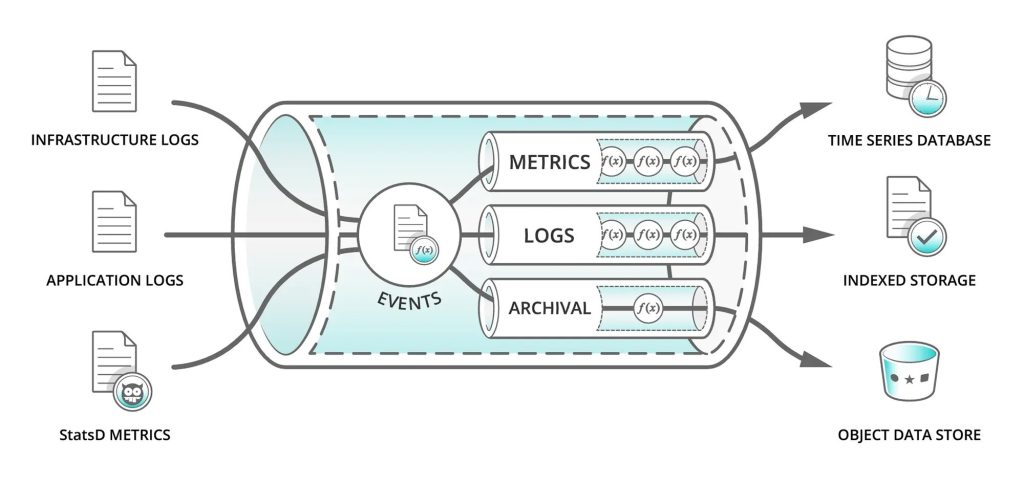
Data pipeline security refers to the collective measures, technologies, and policies used to protect data as it moves through the various stages of a data pipeline. This includes the processes of data ingestion, transformation, storage, and output. With the rise of hybrid and multi-cloud infrastructures, securing each touchpoint in a data pipeline is more complex and essential than ever.
Why Data Pipeline Security Matters

A breach in your data pipeline can do more than just expose sensitive information. It can compromise the accuracy of your analytics, destroy user trust, and even lead to regulatory penalties. As data flows between systems and third-party APIs, data pipeline security ensures that integrity, availability, and confidentiality are not compromised.
1. Implement End-to-End Encryption
One of the most essential steps for achieving effective data pipeline security is implementing end-to-end encryption. This protects data during transfer and ensures that even if intercepted, the information remains unreadable.
Encryption should be enforced at:
- Source and destination endpoints
- During data streaming (e.g., Apache Kafka, Amazon Kinesis)
- At rest in data lakes and warehouses
Tools like TLS, HTTPS, and AES-256 encryption offer strong protection across various layers of the pipeline.
2. Use Role-Based Access Control (RBAC)
Controlling access is fundamental to data pipeline security. By implementing Role-Based Access Control (RBAC), organizations can assign permissions based on roles, rather than individuals.
RBAC minimizes the risk of:
- Insider threats
- Unauthorized access
- Accidental modifications
Combine RBAC with identity and access management (IAM) solutions like AWS IAM, Azure Active Directory, or Google Cloud IAM for robust control.
3. Secure APIs and Third-Party Integrations
APIs serve as gateways to your data pipeline, and unsecured APIs are one of the biggest threats to data pipeline security.
To protect your pipeline:
- Use API gateways with built-in authentication
- Monitor API calls for anomalies
- Apply throttling to prevent DDoS attacks
- Validate all incoming and outgoing requests
Make sure any third-party data sources or consumers adhere to your data pipeline security standards.
4. Monitor Data Flow and Anomalies in Real-Time
Real-time monitoring is another essential component of data pipeline security. You must know what’s happening inside your pipeline at any given moment.
Use tools like:
- Datadog
- Splunk
- Prometheus
- AWS CloudWatch
These tools help detect unusual data patterns, unauthorized access, or performance bottlenecks, allowing quick mitigation before serious damage occurs.
5. Apply Data Masking and Tokenization
Sensitive information such as personally identifiable information (PII), financial data, or health records needs an additional layer of protection. That’s where data masking and tokenization come in.
Use cases include:
- Masking customer data before entering the pipeline
- Tokenizing credit card numbers for financial applications
- Anonymizing health records in compliance with HIPAA
These techniques are key to data pipeline security and help meet compliance mandates like GDPR and CCPA.
6. Automate Compliance Checks
In 2025, data regulations are only becoming stricter. That means ensuring your data pipeline security practices align with regulatory frameworks is non-negotiable.
Use automation tools to:
- Scan data for compliance
- Generate audit trails
- Enforce data retention and deletion policies
Solutions like Apache Ranger, AWS Config, and Google Cloud Security Command Center make it easier to maintain continuous compliance.
7. Adopt Zero Trust Architecture
The Zero Trust model assumes no device or user should be trusted automatically—even if inside the network perimeter. It’s a modern, essential approach to ensure data pipeline security.
Features of Zero Trust:
- Continuous verification of identities
- Context-aware access policies
- Least privilege enforcement
By integrating Zero Trust into your data pipeline, you can proactively defend against both internal and external threats.
A Quick Note on TD Pipeline and Software Development
TD pipeline, short for Technology Development pipeline, is the blueprint used in software development to integrate various technologies and methodologies into a cohesive flow. It includes stages like planning, design, development, testing, and deployment. Data pipeline security must be integrated into the TD pipeline from the ground up to ensure data protection is embedded in every phase of the software lifecycle.
Modern software development emphasizes agile methodologies, CI/CD pipelines, and cloud-native infrastructure. Security is no longer a one-time checkpoint—it’s a continuous process. By embedding data pipeline security within your development framework, you enhance the trustworthiness and resilience of your applications.
Conclusion: Secure Your Future with aibuzz
Data is the fuel of the digital economy, and data pipeline security is the firewall protecting that fuel. By following these 7 essential practices, businesses can confidently operate in a data-first world without fear of breaches or compliance issues.
At aibuzz, we specialize in building secure, scalable, and high-performance software development solutions tailored to your business needs. Our expert teams ensure data pipeline security is integrated into every layer of your technology stack—from cloud infrastructure to AI-powered applications. Let’s build a secure digital future together.
Leave a Reply