Tag: immersive technology

  • 10 Essential Virtual Reality Devices to Elevate Your 2025

    10 Essential Virtual Reality Devices to Elevate Your 2025


    Virtual reality (VR) is no longer a futuristic concept—it’s here, now, and rapidly transforming the way we work, play, learn, and socialize. At the heart of this revolution are virtual reality devices—the hardware that bridges the digital and physical worlds. From immersive gaming headsets to enterprise training tools, these gadgets are essential for anyone looking to explore or innovate within the VR landscape.

    In this blog, we’ll explore 10 essential virtual reality devices that are redefining industries in 2025. Whether you’re a gamer, a tech enthusiast, or a business innovator, understanding these devices is critical for staying ahead in the digital age.


    What is Virtual Reality?
    10 Must-Have Virtual Reality Devices That Inspire in 2025

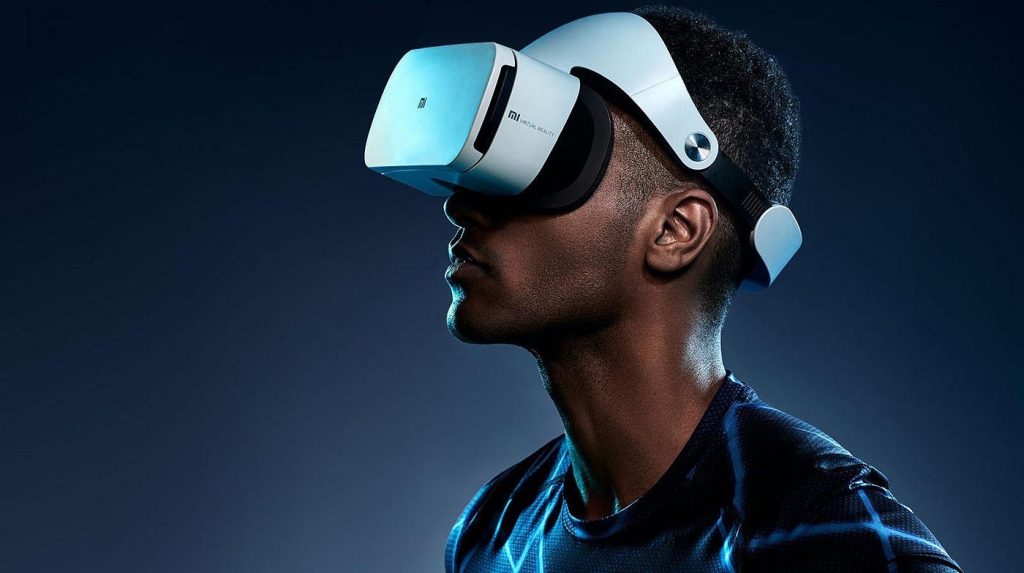
    Virtual reality (VR) refers to a simulated digital environment that users can interact with in real time using specialized hardware. The goal is to create a sense of immersion where the virtual feels real. Whether it’s a 3D-rendered world for gaming or a virtual classroom for learning, VR technology provides powerful experiences beyond traditional screens.

    The Role of Artificial Intelligence in Virtual Reality

    Artificial intelligence (AI) is playing a pivotal role in enhancing virtual reality devices. AI helps create smarter, more responsive virtual environments. From adaptive NPC behavior in games to AI-powered training simulations in enterprise settings, AI is enabling VR to be more personalized and dynamic. For example, voice recognition, gesture control, and real-time data analytics are all improved thanks to AI integration into VR systems.


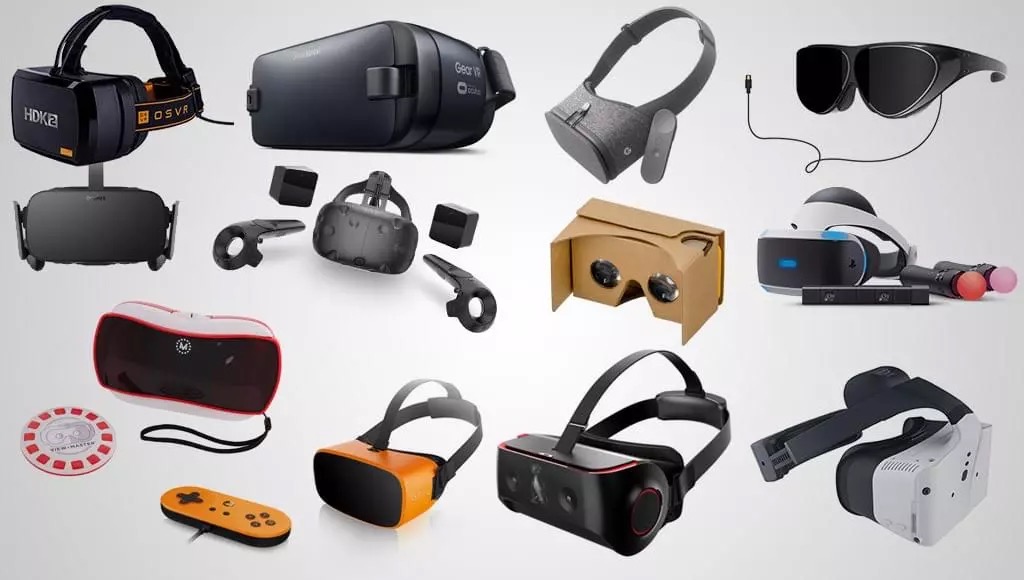
    10 Essential Virtual Reality Devices in 2025
    10 Must-Have Virtual Reality Devices That Inspire in 2025

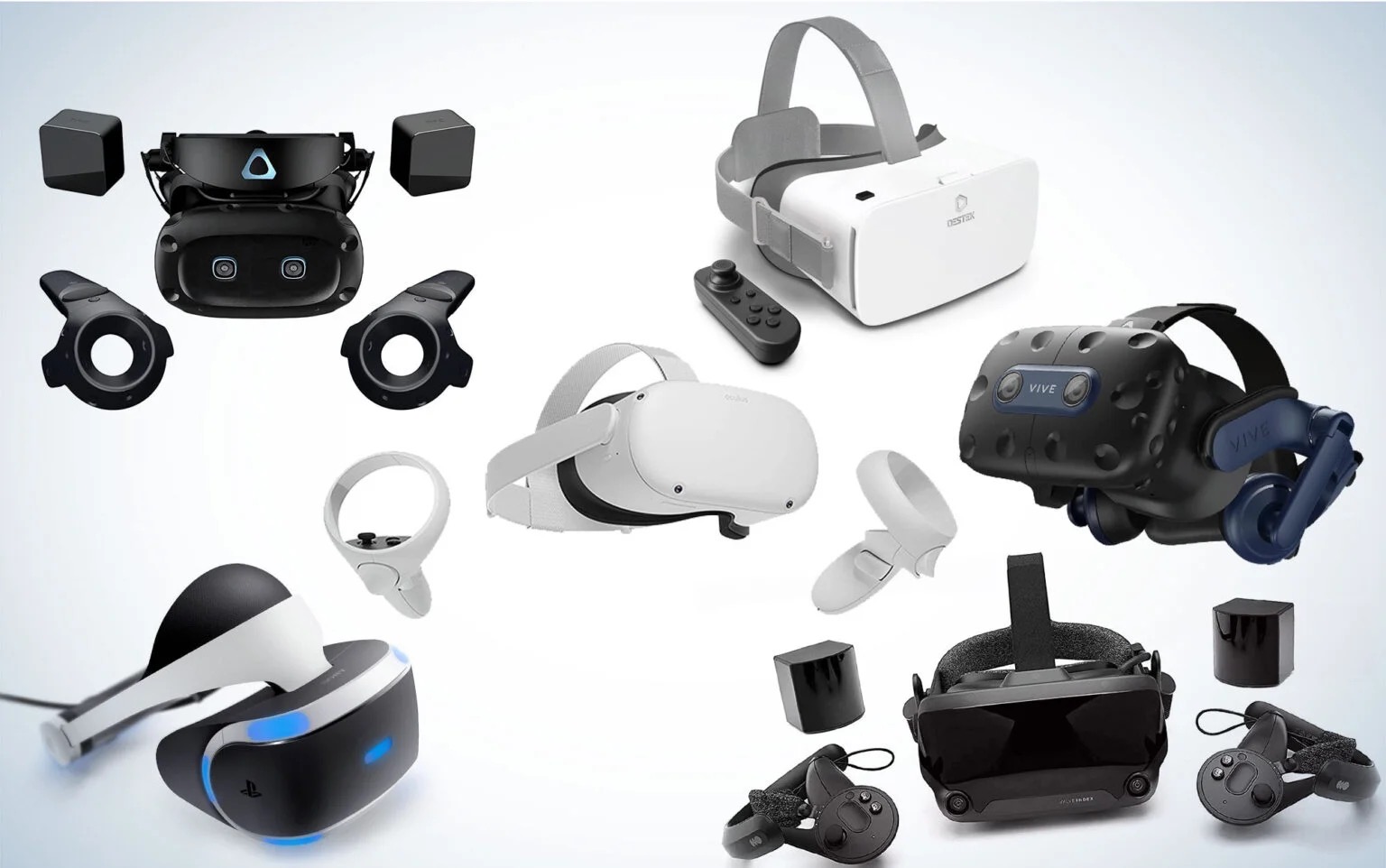
    1. Meta Quest 3

    The Meta Quest 3 is one of the most accessible and feature-rich virtual reality devices available today. With a standalone design, it doesn’t require a PC or external sensors. It offers mixed reality passthrough, hand tracking, and enhanced performance, making it a top choice for gaming, fitness, and productivity.

    Keywords: standalone VR headset, mixed reality, Oculus alternative


    2. Sony PlayStation VR2

    For console gamers, the PlayStation VR2 is a game-changer. With high-resolution OLED screens, inside-out tracking, and haptic feedback, it pushes the boundaries of console-based VR. Designed specifically for PlayStation 5, it provides seamless integration and stunning immersion.

    Keywords: VR for PlayStation, gaming headset, immersive VR games


    3. HTC Vive XR Elite

    The HTC Vive XR Elite combines the best of VR and AR, making it one of the most versatile virtual reality devicesin the market. It’s lightweight, modular, and supports a wide range of enterprise and consumer applications.

    Keywords: enterprise VR, AR headset, HTC Vive


    4. Apple Vision Pro

    Apple’s long-anticipated entry into the VR/AR market, the Apple Vision Pro, delivers exceptional visuals and seamless interaction. It’s powered by Apple’s M-series chips, offering unmatched performance and integration with iOS and macOS devices.

    Keywords: Apple VR headset, Vision Pro, spatial computing


    5. Pico 4 Enterprise

    Pico 4 Enterprise is designed with business users in mind. With eye tracking, face tracking, and business-grade security, it’s ideal for training, collaboration, and data visualization. As one of the leading standalone virtual reality devices, it’s gaining traction in corporate settings.

    Keywords: enterprise VR headset, Pico, workplace VR


    6. Valve Index

    The Valve Index is a high-fidelity VR system that continues to be popular with PC gamers and developers. Its precise finger tracking and superior audio quality make it a favorite for building and experiencing complex VR worlds.

    Keywords: PC VR, SteamVR, developer-friendly VR headset


    7. Lenovo ThinkReality VRX

    Aimed at business users, the ThinkReality VRX by Lenovo provides enterprise-focused tools for collaboration, training, and remote support. With cloud capabilities and rugged design, it’s among the most robust virtual reality devices for the workplace.

    Keywords: Lenovo VR, enterprise virtual reality, ThinkReality


    8. Samsung Gear VR (2025 Update)

    Samsung has relaunched its iconic Gear VR as a mobile-first device optimized for 2025’s smartphones. Lightweight and affordable, it’s bringing virtual reality to casual users and students who want to explore immersive content.

    Keywords: mobile VR, smartphone VR, affordable VR headset


    9. DPVR E4

    DPVR is gaining ground as a solid competitor in both the consumer and business space. The E4 model offers high-resolution displays and low latency, ideal for gaming, simulation, and education.

    Keywords: VR for education, training simulators, DPVR headset


    10. Varjo XR-4

    If you’re looking for cutting-edge professional-grade virtual reality devices, the Varjo XR-4 is unmatched. With photorealistic visuals, eye tracking, and full-color passthrough, it’s perfect for high-end simulation, design, and aviation training.

    Keywords: professional VR, XR headset, simulation training


    Why These Devices Are Essential in 2025

    Each of these virtual reality devices plays a unique role in expanding what’s possible in the VR ecosystem. Whether you’re exploring new worlds in a game, designing products in 3D, or conducting virtual surgery simulations, the right hardware matters.

    Here’s why these devices are essential in 2025:

    • Immersion: They deliver stunning visual and audio experiences.
    • Accessibility: Devices like Meta Quest 3 and Pico 4 make VR more affordable.
    • Innovation: High-end systems like Varjo XR-4 push technological boundaries.
    • Enterprise-grade features: Tools like ThinkReality VRX cater to business needs.

    As industries adopt immersive technologies, these virtual reality devices are becoming indispensable.


    Choosing the Right Virtual Reality Device

    When selecting a VR device, consider:

    • Use case: Gaming, training, design, or entertainment?
    • Budget: Do you need a premium system or a budget-friendly option?
    • Compatibility: Does it work with your PC, console, or smartphone?
    • Portability: Standalone or tethered?

    Investing in the right VR hardware can completely change how you interact with digital environments.


    The Future of Virtual Reality Devices
    As we move further into 2025, virtual reality devices are expected to become even more intelligent, portable, and interconnected. Integration with cloud computing, enhanced gesture recognition, and biometric feedback are all on the horizon. Moreover, the convergence of VR, artificial intelligence, and mixed reality will pave the way for more adaptive, real-time environments.

    We’re also seeing the rise of interactive mixed reality, where users can interact with digital and physical elements simultaneously. This is the next big leap beyond VR.


    Final Thoughts

    The evolution of virtual reality devices is redefining how we interact with the world—both virtual and physical. These 10 essential devices showcase the best the industry has to offer in 2025, empowering users across gaming, education, enterprise, and beyond.

    As VR becomes more integrated into our daily lives, staying informed about the latest hardware is essential. Whether you’re a creator, educator, or gamer, now is the time to dive in.


    Conclusion

    At aibuzz, we’re passionate about helping businesses and individuals unlock the power of immersive technologies. From VR development to full-scale mixed reality solutions, our team provides expert guidance and tailored tech strategies to bring your vision to life. As the future of work, play, and learning continues to evolve, aibuzz is your trusted partner in navigating the virtual frontier.

  • 7 Essential Reasons to Get Excited About Amped Virtual Reality in 2025

    7 Essential Reasons to Get Excited About Amped Virtual Reality in 2025

    In 2025, Amped Virtual Reality is redefining how we experience immersive digital worlds. Unlike traditional VR, which is often passive or limited in interaction, this high-energy version of VR delivers deeply interactive and emotionally resonant experiences. Whether you’re a gamer, business leader, or tech enthusiast, Amped Virtual Reality is impossible to ignore.


    1. What is Amped Virtual Reality?

    7 Essential Reasons to Get Excited About Amped Virtual Reality in 2025

    Amped Virtual Reality is a high-powered evolution of traditional VR. It’s called “amped” because it intensifies every aspect of the experience—better visuals, faster reactions, smarter interactivity, and full-body immersion.

    With real-time AI support, this technology customizes the environment to respond intelligently to user behavior, creating truly personal and engaging virtual worlds.


    2. Real-Time AI Powers the Experience

    One reason Amped Virtual Reality feels so realistic is due to Artificial Intelligence. AI algorithms allow the virtual environment to react dynamically, changing the scene based on voice commands, gestures, or even your facial expressions.

    This makes every session unique, adaptive, and more human-like than anything traditional VR can offer.


    3. Gaming Gets a Massive Upgrade

    Gaming is ground zero for Amped Virtual Reality innovation. Developers are using this tech to:

    • Enable full-body tracking
    • Create AI-driven opponents
    • Add haptic suits for tactile feedback
    • Support real-time team interaction

    This makes gaming not just fun but fully immersive and emotionally intense.


    4. Medical Training Goes Virtual—And Safer

    In healthcare, it is used for surgical simulations and diagnostics training. With this technology, medical students can interact with lifelike 3D models and receive instant feedback powered by AI.

    It significantly reduces training risks and boosts confidence before real-life procedures.


    5. Corporate Training Gets Smarter

    Businesses are turning to Amped Virtual Reality for onboarding and skill development. It allows employees to:

    • Navigate virtual office environments
    • Participate in interactive case studies
    • Simulate high-pressure situations safely

    This leads to better training outcomes and reduces time-to-productivity for new hires.


    6. Augmented Reality Meets Amped VR

    Augmented Reality (AR) superimposes digital objects onto the real world. When combined with Amped Virtual Reality, you get seamless Extended Reality (XR) experiences.

    Imagine technicians receiving real-time data overlays while training in an interactive virtual model—context from AR, depth from Amped Virtual Reality.


    7. Education Becomes Truly Immersive

    Amped Virtual Reality is changing how we teach. Students can explore:

    • Virtual laboratories
    • Historical reconstructions
    • Interactive math and science problems

    By adding physical involvement to learning, student engagement and knowledge retention increase significantly.


    Quick Look: What is Augmented Reality?

    7 Essential Reasons to Get Excited About Amped Virtual Reality in 2025

    Augmented Reality (AR) adds digital elements to the real-world environment. Common in apps, navigation, and product visualization, AR complements Amped Virtual Reality by enhancing real-world contexts with digital overlays—creating a more complete mixed reality ecosystem.


    What Role Does Artificial Intelligence Play?

    Artificial Intelligence mimics human thought, enabling systems to adapt and learn. AI ensures interactions feel intelligent and environments evolve as you engage with them—making the digital world feel truly alive.


    Conclusion: The Future is Bright with Amped Virtual Reality and aibuzz

    As we move into 2025, Amped Virtual Reality is more than a tech trend—it’s a dynamic leap into immersive interaction. From gaming to education and enterprise, it’s setting a new gold standard for digital experience.

    At aibuzz, we’re driving the future with advanced solutions in mixed reality, integrating AI, AR, and VR for businesses that want to lead—not follow. Whether you’re looking to train smarter, sell better, or engage deeper, our expertise in Amped Virtual Reality can help you get there. of these innovations, offering cutting-edge solutions in mixed reality, AI, and immersive environments. Our work ensures businesses and developers can harness the full potential of Amped Virtual Reality to drive engagement, training, and growth in the digital age.


  • 7 Essential Breakthroughs in Mixed Reality Tech You Need to Know in 2025

    7 Essential Breakthroughs in Mixed Reality Tech You Need to Know in 2025

    In today’s digital-first world, Mixed Reality Tech is rapidly emerging as one of the most essential innovations of our time. Blending the real and virtual in a way that transforms how we work, play, and learn, this powerful technology is redefining human interaction with machines. From healthcare to gaming, and from education to retail, Mixed Reality Tech is unlocking possibilities we only dreamed of a decade ago.

    But what exactly is driving this innovation? And how do technologies like Virtual RealityArtificial Intelligence, and the foundations of artificial intelligence intertwine with this evolution? Let’s dive into the 7 essential breakthroughs in Mixed Reality Tech that are reshaping the future in 2025.


    What is Mixed Reality Tech?

    7 Essential Breakthroughs in Mixed Reality Tech You Need to Know in 2025

    Mixed Reality Tech combines elements of both Virtual Reality (VR) and Augmented Reality (AR) to create immersive environments where digital and physical objects interact in real-time. Unlike VR, which places you entirely in a simulated world, Mixed Reality Tech allows digital objects to anchor, respond, and adapt to your real-world surroundings.

    With support from the foundations of artificial intelligence, this tech is not only smart but capable of learning from users, adapting its responses, and improving over time.


    A Quick Look at Virtual Reality and Artificial Intelligence

    7 Essential Breakthroughs in Mixed Reality Tech You Need to Know in 2025

    Before exploring further, here’s a quick breakdown:

    • Virtual Reality (VR): A fully immersive experience created through a digital environment, primarily used for training, gaming, and simulations.
    • Artificial Intelligence (AI): A branch of computer science focused on building systems that mimic human intelligence, including learning, problem-solving, and decision-making.

    When combined, these technologies push Mixed Reality Tech beyond visual spectacle—it becomes intuitive, responsive, and incredibly engaging.


    1. AI-Powered Interaction in Mixed Reality Tech

    The true magic of Mixed Reality Tech lies in its interactivity. With AI-driven engines rooted in the foundations of artificial intelligence, devices can process gestures, eye movements, and voice commands to deliver context-aware responses.

    These smart systems don’t just react—they predict. They understand your behavior and anticipate what you want next, delivering an experience that feels less like using a machine and more like working with a knowledgeable assistant.


    2. Spatial Mapping and Environment Understanding

    One of the most essential features of Mixed Reality Tech is spatial awareness. Devices equipped with sensors and computer vision—powered by the foundations of artificial intelligence—can map real-world environments with millimeter accuracy.

    This allows digital objects to appear as if they’re truly part of your space. Whether you’re an architect visualizing a building or a surgeon navigating complex anatomy, spatial mapping enhances precision and efficiency.


    3. Real-Time Rendering with Edge AI

    In 2025, Mixed Reality Tech is heavily reliant on edge computing, allowing data to be processed locally for faster results. Add the foundations of artificial intelligence to the mix, and what you get is seamless, real-time rendering that feels truly magical.

    This is especially crucial in high-stakes fields like military training or emergency response simulations, where even a millisecond of lag could compromise effectiveness.


    4. Digital Twins in Industrial Mixed Reality Tech

    Digital Twin is a digital version of a real-world object, system, or process. When integrated with Mixed Reality Tech, users can interact with these twins in real time. Think of engineers testing a jet engine or city planners visualizing infrastructure changes without ever touching the real thing.

    Predictive modeling—built on the foundations of artificial intelligence—makes these digital twins even more powerful, enabling proactive decision-making before real-world issues arise.


    5. Emotion and Voice Recognition

    Today’s Mixed Reality Tech doesn’t just respond—it understands. With emotion recognition software driven by AI, MR systems can detect stress, confusion, or enthusiasm in your voice and facial expressions.

    Whether in a virtual classroom or telehealth session, these systems—powered by the foundations of artificial intelligence—can adapt their tone, visuals, and pace based on emotional feedback.


    6. Cross-Device Compatibility and Cloud MR

    Mixed Reality Tech is becoming more flexible, thanks to cloud computing and AI. Cross-platform support ensures users can access the same immersive experience whether they’re on a headset, tablet, or AR glasses.

    Cloud-driven environments use the foundations of artificial intelligence to sync, optimize, and personalize data, ensuring consistent experiences across platforms and devices.


    7. Immersive Collaboration Tools in Mixed Reality Tech

    Remote work is getting a significant upgrade with Mixed Reality Tech. Virtual conference rooms, 3D whiteboards, and holographic presentations are now commonplace in industries ranging from engineering to education.

    By leveraging the foundations of artificial intelligence, these tools offer real-time translation, emotion tracking, and intelligent feedback—bringing global teams closer than ever before.


    Where Mixed Reality Tech is Making an Impact

    Here’s how Mixed Reality Tech is revolutionizing different industries:

    Healthcare

    Surgeons can simulate procedures or overlay vital information during operations, reducing risks and enhancing training.

    Education

    Interactive learning environments let students explore subjects in ways textbooks never could. With the help of the foundations of artificial intelligence, lessons adapt to each learner’s pace and style.

    Manufacturing

    Workers receive real-time instructions via MR glasses, increasing accuracy and reducing downtime.

    Retail

    Shoppers can try on clothes, test products, or explore virtual showrooms—all from their living rooms.

    Gaming and Entertainment

    Games now adapt to your mood and actions, providing deeply immersive, story-driven experiences using AI.


    What’s Next for Mixed Reality Tech?

    Here are upcoming trends to watch:

    • Neural Interfaces: Controlling MR environments directly with brain signals.
    • Haptic Suits: Adding touch and physical feedback to virtual experiences.
    • Hyper-Adaptive Content: MR environments that change dynamically based on user mood and preferences—driven by the foundations of artificial intelligence.

    These advancements will elevate Mixed Reality Tech to unprecedented levels of realism and user engagement.


    The Power of the Foundations of Artificial Intelligence in Mixed Reality Tech

    It’s impossible to talk about the success of Mixed Reality Tech without emphasizing the role of the foundations of artificial intelligence. Whether it’s gesture recognition, voice response, or adaptive learning, AI is the engine driving innovation.

    Across all 7 breakthroughs, the foundations of artificial intelligence enable:

    • Smarter decision-making
    • Personalized user experiences
    • Real-time responsiveness
    • Predictive performance
    • Scalable cross-platform integration

    As Mixed Reality Tech continues to evolve, its dependence on AI will only grow—making AI a cornerstone of immersive technology.


    Conclusion

    Mixed Reality Tech is not just the future—it’s the essential tech of now. With smarter interfaces, hyper-personalized environments, and seamless cross-platform experiences, it’s changing how we interact with everything around us. At the core of this transformation are the foundations of artificial intelligence, shaping the way machines understand and respond to us.

    At aibuzz, we are at the forefront of developing intelligent IT and tech solutions powered by Mixed Reality Tech, AI, and cloud technologies. Whether you’re looking to elevate your business operations, transform training programs, or build immersive customer experiences, AiBuzz delivers the innovation you need. Explore our cutting-edge IT and tech services and take the leap into the future—today.

  • The Essential Guide to Interactive Mixed Reality: Exploring the Foundations of Artificial Intelligence and Its Impact in 2025

    The Essential Guide to Interactive Mixed Reality: Exploring the Foundations of Artificial Intelligence and Its Impact in 2025

    We’re entering an era where the digital and physical worlds are no longer separate. Thanks to interactive mixed reality, users can now engage with a dynamic fusion of real and virtual environments. But what makes these experiences truly intelligent and responsive? The answer lies in the foundations of artificial intelligence.

    In this blog, we’ll explore 7 essential ways AI is transforming how we experience interactive mixed reality, revealing its real-world applications and potential for the future.


    1. Understanding the Concept of Interactive Mixed Reality

     Concept of Interactive Mixed Reality

    Interactive mixed reality merges the real world with digitally generated elements in a way that users can interact with both at the same time. This is more advanced than standard virtual or augmented reality—it’s immersive, intelligent, and adaptive.

    The driving force behind this technology is the foundations of artificial intelligence, which allow systems to analyze, interpret, and react to real-time data from the user and their surroundings.


    2. Spatial Awareness Through AI

    To create realistic interactive mixed reality environments, AI enables systems to map physical spaces accurately. Using computer vision and deep learning—core components of the foundations of artificial intelligence—these systems recognize objects, surfaces, and boundaries, adapting virtual content accordingly.

    This makes virtual elements feel more believable—like a digital character walking around your living room without bumping into furniture.


    3. Natural Interaction via Voice and Gestures

    Gone are the days of buttons and remotes. With interactive mixed reality, AI recognizes hand gestures, eye movements, and voice commands. This natural form of communication is made possible through machine learning and neural networks, which are part of the foundations of artificial intelligence.

    The AI behind these features gets smarter with time, learning from interactions to provide even more seamless control in future sessions.


    4. Personalized User Experiences

    Every user has a different preference, learning style, and goal. AI enables personalization in interactive mixed realityenvironments by analyzing behavior and making adjustments in real time. Whether it’s a fitness app adjusting difficulty or a training simulation adapting to your pace, personalization is key.

    This capability is deeply rooted in the foundations of artificial intelligence, particularly in behavioral modeling and predictive analytics.


    5. Real-World Applications: Education, Healthcare, and More

    From classrooms to hospitals, interactive mixed reality is changing how professionals learn and work. Surgeons can rehearse procedures in 3D, students can explore historical environments, and engineers can visualize prototypes in real space.

    All of this relies on the foundations of artificial intelligence to deliver contextual, real-time content that enhances learning and decision-making.


    6. The Future: AI, IoT, and Mixed Reality

    Imagine walking into a factory and seeing machine diagnostics displayed right in front of you—or attending a virtual meeting that adapts to your emotional tone. When combined with IoT devices, interactive mixed reality becomes a powerful tool for business and industry.

    These advanced capabilities wouldn’t be possible without the foundations of artificial intelligence, which enable the system to process real-world data and respond intelligently.


    7. Ethics and AI in Mixed Reality

    With the rise of AI-powered interactive mixed reality, ethical questions arise. How is personal data being used? Are AI systems making fair decisions? These concerns highlight the need for transparency and ethical design in AI systems.

    The foundations of artificial intelligence include not just algorithms and data, but principles like accountability, fairness, and privacy. As this technology advances, ethical design will be just as important as technical innovation.


    IT, Tech, and the Extended Reality Landscape

    As interactive mixed reality grows, it’s becoming central to IT and tech innovation. Extended Reality (XR) technologies—covering AR, VR, and MR—are being used for simulation, product design, and customer experience.

    Thanks to the foundations of artificial intelligence, these solutions are becoming smarter and more adaptive. From AI-driven support chatbots to immersive product walkthroughs, the combination of IT and interactive mixed reality is creating new possibilities.


    Conclusion: aibuzz and the Intelligent Future

    The integration of AI into interactive mixed reality is building a smarter, more immersive future across industries. Grounded in the foundations of artificial intelligence, these systems are evolving to be more personalized, intuitive, and powerful.

    At aibuzz, we specialize in crafting intelligent digital environments using AI, XR, and cutting-edge tech. Whether you need AI-powered development, enterprise-level IT solutions, or immersive training platforms, our team can help you build the future. Let’s shape tomorrow—together.