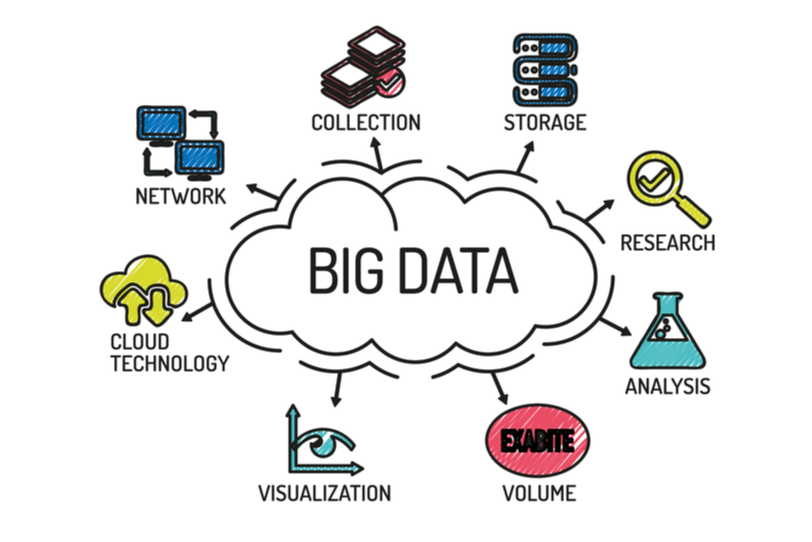
In today’s digital world, data is the new oil. Every click, transaction, and social media interaction generates a massive amount of data. But raw data alone has limited value. To extract insights, predict trends, and make informed business decisions, organizations rely on Big Data Services.
Big Data Services are specialized solutions that help businesses manage, process, and analyze enormous datasets efficiently. Whether you are a startup or an enterprise, understanding big data services is crucial to stay competitive in the digital era.
In this guide, we’ll explore the types, benefits, and applications of big data services while providing practical insights for beginners.
What Are Big Data Services?
Big Data Services refer to the tools, platforms, and solutions designed to collect, store, process, and analyze large volumes of data. Unlike traditional data management systems, big data services are built to handle the “3 Vs” of big data:
- Volume: Massive amounts of structured and unstructured data from various sources.
- Velocity: The speed at which data is generated and processed.
- Variety: Different types of data including text, images, videos, and IoT signals.
Big data services include cloud-based analytics platforms, data storage solutions, data processing frameworks, and machine learning integration tools.
Types of Big Data Services
Big data services can be broadly categorized into the following types:
1. Data Storage Services
These services focus on storing large datasets efficiently. Examples include:
- Hadoop Distributed File System (HDFS)
- Cloud Storage Platforms (AWS S3, Google Cloud Storage, Azure Blob Storage)
2. Data Processing Services
Data processing services transform raw data into meaningful insights. Popular frameworks include:
- Apache Hadoop for batch processing
- Apache Spark for real-time analytics
3. Data Analytics Services
Analytics services use statistical, AI, and ML algorithms to extract patterns and insights. Examples:
- Predictive analytics
- Sentiment analysis
- Customer behavior analysis
4. Data Integration Services
Data often comes from multiple sources. Integration services unify this data for meaningful analysis:
- ETL (Extract, Transform, Load) tools like Talend, Informatica
- API-based integration platforms
5. Data Visualization Services
Visualization services help interpret complex datasets through graphs, dashboards, and charts. Popular tools include:
- Tableau
- Power BI
- Looker
Benefits of Big Data Services
Big Data Services provide a multitude of advantages for organizations:
1. Better Decision-Making
By analyzing large datasets, companies can identify trends, patterns, and anomalies that inform strategic decisions.
2. Enhanced Customer Experience
Big data analytics enables personalized marketing, predictive product recommendations, and improved customer support.
3. Operational Efficiency
Companies can optimize supply chains, reduce costs, and automate processes using big data insights.
4. Risk Management
Big data services allow businesses to detect fraud, predict equipment failures, and manage compliance more effectively.
5. Competitive Advantage
Organizations leveraging big data gain insights that help them stay ahead of competitors and respond to market trends faster.
Real-World Applications of Big Data Services
Big Data Services have transformed industries across the globe. Here are some examples:
1. Healthcare
- Predicting disease outbreaks
- Personalizing treatment plans
- Reducing hospital readmission rates
2. Finance
- Detecting fraudulent transactions
- Assessing credit risk
- Portfolio optimization
3. Retail
- Personalized product recommendations
- Inventory management
- Customer sentiment analysis
4. Manufacturing
- Predictive maintenance
- Supply chain optimization
- Quality control analysis
5. Smart Cities
- Traffic management
- Energy consumption optimization
- Public safety monitoring
Challenges in Implementing Big Data Services
While big data services offer significant benefits, businesses face certain challenges:
- Data Privacy and Security – Protecting sensitive data from breaches.
- Data Quality Issues – Inaccurate or incomplete data can lead to wrong insights.
- High Implementation Costs – Infrastructure and skilled personnel can be expensive.
- Integration Complexity – Combining multiple data sources can be challenging.
- Skill Gap – Hiring professionals skilled in big data analytics and AI is difficult.
Despite these challenges, proper planning and the right technology stack can make big data implementation successful.
How to Choose the Right Big Data Services
When selecting big data services, consider the following:
- Scalability: Can it handle growing volumes of data?
- Cost-efficiency: Is it affordable for your business size?
- Integration: Does it integrate with your existing systems?
- Analytics Capabilities: Does it support advanced analytics and AI?
- Security: Are your data protection standards met?
Popular platforms like AWS Big Data Services, Microsoft Azure, and Google BigQuery offer robust solutions for businesses of all sizes.
Future of Big Data Services
The future of big data services is closely tied to AI, IoT, and cloud computing. Some emerging trends include:
- Real-time data analytics for instant decision-making
- Edge computing for faster processing
- Integration with AI and ML for predictive insights
- Automated data cleaning and management
As businesses become more data-driven, the demand for efficient and intelligent big data services will continue to grow.
FAQ
Q1. What is the difference between big data and traditional data?
A1. Big data refers to large, complex datasets that traditional data systems cannot process efficiently. It involves the 3 Vs – volume, velocity, and variety – whereas traditional data is smaller and structured.
Q2. Do small businesses need big data services?
A2. Yes, even small businesses can benefit from big data services by analyzing customer behavior, optimizing marketing strategies, and improving operational efficiency.
Q3. Are big data services expensive?
A3. Costs vary based on infrastructure, cloud platforms, and analytics tools. Cloud-based solutions like AWS or Azure provide flexible pricing to suit small and large businesses.
Q4. What skills are required for big data analytics?
A4. Key skills include knowledge of Hadoop, Spark, Python, SQL, data visualization tools, and machine learning techniques.
Q5. Can big data services improve business profits?
A5. Absolutely. By leveraging insights from data, companies can optimize operations, reduce costs, increase sales, and enhance customer satisfaction.
Conclusion
Big Data Services are no longer optional—they are essential for businesses aiming to remain competitive in the modern digital landscape. From analyzing vast datasets to predicting future trends, these services empower organizations to make smarter decisions, optimize operations, and deliver better customer experiences.
By understanding the types, benefits, and applications of big data services, even beginners can start leveraging this technology to drive growth and innovation.
☎️ 919967940928
🌐 https://aibuzz.net/
Leave a Reply