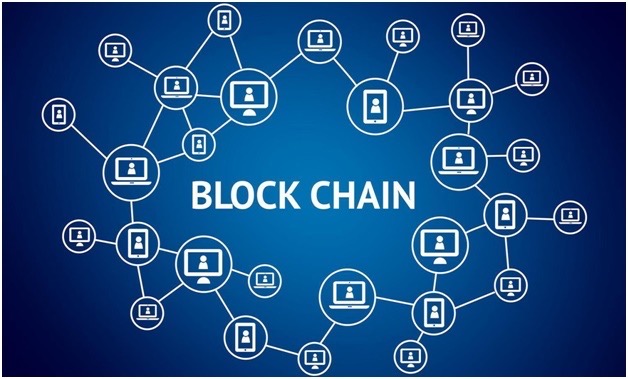
Blockchain technology is revolutionizing industries worldwide, offering unmatched security, transparency, and decentralization. As the world moves toward digital transformation, blockchain is proving to be a game-changer for businesses, governments, and individuals alike. But how do you develop a blockchain application that stands out in a competitive landscape? Whether you’re a startup, an enterprise, or a developer, this comprehensive guide will walk you through the essential steps to successful blockchain application development in 2025.
1. Define Your Blockchain Use Case
Before diving into development, it’s crucial to define the problem your blockchain application aims to solve. Blockchain is a powerful technology, but it isn’t a one-size-fits-all solution. Identify whether your application will operate in finance (DeFi), supply chain management, healthcare, digital identity, real estate, gaming, or another industry.
Ask yourself these key questions:
- What inefficiencies does my application address?
- How does decentralization enhance my solution?
- Do I need a public or private blockchain network?
- What value does blockchain add that traditional technologies cannot?
Understanding your use case will provide a solid foundation for development and prevent unnecessary costs and effort down the line.
2. Choose the Right Blockchain Platform

Checklist for Choosing a Blockchain Platform:
- Centralization vs. Decentralization: Do you need a public, private, or hybrid blockchain?
- Transaction Speed & Scalability: Can the platform handle your expected user base?
- Development Cost: What are the deployment and transaction costs?
- Security & Compliance: Does the platform align with regulatory requirements?
- Ecosystem & Community Support: Are there enough resources and developers available?
- Smart Contract Compatibility: Does the platform support the programming languages and frameworks you need?
Each blockchain platform has distinct advantages and trade-offs. Carefully evaluate these factors before making your decision.
3. Design the Architecture
Once you’ve selected the blockchain platform, it’s time to design the architecture of your application. A well-structured architecture ensures smooth functioning and scalability. Key components include:
- Nodes: The computers running the blockchain network.
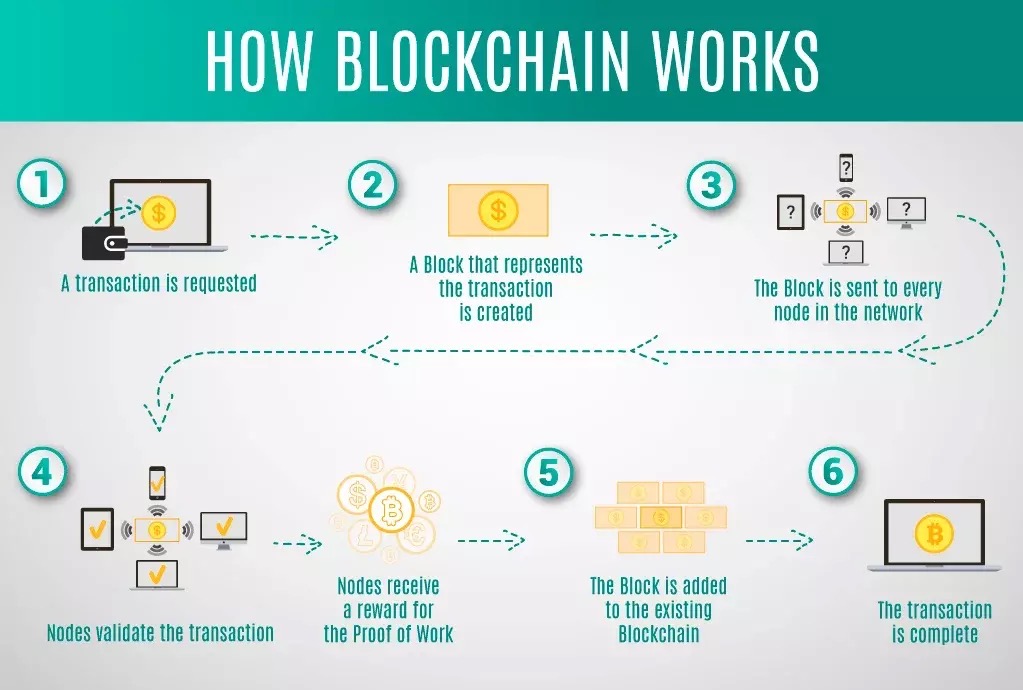
- Consensus Mechanism: The algorithm that validates transactions (Proof-of-Work, Proof-of-Stake, etc.).
- Smart Contracts: Self-executing contracts that automate processes.
- APIs: Bridges that allow blockchain applications to communicate with external services.
- Wallets: Secure interfaces for users to store and manage digital assets.
Consider whether your blockchain will be public (accessible to anyone), private (restricted access), or hybrid (a combination of both).
4. Develop Smart Contracts
Smart contracts are the backbone of blockchain applications. They enable automated, trustless transactions by executing predefined rules without intermediaries.
Steps to Create a Secure Smart Contract:
- Define the contract logic – Determine the rules and conditions for execution.
- Choose a programming language – Solidity (Ethereum), Rust (Solana), or Go (Hyperledger) are common choices.
- Write and deploy the contract – Use frameworks like Truffle or Hardhat.
- Audit for vulnerabilities – Regularly test your contracts to ensure security and compliance.
Smart contracts power decentralized applications (DApps), non-fungible tokens (NFTs), and automated finance (DeFi) solutions, making them a crucial part of blockchain development.
5. Integrate the Frontend and Backend
A blockchain application isn’t just about on-chain functionality. The frontend and backend play vital roles in delivering a seamless user experience.
Frontend Development:

- Use frameworks like React.js, Vue.js, or Angular for user-friendly interfaces.
- Ensure smooth wallet integrations (MetaMask, Trust Wallet, etc.).
- Optimize performance and UX/UI design.
Backend Development:

- Implement Node.js, Python, or Golang for backend functionality.
- Set up APIs to communicate between blockchain and external data sources.
- Handle authentication, security, and data storage efficiently.
The key to a great blockchain application is ensuring smooth interactions between smart contracts, backend systems, and the user interface.
6. Ensure Security and Compliance
Security breaches and exploits have cost blockchain users billions. Protecting your blockchain application is non-negotiable.
Security Best Practices:
- Conduct regular smart contract audits to identify vulnerabilities.
- Use multi-signature wallets to enhance security.
- Implement encryption protocols to protect sensitive data.
- Stay compliant with regulations like GDPR, AML, KYC depending on your jurisdiction.
A security-first approach builds trust and credibility, ensuring your blockchain application remains robust and reliable.
7. Test Thoroughly
Testing helps identify and fix potential flaws before launching. Use testnets such as Ropsten (Ethereum) or Devnet (Solana) to simulate real-world scenarios.
Testing Strategies:
- Unit Testing – Test individual functions and components.
- Integration Testing – Ensure different modules work together.
- Load Testing – Assess performance under heavy traffic.
- Security Audits – Use automated tools like Truffle, Ganache, or Hardhat.
Thorough testing ensures a seamless and bug-free user experience.
8. Deploy on the Mainnet
Once you’ve rigorously tested your application, it’s time to deploy on the mainnet. Consider these steps for a smooth launch:
- Optimize gas fees to reduce transaction costs.
- Monitor real-world transaction performance.
- Ensure a stable and scalable infrastructure.
- Prepare for gradual rollouts to minimize risks.
A strategic launch plan will help mitigate potential issues while ensuring a successful deployment.
9. Optimize for Performance
Scalability is a major concern in blockchain applications. Solutions like Layer-2 scaling (Rollups, sidechains, and state channels) help handle high transaction volumes efficiently.
Other strategies include:
- Sharding – Distributing workload across multiple networks.
- Off-chain storage – Reducing blockchain bloat by storing data externally.
- Optimized consensus mechanisms – Using Proof-of-Stake (PoS) instead of energy-intensive Proof-of-Work (PoW).
Performance optimization ensures a fast, efficient, and user-friendly blockchain experience.
10. Maintain and Upgrade
Blockchain technology is constantly evolving. Regular maintenance and upgrades ensure your application remains competitive.
Ongoing development is crucial to keeping your blockchain app relevant and efficient in a fast-changing landscape. Software development services and IT services—including continued improvement of blockchain applications, integration with other technologies, and system optimizations—are essential for long-term success. By leveraging the right IT services and software development solutions, you can ensure your blockchain application stays innovative and meets the changing demands of your users.
Final Thoughts
If you’re looking for expert blockchain development services, visit abuzz.net. We offer comprehensive IT services and software development to help you build, maintain, and upgrade cutting-edge blockchain applications that are secure, scalable, and future-proof. Let’s bring your vision to life and create solutions that are ahead of the curve!
Leave a Reply