Category: Uncategorized

  • 7 Essential Reasons to Use Google Cloud Big Data for Modern Enterprises

    7 Essential Reasons to Use Google Cloud Big Data for Modern Enterprises

    In today’s digital era, businesses generate data at an unprecedented scale. This explosion of information—known as Big Data—presents both a challenge and an opportunity. The key to unlocking this opportunity lies in choosing the right platform. Google Cloud Big Data offers scalable, intelligent, and cost-effective tools to harness data for business growth. In this blog, we’ll explore 7 essential reasons why Google Cloud Big Data is the right choice for modern enterprises.


    What is Big Data? (A Quick Overview)

    Discover 7 essential reasons why Google Cloud Big Data is the top choice for modern businesses. Learn how it powers real-time analytics, AI integration, and secure, scalable data solutions.

    Big Data refers to extremely large datasets that are too complex to be managed or analyzed by traditional data-processing systems. These datasets can come from various sources like social media, sensors, mobile devices, transactions, and more. Big Data is characterized by the three V’s—Volume, Velocity, and Variety. Its proper utilization leads to better decisions, predictive insights, and operational efficiencies.


    1. Essential Scalability with Google Cloud Big Data Tools

    One of the strongest advantages of Google Cloud Big Data is its unmatched scalability. Whether you’re a startup or an enterprise, you can handle petabytes of data with ease. Google’s infrastructure is designed to auto-scale, meaning it adjusts resources dynamically as your data grows or shrinks. Tools like BigQuery, a serverless and highly scalable data warehouse, allow you to run complex SQL queries in seconds.

    By leveraging Google Cloud Big Data services, businesses can grow without worrying about infrastructure limitations.


    2. Real-Time Analytics and Stream Processing

    Modern business demands instant insights. With Google Cloud Big Data, you can analyze real-time data streams from devices, applications, and social platforms. Tools such as Cloud Dataflow and Pub/Sub enable fast, efficient stream processing. This is crucial for use cases like fraud detection, IoT monitoring, and live dashboards.

    Real-time analytics not only improves operational agility but also provides competitive advantages in fast-paced industries.


    3. Machine Learning Integration Made Easy

    Google Cloud Big Data seamlessly integrates with AI and Machine Learning services. With tools like Vertex AI, you can build, train, and deploy ML models on your big data sets without deep knowledge of data science. This integration helps businesses develop smarter applications, from customer personalization to demand forecasting.

    The synergy of Google Cloud Big Data and AI leads to actionable intelligence and automated decision-making.


    4. Enterprise-Grade Security and Compliance

    Data security is a major concern for every organization. With Google Cloud Big Data, security is baked into every layer. It offers end-to-end encryptionIAM (Identity and Access Management), and audit logging. Additionally, Google complies with key industry standards such as HIPAAGDPR, and ISO/IEC 27001, making it a trusted partner for industries like healthcare and finance.

    By choosing Google Cloud Big Data, enterprises ensure their data remains protected and compliant with global regulations.


    5. Seamless Data Migration and Hybrid Architecture

    Worried about migrating your legacy systems? Google makes it simple. With Transfer ApplianceStorage Transfer Service, and Database Migration Service, you can move your workloads to the cloud without major disruptions. Plus, Google Cloud Big Data supports hybrid and multi-cloud architectures, giving you flexibility to run your systems where they make the most sense.

    This adaptability helps businesses modernize without the fear of vendor lock-in or service interruptions.


    6. Cost-Efficiency and Flexible Pricing

    Google’s pay-as-you-go model ensures that you only pay for the resources you use. Whether you’re storing archived data or running powerful analytics jobs, Google Cloud Big Data provides pricing options that suit different needs. Additionally, features like flat-rate pricing in BigQuery allow enterprises to predict and manage their budget better.

    Smart resource management and pricing flexibility make Google Cloud Big Data ideal for businesses focused on ROI.


    7. Powerful Ecosystem and Tooling

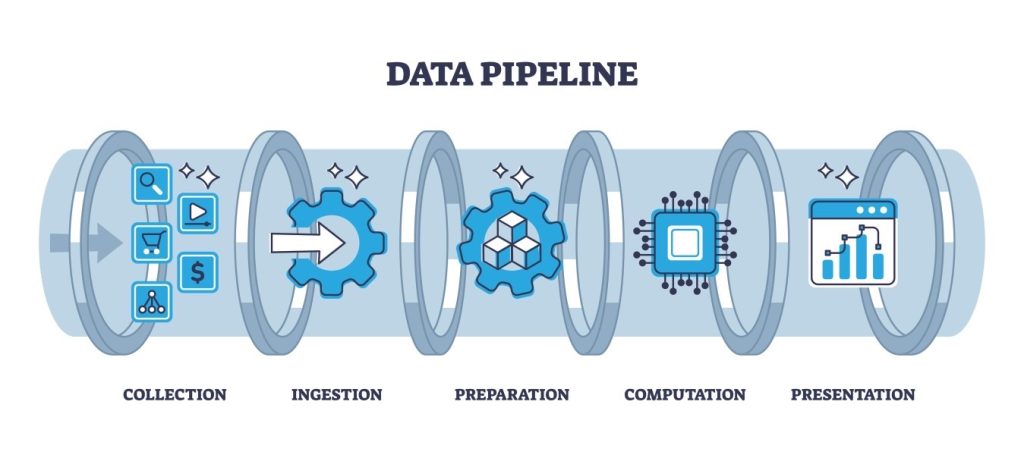
    From data engineers to business analysts, everyone can find a tool that fits their workflow in the Google ecosystem. With integrations for LookerData StudioApache BeamTensorFlow, and Python notebooks, your entire data pipeline—from ingestion to visualization—is covered.

    The broad ecosystem of Google Cloud Big Data empowers collaboration across teams and drives data-driven culture within organizations.


    Popular Tools in the Google Cloud Big Data Suite

    Here are some of the most widely used tools in the Google Cloud Big Data ecosystem:

    • BigQuery: A serverless, highly scalable data warehouse for fast SQL queries.
    • Cloud Dataflow: Real-time stream and batch data processing.
    • Cloud Pub/Sub: Messaging service for event ingestion and delivery.
    • Dataproc: Managed Spark and Hadoop service.
    • Data Fusion: No-code ETL tool for building data pipelines.
    • Looker: Data visualization and business intelligence platform.

    These tools work together to deliver a comprehensive solution for Big Data analytics.


    Industries Benefiting from Google Cloud Big Data

    1. Retail: Real-time recommendations and inventory analytics.
    2. Healthcare: Predictive diagnosis, genomics, and patient trend analysis.
    3. Finance: Fraud detection, algorithmic trading, and compliance monitoring.
    4. Manufacturing: Predictive maintenance and supply chain optimization.
    5. Media & Entertainment: Audience analytics and content personalization.

    Across sectors, Google Cloud Big Data enables smarter decisions through deep insights.


    Key Benefits Recap

    Let’s summarize the essential benefits of Google Cloud Big Data:

    • Ultra-scalable and serverless infrastructure
    • Real-time and batch data processing
    • Integrated AI/ML capabilities
    • Secure and compliant environment
    • Cost-effective pricing models
    • Easy migration and hybrid deployment
    • Rich ecosystem for full data lifecycle

    These features make it an indispensable solution for data-intensive enterprises.


    Conclusion: Why Choose aibuzz for Big Data Solutions?

    Discover 7 essential reasons why Google Cloud Big Data is the top choice for modern businesses. Learn how it powers real-time analytics, AI integration, and secure, scalable data solutions.

    Adopting Google Cloud Big Data is no longer optional—it’s essential for businesses that want to thrive in a data-driven world. With its scalable tools, AI integration, and enterprise-grade security, Google offers a powerful ecosystem that’s both flexible and future-ready. Whether you’re dealing with structured or unstructured data, real-time streams, or historical logs, Google Cloud Big Data ensures you gain meaningful insights that drive growth.

    At aibuzz, we help organizations build robust Big Data pipelines using Google Cloud’s cutting-edge technology. We specialize in end-to-end software development, from data ingestion to analytics, and integrate AI for next-level intelligence. If you’re ready to supercharge your business with Google Cloud Big Data, our expert team is here to guide your digital transformation journey.

  • 10 Essential Reasons Why 24/7 IT Support is a Game-Changer for Modern Businesses

    10 Essential Reasons Why 24/7 IT Support is a Game-Changer for Modern Businesses

    In the fast-paced digital world, downtime is a business killer. Companies today rely heavily on technology to operate efficiently, and when systems fail—whether at noon or midnight—the consequences can be devastating. That’s where 24/7 IT support steps in as a lifeline. Whether you’re a small business or an enterprise, around-the-clock tech support isn’t just a luxury—it’s an absolute necessity.

    In this blog, we’ll explore 10 essential reasons why investing in 24/7 IT support is critical, the value it brings to your operations, and how it acts as a pillar of your overall IT and tech strategy.


    What is IT and Tech? A Quick Look at IT Services

    Discover 10 essential reasons why 24/7 IT support is crucial for modern businesses. Learn how round-the-clock IT services improve uptime, boost security, and ensure business continuity.

    Information Technology (IT) encompasses the use of systems (computers, networks, software) to store, retrieve, and send information. From maintaining servers and troubleshooting software to managing cybersecurity and data infrastructure, IT services are the backbone of every digital operation.

    IT services include:

    • Network setup and management
    • Hardware and software support
    • Cloud integration
    • Cybersecurity monitoring
    • Data storage and recovery
    • Helpdesk solutions

    Without reliable IT and tech support, companies risk losing productivity, data, and customer trust.


    1. Continuous Business Operations

    The most obvious advantage of 24/7 IT support is uninterrupted operations. Whether your team works standard hours or operates internationally across time zones, having IT support available around the clock means issues are resolved immediately—without waiting for the next business day.

    A crashed website, failed transaction system, or data breach at 2 AM? No problem. With 24/7 IT support, help is just a call or message away.


    2. Minimizing Downtime and Revenue Loss

    Every minute of downtime costs money. Studies suggest businesses lose an average of $5,600 per minute during unexpected IT outages. That’s where 24/7 IT support makes all the difference. By resolving issues in real-time, businesses can avoid extended outages and reduce financial impact significantly.


    3. Improved Cybersecurity Monitoring

    Cyber threats don’t follow a 9-5 schedule. Hackers often strike during off-hours when IT teams are off-duty. But with 24/7 IT support, your systems are constantly monitored for malware, phishing attempts, and unusual activities—ensuring your data remains protected every hour of the day.


    4. Support for Remote and Global Teams

    In the era of hybrid work and international collaboration, teams operate across multiple time zones. A glitch for one employee in Singapore might go unnoticed by a U.S.-based IT team. 24/7 IT support bridges this gap, providing real-time assistance no matter where or when the issue occurs.


    5. Faster Problem Resolution

    Traditional support means you may have to wait hours—or even a whole day—for IT help. 24/7 IT support accelerates the response time, ensuring that minor issues don’t spiral into major disasters.

    A delay in response can cost a client, derail a project, or lead to data loss. Faster support = better business continuity.


    6. Better Customer Experience

    For customer-facing platforms, uptime is non-negotiable. If your app, website, or payment portal crashes, customers don’t stick around—they move on to competitors. With 24/7 IT support, your business stays accessible and responsive, enhancing user experience and trust.


    7. Increased Productivity Across Departments

    Employees can’t work efficiently if systems are down or applications aren’t functioning. With 24/7 IT support, problems are fixed on the fly, allowing staff to focus on their tasks without interruption.

    From HR software issues to sales dashboard errors—IT support keeps every department running smoothly.


    8. Data Backup and Recovery

    Data loss can be catastrophic. 24/7 IT support ensures regular backups are in place and, if disaster strikes, helps in rapid data recovery. Whether it’s a cyberattack or system failure, your business data remains protected and recoverable at any time.


    9. Scalability and Flexibility

    As your business grows, so do your tech demands. 24/7 IT support scales with you. Whether you’re onboarding new employees, launching a new app, or moving operations to the cloud, your support team is always ready to help—day or night.

    This flexibility empowers businesses to adapt and innovate without tech limitations.


    10. Peace of Mind

    The biggest benefit of all? Peace of mind. Knowing you have reliable 24/7 IT support means you can focus on your core business, confident that any tech hiccup will be handled promptly—no stress, no delays.

    What Makes Great 24/7 IT Support?

    Not all support is created equal. High-quality 24/7 IT support should include:

    • Proactive monitoring (not just reactive troubleshooting)
    • Multi-channel support (chat, phone, ticketing)
    • Experienced technicians
    • Clear service-level agreements (SLAs)
    • Regular updates and communication

    Choose a provider who understands your business, has the tools to respond quickly, and delivers measurable results.


    Real-World Scenarios That Prove the Need for 24/7 IT Support

    Let’s look at a few real-world situations where 24/7 IT support proves invaluable:

    • A retail store’s POS system crashes on Black Friday – With 24/7 support, it’s resolved before losing sales.
    • A cloud server goes down during a product launch webinar – IT team fixes it in minutes, saving your brand reputation.
    • A ransomware attack hits overnight – Constant monitoring detects it instantly and triggers mitigation protocols.

    These scenarios happen all the time—and businesses with 24/7 support navigate them successfully.


    IT Support Isn’t Just for Emergencies

    While quick response to issues is key, 24/7 IT support also includes:

    • Regular software updates
    • Patch management
    • Performance optimization
    • Preventive maintenance

    It’s a holistic approach that keeps systems healthy and efficient long-term, not just during crises.


    The Future of Business is Always On

    In today’s “always-on” world, customers expect immediate responses, employees need constant connectivity, and systems can’t afford to fail. The traditional IT support model just doesn’t cut it anymore. Businesses that embrace 24/7 IT support future-proof their operations, protect their assets, and stay ahead of competitors.


    Final Thoughts

    If your business still relies on 9-5 tech support, you’re running a major risk. With digital threats rising and customer expectations soaring, 24/7 IT support is no longer optional—it’s essential.


    Conclusion: The aibuzz Advantage and Big Data Support

    At aibuzz, we offer tailored 24/7 IT support that integrates seamlessly with your business goals. Our team ensures zero downtime, fast incident resolution, and proactive infrastructure monitoring.

    Alongside IT support, we specialize in Big Data services, helping companies turn massive datasets into actionable insights. With real-time data analysis and predictive analytics, we make your IT systems smarter, faster, and more resilient.

  • 7 Essential Trends in Mobile Software Development for 2025

    7 Essential Trends in Mobile Software Development for 2025

    In today’s fast-paced digital world, mobile software development has become the cornerstone of innovation and customer engagement. With more users relying on mobile apps to conduct business, entertain themselves, and access services, the demand for highly functional, secure, and scalable mobile solutions is skyrocketing. For companies aiming to lead the market, understanding the essential trends in mobile software development is more important than ever.

    In this blog, we’ll explore seven essential trends shaping the mobile development landscape in 2025. Whether you’re building apps for internal operations or public users, these insights will help guide your strategy for business mobile software development success.


    1. Cross-Platform Development is Dominating

    With devices running on Android, iOS, and other platforms, businesses are increasingly turning to cross-platform frameworks like Flutter, React Native, and Xamarin. These tools allow developers to write code once and deploy it across multiple platforms, saving time and reducing development costs.

    In business mobile software development, cross-platform capabilities are now considered essential. They enable companies to maintain consistent UX across devices while minimizing bugs and enhancing efficiency. This trend is not just cost-effective—it’s now a strategic must-have.


    2. AI Integration is Revolutionizing Mobile Apps

    Artificial Intelligence (AI) is no longer just a buzzword—it’s a game-changer in mobile app development. AI enhances user experience through personalization, predictive analytics, voice recognition, and smart automation.

    In business mobile software development, integrating AI helps businesses understand user behavior, offer customized experiences, and automate routine tasks. Whether it’s a shopping app suggesting products or a healthcare app analyzing patient data, AI drives smarter decision-making.

    Shortly, AI in mobile software will become so deeply embedded that users won’t even notice it—it’ll just feel natural. It’s an essential component of future-ready apps.


    3. 5G Technology is Supercharging Performance

    The rollout of 5G is transforming the way mobile apps are developed and consumed. With faster speeds, lower latency, and increased reliability, 5G allows developers to build high-performance apps with advanced features like AR, VR, and real-time data streaming.

    In business mobile software development, 5G empowers companies to create immersive and responsive apps that were previously limited by bandwidth or latency. This trend unlocks new possibilities for real-time collaboration, customer engagement, and cloud-based services.

    Apps that don’t adapt to this new standard risk falling behind. Embracing 5G is now an essential step for mobile development in 2025.


    4. Focus on Data Security and Privacy

    With growing concerns around data privacy and stricter regulations like GDPR and CCPA, data security has become a top priority in mobile software development.

    In business mobile software development, safeguarding user and business data is non-negotiable. From encryption and biometric authentication to secure APIs and regular audits, developers are integrating robust security protocols right from the design phase.

    Mobile apps handling financial transactions, healthcare records, or personal information must be essentially bulletproof. Businesses that fail to prioritize this will face both legal risks and reputational damage.


    5. Progressive Web Apps (PWAs) are Making a Comeback

    Progressive Web Apps combine the best of web and mobile applications. PWAs load like regular websites but offer app-like features such as offline access, push notifications, and quick loading.

    In the context of business mobile software development, PWAs are a budget-friendly alternative to traditional apps. They’re especially useful for businesses looking to reach a broader audience without investing in multiple native apps.

    The essential appeal of PWAs lies in their lightweight design, ease of maintenance, and accessibility across devices—all without compromising performance.


    6. IoT Integration is Expanding Opportunities

    As the Internet of Things (IoT) grows, mobile apps are becoming the primary interface for managing smart devices—from home appliances to industrial machinery.

    Business mobile software development that includes IoT integration allows businesses to remotely monitor operations, collect real-time analytics, and enhance automation. For example, logistics companies use IoT-enabled mobile apps to track deliveries, monitor vehicle conditions, and optimize routes.

    In 2025, supporting IoT functionality will be an essential feature of mobile apps, especially in industries like manufacturing, healthcare, and logistics.


    7. Low-Code and No-Code Platforms Are Disrupting Development

    Low-code and no-code platforms are empowering non-developers to create functional apps using drag-and-drop interfaces. While they won’t replace traditional development for complex apps, they’re ideal for quick prototypes and internal business tools.

    In business mobile software development, these platforms allow faster deployment of mobile solutions, especially for small and medium-sized enterprises with limited budgets. The essential benefit lies in speed and simplicity—two factors increasingly valued in the competitive app market.


    Why Business Mobile Software Development Is Critical

    Discover 7 essential trends shaping business mobile software development in 2025. From AI to 5G, learn how to future-proof your apps and drive innovation with expert insights from aibuzz.

    The importance of business mobile software development in today’s digital economy can’t be overstated. Businesses need mobile apps not only to connect with customers but also to streamline internal operations, improve employee productivity, and stay ahead of competitors.

    From customer service chatbots and mobile e-commerce platforms to HR management tools and real-time analytics dashboards, the scope of business mobile software development is vast and continually expanding.

    If your company isn’t already investing in it, 2025 is the time to start. With trends like AI, 5G, and IoT shaping the industry, business mobile software development is no longer optional—it’s essential.


    Short Note on Artificial Intelligence

    Artificial Intelligence (AI) is transforming how mobile apps are built and used. From natural language processing to image recognition, AI enables smarter, faster, and more intuitive apps. In the realm of business mobile software development, AI allows for predictive insights, customer support automation, and enhanced personalization. As AI technologies evolve, their integration into mobile platforms becomes not just beneficial, but essential for staying competitive.


    Final Thoughts

    In 2025, the line between mobile and enterprise systems is disappearing. Trends like cross-platform development, AI integration, and 5G connectivity are reshaping how apps are built, scaled, and used. Businesses that stay ahead of these trends will gain a significant advantage in a mobile-first world.

    At aibuzz, we specialize in delivering robust, scalable, and future-ready business mobile software development solutions. Whether you’re building an enterprise tool or a customer-facing app, our expert team brings together innovative design, secure coding, and AI-enhanced functionality. We also offer end-to-end software development services tailored to your goals, timelines, and budget. Partner with us and take your digital transformation to the next level.

  • 11 Essential Facts About Artificial Intelligence Systems You Need to Know in 2025

    11 Essential Facts About Artificial Intelligence Systems You Need to Know in 2025

    In today’s fast-paced digital world, Artificial Intelligence systems are no longer a futuristic concept—they are a fundamental pillar of technological progress. From smart assistants and personalized recommendations to advanced data analytics and autonomous machines, AI is transforming every sector. But what exactly are these systems, how do they work, and why should businesses care?

    In this blog, we’ll explore 11 essential insights into Artificial Intelligence systems, their impact on various industries, and why they are crucial for the future of business and technology.


    1. What Are Artificial Intelligence Systems?

    Infographic showing key components of artificial intelligence systems, including machine learning, NLP, and business automation benefits in 2025

    Artificial Intelligence systems are advanced computing frameworks designed to simulate human intelligence processes such as learning, reasoning, problem-solving, perception, and language understanding. They use algorithms and data to make decisions, learn from patterns, and improve over time—without explicit programming for each task.

    Whether it’s voice recognition on your smartphone or fraud detection in banking, AI systems are behind many technologies we rely on every day.


    2. Types of Artificial Intelligence Systems

    Types of Artificial Intelligence Systems

    There are generally three types of Artificial Intelligence systems:

    • Narrow AI (Weak AI): Performs a specific task (e.g., Siri, Google Translate).
    • General AI (Strong AI): Mimics human-level intelligence across tasks (still theoretical).
    • Superintelligent AI: Hypothetical future AI that surpasses human intelligence.

    Currently, most applications use Narrow AI, but research is pushing the boundaries toward more powerful forms.


    3. Core Components of AI Systems

    Artificial Intelligence systems typically include:

    • Machine Learning (ML): Algorithms that improve through data.
    • Natural Language Processing (NLP): Enables understanding of human language.
    • Computer Vision: Helps machines interpret and analyze visual data.
    • Robotics: AI integrated into physical machines for real-world tasks.

    These components work together to enable automation, smart analytics, and more efficient operations across sectors.


    4. AI Systems in Business Operations

    Business artificial intelligence systems are revolutionizing how companies operate. From automating repetitive tasks to enhancing customer service with chatbots, AI helps businesses reduce costs, improve decision-making, and create personalized experiences.

    Key business applications include:

    • Predictive analytics for sales and marketing.
    • AI-driven customer service bots.
    • Automated data entry and processing.
    • Smart supply chain and logistics management.

    5. Role of AI in Software Development

    In the software world, Artificial Intelligence systems are reshaping development cycles. AI assists developers with code suggestions, automated testing, bug detection, and even generating full blocks of code based on natural language prompts.

    Software development with AI leads to:

    • Faster time-to-market.
    • Improved software quality.
    • Lower development costs.
    • Continuous performance optimization.

    AI-powered platforms like GitHub Copilot are early examples of this transformation.


    6. AI Systems in Healthcare

    Artificial Intelligence systems have a massive role in modern healthcare. They assist doctors with diagnostics, predict patient outcomes, and personalize treatment plans.

    Use cases include:

    • AI-based imaging analysis for detecting tumors.
    • Predictive models for managing chronic diseases.
    • Virtual nursing assistants for 24/7 patient engagement.

    As AI evolves, it will become an indispensable tool for preventive care and population health management.


    7. AI and Cybersecurity

    Cyber threats are growing more complex, and business artificial intelligence systems are the frontline defense. AI can detect anomalies, identify patterns in real time, and respond to threats faster than traditional methods.

    Benefits of AI in cybersecurity:

    • Real-time intrusion detection.
    • Predictive threat intelligence.
    • Automated incident response.
    • Behavioral analysis of users and devices.

    This proactive security approach is vital for protecting sensitive business data.


    8. The Data Behind AI Systems

    Artificial Intelligence systems are only as good as the data they consume. Clean, labeled, and high-volume data is crucial for training machine learning models effectively.

    Types of data used:

    • Structured (e.g., databases, spreadsheets).
    • Unstructured (e.g., images, videos, emails).
    • Semi-structured (e.g., JSON, XML files).

    Modern AI models require vast datasets to reach high accuracy levels, making data strategy a core part of AI system design.


    9. Ethical Considerations in AI

    With great power comes great responsibility. As Artificial Intelligence systems become more integrated into society, concerns about bias, transparency, and control arise.

    Key ethical issues include:

    • Algorithmic bias affecting marginalized groups.
    • Lack of transparency in decision-making.
    • Job displacement due to automation.

    Developers and businesses must prioritize ethical AI practices to build trust and ensure fair outcomes.


    10. Future Trends in AI Systems

    What lies ahead for Artificial Intelligence systems?

    • Generative AI (like ChatGPT and DALL·E) will dominate creative industries.
    • Edge AI will power real-time analytics on devices like smartphones and drones.
    • Explainable AI (XAI) will enhance transparency and trust.
    • AI Governance and regulation will become standard in enterprise frameworks.

    Keeping up with these trends is essential for businesses aiming to stay competitive.


    11. Why Every Business Needs AI Systems Today

    From startups to Fortune 500s, every company can benefit from integrating business artificial intelligence systems. They improve agility, enhance customer satisfaction, and unlock new revenue streams.

    Industries leveraging AI include:

    • Retail: Personalized shopping experiences.
    • Finance: Fraud detection and risk assessment.
    • Manufacturing: Predictive maintenance and automation.
    • Education: Smart tutoring and content delivery.

    Failing to adopt AI is no longer an option—it’s a competitive disadvantage.


    A Quick Look at Software Development

    Software development is the structured process of designing, coding, testing, and deploying applications or systems. It’s essential for creating everything from mobile apps and websites to AI platforms and enterprise software.

    With the rise of Artificial Intelligence systems, software development is undergoing a major shift. Developers are increasingly using AI tools for automation, intelligent debugging, and even generating entire applications with minimal human input.

    This convergence is making software development faster, smarter, and more efficient than ever before.


    Conclusion: AIBuzz and the Future of AI Systems

    At aibuzz, we understand that Artificial Intelligence systems are not just tools—they are business enablers. Our team is dedicated to helping organizations integrate AI solutions that drive innovation, improve efficiency, and unlock hidden potential. Whether you’re looking to adopt AI in customer service, finance, healthcare, or beyond, aibuzz has the expertise to support your journey into the intelligent future.

    Embrace the power of business artificial intelligence systems today and stay ahead of the curve—because the future of business is intelligent.


  • 11 Essential Benefits of Business Tech Support in 2025

    11 Essential Benefits of Business Tech Support in 2025

    In today’s fast-paced digital economy, staying competitive isn’t just about having a great product or service. It’s about how efficiently your technology works, how secure your systems are, and how well your business can bounce back from technical disruptions. This is where business tech support comes in—not just as a backup service, but as a strategic asset.

    As companies increasingly rely on complex systems, cloud platforms, and remote teams, business tech support is no longer optional—it’s essential.

    What is Business Tech Support?

    "Illustration of a business tech support team managing IT systems, cybersecurity, and software tools for a modern office in 2025."

    Business tech support refers to a range of services that assist businesses in managing their IT infrastructure, resolving technical issues, maintaining networks, and ensuring system uptime. It can include remote assistance, on-site support, hardware troubleshooting, software installations, cybersecurity monitoring, and cloud infrastructure management.

    Whether you’re running a small startup or a multi-location enterprise, business tech support ensures your operations run smoothly and securely.


    1. Essential for Operational Continuity

    Downtime is a business killer. A few hours of system failure can lead to lost revenue, angry customers, and damaged reputations. With business tech support, issues are resolved quickly—often before they become major problems—ensuring uninterrupted workflow.


    2. 24/7 Monitoring and Support

    Many business tech support providers offer round-the-clock monitoring. This means potential issues like server overloads, cyber threats, or software bugs are caught and addressed in real time. In a global economy that never sleeps, this kind of support is essential.


    3. Cybersecurity Protection

    One of the most essential roles of business tech support in 2025 is cybersecurity. With increasing threats like phishing, ransomware, and data breaches, having a support team that actively monitors and secures your systems is non-negotiable.

    Tech support teams implement firewall systems, encrypt data, manage access controls, and run regular vulnerability assessments—all of which protect your business and customer data.


    4. Expert IT Troubleshooting

    Your internal team might not always have the expertise or bandwidth to solve technical issues. That’s where business tech support shines. From fixing a crashed database to recovering lost files or setting up a new secure network, expert technicians handle it fast and efficiently.


    5. Helps with Remote Work Infrastructure

    Remote work is here to stay, and managing a remote workforce requires a solid tech foundation. Business tech supportensures remote employees have access to secure networks, cloud systems, and collaborative tools. It also helps set up VPNs, video conferencing systems, and data sync across platforms.


    6. Regular Software Updates and Patch Management

    Outdated software is a goldmine for hackers. A good business tech support provider ensures all your software and systems are up-to-date with the latest patches, features, and security updates—keeping everything secure and optimized.


    7. Hardware and Asset Management

    From servers and routers to desktops and mobile devices, business tech support tracks, manages, and maintains all hardware assets. They troubleshoot physical issues, conduct performance checks, and guide hardware upgrades to prevent future slowdowns or failures.


    8. Custom Tech Solutions for Unique Business Needs

    No two businesses are the same. An experienced business tech support team customizes tech strategies that align with your goals—whether it’s implementing automation, cloud migration, or industry-specific software integrations.

    They also guide you on how to scale your tech infrastructure as your business grows.


    9. Training and Tech Literacy for Staff

    Many tech issues are caused by human error. Business tech support often includes employee training, helping your staff understand how to use software properly, avoid security mistakes, and increase overall tech literacy—minimizing user-induced errors.


    10. Improves Customer Satisfaction

    If your systems are down, your customers are affected too. Delays in processing orders, answering support requests, or accessing services hurt your reputation. Business tech support keeps systems functional so you can consistently deliver great customer experiences.


    11. Strategic IT Consulting

    Beyond fixing things, business tech support also acts as a strategic advisor. Want to shift to the cloud? Explore AI integrations? Expand your IT team? A robust support partner will help you plan the tech side of your business roadmap.


    Business Tech Support vs. Consumer Tech Support

    While both may involve solving technical issues, business tech support is far more complex. It involves:

    • Scalable IT architecture
    • Compliance with regulations (like GDPR, HIPAA)
    • Data backup and disaster recovery plans
    • Multi-user software and hardware ecosystems
    • Integration with enterprise resource planning (ERP) systems

    Business needs go beyond just restarting a router—they require proactive, secure, and scalable tech management.


    A Quick Note on IT, Tech, and Software Development

    IT (Information Technology) covers everything related to data storage, security, processing, and transmission in business. It includes network setups, cloud infrastructure, databases, and more. Tech refers to the broader ecosystem of tools and innovations that help run operations efficiently.

    Software development is a vital part of this landscape. From enterprise applications and mobile apps to APIs and backend systems, custom software is often the core of a company’s digital functionality. Reliable business tech support bridges the gap between users and these complex systems.


    How to Choose the Right Business Tech Support Partner

    How to Choose the Right Business Tech Support Partner

    Here are a few essential factors to consider:

    • 24/7 support availability
    • Industry-specific experience
    • Strong cybersecurity protocols

    Final Thoughts

    Technology is the engine behind every modern business. But just like any engine, it needs maintenance, troubleshooting, and optimization. Business tech support ensures that your engine runs smoothly—so you can focus on growth instead of glitches.

    Whether you’re a small business embracing automation or an enterprise managing hybrid teams, business tech support is no longer just a luxury—it’s a must-have investment.


    Conclusion

    At aibuzz, we understand how critical business tech support is for long-term success. That’s why we offer tailored IT and tech services, from software development to system integration, remote monitoring, and secure infrastructure management. Whether you’re scaling up, optimizing performance, or boosting cybersecurity, we’re here to help your business run smarter. Explore how aibuzz can be your ultimate partner in business tech excellence.


  • 7 Essential Benefits of Home IT Services You Can’t Ignore in 2025

    7 Essential Benefits of Home IT Services You Can’t Ignore in 2025

    In today’s hyper-connected world, our homes are no longer just living spaces—they’re digital hubs. From smart TVs and laptops to security cameras and home automation devices, everything is linked to the internet. As a result, the demand for home IT services has skyrocketed. These services ensure that your devices work smoothly, stay secure, and remain connected without constant hiccups.

    But what exactly makes home IT services essential in 2025? Whether you’re a remote worker, a gamer, or simply someone who relies on technology to stay in touch with loved ones, understanding the value of professional IT support at home can save you time, money, and frustration.

    Let’s explore what home IT services entail, why they’re so important, and the 7 essential benefits that make them worth every penny.


    What Are Home IT Services?

    Discover the 7 essential benefits of home IT services in 2025. Learn how expert support boosts security, connectivity, and productivity for modern households.

    Home IT services refer to a wide range of technical support solutions delivered directly to individuals in their residences. These include device setup, Wi-Fi configuration, virus removal, data backup, smart home integration, parental control setup, and troubleshooting network or hardware issues.

    In short, they offer everything you’d expect from a company IT department, but tailored to the needs of individual households.


    Understanding IT and Tech Services

    Before diving deeper, it’s important to understand IT and tech services in general. IT stands for Information Technology, which covers everything from computing hardware and software to networking and cybersecurity. Tech services are the support mechanisms—whether on-site, remote, or cloud-based—that keep these systems functioning optimally. Businesses typically rely on managed IT services, but homes now need similar solutions due to the rising complexity of personal tech environments.


    1. Essential Network Support for Smart Homes

    As smart homes become more common, the complexity of their networks increases. Devices like voice assistants, smart thermostats, lights, and doorbells all depend on stable and secure Wi-Fi.

    Home IT services ensure that your smart home network is not only fast and reliable but also protected from digital intruders. Technicians can optimize your router placement, configure guest networks, and set up firewalls to guard against cyber threats.


    2. On-Demand Troubleshooting

    We’ve all experienced the frustration of a printer not responding or a laptop that won’t connect to Wi-Fi. Instead of spending hours on YouTube tutorials or call center queues, home IT services provide quick solutions from experts who can visit your home or remotely access your device.

    Whether it’s a software glitch, hardware issue, or network failure, home IT services can diagnose and fix problems efficiently—saving you time and energy.


    3. Customized Security Solutions

    Cybersecurity isn’t just a concern for businesses anymore. With remote work, online banking, and personal data stored on devices, your home network is a potential target for hackers.

    Home IT services can install antivirus programs, set up VPNs, configure secure passwords, and ensure your family’s data is safe. They can even guide you through setting up two-factor authentication and encrypted backups for added protection.


    4. Seamless Device Setup and Integration

    Bought a new laptop or smart speaker? Setting up new tech can be confusing. Home IT services ensure all your devices are installed correctly, updated with the latest software, and integrated into your home network.

    From configuring email accounts and transferring data to syncing calendars and contacts, technicians help ensure a seamless transition, so you can start using your devices right away.


    5. Efficient Data Backup and Recovery

    Accidents happen—files get deleted, hard drives crash, and data can vanish. That’s where home IT services step in with professional data backup and recovery solutions.

    They help set up cloud storage, automate backups, and recover lost data using industry-standard tools. This way, your photos, documents, and personal data stay safe no matter what happens.


    6. Support for Remote Work and Learning

    Working or studying from home? Your productivity depends on a reliable internet connection and properly functioning tools.

    Home IT services can set up VPN access, configure video conferencing software, ensure printer compatibility, and troubleshoot any IT problems that might affect your workflow or your child’s virtual learning. They’re a critical resource for any modern household navigating remote tasks.


    7. Parental Controls and Digital Wellness

    In the digital age, managing screen time and protecting children from harmful online content is a top priority for parents.

    Home IT services help set up parental controls on devices, restrict access to inappropriate websites, and monitor online activity. They also advise on best practices for promoting digital wellness—like screen-time balance and device-free zones in the home.


    Why More Families Are Turning to Home IT Services

    The modern home is more than just a place to relax—it’s a hybrid of work, education, entertainment, and connectivity. As technology becomes more embedded in daily life, the risks of downtime, data loss, or cyber-attacks increase.

    Here’s why home IT services are becoming a must-have:

    • Complexity: Homes now have more devices than ever before—often made by different brands with varying compatibility.
    • Convenience: On-site or remote support saves you from long hours trying to solve issues yourself.
    • Customization: Services are tailored to your specific needs, devices, and preferences.
    • Peace of mind: Knowing your tech is running smoothly lets you focus on what truly matters—your family, your work, your time.

    Common Scenarios Where Home IT Services Help

    Still wondering if you need it? Here are a few examples where home IT services save the day:

    • Your smart TV won’t connect to Wi-Fi during movie night.
    • You’ve just bought a new modem but can’t configure it.
    • Your kid’s tablet is filled with malware from game downloads.
    • You want to set up a secure home office with remote access.
    • You need to sync files across multiple family devices.

    In all these cases—and many more—home IT services are your go-to solution.


    Choosing the Right Home IT Services Provider

    When selecting a provider, look for:

    • Experience with a wide range of home technologies.
    • Responsiveness to emergency support calls.
    • Transparent pricing—avoid hidden fees.
    • Positive reviews and testimonials.
    • Flexible options like remote and in-person support.

    Remember, not all tech support is created equal. Choose providers who specialize in home IT services and understand residential needs versus business tech.


    The Future of Home IT Services

    The Future of Home IT Services

    With advancements in AI, home automation, and the Internet of Things (IoT), home IT services will continue to evolve. Expect proactive services that predict issues before they happen, AI-driven diagnostics, and even virtual reality-based support tutorials.

    By staying ahead of tech trends and adapting to the demands of the connected home, home IT services will remain essential for modern living.


    Conclusion: Secure, Optimize, and Future-Proof Your Home with aibuzz

    Home IT services are no longer optional—they’re essential. From ensuring secure networks to troubleshooting daily tech hiccups, they empower households to stay connected, productive, and safe. If you’re ready to streamline your digital life and reduce tech stress, professional support is the way to go.

    At aibuzz, we bring cutting-edge tech expertise directly to your home. But our services don’t stop there—we’re also industry leaders in Big Data solutions, helping families and businesses leverage data for smarter decisions, predictive analytics, and digital transformation. Whether it’s your smart fridge or your data warehouse, we’ve got your back.

  • 7 Essential Big Data Services You Need for Scalable Success in 2025

    7 Essential Big Data Services You Need for Scalable Success in 2025

    In today’s fast-paced digital landscape, the world is swimming—no, drowning—in data. Social media, e-commerce, IoT, and AI are producing data at a volume and velocity we’ve never seen before. That’s why big data services have become not just a luxury, but an essential component for modern businesses.

    These services help enterprises harness the power of their data by focusing on the core V’s of big data—volume, velocity, variety, veracity, and value. Whether you’re in healthcare, finance, logistics, or marketing, big data servicesoffer the scalability and flexibility needed to turn raw information into actionable intelligence.

    In this blog, we’ll explore 7 essential big data services every business must adopt in 2025 to unlock full data potential and stay ahead of the curve.


    What is Big Data?

    Infographic showcasing the 7 essential big data services including cloud storage, real-time analytics, and machine learning integrations, optimized for business growth in 2025.

    Big data refers to datasets that are too large or complex for traditional data-processing software. It’s typically described using five V’s:

    • Volume: Massive amounts of data
    • Velocity: Speed of data generation
    • Variety: Different data formats (text, image, video)
    • Veracity: Reliability and accuracy of data
    • Value: The meaningful insights extracted

    To manage this kind of data efficiently, you need specialized big data services that are built to scale.


    Big Data and Cloud Computing – A Perfect Match

    Infographic showcasing the 7 essential big data services including cloud storage, real-time analytics, and machine learning integrations, optimized for business growth in 2025.

    Big data services are most effective when paired with cloud computing. Cloud platforms such as AWS, Google Cloud, and Microsoft Azure offer the scalable infrastructure required to process massive datasets in real time. Cloud-based big data services provide seamless integration with AI, data lakes, and analytics tools, making it easier to manage and extract value from every byte of data.


    1. Data Ingestion Services: Capturing High-Velocity Data

    Before anything else, you need to bring data into your ecosystem. That’s where data ingestion, one of the most crucial big data services, comes in. Tools like Apache Kafka, AWS Kinesis, and Google Dataflow enable real-time streaming from multiple data sources.

    These services focus heavily on velocity, ensuring that data is captured as it’s generated, without delay.

    ✅ Essential Benefit: Enables real-time decision-making through fast data acquisition.


    2. Data Storage Services: Handling Massive Volume

    What good is captured data if you can’t store it? Big data services like Amazon S3, Hadoop HDFS, and Azure Blob Storage provide distributed, scalable, and cost-effective storage systems.

    These storage-focused big data services ensure that enterprises can manage volume with confidence and reliability.

    ✅ Essential Benefit: Seamless storage for both structured and unstructured data formats.


    3. Data Processing Services: Making Raw Data Ready

    Once data is ingested and stored, it needs to be processed. This is where big data services like Apache Spark, Flink, and AWS Glue shine. They transform data into a usable format by cleaning, normalizing, and aggregating it.

    Such big data services help in converting the variety of data types into structured outputs ready for analysis.


    4. Data Analytics Services: Extracting Pure Value

    This is where the real magic happens. Big data services such as Google BigQuery, Amazon Redshift, and Power BI allow businesses to analyze vast datasets to uncover patterns, trends, and insights.

    These analytics-driven big data services turn raw information into value, helping businesses optimize marketing, improve customer experiences, and drive revenue.

    ✅ Essential Benefit: Informed business decisions based on actionable insights.


    5. Data Visualization Services: Making Data Understandable

    Visual storytelling is a vital piece of the puzzle. With tools like Tableau and Looker, big data services enable the creation of interactive dashboards, reports, and data-driven graphics.

    These big data services make it easier for non-technical users to understand complex datasets at a glance.

    ✅ Essential Benefit: Translates data into visuals that drive stakeholder understanding.


    6. Data Governance and Security Services: Ensuring Trust

    Trust is everything in the world of data. Big data services like Informatica, Talend, and AWS Lake Formation focus on maintaining the veracity of your data. They ensure that your datasets are secure, accurate, and compliant with regulations such as GDPR or HIPAA.

    These big data services also monitor access controls, maintain audit trails, and enforce data quality rules.

    ✅ Essential Benefit: Reliable data that meets compliance and quality standards.


    7. Machine Learning Integration: Unlocking Predictive Value

    Modern big data services integrate machine learning models for predictive and prescriptive analytics. Platforms like SageMaker, Azure ML, and Google Vertex AI allow for real-time learning, anomaly detection, and automation.

    These AI-driven big data services deliver the sixth “V”: Vision—letting your business not just analyze the present but predict the future.

    ✅ Essential Benefit: Machine-driven intelligence to anticipate customer needs and market trends.


    💡 Why Big Data Services Are Essential in 2025

    The world runs on data, and businesses that can’t manage it effectively will fall behind. Big data services offer the tools and infrastructure required to handle high volumes, fast speeds, diverse types, and uncertain accuracy of modern datasets.

    What’s more, they give you the power to convert information overload into strategic foresight. Whether it’s predicting customer behavior, optimizing supply chains, or improving healthcare outcomes, these services bring unmatched value.ow, you’re not just managing data—you’re turning it into a valuable strategic asset. The more value you can extract from data, the stronger your business will be.


    Conclusion

    Big data is evolving—fast. And in a world ruled by the five V’s, only those who adapt will thrive. With essential big data services, you can manage data volume, harness velocity, embrace variety, maintain veracity, and—most importantly—maximize value.

    At aibuzz, we specialize in delivering next-generation big data services that help businesses turn raw data into game-changing decisions. Whether it’s analytics, cloud integration, or machine learning, our team is equipped to help you master every V of big data. Explore our solutions today and future-proof your business with data-driven intelligence.


  • 10 Essential IT Security Services Every Business Needs in 2025

    10 Essential IT Security Services Every Business Needs in 2025

    In an age where cyber threats are evolving faster than ever, the importance of IT security services has reached critical levels. From ransomware attacks to insider threats, businesses—regardless of size—are vulnerable to data breaches, financial loss, and reputation damage. This is why IT security services are no longer optional; they are an essential line of defense for any business aiming to operate safely in the digital world.

    This blog explores the 10 essential IT security services that every modern organization must implement in 2025, the roles they play in strengthening your defense mechanisms, and why choosing the right service provider could make or break your cyber defense strategy.


    What Are IT Security Services?

    10 Essential IT Security Services Every Business Needs in 2025

    IT security services encompass a wide range of solutions designed to protect digital infrastructure, networks, and sensitive data from cyber threats. These services ensure the confidentiality, integrity, and availability of your digital assets. Whether you run a small startup or a large enterprise, implementing professional IT security services provides a structured and proactive approach to managing cybersecurity risks.


    1. Network Security Monitoring – Your First Line of Defense

    Constant monitoring of your network is one of the essential IT security services your business needs. This service involves detecting unusual activity and threats across your systems in real-time. Security experts use sophisticated tools like Intrusion Detection Systems (IDS) and Security Information and Event Management (SIEM) platforms to flag anomalies before they turn into breaches.

    Why it matters: Without 24/7 network monitoring, many threats could slip through undetected until it’s too late.


    2. Firewall Management – Gatekeeping Your Data

    Firewalls are one of the oldest yet most effective forms of protection. Managed firewall services include installation, configuration, monitoring, and updates. They act as barriers between your trusted internal network and untrusted external networks.

    Why it’s essential: A poorly configured firewall can be as dangerous as having none at all.


    3. Endpoint Protection – Guarding Every Device

    Endpoint protection ensures all devices connected to your network (laptops, smartphones, servers, etc.) are secure. Today’s IT security services provide advanced antivirus, anti-malware, and behavioral analysis tools to block threats at the endpoint level.

    Why it’s essential: In 2025, remote work continues to rise, making every connected device a potential entry point for hackers.


    4. Email Security Services – Stop Phishing at the Gate

    Email remains a popular vector for cyberattacks. Email security solutions include spam filters, malicious attachment scans, and phishing detection tools.

    Why it’s essential: Phishing attacks can trick even the most vigilant employee—automated tools help reduce the risk significantly.


    5. Identity and Access Management (IAM)

    IAM services manage user identities and ensure that only authorized personnel can access certain information or systems. This includes multi-factor authentication (MFA), single sign-on (SSO), and role-based access control (RBAC).

    Why it’s essential: Compromised credentials are a leading cause of security breaches.


    6. Vulnerability Management and Penetration Testing

    Regular scans and simulated attacks help identify weaknesses before attackers do. Vulnerability management includes scanning software, while penetration testing involves ethical hackers trying to breach your systems.

    Why it’s essential: You can’t fix what you don’t know is broken.


    7. Data Encryption Services – Locking Your Information

    Encryption ensures that even if data is intercepted, it remains unreadable to unauthorized users. These IT security services protect sensitive information both at rest and in transit.

    Why it’s essential: Regulatory frameworks like GDPR and HIPAA mandate encryption as a core compliance requirement.


    8. Security Awareness Training – Empowering Your Workforce

    Technology alone isn’t enough. One of the essential IT security services that often gets overlooked is employee training. Human error accounts for over 85% of cybersecurity incidents. Training your staff on safe practices, phishing recognition, and data handling can drastically reduce risk.

    Why it’s essential: Cybersecurity is everyone’s responsibility.


    9. Incident Response and Disaster Recovery

    No system is impenetrable. A solid incident response plan ensures quick recovery from breaches or outages. Disaster recovery focuses on restoring IT operations after major disruptions.

    Why it’s essential: Speed is critical. A slow response can turn a minor issue into a catastrophic failure.


    10. Compliance and Risk Assessment Services

    Whether it’s ISO 27001, PCI-DSS, or HIPAA, businesses are under increasing pressure to meet regulatory requirements. IT security services often include compliance audits, risk assessments, and security gap analysis to ensure your business meets legal obligations.

    Why it’s essential: Compliance failures can lead to hefty fines and loss of customer trust.


    The Role of IT and Tech in Cybersecurity

    Modern IT and tech services extend far beyond device troubleshooting. They include cloud infrastructure management, application development, and data analytics. In this expanding digital ecosystem, IT security services are foundational. They ensure that tech advancements do not become liabilities by safeguarding against unauthorized access, leaks, and operational disruptions.

    As companies embrace hybrid work, artificial intelligence, and cloud computing, IT security services form the connective tissue that holds the entire infrastructure together securely and efficiently.


    Why You Need Professional IT Security Services

    Why You Need Professional IT Security Services

    Let’s be real—DIY cybersecurity no longer cuts it. The average cost of a data breach in 2025 is expected to exceed $4.7 million. Investing in professional IT security services isn’t just a security measure; it’s a business continuity strategy. These services offer:

    • 24/7 monitoring and support
    • Expertise on evolving threats
    • Faster threat detection and mitigation
    • Compliance with local and international regulations
    • Peace of mind for your stakeholders

    Key Benefits of IT Security Services

    Here’s why businesses are doubling down on IT security services in 2025:

    BenefitDescription
    Reduced RiskConstant monitoring and proactive defense mechanisms reduce the likelihood of attacks.
    Cost EfficiencyPreventing a breach is far cheaper than recovering from one.
    Customer TrustSecured systems build trust with your customers and partners.
    Regulatory ComplianceEnsures your business aligns with industry regulations.
    Business ContinuityRapid recovery services help maintain operations even after incidents.

    The Future of IT Security Services

    Looking forward, IT security services will increasingly leverage artificial intelligence, machine learning, and predictive analytics to counter sophisticated threats. Automation will become central, reducing the time between threat detection and response.

    Moreover, as the Internet of Things (IoT), 5G, and edge computing gain traction, the attack surface widens, making IT security services even more critical.


    Conclusion: Your Next Move Towards Cyber Resilience

    The digital world waits for no one, and cyber threats are only growing smarter. For your business to thrive in this landscape, adopting essential IT security services is not just a smart move—it’s a necessary one.

    At aibuzz, we specialize in next-gen IT security services tailored to businesses of all sizes. From real-time monitoring to compliance assessments and disaster recovery, we help organizations secure their digital assets effectively and affordably.

    And here’s the bonus: our expertise doesn’t stop at cybersecurity. We also offer cutting-edge Big Data solutions that unlock actionable insights, optimize performance, and drive data-driven growth—all while keeping your information safe and secure.

    Are your digital assets as secure as they should be? Let aibuzz be your partner in security and innovation.

  • 7 Essential Ways Big Data and AI Solutions Are Transforming the Future of Technology

    7 Essential Ways Big Data and AI Solutions Are Transforming the Future of Technology

    In today’s rapidly digitizing world, Big Data and AI solutions are not just buzzwords they’re the lifeblood of innovation, automation, and competitive advantage. From startups to global enterprises, organizations are unlocking unprecedented value by integrating vast data streams with artificial intelligence to gain actionable insights and make smarter decisions faster.

    In this blog, we’ll explore 7 essential ways Big Data and AI solutions are transforming industries, boosting operational efficiency, and shaping the digital future. Whether you’re in retail, finance, healthcare, or tech, the fusion of Big Data and AI solutions is a game-changer you can’t afford to ignore.


    What is Big Data?

    7 Essential Ways Big Data and AI Solutions Are Transforming the Future of Technology

    Big Data refers to extremely large and complex data sets—often collected in real-time—that traditional data processing systems can’t handle efficiently. It encompasses structured, semi-structured, and unstructured data, and is defined by the 5Vs: Volume, Velocity, Variety, Veracity, and Value.

    These vast pools of information come from sources like social media, sensors, business transactions, mobile apps, and more. But having data alone is not enough. That’s where Big Data and AI solutions step in to extract insights, make predictions, and automate tasks.


    The Role of Software Development in Big Data

    Software development plays a crucial role in handling, processing, and interpreting Big Data. Custom-built applications, cloud platforms, and distributed computing systems are created by developers to harness the power of big data. When you integrate AI capabilities—such as machine learning, natural language processing, and predictive analytics—into these software systems, you unlock powerful Big Data and AI solutions that can analyze, learn, and act in real-time.


    1. Predictive Analytics for Smarter Business Decisions

    One of the most essential applications of Big Data and AI solutions is predictive analytics. By analyzing historical and current data, businesses can forecast future trends, customer behavior, and market movements.

    Retailers, for example, use Big Data and AI solutions to predict inventory needs, while financial institutions anticipate market changes and potential fraud. This proactive approach significantly reduces risks and helps organizations make informed decisions faster.


    2. Real-Time Personalization in Marketing

    Personalization is no longer optional—it’s expected. With Big Data and AI solutions, companies can track and analyze user behavior in real-time, offering tailored experiences through personalized ads, product suggestions, or email campaigns.

    E-commerce platforms like Amazon or streaming services like Netflix heavily rely on Big Data and AI solutions to drive engagement and retention by delivering exactly what the user wants, when they want it.


    3. Fraud Detection and Cybersecurity

    As cyber threats become more sophisticated, businesses must stay one step ahead. Big Data and AI solutions are revolutionizing cybersecurity by detecting anomalies in network activity, flagging suspicious transactions, and learning from previous attacks.

    AI models trained on massive data sets can detect potential fraud patterns and prevent breaches before they happen. This is especially crucial for sectors like finance, insurance, and e-commerce, where a single security lapse can cost millions.


    4. Operational Efficiency and Automation

    Automation fueled by Big Data and AI solutions is redefining how businesses operate. From streamlining supply chains to optimizing energy usage, AI can interpret data at scale and execute decisions without human intervention.

    For manufacturers, AI can predict equipment failures using sensor data, thereby reducing downtime and maintenance costs. In logistics, route optimization algorithms powered by Big Data and AI solutions ensure faster delivery with minimal fuel consumption.


    5. Healthcare Diagnostics and Treatment

    The healthcare sector has seen a massive uplift through Big Data and AI solutions. Patient data from electronic health records, medical imaging, and wearables is analyzed to predict illnesses, suggest treatments, and assist doctors in diagnostics.

    AI algorithms can even detect diseases like cancer or heart issues from images with accuracy often surpassing that of trained professionals. In pandemics or public health emergencies, Big Data and AI solutions also help in modeling spread and resource allocation.


    6. Customer Service with AI-Powered Chatbots

    Another essential benefit of Big Data and AI solutions is in enhancing customer service. AI chatbots and virtual assistants provide instant support, answer FAQs, resolve queries, and even upsell products.

    These systems continuously learn from customer interactions, improving their response quality over time. For businesses, this means 24/7 service at a fraction of the traditional cost—with customer satisfaction intact.


    7. Smarter Financial Services and Risk Management

    Banks and financial services use Big Data and AI solutions for a variety of functions—from customer segmentation and credit scoring to algorithmic trading and compliance monitoring.

    These intelligent systems analyze large-scale financial transactions in real-time to detect irregularities, assess risk, and comply with regulations. With AI-driven decision-making, businesses gain faster insights and stay agile in volatile markets.


    Challenges in Implementing Big Data and AI Solutions

    Despite the benefits, organizations face hurdles when adopting Big Data and AI solutions. Common challenges include:

    • Data Privacy and Security: Managing and securing massive amounts of personal or sensitive data.
    • Infrastructure Costs: Setting up cloud or hybrid systems can be expensive.
    • Talent Shortage: Skilled data scientists and AI engineers are in high demand but short supply.
    • Data Integration: Merging data from diverse sources requires standardized protocols and sophisticated tools.

    However, with the right strategy and partners, these challenges are manageable and worth overcoming for long-term gain.


    Future Trends in Big Data and AI Solutions

    Future Trends in Big Data and AI Solutions

    As we look ahead, Big Data and AI solutions are poised to grow even more intelligent and integral to everyday life. Some key trends include:

    • Edge AI: Moving AI processing closer to the data source for faster, real-time decisions.
    • Explainable AI: Making AI’s decision-making processes more transparent and ethical.
    • Data-as-a-Service (DaaS): Providing on-demand access to big data repositories.
    • AI-Driven Software Development: Using AI to assist or even automate code writing and system design.

    Businesses investing in these technologies today will be tomorrow’s leaders.


    Conclusion

    In summary, Big Data and AI solutions are essential for businesses aiming to innovate, optimize, and lead in this data-driven era. From personalized customer experiences to robust security systems and smarter operations, these solutions are unlocking value at every level. The future belongs to those who can turn data into actionable intelligence—and that future is already here.

    At aibuzz, we specialize in delivering cutting-edge Big Data and AI solutions that empower businesses to make faster decisions, improve operations, and unlock growth. Whether you’re building predictive models, automating systems, or enhancing customer engagement, our expert team is here to help you succeed in the digital age.

    Let’s shape the future of big data and AI together—with aibuzz.


  • 10 Essential Reasons Why IT Helpdesk Companies Are Vital for Modern Businesses

    10 Essential Reasons Why IT Helpdesk Companies Are Vital for Modern Businesses

    In today’s hyper-connected world, businesses rely heavily on digital infrastructure. Whether it’s troubleshooting tech issues, onboarding new employees, or managing cybersecurity threats, IT helpdesk companies play a pivotal role in ensuring seamless operations. With evolving technology, the demand for reliable and efficient IT helpdesk companies has never been more essential.

    This blog explores the 10 essential reasons why partnering with an IT helpdesk company is no longer a luxury, but a business necessity.


    1. Round-the-Clock Tech Support

    In a globalized economy, businesses operate across time zones. Technical glitches don’t respect business hours, which makes 24/7 support from IT helpdesk companies essential. These companies ensure there’s always a tech expert ready to resolve issues quickly, minimizing downtime and boosting productivity.


    2. Improved Productivity Through Efficient Issue Resolution

    Employees lose valuable time when they’re stuck with IT problems. IT helpdesk companies streamline the troubleshooting process, providing fast solutions via remote access, ticketing systems, or even onsite visits. This efficiency empowers teams to focus on their core tasks instead of tech hassles.


    3. Scalable IT Support for Growing Businesses

    As businesses expand, their technology needs become more complex. IT helpdesk companies offer scalable solutions that adapt as your business grows. Whether you’re onboarding 10 or 100 employees, a reliable IT helpdesk ensures your infrastructure grows with you—without causing disruptions.


    4. Proactive Monitoring and Maintenance

    Rather than waiting for issues to arise, IT helpdesk companies proactively monitor systems, networks, and hardware. This helps identify and resolve potential issues before they escalate into major problems. Predictive maintenance reduces downtime and saves money in the long run.


    5. Cost-Efficient IT Management

    Hiring an in-house IT team is expensive. Salaries, training, benefits, and equipment can quickly add up. By outsourcing to IT helpdesk companies, businesses can enjoy expert-level support at a fraction of the cost. This makes it especially beneficial for small and medium-sized enterprises (SMEs).


    6. Expertise Across Multiple Technologies

    Technology is vast and constantly evolving. IT helpdesk companies employ experts who specialize in various areas such as network security, cloud computing, operating systems, and software troubleshooting. This diversity of expertise ensures that all your IT needs are handled professionally and efficiently.


    7. Enhanced Cybersecurity Measures

    With the rising threats of cyberattacks, data breaches, and ransomware, robust cybersecurity is non-negotiable. IT helpdesk companies provide essential cybersecurity support—installing firewalls, managing anti-virus systems, monitoring for breaches, and ensuring compliance with regulations like GDPR and HIPAA.


    8. Streamlined Onboarding and Offboarding Processes

    When new employees join or exit a company, it involves setting up or deactivating accounts, configuring devices, and assigning permissions. IT helpdesk companies simplify this entire process, ensuring a smooth transition while safeguarding business data and system integrity.


    9. Centralized Ticket Management System

    A professional IT helpdesk company uses centralized ticketing software to track issues, assign priorities, and ensure accountability. This organized system reduces response time, ensures transparency, and helps identify recurring issues for long-term solutions.


    10. Compliance and Documentation Support

    Navigating industry compliance requirements can be overwhelming. IT helpdesk companies assist with documentation, audits, and compliance policies—especially in regulated industries such as healthcare and finance. Their expertise ensures you stay compliant and avoid penalties.


    What Are IT Helpdesk Companies?

    What Are IT Helpdesk Companies?

    IT helpdesk companies are third-party service providers that offer technical support to businesses, including hardware troubleshooting, software updates, remote problem solving, cybersecurity management, and more. They act as the first line of defense against technical disruptions and ensure business continuity.

    These companies typically operate via:

    • Remote and onsite support
    • Cloud-based ticketing systems
    • Proactive monitoring tools
    • Knowledge bases and self-service portals

    IT and Tech Services: A Quick Insight

    IT and Tech services encompass a broad range of functions aimed at maintaining and enhancing the technological infrastructure of a business. This includes everything from setting up secure networks and cloud solutions to offering software support and managing IT hardware. Reliable IT services keep your systems operational, secure, and aligned with modern standards.


    The Role of Software Development

    Software development involves the creation, design, testing, and maintenance of applications or systems tailored to specific business needs. Whether it’s developing mobile apps, enterprise software, or cloud-based platforms, software development ensures your business tools remain innovative, efficient, and competitive.

    Modern IT helpdesk companies often collaborate with software developers to provide holistic support—ensuring applications are not only well-designed but also run smoothly in real-world environments.


    How to Choose the Right IT Helpdesk Company

    Here are a few factors to consider before choosing a provider:

    • Reputation and reviews: Look for providers with strong client testimonials.
    • Scalability: Choose one that can grow with your business.
    • Technology stack: Make sure they’re familiar with your business software and hardware.
    • SLAs and response times: Ensure they meet your required turnaround time.
    • Security expertise: Confirm their ability to protect your data.

    Real-World Applications of IT Helpdesk Companies

    Many industries today depend on IT helpdesk companies, including:

    • Healthcare: To support medical software and ensure HIPAA compliance.
    • Retail: To manage POS systems, eCommerce platforms, and inventory tools.
    • Finance: For managing sensitive data and ensuring encryption protocols.
    • Education: Supporting virtual classrooms, online testing platforms, and campus-wide systems.

    These companies serve as silent heroes behind every successful digital interaction.


    Future Trends in IT Helpdesk Services

    "IT helpdesk companies providing essential tech support to modern businesses"

    With the rise of AI, automation, and augmented reality, IT helpdesk companies are evolving too. Future trends include:

    • AI-powered chatbots for immediate problem resolution
    • Augmented Reality (AR) support for remote visual guidance
    • Predictive analytics to prevent issues before they occur
    • Cloud-based helpdesks to support remote workforces efficiently

    These innovations aim to reduce human effort while increasing accuracy and speed.


    Conclusion: Why aibuzz is the Partner You Need

    In a world where technology drives business, IT helpdesk companies have become essential partners. They reduce downtime, enhance cybersecurity, and provide scalable support that empowers businesses to thrive.

    At aibuzz, we specialize not only in IT support but also in mixed reality, bringing futuristic solutions to today’s challenges. Our services blend traditional IT helpdesk support with cutting-edge technologies like AR, AI, and custom software development—giving your business the boost it needs to stay competitive.