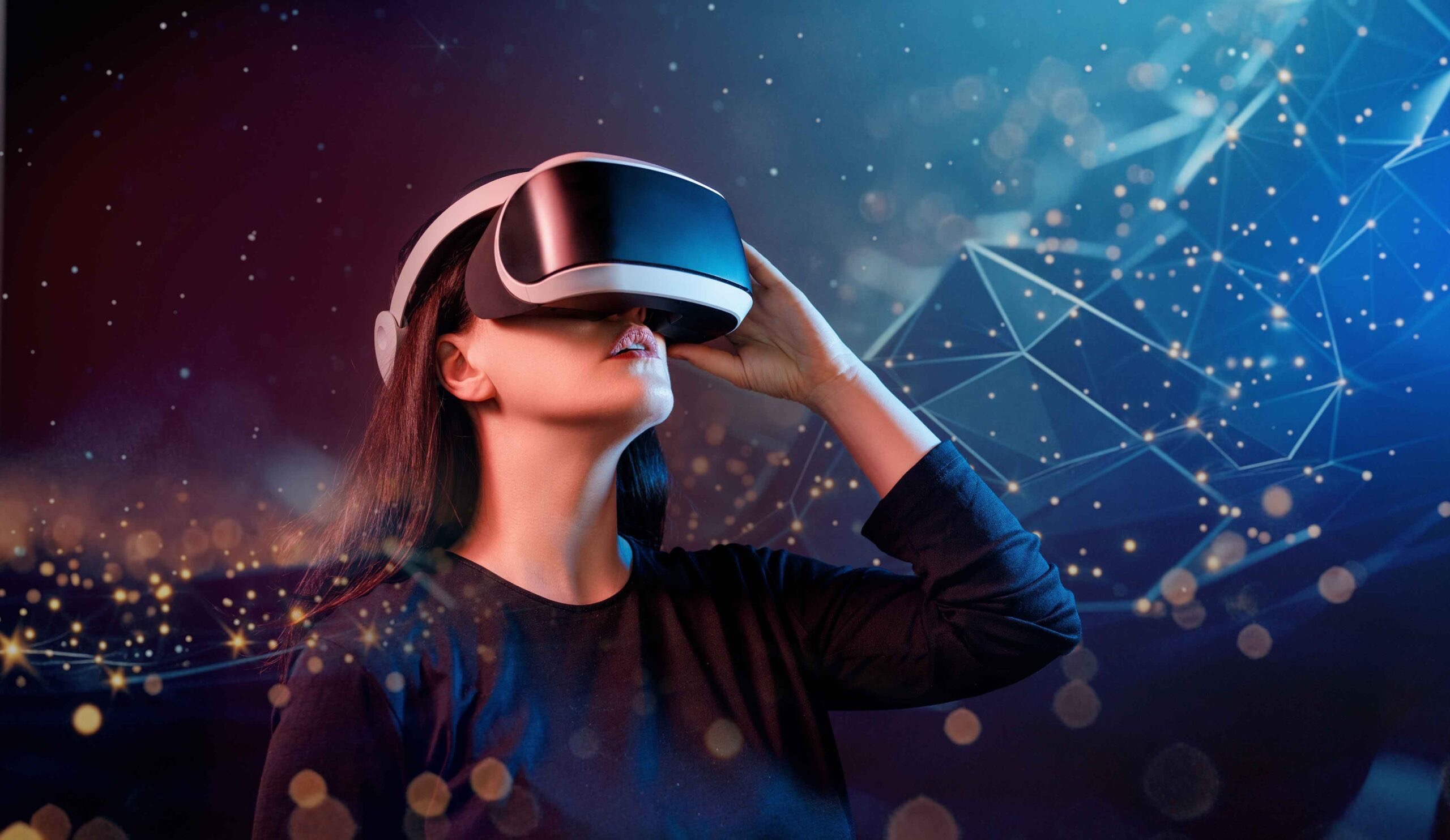
Virtual reality (VR) is no longer a futuristic concept—it’s a powerful tool that’s transforming industries, from gaming to healthcare and beyond. As VR technology continues to evolve, the importance of strategic virtual reality development cannot be overstated. In this blog, we’ll dive into 10 essential insights for creating compelling VR experiences, along with a quick look at the relationship between mixed reality and virtual reality.
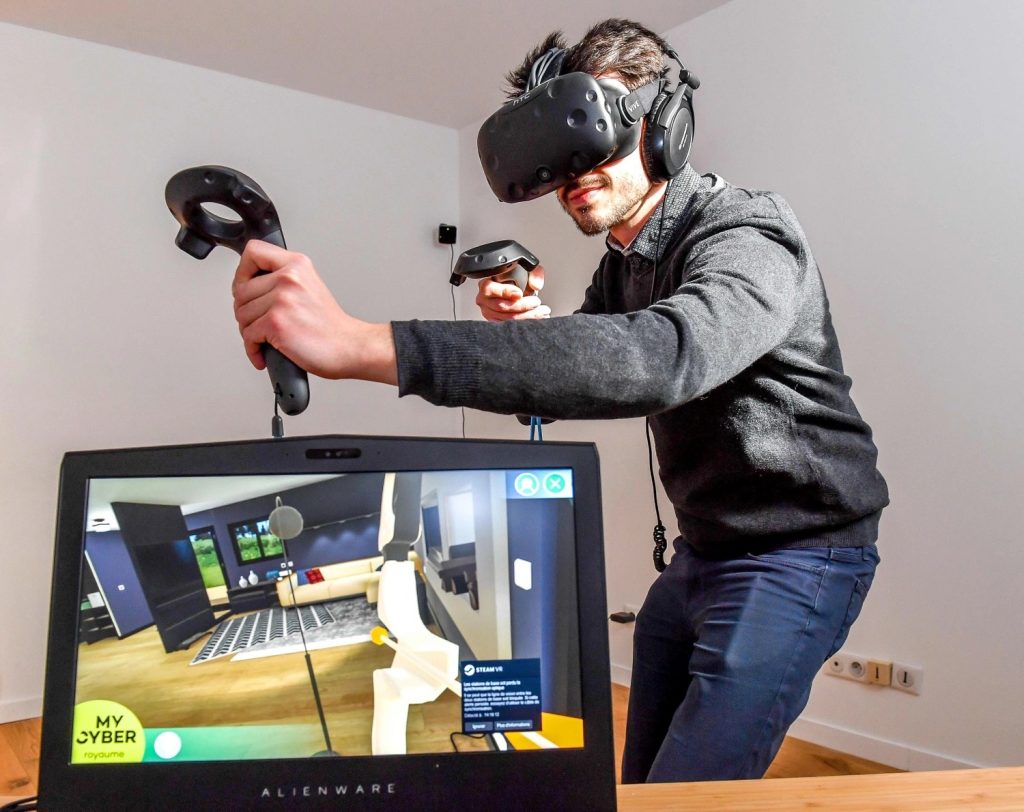
1. Understanding the Basics of Virtual Reality Development
Before embarking on a virtual reality development project, it’s vital to understand what makes VR unique. Unlike traditional applications, VR immerses users in a simulated environment, often through headsets and motion-tracking devices. This demands a deep focus on 3D modeling, real-time rendering, and intuitive user interfaces.
The core goal of virtual reality development is to create a seamless and immersive experience. Whether it’s for gaming, training simulations, or virtual tours, a successful VR app transports users to a world that feels real—both visually and interactively.
2. The Right Platform Makes All the Difference
A crucial step in virtual reality development is selecting the right platform. Popular VR platforms include:
- Oculus Rift and Quest
- HTC Vive
- Sony PlayStation VR
- Valve Index
Each has its own development kits and hardware limitations. Developers should consider their target audience and hardware compatibility to ensure the best possible experience.
3. Designing for Comfort: Motion Sickness and User Experience
One of the biggest challenges in virtual reality development is minimizing motion sickness. Poor frame rates, unnatural movements, and lag can create discomfort for users.
Key solutions include:
- Ensuring high frame rates (ideally 90fps or more).
- Maintaining consistent movement speeds.
- Avoiding abrupt camera movements.
Thoughtful design leads to a more comfortable and engaging experience, which is essential for long-term VR adoption.
4. Immersive Storytelling: The Heart of Virtual Reality Development
Immersive storytelling is one of the most powerful aspects of virtual reality development. Unlike 2D screens, VR places the user directly into the action.
Tips for crafting compelling narratives:
- Make the user the center of the story.
- Use environmental cues instead of text-based explanations.
- Let users explore and interact with the story at their own pace.
By prioritizing immersive storytelling, developers can create unforgettable VR experiences that resonate deeply with users.
5. Balancing Realism and Performance
While high-fidelity graphics can enhance immersion, they can also tax VR hardware. Virtual reality development requires a careful balance between realism and performance.
Strategies include:
- Using Level of Detail (LOD) techniques to reduce polygon counts at a distance.
- Optimizing textures and lighting for maximum performance.
- Incorporating baked lighting to minimize real-time calculations.
This balance ensures that users enjoy stunning visuals without sacrificing smooth performance.
6. Incorporating Haptic Feedback and Spatial Audio
To elevate the sense of presence, virtual reality development must go beyond visuals. Haptic feedback (like vibrations or tactile sensations) and spatial audio are essential components of truly immersive experiences.
Why they matter:
- Haptic feedback mimics physical interactions, like feeling a door’s resistance or the impact of a virtual punch.
- Spatial audio helps users identify the location of sounds, enhancing realism and guiding interactions.
Together, these elements transform passive experiences into truly interactive ones.
7. Testing and Iteration: The Backbone of VR Success
Virtual reality development isn’t a one-and-done process—it requires constant testing and iteration. Developers must gather user feedback early and often to refine experiences.
Best practices include:
- Conduct usability tests with diverse groups.
- Pay attention to physical comfort, ease of use, and potential motion sickness triggers.
- Incorporate user suggestions to improve interactivity and polish.
Frequent iteration ensures the final product is not just functional, but truly engaging.
8. Cross-Disciplinary Collaboration
Virtual reality development is inherently multidisciplinary. It requires close collaboration between:
- 3D artists to create lifelike assets.
- UX/UI designers to craft intuitive interfaces.
- Programmers to bring environments to life.
- Sound designers to create immersive audio landscapes.
Successful VR projects thrive when these disciplines work seamlessly together.
9. Understanding the Role of Mixed Reality and Virtual Reality
Before we move to the final insight, it’s worth highlighting the difference and synergy between mixed reality and virtual reality.
Mixed reality (MR) combines elements of the real and virtual worlds, enabling real-time interaction with both physical and digital objects. Virtual reality (VR), on the other hand, fully immerses users in a computer-generated environment.
Both are part of the same immersive spectrum. MR often blends digital overlays with physical spaces, while VR transports users entirely into virtual environments. Many industries are exploring how mixed reality and virtual reality can work together to create more dynamic and engaging applications.
10. The Future of Virtual Reality Development: AI and Beyond
As technology advances, the future of virtual reality development will be shaped by AI and machine learning. AI can:
- Personalize VR experiences by adapting to user preferences.
- Enhance NPC (non-player character) interactions for more dynamic storytelling.
- Improve real-time rendering efficiency.
Looking ahead, these technologies promise to elevate VR from impressive to indispensable.
Virtual Reality Development in Different Industries
Virtual reality development isn’t limited to gaming. Here’s how it’s making waves across industries:
✅ Healthcare: VR-based therapy for pain management and PTSD treatment.
✅ Education: Immersive lessons that transport students to historical events or inside the human body.
✅ Architecture: Virtual walkthroughs to visualize projects before construction.
✅ Retail: Virtual stores where customers can browse and buy from home.
✅ Tourism: Virtual travel experiences to explore the world without leaving your home.

The possibilities are endless—and with the right approach, virtual reality development can revolutionize any industry.
Key Takeaways for Your Next Virtual Reality Development Project
Let’s quickly recap the essential insights:
🔹 Choose the right platform for your goals and audience.
🔹 Design for user comfort to reduce motion sickness.
🔹 Tell immersive stories that put users at the center.
🔹 Optimize performance without sacrificing visuals.
🔹 Incorporate haptics and spatial audio for full immersion.
🔹 Embrace constant testing and iteration.
🔹 Collaborate across disciplines for cohesive experiences.
🔹 Understand how mixed reality and virtual reality work together.
🔹 Harness AI for future-proofed VR applications.
🔹 Explore new industries to maximize your VR project’s impact.
By focusing on these 10 essential insights, your virtual reality development efforts will be positioned for success.
Conclusion: Let’s Shape the Future of Virtual Reality Development Together
Virtual reality development is reshaping how we play, learn, and interact with the world around us. From gaming to healthcare, VR’s potential is limitless. If you’re ready to explore what virtual reality can do for your business, aibuzz is here to help. Our team combines cutting-edge technology with a passion for immersive experiences, crafting VR solutions that captivate and inspire. Let’s unlock the power of virtual reality development and bring your vision to life!
Leave a Reply