Tag: #NextGenVirtualReality

  • 6 Essential Insights About Mixed Reality Display: A Future-Ready Technology

    6 Essential Insights About Mixed Reality Display: A Future-Ready Technology

    Introduction

    Mixed reality display technology is revolutionizing the way we experience digital content alongside the real world. In 2025, this cutting-edge technology is no longer confined to sci-fi or experimental labs — it has become an essential tool for a wide array of industries, including business, healthcare, education, gaming, and retail. By merging the immersive capabilities of virtual reality (VR) with the contextual richness of augmented reality (AR), mixed reality (MR) displays enable users to interact with digital and physical worlds simultaneously, creating highly engaging, interactive, and practical experiences.

    Whether it’s enhancing surgical precision, training employees, or transforming gaming adventures, mixed reality display systems are shaping the future. Let’s explore the essential aspects powering this transformative technology in 2025.


    Understanding Mixed Reality and Virtual Reality

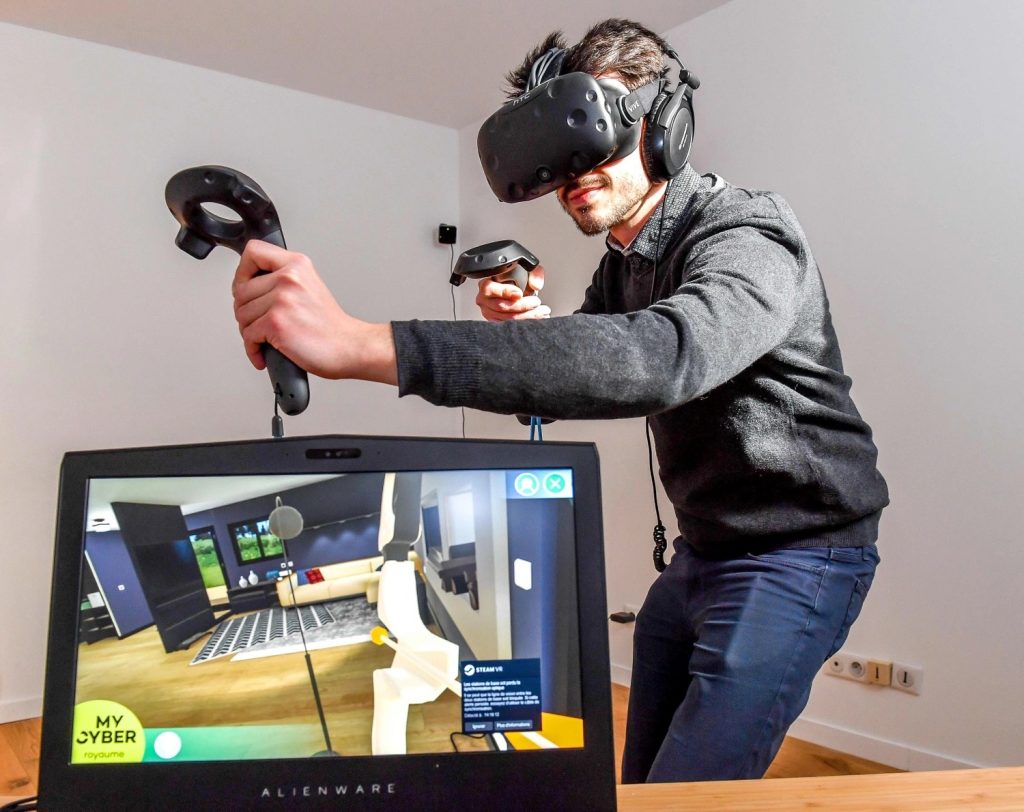
    To appreciate mixed reality display technology, it’s important to distinguish it from virtual reality. Virtual reality immerses users in a fully digital environment, shutting out the real world entirely. Users wear headsets that transport them to virtual landscapes where everything is computer-generated.

    In contrast, mixed reality displays overlay interactive digital content onto the real world. These systems map and understand the physical environment using sensors, cameras, and spatial computing. The result? Digital objects appear anchored in your actual surroundings, responding naturally to your movements and environment changes.

    While VR offers total immersion, mixed reality enriches your current space with dynamic digital elements, blending virtual content with reality in real-time. This creates a far more flexible, collaborative, and practical experience for users and businesses alike.


    1. Real-World Applications of Mixed Reality Display in 2025

    Mixed reality displays are moving rapidly from novelty to necessity across diverse industries:

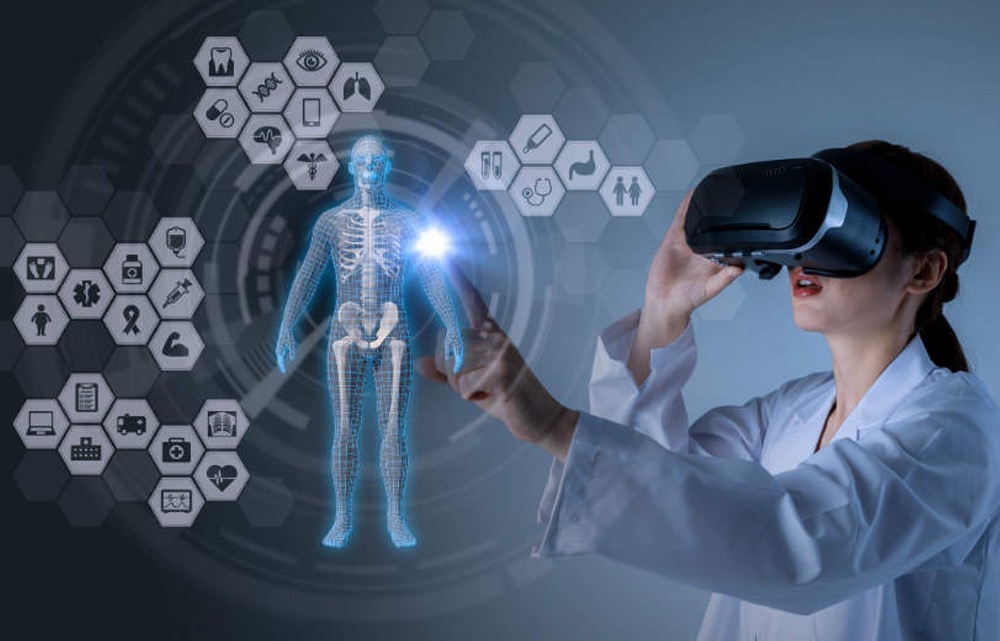
    • Healthcare: Surgeons use MR displays for planning complex procedures, overlaying 3D models of patient anatomy during operations. Medical students gain immersive training by interacting with life-like anatomical holograms. Patient education also benefits from visualizing treatment plans and health conditions more clearly.
    • Education: Classrooms are evolving with mixed reality by allowing students to explore historical sites, perform virtual science labs, or study molecular structures in 3D space. These experiences deepen engagement and improve knowledge retention.
    • Retail: Shoppers can visualize furniture, apparel, or electronics in their homes before purchasing, minimizing returns and enhancing satisfaction. Retailers leverage MR to create interactive catalogs and immersive brand experiences.
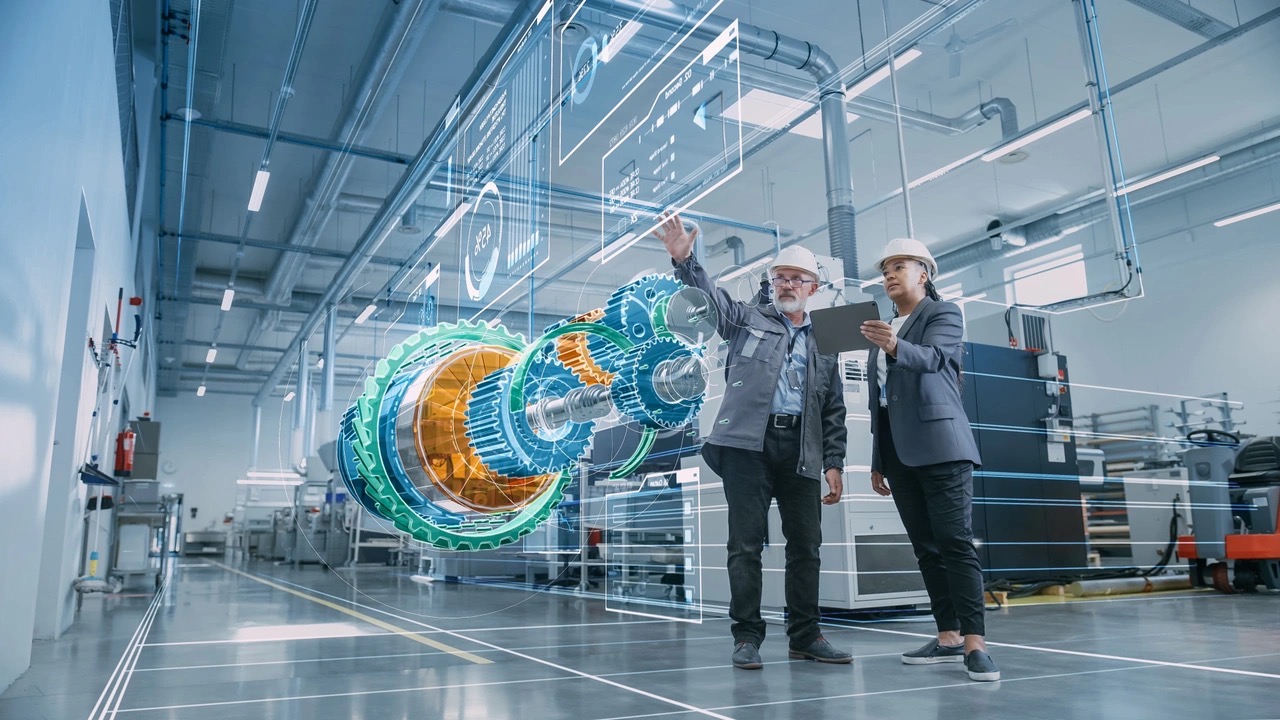
    • Manufacturing & Maintenance: Workers receive on-site digital instructions and safety warnings directly overlaid on machinery, improving accuracy and reducing downtime.
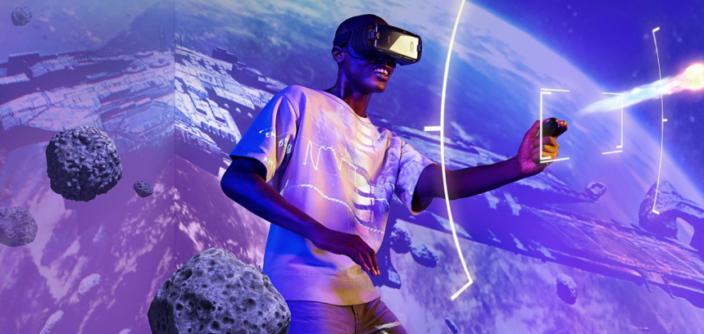
    • Entertainment & Gaming: Gamers experience new worlds blending seamlessly with their real environments, offering novel gameplay mechanics and social experiences.

    These examples represent just the tip of the iceberg. Mixed reality display technology is creating new possibilities in virtually every sector.


    2. Hardware Advancements Powering Mixed Reality Displays

    The evolution of hardware is central to MR’s rising impact. Recent years have seen leaps in headset design and performance:

    • Lightweight & Comfortable: Devices from leaders like Microsoft (HoloLens 2) and Magic Leap have shed bulky designs, emphasizing ergonomics to allow extended use without discomfort.
    • High Resolution & Wide Field of View: Crisp visuals with wide viewing angles make digital overlays realistic and immersive, eliminating the sense of a “screen” floating in front of users.
    • Advanced Sensors & Cameras: Depth sensors, eye tracking, spatial mapping cameras, and inertial measurement units enable precise positioning and environment recognition, essential for stable, believable digital content.
    • Wireless Connectivity: Improved wireless standards reduce tethering, enhancing user mobility and interaction freedom.

    Together, these hardware advances are breaking down barriers, making mixed reality displays accessible and practical for everyday professional and personal use.


    3. Software Ecosystems for Mixed Reality Display

    Great hardware is only half the equation; powerful software frameworks enable developers and businesses to unleash MR’s full potential.

    • Development Platforms: Microsoft’s Mixed Reality Toolkit (MRTK) and Unity’s MR plugins provide robust libraries, tools, and sample projects to accelerate app creation. These platforms streamline building spatial interactions, object manipulation, and environmental understanding.
    • Intuitive Interaction Methods: Gesture recognition, gaze control, and voice commands reduce reliance on bulky controllers. These natural interfaces lower learning curves and improve user engagement.
    • Cross-Platform Support: Modern MR software supports multiple device types and operating systems, ensuring broad reach and easy integration.
    • Enterprise Solutions: Customizable SDKs and APIs allow companies to tailor MR experiences to unique workflows — from virtual collaboration rooms to remote expert assistance.

    This evolving software ecosystem is fueling rapid innovation and widespread adoption of mixed reality display applications.


    4. The Role of Artificial Intelligence in Enhancing Mixed Reality Display

    Artificial intelligence (AI) significantly amplifies mixed reality display capabilities by interpreting complex sensor data in real time.

    • Spatial Mapping & Scene Understanding: AI algorithms analyze input from cameras and sensors to create detailed, dynamic 3D maps of the user’s surroundings, ensuring digital objects interact realistically with physical surfaces and objects.
    • Object Recognition: AI-powered recognition identifies real-world items, enabling contextual digital overlays — like highlighting a specific machine part or labeling tools during training.
    • Adaptive Content: AI tailors MR experiences by learning user behaviors and preferences, delivering more relevant and responsive interactions.
    • Natural Language Processing: Voice commands powered by AI allow seamless communication with MR systems without cumbersome manual inputs.

    In manufacturing, healthcare, and education, AI-driven mixed reality displays are becoming indispensable tools for enhancing precision, efficiency, and safety.


    5. User Experience and Ergonomics of Mixed Reality Displays

    The success of mixed reality display technology hinges on user comfort and seamless experience design.

    • Lightweight Designs: Balanced weight distribution and slim form factors minimize fatigue, crucial for prolonged use in professional settings.
    • Natural Interactions: Gesture-based controls and eye tracking replace clunky handheld devices, making MR feel more intuitive and less intrusive.
    • Visual Comfort: Reducing motion sickness and eye strain through optimized frame rates, contrast, and display quality keeps users comfortable.
    • Accessibility: Adaptive interfaces accommodate diverse user needs, promoting inclusion and ease of adoption across various demographics.

    By focusing on ergonomics and intuitive UX, manufacturers and developers ensure mixed reality displays are both powerful and user-friendly tools.


    6. Overcoming Challenges: Connectivity and Integration

    Despite tremendous progress, mixed reality display technology still faces hurdles that must be addressed for mainstream success:

    • Connectivity: High-quality MR demands powerful processing and ultra-low latency data transmission to maintain real-time responsiveness. The roll-out of 5G and edge computing infrastructures in 2025 is critical in meeting these requirements, enabling smooth multi-user collaboration and cloud-based rendering.
    • Integration with Workflows: Businesses need MR systems to blend effortlessly into existing software and hardware environments. Seamless interoperability with enterprise tools, databases, and IoT devices is essential to maximize efficiency.
    • Cost and Scalability: While prices have dropped, enterprise-grade MR displays and development can still be expensive. Scalability solutions and modular hardware/software designs will drive broader adoption.
    • Privacy and Security: As MR collects rich environmental and biometric data, ensuring strong data protection protocols remains a priority.

    Overcoming these challenges will unlock the full transformative power of mixed reality display technology.


    Conclusion

    Mixed reality display technology is no longer a distant or niche innovation — it’s an essential part of the digital transformation landscape in 2025. By seamlessly merging real and virtual worlds, MR is reshaping industries from healthcare to retail, education to entertainment, making interactions more immersive, efficient, and impactful.

    At aibuzz, we specialize in helping businesses harness the potential of mixed reality display technology through innovative software development and tailored solutions. Whether you’re looking to revolutionize training, enhance customer engagement, or build the next generation of interactive experiences, our expertise in MR, AI, and software development will bring your vision to life.

    Embrace the future of interaction — unlock the power of mixed reality displays with aibuzz and transform how your organization works, learns, and plays.


  • 10 Essential Insights for Successful Virtual Reality Development

    10 Essential Insights for Successful Virtual Reality Development

    Virtual reality (VR) is no longer a futuristic concept—it’s a powerful tool that’s transforming industries, from gaming to healthcare and beyond. As VR technology continues to evolve, the importance of strategic virtual reality development cannot be overstated. In this blog, we’ll dive into 10 essential insights for creating compelling VR experiences, along with a quick look at the relationship between mixed reality and virtual reality.

    VR app design

    1. Understanding the Basics of Virtual Reality Development

    Before embarking on a virtual reality development project, it’s vital to understand what makes VR unique. Unlike traditional applications, VR immerses users in a simulated environment, often through headsets and motion-tracking devices. This demands a deep focus on 3D modeling, real-time rendering, and intuitive user interfaces.

    The core goal of virtual reality development is to create a seamless and immersive experience. Whether it’s for gaming, training simulations, or virtual tours, a successful VR app transports users to a world that feels real—both visually and interactively.


    2. The Right Platform Makes All the Difference

    A crucial step in virtual reality development is selecting the right platform. Popular VR platforms include:

    • Oculus Rift and Quest
    • HTC Vive
    • Sony PlayStation VR
    • Valve Index

    Each has its own development kits and hardware limitations. Developers should consider their target audience and hardware compatibility to ensure the best possible experience.


    3. Designing for Comfort: Motion Sickness and User Experience

    One of the biggest challenges in virtual reality development is minimizing motion sickness. Poor frame rates, unnatural movements, and lag can create discomfort for users.

    Key solutions include:

    • Ensuring high frame rates (ideally 90fps or more).
    • Maintaining consistent movement speeds.
    • Avoiding abrupt camera movements.

    Thoughtful design leads to a more comfortable and engaging experience, which is essential for long-term VR adoption.


    4. Immersive Storytelling: The Heart of Virtual Reality Development

    Immersive storytelling is one of the most powerful aspects of virtual reality development. Unlike 2D screens, VR places the user directly into the action.

    Tips for crafting compelling narratives:

    • Make the user the center of the story.
    • Use environmental cues instead of text-based explanations.
    • Let users explore and interact with the story at their own pace.

    By prioritizing immersive storytelling, developers can create unforgettable VR experiences that resonate deeply with users.


    5. Balancing Realism and Performance

    While high-fidelity graphics can enhance immersion, they can also tax VR hardware. Virtual reality development requires a careful balance between realism and performance.

    Strategies include:

    • Using Level of Detail (LOD) techniques to reduce polygon counts at a distance.
    • Optimizing textures and lighting for maximum performance.
    • Incorporating baked lighting to minimize real-time calculations.

    This balance ensures that users enjoy stunning visuals without sacrificing smooth performance.


    6. Incorporating Haptic Feedback and Spatial Audio

    To elevate the sense of presence, virtual reality development must go beyond visuals. Haptic feedback (like vibrations or tactile sensations) and spatial audio are essential components of truly immersive experiences.

    Why they matter:

    • Haptic feedback mimics physical interactions, like feeling a door’s resistance or the impact of a virtual punch.
    • Spatial audio helps users identify the location of sounds, enhancing realism and guiding interactions.

    Together, these elements transform passive experiences into truly interactive ones.


    7. Testing and Iteration: The Backbone of VR Success

    Virtual reality development isn’t a one-and-done process—it requires constant testing and iteration. Developers must gather user feedback early and often to refine experiences.

    Best practices include:

    • Conduct usability tests with diverse groups.
    • Pay attention to physical comfort, ease of use, and potential motion sickness triggers.
    • Incorporate user suggestions to improve interactivity and polish.

    Frequent iteration ensures the final product is not just functional, but truly engaging.


    8. Cross-Disciplinary Collaboration

    Virtual reality development is inherently multidisciplinary. It requires close collaboration between:

    • 3D artists to create lifelike assets.
    • UX/UI designers to craft intuitive interfaces.
    • Programmers to bring environments to life.
    • Sound designers to create immersive audio landscapes.

    Successful VR projects thrive when these disciplines work seamlessly together.


    9. Understanding the Role of Mixed Reality and Virtual Reality

    Before we move to the final insight, it’s worth highlighting the difference and synergy between mixed reality and virtual reality.

    Mixed reality (MR) combines elements of the real and virtual worlds, enabling real-time interaction with both physical and digital objects. Virtual reality (VR), on the other hand, fully immerses users in a computer-generated environment.

    Both are part of the same immersive spectrum. MR often blends digital overlays with physical spaces, while VR transports users entirely into virtual environments. Many industries are exploring how mixed reality and virtual reality can work together to create more dynamic and engaging applications.


    10. The Future of Virtual Reality Development: AI and Beyond

    As technology advances, the future of virtual reality development will be shaped by AI and machine learning. AI can:

    • Personalize VR experiences by adapting to user preferences.
    • Enhance NPC (non-player character) interactions for more dynamic storytelling.
    • Improve real-time rendering efficiency.

    Looking ahead, these technologies promise to elevate VR from impressive to indispensable.


    Virtual Reality Development in Different Industries

    Virtual reality development isn’t limited to gaming. Here’s how it’s making waves across industries:

    ✅ Healthcare: VR-based therapy for pain management and PTSD treatment.
    ✅ Education: Immersive lessons that transport students to historical events or inside the human body.
    ✅ Architecture: Virtual walkthroughs to visualize projects before construction.
    ✅ Retail: Virtual stores where customers can browse and buy from home.
    ✅ Tourism: Virtual travel experiences to explore the world without leaving your home.

    The possibilities are endless—and with the right approach, virtual reality development can revolutionize any industry.


    Key Takeaways for Your Next Virtual Reality Development Project

    Let’s quickly recap the essential insights:

    🔹 Choose the right platform for your goals and audience.
    🔹 Design for user comfort to reduce motion sickness.
    🔹 Tell immersive stories that put users at the center.
    🔹 Optimize performance without sacrificing visuals.
    🔹 Incorporate haptics and spatial audio for full immersion.
    🔹 Embrace constant testing and iteration.
    🔹 Collaborate across disciplines for cohesive experiences.
    🔹 Understand how mixed reality and virtual reality work together.
    🔹 Harness AI for future-proofed VR applications.
    🔹 Explore new industries to maximize your VR project’s impact.

    By focusing on these 10 essential insights, your virtual reality development efforts will be positioned for success.


    Conclusion: Let’s Shape the Future of Virtual Reality Development Together

    Virtual reality development is reshaping how we play, learn, and interact with the world around us. From gaming to healthcare, VR’s potential is limitless. If you’re ready to explore what virtual reality can do for your business, aibuzz is here to help. Our team combines cutting-edge technology with a passion for immersive experiences, crafting VR solutions that captivate and inspire. Let’s unlock the power of virtual reality development and bring your vision to life!

  • 7 Essential Ways Industrial Mixed Reality is Transforming Manufacturing in 2025

    7 Essential Ways Industrial Mixed Reality is Transforming Manufacturing in 2025

    Introduction

    Industrial Mixed Reality (IMR) is revolutionizing the manufacturing sector, bridging the gap between the physical and digital worlds. By integrating Augmented Reality (AR) and Virtual Reality (VR), industries are enhancing productivity, training, and efficiency like never before. In 2025, IMR is not just an innovation—it’s an essential tool for industries aiming to stay competitive.

    From real-time remote collaboration to error-free assembly lines, industrial mixed reality is paving the way for a smarter and more connected future. In this blog, we explore seven essential ways IMR is transforming industrial manufacturing and why companies need to adopt this technology now.

    1. Enhanced Training and Workforce Development

    Training industrial workers has always been expensive, time-consuming, and potentially hazardous. IMR is solving this problem by enabling realistic, immersive training environments where employees can practice skills without risks.

    • Hands-on learning: Virtual simulations allow workers to interact with machinery without real-world consequences.
    • Remote training: New hires can train from anywhere using industrial AR headsets and mixed reality glasses.
    • Faster onboarding: Employees become proficient quicker, reducing downtime in production.

    2. Real-Time Remote Assistance and Collaboration

    Industrial operations often require expert intervention, but flying specialists to factories can be costly and time-consuming. Mixed Reality enables remote collaboration where experts can guide workers in real time.

    • AR overlays: Experts can annotate and highlight machinery parts in real time.
    • Faster troubleshooting: Engineers can diagnose and fix issues remotely.
    • Reduced downtime: Equipment can be repaired without waiting for an in-person technician.

    3. Precision in Manufacturing and Assembly

    Manufacturing demands extreme accuracy, and Industrial Mixed Reality minimizes errors in assembly lines. IMR provides real-time 3D overlays and digital twins, ensuring precision in complex manufacturing tasks.

    • Step-by-step assembly guides projected onto workstations.
    • Quality control checks through real-time AR analysis.
    • Reduction in errors, leading to improved product consistency.

    4. Improved Maintenance and Repairs

    IMR simplifies industrial maintenance by giving workers real-time diagnostics and repair guidance through smart glasses and AR headsets.

    • Predictive maintenance: Machines alert workers before failures occur.
    • AR-guided repairs: Workers receive visual step-by-step instructions.
    • Reduced machine downtime, improving overall efficiency.

    5. Digital Twins for Smart Manufacturing

    digital twin is a virtual representation of a physical system, allowing companies to simulate and optimize industrial processes.

    • Enhanced workflow planning: Engineers can test modifications digitally before applying them.
    • Predictive analytics: AI-powered digital twins detect potential issues before they happen.
    • Optimized production: Reducing waste and improving efficiency.

    6. Software Development and IT in Industrial Mixed Reality

    Industrial Mixed Reality wouldn’t be possible without cutting-edge software development and IT support. Custom IMR applications, cloud computing, and AI integration are driving the next generation of industrial solutions.

    • Custom software solutions: Industries need specialized applications tailored to their needs.
    • Cloud-based collaboration: IMR applications require seamless cloud computing solutions.
    • AI-driven automation: AI enhances IMR’s ability to analyze data and improve workflows.

    7. Future of Industrial Mixed Reality with AI and IT Services

    The future of Industrial Mixed Reality lies in AI-driven automation, advanced cloud IT solutions, and next-gen software development. Industries will rely on IT and tech services to scale their operations and maintain robust IMR ecosystems.

    • Automated manufacturing: AI and IMR work together for precision tasks.
    • Cybersecurity in IMR: IT solutions ensure data security in connected systems.
    • Scalability: IT services allow businesses to expand IMR applications efficiently.

    Conclusion

    Industrial Mixed Reality is revolutionizing manufacturing, from training and maintenance to AI-powered automation. However, implementing IMR requires expert IT and software development services to ensure seamless integration and efficiency.

    At aibuzz, we specialize in software development, IT solutions, and cutting-edge mixed reality applicationsfor industrial transformation. Contact us today to explore how our advanced tech solutions can enhance your business!

  • Samsung Virtual Reality: A Game-Changer in Immersive Technology – 7 Key Features You Need to Know

    Samsung Virtual Reality: A Game-Changer in Immersive Technology – 7 Key Features You Need to Know

    Virtual reality (VR) has evolved dramatically over the past decade, thanks to innovative tech giants like Samsung. Samsung’s VR systems, especially their Gear VR and other immersive solutions, have captivated tech enthusiasts worldwide. With groundbreaking advancements, Samsung continues to push boundaries in creating experiences that bridge the gap between the physical and virtual worlds. In this blog, we’ll explore the key features of Samsung’s Virtual Reality systems and how they are revolutionizing the VR landscape.

    Samsung Virtual Reality: A Game-Changer in Immersive Technology – 7 Key Features You Need to Know

    1. Samsung VR: A New Era of Immersive Technology

    Samsung’s VR technologies are designed to provide users with truly immersive experiences, and they’ve come a long way since the early days of VR. Their VR solutions, primarily centered around the Gear VR and Oculus-powered systems, have allowed users to experience everything from gaming to virtual tourism in ways previously thought impossible.

    The primary appeal of Samsung’s VR lies in its simplicity and accessibility. Powered by Oculus and integrating with Samsung’s mobile devices, Samsung VR offers a seamless connection between your smartphone and the virtual world. Whether you’re looking to escape into a game, explore new environments, or interact with a 360-degree video, Samsung provides a device that enhances the experience with ease.

    2. Superior Display Technology

    Samsung has long been a leader in display technology, and this excellence translates seamlessly into their VR offerings. Their virtual reality systems often use high-resolution Super AMOLED displays, ensuring that users have an incredibly sharp and vibrant visual experience. This is crucial in VR, where screen quality is directly tied to how immersive the experience feels.

    Samsung’s VR displays are designed to minimize the screen door effect (the visible grid of lines that can appear in lower-quality VR headsets) and ensure a more realistic and enjoyable viewing experience. The combination of high pixel density and vibrant colors helps users to feel like they’re truly “in” the virtual world, whether they’re watching a movie or participating in an interactive VR game.

    3. Comfort and Ergonomics for Extended Use

    One of the common challenges with VR headsets is their comfort during long periods of use. Samsung understands this and has placed significant focus on ergonomic design to ensure that users can enjoy VR without discomfort.

    Samsung’s headsets are lightweight and designed to be adjustable for different head sizes, providing a snug fit without being too tight. The padding around the headband and facial interface helps reduce pressure points, allowing for extended use without discomfort. This attention to ergonomics makes Samsung’s VR headsets particularly ideal for gaming, movie watching, and other prolonged VR activities.

    4. Wide Range of VR Content

    Samsung’s VR systems aren’t just about hardware; they also have access to an extensive library of content. This includes immersive video, 3D films, VR games, and applications. Through the Gear VR platform, users can download apps from the Oculus store and engage with a wide variety of experiences.

    This content range is one of the most important aspects of VR’s success. Whether you want to explore a 360-degree film, engage in VR training simulations, or dive into high-octane gaming, Samsung ensures that there’s something for everyone in their virtual reality ecosystem. Plus, Samsung’s collaborations with content creators, such as VR apps for education, sports, and entertainment, help deliver more options for users to enjoy.

    5. Seamless Integration with Samsung Devices

    Samsung has designed its VR systems to work seamlessly with its own smartphones, such as the Galaxy Note and Galaxy S series, and their flagship Galaxy Z foldable smartphones. The integration between the smartphone and the headset allows for quick and easy setup, allowing users to experience VR without additional complicated hardware.

    This ease of use is one of Samsung’s standout features in the VR space. By leveraging its existing hardware ecosystem, Samsung has ensured that consumers can easily transition into VR without having to invest in multiple pieces of hardware or deal with complex setups. Users can simply slide their compatible phone into the headset and start experiencing VR right away.

    6. Immersive Audio with Samsung’s 3D Sound Technology

    To make VR even more immersive, Samsung incorporates 3D spatial audio technology into its VR headsets. This feature adds a layer of realism that enhances the user’s sense of presence in the virtual environment. With 3D audio, users hear sounds coming from specific directions, just like in real life, making the experience even more believable.

    This is especially noticeable in VR games or simulations where audio cues are crucial for navigation or gameplay. By integrating realistic audio, Samsung ensures that users experience not only visual immersion but auditory immersion as well, making it a truly multi-sensory experience.

    7. The Future of Mixed Reality and AI in Samsung VR

    While Samsung’s VR solutions are already impressive, the company is looking towards the future by integrating cutting-edge technologies like Mixed Reality (MR) and Artificial Intelligence (AI) into their systems. The blending of the physical world with virtual elements allows for even more dynamic and interactive experiences.

    With Mixed Reality, Samsung envisions a future where users can interact with both virtual and real elements seamlessly. Imagine a scenario where you’re using VR for training, and you can interact with real-world objects while manipulating virtual ones in the same environment. This is the promise of MR, and Samsung’s ongoing research into this area will likely lead to more sophisticated applications for gaming, education, and beyond.

    Moreover, with AI, Samsung is working on smart systems that can adapt the VR experience to the individual user. Through AI, Samsung could develop VR systems that learn your preferences, behaviors, and reactions, adjusting in real-time for a more personalized and efficient experience. AI-powered VR systems could also enhance interaction within VR, offering more realistic virtual assistants or NPCs (non-playable characters) that react to users’ movements and speech in real time.

    Conclusion: The Future of Samsung VR and Beyond

    Samsung’s Virtual Reality technology is a game-changer, offering impressive hardware, comfort, and an immersive experience. As the tech giant continues to innovate, the integration of and Artificial Intelligence will elevate VR even further, making it more interactive and personalized than ever before.

    At aibuzz, we specialize in advanced Virtual Reality and Mixed Reality solutions, helping businesses and individuals unlock the potential of immersive technology. Whether you’re looking to create innovative training modules, build immersive experiences, or develop AI-driven virtual environments, we have the expertise and tools to help you succeed.

    We’re excited about the possibilities of VR, MR, and AI technologies and how they can transform industries from entertainment to healthcare. If you’re ready to take your business or creative project to the next level with cutting-edge technology, contact us today to explore our services.

  • OpenAI’s Breakthroughs  in 2024: How AI is Shaping a Smarter Future

    OpenAI’s Breakthroughs in 2024: How AI is Shaping a Smarter Future

    Introduction

    OpenAI continues to be a trailblazer in the field of Artificial Intelligence (AI), pushing the boundaries of Machine LearningAI Research, and automation. In 2024, OpenAI’s innovations are redefining industries, making AI more accessible, and addressing ethical challenges in AI development. This blog explores the latest advancements, challenges, and the impact of OpenAI in 2024.

    The Evolution of OpenAI

    Since its inception, OpenAI has focused on making Artificial Intelligence beneficial for humanity. Its commitment to open research and ethical AI development has led to groundbreaking innovations, including GPT-4DALL·E, and Codex. In 2024, OpenAI continues to expand its influence, enhancing existing AI models and developing more sophisticated systems to meet the evolving demands of businesses and consumers.

    Breakthroughs in Machine Learning

    Machine Learning (ML) is at the core of OpenAI’s advancements. With the latest developments in deep learning, OpenAI has created models that are more efficient, accurate, and capable of performing complex tasks with minimal human intervention. Some key breakthroughs in 2024 include:

    • Enhanced Natural Language Processing (NLP): OpenAI’s GPT-4.5 delivers more nuanced and context-aware text generation, making AI-powered conversations more human-like.
    • Multimodal AI Models: The integration of text, image, and voice processing in a single AI system allows for a more dynamic and interactive AI experience.
    • Self-learning AI: New reinforcement learning techniques enable AI models to adapt in real time, improving performance based on user interactions.

    OpenAI’s Impact on Industries

    OpenAI’s cutting-edge technologies are transforming multiple industries, making AI an essential tool for businesses and professionals. Here’s how OpenAI is reshaping various sectors:

    1. Healthcare

    AI-powered tools are enhancing diagnostics, personalizing treatments, and predicting disease outbreaks. OpenAI’s models assist doctors in analyzing medical records and imaging scans with high accuracy, leading to faster and more reliable diagnoses.

    2. Education

    With AI-driven tutoring systems, personalized learning is becoming more effective. OpenAI’s AI-powered assistants provide real-time feedback, generate educational content, and adapt lessons to students’ learning paces.

    3. Finance

    Machine Learning algorithms analyze market trends, detect fraudulent transactions, and automate trading strategies. OpenAI’s AI solutions are helping financial institutions enhance security and efficiency.

    4. Content Creation

    From generating blog articles to creating digital art, OpenAI’s models are empowering creators by automating repetitive tasks and offering inspiration. The improved DALL·E 3 now produces hyper-realistic images, while GPT-4.5 crafts high-quality content effortlessly.

    5. Customer Service

    AI-powered chatbots and virtual assistants are revolutionizing customer interactions. OpenAI’s conversational AI models provide human-like responses, improving customer engagement and reducing operational costs for businesses.

    Ethical Challenges and AI Ethics

    As OpenAI advances AI capabilities, the importance of AI Ethics grows. OpenAI remains committed to ensuring that Artificial Intelligence is developed responsibly and does not cause harm. Key ethical challenges in 2024 include:

    • Bias in AI Models: OpenAI is implementing better data curation strategies to reduce biases in Machine Learningmodels.
    • Misinformation and Deepfakes: AI-generated content raises concerns about misinformation. OpenAI is developing tools to detect and prevent the spread of AI-created false information.
    • Data Privacy: Strengthening user privacy is a priority. OpenAI is introducing encryption measures and policies to protect personal data from misuse.

    OpenAI’s Role in AI Research and Collaboration

    OpenAI is not only advancing AI Research but also fostering collaborations with universities, governments, and tech companies. By sharing insights and engaging in policy discussions, OpenAI is helping shape the future of Artificial Intelligence responsibly.

    The Future of OpenAI and AI in 2024 and Beyond

    Looking ahead, OpenAI is set to push Artificial Intelligence to new heights. Future developments may include:

    • General AI: Moving closer to achieving AI that can think and reason like humans.
    • AI-powered Robotics: Enhancing automation through AI-driven robots capable of performing complex physical tasks.
    • More Personalized AI Assistants: AI models that understand individual user preferences and deliver hyper-personalized experiences.

    Conclusion

    OpenAI is at the forefront of Artificial Intelligence, driving innovations that impact various industries while prioritizing AI Ethics and responsible development. In 2024, OpenAI’s commitment to Machine LearningAI Research, and ethical AI is shaping a smarter, more efficient, and safer digital future.

    As we continue to embrace AI-driven advancements, it is crucial to ensure that these technologies are developed responsibly. OpenAI’s ongoing research and collaborations with policymakers, businesses, and researchers worldwide are instrumental in setting ethical standards and ensuring AI benefits everyone. The company’s work in addressing AI biases, misinformation, and data security highlights its commitment to creating a future where AI is an ally rather than a threat.

    Looking ahead, OpenAI is set to play a pivotal role in shaping the next generation of AI-powered solutions. Whether in healthcare, finance, education, or creative industries, the influence of AI will only grow, making it an essential component of modern society. By staying informed and actively engaging in discussions about AI, we can contribute to a future where AI enhances human potential rather than replaces it.

    For more insights on the latest AI trends, innovations, and ethical considerations, visit aibuzz.net and stay ahead in the ever-evolving world of Artificial Intelligence..

  • Diving Deep into the Metaverse: Exploring PS5 Virtual Reality

    Diving Deep into the Metaverse: Exploring PS5 Virtual Reality

    Virtual reality (VR) has been a buzzword for years, promising immersive experiences that blur the lines between the digital and physical worlds. With the power of the PlayStation 5 (PS5), that promise has become a tangible reality. PS5 VR, through the PlayStation VR2 headset, takes gaming and interactive experiences to a whole new level, offering breathtaking visuals, enhanced haptic feedback, and a deeper sense of presence. This blog post will delve into the exciting world of PS5 VR, exploring its capabilities, the games available, and the future of this immersive technology.

    The Evolution of VR and the PS5 Advantage

    VR technology has come a long way. Early iterations were often clunky and limited in their capabilities. However, the PS5, with its powerful processing and graphics capabilities, provides the perfect platform for a truly immersive VR experience. The PS5’s horsepower allows for higher resolutions, smoother frame rates, and more complex simulations, all crucial for creating a believable and engaging VR environment. The PlayStation VR2 headset builds upon this foundation, delivering significant improvements over its predecessor.

    PlayStation VR2: A New Era of Immersion

    The heart of the PS5 VR experience is the PlayStation VR2 headset. This cutting-edge device boasts a range of impressive features:

    • OLED Display: The vibrant OLED display offers stunning visuals with rich colors and deep blacks, creating a truly captivating visual experience. The increased resolution compared to the previous generation makes the virtual world appear sharper and more detailed.
    • Eye Tracking: A game-changer for VR, eye tracking allows the headset to track your gaze, enabling new forms of interaction and more realistic character interactions. It also allows for foveated rendering, where the area you’re directly looking at is rendered in higher detail, optimizing performance.
    • Haptic Feedback: The PS VR2 headset incorporates haptic feedback, allowing you to feel subtle vibrations and sensations, adding another layer of immersion to the experience. Imagine feeling the rumble of a car engine or the tension of a bowstring – this is all possible with haptic feedback.
    • Sense Controllers: The new Sense controllers provide precise tracking and haptic feedback, allowing for more intuitive and immersive interactions within VR games. They also feature adaptive triggers, similar to the DualSense controller, adding another layer of tactile feedback.
    • Inside-Out Tracking: The headset uses inside-out tracking, meaning it doesn’t require external sensors to track your movements. This makes setup easier and allows for greater freedom of movement.

    The Games: Stepping into New Worlds

    The true potential of any VR system lies in its game library. PS5 VR boasts a growing catalog of titles, ranging from action-packed adventures to immersive simulations and mind-bending puzzle games. Some notable examples include:

    • Horizon Call of the Mountain: A spin-off of the popular Horizon series, this game offers a breathtaking VR experience in the world of Aloy, allowing you to climb, explore, and battle machines in a whole new way.
    • Resident Evil Village VR: Experience the chilling horror of Resident Evil Village in VR, adding a whole new level of intensity to the gameplay.
    • Gran Turismo 7 VR: Immerse yourself in the world of racing with Gran Turismo 7’s VR mode, offering a realistic and exhilarating driving experience.
    • No Man’s Sky VR: Explore the vast universe of No Man’s Sky in VR, discovering new planets, interacting with alien life, and engaging in epic space battles.

    This is just a glimpse of the exciting games available for PS5 VR. The library continues to grow, with new titles being released regularly.

    Beyond Gaming: The Potential of PS5 VR

    While gaming is a major focus, the potential of PS5 VR extends beyond entertainment. VR technology has applications in various fields, including:

    • Education: VR can create immersive learning environments, allowing students to experience historical events, explore different cultures, and learn complex concepts in an engaging way.
    • Training and Simulation: VR can be used to create realistic simulations for training purposes, allowing professionals in various fields, such as medicine and aviation, to practice their skills in a safe and controlled environment.
    • Therapy and Rehabilitation: VR can be used to treat phobias, anxiety disorders, and other mental health conditions. It can also be used for physical rehabilitation, helping patients recover from injuries.
    • Social Connection: VR can connect people from all over the world, allowing them to interact and collaborate in virtual spaces. This has the potential to revolutionize social interaction and communication.

    The Future of PS5 VR

    The future of PS5 VR looks bright. As technology continues to advance, we can expect even more immersive and realistic VR experiences. Improvements in areas such as haptics, eye tracking, and resolution will further blur the lines between the real and virtual worlds. The development of new VR games and applications will also play a crucial role in shaping the future of PS5 VR.

    Conclusion: Embracing the Immersive Revolution

    PS5 VR represents a significant leap forward in virtual reality technology. With its powerful hardware, innovative features, and growing game library, the PS5 offers a truly immersive and captivating VR experience. As VR technology continues to evolve, we can expect even more exciting developments in the years to come. The future of VR is bright, and the PS5 is at the forefront of this immersive revolution.

    Call to Action:

    Ready to experience the future of gaming and interactive experiences? Explore the world of PS5 VR and discover the immersive possibilities that await. Visit Aibuzz.net (if/when available) for more information on VR technology and its applications. Contact us to discuss how VR can transform your business or explore new entertainment possibilities.

    About Aibuzz.net:

    Aibuzz.net (if available) is dedicated to exploring and explaining emerging technologies like Virtual Reality. We aim to make technology accessible and understandable for everyone, from gamers to professionals. We believe in the transformative power of VR and its potential to revolutionize various industries. We can help you navigate the world of VR and understand its implications for the future.