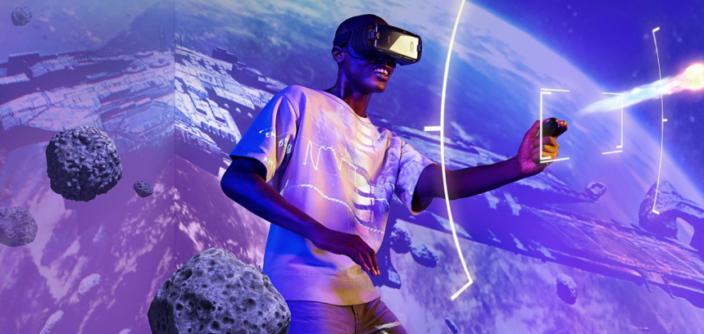
Virtual reality (VR) has evolved dramatically over the past decade, thanks to innovative tech giants like Samsung. Samsung’s VR systems, especially their Gear VR and other immersive solutions, have captivated tech enthusiasts worldwide. With groundbreaking advancements, Samsung continues to push boundaries in creating experiences that bridge the gap between the physical and virtual worlds. In this blog, we’ll explore the key features of Samsung’s Virtual Reality systems and how they are revolutionizing the VR landscape.
1. Samsung VR: A New Era of Immersive Technology
Samsung’s VR technologies are designed to provide users with truly immersive experiences, and they’ve come a long way since the early days of VR. Their VR solutions, primarily centered around the Gear VR and Oculus-powered systems, have allowed users to experience everything from gaming to virtual tourism in ways previously thought impossible.
The primary appeal of Samsung’s VR lies in its simplicity and accessibility. Powered by Oculus and integrating with Samsung’s mobile devices, Samsung VR offers a seamless connection between your smartphone and the virtual world. Whether you’re looking to escape into a game, explore new environments, or interact with a 360-degree video, Samsung provides a device that enhances the experience with ease.
2. Superior Display Technology
Samsung has long been a leader in display technology, and this excellence translates seamlessly into their VR offerings. Their virtual reality systems often use high-resolution Super AMOLED displays, ensuring that users have an incredibly sharp and vibrant visual experience. This is crucial in VR, where screen quality is directly tied to how immersive the experience feels.
Samsung’s VR displays are designed to minimize the screen door effect (the visible grid of lines that can appear in lower-quality VR headsets) and ensure a more realistic and enjoyable viewing experience. The combination of high pixel density and vibrant colors helps users to feel like they’re truly “in” the virtual world, whether they’re watching a movie or participating in an interactive VR game.
3. Comfort and Ergonomics for Extended Use
One of the common challenges with VR headsets is their comfort during long periods of use. Samsung understands this and has placed significant focus on ergonomic design to ensure that users can enjoy VR without discomfort.
Samsung’s headsets are lightweight and designed to be adjustable for different head sizes, providing a snug fit without being too tight. The padding around the headband and facial interface helps reduce pressure points, allowing for extended use without discomfort. This attention to ergonomics makes Samsung’s VR headsets particularly ideal for gaming, movie watching, and other prolonged VR activities.
4. Wide Range of VR Content
Samsung’s VR systems aren’t just about hardware; they also have access to an extensive library of content. This includes immersive video, 3D films, VR games, and applications. Through the Gear VR platform, users can download apps from the Oculus store and engage with a wide variety of experiences.
This content range is one of the most important aspects of VR’s success. Whether you want to explore a 360-degree film, engage in VR training simulations, or dive into high-octane gaming, Samsung ensures that there’s something for everyone in their virtual reality ecosystem. Plus, Samsung’s collaborations with content creators, such as VR apps for education, sports, and entertainment, help deliver more options for users to enjoy.
5. Seamless Integration with Samsung Devices
Samsung has designed its VR systems to work seamlessly with its own smartphones, such as the Galaxy Note and Galaxy S series, and their flagship Galaxy Z foldable smartphones. The integration between the smartphone and the headset allows for quick and easy setup, allowing users to experience VR without additional complicated hardware.
This ease of use is one of Samsung’s standout features in the VR space. By leveraging its existing hardware ecosystem, Samsung has ensured that consumers can easily transition into VR without having to invest in multiple pieces of hardware or deal with complex setups. Users can simply slide their compatible phone into the headset and start experiencing VR right away.
6. Immersive Audio with Samsung’s 3D Sound Technology
To make VR even more immersive, Samsung incorporates 3D spatial audio technology into its VR headsets. This feature adds a layer of realism that enhances the user’s sense of presence in the virtual environment. With 3D audio, users hear sounds coming from specific directions, just like in real life, making the experience even more believable.
This is especially noticeable in VR games or simulations where audio cues are crucial for navigation or gameplay. By integrating realistic audio, Samsung ensures that users experience not only visual immersion but auditory immersion as well, making it a truly multi-sensory experience.
7. The Future of Mixed Reality and AI in Samsung VR
While Samsung’s VR solutions are already impressive, the company is looking towards the future by integrating cutting-edge technologies like Mixed Reality (MR) and Artificial Intelligence (AI) into their systems. The blending of the physical world with virtual elements allows for even more dynamic and interactive experiences.
With Mixed Reality, Samsung envisions a future where users can interact with both virtual and real elements seamlessly. Imagine a scenario where you’re using VR for training, and you can interact with real-world objects while manipulating virtual ones in the same environment. This is the promise of MR, and Samsung’s ongoing research into this area will likely lead to more sophisticated applications for gaming, education, and beyond.
Moreover, with AI, Samsung is working on smart systems that can adapt the VR experience to the individual user. Through AI, Samsung could develop VR systems that learn your preferences, behaviors, and reactions, adjusting in real-time for a more personalized and efficient experience. AI-powered VR systems could also enhance interaction within VR, offering more realistic virtual assistants or NPCs (non-playable characters) that react to users’ movements and speech in real time.
Conclusion: The Future of Samsung VR and Beyond
Samsung’s Virtual Reality technology is a game-changer, offering impressive hardware, comfort, and an immersive experience. As the tech giant continues to innovate, the integration of and Artificial Intelligence will elevate VR even further, making it more interactive and personalized than ever before.
At aibuzz, we specialize in advanced Virtual Reality and Mixed Reality solutions, helping businesses and individuals unlock the potential of immersive technology. Whether you’re looking to create innovative training modules, build immersive experiences, or develop AI-driven virtual environments, we have the expertise and tools to help you succeed.
We’re excited about the possibilities of VR, MR, and AI technologies and how they can transform industries from entertainment to healthcare. If you’re ready to take your business or creative project to the next level with cutting-edge technology, contact us today to explore our services.
Leave a Reply