Tag: virtual reality

  • 7 Powerful Reasons Why PlayStation Virtual Reality is Redefining Gaming in 2025

    7 Powerful Reasons Why PlayStation Virtual Reality is Redefining Gaming in 2025


    In the rapidly evolving world of immersive gaming, PlayStation Virtual Reality (PS VR) continues to capture the imagination of gamers and developers alike. Since its inception, PS VR has carved a unique niche for itself in the virtual reality (VR) ecosystem, blending Sony’s technological prowess with groundbreaking design to elevate the way we experience video games. As we enter 2025, the fusion of advanced optics, sensory feedback, and seamless integration with the PlayStation ecosystem is pushing boundaries like never before.

    In this blog, we’ll explore the 7 most compelling reasons why PlayStation Virtual Reality is transforming gaming, how it stacks up against competitors, what the future holds, and what role mixed reality could play in this immersive revolution.

    Discover the 7 powerful reasons why PlayStation Virtual Reality is revolutionizing immersive gaming in 2025. Dive into features, game titles, and what the future holds.

    1. Seamless Integration with the PlayStation Ecosystem

    One of the most powerful features of PlayStation Virtual Reality is its deep integration with the PlayStation 5 console. Unlike many standalone VR headsets, PS VR doesn’t require a high-end gaming PC or complex setup. You plug it in, update the firmware, and you’re ready to dive into alternate dimensions. This frictionless entry point is one of the key reasons for PS VR’s growing popularity among both casual and serious gamers.

    By leveraging the processing power of the PlayStation 5, PlayStation Virtual Reality delivers smooth frame rates, realistic environments, and near-zero latency—three pillars critical for immersive VR gameplay. This strong ecosystem support enhances user experience, making VR gaming more accessible than ever.


    2. Stunning Visual and Audio Fidelity

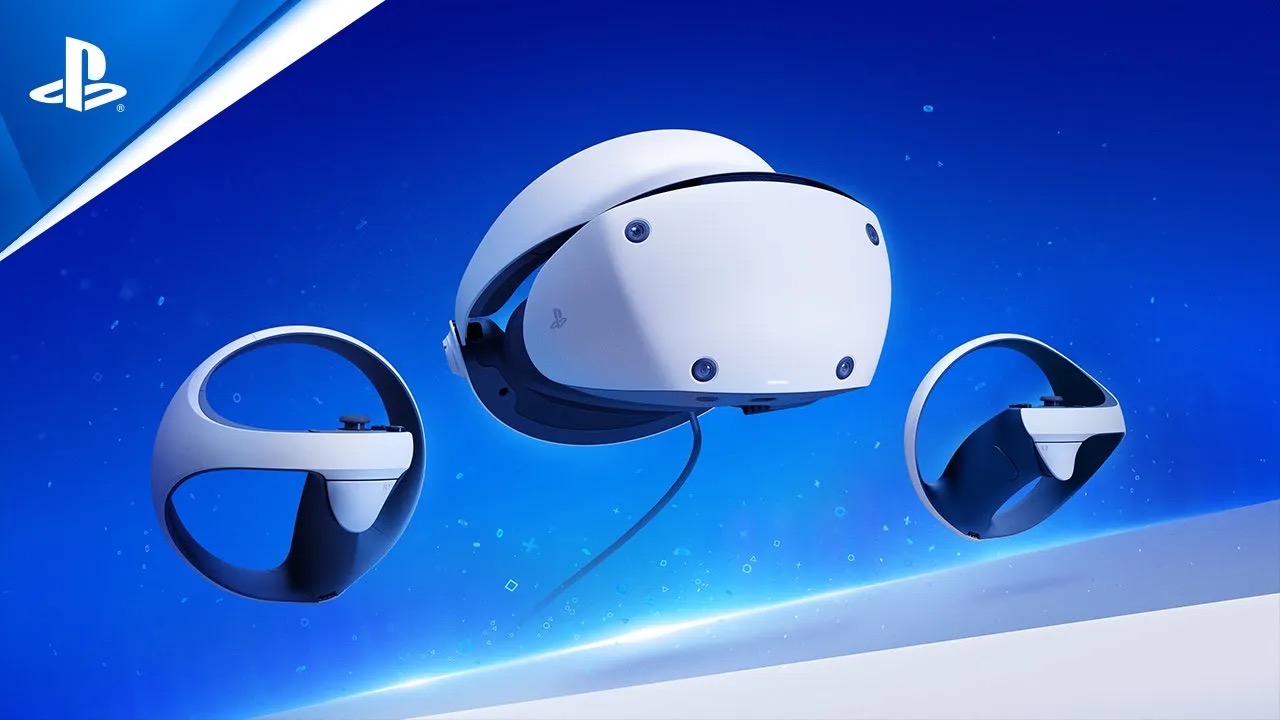
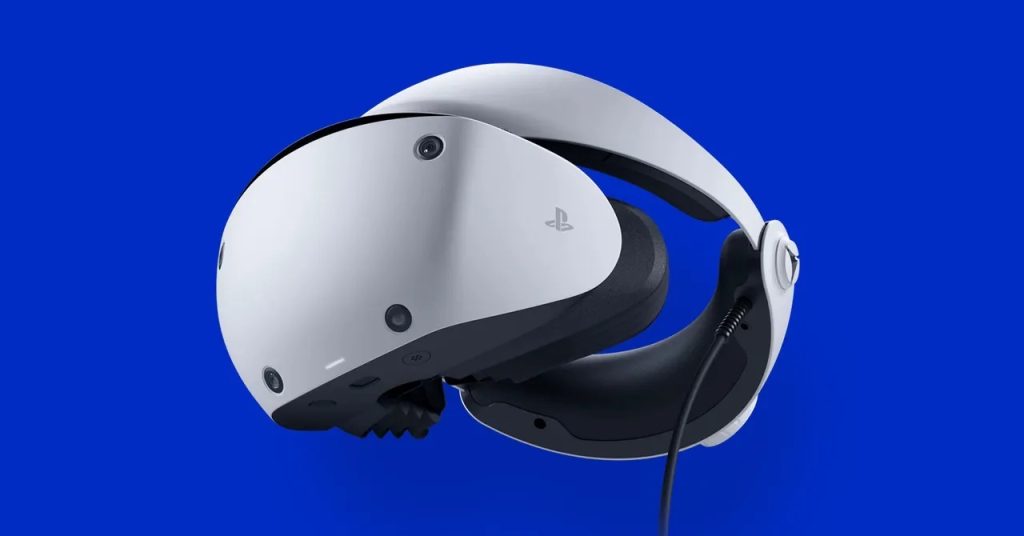
    The PS VR2 headset, launched in early 2023, brought massive improvements in resolution and field of view. Featuring 4K HDR OLED displays, eye-tracking, and a wide 110-degree field of vision, the system provides truly cinematic immersion. Combined with Sony’s proprietary Tempest 3D AudioTech, every step, whisper, or explosion is rendered with stunning spatial awareness.

    What makes PlayStation Virtual Reality standout is not just its crisp visuals but also how sound design is optimized for VR. Whether you’re solving puzzles in eerie ruins or sprinting through futuristic battlegrounds, your ears guide your intuition, creating a deeper connection with the virtual world.


    3. Diverse and High-Quality Game Library

    Sony’s strategic partnerships with leading developers have led to a growing library of VR-exclusive and optimized titles. Games like Horizon Call of the MountainGran Turismo 7 VR, and Resident Evil Village VR are pushing the envelope of what’s possible in PlayStation Virtual Reality.

    These games are more than just ports; they are rebuilt from the ground up with immersive design at their core. The intuitive motion tracking, haptic feedback, and adaptive triggers of the PS VR2 Sense controllers amplify the realism, making players feel every action, whether it’s pulling a bowstring or steering a supercar.

    With more AAA titles and indie gems on the horizon, PlayStation Virtual Reality is well-positioned to continue dominating the console VR space.


    4. Advanced Controller Design with Haptic Feedback

    Sony has taken inspiration from its DualSense controllers and brought haptic feedback and adaptive triggers to the PS VR2 controllers. This innovation adds a new layer of immersion to gameplay. The tactile sensations mimic real-life physical resistance, making virtual interactions feel incredibly lifelike.

    For instance, in a stealth-based VR mission, the slight rumble of tension when drawing a weapon or the soft recoil of a firearm can heighten engagement significantly. It’s a feature that makes PlayStation Virtual Reality far more than just a headset—it’s an extension of your sensory perception.


    5. User-Centric Design for Comfort and Accessibility

    Sony has prioritized user comfort in the development of its latest VR gear. The updated PS VR2 is lighter, with improved weight distribution and better ventilation. Adjustable lenses and a soft, flexible headband ensure a snug but not suffocating fit, even during extended sessions.

    Accessibility settings like customizable control schemes, visual filters, and compatibility with accessibility peripherals ensure that more gamers can enjoy PlayStation Virtual Reality without barriers. In a market that often overlooks inclusivity, Sony’s design choices make a significant impact.


    6. The Rise of Social and Cooperative VR Experiences

    While solo gameplay dominates the narrative, multiplayer VR is rapidly gaining traction. Titles like No Man’s SkyFirewall Ultra, and The Walking Dead: Saints & Sinners now offer cooperative modes that allow players to explore, strategize, and survive together in shared virtual environments.

    PlayStation Virtual Reality is also compatible with several social platforms, allowing users to hang out in virtual lounges, watch movies together, or collaborate in creative environments. With the integration of PlayStation Networkfeatures like voice chat and party systems, it’s easier than ever to share the thrill of VR with friends and family.


    7. Sony’s Long-Term Commitment to Virtual and Mixed Reality

    Sony is not just riding the wave of virtual reality—it’s investing heavily in its evolution. Through patents, acquisitions, and R&D, Sony has made clear its intentions to be a leader in immersive technology.

    This includes developing features for mixed reality—a hybrid of physical and digital environments. While not yet mainstream in PS VR, Sony has signaled future headsets may include pass-through cameras, AR overlays, and spatial mapping, merging real and virtual worlds. This would allow gamers to interact with physical objects in their play space, or turn their living rooms into dynamic battle zones.


    What is Mixed Reality?

    Mixed reality (MR) blends real and virtual worlds, allowing physical and digital elements to interact in real-time. Unlike virtual reality, which immerses you in a fully digital space, MR overlays holograms or data on the real world. It offers exciting potential for gaming, education, training, and productivity.

    In the context of PlayStation Virtual Reality, mixed reality could soon allow players to play VR games while still interacting with their real environment—enhancing safety, versatility, and gameplay possibilities. Sony’s gradual foray into MR tech suggests exciting developments ahead.


    A Short Note on Sony PlayStation

    Sony PlayStation, launched in 1994, has been a revolutionary force in the gaming world. From the original PlayStation to the powerful PS5, it has redefined home entertainment at every turn. Its expansion into virtual reality with the PS VR and now PS VR2, underscores Sony’s vision to lead the charge in immersive gaming.

    With a legacy of innovation and a global user base, Sony continues to inspire both developers and gamers to explore uncharted territories in interactive entertainment.


    Conclusion

    PlayStation Virtual Reality is no longer just an accessory—it’s a powerful platform for immersive storytelling, realistic gameplay, and futuristic experiences. From high-fidelity visuals and tactile controllers to a strong library and visionary roadmap, it checks all the right boxes for casual and hardcore gamers alike.

    As virtual reality continues to evolve, platforms like PlayStation Virtual Reality will drive this transformation by making immersive tech more accessible, powerful, and creative. And with Sony’s commitment to innovation and player-first design, the future of VR looks bright.

    At aibuzz, we specialize in exploring the frontiers of virtual realitymixed reality, and AI-driven experiences. Our IT and tech services are designed to support developers, studios, and businesses in creating the next wave of interactive experiences. Connect with us to learn how we can help bring your immersive visions to life.

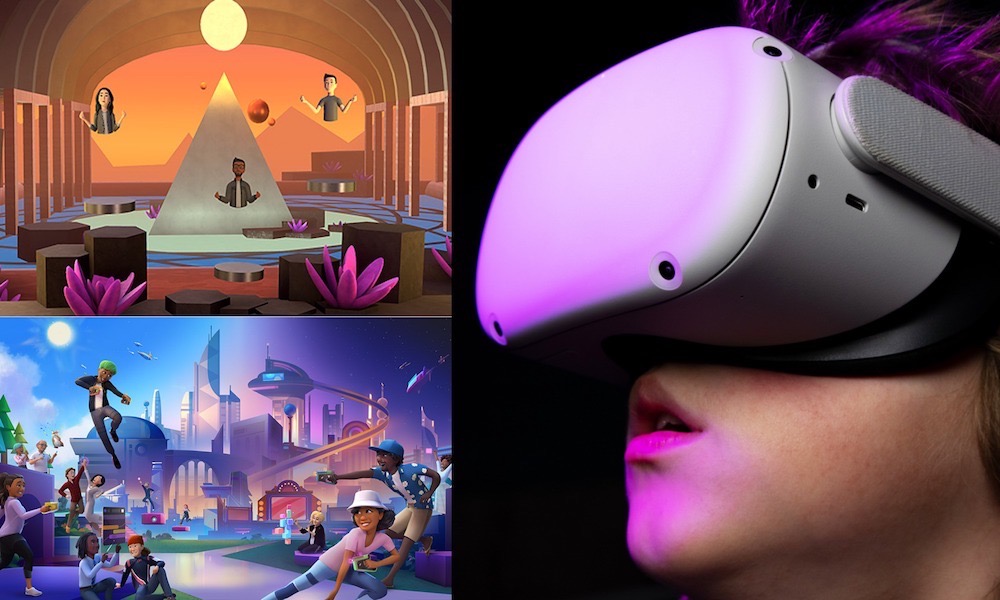
  • 7 Powerful Ways Meta Virtual Reality is Transforming the Future in 2025

    7 Powerful Ways Meta Virtual Reality is Transforming the Future in 2025

    In 2025, the landscape of digital experiences is more vibrant than ever, driven by Meta Virtual Reality. This powerful technology is not just a trend—it’s reshaping how we work, play, and connect. As industries pivot to immersive experiences, understanding the role of Meta Virtual Reality is essential to staying ahead of the curve.

    Let’s explore seven essential ways Meta Virtual Reality is transforming the future and why it matters for your business.


    1. Immersive Workspaces: Revolutionizing Remote Collaboration

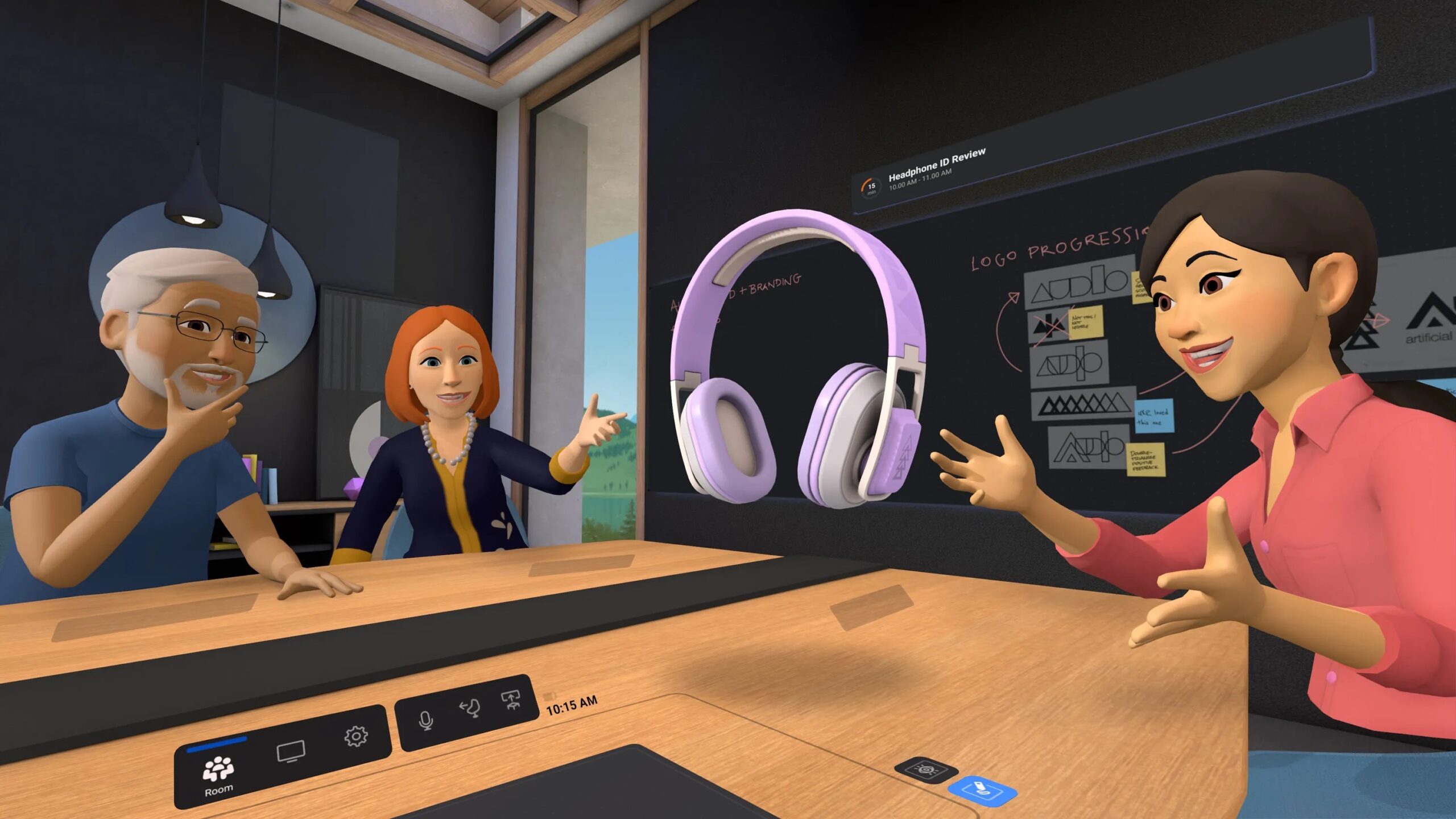
    Meta VR is at the forefront of redefining remote collaboration. Virtual offices powered by Meta VR allow colleagues to interact as avatars, simulating face-to-face meetings even when miles apart. This technology bridges physical distances, fostering creativity and real-time engagement.

    Beyond simple video calls, these immersive workspaces allow teams to sketch, prototype, and brainstorm in shared virtual environments. It’s a new paradigm for hybrid work—one that’s more interactive, engaging, and productive.


    2. Virtual Training: Empowering Education and Skills Development

    Training programs are no longer confined to traditional classrooms. Meta Virtual Reality brings education to life with immersive simulations and interactive scenarios. Whether it’s healthcare training, industrial safety drills, or language learning, Meta Virtual Reality ensures students learn by doing it.

    This hands-on approach boosts retention and accelerates mastery of complex skills. For businesses, it means better-prepared teams and higher ROI on training investments.


    3. Retail and E-Commerce: Creating Virtual Shopping Experiences

    The shopping experience is undergoing a revolution, and Meta Virtual Reality is leading the way. Retailers are creating virtual showrooms where customers can browse, try on, and purchase products from the comfort of their homes.

    Imagine walking through a digital store, inspecting items as if they’re physically in your hands. Meta Virtual Reality transforms shopping into an interactive adventure—one that’s more engaging and personalized than ever before.


    4. Healthcare Innovation: Enhancing Patient Care

    Healthcare professionals are tapping into Meta Virtual Reality to enhance patient care and treatment. From virtual surgical simulations to pain management therapies, the technology is bridging gaps in medical training and treatment.

    Patients can also benefit from virtual environments that alleviate anxiety during procedures. Meta Virtual Reality offers a holistic approach to care—where physical and digital tools work together to improve outcomes.


    5. Virtual Events and Entertainment: Beyond Traditional Experiences

    Concerts, conferences, and live events have found a new home in Meta Virtual Reality. No longer restricted by physical venues, these events can host audiences from around the globe in dynamic virtual spaces.

    For artists, Meta Virtual Reality means limitless creative expression. For attendees, it means a front-row experience from anywhere in the world. It’s a win-win, blending convenience with immersion.


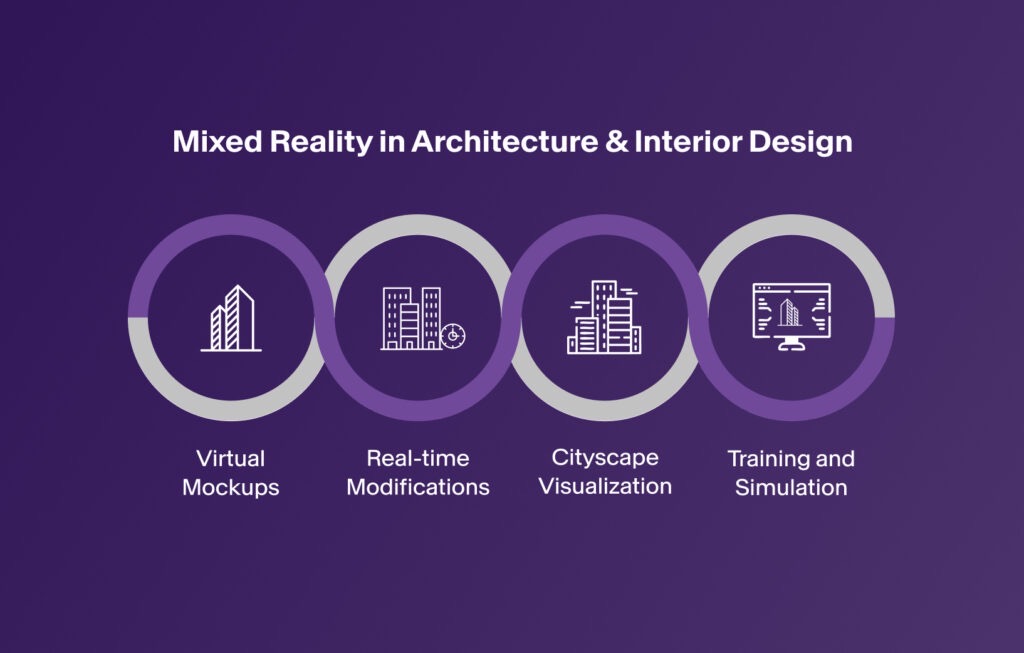
    6. Architectural Design and Real Estate: Visualizing the Future

    Architects and real estate developers are leveraging Meta Virtual Reality to visualize projects before they’re built. Detailed virtual models help clients explore floor plans, materials, and lighting in a fully immersive environment.

    This approach minimizes costly revisions and ensures stakeholders are on the same page from day one. Meta Virtual Reality makes design decisions more informed and collaborative.


    7. Personal Wellness: Mindfulness and Relaxation in a Virtual Space

    As our lives get busier, Meta VR offers a refuge—a space for meditation, mindfulness, and mental wellness. Virtual reality environments designed for relaxation provide an escape from daily stress.

    Imagine stepping into a serene forest or peaceful beach at the touch of a button. Meta Virtual Reality empowers users to disconnect from the noise and reconnect with themselves.


    Understanding Virtual Reality and Mixed Reality

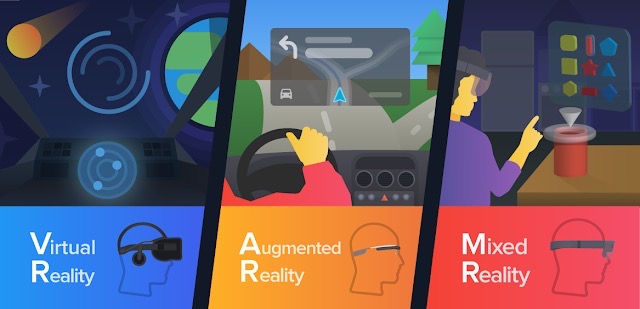
    To appreciate the power of Meta VR, it’s important to understand its roots. Virtual Reality (VR) immerses users in a completely digital world—whether that’s a game, a training simulation, or a virtual meeting room. VR blocks out the physical world and replaces it with digital experiences.

    Mixed Reality (MR), on the other hand, blends physical and digital elements. In MR, users can interact with virtual objects while staying connected to the real world. Think of it as a bridge—where virtual and real merge seamlessly.

    Together, VR and MR lay the foundation for what Meta Virtual Reality is achieving today: fully immersive, interactive environments that enhance every aspect of life and work.


    Why Meta Virtual Reality is Essential in 2025

    Why Meta Virtual Reality is Essential in 2025

    In 2025, Meta Virtual Reality isn’t a luxury—it’s a necessity. It’s how companies engage customers, how teams collaborate, and how individuals explore their creativity. By investing in Meta Virtual Reality, businesses gain a competitive edge in an increasingly digital world.

    From immersive shopping experiences to cutting-edge healthcare simulations, the possibilities are endless. As the technology continues to evolve, so too will the ways we use it to connect and create.


    Conclusion: The Future Starts Here

    Meta Virtual Reality is no longer science fiction—it’s an essential tool for success in 2025. At aibuzz, we’re passionate about helping businesses unlock the full potential of Meta Virtual Reality. Our expert team combines cutting-edge software development with immersive technologies to build transformative experiences tailored to your needs.

    Whether you’re exploring virtual training, next-generation retail, or dynamic virtual events, let’s build the future together. Visit aibuzz today to learn how we can bring your vision to life!

  • 6 Essential Insights About Mixed Reality Display: A Future-Ready Technology

    6 Essential Insights About Mixed Reality Display: A Future-Ready Technology

    Introduction

    Mixed reality display technology is revolutionizing the way we experience digital content alongside the real world. In 2025, this cutting-edge technology is no longer confined to sci-fi or experimental labs — it has become an essential tool for a wide array of industries, including business, healthcare, education, gaming, and retail. By merging the immersive capabilities of virtual reality (VR) with the contextual richness of augmented reality (AR), mixed reality (MR) displays enable users to interact with digital and physical worlds simultaneously, creating highly engaging, interactive, and practical experiences.

    Whether it’s enhancing surgical precision, training employees, or transforming gaming adventures, mixed reality display systems are shaping the future. Let’s explore the essential aspects powering this transformative technology in 2025.


    Understanding Mixed Reality and Virtual Reality

    To appreciate mixed reality display technology, it’s important to distinguish it from virtual reality. Virtual reality immerses users in a fully digital environment, shutting out the real world entirely. Users wear headsets that transport them to virtual landscapes where everything is computer-generated.

    In contrast, mixed reality displays overlay interactive digital content onto the real world. These systems map and understand the physical environment using sensors, cameras, and spatial computing. The result? Digital objects appear anchored in your actual surroundings, responding naturally to your movements and environment changes.

    While VR offers total immersion, mixed reality enriches your current space with dynamic digital elements, blending virtual content with reality in real-time. This creates a far more flexible, collaborative, and practical experience for users and businesses alike.


    1. Real-World Applications of Mixed Reality Display in 2025

    Mixed reality displays are moving rapidly from novelty to necessity across diverse industries:

    • Healthcare: Surgeons use MR displays for planning complex procedures, overlaying 3D models of patient anatomy during operations. Medical students gain immersive training by interacting with life-like anatomical holograms. Patient education also benefits from visualizing treatment plans and health conditions more clearly.
    • Education: Classrooms are evolving with mixed reality by allowing students to explore historical sites, perform virtual science labs, or study molecular structures in 3D space. These experiences deepen engagement and improve knowledge retention.
    • Retail: Shoppers can visualize furniture, apparel, or electronics in their homes before purchasing, minimizing returns and enhancing satisfaction. Retailers leverage MR to create interactive catalogs and immersive brand experiences.
    • Manufacturing & Maintenance: Workers receive on-site digital instructions and safety warnings directly overlaid on machinery, improving accuracy and reducing downtime.
    • Entertainment & Gaming: Gamers experience new worlds blending seamlessly with their real environments, offering novel gameplay mechanics and social experiences.

    These examples represent just the tip of the iceberg. Mixed reality display technology is creating new possibilities in virtually every sector.


    2. Hardware Advancements Powering Mixed Reality Displays

    The evolution of hardware is central to MR’s rising impact. Recent years have seen leaps in headset design and performance:

    • Lightweight & Comfortable: Devices from leaders like Microsoft (HoloLens 2) and Magic Leap have shed bulky designs, emphasizing ergonomics to allow extended use without discomfort.
    • High Resolution & Wide Field of View: Crisp visuals with wide viewing angles make digital overlays realistic and immersive, eliminating the sense of a “screen” floating in front of users.
    • Advanced Sensors & Cameras: Depth sensors, eye tracking, spatial mapping cameras, and inertial measurement units enable precise positioning and environment recognition, essential for stable, believable digital content.
    • Wireless Connectivity: Improved wireless standards reduce tethering, enhancing user mobility and interaction freedom.

    Together, these hardware advances are breaking down barriers, making mixed reality displays accessible and practical for everyday professional and personal use.


    3. Software Ecosystems for Mixed Reality Display

    Great hardware is only half the equation; powerful software frameworks enable developers and businesses to unleash MR’s full potential.

    • Development Platforms: Microsoft’s Mixed Reality Toolkit (MRTK) and Unity’s MR plugins provide robust libraries, tools, and sample projects to accelerate app creation. These platforms streamline building spatial interactions, object manipulation, and environmental understanding.
    • Intuitive Interaction Methods: Gesture recognition, gaze control, and voice commands reduce reliance on bulky controllers. These natural interfaces lower learning curves and improve user engagement.
    • Cross-Platform Support: Modern MR software supports multiple device types and operating systems, ensuring broad reach and easy integration.
    • Enterprise Solutions: Customizable SDKs and APIs allow companies to tailor MR experiences to unique workflows — from virtual collaboration rooms to remote expert assistance.

    This evolving software ecosystem is fueling rapid innovation and widespread adoption of mixed reality display applications.


    4. The Role of Artificial Intelligence in Enhancing Mixed Reality Display

    Artificial intelligence (AI) significantly amplifies mixed reality display capabilities by interpreting complex sensor data in real time.

    • Spatial Mapping & Scene Understanding: AI algorithms analyze input from cameras and sensors to create detailed, dynamic 3D maps of the user’s surroundings, ensuring digital objects interact realistically with physical surfaces and objects.
    • Object Recognition: AI-powered recognition identifies real-world items, enabling contextual digital overlays — like highlighting a specific machine part or labeling tools during training.
    • Adaptive Content: AI tailors MR experiences by learning user behaviors and preferences, delivering more relevant and responsive interactions.
    • Natural Language Processing: Voice commands powered by AI allow seamless communication with MR systems without cumbersome manual inputs.

    In manufacturing, healthcare, and education, AI-driven mixed reality displays are becoming indispensable tools for enhancing precision, efficiency, and safety.


    5. User Experience and Ergonomics of Mixed Reality Displays

    The success of mixed reality display technology hinges on user comfort and seamless experience design.

    • Lightweight Designs: Balanced weight distribution and slim form factors minimize fatigue, crucial for prolonged use in professional settings.
    • Natural Interactions: Gesture-based controls and eye tracking replace clunky handheld devices, making MR feel more intuitive and less intrusive.
    • Visual Comfort: Reducing motion sickness and eye strain through optimized frame rates, contrast, and display quality keeps users comfortable.
    • Accessibility: Adaptive interfaces accommodate diverse user needs, promoting inclusion and ease of adoption across various demographics.

    By focusing on ergonomics and intuitive UX, manufacturers and developers ensure mixed reality displays are both powerful and user-friendly tools.


    6. Overcoming Challenges: Connectivity and Integration

    Despite tremendous progress, mixed reality display technology still faces hurdles that must be addressed for mainstream success:

    • Connectivity: High-quality MR demands powerful processing and ultra-low latency data transmission to maintain real-time responsiveness. The roll-out of 5G and edge computing infrastructures in 2025 is critical in meeting these requirements, enabling smooth multi-user collaboration and cloud-based rendering.
    • Integration with Workflows: Businesses need MR systems to blend effortlessly into existing software and hardware environments. Seamless interoperability with enterprise tools, databases, and IoT devices is essential to maximize efficiency.
    • Cost and Scalability: While prices have dropped, enterprise-grade MR displays and development can still be expensive. Scalability solutions and modular hardware/software designs will drive broader adoption.
    • Privacy and Security: As MR collects rich environmental and biometric data, ensuring strong data protection protocols remains a priority.

    Overcoming these challenges will unlock the full transformative power of mixed reality display technology.


    Conclusion

    Mixed reality display technology is no longer a distant or niche innovation — it’s an essential part of the digital transformation landscape in 2025. By seamlessly merging real and virtual worlds, MR is reshaping industries from healthcare to retail, education to entertainment, making interactions more immersive, efficient, and impactful.

    At aibuzz, we specialize in helping businesses harness the potential of mixed reality display technology through innovative software development and tailored solutions. Whether you’re looking to revolutionize training, enhance customer engagement, or build the next generation of interactive experiences, our expertise in MR, AI, and software development will bring your vision to life.

    Embrace the future of interaction — unlock the power of mixed reality displays with aibuzz and transform how your organization works, learns, and plays.


  • 10 Essential Insights for Successful Virtual Reality Development

    10 Essential Insights for Successful Virtual Reality Development

    Virtual reality (VR) is no longer a futuristic concept—it’s a powerful tool that’s transforming industries, from gaming to healthcare and beyond. As VR technology continues to evolve, the importance of strategic virtual reality development cannot be overstated. In this blog, we’ll dive into 10 essential insights for creating compelling VR experiences, along with a quick look at the relationship between mixed reality and virtual reality.

    VR app design

    1. Understanding the Basics of Virtual Reality Development

    Before embarking on a virtual reality development project, it’s vital to understand what makes VR unique. Unlike traditional applications, VR immerses users in a simulated environment, often through headsets and motion-tracking devices. This demands a deep focus on 3D modeling, real-time rendering, and intuitive user interfaces.

    The core goal of virtual reality development is to create a seamless and immersive experience. Whether it’s for gaming, training simulations, or virtual tours, a successful VR app transports users to a world that feels real—both visually and interactively.


    2. The Right Platform Makes All the Difference

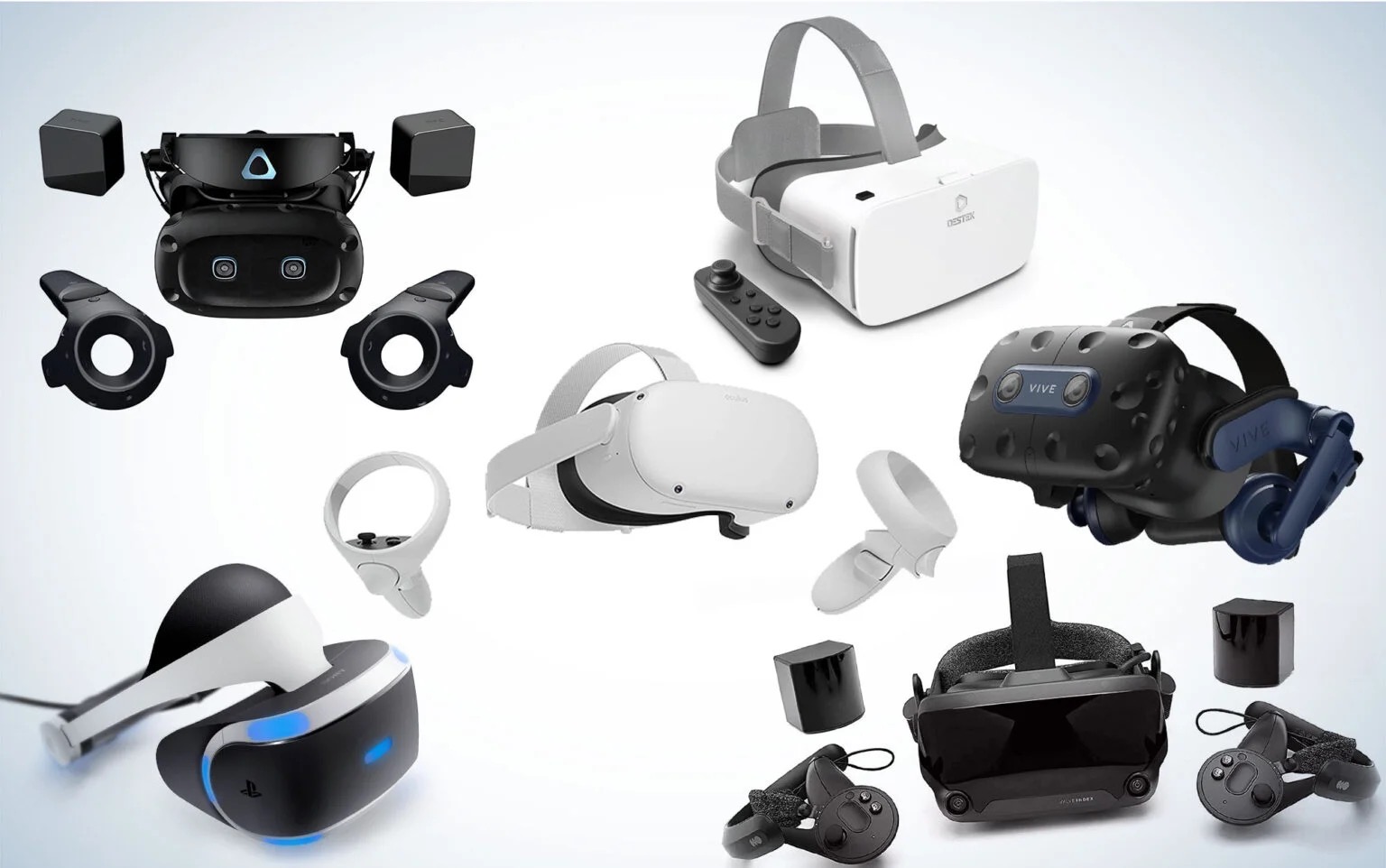
    A crucial step in virtual reality development is selecting the right platform. Popular VR platforms include:

    • Oculus Rift and Quest
    • HTC Vive
    • Sony PlayStation VR
    • Valve Index

    Each has its own development kits and hardware limitations. Developers should consider their target audience and hardware compatibility to ensure the best possible experience.


    3. Designing for Comfort: Motion Sickness and User Experience

    One of the biggest challenges in virtual reality development is minimizing motion sickness. Poor frame rates, unnatural movements, and lag can create discomfort for users.

    Key solutions include:

    • Ensuring high frame rates (ideally 90fps or more).
    • Maintaining consistent movement speeds.
    • Avoiding abrupt camera movements.

    Thoughtful design leads to a more comfortable and engaging experience, which is essential for long-term VR adoption.


    4. Immersive Storytelling: The Heart of Virtual Reality Development

    Immersive storytelling is one of the most powerful aspects of virtual reality development. Unlike 2D screens, VR places the user directly into the action.

    Tips for crafting compelling narratives:

    • Make the user the center of the story.
    • Use environmental cues instead of text-based explanations.
    • Let users explore and interact with the story at their own pace.

    By prioritizing immersive storytelling, developers can create unforgettable VR experiences that resonate deeply with users.


    5. Balancing Realism and Performance

    While high-fidelity graphics can enhance immersion, they can also tax VR hardware. Virtual reality development requires a careful balance between realism and performance.

    Strategies include:

    • Using Level of Detail (LOD) techniques to reduce polygon counts at a distance.
    • Optimizing textures and lighting for maximum performance.
    • Incorporating baked lighting to minimize real-time calculations.

    This balance ensures that users enjoy stunning visuals without sacrificing smooth performance.


    6. Incorporating Haptic Feedback and Spatial Audio

    To elevate the sense of presence, virtual reality development must go beyond visuals. Haptic feedback (like vibrations or tactile sensations) and spatial audio are essential components of truly immersive experiences.

    Why they matter:

    • Haptic feedback mimics physical interactions, like feeling a door’s resistance or the impact of a virtual punch.
    • Spatial audio helps users identify the location of sounds, enhancing realism and guiding interactions.

    Together, these elements transform passive experiences into truly interactive ones.


    7. Testing and Iteration: The Backbone of VR Success

    Virtual reality development isn’t a one-and-done process—it requires constant testing and iteration. Developers must gather user feedback early and often to refine experiences.

    Best practices include:

    • Conduct usability tests with diverse groups.
    • Pay attention to physical comfort, ease of use, and potential motion sickness triggers.
    • Incorporate user suggestions to improve interactivity and polish.

    Frequent iteration ensures the final product is not just functional, but truly engaging.


    8. Cross-Disciplinary Collaboration

    Virtual reality development is inherently multidisciplinary. It requires close collaboration between:

    • 3D artists to create lifelike assets.
    • UX/UI designers to craft intuitive interfaces.
    • Programmers to bring environments to life.
    • Sound designers to create immersive audio landscapes.

    Successful VR projects thrive when these disciplines work seamlessly together.


    9. Understanding the Role of Mixed Reality and Virtual Reality

    Before we move to the final insight, it’s worth highlighting the difference and synergy between mixed reality and virtual reality.

    Mixed reality (MR) combines elements of the real and virtual worlds, enabling real-time interaction with both physical and digital objects. Virtual reality (VR), on the other hand, fully immerses users in a computer-generated environment.

    Both are part of the same immersive spectrum. MR often blends digital overlays with physical spaces, while VR transports users entirely into virtual environments. Many industries are exploring how mixed reality and virtual reality can work together to create more dynamic and engaging applications.


    10. The Future of Virtual Reality Development: AI and Beyond

    As technology advances, the future of virtual reality development will be shaped by AI and machine learning. AI can:

    • Personalize VR experiences by adapting to user preferences.
    • Enhance NPC (non-player character) interactions for more dynamic storytelling.
    • Improve real-time rendering efficiency.

    Looking ahead, these technologies promise to elevate VR from impressive to indispensable.


    Virtual Reality Development in Different Industries

    Virtual reality development isn’t limited to gaming. Here’s how it’s making waves across industries:

    ✅ Healthcare: VR-based therapy for pain management and PTSD treatment.
    ✅ Education: Immersive lessons that transport students to historical events or inside the human body.
    ✅ Architecture: Virtual walkthroughs to visualize projects before construction.
    ✅ Retail: Virtual stores where customers can browse and buy from home.
    ✅ Tourism: Virtual travel experiences to explore the world without leaving your home.

    The possibilities are endless—and with the right approach, virtual reality development can revolutionize any industry.


    Key Takeaways for Your Next Virtual Reality Development Project

    Let’s quickly recap the essential insights:

    🔹 Choose the right platform for your goals and audience.
    🔹 Design for user comfort to reduce motion sickness.
    🔹 Tell immersive stories that put users at the center.
    🔹 Optimize performance without sacrificing visuals.
    🔹 Incorporate haptics and spatial audio for full immersion.
    🔹 Embrace constant testing and iteration.
    🔹 Collaborate across disciplines for cohesive experiences.
    🔹 Understand how mixed reality and virtual reality work together.
    🔹 Harness AI for future-proofed VR applications.
    🔹 Explore new industries to maximize your VR project’s impact.

    By focusing on these 10 essential insights, your virtual reality development efforts will be positioned for success.


    Conclusion: Let’s Shape the Future of Virtual Reality Development Together

    Virtual reality development is reshaping how we play, learn, and interact with the world around us. From gaming to healthcare, VR’s potential is limitless. If you’re ready to explore what virtual reality can do for your business, aibuzz is here to help. Our team combines cutting-edge technology with a passion for immersive experiences, crafting VR solutions that captivate and inspire. Let’s unlock the power of virtual reality development and bring your vision to life!

  • 7 Essential Insights for Choosing the Best Mixed Reality Companies in 2025

    7 Essential Insights for Choosing the Best Mixed Reality Companies in 2025

    Introduction

    Mixed reality is rapidly transforming how we experience the digital and physical worlds. In 2025, it’s no longer just about gaming or entertainment—mixed reality companies are redefining industries, from education and healthcare to real estate and manufacturing. As more businesses realize the power of this technology, the demand for reliable mixed reality companies continues to surge.


    In this blog, we’ll dive into the 7 essential insights to help you choose the right mixed reality partner in 2025. We’ll also cover how mixed reality differs from virtual reality and what makes a company truly stand out in this dynamic field.

    What Is Mixed Reality and How Does It Differ from Virtual Reality?

    How to Choose the Right Mixed Reality Company for You

    Mixed reality (MR) blends the real and digital worlds by overlaying computer-generated objects in the physical environment. It creates an interactive experience that’s far beyond simple augmented reality (AR). Unlike virtual reality (VR), which immerses users in a completely digital environment, mixed reality keeps one foot in the real world—letting you see and interact with both simultaneously.

    For example, while VR might put you in a fully digital landscape like a virtual art gallery, mixed reality can let you view that gallery in your actual living room, with interactive artworks hovering on your walls.


    Why Are Mixed Reality Companies in High Demand?

    Why Are Mixed Reality Companies in High Demand?

    Mixed reality companies are at the forefront of this technology revolution. They combine hardware expertise, software development, and UX design to build experiences that transform how we learn, work, and play. Here’s why so many businesses are turning to them:

    • Enhanced Collaboration: Mixed reality fosters immersive collaboration in industries like engineering, where 3D models can be viewed in real-time.
    • Training & Education: It’s perfect for hands-on learning—medical students can practice surgery in a safe digital environment that mimics the real world.
    • Remote Assistance: Field workers can use mixed reality to receive real-time support from experts anywhere in the world.

    Given these benefits, finding the best mixed reality companies is crucial for businesses aiming to stay ahead.


    1. Experience in Your Industry

    When evaluating mixed reality companies, look for those with a proven track record in your sector. For instance, a healthcare-focused mixed reality company will understand how to meet regulatory requirements while creating safe and effective solutions.

    Ask these questions:

    • What successful projects have they delivered in your field?
    • Can they provide case studies or demos?

    Industry experience ensures they understand your challenges and can deliver solutions that truly fit.


    2. Technical Expertise and Innovation

    Mixed reality companies vary widely in their technical capabilities. The best ones invest in cutting-edge technologies like advanced computer vision, spatial mapping, and real-time rendering.

    Look for companies that:

    • Use the latest hardware (HoloLens, Magic Leap, or custom solutions)
    • Employ skilled developers who understand 3D modeling, AR/VR SDKs, and AI integrations
    • Are constantly innovating—staying ahead of trends and shaping the future of MR

    3. User-Centric Design

    It’s not enough to create a technically brilliant product—users must love it! Top mixed reality companies put UX design at the core of every project. They prioritize intuitive interactions and comfort in mixed reality experiences.

    Key indicators:

    • Prototypes and usability testing
    • Feedback loops with users
    • Designs that reduce motion sickness and optimize comfort

    4. Customization and Flexibility

    No two businesses are the same, and your mixed reality solution should reflect that. Great mixed reality companies take the time to understand your unique needs and tailor their services accordingly.

    Check if they:

    • Offer modular solutions that scale with your business
    • Provide custom app development
    • Work closely with your team to adapt features as your goals evolve

    5. Clear Communication and Project Management

    Mixed reality projects can be complex, involving hardware, software, and creative teams. Reliable mixed reality companies use clear communication and solid project management to ensure your project runs smoothly.

    Look for:

    • Dedicated project managers
    • Clear milestones and delivery timelines
    • Transparent pricing and progress reports

    A well-managed project saves time, money, and headaches.


    6. Focus on ROI and Measurable Outcomes

    While mixed reality is exciting, it’s an investment. Top mixed reality companies understand that and will help you measure ROI and demonstrate the value of their solutions.

    Ask potential partners:

    • How do they track user engagement and learning outcomes?
    • Do they provide analytics dashboards?
    • Can they align the MR experience with your KPIs?

    7. Post-Launch Support and Updates

    Mixed reality technology evolves rapidly. Ensure your mixed reality company offers robust post-launch support to keep your experience fresh and relevant.

    This includes:

    • Regular updates to ensure compatibility with new hardware and OS versions
    • Bug fixes and performance improvements
    • Ongoing training and support for your team

    Emerging Trends in Mixed Reality Companies

    The landscape of mixed reality companies is constantly evolving. Here are some trends to watch in 2025:

    ✅ AI Integration: AI-powered features like natural language processing and object recognition are making MR experiences smarter and more responsive.

    ✅ Cloud-based MR: Cloud services enable seamless updates, better data management, and scalable MR applications.

    ✅ Cross-Platform Solutions: Mixed reality companies are creating solutions that work on multiple devices—from VR headsets to mobile AR apps—expanding the reach of MR experiences.

    ✅ Sustainability Focus: Many mixed reality companies are exploring how their technology can reduce travel emissions and streamline operations, aligning with sustainability goals.


    How to Choose the Right Mixed Reality Company for You

    With so many mixed reality companies out there, narrowing down your options can feel overwhelming. Here’s a step-by-step approach:

    1. Define Your Goals: Are you looking to train employees, engage customers, or visualize complex data? Clarify your priorities.
    2. Set a Budget: Mixed reality solutions can vary widely in cost. Know your budget and find a partner who can deliver within it.
    3. Request Proposals: Reach out to multiple mixed reality companies and compare their offerings, timelines, and pricing.
    4. Check References: Talk to past clients to understand their experiences with the company.
    5. Start Small: Consider a pilot project to test the waters before committing to a large-scale deployment.

    Final Thoughts

    Mixed reality is more than a buzzword—it’s a game-changing tool for businesses across every industry. The right mixed reality companies can transform your ideas into immersive, interactive experiences that delight users and deliver measurable impact.

    As you explore this exciting world, remember that the best partners don’t just build apps—they build relationships. Look for a company that listens to your needs, adapts to your vision, and helps you harness the full power of mixed reality.


    Conclusion

    At aibuzz, we’re passionate about helping businesses unlock the potential of mixed reality. From custom application development to seamless hardware integration, we work with you to turn your ideas into immersive realities. If you’re looking to collaborate with one of the leading mixed reality companies in 2025, reach out to us today and let’s explore how mixed reality can elevate your business!

  • 10 Essential Virtual Reality Devices to Elevate Your 2025

    10 Essential Virtual Reality Devices to Elevate Your 2025


    Virtual reality (VR) is no longer a futuristic concept—it’s here, now, and rapidly transforming the way we work, play, learn, and socialize. At the heart of this revolution are virtual reality devices—the hardware that bridges the digital and physical worlds. From immersive gaming headsets to enterprise training tools, these gadgets are essential for anyone looking to explore or innovate within the VR landscape.

    In this blog, we’ll explore 10 essential virtual reality devices that are redefining industries in 2025. Whether you’re a gamer, a tech enthusiast, or a business innovator, understanding these devices is critical for staying ahead in the digital age.


    What is Virtual Reality?

    10 Must-Have Virtual Reality Devices That Inspire in 2025

    Virtual reality (VR) refers to a simulated digital environment that users can interact with in real time using specialized hardware. The goal is to create a sense of immersion where the virtual feels real. Whether it’s a 3D-rendered world for gaming or a virtual classroom for learning, VR technology provides powerful experiences beyond traditional screens.

    The Role of Artificial Intelligence in Virtual Reality

    Artificial intelligence (AI) is playing a pivotal role in enhancing virtual reality devices. AI helps create smarter, more responsive virtual environments. From adaptive NPC behavior in games to AI-powered training simulations in enterprise settings, AI is enabling VR to be more personalized and dynamic. For example, voice recognition, gesture control, and real-time data analytics are all improved thanks to AI integration into VR systems.


    10 Essential Virtual Reality Devices in 2025

    10 Must-Have Virtual Reality Devices That Inspire in 2025

    1. Meta Quest 3

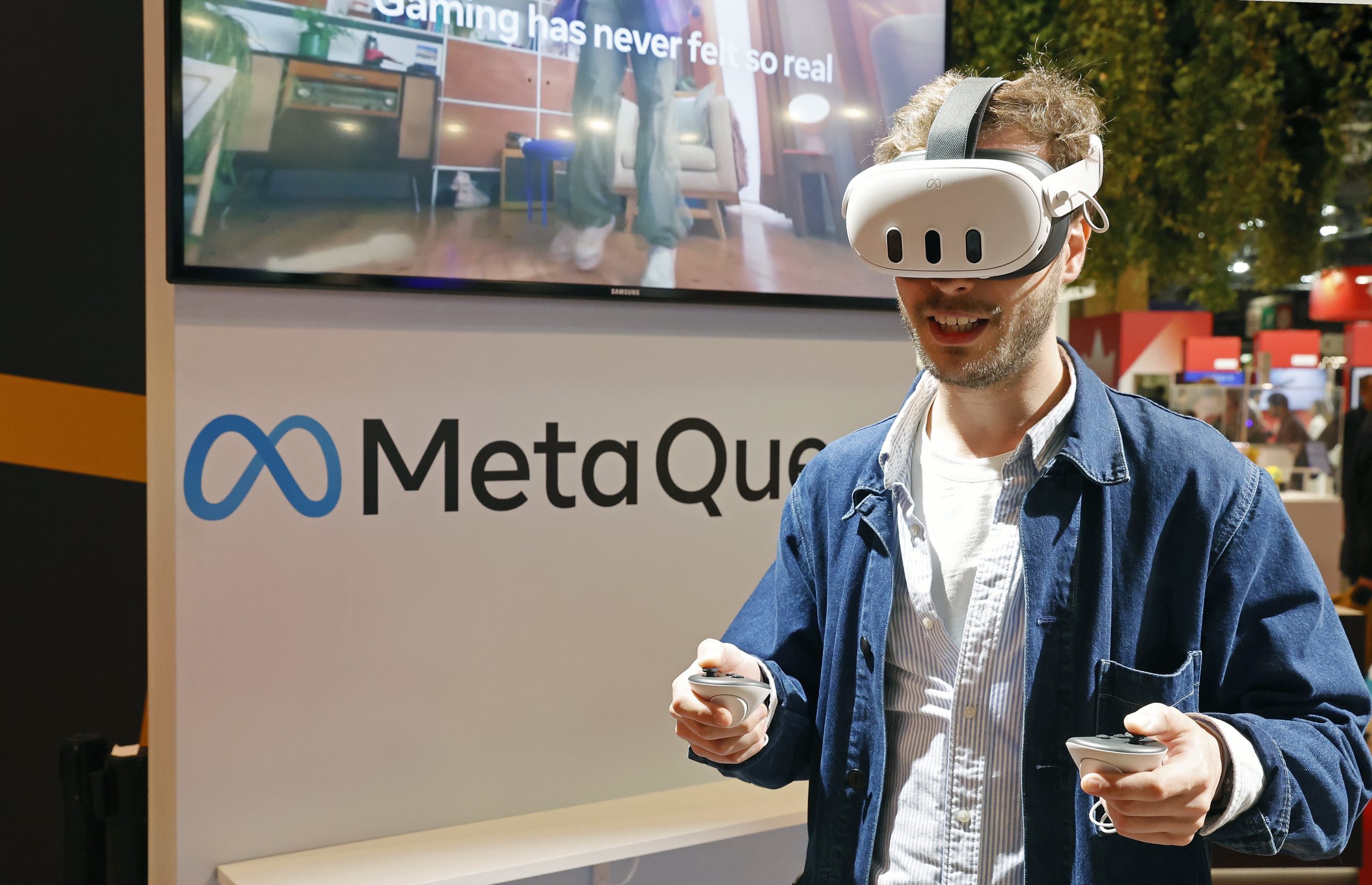
    The Meta Quest 3 is one of the most accessible and feature-rich virtual reality devices available today. With a standalone design, it doesn’t require a PC or external sensors. It offers mixed reality passthrough, hand tracking, and enhanced performance, making it a top choice for gaming, fitness, and productivity.

    Keywords: standalone VR headset, mixed reality, Oculus alternative


    2. Sony PlayStation VR2

    For console gamers, the PlayStation VR2 is a game-changer. With high-resolution OLED screens, inside-out tracking, and haptic feedback, it pushes the boundaries of console-based VR. Designed specifically for PlayStation 5, it provides seamless integration and stunning immersion.

    Keywords: VR for PlayStation, gaming headset, immersive VR games


    3. HTC Vive XR Elite

    The HTC Vive XR Elite combines the best of VR and AR, making it one of the most versatile virtual reality devicesin the market. It’s lightweight, modular, and supports a wide range of enterprise and consumer applications.

    Keywords: enterprise VR, AR headset, HTC Vive


    4. Apple Vision Pro

    Apple’s long-anticipated entry into the VR/AR market, the Apple Vision Pro, delivers exceptional visuals and seamless interaction. It’s powered by Apple’s M-series chips, offering unmatched performance and integration with iOS and macOS devices.

    Keywords: Apple VR headset, Vision Pro, spatial computing


    5. Pico 4 Enterprise

    Pico 4 Enterprise is designed with business users in mind. With eye tracking, face tracking, and business-grade security, it’s ideal for training, collaboration, and data visualization. As one of the leading standalone virtual reality devices, it’s gaining traction in corporate settings.

    Keywords: enterprise VR headset, Pico, workplace VR


    6. Valve Index

    The Valve Index is a high-fidelity VR system that continues to be popular with PC gamers and developers. Its precise finger tracking and superior audio quality make it a favorite for building and experiencing complex VR worlds.

    Keywords: PC VR, SteamVR, developer-friendly VR headset


    7. Lenovo ThinkReality VRX

    Aimed at business users, the ThinkReality VRX by Lenovo provides enterprise-focused tools for collaboration, training, and remote support. With cloud capabilities and rugged design, it’s among the most robust virtual reality devices for the workplace.

    Keywords: Lenovo VR, enterprise virtual reality, ThinkReality


    8. Samsung Gear VR (2025 Update)

    Samsung has relaunched its iconic Gear VR as a mobile-first device optimized for 2025’s smartphones. Lightweight and affordable, it’s bringing virtual reality to casual users and students who want to explore immersive content.

    Keywords: mobile VR, smartphone VR, affordable VR headset


    9. DPVR E4

    DPVR is gaining ground as a solid competitor in both the consumer and business space. The E4 model offers high-resolution displays and low latency, ideal for gaming, simulation, and education.

    Keywords: VR for education, training simulators, DPVR headset


    10. Varjo XR-4

    If you’re looking for cutting-edge professional-grade virtual reality devices, the Varjo XR-4 is unmatched. With photorealistic visuals, eye tracking, and full-color passthrough, it’s perfect for high-end simulation, design, and aviation training.

    Keywords: professional VR, XR headset, simulation training


    Why These Devices Are Essential in 2025

    Each of these virtual reality devices plays a unique role in expanding what’s possible in the VR ecosystem. Whether you’re exploring new worlds in a game, designing products in 3D, or conducting virtual surgery simulations, the right hardware matters.

    Here’s why these devices are essential in 2025:

    • Immersion: They deliver stunning visual and audio experiences.
    • Accessibility: Devices like Meta Quest 3 and Pico 4 make VR more affordable.
    • Innovation: High-end systems like Varjo XR-4 push technological boundaries.
    • Enterprise-grade features: Tools like ThinkReality VRX cater to business needs.

    As industries adopt immersive technologies, these virtual reality devices are becoming indispensable.


    Choosing the Right Virtual Reality Device

    When selecting a VR device, consider:

    • Use case: Gaming, training, design, or entertainment?
    • Budget: Do you need a premium system or a budget-friendly option?
    • Compatibility: Does it work with your PC, console, or smartphone?
    • Portability: Standalone or tethered?

    Investing in the right VR hardware can completely change how you interact with digital environments.


    The Future of Virtual Reality Devices

    As we move further into 2025, virtual reality devices are expected to become even more intelligent, portable, and interconnected. Integration with cloud computing, enhanced gesture recognition, and biometric feedback are all on the horizon. Moreover, the convergence of VR, artificial intelligence, and mixed reality will pave the way for more adaptive, real-time environments.

    We’re also seeing the rise of interactive mixed reality, where users can interact with digital and physical elements simultaneously. This is the next big leap beyond VR.


    Final Thoughts

    The evolution of virtual reality devices is redefining how we interact with the world—both virtual and physical. These 10 essential devices showcase the best the industry has to offer in 2025, empowering users across gaming, education, enterprise, and beyond.

    As VR becomes more integrated into our daily lives, staying informed about the latest hardware is essential. Whether you’re a creator, educator, or gamer, now is the time to dive in.


    Conclusion

    At aibuzz, we’re passionate about helping businesses and individuals unlock the power of immersive technologies. From VR development to full-scale mixed reality solutions, our team provides expert guidance and tailored tech strategies to bring your vision to life. As the future of work, play, and learning continues to evolve, aibuzz is your trusted partner in navigating the virtual frontier.

  • 7 Essential Reasons to Get Excited About Amped Virtual Reality in 2025

    7 Essential Reasons to Get Excited About Amped Virtual Reality in 2025

    In 2025, Amped Virtual Reality is redefining how we experience immersive digital worlds. Unlike traditional VR, which is often passive or limited in interaction, this high-energy version of VR delivers deeply interactive and emotionally resonant experiences. Whether you’re a gamer, business leader, or tech enthusiast, Amped Virtual Reality is impossible to ignore.


    1. What is Amped Virtual Reality?

    7 Essential Reasons to Get Excited About Amped Virtual Reality in 2025

    Amped Virtual Reality is a high-powered evolution of traditional VR. It’s called “amped” because it intensifies every aspect of the experience—better visuals, faster reactions, smarter interactivity, and full-body immersion.

    With real-time AI support, this technology customizes the environment to respond intelligently to user behavior, creating truly personal and engaging virtual worlds.


    2. Real-Time AI Powers the Experience

    One reason Amped Virtual Reality feels so realistic is due to Artificial Intelligence. AI algorithms allow the virtual environment to react dynamically, changing the scene based on voice commands, gestures, or even your facial expressions.

    This makes every session unique, adaptive, and more human-like than anything traditional VR can offer.


    3. Gaming Gets a Massive Upgrade

    Gaming is ground zero for Amped Virtual Reality innovation. Developers are using this tech to:

    • Enable full-body tracking
    • Create AI-driven opponents
    • Add haptic suits for tactile feedback
    • Support real-time team interaction

    This makes gaming not just fun but fully immersive and emotionally intense.


    4. Medical Training Goes Virtual—And Safer

    In healthcare, it is used for surgical simulations and diagnostics training. With this technology, medical students can interact with lifelike 3D models and receive instant feedback powered by AI.

    It significantly reduces training risks and boosts confidence before real-life procedures.


    5. Corporate Training Gets Smarter

    Businesses are turning to Amped Virtual Reality for onboarding and skill development. It allows employees to:

    • Navigate virtual office environments
    • Participate in interactive case studies
    • Simulate high-pressure situations safely

    This leads to better training outcomes and reduces time-to-productivity for new hires.


    6. Augmented Reality Meets Amped VR

    Augmented Reality (AR) superimposes digital objects onto the real world. When combined with Amped Virtual Reality, you get seamless Extended Reality (XR) experiences.

    Imagine technicians receiving real-time data overlays while training in an interactive virtual model—context from AR, depth from Amped Virtual Reality.


    7. Education Becomes Truly Immersive

    Amped Virtual Reality is changing how we teach. Students can explore:

    • Virtual laboratories
    • Historical reconstructions
    • Interactive math and science problems

    By adding physical involvement to learning, student engagement and knowledge retention increase significantly.


    Quick Look: What is Augmented Reality?

    7 Essential Reasons to Get Excited About Amped Virtual Reality in 2025

    Augmented Reality (AR) adds digital elements to the real-world environment. Common in apps, navigation, and product visualization, AR complements Amped Virtual Reality by enhancing real-world contexts with digital overlays—creating a more complete mixed reality ecosystem.


    What Role Does Artificial Intelligence Play?

    Artificial Intelligence mimics human thought, enabling systems to adapt and learn. AI ensures interactions feel intelligent and environments evolve as you engage with them—making the digital world feel truly alive.


    Conclusion: The Future is Bright with Amped Virtual Reality and aibuzz

    As we move into 2025, Amped Virtual Reality is more than a tech trend—it’s a dynamic leap into immersive interaction. From gaming to education and enterprise, it’s setting a new gold standard for digital experience.

    At aibuzz, we’re driving the future with advanced solutions in mixed reality, integrating AI, AR, and VR for businesses that want to lead—not follow. Whether you’re looking to train smarter, sell better, or engage deeper, our expertise in Amped Virtual Reality can help you get there. of these innovations, offering cutting-edge solutions in mixed reality, AI, and immersive environments. Our work ensures businesses and developers can harness the full potential of Amped Virtual Reality to drive engagement, training, and growth in the digital age.


  • 7 Essential Breakthroughs in Mixed Reality Tech You Need to Know in 2025

    7 Essential Breakthroughs in Mixed Reality Tech You Need to Know in 2025

    In today’s digital-first world, Mixed Reality Tech is rapidly emerging as one of the most essential innovations of our time. Blending the real and virtual in a way that transforms how we work, play, and learn, this powerful technology is redefining human interaction with machines. From healthcare to gaming, and from education to retail, Mixed Reality Tech is unlocking possibilities we only dreamed of a decade ago.

    But what exactly is driving this innovation? And how do technologies like Virtual RealityArtificial Intelligence, and the foundations of artificial intelligence intertwine with this evolution? Let’s dive into the 7 essential breakthroughs in Mixed Reality Tech that are reshaping the future in 2025.


    What is Mixed Reality Tech?

    7 Essential Breakthroughs in Mixed Reality Tech You Need to Know in 2025

    Mixed Reality Tech combines elements of both Virtual Reality (VR) and Augmented Reality (AR) to create immersive environments where digital and physical objects interact in real-time. Unlike VR, which places you entirely in a simulated world, Mixed Reality Tech allows digital objects to anchor, respond, and adapt to your real-world surroundings.

    With support from the foundations of artificial intelligence, this tech is not only smart but capable of learning from users, adapting its responses, and improving over time.


    A Quick Look at Virtual Reality and Artificial Intelligence

    7 Essential Breakthroughs in Mixed Reality Tech You Need to Know in 2025

    Before exploring further, here’s a quick breakdown:

    • Virtual Reality (VR): A fully immersive experience created through a digital environment, primarily used for training, gaming, and simulations.
    • Artificial Intelligence (AI): A branch of computer science focused on building systems that mimic human intelligence, including learning, problem-solving, and decision-making.

    When combined, these technologies push Mixed Reality Tech beyond visual spectacle—it becomes intuitive, responsive, and incredibly engaging.


    1. AI-Powered Interaction in Mixed Reality Tech

    The true magic of Mixed Reality Tech lies in its interactivity. With AI-driven engines rooted in the foundations of artificial intelligence, devices can process gestures, eye movements, and voice commands to deliver context-aware responses.

    These smart systems don’t just react—they predict. They understand your behavior and anticipate what you want next, delivering an experience that feels less like using a machine and more like working with a knowledgeable assistant.


    2. Spatial Mapping and Environment Understanding

    One of the most essential features of Mixed Reality Tech is spatial awareness. Devices equipped with sensors and computer vision—powered by the foundations of artificial intelligence—can map real-world environments with millimeter accuracy.

    This allows digital objects to appear as if they’re truly part of your space. Whether you’re an architect visualizing a building or a surgeon navigating complex anatomy, spatial mapping enhances precision and efficiency.


    3. Real-Time Rendering with Edge AI

    In 2025, Mixed Reality Tech is heavily reliant on edge computing, allowing data to be processed locally for faster results. Add the foundations of artificial intelligence to the mix, and what you get is seamless, real-time rendering that feels truly magical.

    This is especially crucial in high-stakes fields like military training or emergency response simulations, where even a millisecond of lag could compromise effectiveness.


    4. Digital Twins in Industrial Mixed Reality Tech

    Digital Twin is a digital version of a real-world object, system, or process. When integrated with Mixed Reality Tech, users can interact with these twins in real time. Think of engineers testing a jet engine or city planners visualizing infrastructure changes without ever touching the real thing.

    Predictive modeling—built on the foundations of artificial intelligence—makes these digital twins even more powerful, enabling proactive decision-making before real-world issues arise.


    5. Emotion and Voice Recognition

    Today’s Mixed Reality Tech doesn’t just respond—it understands. With emotion recognition software driven by AI, MR systems can detect stress, confusion, or enthusiasm in your voice and facial expressions.

    Whether in a virtual classroom or telehealth session, these systems—powered by the foundations of artificial intelligence—can adapt their tone, visuals, and pace based on emotional feedback.


    6. Cross-Device Compatibility and Cloud MR

    Mixed Reality Tech is becoming more flexible, thanks to cloud computing and AI. Cross-platform support ensures users can access the same immersive experience whether they’re on a headset, tablet, or AR glasses.

    Cloud-driven environments use the foundations of artificial intelligence to sync, optimize, and personalize data, ensuring consistent experiences across platforms and devices.


    7. Immersive Collaboration Tools in Mixed Reality Tech

    Remote work is getting a significant upgrade with Mixed Reality Tech. Virtual conference rooms, 3D whiteboards, and holographic presentations are now commonplace in industries ranging from engineering to education.

    By leveraging the foundations of artificial intelligence, these tools offer real-time translation, emotion tracking, and intelligent feedback—bringing global teams closer than ever before.


    Where Mixed Reality Tech is Making an Impact

    Here’s how Mixed Reality Tech is revolutionizing different industries:

    Healthcare

    Surgeons can simulate procedures or overlay vital information during operations, reducing risks and enhancing training.

    Education

    Interactive learning environments let students explore subjects in ways textbooks never could. With the help of the foundations of artificial intelligence, lessons adapt to each learner’s pace and style.

    Manufacturing

    Workers receive real-time instructions via MR glasses, increasing accuracy and reducing downtime.

    Retail

    Shoppers can try on clothes, test products, or explore virtual showrooms—all from their living rooms.

    Gaming and Entertainment

    Games now adapt to your mood and actions, providing deeply immersive, story-driven experiences using AI.


    What’s Next for Mixed Reality Tech?

    Here are upcoming trends to watch:

    • Neural Interfaces: Controlling MR environments directly with brain signals.
    • Haptic Suits: Adding touch and physical feedback to virtual experiences.
    • Hyper-Adaptive Content: MR environments that change dynamically based on user mood and preferences—driven by the foundations of artificial intelligence.

    These advancements will elevate Mixed Reality Tech to unprecedented levels of realism and user engagement.


    The Power of the Foundations of Artificial Intelligence in Mixed Reality Tech

    It’s impossible to talk about the success of Mixed Reality Tech without emphasizing the role of the foundations of artificial intelligence. Whether it’s gesture recognition, voice response, or adaptive learning, AI is the engine driving innovation.

    Across all 7 breakthroughs, the foundations of artificial intelligence enable:

    • Smarter decision-making
    • Personalized user experiences
    • Real-time responsiveness
    • Predictive performance
    • Scalable cross-platform integration

    As Mixed Reality Tech continues to evolve, its dependence on AI will only grow—making AI a cornerstone of immersive technology.


    Conclusion

    Mixed Reality Tech is not just the future—it’s the essential tech of now. With smarter interfaces, hyper-personalized environments, and seamless cross-platform experiences, it’s changing how we interact with everything around us. At the core of this transformation are the foundations of artificial intelligence, shaping the way machines understand and respond to us.

    At aibuzz, we are at the forefront of developing intelligent IT and tech solutions powered by Mixed Reality Tech, AI, and cloud technologies. Whether you’re looking to elevate your business operations, transform training programs, or build immersive customer experiences, AiBuzz delivers the innovation you need. Explore our cutting-edge IT and tech services and take the leap into the future—today.

  • 7 Essential Insights into Mobile Mixed Reality: Transforming the Future of Digital Interaction

    7 Essential Insights into Mobile Mixed Reality: Transforming the Future of Digital Interaction

    Mobile Mixed Reality (MR) is rapidly emerging as one of the most innovative and exciting technologies in the digital world. By blending the physical world with digital elements through mobile devices, MR is changing how we interact with content, entertainment, education, and business. Whether you’re a tech enthusiast or a business looking to integrate cutting-edge technology into your services, understanding the essentials of Mobile Mixed Reality is crucial. In this guide, we will explore what Mobile MR is, its key applications, and how it’s shaping the future of digital interaction.

    What is Mobile Mixed Reality?

    7 Essential Insights into Mobile Mixed Reality

    Mobile Mixed Reality (MR) refers to the integration of virtual objects into the real world using mobile devices like smartphones and tablets. Unlike Virtual Reality (VR), which isolates the user from the physical environment, and Augmented Reality (AR), which overlays digital information on the physical world, MR combines both by allowing virtual objects to interact with real-world surroundings in real-time.

    For instance, MR enables you to use your phone or tablet to view a piece of furniture placed virtually in your living room, interact with it, and see it adjust in real-time based on your physical space. This immersive experience is made possible through sophisticated sensors, cameras, and advanced software.

    The Key Technologies Behind Mobile MR

    Several technologies work in tandem to bring Mobile Mixed Reality to life. Understanding these components is essential for appreciating the scope and potential of MR.

    1. Sensors and Cameras

    Mobile devices are equipped with a variety of sensors such as accelerometers, gyroscopes, and magnetometers, as well as cameras to track the physical environment. These sensors allow the device to map the real world and place virtual objects within it. Advanced cameras also enable high-definition visuals that make interactions more realistic.

    2. Processing Power

    Mobile MR requires significant computational power to render virtual elements and process the interaction between the digital and physical world in real-time. Modern smartphones come equipped with powerful processors and GPUs that can handle the complex calculations necessary for smooth MR experiences.

    3. Software and Applications

    Apps designed for MR are critical for its functionality. They use algorithms to track the user’s environment, detect surfaces, and correctly align virtual objects. Popular MR platforms, such as Apple’s ARKit and Google’s ARCore, provide developers with the tools to create these engaging experiences.

    4. C

    Cloud-based computing plays a key role in MR by enabling large-scale data processing and real-time updates. Many MR applications offload some of the heavy processing to the cloud, ensuring that the device doesn’t become overwhelmed by the demands of MR experiences.

    Mobile Mixed Reality Applications

    Mobile MR is not just a trend but a transformative force across various industries. Here are some key sectors where MR is making an impact.

    1. Gaming and Entertainment

    The gaming industry has already begun to embrace MR, offering more immersive experiences than ever before. Players can interact with game elements as though they exist in the real world. For example, games like Pokémon GO and Harry Potter: Wizards Unite use augmented reality elements to bring the digital world into players’ surroundings.

    The future holds potential for mobile MR to create highly interactive and personalized experiences, where users can engage in dynamic, real-time storytelling or multiplayer games with the physical environment integrated seamlessly.

    2. Retail and E-Commerce

    Mobile MR has revolutionized the retail industry by offering virtual try-ons and product visualization. For example, platforms like IKEA have MR features that let customers visualize how furniture will look in their homes before making a purchase. This provides customers with a more informed decision-making process, driving both satisfaction and sales.

    Additionally, brands use MR to create engaging and interactive marketing campaigns, blending the physical and digital worlds in creative ways.

    3. Education and Training

    Mixed Reality offers significant potential in the education sector. Through MR, students can immerse themselves in educational environments where they can interact with 3D models, conduct virtual experiments, or explore historical events firsthand. This form of experiential learning can be more effective than traditional methods, helping to engage students on a deeper level.

    In professional training, MR is used to simulate real-life scenarios, such as surgeries for medical students or flight simulations for pilots, providing a safe and cost-effective way to gain practical experience.

    4. Healthcare

    Mobile MR has various applications in healthcare, especially in diagnostics, surgery, and patient care. Doctors can use MR apps to overlay diagnostic data over patient scans, improving the precision of medical procedures. Furthermore, mobile MR enables medical professionals to conduct remote consultations or provide virtual rehabilitation services.

    5. Real Estate

    The real estate industry has also started adopting MR technology to help prospective buyers visualize properties in 3D. Through mobile MR, users can take virtual tours of homes and apartments, providing an immersive experience that would otherwise require a physical visit.

    How Mobile MR is Enhancing User Interaction

    The power of Mobile Mixed Reality lies in its ability to enhance the user experience by blending real-world interactions with digital elements. Here’s how it’s transforming the way we interact with technology:

    1. Enhanced Engagement

    MR keeps users engaged by offering dynamic and interactive content. Whether you’re gaming, shopping, or learning, the interactivity created by MR enhances the experience, making it more enjoyable and memorable.

    2. Personalization

    Mobile MR allows for personalized experiences based on real-time feedback and interactions with the user’s environment. For example, a mobile app could tailor content to specific locations, objects, or even the individual user’s preferences, creating a unique, one-on-one experience.

    3. Natural Interaction

    The integration of digital and physical spaces in MR allows for more natural, intuitive interactions. Whether through gestures, voice commands, or simply pointing your phone at objects, Mobile MR enables seamless and user-friendly interaction with digital content.

    4. Accessibility

    Mobile MR has the potential to make technology more accessible to a wider audience. Its compatibility with smartphones means that users don’t need specialized equipment, such as headsets or computers, to enjoy mixed reality experiences. This lowers the barrier to entry and broadens the reach of MR.

    The Future of Mobile Mixed Reality

    The future of Mobile Mixed Reality is incredibly promising. As mobile technology continues to evolve, MR will become even more integrated into our daily lives. We can expect:

    1. Improved Hardware

    Mobile devices will continue to get faster, with improved cameras and sensors that allow for even more seamless MR experiences. We may also see the development of lightweight wearables that further enhance MR experiences without the need for bulky devices.

    2. AI Integration

    Artificial Intelligence (AI) will play a key role in Mobile MR by enabling smarter interactions, better environmental mapping, and more personalized experiences. AI algorithms will help predict user behavior and preferences, creating an even more intuitive and responsive user experience.

    3. Wider Adoption

    As MR becomes more mainstream, it will penetrate a broader range of industries, from entertainment and education to healthcare and beyond. New applications and use cases will continue to emerge, expanding the possibilities of what MR can achieve.

    4. 5G Networks

    With the rollout of 5G technology, MR will benefit from faster speeds and lower latency, enabling more fluid and responsive experiences. This will be especially important for real-time interactive applications like gaming, remote collaboration, and virtual tourism.

    Conclusion

    In conclusion, aibuzz is at the forefront of transforming the mobile mixed reality landscape, providing innovative solutions that blend the virtual and real worlds seamlessly. By leveraging cutting-edge AI technology and immersive mobile experiences, we empower users to engage with content in ways that were once unimaginable. As the mobile mixed reality market continues to evolve, aibuzz remains committed to pushing the boundaries of creativity and functionality, ensuring that both businesses and consumers enjoy the full potential of this groundbreaking technology. Whether it’s for gaming, education, or real-world applications, aibuzz is dedicated to delivering immersive experiences that redefine the way we interact with our environment.

  • 7 Explosive Ways 3D Virtual Reality is Transforming the World

    7 Explosive Ways 3D Virtual Reality is Transforming the World

    Virtual reality (VR) has transformed from a futuristic concept into an everyday technology. From gaming to healthcare, 3D virtual reality is reshaping industries in ways we never imagined. Companies like Google Virtual Reality and Sony Virtual Reality are leading the charge, making immersive experiences more accessible.

    Virtual reality

    Whether you’re a gamer exploring PlayStation 4 Virtual Reality, a business professional utilizing VR for training, or just someone fascinated by tech, this guide will walk you through seven incredible ways VR is making an impact.

    1. Gaming Like Never Before

    Virtual reality Gaming

    Gaming was one of the first industries to embrace VR, and it’s still the most exciting space for innovation. PlayStation 4 Virtual Reality (PSVR) brought high-quality immersive gaming to the masses, allowing players to step inside their favorite games.

    Meanwhile, platforms like Omni Virtual Reality enhance the experience by letting users physically walk and run in their virtual worlds. With haptic feedback, 3D audio, and motion tracking, VR gaming isn’t just fun—it’s a workout too!

    2. Virtual Travel and Exploration

    Virtual Travel and Exploration

    Ever wanted to walk through the streets of Paris without leaving your home? VR makes it possible! Google Virtual Reality is pushing the boundaries of travel with tools like Google Earth VR, where users can explore the world from the comfort of their couch.

    Virtual tourism is also gaining traction, allowing people to visit famous landmarks, museums, and even historical events through VR simulations. It’s a game-changer for those unable to travel due to time, money, or physical limitations.

    3. Revolutionizing Education and Training

    Revolutionizing Education and Training

    Imagine learning about ancient civilizations by walking through a virtual reconstruction or practicing surgery without touching a real patient. That’s the power of VR in education.

    Medical students now use VR to simulate complex procedures, while military personnel train in realistic combat environments. Schools are also integrating VR into classrooms, helping students engage with subjects like never before.

    4. The Future of Social Interaction

    The Future of Social Interaction

    With the rise of Virtual Reality, social interactions are becoming more immersive. Instead of video calls, people can meet in virtual spaces, represented by avatars, and interact naturally.

    Platforms like VRChat and Meta’s Horizon Worlds are redefining digital communication. Whether it’s a business meeting, a virtual party, or just hanging out with friends across the globe, VR is bridging the gap between physical and digital worlds.

    5. Transforming the Workplace

    Companies are embracing VR for remote work, training, and collaboration. Instead of boring Zoom meetings, imagine sitting in a virtual boardroom, complete with whiteboards, presentations, and real-time interactions.

    Industries like architecture and design also benefit from VR. Professionals can create, test, and visualize projects in 3D before committing to real-world construction. This reduces costs, improves efficiency, and enhances creativity.

    6. Healthcare and Therapy

    VR isn’t just about fun—it’s also saving lives. Medical professionals use VR for pain management, mental health therapy, and physical rehabilitation.

    Patients suffering from PTSD, anxiety, and phobias are benefiting from VR exposure therapy, which gradually introduces them to their fears in a controlled environment. Meanwhile, stroke victims use VR to regain motor functions through engaging exercises.

    7. The Future of Entertainment

     The Future of Entertainment

    Beyond gaming, VR is reshaping the entertainment industry. Sony Virtual Reality and other companies are working on immersive movie experiences where viewers can step inside a film rather than just watching it.

    Concerts, theater performances, and even sporting events are also adopting VR, allowing fans to experience front-row seats without ever leaving home. With advances in VR technology, the way we consume entertainment is set to change forever.


    Final Thoughts

    3D Virtual Reality is no longer a niche technology—it’s a mainstream revolution. From PlayStation 4 Virtual Realitygaming to Google Virtual Reality experiences, the possibilities are endless. As VR continues to evolve, its impact will only grow, transforming how we work, play, and connect.

    At aibuzz, we specialize in cutting-edge virtual reality solutions, helping businesses and individuals harness the full potential of 3D VR. Whether you’re looking for immersive gaming, business applications, or training simulations, we’ve got you covered.

    Are you ready to step into the virtual world? Explore the latest in VR technology with aibuzz and see how it can change your life!