Tag: virtual reality

  • Top 11 Virtual Reality Companies Revolutionizing the Future – Power List 2025

    Top 11 Virtual Reality Companies Revolutionizing the Future – Power List 2025

    Introduction: The Rise of Virtual Reality Companies in 2025

    In the rapidly evolving tech world of 2025, virtual reality companies are doing more than just creating immersive video games—they’re redefining how we work, learn, socialize, and heal. From remote work collaboration tools to therapeutic VR for mental health, these visionary firms are driving innovation like never before. This power-packed list celebrates the top 11 virtual reality companies that are shaping the global VR ecosystem with groundbreaking technologies and solutions.

    Before we dive in, let’s quickly understand what virtual reality is and why these companies matter so much.


    What is Virtual Reality? (Quick Overview)

    Virtual reality (VR) is a simulated, immersive environment created using computer technology. It allows users to interact with 3D worlds as though they’re physically present in them. Whether it’s for entertainment, healthcare, education, or architecture, VR opens doors to limitless digital possibilities. It’s no wonder that forward-thinking businesses are investing in virtual reality companies to stay competitive in this digital age.


    1. Meta (Formerly Oculus/Facebook Reality Labs)

    Location: Menlo Park, USA
    Specialty: Social VR, Gaming, Hardware

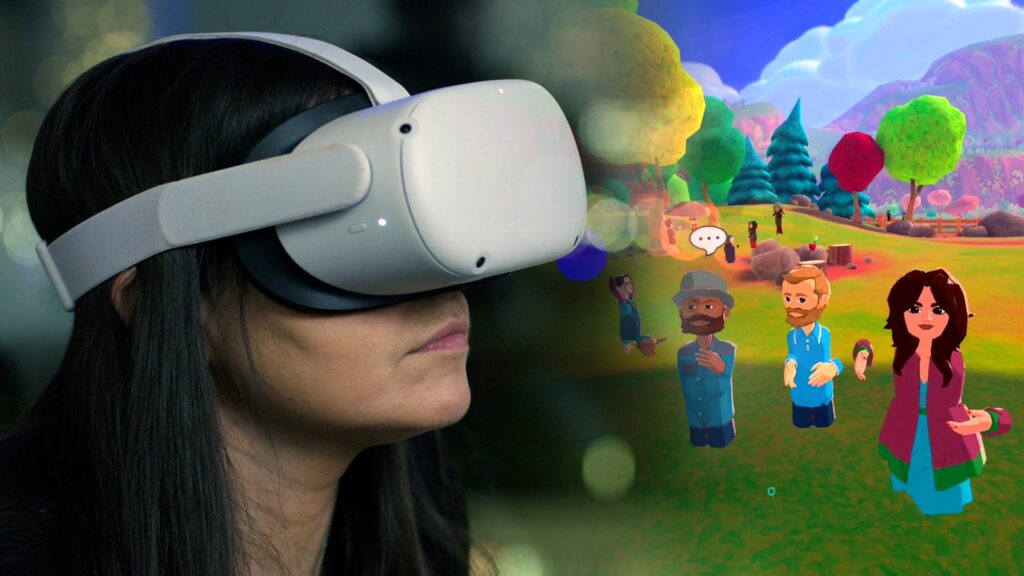
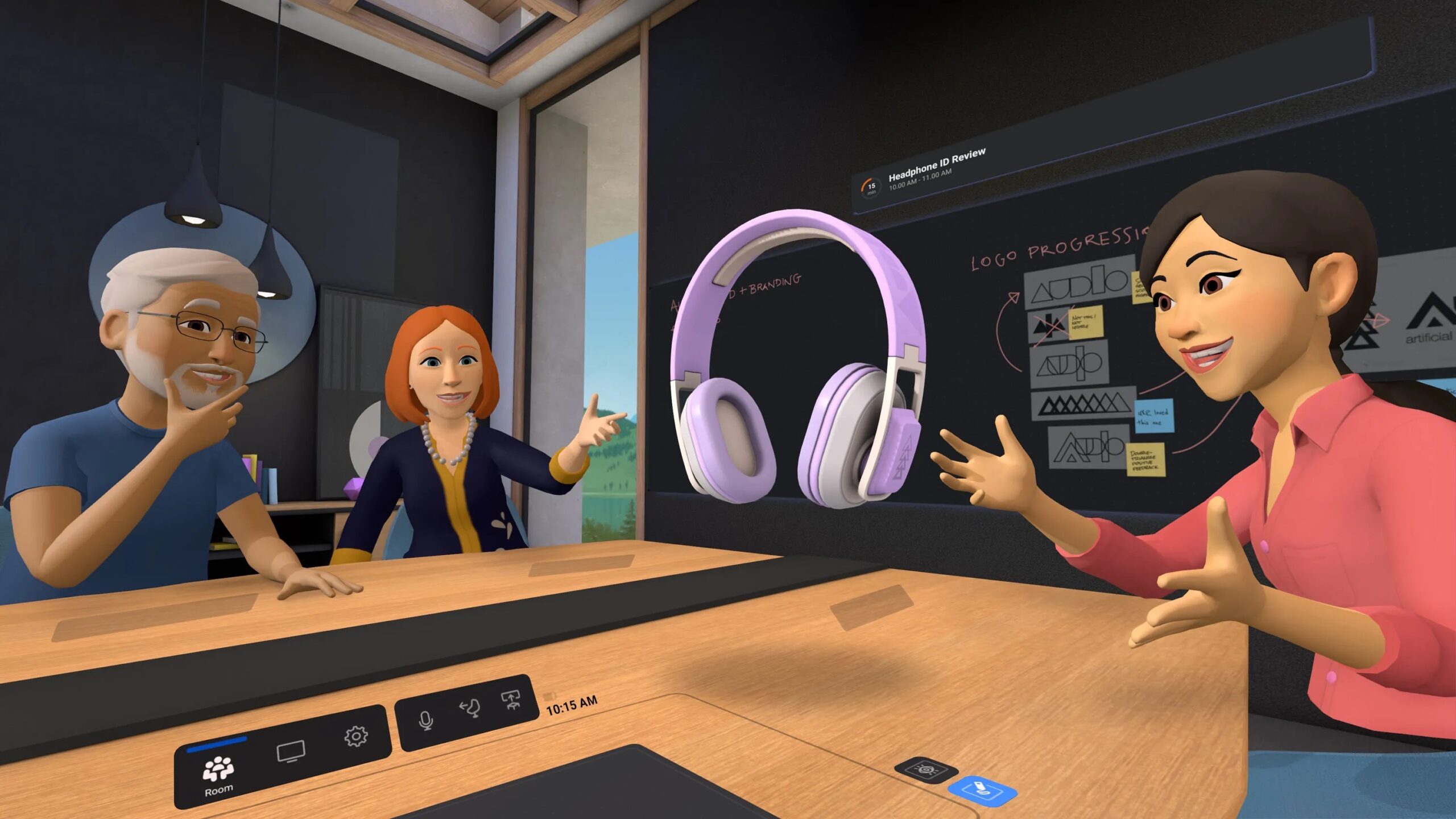
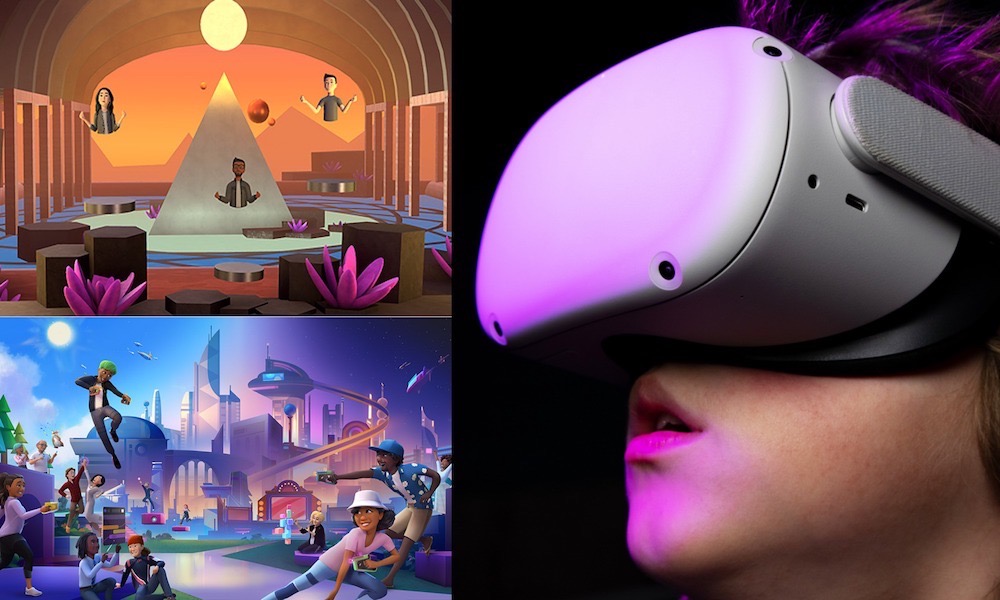
    Meta remains a frontrunner among virtual reality companies thanks to its Quest headset line and visionary work on the metaverse. Their continued investment in virtual environments for work, education, and gaming places them at the core of global VR expansion. Meta’s Horizon Worlds platform is gaining momentum, making VR collaboration feel real.


    2. HTC Vive

    Location: Taiwan
    Specialty: Enterprise VR, High-Fidelity Headsets

    HTC is a household name among top virtual reality companies, known for its Vive Pro and Vive XR Elite series. With crystal-clear graphics and enterprise-grade solutions, HTC targets professionals in architecture, healthcare, and training simulations. It’s clear they’re not just building gadgets—they’re building experiences.


    3. Sony Interactive Entertainment (PlayStation VR2)

    Location: Tokyo, Japan
    Specialty: Console VR Gaming

    Sony’s PlayStation VR2 is a revolution in console-based immersive gaming. With top-tier visuals, haptic feedback, and exclusive game titles, Sony cements its position among elite virtual reality companies worldwide. Gamers and developers alike flock to this ecosystem for its reliability and content depth.


    4. Magic Leap

    Location: Plantation, USA
    Specialty: Mixed Reality, Spatial Computing

    Though originally overhyped, Magic Leap has transformed into one of the most resilient virtual reality companies. Its focus now lies in enterprise applications, especially in medical and industrial environments. Their latest headset is lighter, smarter, and more aligned with real-world needs.


    5. Valve Corporation

    Location: Washington, USA
    Specialty: VR Gaming Hardware & Platforms

    Valve, the genius behind SteamVR and the Index headset, continues to be a VR innovator. Their open platform supports content developers, and their deep-rooted gaming culture has created one of the most immersive and user-loved ecosystems in the industry.


    6. Unity Technologies

    Location: San Francisco, USA
    Specialty: VR Development Engine

    Though not a headset maker, Unity is critical to virtual reality. It powers over 60% of all VR content, making it a linchpin among supporting virtual reality companies. Game developers, educators, and architects rely on Unity for interactive, responsive environments.


    7. Varjo Technologies

    Location: Helsinki, Finland
    Specialty: Human-Eye Resolution VR for Professionals

    Varjo specializes in high-end VR for industries like aviation, surgery, and car design. Known for their “human-eye” resolution, Varjo is the Ferrari of virtual reality headsets. They stand out in the premium segment of virtual reality companies and are trusted by big names like Boeing and Volvo.


    8. Pico Interactive (A ByteDance Company)

    Location: Beijing, China
    Specialty: Standalone VR Headsets for Entertainment & Enterprise

    Pico is ByteDance’s (TikTok’s parent) entry into VR and has already made a mark. Competing with Meta’s Quest, Pico delivers wireless, all-in-one VR that’s used in classrooms, offices, and living rooms. They’re aggressively expanding into Europe and the US, becoming a serious player among new-age virtual reality companies.


    9. Microsoft (HoloLens)

    Location: Redmond, USA
    Specialty: Mixed Reality, Enterprise Solutions

    With HoloLens 2, Microsoft bridges augmented and virtual reality for enterprise use cases. Its applications in manufacturing, defense, and remote assistance have made it a trusted name in industrial VR. Microsoft proves that virtual reality companies can also dominate in mixed reality.


    10. ImmersiveTouch

    Location: Chicago, USA
    Specialty: Surgical Training & Simulation

    This medical-focused VR company is transforming how surgeons learn and prepare for procedures. Their interactive training simulations offer lifelike precision, helping improve patient outcomes. ImmersiveTouch is a shining example of virtual reality companies enhancing healthcare.


    11. EON Reality

    Location: Irvine, USA
    Specialty: Education and Workforce Development

    EON Reality creates scalable VR content for schools and training centers. With its XR platform and AI-powered content generation, EON empowers educators and HR departments to create their own immersive lessons—without needing to code.


    Emerging Trends Driving Virtual Reality Companies Forward

    Here are the top trends accelerating the growth of virtual reality companies in 2025:

    • AI Integration: Merging machine learning with VR for smarter simulations and adaptive learning.
    • 5G & Cloud VR: Enhancing mobility and real-time interaction through faster, low-latency networks.
    • Cross-Platform Tools: Building unified experiences across PC, mobile, AR, and VR devices.
    • Workplace Metaverse: VR is now integral to remote collaboration, HR training, and virtual hiring.
    • Sustainability: VR is reducing travel and material waste in industries like real estate and education.

    Why Virtual Reality Companies Are Crucial Today

    From transforming how students learn to how surgeons practice or architects visualize, virtual reality companies are unlocking capabilities we never thought possible a decade ago. They are leading the charge toward a more interactive, immersive, and intelligent world.


    Short Note on IT Virtual Reality

    IT virtual reality is the intersection of immersive tech and information systems. It focuses on implementing VR into enterprise IT infrastructures—be it for training simulations, product visualization, remote tech support, or immersive customer experiences. As more organizations undergo digital transformation, IT virtual reality is becoming the new norm in innovation-driven sectors.


    Conclusion: Powering the Future with Virtual Reality Companies & AI Buzz

    The companies listed above are just the tip of the iceberg. As VR continues to evolve, the demand for immersive solutions will skyrocket, and more players will enter the scene. But one thing remains clear—virtual reality companies are no longer experimental ventures. They’re the core of tomorrow’s digital world.

    At AIBuzz, we understand the value of partnering with visionary technologies. Our IT and Tech Services are crafted to align with emerging innovations, including virtual reality integration, cloud solutions, and AI transformation. Whether you’re a business aiming to create a VR product or simply looking to modernize your IT infrastructure, AIBuzz is your go-to innovation partner.

    Let’s create the future—one immersive experience at a time.


  • 7 Powerful Reasons Why Sony Virtual Reality is Dominating the Future of Gaming in 2025

    7 Powerful Reasons Why Sony Virtual Reality is Dominating the Future of Gaming in 2025


    Introduction: Entering the New Age of Immersion

    The evolution of gaming has reached an electrifying milestone with Virtual Reality taking center stage in 2025. Blending jaw-dropping visuals, real-time motion tracking, and deeply immersive audio, it Sony Virtual Reality is redefining how we experience entertainment, social interaction, and even education. This blog dives deep into why this VR platform is making waves, its future potential, and how it’s carving its place in the competitive tech world.


    1. Sony’s Bold Leap: From PlayStation to Next-Gen VR

    Sony, renowned for its innovation, has transformed its VR ecosystem beyond gaming. Starting with the original PlayStation VR headset, it Sony Virtual Reality has since evolved into a high-powered, standalone system that brings cinematic clarity and intuitive control to users. Its 4K HDR displays, haptic feedback controllers, and lightning-fast tracking make it a powerhouse in virtual reality tech.

    What makes it Sony Virtual Reality shine is its seamless compatibility with the PS5 and a rapidly growing library of VR-optimized games. Titles like Horizon Call of the Mountain and Gran Turismo 7 VR provide not just gameplay—but a completely embodied experience.


    2. Power Meets Comfort: The New Headset Design

    Gone are the days of bulky, tethered gear. The latest iteration of it Sony Virtual Reality is both lightweight and ergonomically designed, reducing fatigue during extended sessions. Featuring a balanced center of gravity and adjustable lens separation, the headset caters to a wide range of users, making VR more accessible than ever.

    Sony has also integrated advanced inside-out tracking, eliminating the need for external sensors while enhancing motion precision. This development is a game-changer, especially for casual users and professionals looking for plug-and-play simplicity.


    3. The Visual & Audio Marvel Behind It

    It Sony Virtual Reality’s OLED display offers over 2000×2040 resolution per eye, delivering stunning detail and vibrant colors. Motion blur and latency, once major hurdles in VR, are practically nonexistent thanks to a 120Hz refresh rate and reduced response times.

    Complementing the visuals is Sony’s signature 3D Tempest AudioTech, which lets users hear minute details like whispering winds or approaching footsteps from pinpointed directions. This spatial sound system doesn’t just enhance gaming—it makes virtual environments feel genuinely alive.


    4. A Universe of Experiences Beyond Gaming

    While gaming remains a major focus, it Sony Virtual Reality is venturing far beyond. Educational simulations, virtual concerts, immersive fitness programs, and collaborative workspaces are all part of Sony’s vision. Applications like TRIPP VR (for mental wellness) and Moss VR (educational gaming) highlight the platform’s versatility.

    Sony’s recent partnerships with universities and medical institutions for virtual training environments underscore how VR is revolutionizing industries, not just entertainment. The use cases continue to grow, solidifying Sony’s leadership in immersive tech.


    5. Multiplayer Magic: Social VR Done Right

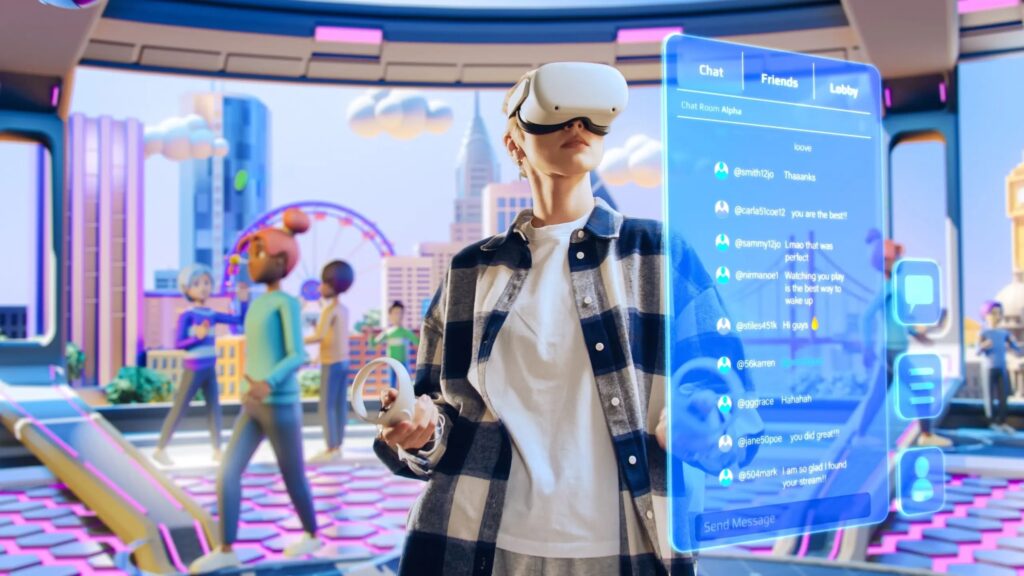
    Sony has recognized the growing demand for social connectivity in virtual spaces. Through platforms like VRChat and Rec Room, users can meet friends, attend events, or explore worlds together in real time. It Sony Virtual Reality’s low-latency streaming and advanced avatars make these interactions feel natural and expressive.

    The ability to engage with others globally in shared experiences adds a new dimension to virtual living—blurring the lines between physical and digital socializing.


    6. Developer-Friendly Innovation: Building the Future

    Sony’s open invitation to indie and AAA developers alike is key to its VR platform’s expansive growth. The newly enhanced VR SDK for Unity and Unreal Engine allows creators to develop high-performance, immersive games and apps that leverage the full potential of it Sony Virtual Reality.

    The company also provides extensive documentation, testing tools, and financial backing for VR startups. This support ensures a steady flow of high-quality content for users and accelerates innovation across the VR landscape.


    7. Competitive Pricing & Accessibility

    One of the most impressive aspects of it Sony Virtual Reality is its balance between premium features and affordability. While many high-end VR systems are priced out of reach for average consumers, Sony offers tiered options to suit different budgets—without compromising on core performance.

    Bundled packages with popular games, regular discounts, and compatibility with existing PlayStation hardware make it easier for families, students, and casual gamers to dive into virtual reality.


    A Quick Look: What is Sony Virtual Reality?

    In short, it Sony Virtual Reality refers to Sony’s dedicated suite of VR products and experiences—primarily designed for the PlayStation platform but increasingly evolving into a standalone ecosystem. It combines immersive visuals, adaptive controls, spatial audio, and cross-functional applications in gaming, education, social networking, and professional training.

    From blockbuster gaming titles to serene mindfulness apps, Sony Virtual Reality offers users a deeply engaging, high-fidelity portal into digital worlds—whether for fun, learning, or productivity.


    The Future Vision: What’s Next for Sony VR?

    With AI integration, improved cloud rendering, and enhanced biometric feedback systems on the horizon, it Sony Virtual Reality is gearing up for a paradigm shift. We’re likely to see:

    • Full-body tracking via wearable sensors.
    • AI companions that evolve with user interaction.
    • AR/VR hybrid devices for seamless switching between real and virtual environments.
    • Holographic interfaces in collaboration with Sony’s imaging division.

    Sony’s roadmap reflects a bold, user-centric approach—ensuring it remains a leader in immersive innovation.


    Final Thoughts: Why Sony Virtual Reality is Worth the Hype

    With an exceptional blend of design, performance, and accessibility, it Sony Virtual Reality is setting new benchmarks in immersive technology. Whether you’re a hardcore gamer, a VR enthusiast, or simply curious about virtual experiences, Sony’s ecosystem offers something extraordinary.

    The combination of powerful hardware, stunning visuals, deep content libraries, and forward-thinking features makes it Sony Virtual Reality more than just a gadget—it’s a gateway to the future.


    Conclusion: Why AI Buzz is Your Go-To for IT and Tech Services

    At AIBuzz, we’re passionate about emerging tech that transforms how people live, play, and work. Whether you’re looking to integrate immersive platforms like it Sony Virtual Reality into your digital ecosystem or need expert solutions in IT and Tech Services, we’ve got you covered. Our team delivers customized, scalable, and future-proof services to keep you ahead in a fast-evolving tech world.

    Let’s build the future—together.

  • 7 Transformative Benefits of Mixed Reality Education for Future-Ready Learning

    7 Transformative Benefits of Mixed Reality Education for Future-Ready Learning

    Introduction:

    Welcome to the future of learning! Mixed reality education is transforming how students engage with content, educators present information, and institutions redefine their teaching models. As technology rapidly evolves, traditional classroom models are being enhanced—and in some cases, replaced—by immersive, interactive platforms that empower deeper understanding and engagement.

    This blog explores how mixed reality education is reshaping the academic landscape, the benefits it offers, real-world applications, and why it’s an essential tool for 21st-century learning. Whether you’re an educator, policymaker, parent, or tech enthusiast, you’ll see how this powerful educational evolution is lighting up classrooms around the world.


    What Is Mixed Reality? A Quick Primer

    Mixed reality (MR) blends the physical and digital worlds to produce environments where real and virtual elements co-exist and interact in real-time. It sits between virtual reality (VR)—where everything is computer-generated—and augmented reality (AR)—which overlays digital objects onto the real world.

    In education, mixed reality brings subjects to life. Imagine students walking through the Roman Colosseum during a history lesson or dissecting a virtual frog with real-time feedback—without the mess or the cost.


    Why Mixed Reality Education Matters Now

    The global education sector has faced incredible disruption in the past few years. With a rise in remote and hybrid learning, institutions have turned to technology for meaningful engagement. Mixed reality education emerges as a powerful response, creating rich, interactive experiences that deepen understanding, inspire curiosity, and personalize learning.

    From K-12 classrooms to university laboratories, MR tools allow students to experience lessons, not just observe them. This hands-on engagement fuels curiosity, retention, and problem-solving skills.


    1. Enhanced Engagement & Attention Span

    Traditional lectures and textbooks can’t always hold a student’s attention. But mixed reality education offers vivid, 3D simulations that stimulate all senses and keep learners absorbed. Instead of passively watching a screen, students interact with educational content in an active, sensory-rich environment.

    Studies show that learners in immersive settings can retain information 33% more effectively than in traditional classrooms. That’s a game-changer for struggling students and gifted learners alike.


    2. Breaking Down Complex Concepts

    Subjects like physics, biology, and chemistry often involve abstract or invisible phenomena. Mixed reality education allows students to manipulate atoms, simulate biological systems, or visualize planetary orbits—all in a virtual setting.

    By making the intangible visible, mixed reality fosters better conceptual clarity and gives learners more confidence in tackling difficult subjects.


    3. Personalized and Adaptive Learning Paths

    Every student learns differently. Mixed reality platforms can adapt to individual needs, offering personalized feedback, pacing, and content delivery. Whether it’s language learning or advanced mathematics, MR systems analyze progress and adjust accordingly.

    This personalized approach leads to increased autonomy, better self-assessment, and ultimately, higher academic performance.


    4. Collaboration Across Boundaries

    Imagine a classroom where students in India collaborate in real-time with peers in Germany to solve global climate issues—using the same mixed reality simulation. MR education encourages global collaboration, breaking geographical and cultural boundaries.

    Such immersive learning spaces promote teamwork, communication, and cross-cultural understanding—essential skills in today’s globalized world.


    5. Safe Simulations for High-Risk Training

    In fields like medicine, aviation, or engineering, real-life training can be expensive—or risky. Mixed reality education provides realistic simulations where learners can make mistakes safely, gain experience, and build confidence.

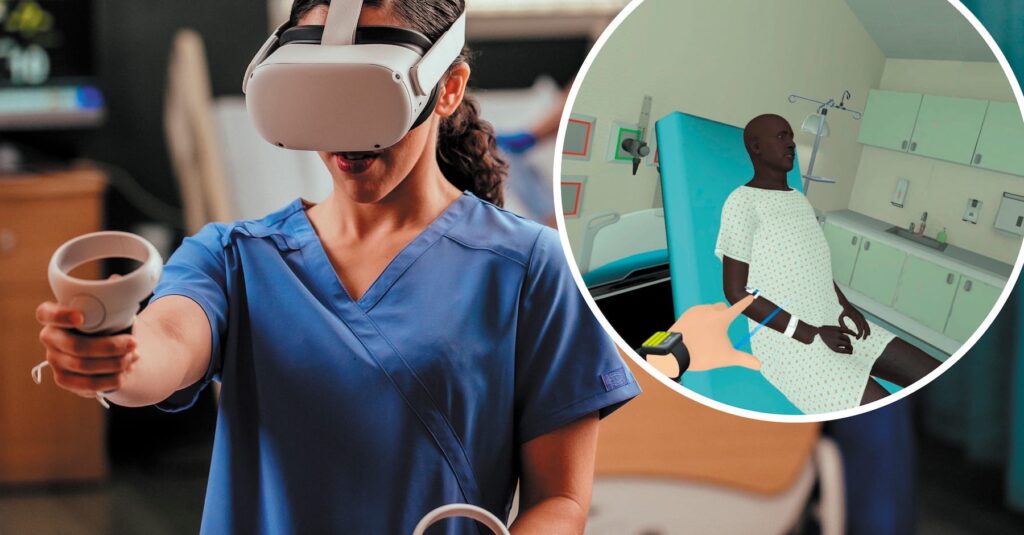
    Medical students can perform virtual surgeries, engineering students can build and test bridges, and pilots can train in digital cockpits. All this happens in a controlled, risk-free environment that still feels incredibly real.


    6. Cost-Effective in the Long Run

    Although the initial investment in MR hardware and software may seem high, the long-term cost savings are significant. Educational institutions save on lab equipment, field trips, and material resources. MR content is also scalable—usable across many subjects and grade levels.

    As technology becomes more accessible, mixed reality education is set to democratize high-quality learning for students from all socioeconomic backgrounds.


    7. Real-Time Assessment and Feedback

    Teachers can instantly monitor student interaction within the MR environment. From understanding how long a student spends on a task to identifying patterns in mistakes, educators get real-time analytics that support data-driven instruction.

    Students also benefit from immediate feedback and can re-engage with content until mastery is achieved, fostering self-directed learning and accountability.


    Real-World Applications of Mixed Reality in Education

    1. Medical Schools use mixed reality to train students in anatomy and surgery.
    2. Architecture Programs allow students to walk through virtual building designs.
    3. Vocational Training incorporates MR to simulate machinery operations.
    4. STEM Subjects come alive with interactive simulations and virtual experiments.
    5. Language Learning utilizes MR environments for immersive conversational practice.

    Across all educational levels and disciplines, mixed reality education is no longer a concept of the future—it’s happening now.


    Challenges and Considerations

    While the benefits are clear, implementing mixed reality education also comes with its challenges:

    • Infrastructure requirements: Reliable internet, headsets, and space are necessary.
    • Training for educators: Teachers need to be comfortable with the technology.
    • Cost barrier: Not all schools can afford the upfront investment—yet.

    Despite these hurdles, governments and edtech companies are collaborating to scale MR access, especially in underserved regions.


    The Future Is Immersive

    As 5G, AI, and edge computing continue to develop, the next generation of mixed reality education will be more intuitive, immersive, and accessible. We’re moving toward holographic classroomsAI-powered tutors, and hyper-realistic simulations that replicate real-world scenarios.

    From enabling neurodiverse students to helping underserved communities access elite-level education, MR offers a powerful solution to some of education’s most persistent problems.


    Final Thoughts: The Power of Mixed Reality Education

    Mixed reality education is no longer just a buzzword—it’s a revolution. By making learning more engaging, interactive, personalized, and practical, MR is unlocking human potential like never before. Institutions that embrace this shift early will shape the future of education, preparing students for careers and challenges we’ve yet to imagine.

    If you’re an educator, policymaker, or parent, now is the time to explore how mixed reality education can be integrated into your learning ecosystem.


    Conclusion: Power Up with AIbuzz

    At AIBuzz, we’re passionate about helping institutions and organizations adopt cutting-edge technologies like VR realityto transform learning environments. Whether you’re interested in building virtual classrooms or integrating MR tools into your curriculum, we can support your transition into the future of education. Let’s redefine how the world learns—one immersive experience at a time.


  • 10 Game-Changing Reasons Virtual Reality Fitness Will Skyrocket Your Health in 2025

    10 Game-Changing Reasons Virtual Reality Fitness Will Skyrocket Your Health in 2025


    In a world where technology is redefining how we work, play, and connect, fitness has undergone a digital revolution of its own. Welcome to Virtual Reality Fitness — the electrifying fusion of immersive gaming and physical movement that’s turning living rooms into full-blown workout studios. As we sprint into 2025, this fitness trend is no longer just a futuristic fantasy; it’s a thriving wellness lifestyle embraced by millions.

    Whether you’re bored with traditional workouts or looking for a new way to meet your fitness goals, virtual reality fitness is here to ignite your inner athlete and elevate your well-being to levels you never imagined.

    Let’s dive into the 10 powerful reasons why virtual reality fitness is the future of health — and why you should be a part of it.


    1. Immersive Motivation: No More Boring Workouts

    Gone are the days of staring at a blank wall on a treadmill. Virtual reality fitness transforms your exercise routine into thrilling quests, dance battles, and adrenaline-pumping challenges. With immersive environments and real-time interaction, VR workouts are anything but boring.

    Whether you’re climbing snowy peaks, boxing an opponent, or dancing to high-energy beats, the experience is so engaging that you’ll forget you’re burning calories.


    2. Accessibility for All Fitness Levels

    One of the most remarkable aspects of virtual reality fitness is its inclusive design. From beginners looking to shed a few pounds to seasoned athletes aiming to stay sharp, VR workouts cater to all levels.

    Adjust difficulty, set personalized goals, and progress at your own pace. The technology adapts to your needs — ensuring everyone has a path to wellness.


    3. Real-Time Feedback and Tracking

    Fitness without feedback is like driving without a dashboard. Thankfully, virtual reality fitness platforms offer detailed analytics, performance tracking, and real-time feedback on your form, stamina, and effort.

    With integrated heart rate monitors, calorie counters, and motion tracking, you can see exactly how hard you’re working — and where to improve.


    4. Mental Health Boost: More Than Just Muscles

    Let’s not forget the powerful mind-body connection. Virtual reality fitness isn’t just about burning fat; it’s also a dynamic way to reduce stress, combat anxiety, and boost mental clarity.

    Many VR programs include calming meditations, yoga sessions, and nature-based escapes that help balance your mental state while staying physically active. It’s wellness in every sense of the word.


    5. Social Connectivity in a Virtual Gym

    Fitness is more fun with friends. Virtual reality fitness platforms allow you to join live workout classes, compete on global leaderboards, or challenge your bestie to a dance-off — all in real-time.

    You’re never alone in the metaverse gym. This digital social layer adds accountability, encouragement, and excitement to every sweat session.


    6. Customizable Environments for Ultimate Focus

    Distractions are the enemy of progress. But with VR, you control the setting — whether it’s a serene mountain, a futuristic dojo, or a neon-lit dance floor.

    These immersive environments allow you to stay focused, fully engaged, and free from external interruptions. It’s your world. Your workout.


    7. Cost-Effective Fitness Solution

    Gym memberships, equipment, personal trainers — the traditional fitness journey can be expensive. Virtual reality fitness, on the other hand, is a one-time investment in hardware plus access to various free or low-cost apps.

    In the long run, it’s more affordable than most gym subscriptions, and you’re saving time and travel too.


    8. Gamified Goals = Higher Engagement

    VR workouts tap into the power of gamification — a proven technique for increasing motivation and consistency. You earn points, unlock levels, and achieve goals in a way that’s rewarding and exciting.

    Instead of dreading your next workout, you’ll look forward to conquering new milestones. That’s what keeps you coming back.


    9. Incredible Variety of Workouts

    Whether you love HIIT, boxing, yoga, dance, or obstacle courses, virtual reality fitness platforms offer an extensive range of workout styles. Apps like Supernatural, FitXR, and Les Mills Bodycombat bring world-class programs to your living room.

    With fresh content dropping regularly, you’ll never feel stuck in a routine.


    10. Safe, Private, and Convenient

    Feel self-conscious at the gym? Dealing with bad weather? Limited on time? VR solves all these problems. You can work out anytime, anywhere, with total privacy.

    And since you’re in full control of the intensity, it’s easy to exercise safely — especially important for beginners or those recovering from injury.


    A Quick Word on Mixed Reality: Bridging Real and Virtual Workouts

    Mixed reality — the blending of digital and physical environments — is taking fitness a step further. Unlike pure VR, mixed reality allows you to see your surroundings while overlaying virtual elements.

    This opens up new possibilities for hybrid workouts: imagine doing jumping jacks while digital arrows guide your form or shadowboxing in your room while fighting virtual opponents who dodge your every move. Mixed reality is the bridge between traditional training and the immersive future — and it’s evolving fast.


    Real-World Examples: Who’s Leading the VR Fitness Charge?

    • Meta Quest & Supernatural: With scenic workouts guided by elite coaches, this combo is redefining at-home cardio.
    • Pico 4: This rising VR headset is gaining popularity in the fitness space for its lightweight design and compatibility with top workout apps.
    • FitXR: Offers HIIT, boxing, and dance with multiplayer features and expert-led sessions.
    • Holofit: Combines rowing machines and bikes with virtual environments for an unforgettable cardio experience.

    The tech is here. The content is amazing. And the impact is real.


    The Future of Fitness Is Virtual

    With better hardware, smarter software, and growing adoption, virtual reality fitness is only going to get bigger. We’re entering a world where gyms, trainers, and workout routines are becoming digital — accessible to everyone, anywhere.

    VR fitness is more than a tech fad; it’s a lifestyle revolution that combines fun, health, and motivation like never before.


    Conclusion: A New Era of Fitness and Tech with Aibuzz

    At Aibuzz, we believe in shaping the future of health through smart technology, and virtual reality fitness is one of the most exciting frontiers. We’re committed to helping users, developers, and businesses tap into the full potential of immersive technologies — from fitness to enterprise and beyond.

    We’re also passionate about how virtual reality connects with broader tech landscapes like big data, allowing you to monitor your workouts, analyze performance trends, and optimize fitness journeys like never before.

    Ready to take your health to the next level? Step into the world of virtual reality fitness — and let AIBUZZ help you build the future you envision.

  • 7 Powerful Reasons Why Pico 4 Mixed Reality Is Revolutionizing Immersive Tech in 2025

    7 Powerful Reasons Why Pico 4 Mixed Reality Is Revolutionizing Immersive Tech in 2025


    Introduction: A New Dawn in Immersive Technology

    The world of immersive tech is evolving at lightning speed, and at the forefront of this revolution is the Pico 4 Mixed Reality headset. With 2025 shaping up to be the most transformative year yet for extended reality (XR), Pico 4 mixed reality is winning hearts, minds, and wallets. Lightweight, powerful, and affordably priced, this headset combines augmented and virtual environments into an unforgettable experience.

    In this blog, we’ll explore seven powerful reasons why Pico 4 mixed reality is making headlines, thrilling users, and reshaping industries. Whether you’re a gamer, educator, developer, or business leader, there’s something in Pico 4’s mixed reality universe for you.


    What is Mixed Reality? (Short Explanation)

    Mixed Reality (MR) refers to the seamless blend of physical and digital worlds. Unlike virtual reality (VR), which immerses users in a completely virtual space, or augmented reality (AR), which overlays virtual elements onto the real world, mixed reality combines both. Through spatial mapping, depth sensing, and real-time interaction, users engage with both real and virtual objects, enabling more interactive and contextual experiences. The Pico 4 mixed realityheadset leverages this concept brilliantly.


    1. Stunning Visual Fidelity that Elevates Every Experience

    With dual 2.56-inch LCD screens and a 4K+ resolution, the Pico 4 mixed reality headset offers breathtaking visuals that transform ordinary interaction into cinematic brilliance. The pixel density, sharp color contrast, and fast refresh rates (up to 90Hz) ensure minimal motion blur and ultra-realistic rendering.

    Whether you’re walking through a virtual museum, participating in a 3D architectural design project, or attending a virtual training session, the visual immersion is positively magical.


    2. Sleek Comfort-First Design for Long Usage

    One of the top complaints with earlier XR headsets was the weight and discomfort. Not anymore. The Pico 4 mixed reality headset weighs just 295g (without straps) and is carefully balanced with a front-back design that eliminates pressure on your face. The result? You can wear it for hours without fatigue.

    Combined with an adjustable strap, breathable facial interface, and glasses-friendly design, it becomes a comfort-first companion for work or play.


    3. Advanced Inside-Out Tracking with 6DoF Precision

    For those unfamiliar with the term, 6 Degrees of Freedom (6DoF) means you can move forward/backward, up/down, and left/right—and also rotate along three perpendicular axes. The Pico 4 mixed reality headset supports full 6DoF thanks to its four wide-angle tracking cameras and advanced sensors.

    This means every step, jump, or lean you take in the real world is mirrored in the virtual space—with unmatched accuracy. It brings your mixed reality adventures to life in real time.


    4. Mixed Reality Passthrough for Enhanced Interaction

    The full-color passthrough feature in Pico 4 mixed reality is nothing short of impressive. Unlike previous black-and-white or pixelated passthroughs, this allows users to clearly see their surroundings while still interacting with digital elements.

    From interactive educational simulations to real-world gaming and workplace applications, this passthrough enables a natural coexistence of the real and virtual worlds. Imagine viewing your desktop screen floating mid-air or playing chess with a holographic opponent on your actual table—Pico 4 makes it possible.


    5. Developer-Friendly Ecosystem with Open SDKs

    What makes the Pico 4 mixed reality headset particularly exciting is its commitment to an open developer environment. With support for Unity, Unreal Engine, OpenXR, and more, the device encourages developers to push creative boundaries.

    The headset is not just for consumers—it’s a power tool for creators. Developers can build, test, and launch innovative MR applications ranging from training modules and medical simulations to immersive storytelling and virtual showrooms.


    6. Enterprise-Ready: Transforming Workspaces and Training

    The Pico 4 mixed reality headset isn’t just for entertainment. Businesses around the globe are adopting it for corporate training, remote collaboration, product design, and even healthcare.

    • Training simulations become more intuitive and safe.
    • Remote meetings feel more like in-person interactions.
    • Product prototypes can be explored in 3D before a single component is manufactured.

    The result? Better outcomes, cost efficiency, and a workforce equipped with 21st-century skills.


    7. Affordable Power for the Masses

    Despite its advanced features, the Pico 4 mixed reality headset remains surprisingly affordable, making it accessible to individuals, startups, and schools. It undercuts most high-end competitors while offering comparable—if not superior—performance.

    By lowering the entry barrier, Pico 4 has democratized mixed reality. Students can learn in interactive environments, indie developers can publish their own MR games, and families can explore the metaverse together—all without breaking the bank.


    Bonus: Ecosystem and App Support

    The headset offers a growing library of apps, games, productivity tools, and educational content through the Pico Store. Integration with SteamVR and cross-platform support ensures users are not limited to a single content source.

    In addition, the robust battery life of 2.5-3 hours and support for USB-C fast charging keeps users immersed longer without interruptions.


    Use Cases: Real-World Applications of Pico 4 Mixed Reality

    🔧 Manufacturing & Engineering

    Engineers can visualize machinery, simulate complex assembly tasks, and inspect virtual blueprints in a shared space.

    🏫 Education & Training

    Educators can create MR classrooms, enabling students to interact with 3D models and conduct virtual science experiments.

    🩺 Healthcare

    Doctors and medical students can practice surgeries, understand anatomy in 3D, and collaborate remotely.

    🏢 Architecture & Design

    Designers can walk clients through virtual buildings before construction begins, helping them make real-time changes.

    🎮 Gaming & Entertainment

    From MR escape rooms to fitness apps, the Pico 4 mixed reality platform offers thrilling ways to play and connect.


    User Feedback: What the Community is Saying

    “Pico 4 has changed the way I teach biology. My students dissect a virtual frog, not a real one!”
    — Rajiv Mehta, High School Teacher, Mumbai

    “Our company reduced training costs by 45% after switching to Pico 4 mixed reality. It’s a game changer.”
    — Laura Gibson, Corporate Trainer, UK

    “It’s sleek, smooth, and incredibly immersive. I use it to design furniture in my studio!”
    — Anna Yamaguchi, Interior Designer, Tokyo


    Conclusion: Step Into the Future with Confidence

    The Pico 4 mixed reality headset offers a compelling blend of performance, comfort, affordability, and versatility. Whether you’re an innovator, learner, or business leader, it provides an empowering platform to explore, create, and connect in bold new ways. As XR becomes the new normal, Pico 4 is leading the charge—beautifully, powerfully, and accessibly.


    Aibuzz: Your Partner in Mixed Reality and Big Data

    At Aibuzz, we specialize in cutting-edge technology—from mixed reality experiences to big data analytics that transform decision-making. Our team helps organizations harness immersive tech like Pico 4 mixed reality for training, development, and customer engagement. When paired with data-driven insights, your business doesn’t just adapt—it thrives. Connect with us to step into a smarter, more immersive future today.

  • Top 9 Game-Changing Benefits of Mixed Reality Software in 2025: Unlocking a Powerful Future

    Top 9 Game-Changing Benefits of Mixed Reality Software in 2025: Unlocking a Powerful Future


    Introduction

    In a world driven by constant innovation, Mixed Reality Software is emerging as a game-changer across industries—from gaming and healthcare to education and enterprise solutions. As we move deeper into 2025, the convergence of the physical and digital worlds is no longer a futuristic dream. It’s a present-day reality made possible by the seamless integration of mixed reality software, which bridges real and virtual environments using smart technology, cloud processing, and spatial computing.

    With the market projected to reach $84 billion by 2030, this is the perfect time to explore the powerful advantages of mixed reality software. In this blog, we’ll delve into nine phenomenal benefits that are elevating businesses and personal experiences alike. Plus, we’ll touch on how platforms like AIBuzz are transforming this ecosystem with their innovative solutions.

    Let’s dive into the transformative world of mixed reality software!


    What is Mixed Reality Software?

    Discover 9 powerful benefits of mixed reality software in 2025. Learn how AIBuzz is redefining industries with immersive MR & virtual reality solutions.

    Mixed reality software refers to digital platforms and applications that combine elements of both augmented reality (AR) and virtual reality (VR). Unlike AR, which overlays digital content onto the real world, or VR, which immerses users in a completely virtual environment, mixed reality (MR) allows real and virtual objects to interact in real-time.

    This software relies on cutting-edge sensors, AI, cloud integration, and advanced graphics engines to render digital content that seamlessly merges with our physical surroundings. Think of it as the best of both AR and VR—redefining how we work, play, and connect.


    A Quick Note on Virtual Reality

    Discover 9 powerful benefits of mixed reality software in 2025. Learn how AIBuzz is redefining industries with immersive MR & virtual reality solutions.

    Virtual reality (VR) is a fully immersive digital environment where users experience simulated scenarios through headsets or digital screens. Unlike MR, VR doesn’t involve the physical world. It’s used widely in gaming, training simulations, and design. While VR has laid the foundation, mixed reality software is the next evolution, making digital experiences more interactive and realistic by integrating them into our physical environment.


    Top 9 Game-Changing Benefits of Mixed Reality Software


    1. Next-Level Immersive Learning Experiences

    Educational institutions and corporate trainers are turning to mixed reality software to create immersive simulations and virtual classrooms. Imagine learning human anatomy by walking through a 3D holographic model of the human body or training for surgery through interactive mixed reality procedures. MR software boosts retention, increases engagement, and allows learners to understand complex concepts through visual interaction.


    2. Revolutionizing Remote Collaboration

    In a post-pandemic world, collaboration is more critical than ever. Mixed reality software empowers remote teams by providing 3D virtual workspaces, interactive holograms, and shared digital whiteboards. Users can visualize products, manipulate models, and interact with teammates from anywhere in the world—reducing travel costs and enhancing productivity.


    3. Unmatched Product Design and Prototyping

    Industries like automotive, aerospace, and architecture benefit immensely from mixed reality software. Designers and engineers can create, test, and refine prototypes in a mixed environment before committing to physical production. This cuts down costs, speeds up design cycles, and enhances team collaboration. Brands like Ford and Boeing have already integrated MR into their workflow.


    4. Transforming Retail and E-commerce

    The future of shopping is interactive. Using mixed reality software, retailers can offer virtual try-ons, 3D product previews, and in-store navigation. Customers can now “place” furniture in their homes using a headset or mobile app, leading to more informed buying decisions. This creates a dynamic shopping journey that blends fun with functionality.


    5. Enhanced Field Service and Maintenance

    Field technicians often deal with complex machinery and remote locations. Mixed reality software empowers them with real-time, hands-free guidance. Whether it’s a step-by-step repair overlay or a remote expert assisting through an MR interface, the software reduces downtime and increases accuracy. Industries like oil & gas, aviation, and utilities are already reaping the benefits.


    6. Breakthroughs in Healthcare and Therapy

    From surgical simulations to cognitive rehabilitation, mixed reality software is saving lives. Doctors can plan surgeries using 3D visualizations of patients’ anatomy. Therapists use MR experiences for mental health treatment, helping patients cope with PTSD or phobias. The result is a highly personalized and effective healthcare solution that blends empathy with technology.


    7. Elevating the Gaming and Entertainment Industry

    Gaming has always been at the forefront of immersive tech, and mixed reality software is taking it further. Players can interact with virtual characters in their real surroundings, enjoy 360° gameplay, and even play multiplayer games with friends in a shared mixed space. Entertainment companies are also using MR for concerts, live events, and cinematic experiences that break the fourth wall.


    8. Advanced Real Estate and Architecture Visualization

    Architects, builders, and real estate agents can use mixed reality software to showcase virtual walkthroughs of unbuilt structures. Clients can experience properties before construction begins, walk through floor plans, and interact with design elements in real-time. This minimizes costly redesigns and aligns expectations early on.


    9. Boosting Industrial Training and Safety

    Heavy industries often involve high-risk environments. Mixed reality software helps train workers in realistic yet safe scenarios. From operating heavy machinery to hazardous material handling, trainees get hands-on experience without real-world consequences. This reduces errors, improves response time, and ensures higher safety standards on the floor.


    Why Mixed Reality Software Is the Future

    The rise of mixed reality software marks a turning point in how we perceive digital transformation. It’s not just about adding flair to your operations—it’s about reinventing how humans interact with data, space, and each other. Businesses leveraging MR tech are seeing a solid ROI through enhanced training, streamlined operations, and richer customer experiences.

    And with the rise of 5G, cloud computing, and AI, mixed reality software will only become more scalable, affordable, and accessible. Whether you’re a startup exploring immersive marketing or a hospital looking to improve patient care, MR is the missing piece that can unlock powerful progress.


    Top Industries Using Mixed Reality Software in 2025

    Here’s a quick glance at who’s adopting mixed reality software and why:

    IndustryUse Case
    HealthcareSurgical training, patient treatment
    EducationVirtual labs, history walkthroughs
    AutomotiveDesign visualization, mechanic training
    ManufacturingRemote maintenance, machinery simulation
    Real EstateProperty walkthroughs, interior design
    RetailVirtual try-ons, digital showrooms
    EntertainmentImmersive concerts, interactive gaming
    Oil & GasHazardous training environments
    ArchitectureBlueprint visualization, stakeholder approval

    How to Choose the Right Mixed Reality Software

    If you’re planning to adopt MR in your business or project, here are a few tips for selecting the right mixed reality software:

    •  Cross-Platform Compatibility: Ensure the software works with different devices and operating systems.
    •  Real-Time Spatial Mapping: Accurate environmental understanding is crucial for seamless integration.
    •  Cloud Connectivity: Look for scalable solutions that integrate with your existing cloud infrastructure.
    •  User Experience: Intuitive UI/UX leads to faster adoption across your team.
    • Security & Compliance: Especially in healthcare or finance, data integrity matters.

    Popular platforms include Microsoft HoloLens, Unity Mixed Reality Toolkit, and Magic Leap SDK. However, a custom-built MR solution tailored to your business may offer the best results.


    Looking Ahead: The Road to a Mixed Reality World

    By 2025 and beyond, mixed reality software is poised to become as essential as mobile apps and cloud platforms. As artificial intelligence becomes more context-aware and devices become lighter and more powerful, MR will shape the way we experience everything—from our daily tasks to our wildest imaginations.

    We are heading toward a world where digital and physical realities are no longer separate—but one cohesive, blended experience.


    Conclusion: The Future is Here with AIBuzz

    At AIBuzz, we are proud to be at the forefront of this digital evolution. Our team of developers and innovators specializes in crafting robust mixed reality software solutions that are scalable, intuitive, and tailored to your business goals. Whether you’re an enterprise looking to train your workforce or a creative agency aiming to wow your audience, we bring your vision into a new dimension.

    We also lead in virtual reality, offering immersive experiences for education, gaming, healthcare, and more. Our VR and MR development services focus on data-driven environments, secure cloud integrations, and lifelike simulations—empowering you to step boldly into the future.

  • 7 Mind-Blowing Ways VR Virtual Reality Is Transforming the Digital World in 2025

    7 Mind-Blowing Ways VR Virtual Reality Is Transforming the Digital World in 2025

    Introduction: The Future Feels Real Now

    In 2025, the lines between the digital and physical worlds have never been blurrier—and more exciting—thanks to VR virtual reality. Once considered a futuristic dream reserved for sci-fi lovers and gaming geeks, VR has evolved into a powerful force reshaping industries, entertainment, education, and beyond. With hardware becoming more affordable, software more intuitive, and applications more immersive, this technology is now accessible and empowering individuals and businesses across the globe.

    This blog will explore seven mind-blowing ways VR virtual reality is revolutionizing our world, based on the latest developments, statistics, and inspiring use cases. Whether you’re a business leader, creative technologist, educator, or just curious about the future, this guide will unlock why 2025 is the year you should embrace the VR wave.

    Discover 7 powerful ways VR virtual reality is transforming industries in 2025—from gaming to healthcare. Step into the future with AiBuzz and mixed reality!

    1. Immersive Education Is Now the Norm

    Imagine a history class where students stand on the fields of ancient Rome or a science lecture held inside the human brain. Thanks to VR virtual reality, these are no longer daydreams. In 2025, thousands of schools and universities globally are integrating VR to create interactive, unforgettable learning experiences.

    Key Highlights:

    • Medical students are performing simulated surgeries in hyper-realistic environments.
    • History students walk through virtual museums curated from global collections.
    • Language learners are immersed in real-world VR scenarios for faster fluency.

    This technology doesn’t just teach—it transforms understanding and retention, making learning dynamic and inclusive.


    2. Remote Work Gets a 3D Upgrade

    Post-pandemic, the remote work trend exploded, but VR virtual reality is now taking it to the next level. With virtual offices, 3D collaboration spaces, and realistic avatars, teams scattered across continents feel like they’re sitting across from one another.

    Benefits for Businesses:

    • Enhanced productivity and reduced travel costs.
    • Real-time brainstorming in shared VR spaces using digital whiteboards.
    • Better employee engagement through interactive team-building experiences.

    The result? A more connected, collaborative, and creative workforce—without borders.


    3. Gaming Enters an Ultra-Real Era

    While VR gaming has been around for a while, 2025 is the breakout year for ultra-immersive gameplay. With haptic feedback suits, eye-tracking, and AI-driven storylines, players are no longer just controlling characters—they becomethem.

    Top Trends in VR Gaming:

    • MMORPGs with persistent VR worlds that feel like alternate lives.
    • VR escape rooms and puzzle games using spatial awareness.
    • Fitness games combining real workouts with fantasy adventures.

    Thanks to global tournaments, streaming VR gameplay, and social integrations, VR gaming is now a mainstream culture phenomenon.


    4. Healthcare Is More Human-Centric

    Discover 7 powerful ways VR virtual reality is transforming industries in 2025—from gaming to healthcare. Step into the future with AiBuzz and mixed reality!

    One of the most remarkable breakthroughs in VR virtual reality is its application in healthcare. Doctors, patients, and caregivers are using VR to manage pain, treat PTSD, conduct therapy, and simulate surgeries.

    Real-Life Impact:

    • Burn victims experience pain relief through VR-based meditation environments.
    • Therapists use exposure therapy in controlled virtual scenarios.
    • Surgeons practice rare or complex procedures with lifelike VR simulations.

    By making medical care more empathetic and personalized, VR is truly saving lives and improving the patient experience.


    5. Real Estate and Architecture Go Virtual

    Designing your dream home? Touring a luxury condo in New York while sitting in Delhi? VR virtual reality makes it happen. Real estate agencies and architects are using VR to offer interactive walkthroughs that help clients visualize spaces before they’re built.

    Use Cases:

    • Virtual home staging for better sales conversions.
    • Walkthroughs of off-plan projects, boosting buyer confidence.
    • 3D modeling changes made live during client meetings.

    This not only improves customer satisfaction but also reduces construction waste and costs through better planning.


    6. Retail and E-Commerce Reimagined

    With online shopping now the norm, consumers are craving more tactile, immersive experiences—and VR virtual reality delivers. Virtual showrooms, dressing rooms, and try-before-you-buy tools are transforming the way we browse and buy.

    Standout Innovations:

    • Virtual fitting rooms using avatars matched to real-world body dimensions.
    • Immersive product demos from electronics to furniture.
    • Interactive VR showrooms enhancing brand engagement.

    The outcome is higher conversion rates and a memorable customer journey that stands out in a crowded e-commerce space.


    7. Tourism and Travel Reborn Post-Pandemic

    COVID changed how we travel—but VR virtual reality is now enabling anyone to explore the world without leaving home. From virtual safaris to historical landmarks, VR tourism offers an eco-friendly, accessible alternative to physical travel.

    What’s Trending:

    • Guided VR tours by real-world experts.
    • Virtual travel subscription services.
    • Hybrid travel experiences mixing VR planning with real-life trips.

    This shift is democratizing travel, bringing the world to people’s living rooms—literally.


    The Metaverse: A Quick Dive Into the Future

    Discover 7 powerful ways VR virtual reality is transforming industries in 2025—from gaming to healthcare. Step into the future with AiBuzz and mixed reality!

    So what ties all of these applications together? Enter the metaverse—a vast, interconnected digital universe where users can socialize, work, learn, and play in real time. While still evolving, the metaverse is built on the foundations of VR virtual reality, augmented reality (AR), and blockchain.

    It’s more than just a buzzword. In 2025, major brands, governments, and creators are investing heavily in metaverse development, seeing it as the next frontier of digital interaction. Think of it as the internet, but experienced from the inside.


    Ethical Considerations and Challenges Ahead

    Despite its positive impact, VR isn’t without concerns:

    • Privacy and data security remain a top issue.
    • Overuse could lead to digital addiction or mental fatigue.
    • High-quality VR systems still require significant investment.

    However, these challenges are being met with innovative policies, improved tech, and ethical design thinking, ensuring VR grows responsibly and inclusively.


    Powering the Next Decade: Why 2025 Is the Turning Point

    We’re at a pivotal moment in tech history. The convergence of AI, 5G, cloud computing, and VR virtual reality is opening possibilities we once considered impossible. In 2025:

    • VR adoption is up by 38% year-over-year.
    • Over 500 Fortune 1000 companies use VR for training or customer service.
    • The VR industry market is projected to exceed $100 billion by 2026.

    What’s exciting is not just what VR can do now—but what it will do next.


    Conclusion: Step into the Future with AiBuzz and Mixed Reality

    The promise of VR virtual reality is no longer a distant dream—it’s a present-day powerhouse driving change across industries. With its growing accessibility and limitless potential, it’s the perfect time for businesses, educators, creators, and consumers to embrace the VR movement.

    At AiBuzz, we specialize in crafting cutting-edge mixed reality solutions that bridge the gap between physical and digital, enhancing every touchpoint in your digital transformation journey. Whether it’s training simulations, immersive brand experiences, or virtual collaboration platforms—we bring your vision to life with unmatched precision and creativity.

    Welcome to the future. Welcome to the new reality.


  • 9 Game-Changing Innovations in Metaverse Mixed Reality You Can’t Miss in 2025

    9 Game-Changing Innovations in Metaverse Mixed Reality You Can’t Miss in 2025

    Introduction: The Future Is Now with Metaverse Mixed Reality


    Welcome to a new era where digital dreams blend seamlessly with physical reality. The concept of metaverse mixed reality is no longer confined to science fiction — it’s reshaping how we interact, work, learn, and entertain ourselves. With immersive tech evolving at lightning speed, 2025 is the year the metaverse mixed reality becomes mainstream. In this blog, we’ll explore 9 game-changing innovations driving this revolution, why they matter, and how they’re transforming industries across the globe.

    Let’s dive deep into this captivating world where imagination meets innovation.


    What Is Metaverse Mixed Reality?

    Discover 9 game-changing innovations in metaverse mixed reality for 2025! From education to healthcare, explore how this powerful fusion of tech is transforming our world. Powered by AIbuzz.

    Metaverse mixed reality refers to the convergence of the metaverse — a shared, virtual digital universe — with mixed reality (MR), which blends physical and digital environments in real-time. Unlike pure virtual reality, which isolates users in digital spaces, metaverse mixed reality lets people interact with both real and virtual objects simultaneously. Think virtual meetings in your living room, AI-generated art on your wall, or shopping for a dress by virtually trying it on in your actual room.

    It’s the intersection of reality and virtual imagination — and it’s disrupting everything from social media and education to medicine and architecture.


    1. Holographic Collaboration: Transforming Remote Work

    One of the most exciting metaverse mixed reality breakthroughs in 2025 is holographic collaboration. Instead of staring at Zoom boxes, teams can now collaborate with 3D holograms of colleagues appearing in real-world environments.

    Microsoft Mesh, Meta Horizon Workrooms, and startups like Spatial are offering MR tools that allow real-time data sharing, virtual whiteboarding, and gesture-based communication — making remote work incredibly interactive and human.

    Companies are now saving costs on travel while increasing team productivity through dynamic, immersive MR spaces.


    2. Immersive Education & Virtual Campuses

    Education is undergoing a revolutionary shift, thanks to metaverse mixed reality. Virtual campuses are popping up across universities and ed-tech platforms, offering students global access to high-quality learning experiences.

    Imagine studying biology by walking through a 3D human heart, or history by visiting a virtual Ancient Rome reconstructed with stunning detail. MR allows educators to make abstract or complex subjects tangible and engaging.

    The result? Higher retention rates, interactive learning, and more inclusive education for remote or underserved learners.


    3. Retail Reinvented: Try Before You Buy

    Shopping experiences have become more personalized and immersive. Brands like Nike, IKEA, and Gucci are already using metaverse mixed reality to allow customers to try on clothes, shoes, and furniture — virtually in their own homes.

    Retailers are also building digital showrooms where avatars can interact with digital assistants, explore product features, and even get virtual style tips. This tech not only boosts customer satisfaction but also reduces returns, making retail greener and smarter.


    4. Next-Gen Entertainment & Events

    Concerts, sporting events, and gaming have entered a new dimension. In 2025, users attend metaverse-based concerts from artists like Ariana Grande or BTS through mixed reality portals in their homes.

    Mixed reality enhances the fan experience by overlaying special effects, virtual merchandise booths, and backstage passes on top of real-world environments. Gaming, too, has reached unprecedented levels — where players physically move, jump, and interact with 3D elements mapped onto their surroundings.

    Metaverse mixed reality is making entertainment more inclusive, personalized, and unforgettable.


    5. Smart Cities & Digital Twins

    Governments and architects are leveraging metaverse mixed reality to build smarter, more efficient cities. By creating “digital twins” — real-time 3D simulations of urban environments — planners can test infrastructure, analyze traffic flow, and prepare for natural disasters before they happen.

    MR enables immersive walk-throughs of buildings pre-construction, helping decision-makers catch design flaws early. Maintenance teams can also use AR overlays for real-time data on power grids, sewage systems, and public transport.

    This fusion of virtual insight and physical space is saving cities billions.


    6. Healthcare Reimagined with Precision and Empathy

    Surgeons now practice complex procedures using MR simulations of human anatomy, leading to better outcomes. Mixed reality is also improving telemedicine — where doctors can appear as holograms and walk patients through treatment procedures.

    In mental health, therapists use virtual simulations to help patients overcome phobias, anxiety, and PTSD in a safe yet realistic environment.

    Metaverse mixed reality delivers healthcare with precision, empathy, and accessibility.


    7. Personal Avatars and Digital Identity

    Your digital twin in the metaverse mixed reality world isn’t just a cartoonish avatar anymore. In 2025, hyper-realistic avatars replicate your gestures, facial expressions, and even emotional responses using AI.

    These avatars can attend meetings, go shopping, learn new skills, or even perform customer support on your behalf — blurring the line between physical presence and virtual participation.

    This opens up a new era of human-digital symbiosis.


    8. Training & Simulations That Stick

    Industries such as aviation, manufacturing, and defense are embracing MR-based training simulations. Employees can train in high-risk environments — like oil rigs or nuclear plants — without facing real danger.

    Thanks to haptic feedback and spatial sound, trainees develop muscle memory and situational awareness far faster than with traditional e-learning.

    This form of experiential learning is making workplaces safer and more competent, cutting costs while boosting retention.


    9. Decentralized Social Platforms & Virtual Economies

    The next wave of metaverse mixed reality is fueled by blockchain and decentralized technologies. Social platforms are emerging that let users build, monetize, and control their own virtual spaces.

    Digital real estate, NFTs, and virtual currencies are creating full-fledged economies where people can buy land, run businesses, or host events — all in a hybrid space of mixed reality.

    This empowers creators and communities, reducing dependency on big tech while promoting digital freedom.


    The Metaverse: A Short Explainer

    The metaverse is a digital universe that mimics and expands real-world experiences using 3D environments, virtual avatars, and real-time interactions. It’s persistent, decentralized, and user-driven — enabling people to live, work, and socialize in immersive digital landscapes.

    Combined with mixed reality, the metaverse breaks down barriers between what’s real and what’s imagined — creating a world where the two exist in harmony.


    Challenges Ahead — and the Road Forward

    While the possibilities of metaverse mixed reality are exhilarating, challenges remain. Issues of data privacy, digital addiction, hardware limitations, and equitable access must be addressed.

    However, the good news is that leading tech giants, startups, regulators, and users are collaborating to create responsible and inclusive virtual spaces. The momentum is unstoppable, and the innovation is just beginning.


    Conclusion: Step into the Future with AIbuzz

    Metaverse mixed reality is unlocking the next level of human experience — one where boundaries blur, creativity flows, and innovation thrives. From education and healthcare to entertainment and commerce, it’s driving transformation across every industry.

    At AIbuzz, we’re passionate about building immersive, intelligent, and secure mixed reality solutions that help businesses thrive in this evolving metaverse landscape. Our expert teams deliver tailored MR experiences that are scalable, interactive, and future-ready.

    Get in touch with AIbuzz today — and start creating in a world where reality meets imagination.

  • 7 Game-Changing Benefits of Virtual Reality Systems in 2025 That Will Blow Your Mind

    7 Game-Changing Benefits of Virtual Reality Systems in 2025 That Will Blow Your Mind


    Introduction: A Bold New Digital Frontier

    In 2025, the digital landscape is buzzing with innovation—and at the center of this buzz are virtual reality systems. Once considered science fiction, VR has rapidly evolved into a practical, immersive tool across industries. These systems offer a new way to perceive, interact, and even feel digital content. Whether it’s learning in a virtual classroom, diagnosing patients in a simulated hospital, or touring a property without leaving your couch, virtual reality systems are reshaping our everyday experiences.

    So why is the world betting big on VR in 2025? Let’s dive into the 7 game-changing benefits of virtual reality systemsthat are powering this positive tech revolution.


    What Are Virtual Reality Systems?

    Explore how virtual reality systems are transforming industries in 2025 with groundbreaking benefits in education, healthcare, and business. Learn how VR technology is reshaping digital experiences.

    Virtual reality systems refer to technologies that simulate real or imaginary environments, allowing users to interact in a fully immersive 3D space. Using headsets, motion controllers, and sensory feedback devices, VR systems can transport users to different realities—from deep sea exploration to Martian landscapes.

    These systems typically include:

    • A VR headset or head-mounted display (HMD)
    • Audio and motion tracking systems
    • Software and hardware integration for interactive content

    VR is not just entertainment anymore; it’s a powerful tool that combines software, hardware, and real-time analytics to create transformative digital experiences.


    1. Immersive Education: Learning Without Borders

    In 2025, virtual reality systems have completely transformed the education sector. Forget blackboards and whiteboards—students now explore the Great Wall of China in history class or dissect a virtual frog in biology without touching a scalpel.

    Key educational benefits include:

    • Real-time collaboration in shared virtual classrooms
    • Higher engagement and knowledge retention
    • Accessibility for remote and underprivileged learners

    Virtual reality systems make learning fun, safe, and interactive. It’s no wonder they’re being called the future of global education.


    2. Advanced Healthcare Training and Patient Care

    Doctors and nurses no longer need to rely solely on cadavers or mannequins for practice. Virtual reality systems allow for hyper-realistic simulations that mimic surgeries, emergencies, and rare conditions.

    In hospitals, VR helps with:

    • Training surgical teams in high-risk scenarios
    • Phobia treatment using exposure therapy
    • Pain distraction therapy for burn victims and children

    Even patients with PTSD and anxiety are finding relief through tailored VR experiences. The ability to control environments and stress factors makes VR a vital companion in modern medicine.


    3. Revolutionizing Business Collaboration and Remote Work

    The rise of hybrid work has triggered a demand for better remote collaboration tools. Virtual reality systems deliver just that—letting remote teams brainstorm in 3D whiteboard rooms or conduct product demos as if they were in the same space.

    Business applications of VR include:

    • Virtual boardrooms and conferences
    • Interactive product design
    • Virtual sales meetings and trade shows

    In 2025, companies are ditching video calls for fully immersive VR meetings—boosting productivity and reducing the “Zoom fatigue” many professionals dread.


    4. Retail and Real Estate Go Virtual

    Why browse a static catalog or walk through a house via photos when you can experience it virtually? With virtual reality systems, customers can walk through showrooms, explore dream homes, or even try on clothes with realistic avatars.

    Notable transformations in these sectors:

    • Virtual home tours with spatial audio and lighting control
    • VR fitting rooms and digital wardrobe previews
    • Interactive retail experiences for better buying decisions

    Brands are leveraging VR to personalize shopping like never before—boosting conversions and customer satisfaction.


    5. Game Development and Entertainment Evolution

    Of course, we can’t talk about virtual reality systems without mentioning gaming and entertainment. 2025 has taken immersive gaming to new heights. Titles now include haptic suits, full-body motion tracking, and open-world experiences that redefine engagement.

    How VR enhances entertainment:

    • Multiplayer co-op in immersive virtual worlds
    • VR concerts and live sports from the best seat in the house
    • Cinematic experiences with interactive storytelling

    Gaming is no longer just a hobby—it’s an adventure you live through, thanks to advanced VR tech.


    6. Smart Cities and Virtual Planning

    Urban planning in smart cities now relies heavily on virtual reality systems. Governments, architects, and developers use VR to simulate city layouts, traffic flow, and even climate impact before breaking ground.

    Innovations in this space:

    • 3D modeling of city infrastructure
    • Simulation of emergency scenarios
    • Public involvement via virtual consultations

    Virtual reality systems offer data-driven urban planning that reduces costs, errors, and inefficiencies—ushering in a more connected, intelligent future.


    7. Empowering Mental Wellness and Therapy

    One of the most heartening uses of virtual reality systems is in mental wellness. Whether it’s treating depression, social anxiety, or cognitive disorders, VR offers therapeutic pathways that traditional methods can’t.

    Benefits include:

    • Immersive mindfulness and meditation experiences
    • Guided cognitive-behavioral therapy (CBT)
    • VR journaling and stress management

    This emotionally intelligent technology is helping people reconnect with themselves in powerful new ways.


    The Tech Behind the Magic

    In 2025, virtual reality systems are powered by a fusion of cutting-edge technologies:

    • AI-driven personalization: Tailors experiences to user preferences
    • 5G connectivity: Enables low-latency, high-resolution streaming
    • Cloud computing: Makes VR scalable and storage-efficient
    • Motion tracking and haptics: Enhance realism and feedback

    These integrations have made VR more accessible, efficient, and scalable for industries of all sizes.


    A Short Note on Mixed Reality

    While virtual reality systems fully immerse users in digital worlds, mixed reality blends the physical and digital seamlessly. Think holograms you can interact with in real-time—perfect for engineering, training, and creative design. Together, these technologies are complementing each other to redefine human-computer interaction.

    Conclusion: A Future Fueled by Data and Immersion

    A Future Fueled by Data and Immersion

    The rise of virtual reality systems in 2025 is not just a technological shift—it’s a human-centric evolution. From learning and healing to shopping and working, VR is offering smarter, safer, and more meaningful digital experiences. It’s about building a world where imagination meets innovation.

    At AIBuzz, we’re proud to be at the forefront of this revolution. Our expert teams are building VR-enabled ecosystems integrated with intelligent data management solutions that turn immersive content into real business value. With AIBuzz, your data doesn’t just sit—it works for you.

  • 7 Powerful Insights That Will Elevate Meta Virtual Reality in 2025

    7 Powerful Insights That Will Elevate Meta Virtual Reality in 2025


    In today’s digital era, Meta Virtual Reality is transforming how we experience the web. From immersive environments to interactive applications, Meta Virtual Reality is revolutionizing user engagement. This blog explores seven powerful insights about Meta Virtual Reality for 2025 and how a forward-thinking website programming company can leverage it to craft unforgettable digital experiences.


    1. What is Meta Virtual Reality?

    Meta Virtual Reality

    Meta VR represents the next evolution of immersive experiences. It merges virtual worlds with real-time interactions, letting users connect and create like never before. For any website programming company in 2025, understanding Meta VR is crucial—it’s the key to delivering engaging and dynamic online spaces.


    2. Why Meta Virtual Reality Matters for Website Programming Companies

    A website programming company that embraces Meta VR can create interactive and visually stunning digital solutions. Whether it’s a virtual showroom or an immersive training environment, Meta VR enables website programming companies to elevate traditional web experiences to a whole new level.


    3. Key Features of Meta Virtual Reality for Website Programming Companies

    To help businesses thrive, a website programming company can leverage these features of Meta VR:

     3D Immersive Spaces: Build engaging environments that captivate users.
     Real-Time Collaboration: Facilitate seamless interaction for teams and clients.
     Interactive Avatars: Personalize digital experiences.
    Haptic Feedback: Deliver tactile sensations for enhanced realism.
    API Integrations: Connect Meta Virtual Reality experiences to traditional platforms.

    A website programming company that integrates these features can set itself apart from the competition.


    4. Meta Virtual Reality vs. Traditional Virtual Reality

    While traditional virtual reality offers immersion, Meta Virtual Reality brings social connection and dynamic interaction to the forefront. A website programming company can leverage this difference to create online platforms that blur the lines between the real and digital worlds, making Meta Virtual Reality an invaluable tool for modern web development.


    5. The Role of Mixed Reality with Meta Virtual Reality

    Mixed reality overlays digital content onto the real world, and when combined with Meta Virtual Reality, it delivers immersive, real-world relevant experiences. A website programming company can harness this synergy to build innovative solutions for retailers, trainers, and content creators, seamlessly blending digital and physical spaces.


    6. Transforming Industries with Meta Virtual Reality

    Website programming companies are using Meta VR to reshape industries:

    • Retail: Virtual stores that feel lifelike.
    • Education: Interactive classrooms that engage remote learners.
    • Healthcare: Simulated environments for realistic medical training.
    • Entertainment: Virtual concerts and immersive events.
    • Corporate Training: Experiential learning that drives better outcomes.

    A website programming company can craft solutions that harness Meta VR to engage and captivate users in every industry.


    7. Overcoming Challenges with Meta Virtual Reality

    Although Meta VR brings challenges—like hardware costs and privacy concerns—it also unlocks new opportunities. In 2025, a website programming company that embraces Meta VR can offer clients a competitive advantage and pave the way for unforgettable digital experiences.


    A Real-Life Example: A Website Programming Company and Meta Virtual Reality

    Imagine a website programming company creating a virtual store powered by Meta VR. Instead of static product pages, users enter a vibrant 3D world, engaging with products and making purchases in real-time. This real-world example showcases how Meta VR can elevate traditional websites into immersive, engaging experiences.


    Virtual Reality and Mixed Reality: A Brief Look

    Virtual reality immerses users completely in a digital environment, while mixed reality overlays digital content onto the real world. Together with Meta VR, they create experiences that are both captivating and memorable. Website programming companies that understand this trio can deliver solutions that truly resonate with users.


    Conclusion

    Meta VR is redefining how we interact, create, and experience digital content. In 2025, it’s more than a buzzword—it’s a powerful tool for website programming companies to craft dynamic, engaging digital journeys that captivate audiences.

    At AIBuzz, we’re passionate about pushing boundaries. Our expert team partners with website programming companies to build cutting-edge software solutions that harness the power of Meta Virtual Reality, virtual reality, and mixed reality. Let’s work together to bring your digital vision to life!