Introduction: The Future Is Now with Metaverse Mixed Reality
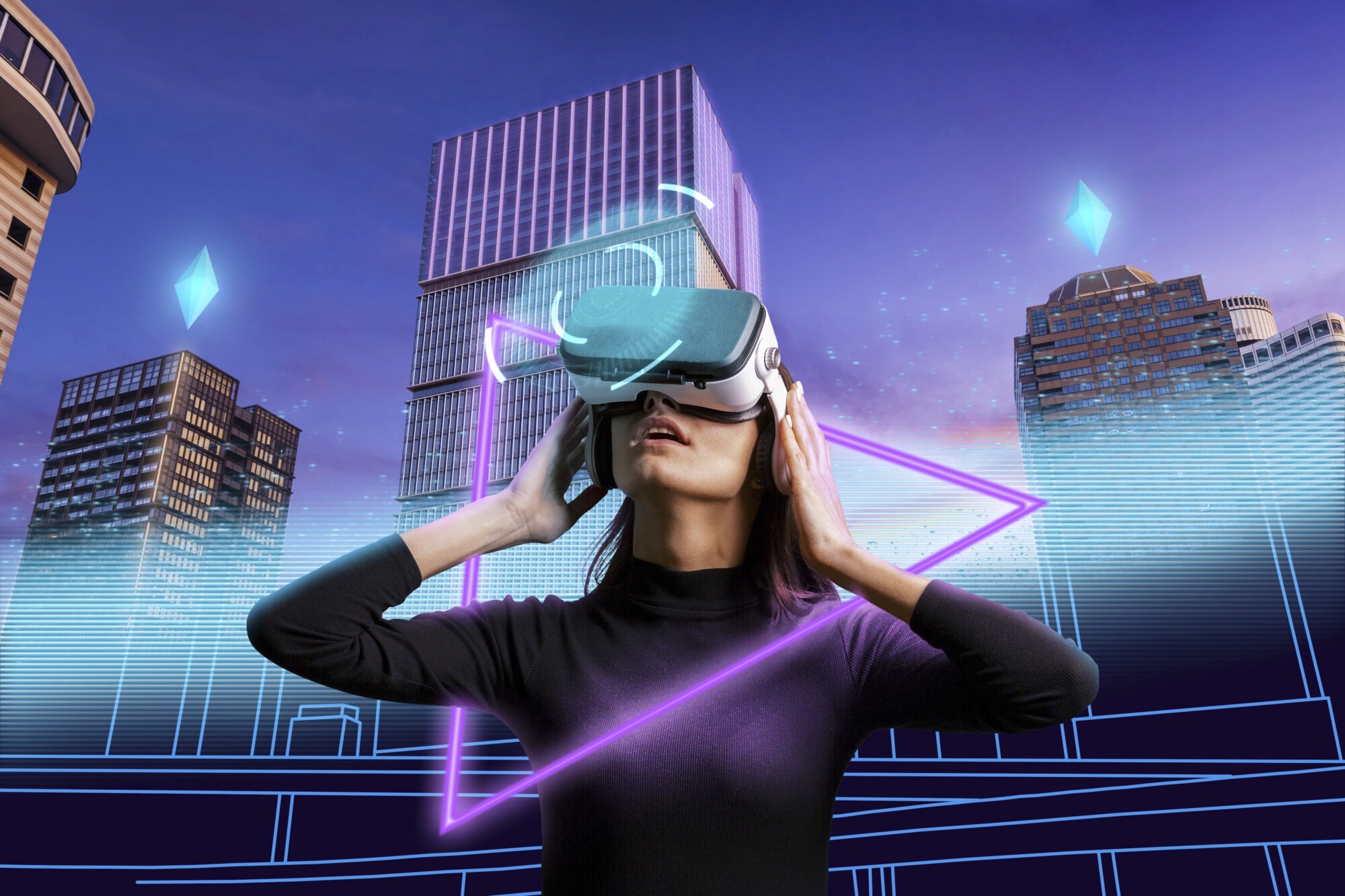
Welcome to a new era where digital dreams blend seamlessly with physical reality. The concept of metaverse mixed reality is no longer confined to science fiction — it’s reshaping how we interact, work, learn, and entertain ourselves. With immersive tech evolving at lightning speed, 2025 is the year the metaverse mixed reality becomes mainstream. In this blog, we’ll explore 9 game-changing innovations driving this revolution, why they matter, and how they’re transforming industries across the globe.
Let’s dive deep into this captivating world where imagination meets innovation.
What Is Metaverse Mixed Reality?
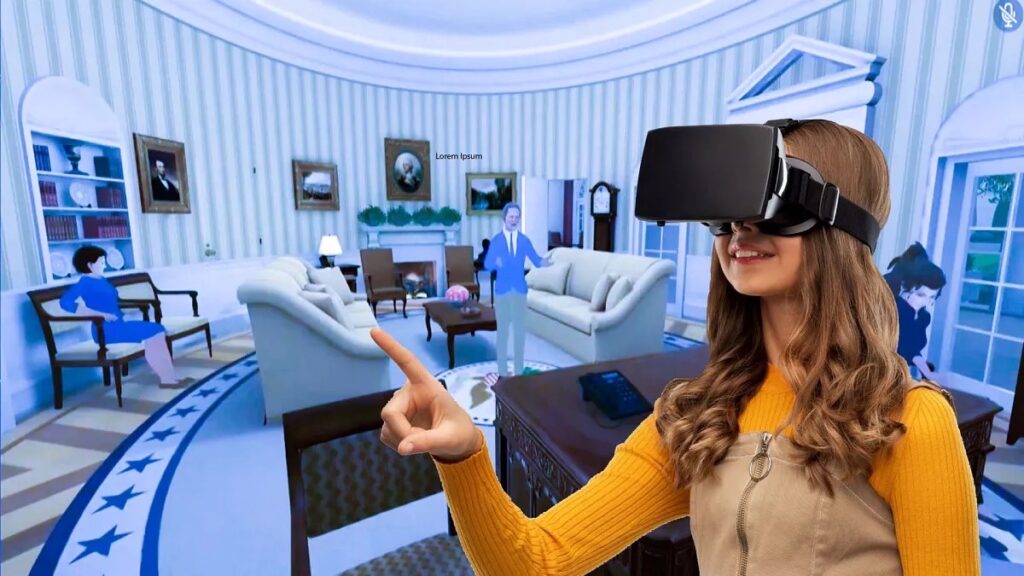
Metaverse mixed reality refers to the convergence of the metaverse — a shared, virtual digital universe — with mixed reality (MR), which blends physical and digital environments in real-time. Unlike pure virtual reality, which isolates users in digital spaces, metaverse mixed reality lets people interact with both real and virtual objects simultaneously. Think virtual meetings in your living room, AI-generated art on your wall, or shopping for a dress by virtually trying it on in your actual room.
It’s the intersection of reality and virtual imagination — and it’s disrupting everything from social media and education to medicine and architecture.
1. Holographic Collaboration: Transforming Remote Work
One of the most exciting metaverse mixed reality breakthroughs in 2025 is holographic collaboration. Instead of staring at Zoom boxes, teams can now collaborate with 3D holograms of colleagues appearing in real-world environments.
Microsoft Mesh, Meta Horizon Workrooms, and startups like Spatial are offering MR tools that allow real-time data sharing, virtual whiteboarding, and gesture-based communication — making remote work incredibly interactive and human.
Companies are now saving costs on travel while increasing team productivity through dynamic, immersive MR spaces.
2. Immersive Education & Virtual Campuses
Education is undergoing a revolutionary shift, thanks to metaverse mixed reality. Virtual campuses are popping up across universities and ed-tech platforms, offering students global access to high-quality learning experiences.
Imagine studying biology by walking through a 3D human heart, or history by visiting a virtual Ancient Rome reconstructed with stunning detail. MR allows educators to make abstract or complex subjects tangible and engaging.
The result? Higher retention rates, interactive learning, and more inclusive education for remote or underserved learners.
3. Retail Reinvented: Try Before You Buy
Shopping experiences have become more personalized and immersive. Brands like Nike, IKEA, and Gucci are already using metaverse mixed reality to allow customers to try on clothes, shoes, and furniture — virtually in their own homes.
Retailers are also building digital showrooms where avatars can interact with digital assistants, explore product features, and even get virtual style tips. This tech not only boosts customer satisfaction but also reduces returns, making retail greener and smarter.
4. Next-Gen Entertainment & Events
Concerts, sporting events, and gaming have entered a new dimension. In 2025, users attend metaverse-based concerts from artists like Ariana Grande or BTS through mixed reality portals in their homes.
Mixed reality enhances the fan experience by overlaying special effects, virtual merchandise booths, and backstage passes on top of real-world environments. Gaming, too, has reached unprecedented levels — where players physically move, jump, and interact with 3D elements mapped onto their surroundings.
Metaverse mixed reality is making entertainment more inclusive, personalized, and unforgettable.
5. Smart Cities & Digital Twins
Governments and architects are leveraging metaverse mixed reality to build smarter, more efficient cities. By creating “digital twins” — real-time 3D simulations of urban environments — planners can test infrastructure, analyze traffic flow, and prepare for natural disasters before they happen.
MR enables immersive walk-throughs of buildings pre-construction, helping decision-makers catch design flaws early. Maintenance teams can also use AR overlays for real-time data on power grids, sewage systems, and public transport.
This fusion of virtual insight and physical space is saving cities billions.
6. Healthcare Reimagined with Precision and Empathy
Surgeons now practice complex procedures using MR simulations of human anatomy, leading to better outcomes. Mixed reality is also improving telemedicine — where doctors can appear as holograms and walk patients through treatment procedures.
In mental health, therapists use virtual simulations to help patients overcome phobias, anxiety, and PTSD in a safe yet realistic environment.
Metaverse mixed reality delivers healthcare with precision, empathy, and accessibility.
7. Personal Avatars and Digital Identity
Your digital twin in the metaverse mixed reality world isn’t just a cartoonish avatar anymore. In 2025, hyper-realistic avatars replicate your gestures, facial expressions, and even emotional responses using AI.
These avatars can attend meetings, go shopping, learn new skills, or even perform customer support on your behalf — blurring the line between physical presence and virtual participation.
This opens up a new era of human-digital symbiosis.
8. Training & Simulations That Stick
Industries such as aviation, manufacturing, and defense are embracing MR-based training simulations. Employees can train in high-risk environments — like oil rigs or nuclear plants — without facing real danger.
Thanks to haptic feedback and spatial sound, trainees develop muscle memory and situational awareness far faster than with traditional e-learning.
This form of experiential learning is making workplaces safer and more competent, cutting costs while boosting retention.
9. Decentralized Social Platforms & Virtual Economies
The next wave of metaverse mixed reality is fueled by blockchain and decentralized technologies. Social platforms are emerging that let users build, monetize, and control their own virtual spaces.
Digital real estate, NFTs, and virtual currencies are creating full-fledged economies where people can buy land, run businesses, or host events — all in a hybrid space of mixed reality.
This empowers creators and communities, reducing dependency on big tech while promoting digital freedom.
The Metaverse: A Short Explainer
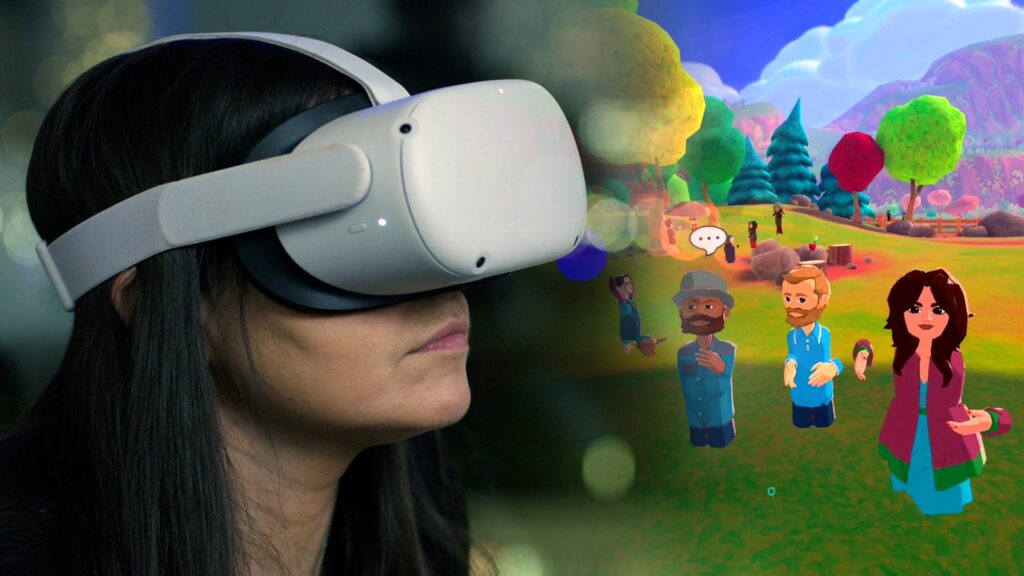
The metaverse is a digital universe that mimics and expands real-world experiences using 3D environments, virtual avatars, and real-time interactions. It’s persistent, decentralized, and user-driven — enabling people to live, work, and socialize in immersive digital landscapes.
Combined with mixed reality, the metaverse breaks down barriers between what’s real and what’s imagined — creating a world where the two exist in harmony.
Challenges Ahead — and the Road Forward
While the possibilities of metaverse mixed reality are exhilarating, challenges remain. Issues of data privacy, digital addiction, hardware limitations, and equitable access must be addressed.
However, the good news is that leading tech giants, startups, regulators, and users are collaborating to create responsible and inclusive virtual spaces. The momentum is unstoppable, and the innovation is just beginning.
Conclusion: Step into the Future with AIbuzz
Metaverse mixed reality is unlocking the next level of human experience — one where boundaries blur, creativity flows, and innovation thrives. From education and healthcare to entertainment and commerce, it’s driving transformation across every industry.
At AIbuzz, we’re passionate about building immersive, intelligent, and secure mixed reality solutions that help businesses thrive in this evolving metaverse landscape. Our expert teams deliver tailored MR experiences that are scalable, interactive, and future-ready.
Get in touch with AIbuzz today — and start creating in a world where reality meets imagination.
Leave a Reply