Author: Axyl

  • TD Pipeline Optimization: 7 Powerful Strategies to Skyrocket Your Data Efficiency

    TD Pipeline Optimization: 7 Powerful Strategies to Skyrocket Your Data Efficiency

    In today’s fast-paced data-driven world, achieving optimal performance in your data pipelines is critical to ensuring smooth data flows, faster insights, and improved operational efficiency. That’s where TD pipeline optimization becomes essential. Let’s explore seven essential strategies to maximize your TD pipeline performance and why they’re so vital.


    Understanding TD Pipeline Development

    Before diving into optimization, let’s clarify what TD pipeline development involves. TD pipeline development is the process of designing, building, and managing data pipelines that efficiently process, transform, and deliver data from one system to another. This encompasses everything from data ingestion to transformation, storage, and delivery. In short, it’s the backbone of modern data-driven decision-making.


    1. Leverage Parallelism for TD Pipeline Optimization

    One of the most essential aspects of TD pipeline optimization is leveraging parallelism. By breaking data into chunks and processing them simultaneously, you can dramatically reduce data processing times. Tools like Apache Spark and Dask are invaluable for this, allowing for efficient distributed processing. This speeds up data transformations, ensuring data insights reach decision-makers faster.


    2. Streamline Data Transformation Logic

    Complex transformation logic can slow down your TD pipeline. Optimize your transformations by eliminating redundant steps and using efficient data structures. For example, vectorized operations (like those in pandas or NumPy) often outperform row-by-row processing. Efficient data transformation is a core component of TD pipeline optimization, ensuring data moves quickly and smoothly through your pipeline.


    3. Optimize Data Partitioning

    Data partitioning is essential for TD pipeline optimization. Proper partitioning ensures data is split into manageable segments, reducing I/O overhead and improving query performance. Use intelligent partitioning schemes based on your access patterns and business needs to minimize data shuffling and maximize processing speeds.


    4. Implement Robust Error Handling

    TD pipelines can encounter failures due to data issues, network disruptions, or resource constraints. Implement robust error handling to capture and handle these errors gracefully. Tools like Airflow or Luigi provide mechanisms for retrying failed tasks or alerting you to issues, reducing downtime and improving pipeline reliability.


    5. Monitor and Profile Your TD Pipeline

    A crucial yet often overlooked part of TD pipeline optimization is monitoring and profiling. Use observability tools like Prometheus, Grafana, or built-in profiling tools to track pipeline performance in real-time. Monitoring metrics like CPU usage, memory consumption, and throughput can reveal bottlenecks and highlight areas for improvement.


    6. Automate Scaling and Resource Management

    As your data grows, so does the need for resources. Automation is essential for effective TD pipeline optimization. Implement auto-scaling strategies in your cloud or on-premises environments to dynamically allocate resources based on load. Kubernetes and similar orchestration platforms make this easier, ensuring your pipelines scale seamlessly.


    7. Continuously Test and Improve

    Optimization isn’t a one-time job—it’s an ongoing process. Continuously test your TD pipeline performance, collect feedback, and refine your pipeline accordingly. Implement CI/CD practices to ensure that any changes you make are tested thoroughly before going live. This iterative approach is the hallmark of effective TD pipeline optimization.


    The Role of Software Development in TD Pipeline Optimization

    It’s important to recognize that TD pipeline optimization doesn’t exist in isolation—it’s deeply tied to software development practices. Writing modular, reusable, and maintainable code is key. Using software development principles such as version control, unit testing, and continuous integration ensures your data pipelines are reliable and adaptable to changing business needs.


    Conclusion: Future-Proof Your Data Pipelines

    TD pipeline optimization is essential for modern data-driven businesses. By implementing these seven strategies, you’ll ensure your data pipelines are efficient, reliable, and scalable. As data volumes continue to grow, optimizing your TD pipelines isn’t just a best practice—it’s a competitive necessity.

    At aibuzz, we’re passionate about helping businesses harness the power of data through cutting-edge software development and TD pipeline optimization. Our team of experts specializes in building robust software solutions that drive efficiency and innovation. Whether you need custom software to power your pipelines or expert guidance on optimizing your data architecture, we’re here to help you thrive in the data-driven world.


  • 7 Essential Insights into Big Data Consulting for Business Success in 2025

    7 Essential Insights into Big Data Consulting for Business Success in 2025

    In the rapidly evolving digital landscape, big data consulting has emerged as a pivotal force for business transformation. Companies now operate in a data-centric ecosystem where success hinges on making sense of vast datasets. As we move into 2025, organizations that leverage big data consulting services effectively are outperforming competitors by a wide margin.

    This blog explores 7 essential insights into the world of big data consulting, shedding light on how it empowers organizations to drive innovation, streamline operations, and enhance decision-making. Whether you’re a startup, an established enterprise, or a government agency, understanding the importance of big data strategy is no longer optional—it’s mission-critical.


    What is Big Data and Why Does It Matter?

    Discover 7 powerful reasons why big data consulting will boost your business in 2025. Learn how data-driven strategies, AI integration, and expert guidance can drive growth, innovation, and success.

    Big data refers to massive, complex data sets generated from various sources such as social media, sensors, transactions, and IoT devices. This data is characterized by high volume, velocity, and variety—often referred to as the “3Vs.” Traditional data processing tools are insufficient to manage and analyze this information efficiently. That’s where big data consulting comes in.

    Consultants guide businesses through the entire lifecycle of big data—from strategy and architecture to implementation and optimization. These experts help you extract meaningful insights from raw data, thus supporting smarter decision-making and sustainable growth.


    What is Software Development’s Role in Big Data?

    Software development plays a critical role in big data consulting by creating robust applications and systems that capture, store, process, and visualize large volumes of data. Custom software solutions are often required to meet specific business goals, ensure data security, and integrate analytics into core workflows. Whether it’s cloud-native applications or AI-driven tools, software development underpins all successful big data projects.


    1. Essential Strategy: Aligning Big Data with Business Goals

    The first step in effective big data consulting is to align data initiatives with overarching business objectives. Data without direction leads to unnecessary costs and missed opportunities. Consultants evaluate your KPIs, market demands, and operational workflows to build a data strategy that aligns with ROI-driven goals.

    Big data experts help identify valuable data sources, prioritize use cases, and set measurable milestones. Whether you want to improve customer experiences, optimize logistics, or mitigate risks, aligning your big data consulting plan with business outcomes is essential.


    2. Data Architecture: Building the Right Foundation

    A solid data architecture is the backbone of any successful big data initiative. This includes the design of data lakes, data warehouses, and pipelines that support real-time analytics and scalability.

    Big data consulting firms assess your current infrastructure and recommend the best architecture tailored to your needs. Whether you’re using cloud platforms like AWS, Azure, or hybrid environments, the right architecture ensures data flows efficiently and securely.

    Properly implemented architecture enables seamless integration across departments, improves data governance, and accelerates time-to-insight.


    3. Data Governance: Ensuring Security and Compliance

    As data grows, so do privacy concerns and regulatory challenges. One of the most essential roles of big data consultingis implementing robust data governance frameworks.

    Consultants help define roles, access permissions, audit trails, and compliance policies aligned with regulations like GDPR, HIPAA, and CCPA. Without governance, your data strategy risks fines, breaches, and reputational damage.

    Big data consulting teams ensure that your analytics efforts are not only powerful but also trustworthy and legally compliant.


    4. Advanced Analytics and AI Integration

    Modern big data consulting is incomplete without the integration of AI and machine learning. These technologies can identify trends, predict future outcomes, and automate complex tasks.

    For instance, predictive analytics helps businesses forecast demand, detect fraud, or personalize customer journeys. AI algorithms, fueled by big data, enable intelligent automation and drive faster decision-making.

    Consultants implement ML models, train algorithms, and integrate them into dashboards or business intelligence tools. This creates a proactive organization that anticipates problems before they arise.


    5. Cloud Scalability and Real-Time Processing

    Cloud computing has revolutionized big data consulting by offering elastic scalability and real-time data processing capabilities. Tools like Apache Kafka, Spark, and Snowflake allow businesses to analyze data as it streams in.

    Consultants guide companies in choosing cloud providers, migrating legacy systems, and optimizing cost-performance ratios. Real-time processing helps in industries like finance, healthcare, and retail where immediate insights are mission-critical.

    Whether it’s handling millions of transactions or processing IoT sensor data, cloud-native big data solutions ensure you’re always a step ahead.


    6. Industry-Specific Big Data Solutions

    One size does not fit all. Big data consulting varies significantly across industries:

    • Healthcare: Patient data, EHR integration, predictive diagnostics
    • Retail: Customer segmentation, inventory optimization, sentiment analysis
    • Finance: Fraud detection, credit scoring, risk modeling
    • Manufacturing: Supply chain analytics, predictive maintenance, quality control

    Specialized consultants understand the nuances of each sector and craft solutions that deliver tangible value. This industry-specific knowledge turns data into a strategic asset.


    7. ROI Measurement and Continuous Optimization

    How do you know your big data consulting efforts are paying off? Measurement is essential.

    Consultants define KPIs and ROI metrics from the start. These might include reduced operational costs, increased sales, improved customer satisfaction, or time saved through automation.

    Once the system is live, continuous monitoring and optimization ensure peak performance. Feedback loops help in refining algorithms, improving data quality, and updating the tech stack as business needs evolve.


    The Value of a Long-Term Big Data Consulting Partnership

    Partnering with a trusted big data consulting firm means more than just a one-time service. It’s about building a long-term relationship that evolves with your business.

    A great consultant doesn’t just fix problems—they anticipate them. They help you stay ahead of trends like generative AI, blockchain analytics, or quantum computing. With the right partnership, you gain a competitive edge, not just insights.


    Why Big Data Consulting Is Essential in 2025

    To thrive in the data economy, businesses must move from reactive to proactive decision-making. Big data consulting provides the tools, frameworks, and expertise to harness data’s full potential.

    From optimizing internal processes to transforming customer engagement, the possibilities are endless. But without expert guidance, data initiatives can easily stall or fail. That’s why big data consulting is not just beneficial—it’s essential in 2025 and beyond.


    Final Thoughts: Partner with Experts for Big Data Success

    As digital transformation accelerates, big data will only become more complex. Whether you’re starting your data journey or scaling advanced analytics, expert consulting is key.

    aibuzz offers cutting-edge big data consulting services tailored to your unique needs. We combine our expertise in software development, cloud architecture, AI integration, and data security to deliver end-to-end solutions that drive measurable impact.

    Our software development services ensure that your data tools are robust, scalable, and user-friendly. With AIBuzz, you get more than just data insights—you gain a strategic partner in your growth journey.

  • 7 Proven Strategies to Supercharge Data Pipeline Security in 2025

    7 Proven Strategies to Supercharge Data Pipeline Security in 2025

    In the ever-evolving world of big data and cloud computing, data pipeline security is no longer optional—it’s essential. As organizations increasingly rely on data-driven insights to make critical business decisions, protecting data in transit, in use, and at rest is vital. From unauthorized access to data breaches and integrity compromises, an unprotected data pipeline can lead to catastrophic losses.

    This blog explores the 7 essential practices that every organization must follow to ensure data pipeline security in 2025. Whether you’re building modern AI solutions or managing terabytes of user data, implementing these practices will fortify your entire infrastructure.


    What is Data Pipeline Security?

    Boost your data protection strategy in 2025 with these 7 proven strategies to supercharge data pipeline security. Perfect for AI, cloud, and virtual reality systems.

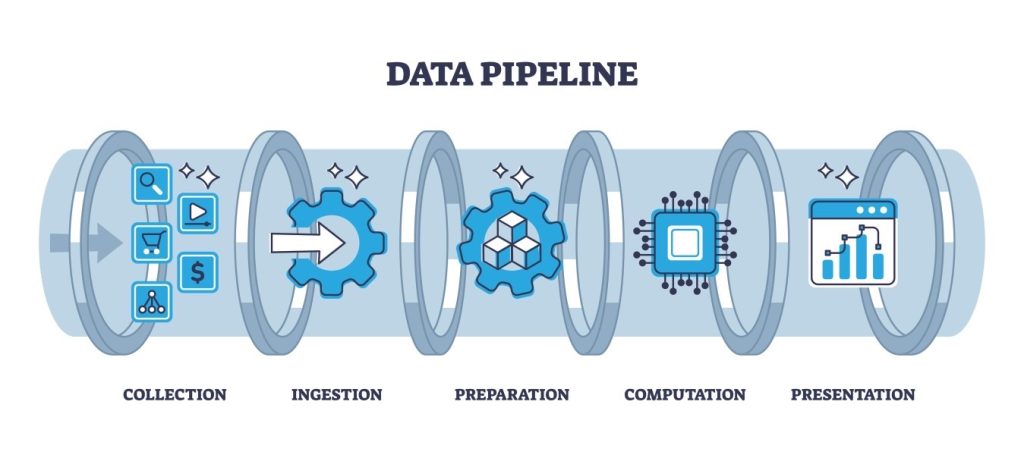
    Data pipeline security refers to the collective measures, technologies, and policies used to protect data as it moves through the various stages of a data pipeline. This includes the processes of data ingestion, transformation, storage, and output. With the rise of hybrid and multi-cloud infrastructures, securing each touchpoint in a data pipeline is more complex and essential than ever.


    Why Data Pipeline Security Matters

    Boost your data protection strategy in 2025 with these 7 proven strategies to supercharge data pipeline security. Perfect for AI, cloud, and virtual reality systems.

    A breach in your data pipeline can do more than just expose sensitive information. It can compromise the accuracy of your analytics, destroy user trust, and even lead to regulatory penalties. As data flows between systems and third-party APIs, data pipeline security ensures that integrity, availability, and confidentiality are not compromised.


    1. Implement End-to-End Encryption

    One of the most essential steps for achieving effective data pipeline security is implementing end-to-end encryption. This protects data during transfer and ensures that even if intercepted, the information remains unreadable.

    Encryption should be enforced at:

    • Source and destination endpoints
    • During data streaming (e.g., Apache Kafka, Amazon Kinesis)
    • At rest in data lakes and warehouses

    Tools like TLS, HTTPS, and AES-256 encryption offer strong protection across various layers of the pipeline.


    2. Use Role-Based Access Control (RBAC)

    Controlling access is fundamental to data pipeline security. By implementing Role-Based Access Control (RBAC), organizations can assign permissions based on roles, rather than individuals.

    RBAC minimizes the risk of:

    • Insider threats
    • Unauthorized access
    • Accidental modifications

    Combine RBAC with identity and access management (IAM) solutions like AWS IAM, Azure Active Directory, or Google Cloud IAM for robust control.


    3. Secure APIs and Third-Party Integrations

    APIs serve as gateways to your data pipeline, and unsecured APIs are one of the biggest threats to data pipeline security.

    To protect your pipeline:

    • Use API gateways with built-in authentication
    • Monitor API calls for anomalies
    • Apply throttling to prevent DDoS attacks
    • Validate all incoming and outgoing requests

    Make sure any third-party data sources or consumers adhere to your data pipeline security standards.


    4. Monitor Data Flow and Anomalies in Real-Time

    Real-time monitoring is another essential component of data pipeline security. You must know what’s happening inside your pipeline at any given moment.

    Use tools like:

    • Datadog
    • Splunk
    • Prometheus
    • AWS CloudWatch

    These tools help detect unusual data patterns, unauthorized access, or performance bottlenecks, allowing quick mitigation before serious damage occurs.


    5. Apply Data Masking and Tokenization

    Sensitive information such as personally identifiable information (PII), financial data, or health records needs an additional layer of protection. That’s where data masking and tokenization come in.

    Use cases include:

    • Masking customer data before entering the pipeline
    • Tokenizing credit card numbers for financial applications
    • Anonymizing health records in compliance with HIPAA

    These techniques are key to data pipeline security and help meet compliance mandates like GDPR and CCPA.


    6. Automate Compliance Checks

    In 2025, data regulations are only becoming stricter. That means ensuring your data pipeline security practices align with regulatory frameworks is non-negotiable.

    Use automation tools to:

    • Scan data for compliance
    • Generate audit trails
    • Enforce data retention and deletion policies

    Solutions like Apache Ranger, AWS Config, and Google Cloud Security Command Center make it easier to maintain continuous compliance.


    7. Adopt Zero Trust Architecture

    The Zero Trust model assumes no device or user should be trusted automatically—even if inside the network perimeter. It’s a modern, essential approach to ensure data pipeline security.

    Features of Zero Trust:

    • Continuous verification of identities
    • Context-aware access policies
    • Least privilege enforcement

    By integrating Zero Trust into your data pipeline, you can proactively defend against both internal and external threats.


    A Quick Note on TD Pipeline and Software Development

    TD pipeline, short for Technology Development pipeline, is the blueprint used in software development to integrate various technologies and methodologies into a cohesive flow. It includes stages like planning, design, development, testing, and deployment. Data pipeline security must be integrated into the TD pipeline from the ground up to ensure data protection is embedded in every phase of the software lifecycle.

    Modern software development emphasizes agile methodologies, CI/CD pipelines, and cloud-native infrastructure. Security is no longer a one-time checkpoint—it’s a continuous process. By embedding data pipeline security within your development framework, you enhance the trustworthiness and resilience of your applications.


    Conclusion: Secure Your Future with aibuzz

    Data is the fuel of the digital economy, and data pipeline security is the firewall protecting that fuel. By following these 7 essential practices, businesses can confidently operate in a data-first world without fear of breaches or compliance issues.

    At aibuzz, we specialize in building secure, scalable, and high-performance software development solutions tailored to your business needs. Our expert teams ensure data pipeline security is integrated into every layer of your technology stack—from cloud infrastructure to AI-powered applications. Let’s build a secure digital future together.

  • 7 Powerful Features That Make a Virtual Reality Set Platform Unstoppable in 2025

    7 Powerful Features That Make a Virtual Reality Set Platform Unstoppable in 2025

    The future is immersive—and it’s happening right now. As industries worldwide embrace innovation, the rise of the virtual reality set is changing how we live, learn, work, and play. With applications expanding from entertainment and education to healthcare and enterprise, the demand for feature-rich, intuitive, and scalable VR experiences is higher than ever.

    In this blog, we’ll explore seven powerful features that make modern VR sets not just relevant but truly unstoppable in 2025.


    Understanding Virtual Reality and Mixed Reality

    Discover 7 powerful features making the virtual reality set unstoppable in 2025. Explore innovation, AI, and immersive tech for business and beyond.

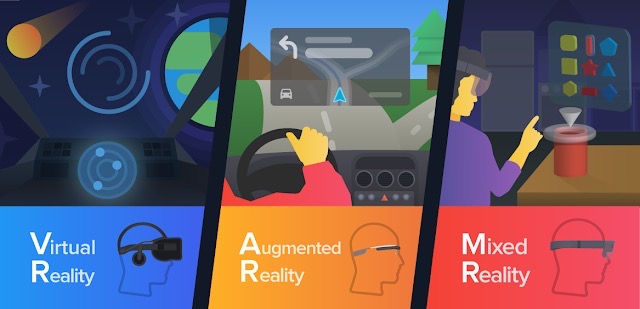
    Virtual reality (VR) is a simulated environment created by computer technology that immerses users into a fully digital world. Equipped with headsets and motion-tracking devices, users can engage in 3D environments for gaming, training, design, and more.

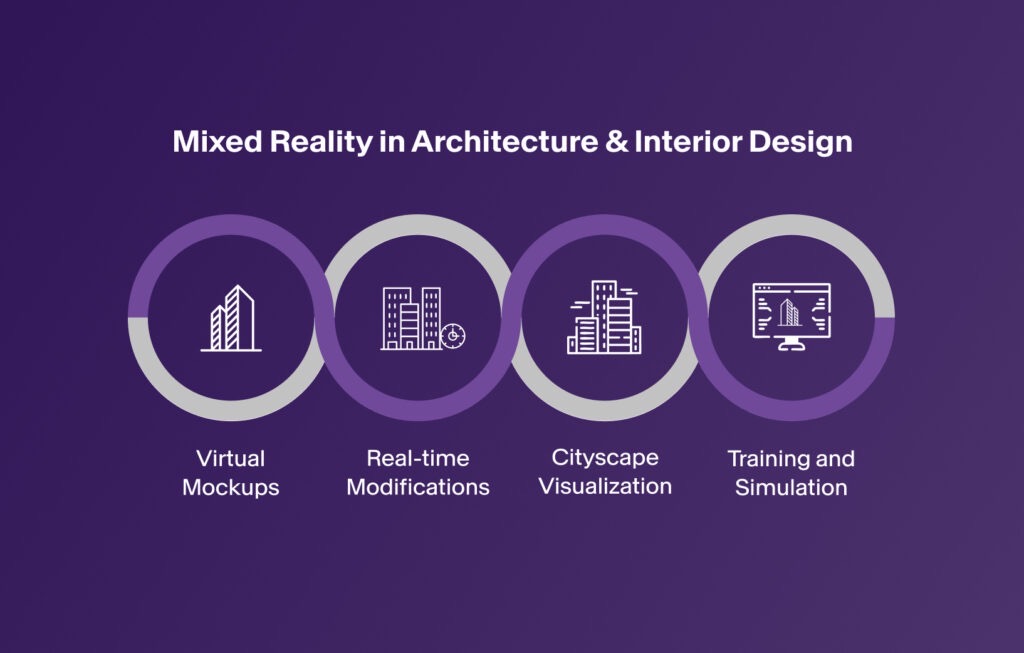
    Mixed reality (MR) goes one step further—blending real-world surroundings with digital elements. It allows real and virtual objects to coexist and interact in real-time. This tech is revolutionizing industries like architecture, healthcare, and remote collaboration, making it a vital companion to VR.

    Together, these technologies are reshaping the way humans experience digital content.


    1. Stunning Visual Fidelity with High Frame Rates

    The most compelling virtual reality set of today feature ultra-sharp displays, hyper-realistic graphics, and frame rates of 90Hz or more. High-quality rendering reduces motion sickness and allows for a more enjoyable, lifelike interaction. Whether it’s gaming, virtual tours, or training simulations, visual quality remains a top priority.

    Users now expect environments that feel as real as the physical world—and with today’s advancements, it’s more achievable than ever.


    2. Precision Tracking and Immersive Haptics

    Modern virtual reality set utilize six degrees of freedom (6DoF) to allow fluid, natural movement. Hand tracking, eye tracking, and even full-body sensors are becoming standard. Combine this with haptic feedback—and users can feel what they’re doing, not just see it.

    This realism enables more effective training, realistic gaming, and interactive learning experiences that were unthinkable a decade ago.


    3. Cross-Device and Multi-Set Compatibility

    In 2025, a great virtual reality set must go beyond a single device. Users expect compatibility across VR headsets, mobile devices, desktops, and even browser-based portals. From Meta Quest to HTC Vive and upcoming cloud-based interfaces, seamless switching between systems enhances accessibility and reach.

    Flexible sets support broader adoption and ensure that content can meet users where they are.


    4. Scalable Cloud Integration and Collaboration

    Collaboration in immersive environments is becoming the new norm. Cloud-based VR experiences allow teams from different locations to work together in the same digital space, in real time.

    A powerful virtual reality set includes features like synced cloud storage, real-time editing, and user access control. Whether for design teams or online classrooms, cloud-backed sets ensure continuity and collaboration.


    5. Developer-Friendly SDKs and APIs

    Behind every successful VR experience lies a strong developer ecosystem. That’s why the best virtual reality sets offer robust SDKs and APIs, giving developers the flexibility to build highly customized environments using engines like Unity and Unreal.

    Developer support is key to expanding the content library and unlocking new use cases across industries like manufacturing, healthcare, and education.


    6. Personalized AI-Driven Interactions

    Artificial intelligence is adding a smart layer to VR. Through behavior tracking, intelligent assistants, and adaptive environments, AI makes virtual spaces more intuitive and engaging.

    This feature enables smart learning environments, interactive training scenarios, and hyper-personalized gaming. It also opens new doors in therapy, mental wellness, and customer service experiences.


    7. Top-Tier Security and User Privacy

    As VR captures vast amounts of user data—from biometrics to behavioral patterns—security becomes a non-negotiable. The latest virtual reality set include encrypted connections, secure login protocols, and user data controls.

    Especially in enterprise and healthcare settings, trust and compliance are vital. Sets that prioritize user safety will continue to lead the market.


    The Rise of Industry-Focused VR Sets

    Today’s VR isn’t just for gamers. We’re seeing a boom in industry-specific virtual reality set, including:

    • Medical VR for surgery simulation and mental health therapy
    • Retail VR for immersive shopping and product demos
    • Education VR for virtual classrooms and labs
    • Real Estate VR for 3D walkthroughs and virtual staging

    Each set adapts to industry needs, delivering purpose-built experiences that drive efficiency and innovation.


    Challenges Virtual Reality Sets Must Overcome

    Despite major strides, challenges remain:

    • Hardware costs remain high, limiting accessibility
    • Content diversity is still evolving beyond games
    • User onboarding for new users can be overwhelming

    To overcome these hurdles, developers must focus on creating intuitive interfaces, budget-friendly options, and broader content ecosystems.


    The Social and Economic Impact of VR

    The Social and Economic Impact of VR

    VR is shaping how we interact socially and professionally. From attending concerts to collaborating remotely, immersive sets are becoming mainstream. People are forming communities, holding events, and conducting business—all in simulated environments.

    The potential economic impact is massive, with VR expected to contribute billions to global GDP by 2030.


    Where Is the Future of VR Headed?

    Looking ahead, VR will increasingly blend with:

    • Augmented reality (AR)
    • 5G connectivity
    • AI-driven storytelling
    • Digital twins and IoT
    • Blockchain for asset ownership and metaverse experiences

    This convergence will define the next generation of spatial computing, and the virtual reality set will be at the center of it.


    Conclusion: Partner with aibuzz to Build the Future of Virtual Reality

    As immersive technology advances, forward-thinking businesses need reliable partners to develop next-gen VR applications. At aibuzz, we specialize in software development for immersive technologies, offering custom solutions for VR, AR, and AI-powered environments. Whether you’re building an educational tool, a virtual training environment, or an interactive showroom, our team brings your ideas to life with innovative design, agile development, and enterprise-grade infrastructure.

    Let aibuzz help you build the virtual experiences of tomorrow.

  • 7 Powerful Ways the Netflix Big Data Platform Drives Streaming Success

    7 Powerful Ways the Netflix Big Data Platform Drives Streaming Success

    In today’s digital landscape, streaming giants like Netflix aren’t just entertainment platforms—they’re data powerhouses. At the heart of Netflix’s seamless viewing experience, personalized recommendations, and global scalability lies the Netflix big data platform. This essential infrastructure processes petabytes of data daily, optimizing everything from content delivery to customer satisfaction.

    In this blog, we’ll explore 7 essential insights into how the Netflix big data platform works, its architecture, core technologies, and why it stands as a benchmark in big data excellence. We’ll also discuss what makes a big data platform essential in today’s business ecosystem and how companies can learn from Netflix’s success.


    What Is a Big Data Platform?

    big data platform is an integrated IT solution that combines various tools and technologies to process, manage, and analyze massive volumes of data. It encompasses data ingestion, storage, processing, analytics, and visualization—all scaled to handle terabytes to petabytes of information. Big data platforms are essential for businesses that aim to harness data to make faster, smarter decisions.

    The Netflix big data platform is a prime example of how big data infrastructure, when implemented effectively, can transform user engagement, content curation, and business intelligence.


    1. Petabyte-Scale Data Handling

    The Netflix big data platform handles over 100 billion events daily, translating into several petabytes of data. These events include clicks, viewing behavior, searches, and streaming quality metrics. To manage this scale, Netflix utilizes a highly distributed architecture with services like Amazon S3Apache Kafka, and Apache Hadoop at its core.

    Scalability is essential. Netflix can dynamically increase or decrease capacity, ensuring that their platform performs smoothly—even when millions of users binge-watch the latest release simultaneously.


    2. Real-Time Analytics with Apache Kafka and Flink

    Speed is everything. The Netflix big data platform integrates Apache Kafka for real-time event streaming and Apache Flink for stream processing. This allows Netflix to analyze user behavior instantly and make real-time decisions—like adjusting video quality based on bandwidth or suggesting new shows right after finishing a series.

    These tools allow Netflix to deliver personalized experiences at the exact moment users need them, an essential feature in keeping viewer satisfaction high.


    3. Personalized Recommendations via Machine Learning

    One of the most praised features of Netflix is its recommendation engine. What many don’t realize is that it’s entirely powered by the Netflix big data platform. By leveraging machine learning models trained on historical data and real-time user behavior, Netflix delivers tailored suggestions for every viewer.

    Technologies like Apache SparkTensorFlow, and Metaflow (Netflix’s own machine learning infrastructure) are pivotal. These tools ensure recommendations are relevant and timely, significantly increasing watch time and reducing churn.


    4. Microservices and Data Pipelines

    The Netflix big data platform thrives on a microservices architecture. Each function—from content metadata to billing—operates independently but communicates through data pipelines. This separation improves development speed, reliability, and scaling.

    Netflix’s internal data engineering uses Apache Airflow and Apache Iceberg for building and managing these data pipelines. These tools help orchestrate complex workflows and manage schema evolution efficiently—an essential requirement in fast-moving, data-heavy environments.


    5. Fault-Tolerance and High Availability

    Downtime isn’t an option. The Netflix big data platform is designed for high availability and fault tolerance. Netflix uses a multi-region deployment strategy with cloud redundancy to ensure their systems are always online, even during outages or traffic spikes.

    Their resilience is partly due to Chaos Monkey, a Netflix-built tool that randomly disables production instances to test system recovery. It’s a bold but essential strategy that strengthens platform robustness.


    6. Efficient Cost Management

    Running a platform at Netflix’s scale requires efficient budgeting. The Netflix big data platform incorporates cost-optimization strategies like spot instances, auto-scaling clusters, and partitioned data storage to minimize expenses without sacrificing performance.

    Moreover, tools like Lipstick, built in-house, help visualize and debug Pig scripts to streamline development and reduce unnecessary computational overhead. Effective resource management is essential to ensure sustainability at petabyte scale.


    7. Security and Compliance

    Data is power—but with great power comes great responsibility. The Netflix big data platform incorporates stringent security protocols, including encryption at rest and in transit, fine-grained access control, and regular audits.

    Netflix also complies with data protection regulations such as GDPR and CCPA. Their security infrastructure is essential to maintaining user trust and ensuring legal compliance in global markets.


    Why the Netflix Big Data Platform Is a Benchmark

    The Netflix big data platform is not just about data—it’s about creating immersive experiences, driving content strategy, and making millions feel like the platform was made just for them. Its power lies in real-time adaptability, predictive intelligence, and seamless scalability.

    Netflix continues to evolve its platform, exploring edge computingadvanced A/B testing, and AI-generated content tagging, making it an ever-growing blueprint for data-driven success.


    Lessons for Modern Businesses

    Businesses across all industries can learn from the Netflix big data platform. Whether you’re a fintech startup, an e-commerce brand, or a healthcare provider, integrating a flexible and scalable big data architecture can drastically improve operational efficiency and customer satisfaction.

    Investing in a robust big data platform isn’t just essential—it’s transformative. From predicting customer churn to optimizing supply chains, the potential applications are endless.


    Conclusion: What Can aibuzz Do for You?

    At aibuzz, we help companies harness the power of big data and AI to build future-proof solutions. Whether you’re looking to develop a Netflix-like big data platform, implement scalable data pipelines, or leverage predictive analytics, our team of experts is here to help.

    We also offer end-to-end software development services tailored to your needs—from architecture design to deployment and maintenance. With aibuzz, you gain a partner that understands the essential value of data in building intelligent, high-performing systems.

  • 9 Essential Steps to Master Crypto Coin App Development in 2025

    9 Essential Steps to Master Crypto Coin App Development in 2025

    In today’s digital-first economy, crypto coin app development has emerged as a powerful frontier in the fintech revolution. With cryptocurrencies gaining widespread adoption across industries and user bases, there’s a growing demand for robust, secure, and user-friendly applications that allow seamless access to digital currencies. Whether you’re a startup or an established enterprise, understanding the intricacies of crypto app development is essential to staying ahead in 2025.

    This blog walks you through the 9 essential steps of crypto coin app development, with deep insights into what makes a crypto app successful and how you can begin building one that stands out in the competitive crypto landscape.


    What is Cryptocurrency Development?

    Discover the 9 essential steps for successful crypto coin app development in 2025. Learn about key features, blockchain platforms, security, and wallet integration. Start building your secure and scalable crypto app with expert guidance.

    Before diving into the mechanics of app development, it’s crucial to understand cryptocurrency development. At its core, this involves creating decentralized digital currencies using blockchain technology. It includes tasks like designing a native coin or token, building a wallet, integrating smart contracts, and developing mechanisms for mining or staking.

    This development isn’t limited to creating new coins—it also encompasses the infrastructure, platforms, and apps that allow users to store, trade, and manage crypto assets. That’s where crypto coin app development comes into play—transforming complex blockchain interactions into user-friendly mobile or desktop experiences.


    Step 1: Market Research and Ideation

    Effective crypto coin app development starts with thorough market research. Understanding your target audience—whether traders, investors, or casual crypto users—helps define the core features of your app. Competitive analysis also reveals what existing apps do well (or poorly), allowing you to capitalize on market gaps.

    Ask yourself:

    • Will your app focus on trading, wallets, staking, or all-in-one solutions?
    • What problems does your app solve?
    • What unique value does it bring to the crypto community?

    Step 2: Define the Core Features

    A successful crypto coin app development process depends heavily on the features you prioritize. Essential functionalities for a crypto app include:

    • User Registration & Authentication
    • Wallet Integration (hot and cold wallets)
    • Buy/Sell Functionality
    • Real-Time Price Charts
    • Transaction History
    • Push Notifications
    • KYC/AML Compliance

    Additional advanced features like staking, crypto loans, or DeFi integrations can help differentiate your app in a saturated market.


    Step 3: Choose the Right Blockchain Platform

    Every crypto coin app development journey needs a solid blockchain foundation. Popular platforms for developing crypto coins and tokens include:

    • Ethereum – ideal for smart contracts and ERC tokens.
    • Binance Smart Chain (BSC) – lower fees and fast transactions.
    • Solana – high throughput and low latency.
    • Polygon – scalable and Ethereum-compatible.

    Choosing the right platform affects your app’s speed, cost, and flexibility. It’s one of the most essential decisions during the development process.


    Step 4: Select Your Tech Stack

    For smooth crypto coin app development, your tech stack must align with your platform and app goals. Common technologies include:

    • Frontend: React Native, Flutter
    • Backend: Node.js, Python (Django), Go
    • Blockchain Integration: Web3.js, Ethers.js, Moralis
    • Database: MongoDB, PostgreSQL
    • Security Tools: SSL, biometric authentication, encryption

    This combination ensures high performance, scalability, and robust user experiences.


    Step 5: Build or Integrate Wallets

    Wallet development is a critical part of crypto coin app development. You can either build a custom wallet from scratch or integrate popular third-party wallets like MetaMask or Trust Wallet.

    Your wallet must support:

    • Private key management
    • Multi-currency support
    • Transaction signing
    • Secure backups and recovery

    The wallet is the heart of your app—it must be airtight and intuitive.


    Step 6: Focus on Security Protocols

    Security is not optional in crypto coin app development—it’s essential. You’re handling users’ financial data and digital assets, so ensure these measures are implemented:

    • End-to-end encryption
    • Multi-factor authentication
    • Anti-phishing tools
    • Secure API integrations
    • Regular code audits

    Implementing smart contract audits is also critical if your app includes DeFi functionalities.


    Step 7: UI/UX Design for Maximum Engagement

    In crypto coin app development, user experience can make or break your app. A confusing interface can alienate users, while an intuitive design builds trust.

    Key UX tips:

    • Use clear navigation
    • Offer real-time feedback on transactions
    • Simplify crypto jargon for beginners
    • Optimize for mobile responsiveness

    Your interface should feel as seamless as any top-tier fintech app.


    Step 8: Testing and Quality Assurance

    Before launch, perform multiple rounds of testing. This includes:

    • Unit Testing
    • Integration Testing
    • UI Testing
    • Load Testing
    • Penetration Testing

    Testing ensures your crypto coin app development project delivers a bug-free, secure experience across devices and conditions.


    Step 9: Deployment and Maintenance

    Once your app passes QA, it’s time for deployment on platforms like Google Play and Apple App Store. However, crypto coin app development doesn’t end there. Ongoing maintenance is essential to:

    • Update security patches
    • Add new features
    • Monitor transaction logs
    • Handle user feedback

    Regular updates also ensure compliance with ever-evolving cryptocurrency regulations worldwide.


    Emerging Trends in Crypto Coin App Development

    To future-proof your app, be mindful of trends shaping the space:

    • DeFi and Yield Farming Integrations
    • NFT Marketplaces
    • Cross-Chain Compatibility
    • AI and Machine Learning for Trading Bots
    • Green Blockchain Solutions

    Staying ahead of these trends can give your app a significant competitive edge.


    Challenges in Crypto Coin App Development

    Like any innovative field, crypto coin app development faces hurdles:

    • Regulatory uncertainty
    • Security vulnerabilities
    • Integration complexities
    • User trust issues

    Working with expert blockchain developers and security professionals can help navigate these obstacles effectively.


    Why Crypto Coin App Development is Booming

    The demand for crypto coin app development is skyrocketing in 2025 due to:

    • Global interest in decentralized finance
    • Rise of mobile-first crypto users
    • Increasing adoption of crypto for daily payments
    • Businesses launching their own coins or loyalty tokens

    With this rise comes an opportunity for developers, startups, and investors to build game-changing apps.


    Final Thoughts

    Crypto coin app development isn’t just a trend—it’s a core pillar of the blockchain revolution. From ideation to launch, building a powerful, secure, and user-centric crypto app demands technical expertise, market insight, and relentless focus on user experience.


    Conclusion: Build With AIbuzz – Your Tech Partner for the Future

    At aibuzz, we specialize in crypto coin app development and comprehensive software development services. Our team helps you build secure, scalable, and user-friendly crypto apps tailored to your business goals. Whether you’re launching a new cryptocurrency, building a trading platform, or integrating blockchain into your existing products, we have the tools and talent to make it happen.

    Let’s turn your blockchain vision into reality—contact AIbuzz today to start building your next-gen crypto solution!


  • 7 Essential Benefits of IT Consulting Services in 2025

    7 Essential Benefits of IT Consulting Services in 2025

    In today’s fast-paced digital era, businesses must stay ahead of the technology curve to survive and thrive. One of the smartest moves a company can make is leveraging IT consulting services. From optimizing internal processes to bolstering cybersecurity, IT consulting services have become an essential asset to organizations of all sizes.

    In this blog, we’ll explore why IT consulting services are so vital, how they influence business success, and why partnering with the right experts can define the future of your brand.

    What Are IT Consulting Services?

    IT consulting services involve professional advice, strategic planning, and the implementation of technology solutions to improve business performance. These services cover everything from setting up IT infrastructures to cloud migrations, cybersecurity, and software integration.

    Whether a company is undergoing digital transformation or simply needs ongoing tech support, IT consulting services help bridge the gap between business needs and technology capabilities.

    Why IT and Tech Matter: A Quick Overview

    Information Technology (IT) is the backbone of modern businesses, driving communication, operations, and innovation. Technology (tech) touches every part of a company—from simple emailing systems to complex cloud infrastructures. Meanwhile, software development plays a vital role in building customized tools that solve specific business problems, streamline operations, and enhance customer experience.

    Together, IT, tech, and software development form a powerful trio that fuels efficiency, scalability, and profitability.

    7 Essential Reasons to Invest in IT Consulting Services

    Let’s dive deep into the seven essential reasons why your business needs IT consulting services right now.

    1. Expertise That Saves Time and Money

    Hiring full-time IT staff can be costly, especially for small to mid-sized businesses. IT consulting services offer access to expert knowledge without the overhead costs of hiring permanent employees. You pay for only the services you need, when you need them, allowing you to invest resources more efficiently elsewhere in your business.

    Moreover, IT consultants bring years of diverse experience from working across industries, ensuring your projects are completed faster and more accurately.

    2. Enhanced Security and Risk Management

    Cyber threats are evolving daily. A simple lapse in cybersecurity can cost a business millions. IT consulting servicesspecialize in identifying vulnerabilities, implementing security measures, and creating backup and recovery plans.

    They provide risk assessments, regulatory compliance guidance, and employee cybersecurity training to ensure your business data stays safe. Investing in IT consulting services could be the difference between surviving a cyberattack or losing everything.

    3. Strategic Planning for Future Growth

    Technology evolves at lightning speed, and without strategic guidance, businesses risk falling behind. IT consulting services help you design an IT roadmap that aligns with your business goals.

    Whether you’re planning to expand globally, digitize services, or launch a new app, IT consultants provide the insights needed to make informed technology decisions today that lead to future success.

    4. Custom Solutions for Unique Business Needs

    No two businesses are alike. IT consulting services understand that and provide tailored solutions rather than a one-size-fits-all approach.

    Whether it’s implementing a Customer Relationship Management (CRM) system, setting up an e-commerce platform, or optimizing your supply chain technology, IT consulting services analyze your unique challenges and build customized strategies that deliver real results.

    5. Seamless Integration of Emerging Technologies

    AI, IoT, cloud computing, blockchain — the tech world is constantly innovating. IT consulting services ensure your business doesn’t just stay updated but remains competitive by integrating the latest technologies.

    Consultants help you transition to more efficient systems, whether it’s migrating to a hybrid cloud, deploying smart automation tools, or utilizing big data analytics to better understand your customers.

    6. Boosting Operational Efficiency

    Outdated or misaligned IT systems can lead to inefficiencies that drain resources. IT consulting services identify bottlenecks in your operations and recommend technological solutions to eliminate redundancies.

    From automating manual processes to enhancing team collaboration with cloud tools, IT consultants streamline your operations, freeing your workforce to focus on what they do best.

    7. Ongoing Support and Maintenance

    Technology issues don’t always stick to a 9-to-5 schedule. IT consulting services provide ongoing support to quickly resolve any technical issues, ensuring minimal downtime and maximum productivity.

    Many IT consultants offer 24/7 support, regular system health checks, and proactive maintenance services, giving you peace of mind that your IT environment is always running optimally.


    The Growing Demand for IT Consulting Services

    The demand for IT consulting services has skyrocketed in recent years, with businesses realizing that IT is not just a support function—it’s a driver of innovation and competitive advantage.

    Whether it’s adapting to remote work environments, embracing e-commerce, or harnessing artificial intelligence, IT consulting services provide the strategic and technical expertise businesses need to stay agile and competitive.

    Choosing the Right IT Consulting Partner

    Not all IT consulting services are created equal. When selecting a consulting partner, it’s essential to consider their industry experience, range of services, technological capabilities, and client testimonials.

    Look for a provider who listens to your needs, communicates clearly, and has a proven track record of delivering value. The right IT consultants act as an extension of your team, invested in your success just as much as you are.


    Conclusion: Partner with Experts Who Understand the Future

    In a world increasingly driven by technology, IT consulting services are not a luxury—they are an essentialcomponent of business growth and sustainability. Whether you’re a startup or an enterprise, aligning your technology strategies with your business goals has never been more critical.

    At aibuzz, we specialize in providing world-class IT consulting services, software development, and tech solutions designed to propel your business into the future. Our team of experts is committed to helping companies navigate the complexities of IT and tech with ease. Partner with aibuzz today and future-proof your business with cutting-edge technology and expert guidance.

  • 7 Essential Reasons to Use Google Cloud Big Data for Modern Enterprises

    7 Essential Reasons to Use Google Cloud Big Data for Modern Enterprises

    In today’s digital era, businesses generate data at an unprecedented scale. This explosion of information—known as Big Data—presents both a challenge and an opportunity. The key to unlocking this opportunity lies in choosing the right platform. Google Cloud Big Data offers scalable, intelligent, and cost-effective tools to harness data for business growth. In this blog, we’ll explore 7 essential reasons why Google Cloud Big Data is the right choice for modern enterprises.


    What is Big Data? (A Quick Overview)

    Discover 7 essential reasons why Google Cloud Big Data is the top choice for modern businesses. Learn how it powers real-time analytics, AI integration, and secure, scalable data solutions.

    Big Data refers to extremely large datasets that are too complex to be managed or analyzed by traditional data-processing systems. These datasets can come from various sources like social media, sensors, mobile devices, transactions, and more. Big Data is characterized by the three V’s—Volume, Velocity, and Variety. Its proper utilization leads to better decisions, predictive insights, and operational efficiencies.


    1. Essential Scalability with Google Cloud Big Data Tools

    One of the strongest advantages of Google Cloud Big Data is its unmatched scalability. Whether you’re a startup or an enterprise, you can handle petabytes of data with ease. Google’s infrastructure is designed to auto-scale, meaning it adjusts resources dynamically as your data grows or shrinks. Tools like BigQuery, a serverless and highly scalable data warehouse, allow you to run complex SQL queries in seconds.

    By leveraging Google Cloud Big Data services, businesses can grow without worrying about infrastructure limitations.


    2. Real-Time Analytics and Stream Processing

    Modern business demands instant insights. With Google Cloud Big Data, you can analyze real-time data streams from devices, applications, and social platforms. Tools such as Cloud Dataflow and Pub/Sub enable fast, efficient stream processing. This is crucial for use cases like fraud detection, IoT monitoring, and live dashboards.

    Real-time analytics not only improves operational agility but also provides competitive advantages in fast-paced industries.


    3. Machine Learning Integration Made Easy

    Google Cloud Big Data seamlessly integrates with AI and Machine Learning services. With tools like Vertex AI, you can build, train, and deploy ML models on your big data sets without deep knowledge of data science. This integration helps businesses develop smarter applications, from customer personalization to demand forecasting.

    The synergy of Google Cloud Big Data and AI leads to actionable intelligence and automated decision-making.


    4. Enterprise-Grade Security and Compliance

    Data security is a major concern for every organization. With Google Cloud Big Data, security is baked into every layer. It offers end-to-end encryptionIAM (Identity and Access Management), and audit logging. Additionally, Google complies with key industry standards such as HIPAAGDPR, and ISO/IEC 27001, making it a trusted partner for industries like healthcare and finance.

    By choosing Google Cloud Big Data, enterprises ensure their data remains protected and compliant with global regulations.


    5. Seamless Data Migration and Hybrid Architecture

    Worried about migrating your legacy systems? Google makes it simple. With Transfer ApplianceStorage Transfer Service, and Database Migration Service, you can move your workloads to the cloud without major disruptions. Plus, Google Cloud Big Data supports hybrid and multi-cloud architectures, giving you flexibility to run your systems where they make the most sense.

    This adaptability helps businesses modernize without the fear of vendor lock-in or service interruptions.


    6. Cost-Efficiency and Flexible Pricing

    Google’s pay-as-you-go model ensures that you only pay for the resources you use. Whether you’re storing archived data or running powerful analytics jobs, Google Cloud Big Data provides pricing options that suit different needs. Additionally, features like flat-rate pricing in BigQuery allow enterprises to predict and manage their budget better.

    Smart resource management and pricing flexibility make Google Cloud Big Data ideal for businesses focused on ROI.


    7. Powerful Ecosystem and Tooling

    From data engineers to business analysts, everyone can find a tool that fits their workflow in the Google ecosystem. With integrations for LookerData StudioApache BeamTensorFlow, and Python notebooks, your entire data pipeline—from ingestion to visualization—is covered.

    The broad ecosystem of Google Cloud Big Data empowers collaboration across teams and drives data-driven culture within organizations.


    Popular Tools in the Google Cloud Big Data Suite

    Here are some of the most widely used tools in the Google Cloud Big Data ecosystem:

    • BigQuery: A serverless, highly scalable data warehouse for fast SQL queries.
    • Cloud Dataflow: Real-time stream and batch data processing.
    • Cloud Pub/Sub: Messaging service for event ingestion and delivery.
    • Dataproc: Managed Spark and Hadoop service.
    • Data Fusion: No-code ETL tool for building data pipelines.
    • Looker: Data visualization and business intelligence platform.

    These tools work together to deliver a comprehensive solution for Big Data analytics.


    Industries Benefiting from Google Cloud Big Data

    1. Retail: Real-time recommendations and inventory analytics.
    2. Healthcare: Predictive diagnosis, genomics, and patient trend analysis.
    3. Finance: Fraud detection, algorithmic trading, and compliance monitoring.
    4. Manufacturing: Predictive maintenance and supply chain optimization.
    5. Media & Entertainment: Audience analytics and content personalization.

    Across sectors, Google Cloud Big Data enables smarter decisions through deep insights.


    Key Benefits Recap

    Let’s summarize the essential benefits of Google Cloud Big Data:

    • Ultra-scalable and serverless infrastructure
    • Real-time and batch data processing
    • Integrated AI/ML capabilities
    • Secure and compliant environment
    • Cost-effective pricing models
    • Easy migration and hybrid deployment
    • Rich ecosystem for full data lifecycle

    These features make it an indispensable solution for data-intensive enterprises.


    Conclusion: Why Choose aibuzz for Big Data Solutions?

    Discover 7 essential reasons why Google Cloud Big Data is the top choice for modern businesses. Learn how it powers real-time analytics, AI integration, and secure, scalable data solutions.

    Adopting Google Cloud Big Data is no longer optional—it’s essential for businesses that want to thrive in a data-driven world. With its scalable tools, AI integration, and enterprise-grade security, Google offers a powerful ecosystem that’s both flexible and future-ready. Whether you’re dealing with structured or unstructured data, real-time streams, or historical logs, Google Cloud Big Data ensures you gain meaningful insights that drive growth.

    At aibuzz, we help organizations build robust Big Data pipelines using Google Cloud’s cutting-edge technology. We specialize in end-to-end software development, from data ingestion to analytics, and integrate AI for next-level intelligence. If you’re ready to supercharge your business with Google Cloud Big Data, our expert team is here to guide your digital transformation journey.

  • 10 Essential Reasons Why 24/7 IT Support is a Game-Changer for Modern Businesses

    10 Essential Reasons Why 24/7 IT Support is a Game-Changer for Modern Businesses

    In the fast-paced digital world, downtime is a business killer. Companies today rely heavily on technology to operate efficiently, and when systems fail—whether at noon or midnight—the consequences can be devastating. That’s where 24/7 IT support steps in as a lifeline. Whether you’re a small business or an enterprise, around-the-clock tech support isn’t just a luxury—it’s an absolute necessity.

    In this blog, we’ll explore 10 essential reasons why investing in 24/7 IT support is critical, the value it brings to your operations, and how it acts as a pillar of your overall IT and tech strategy.


    What is IT and Tech? A Quick Look at IT Services

    Discover 10 essential reasons why 24/7 IT support is crucial for modern businesses. Learn how round-the-clock IT services improve uptime, boost security, and ensure business continuity.

    Information Technology (IT) encompasses the use of systems (computers, networks, software) to store, retrieve, and send information. From maintaining servers and troubleshooting software to managing cybersecurity and data infrastructure, IT services are the backbone of every digital operation.

    IT services include:

    • Network setup and management
    • Hardware and software support
    • Cloud integration
    • Cybersecurity monitoring
    • Data storage and recovery
    • Helpdesk solutions

    Without reliable IT and tech support, companies risk losing productivity, data, and customer trust.


    1. Continuous Business Operations

    The most obvious advantage of 24/7 IT support is uninterrupted operations. Whether your team works standard hours or operates internationally across time zones, having IT support available around the clock means issues are resolved immediately—without waiting for the next business day.

    A crashed website, failed transaction system, or data breach at 2 AM? No problem. With 24/7 IT support, help is just a call or message away.


    2. Minimizing Downtime and Revenue Loss

    Every minute of downtime costs money. Studies suggest businesses lose an average of $5,600 per minute during unexpected IT outages. That’s where 24/7 IT support makes all the difference. By resolving issues in real-time, businesses can avoid extended outages and reduce financial impact significantly.


    3. Improved Cybersecurity Monitoring

    Cyber threats don’t follow a 9-5 schedule. Hackers often strike during off-hours when IT teams are off-duty. But with 24/7 IT support, your systems are constantly monitored for malware, phishing attempts, and unusual activities—ensuring your data remains protected every hour of the day.


    4. Support for Remote and Global Teams

    In the era of hybrid work and international collaboration, teams operate across multiple time zones. A glitch for one employee in Singapore might go unnoticed by a U.S.-based IT team. 24/7 IT support bridges this gap, providing real-time assistance no matter where or when the issue occurs.


    5. Faster Problem Resolution

    Traditional support means you may have to wait hours—or even a whole day—for IT help. 24/7 IT support accelerates the response time, ensuring that minor issues don’t spiral into major disasters.

    A delay in response can cost a client, derail a project, or lead to data loss. Faster support = better business continuity.


    6. Better Customer Experience

    For customer-facing platforms, uptime is non-negotiable. If your app, website, or payment portal crashes, customers don’t stick around—they move on to competitors. With 24/7 IT support, your business stays accessible and responsive, enhancing user experience and trust.


    7. Increased Productivity Across Departments

    Employees can’t work efficiently if systems are down or applications aren’t functioning. With 24/7 IT support, problems are fixed on the fly, allowing staff to focus on their tasks without interruption.

    From HR software issues to sales dashboard errors—IT support keeps every department running smoothly.


    8. Data Backup and Recovery

    Data loss can be catastrophic. 24/7 IT support ensures regular backups are in place and, if disaster strikes, helps in rapid data recovery. Whether it’s a cyberattack or system failure, your business data remains protected and recoverable at any time.


    9. Scalability and Flexibility

    As your business grows, so do your tech demands. 24/7 IT support scales with you. Whether you’re onboarding new employees, launching a new app, or moving operations to the cloud, your support team is always ready to help—day or night.

    This flexibility empowers businesses to adapt and innovate without tech limitations.


    10. Peace of Mind

    The biggest benefit of all? Peace of mind. Knowing you have reliable 24/7 IT support means you can focus on your core business, confident that any tech hiccup will be handled promptly—no stress, no delays.

    What Makes Great 24/7 IT Support?

    Not all support is created equal. High-quality 24/7 IT support should include:

    • Proactive monitoring (not just reactive troubleshooting)
    • Multi-channel support (chat, phone, ticketing)
    • Experienced technicians
    • Clear service-level agreements (SLAs)
    • Regular updates and communication

    Choose a provider who understands your business, has the tools to respond quickly, and delivers measurable results.


    Real-World Scenarios That Prove the Need for 24/7 IT Support

    Let’s look at a few real-world situations where 24/7 IT support proves invaluable:

    • A retail store’s POS system crashes on Black Friday – With 24/7 support, it’s resolved before losing sales.
    • A cloud server goes down during a product launch webinar – IT team fixes it in minutes, saving your brand reputation.
    • A ransomware attack hits overnight – Constant monitoring detects it instantly and triggers mitigation protocols.

    These scenarios happen all the time—and businesses with 24/7 support navigate them successfully.


    IT Support Isn’t Just for Emergencies

    While quick response to issues is key, 24/7 IT support also includes:

    • Regular software updates
    • Patch management
    • Performance optimization
    • Preventive maintenance

    It’s a holistic approach that keeps systems healthy and efficient long-term, not just during crises.


    The Future of Business is Always On

    In today’s “always-on” world, customers expect immediate responses, employees need constant connectivity, and systems can’t afford to fail. The traditional IT support model just doesn’t cut it anymore. Businesses that embrace 24/7 IT support future-proof their operations, protect their assets, and stay ahead of competitors.


    Final Thoughts

    If your business still relies on 9-5 tech support, you’re running a major risk. With digital threats rising and customer expectations soaring, 24/7 IT support is no longer optional—it’s essential.


    Conclusion: The aibuzz Advantage and Big Data Support

    At aibuzz, we offer tailored 24/7 IT support that integrates seamlessly with your business goals. Our team ensures zero downtime, fast incident resolution, and proactive infrastructure monitoring.

    Alongside IT support, we specialize in Big Data services, helping companies turn massive datasets into actionable insights. With real-time data analysis and predictive analytics, we make your IT systems smarter, faster, and more resilient.

  • 7 Essential Trends in Mobile Software Development for 2025

    7 Essential Trends in Mobile Software Development for 2025

    In today’s fast-paced digital world, mobile software development has become the cornerstone of innovation and customer engagement. With more users relying on mobile apps to conduct business, entertain themselves, and access services, the demand for highly functional, secure, and scalable mobile solutions is skyrocketing. For companies aiming to lead the market, understanding the essential trends in mobile software development is more important than ever.

    In this blog, we’ll explore seven essential trends shaping the mobile development landscape in 2025. Whether you’re building apps for internal operations or public users, these insights will help guide your strategy for business mobile software development success.


    1. Cross-Platform Development is Dominating

    With devices running on Android, iOS, and other platforms, businesses are increasingly turning to cross-platform frameworks like Flutter, React Native, and Xamarin. These tools allow developers to write code once and deploy it across multiple platforms, saving time and reducing development costs.

    In business mobile software development, cross-platform capabilities are now considered essential. They enable companies to maintain consistent UX across devices while minimizing bugs and enhancing efficiency. This trend is not just cost-effective—it’s now a strategic must-have.


    2. AI Integration is Revolutionizing Mobile Apps

    Artificial Intelligence (AI) is no longer just a buzzword—it’s a game-changer in mobile app development. AI enhances user experience through personalization, predictive analytics, voice recognition, and smart automation.

    In business mobile software development, integrating AI helps businesses understand user behavior, offer customized experiences, and automate routine tasks. Whether it’s a shopping app suggesting products or a healthcare app analyzing patient data, AI drives smarter decision-making.

    Shortly, AI in mobile software will become so deeply embedded that users won’t even notice it—it’ll just feel natural. It’s an essential component of future-ready apps.


    3. 5G Technology is Supercharging Performance

    The rollout of 5G is transforming the way mobile apps are developed and consumed. With faster speeds, lower latency, and increased reliability, 5G allows developers to build high-performance apps with advanced features like AR, VR, and real-time data streaming.

    In business mobile software development, 5G empowers companies to create immersive and responsive apps that were previously limited by bandwidth or latency. This trend unlocks new possibilities for real-time collaboration, customer engagement, and cloud-based services.

    Apps that don’t adapt to this new standard risk falling behind. Embracing 5G is now an essential step for mobile development in 2025.


    4. Focus on Data Security and Privacy

    With growing concerns around data privacy and stricter regulations like GDPR and CCPA, data security has become a top priority in mobile software development.

    In business mobile software development, safeguarding user and business data is non-negotiable. From encryption and biometric authentication to secure APIs and regular audits, developers are integrating robust security protocols right from the design phase.

    Mobile apps handling financial transactions, healthcare records, or personal information must be essentially bulletproof. Businesses that fail to prioritize this will face both legal risks and reputational damage.


    5. Progressive Web Apps (PWAs) are Making a Comeback

    Progressive Web Apps combine the best of web and mobile applications. PWAs load like regular websites but offer app-like features such as offline access, push notifications, and quick loading.

    In the context of business mobile software development, PWAs are a budget-friendly alternative to traditional apps. They’re especially useful for businesses looking to reach a broader audience without investing in multiple native apps.

    The essential appeal of PWAs lies in their lightweight design, ease of maintenance, and accessibility across devices—all without compromising performance.


    6. IoT Integration is Expanding Opportunities

    As the Internet of Things (IoT) grows, mobile apps are becoming the primary interface for managing smart devices—from home appliances to industrial machinery.

    Business mobile software development that includes IoT integration allows businesses to remotely monitor operations, collect real-time analytics, and enhance automation. For example, logistics companies use IoT-enabled mobile apps to track deliveries, monitor vehicle conditions, and optimize routes.

    In 2025, supporting IoT functionality will be an essential feature of mobile apps, especially in industries like manufacturing, healthcare, and logistics.


    7. Low-Code and No-Code Platforms Are Disrupting Development

    Low-code and no-code platforms are empowering non-developers to create functional apps using drag-and-drop interfaces. While they won’t replace traditional development for complex apps, they’re ideal for quick prototypes and internal business tools.

    In business mobile software development, these platforms allow faster deployment of mobile solutions, especially for small and medium-sized enterprises with limited budgets. The essential benefit lies in speed and simplicity—two factors increasingly valued in the competitive app market.


    Why Business Mobile Software Development Is Critical

    Discover 7 essential trends shaping business mobile software development in 2025. From AI to 5G, learn how to future-proof your apps and drive innovation with expert insights from aibuzz.

    The importance of business mobile software development in today’s digital economy can’t be overstated. Businesses need mobile apps not only to connect with customers but also to streamline internal operations, improve employee productivity, and stay ahead of competitors.

    From customer service chatbots and mobile e-commerce platforms to HR management tools and real-time analytics dashboards, the scope of business mobile software development is vast and continually expanding.

    If your company isn’t already investing in it, 2025 is the time to start. With trends like AI, 5G, and IoT shaping the industry, business mobile software development is no longer optional—it’s essential.


    Short Note on Artificial Intelligence

    Artificial Intelligence (AI) is transforming how mobile apps are built and used. From natural language processing to image recognition, AI enables smarter, faster, and more intuitive apps. In the realm of business mobile software development, AI allows for predictive insights, customer support automation, and enhanced personalization. As AI technologies evolve, their integration into mobile platforms becomes not just beneficial, but essential for staying competitive.


    Final Thoughts

    In 2025, the line between mobile and enterprise systems is disappearing. Trends like cross-platform development, AI integration, and 5G connectivity are reshaping how apps are built, scaled, and used. Businesses that stay ahead of these trends will gain a significant advantage in a mobile-first world.

    At aibuzz, we specialize in delivering robust, scalable, and future-ready business mobile software development solutions. Whether you’re building an enterprise tool or a customer-facing app, our expert team brings together innovative design, secure coding, and AI-enhanced functionality. We also offer end-to-end software development services tailored to your goals, timelines, and budget. Partner with us and take your digital transformation to the next level.