Blog

  • 10 Powerful Ways Virtual Reality is Transforming 2025: A Positive Outlook for the Future

    10 Powerful Ways Virtual Reality is Transforming 2025: A Positive Outlook for the Future

    The year 2025 is shaping up to be a milestone in the world of technology, and at the center of this revolution is virtual reality . What was once seen as a science-fiction concept has become a practical tool reshaping industries, entertainment, education, and even healthcare. The growth of VR has opened new opportunities for businesses, professionals, and everyday users who want to experience the digital world in ways never imagined before.

    In this blog, we’ll explore ten powerful ways virtual reality is influencing our lives in 2025, its benefits, and why it holds so much promise for the future.


    What is Virtual Reality?

    At its core, virtual reality is a computer-generated simulation that immerses users into a digital environment. Through specialized VR headsets, motion tracking, and sometimes haptic feedback, people can experience environments that feel real—even though they exist entirely in the digital world.

    Unlike traditional screen-based experiences, VR engages sight, sound, and movement, creating an interactive world that users can explore and manipulate. From games and training modules to medical simulations, VR offers endless possibilities.


    1. Revolutionizing the Gaming Industry

    The gaming industry is one of the earliest adopters of virtual reality, and it continues to thrive in 2025. VR headsets now provide ultra-high-resolution graphics, realistic movement tracking, and multiplayer experiences that allow gamers to connect across the globe.

    Games are no longer about pressing buttons—they’re about entering new worlds. With VR, players can physically walk, gesture, and interact with digital objects, blurring the line between reality and fantasy.


    2. Virtual Reality in Education and Training

    One of the most impactful uses of virtual reality is in education and skill training. Schools and universities are increasingly integrating VR into classrooms. For example, history students can take a virtual tour of ancient Rome, while biology students can explore the human body in 3D.

    Corporate training has also embraced VR. From pilots practicing in flight simulations to surgeons rehearsing complex procedures, VR offers risk-free environments where mistakes become learning opportunities.


    3. Healthcare Breakthroughs with VR

    The healthcare sector has embraced virtual reality for both patients and doctors. VR therapy helps patients manage pain, reduce anxiety, and recover from trauma. Mental health professionals use VR to treat phobias and post-traumatic stress disorder through controlled exposure therapy.

    Surgeons use VR to practice complex operations before performing them on real patients, increasing accuracy and safety. These innovations make healthcare more efficient, patient-friendly, and effective.


    4. Enhancing Workplaces with Virtual Collaboration

    Remote work has become a global norm, and virtual reality is pushing collaboration to the next level. Instead of flat video calls, professionals can now meet in immersive digital offices, where avatars represent each team member.

    Companies use VR for team-building, project presentations, and brainstorming sessions. This not only makes meetings engaging but also builds stronger connections among remote workers who feel like they’re truly in the same room.


    5. Tourism and Travel Experiences

    Imagine standing on the Great Wall of China or walking through the Louvre Museum without leaving your home. Thanks to virtual reality, this is possible. Travel companies now offer virtual tours that give customers a taste of destinations before booking real trips.

    For those unable to travel due to cost or health reasons, VR creates opportunities to explore the world from the comfort of their living rooms. This blend of convenience and immersion has made VR tourism a growing trend.


    6. Retail and E-Commerce Innovation

    Shopping has been transformed by virtual reality in 2025. Customers can now walk through digital showrooms, try on clothes virtually, or preview how furniture looks in their homes.

    Retailers use VR to build interactive brand experiences that engage customers far beyond traditional websites. This not only drives sales but also enhances customer satisfaction by allowing people to “try before they buy” in a digital environment.


    7. Real Estate and Architecture

    Buying a home or designing a building no longer requires physical visits. With virtual reality, real estate agents offer potential buyers immersive property tours, helping them experience the layout and design before stepping inside.

    Architects and engineers also use VR to create accurate 3D models of projects, allowing clients to visualize the end result. This makes planning more efficient and reduces costly design changes later in construction.


    8. Entertainment Beyond Gaming

    While gaming is huge, virtual reality entertainment extends much further. Concerts, movies, and live events are now being experienced in immersive VR settings. Imagine attending a live concert where you feel like you’re standing in the front row—or watching a film where you are inside the story instead of just observing it.

    VR also enables interactive storytelling where the audience’s choices affect the outcome, creating deeply personalized entertainment experiences.


    9. Military and Defense Training

    Governments and defense organizations use virtual reality to train soldiers in safe, controlled environments. Military simulations include battlefield strategies, equipment handling, and even psychological preparation for high-stress situations.

    VR reduces the risks and costs of training while ensuring soldiers are better prepared for real-life operations.


    10. Empowering Creativity and Innovation

    Artists, designers, and creators are using virtual reality as a canvas for innovation. 3D modeling tools in VR allow creators to design, sculpt, and experiment in ways that traditional tools could never match.

    From virtual museums to immersive art galleries, VR is becoming a hub for creative expression that bridges technology and imagination.


    Positive Impact of Virtual Reality in 2025

    The impact of virtual reality goes beyond convenience—it changes how we connect, learn, heal, and explore. In 2025, VR is no longer just a technology trend; it is a lifestyle enhancement tool. Businesses are thriving with immersive experiences, education is becoming more engaging, and healthcare is reaching new heights of innovation.

    As technology advances further, VR will continue to evolve into a tool that empowers humanity with opportunities that were once unimaginable.


    Conclusion

    It is clear that virtual reality is one of the most transformative forces shaping our world in 2025. From gaming and healthcare to education and business, its applications are endless and full of promise. At AIBuzz, we are dedicated to helping businesses and individuals embrace this exciting technology. Our expertise in VR and digital innovation allows us to deliver cutting-edge solutions that enhance experiences, improve efficiency, and create new opportunities for growth. If you are looking to explore the limitless potential of VR, AIBuzz is here to guide you every step of the way.

  • 7 Powerful Ways Big Data and AI Solutions Are Revolutionizing the Future

    7 Powerful Ways Big Data and AI Solutions Are Revolutionizing the Future


    In today’s digital-first world, information is the most valuable asset. Businesses, governments, and startups alike are turning to it big data and AI solutions to uncover insights, automate operations, and fuel innovation. These technologies are not just buzzwords anymore—they are the driving forces behind smarter decision-making, faster growth, and future-proofing industries.

    From predicting customer behavior to optimizing supply chains, the partnership of big data and artificial intelligence is creating immense opportunities for organizations ready to embrace change. In this blog, we’ll explore seven powerful ways these intelligent systems are revolutionizing our world—and why now is the perfect time to invest in them.


    What is Big Data?

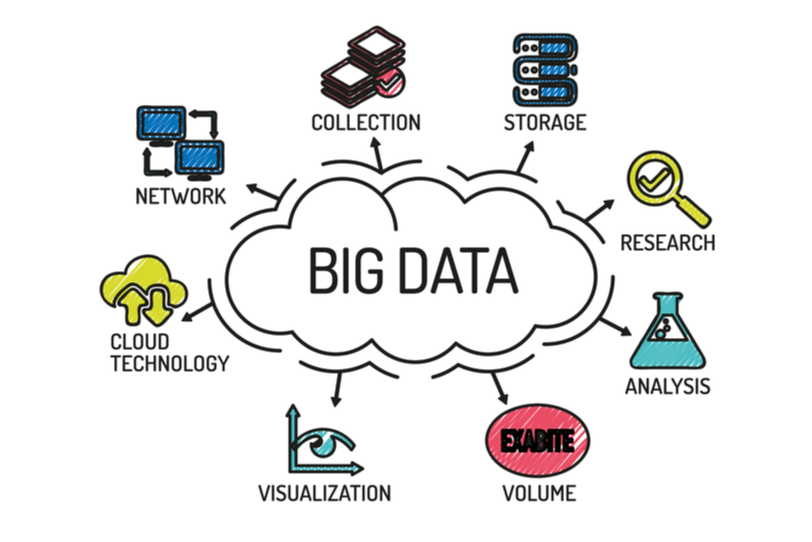
    Big data refers to vast volumes of structured and unstructured data generated every second from digital activities—think social media posts, website clicks, IoT devices, and mobile apps. What makes big data “big” isn’t just the size, but also the velocity, variety, and veracity of the data collected. Traditional data processing tools fall short when dealing with such complexity, which is why new methods like distributed computing, cloud platforms, and real-time analytics have emerged.

    It big data and AI solutions process this enormous data in real time, extract meaningful patterns, and convert raw numbers into actionable strategies. The end result? Businesses get to anticipate trends, reduce risks, and delight customers—before the competition even notices.


    1. Enhanced Predictive Analytics for Smarter Decision Making

    One of the strongest advantages of it big data and AI solutions is their ability to predict future trends based on historical data. Retailers, for instance, can forecast customer demand with incredible accuracy using AI models trained on purchasing history, seasonal behavior, and online engagement.

    This predictive power allows businesses to proactively allocate resources, reduce waste, and drive up profits. In finance, AI-powered analytics identify fraud patterns within seconds. In healthcare, they predict potential outbreaks or patient deterioration—saving lives and cutting costs.


    2. Personalized Customer Experiences

    Consumers today expect hyper-personalized experiences. Thanks to it big data and AI solutions, businesses can now track every touchpoint in a user’s journey—what they browse, how long they stay, what they ignore—and then tailor services accordingly.

    Netflix, for example, uses AI algorithms to recommend shows based on what you watched, paused, or rated. E-commerce giants like Amazon present personalized shopping suggestions based on your preferences, habits, and history. All of this is made possible because of data—smartly interpreted and deployed in real time.


    3. Revolutionizing Healthcare and Life Sciences

    AI and big data are transforming the healthcare industry in dramatic ways. From speeding up drug discovery to enabling precision medicine, the applications are vast. It big data and AI solutions can analyze millions of patient records to find correlations that human researchers would take years to uncover.

    AI-powered diagnostic tools can analyze imaging data like X-rays and MRIs with accuracy comparable to (or sometimes better than) radiologists. During the COVID-19 pandemic, AI models analyzed global data to predict hotspots, model virus spread, and even accelerate vaccine development.


    4. Optimized Business Operations and Supply Chains

    In manufacturing and logistics, downtime and inefficiencies cost billions annually. With it big data and AI solutions, companies can implement predictive maintenance, optimize routes, and forecast demand more accurately than ever before.

    For example, a factory using AI can monitor machine data to predict when a component will fail and schedule maintenance before it disrupts production. In logistics, AI helps in route optimization, reducing delivery times and fuel consumption—boosting customer satisfaction and bottom lines alike.


    5. Intelligent Automation and Workforce Productivity

    Repetitive, time-consuming tasks are being automated using AI-powered bots and machine learning tools. This shift doesn’t replace humans—it empowers them. Employees can focus on strategic, creative, and human-centric tasks while AI handles the grunt work.

    It big data and AI solutions help HR teams screen resumes, IT departments automate ticket resolution, and finance teams reconcile accounts at lightning speed. Companies that embrace intelligent automation not only cut costs but also enhance employee satisfaction and output.


    6. Data-Driven Innovation in Marketing and Advertising

    Marketing has gone through a renaissance thanks to AI and big data. Today, marketers can segment audiences, predict campaign outcomes, and allocate budgets more efficiently. With real-time insights into what works and what doesn’t, strategies can be refined continuously.

    It big data and AI solutions analyze customer behavior across platforms and predict buying triggers. They can even generate dynamic content for different segments, leading to higher engagement and conversions. Platforms like Google Ads and Meta’s ad manager already use these algorithms to target users with almost eerie accuracy.


    7. Smart Cities and Infrastructure Management

    Governments around the world are adopting smart city frameworks to improve infrastructure, traffic, waste management, and citizen services. With millions of sensors and connected devices, cities generate enormous data that requires real-time processing and insight generation.

    AI systems analyze traffic data to manage congestion, monitor air quality, predict water usage, and ensure efficient power distribution. It big data and AI solutions are helping cities like Singapore, Amsterdam, and Dubai become models of sustainable, responsive urban development.


    Real-World Case Study: How BMW Uses AI and Big Data

    BMW uses it big data and AI solutions across its production plants to analyze sensor data, monitor equipment status, and detect inefficiencies. In one plant, AI models helped reduce downtime by 30% simply by predicting failures before they occurred.

    Moreover, customer data from connected vehicles is analyzed in real-time to offer personalized driving tips, notify drivers of potential issues, or recommend service appointments. This kind of proactive engagement boosts brand loyalty and customer trust.


    Ethical AI and Responsible Data Use

    As we push the boundaries of what’s possible with it big data and AI solutions, it’s crucial to do so responsibly. Transparency in algorithms, fair data usage, and protection of user privacy must be central to every implementation.

    Companies must invest in ethical AI frameworks that prioritize fairness, explainability, and accountability. Governments are also setting up regulatory standards to ensure data is collected, stored, and used responsibly.


    The Future of Big Data and AI: Where Are We Headed?

    The fusion of AI with big data will only deepen. We are moving toward self-learning systems that can improve themselves without human intervention. As 5G networks expand and edge computing grows, it big data and AI solutions will shift from centralized cloud-based systems to more distributed, real-time intelligence engines.

    We’ll soon see AI-powered robots in homes, hyper-personalized education systems, autonomous transportation systems, and more—all powered by the unending stream of data.


    Conclusion: Why You Should Embrace Big Data and AI Now

    The era of digital transformation is well underway. Companies and individuals who leverage it big data and AI solutions will thrive, while those who don’t may fall behind. The benefits are clear: smarter decisions, efficient operations, happier customers, and future-readiness.

    If you’re looking to embrace this transformation, AIBuzz is your trusted technology partner. Our team specializes in delivering cutting-edge IT and Tech Services—including it big data and AI solutions, cloud infrastructure, cybersecurity, virtual reality, and more. Whether you’re a startup, SME, or enterprise, we empower you to unlock the full potential of your data.

  • Top 11 Virtual Reality Companies Revolutionizing the Future – Power List 2025

    Top 11 Virtual Reality Companies Revolutionizing the Future – Power List 2025

    Introduction: The Rise of Virtual Reality Companies in 2025

    In the rapidly evolving tech world of 2025, virtual reality companies are doing more than just creating immersive video games—they’re redefining how we work, learn, socialize, and heal. From remote work collaboration tools to therapeutic VR for mental health, these visionary firms are driving innovation like never before. This power-packed list celebrates the top 11 virtual reality companies that are shaping the global VR ecosystem with groundbreaking technologies and solutions.

    Before we dive in, let’s quickly understand what virtual reality is and why these companies matter so much.


    What is Virtual Reality? (Quick Overview)

    Virtual reality (VR) is a simulated, immersive environment created using computer technology. It allows users to interact with 3D worlds as though they’re physically present in them. Whether it’s for entertainment, healthcare, education, or architecture, VR opens doors to limitless digital possibilities. It’s no wonder that forward-thinking businesses are investing in virtual reality companies to stay competitive in this digital age.


    1. Meta (Formerly Oculus/Facebook Reality Labs)

    Location: Menlo Park, USA
    Specialty: Social VR, Gaming, Hardware

    Meta remains a frontrunner among virtual reality companies thanks to its Quest headset line and visionary work on the metaverse. Their continued investment in virtual environments for work, education, and gaming places them at the core of global VR expansion. Meta’s Horizon Worlds platform is gaining momentum, making VR collaboration feel real.


    2. HTC Vive

    Location: Taiwan
    Specialty: Enterprise VR, High-Fidelity Headsets

    HTC is a household name among top virtual reality companies, known for its Vive Pro and Vive XR Elite series. With crystal-clear graphics and enterprise-grade solutions, HTC targets professionals in architecture, healthcare, and training simulations. It’s clear they’re not just building gadgets—they’re building experiences.


    3. Sony Interactive Entertainment (PlayStation VR2)

    Location: Tokyo, Japan
    Specialty: Console VR Gaming

    Sony’s PlayStation VR2 is a revolution in console-based immersive gaming. With top-tier visuals, haptic feedback, and exclusive game titles, Sony cements its position among elite virtual reality companies worldwide. Gamers and developers alike flock to this ecosystem for its reliability and content depth.


    4. Magic Leap

    Location: Plantation, USA
    Specialty: Mixed Reality, Spatial Computing

    Though originally overhyped, Magic Leap has transformed into one of the most resilient virtual reality companies. Its focus now lies in enterprise applications, especially in medical and industrial environments. Their latest headset is lighter, smarter, and more aligned with real-world needs.


    5. Valve Corporation

    Location: Washington, USA
    Specialty: VR Gaming Hardware & Platforms

    Valve, the genius behind SteamVR and the Index headset, continues to be a VR innovator. Their open platform supports content developers, and their deep-rooted gaming culture has created one of the most immersive and user-loved ecosystems in the industry.


    6. Unity Technologies

    Location: San Francisco, USA
    Specialty: VR Development Engine

    Though not a headset maker, Unity is critical to virtual reality. It powers over 60% of all VR content, making it a linchpin among supporting virtual reality companies. Game developers, educators, and architects rely on Unity for interactive, responsive environments.


    7. Varjo Technologies

    Location: Helsinki, Finland
    Specialty: Human-Eye Resolution VR for Professionals

    Varjo specializes in high-end VR for industries like aviation, surgery, and car design. Known for their “human-eye” resolution, Varjo is the Ferrari of virtual reality headsets. They stand out in the premium segment of virtual reality companies and are trusted by big names like Boeing and Volvo.


    8. Pico Interactive (A ByteDance Company)

    Location: Beijing, China
    Specialty: Standalone VR Headsets for Entertainment & Enterprise

    Pico is ByteDance’s (TikTok’s parent) entry into VR and has already made a mark. Competing with Meta’s Quest, Pico delivers wireless, all-in-one VR that’s used in classrooms, offices, and living rooms. They’re aggressively expanding into Europe and the US, becoming a serious player among new-age virtual reality companies.


    9. Microsoft (HoloLens)

    Location: Redmond, USA
    Specialty: Mixed Reality, Enterprise Solutions

    With HoloLens 2, Microsoft bridges augmented and virtual reality for enterprise use cases. Its applications in manufacturing, defense, and remote assistance have made it a trusted name in industrial VR. Microsoft proves that virtual reality companies can also dominate in mixed reality.


    10. ImmersiveTouch

    Location: Chicago, USA
    Specialty: Surgical Training & Simulation

    This medical-focused VR company is transforming how surgeons learn and prepare for procedures. Their interactive training simulations offer lifelike precision, helping improve patient outcomes. ImmersiveTouch is a shining example of virtual reality companies enhancing healthcare.


    11. EON Reality

    Location: Irvine, USA
    Specialty: Education and Workforce Development

    EON Reality creates scalable VR content for schools and training centers. With its XR platform and AI-powered content generation, EON empowers educators and HR departments to create their own immersive lessons—without needing to code.


    Emerging Trends Driving Virtual Reality Companies Forward

    Here are the top trends accelerating the growth of virtual reality companies in 2025:

    • AI Integration: Merging machine learning with VR for smarter simulations and adaptive learning.
    • 5G & Cloud VR: Enhancing mobility and real-time interaction through faster, low-latency networks.
    • Cross-Platform Tools: Building unified experiences across PC, mobile, AR, and VR devices.
    • Workplace Metaverse: VR is now integral to remote collaboration, HR training, and virtual hiring.
    • Sustainability: VR is reducing travel and material waste in industries like real estate and education.

    Why Virtual Reality Companies Are Crucial Today

    From transforming how students learn to how surgeons practice or architects visualize, virtual reality companies are unlocking capabilities we never thought possible a decade ago. They are leading the charge toward a more interactive, immersive, and intelligent world.


    Short Note on IT Virtual Reality

    IT virtual reality is the intersection of immersive tech and information systems. It focuses on implementing VR into enterprise IT infrastructures—be it for training simulations, product visualization, remote tech support, or immersive customer experiences. As more organizations undergo digital transformation, IT virtual reality is becoming the new norm in innovation-driven sectors.


    Conclusion: Powering the Future with Virtual Reality Companies & AI Buzz

    The companies listed above are just the tip of the iceberg. As VR continues to evolve, the demand for immersive solutions will skyrocket, and more players will enter the scene. But one thing remains clear—virtual reality companies are no longer experimental ventures. They’re the core of tomorrow’s digital world.

    At AIBuzz, we understand the value of partnering with visionary technologies. Our IT and Tech Services are crafted to align with emerging innovations, including virtual reality integration, cloud solutions, and AI transformation. Whether you’re a business aiming to create a VR product or simply looking to modernize your IT infrastructure, AIBuzz is your go-to innovation partner.

    Let’s create the future—one immersive experience at a time.


  • 7 Powerful Reasons Why Sony Virtual Reality is Dominating the Future of Gaming in 2025

    7 Powerful Reasons Why Sony Virtual Reality is Dominating the Future of Gaming in 2025


    Introduction: Entering the New Age of Immersion

    The evolution of gaming has reached an electrifying milestone with Virtual Reality taking center stage in 2025. Blending jaw-dropping visuals, real-time motion tracking, and deeply immersive audio, it Sony Virtual Reality is redefining how we experience entertainment, social interaction, and even education. This blog dives deep into why this VR platform is making waves, its future potential, and how it’s carving its place in the competitive tech world.


    1. Sony’s Bold Leap: From PlayStation to Next-Gen VR

    Sony, renowned for its innovation, has transformed its VR ecosystem beyond gaming. Starting with the original PlayStation VR headset, it Sony Virtual Reality has since evolved into a high-powered, standalone system that brings cinematic clarity and intuitive control to users. Its 4K HDR displays, haptic feedback controllers, and lightning-fast tracking make it a powerhouse in virtual reality tech.

    What makes it Sony Virtual Reality shine is its seamless compatibility with the PS5 and a rapidly growing library of VR-optimized games. Titles like Horizon Call of the Mountain and Gran Turismo 7 VR provide not just gameplay—but a completely embodied experience.


    2. Power Meets Comfort: The New Headset Design

    Gone are the days of bulky, tethered gear. The latest iteration of it Sony Virtual Reality is both lightweight and ergonomically designed, reducing fatigue during extended sessions. Featuring a balanced center of gravity and adjustable lens separation, the headset caters to a wide range of users, making VR more accessible than ever.

    Sony has also integrated advanced inside-out tracking, eliminating the need for external sensors while enhancing motion precision. This development is a game-changer, especially for casual users and professionals looking for plug-and-play simplicity.


    3. The Visual & Audio Marvel Behind It

    It Sony Virtual Reality’s OLED display offers over 2000×2040 resolution per eye, delivering stunning detail and vibrant colors. Motion blur and latency, once major hurdles in VR, are practically nonexistent thanks to a 120Hz refresh rate and reduced response times.

    Complementing the visuals is Sony’s signature 3D Tempest AudioTech, which lets users hear minute details like whispering winds or approaching footsteps from pinpointed directions. This spatial sound system doesn’t just enhance gaming—it makes virtual environments feel genuinely alive.


    4. A Universe of Experiences Beyond Gaming

    While gaming remains a major focus, it Sony Virtual Reality is venturing far beyond. Educational simulations, virtual concerts, immersive fitness programs, and collaborative workspaces are all part of Sony’s vision. Applications like TRIPP VR (for mental wellness) and Moss VR (educational gaming) highlight the platform’s versatility.

    Sony’s recent partnerships with universities and medical institutions for virtual training environments underscore how VR is revolutionizing industries, not just entertainment. The use cases continue to grow, solidifying Sony’s leadership in immersive tech.


    5. Multiplayer Magic: Social VR Done Right

    Sony has recognized the growing demand for social connectivity in virtual spaces. Through platforms like VRChat and Rec Room, users can meet friends, attend events, or explore worlds together in real time. It Sony Virtual Reality’s low-latency streaming and advanced avatars make these interactions feel natural and expressive.

    The ability to engage with others globally in shared experiences adds a new dimension to virtual living—blurring the lines between physical and digital socializing.


    6. Developer-Friendly Innovation: Building the Future

    Sony’s open invitation to indie and AAA developers alike is key to its VR platform’s expansive growth. The newly enhanced VR SDK for Unity and Unreal Engine allows creators to develop high-performance, immersive games and apps that leverage the full potential of it Sony Virtual Reality.

    The company also provides extensive documentation, testing tools, and financial backing for VR startups. This support ensures a steady flow of high-quality content for users and accelerates innovation across the VR landscape.


    7. Competitive Pricing & Accessibility

    One of the most impressive aspects of it Sony Virtual Reality is its balance between premium features and affordability. While many high-end VR systems are priced out of reach for average consumers, Sony offers tiered options to suit different budgets—without compromising on core performance.

    Bundled packages with popular games, regular discounts, and compatibility with existing PlayStation hardware make it easier for families, students, and casual gamers to dive into virtual reality.


    A Quick Look: What is Sony Virtual Reality?

    In short, it Sony Virtual Reality refers to Sony’s dedicated suite of VR products and experiences—primarily designed for the PlayStation platform but increasingly evolving into a standalone ecosystem. It combines immersive visuals, adaptive controls, spatial audio, and cross-functional applications in gaming, education, social networking, and professional training.

    From blockbuster gaming titles to serene mindfulness apps, Sony Virtual Reality offers users a deeply engaging, high-fidelity portal into digital worlds—whether for fun, learning, or productivity.


    The Future Vision: What’s Next for Sony VR?

    With AI integration, improved cloud rendering, and enhanced biometric feedback systems on the horizon, it Sony Virtual Reality is gearing up for a paradigm shift. We’re likely to see:

    • Full-body tracking via wearable sensors.
    • AI companions that evolve with user interaction.
    • AR/VR hybrid devices for seamless switching between real and virtual environments.
    • Holographic interfaces in collaboration with Sony’s imaging division.

    Sony’s roadmap reflects a bold, user-centric approach—ensuring it remains a leader in immersive innovation.


    Final Thoughts: Why Sony Virtual Reality is Worth the Hype

    With an exceptional blend of design, performance, and accessibility, it Sony Virtual Reality is setting new benchmarks in immersive technology. Whether you’re a hardcore gamer, a VR enthusiast, or simply curious about virtual experiences, Sony’s ecosystem offers something extraordinary.

    The combination of powerful hardware, stunning visuals, deep content libraries, and forward-thinking features makes it Sony Virtual Reality more than just a gadget—it’s a gateway to the future.


    Conclusion: Why AI Buzz is Your Go-To for IT and Tech Services

    At AIBuzz, we’re passionate about emerging tech that transforms how people live, play, and work. Whether you’re looking to integrate immersive platforms like it Sony Virtual Reality into your digital ecosystem or need expert solutions in IT and Tech Services, we’ve got you covered. Our team delivers customized, scalable, and future-proof services to keep you ahead in a fast-evolving tech world.

    Let’s build the future—together.

  • 7 Powerful Benefits of Cloud IT Support in 2025 for Business Success

    7 Powerful Benefits of Cloud IT Support in 2025 for Business Success


    Introduction: Elevate Your Tech Strategy with Cloud IT Support

    In the dynamic digital era of 2025, businesses across the globe are leaning into transformative technologies that enhance productivity, security, and scalability. Among these, cloud IT support stands out as one of the most essential and impactful solutions available today. From startups to enterprises, organizations are rapidly adopting this service to stay competitive, agile, and protected.

    This blog will explore seven powerful benefits of cloud IT support and why it’s considered a game-changer for forward-thinking companies. Whether you’re a tech novice or an experienced CIO, this guide will help you understand how cloud IT support is shaping the future of technology management.


    What is Cloud IT Support?

    Discover the 7 powerful benefits of cloud IT support in 2025. Learn how it enhances security, scalability, and business continuity. Powered by AIBuzz.

    Cloud IT support refers to the delivery of IT services—such as troubleshooting, system monitoring, data backup, network management, and software updates—via cloud-based platforms. Unlike traditional in-house support systems, cloud IT support operates remotely, offering businesses unparalleled flexibility and scalability.

    It allows businesses to eliminate physical infrastructure constraints while ensuring that expert technical assistance is available at all times. This remote-first approach is particularly valuable in a post-pandemic world where distributed workforces are the norm.


    1. Unmatched Accessibility and Remote Support

    With cloud IT support, your business gains round-the-clock access to expert technicians, regardless of your location. Whether your team works from different cities, countries, or continents, cloud-based support ensures smooth operations.

    Cloud IT support platforms offer:

    • Remote access tools for immediate troubleshooting
    • Real-time monitoring and alerts
    • Centralized dashboards for IT performance oversight

    This level of accessibility improves response times and ensures issues are resolved before they escalate.


    2. Enhanced Security and Data Protection

    Security remains a top concern for any modern business, especially those handling sensitive customer information. Cloud IT support provides enterprise-grade security protocols, including:

    • End-to-end encryption
    • Multi-factor authentication (MFA)
    • Automated security updates
    • 24/7 threat monitoring

    Additionally, cloud IT support teams often partner with top-tier cloud providers like AWS, Microsoft Azure, or Google Cloud to ensure your data is housed in highly secure, redundant environments.


    3. Cost-Effective IT Infrastructure Management

    One of the biggest draws is the cost savings. Instead of investing in costly hardware, licenses, or on-site staff, businesses can scale their IT needs through subscription-based models.

    Key cost benefits include:

    • No hardware maintenance
    • Pay-as-you-go pricing
    • Reduced downtime and operational losses
    • Lower staffing requirements

    These financial advantages make it support ideal for small and mid-sized businesses seeking to maximize ROI.


    4. Automatic Updates and Scalability

    In traditional setups, updating software or increasing server capacity requires downtime and technical effort. With cloud IT support, these tasks are automated and scalable on demand.

    Benefits include:

    • Zero manual intervention for system upgrades
    • Seamless scaling during traffic spikes
    • Continuous integration and deployment (CI/CD) support

    Whether you’re launching a new product or experiencing seasonal demand, cloud IT support ensures your infrastructure can scale effortlessly.


    5. Improved Business Continuity and Disaster Recovery

    Downtime is not just an inconvenience—it’s a financial liability. Cloud IT support provides robust disaster recoveryoptions that ensure your business stays online, no matter what.

    Core features include:

    • Automated data backups
    • Geographically redundant storage
    • Real-time failover systems
    • Quick restoration protocols

    In 2025, businesses with cloud IT support experience 80% less downtime during disasters compared to those relying solely on physical infrastructure.


    6. Real-Time Monitoring and Predictive Maintenance

    With advanced AI-powered tools, cloud IT support offers real-time monitoring and predictive analytics to anticipate issues before they occur.

    Capabilities include:

    • Performance alerts and dashboards
    • Predictive failure models
    • Automated maintenance tasks

    By catching problems early, businesses reduce repair costs and increase operational efficiency, giving them a clear advantage in competitive markets.


    7. Green IT and Sustainability Advantages

    Cloud IT support contributes to a greener planet. By moving away from power-hungry on-site servers, businesses reduce their carbon footprint and contribute to global sustainability goals.

    Sustainable benefits include:

    • Lower energy consumption
    • Reduced electronic waste
    • Use of renewable-powered data centers

    As sustainability becomes a global business priority, cloud IT support enables companies to innovate responsibly.


    Use Cases: Who Can Benefit from Cloud IT Support?

    1. Startups – Rapid deployment, minimal upfront investment
    2. E-commerce Brands – Scalability for traffic fluctuations
    3. Healthcare Providers – HIPAA-compliant secure environments
    4. Educational Institutions – Virtual learning environments
    5. Financial Firms – Encrypted data and regulatory compliance


    Cloud IT Support: Quick Summary

    Cloud IT support is not just another trend—it’s a strategic imperative. Its benefits are far-reaching: cost savings, better performance, airtight security, and scalability. As digital transformation accelerates, the role of cloud IT support in business success cannot be overstated.

    Let’s quickly summarize why you should make the switch:

    BenefitWhy It Matters
    Accessibility24/7 expert support anywhere
    SecurityEnterprise-level threat protection
    Cost EfficiencyNo hardware or maintenance costs
    ScalabilitySeamless expansion during growth
    Disaster RecoveryMinimal downtime during outages
    Predictive MaintenancePrevent issues before they affect you
    Eco-FriendlySupports green initiatives


    Final Thoughts: Why Cloud IT Support is the Future

    Discover the 7 powerful benefits of cloud IT support in 2025. Learn how it enhances security, scalability, and business continuity. Powered by AIBuzz.

    The journey to innovation begins with strong IT infrastructure. In 2025, cloud IT support empowers businesses to be more resilient, agile, and secure. From real-time issue resolution to predictive monitoring, the benefits are simply too powerful to ignore.

    With customer expectations rising and digital threats evolving, companies need IT support that keeps pace. That’s where cloud IT support becomes an invaluable asset—always on, always optimized.


    Conclusion

    At AIBuzz, we specialize in helping businesses harness the full potential of cloud IT support. Our expert teams provide scalable, secure, and cost-effective solutions designed for the modern digital world. Whether you need migration, 24/7 monitoring, or full-stack cloud management, AIBuzz delivers excellence.

    Trust AIBuzz to revolutionize your IT strategy through powerful, proactive cloud IT support services that evolve with your business.

  • 11 Powerful Ways IT and Tech Services Are Revolutionizing Businesses in 2025

    11 Powerful Ways IT and Tech Services Are Revolutionizing Businesses in 2025

    Introduction: The Digital Backbone of Modern Success

    In today’s hyper-connected world, IT and Tech Services are no longer just a support system — they are the lifeblood of innovation, security, and efficiency. From powering seamless communications to driving big data insights and artificial intelligence integration, these services are transforming how companies operate across every industry.

    As we step into 2025, businesses are embracing IT and Tech Services to stay competitive, scale faster, and deliver smarter experiences. This blog explores 11 powerful ways these services are elevating businesses, while offering insights into key trends, benefits, and technologies that define the future of IT and Tech Services.


    1. Cloud Infrastructure: Elevating Business Agility

    The adoption of cloud computing is a game-changer. With flexible infrastructure models like IaaS, PaaS, and SaaS, businesses can scale resources on demand. IT and Tech Services now include expert cloud migration strategies, hybrid environments, and managed cloud operations that reduce downtime and enhance productivity.

    Cloud also enhances collaboration — employees can work from anywhere with real-time access to systems, boosting business agility. Companies leveraging cloud-based IT and Tech Services are seeing an average of 30–50% cost reduction in infrastructure maintenance.


    2. Cybersecurity: The Frontline of Digital Defense

    Cyber threats are more sophisticated than ever. IT and Tech Services now offer proactive cybersecurity solutions like threat detection, endpoint protection, penetration testing, and zero-trust architecture.

    With global cybercrime damage projected to reach $10.5 trillion annually by 2025, businesses can’t afford to ignore security. IT and Tech Services ensure compliance with global regulations (like GDPR and HIPAA), offer regular audits, and implement intelligent firewalls and AI-based threat monitoring.


    3. AI-Powered IT Operations (AIOps)

    Artificial Intelligence is redefining IT management. AIOps uses machine learning and data analytics to automate IT operations, monitor systems, and predict issues before they arise.

    With AIOps, IT and Tech Services minimize human errors and improve uptime. Smart alerts, predictive maintenance, and automated workflows mean reduced tickets, faster incident responses, and optimized resource allocation — a must-have for enterprises in 2025.


    4. IT Service Desk and Remote Support

    Modern businesses rely on 24/7 support systems to ensure smooth operations. IT and Tech Services include robust IT service desks, ticketing systems, and remote troubleshooting.

    With tools like remote desktop software, chatbots, and automated resolution scripts, employees and clients get help instantly. This elevates user satisfaction while lowering support costs — a win-win for tech-powered workplaces.


    5. Data Analytics and Business Intelligence

    IT and Tech Services now harness big data and predictive analytics to transform raw information into business insights. Whether through Power BI dashboards, real-time KPIs, or custom analytics platforms, businesses are making informed decisions with speed and precision.

    For example, eCommerce platforms use IT and Tech Services to analyze consumer behavior, optimize pricing, and forecast inventory. Data is no longer just stored — it’s intelligently used.


    6. IT Hardware & Network Support

    Behind every digital service is physical infrastructure. IT and Tech Services ensure servers, routers, switches, and devices function without hiccups. Managed services include regular maintenance, firmware updates, and lifecycle management.

    With growing demand for edge computing, IT and Tech Services are expanding into localized data processing, reducing latency and improving customer experience across industries like finance, healthcare, and manufacturing.


    7. Digital Transformation and Tech Consulting

    Companies are turning to IT and Tech Services for full-fledged digital transformation roadmaps. From software development to tech stack modernization, IT consultants guide businesses through the maze of technological choices.

    They assess your current setup, future-proof your strategy, and implement scalable digital solutions — often increasing operational efficiency by over 40% within the first year.


    8. Custom Software Development

    Off-the-shelf software isn’t always enough. IT and Tech Services include custom software development that caters to industry-specific needs — like healthcare compliance, fintech regulations, or manufacturing automation.

    Whether it’s ERP platforms, mobile apps, or CRM integrations, custom solutions are built to align with long-term business goals and deliver measurable ROI.


    9. IoT and Smart Infrastructure

    The Internet of Things (IoT) is expanding rapidly. IT and Tech Services now support connected devices in factories, offices, and even smart cities. From real-time asset tracking to smart energy management, IoT is adding intelligence to infrastructure.

    IT providers ensure secure integration, reliable data transmission, and automated control systems that optimize operational costs and create intelligent environments.


    10. Disaster Recovery and Business Continuity

    Disruptions happen — but businesses can’t afford downtime. IT and Tech Services offer disaster recovery planning, automated backups, redundant systems, and cloud-based continuity services.

    These services ensure that if a cyberattack, system crash, or natural disaster occurs, your operations resume within minutes — not days. This proactive strategy is crucial for data-sensitive industries like finance, legal, and healthcare.


    11. Tech Training and Skill Development

    Technology evolves fast. IT and Tech Services include training programs to upskill teams in areas like cybersecurity, data handling, and software usage. This builds an agile, tech-savvy workforce ready to adapt to innovations.

    Internal training modules, virtual labs, and certification prep are helping companies bridge the IT skill gap and retain talent in competitive markets.


    What Are IT and Tech Services?

    IT and Tech Services encompass the full range of technical support, software development, infrastructure management, cloud solutions, cybersecurity, and data services that businesses need to function in today’s digital economy. These services are typically provided by managed service providers (MSPs), in-house IT teams, or third-party consultants who specialize in aligning technology with business goals.

    They include everything from installing hardware to managing cloud servers, developing applications, and safeguarding data. In 2025, IT and Tech Services are essential for digital resilience, scalability, and innovation.


    The Future of IT and Tech Services: What’s Next?

    The horizon of IT and Tech Services is bursting with promise. Emerging technologies like quantum computingedge AI, and 5G connectivity are set to revolutionize service delivery. IT teams will become strategic partners in innovation, not just troubleshooters.

    Moreover, green IT solutions — such as energy-efficient data centers and sustainable device disposal — are becoming a key focus for environmentally conscious businesses.

    As AI continues to evolve, expect smarter automation, better personalization, and real-time IT performance optimization that will take digital transformation to the next level.


    Conclusion: Why AIBuzz Leads the Way in IT and Tech Services

    At AIBuzz, we believe the future is powered by intelligent, scalable, and secure IT solutions. Our expert team specializes in delivering end-to-end IT and Tech Services, from infrastructure and cybersecurity to cloud computing and advanced analytics. Whether you’re a startup looking to scale or an enterprise navigating digital transformation, AIBuzz has the right solution to keep you ahead in the tech game.

    Partner with AIBuzz and elevate your business with future-ready IT and Tech Services.


  • Top VR Platforms & Devices to Watch in 2025

    Top VR Platforms & Devices to Watch in 2025

    Introduction: The Rise of Virtual Reality in 2025

    Top VR Platforms and Devices 2025 are transforming how we live, learn, work, and play. No longer confined to just gaming, Virtual Reality (VR) is now powering innovation across industries like education, healthcare, interior design, entertainment, and more.

    In this blog, we dive into the Top VR Platforms and Devices 2025 — perfect for developers, educators, gamers, or anyone ready to step into a new dimension.


    1. HTC Virtual Reality – Advanced Performance for Pro Users

    HTC continues to dominate with its HTC Vive Pro 2, delivering crisp visuals and room-scale tracking ideal for enterprise training, engineering, and high-end gaming.

    Highlights:

    • 5K resolution and wide field of view
    • Wireless movement freedom
    • Large content library via
    • SteamVR compatibility

    2. Microsoft Virtual Reality – Mixed Reality for Collaboration

    With Windows Mixed Reality, Microsoft offers a powerful blend of augmented and virtual reality. Ideal for remote teams and corporate training, it integrates seamlessly with Windows 11.

    Key Benefits:

    • Affordable headset options
    • Excellent productivity tools
    • Supports apps from Microsoft Store and SteamVR

    3. Fulldive VR – Pocket-Friendly Virtual Exploration

    If you’re new to VR, Fulldive VR is a free mobile app that converts your smartphone into a VR device. A great way to explore VR without investing in expensive gear.

    Why Choose Fulldive:

    • Easy setup
    • Access to 360° content and VR browsing
    • Works with basic viewers like Google Cardboard

    4. Spider-Man Homecoming VR – Entertainment Meets Immersion

    This Marvel experience lets users sling webs like Spider-Man using Oculus and HTC headsets. It’s a fun, cinematic way to explore VR storytelling.

    Why It Rocks:

    • Realistic superhero simulation
    • Free download on SteamVR and Oculus Store
    • Great intro to interactive VR entertainment

    5. IKEA Virtual Reality – Redesign Your Space in 3D

    IKEA’s VR Kitchen Experience on Steam lets users walk through virtual kitchens, move objects, and redesign layouts in real time.

    Use Cases:

    • Interior designers and architects
    • Homeowners exploring renovations
    • Educational design demos

    6. Amped Virtual Reality – Social VR Arcade Experience

    Amped VR is a modern arcade offering multiplayer games, group VR experiences, and interactive training simulations — ideal for teams, families, and corporate bonding.

    Why Visit Amped:

    • Group VR setups
    • Professional on-site support
    • Premium hardware and software

    7. REM5 Virtual Reality Lab – Learning in a New Dimension

    REM5 stands out for its focus on education and community learning. From VR workshops to DEI (Diversity, Equity, Inclusion) training, it’s reshaping classrooms and boardrooms.

    Offers:

    • Immersive VR lessons
    • Field trips without leaving the room
    • Collaborative virtual events

    8. Xperiment Virtual Reality – Custom VR Anywhere

    Xperiment VR brings the tech to you. Ideal for schools, corporate functions, and private events, their mobile VR units provide custom content based on your needs.

    Features:

    • VR delivered on-site
    • Personalized programming
    • No setup stress

    9. Budget-Friendly VR Viewers – VR for Everyone

    Headsets like Google Cardboard or Onn VR Viewer make VR accessible for under ₹1000. These basic tools are perfect for students and casual exploration.

    Perks:

    • Affordable and portable
    • Use with apps like YouTube VR and Fulldive
    • No need for a high-end PC

    10. Virtual Reality Helmets – Enterprise-Grade Immersion

    The Meta Quest Pro and Varjo XR-4 are pushing boundaries in healthcare simulation, aviation, and military training. These high-end devices are packed with pro features.

    Top Specs:

    • Eye tracking and facial recognition
    • Precision motion sensors
    • Realistic visual feedback

    11. Frontiers in Virtual Reality – Where Research Meets Innovation

    Frontiers in Virtual Reality is a peer-reviewed journal that provides updates on the latest in VR innovation, mental health applications, and industrial use cases.

    Ideal For:

    • Students and researchers
    • Developers and academics
    • VR enthusiasts looking for trends

    12. Limitless VR – Wellness Meets Technology

    Not just gaming—Limitless VR offers guided meditations, virtual retreats, and even therapy sessions, proving VR can also nurture your mind and spirit.

    What to Expect:

    • VR for personal growth
    • Available on Quest and Steam platforms
    • Content for wellness, mindfulness, and creativity

    13. Virtual Reality Gear – Must-Have Accessories in 2025

    Level up your setup with VR accessories like:

    • Haptic gloves (for realistic touch feedback)
    • VR treadmills (for physical movement)
    • Wireless kits (for freedom of motion)
    • Eye-tracking modules (for enhanced realism)

    Conclusion: Explore the Top VR Platforms and Devices 2025 Has to Offer

    The world of Top VR Platforms and Devices 2025 is vast and diverse. From ultra-affordable mobile viewers to high-end professional-grade headsets, there’s something for every budget and purpose.

    Whether you’re a casual gamer, an interior designer, a corporate trainer, or an educator—2025 is the perfect year to embrace immersive technology and experience the future first-hand.


    Call to Action

    Contact:- 919967940928
    Visit:- www.aibuzz.net
    Mail us:- aibuzz.net


  • 10 Powerful Reasons Why Cryptocurrency Development is Booming in 2025

    10 Powerful Reasons Why Cryptocurrency Development is Booming in 2025


    Cryptocurrency Development has transformed from a tech buzzword into a multi-billion-dollar ecosystem. In 2025, the digital asset revolution is not just thriving—it’s reshaping finance, decentralizing trust, and building the future of economic interaction. From Bitcoin to blockchain-based stablecoins, the growth trajectory of it Cryptocurrency Development is unstoppable. Let’s dive deep into why this movement is gaining momentum and how it’s influencing everything from financial services to governance systems.


    What is Cryptocurrency Development?

    Cryptocurrency Development is the process of creating decentralized digital currencies, applications, and infrastructures that operate on blockchain technology. It encompasses designing crypto coins, building decentralized apps (DApps), coding smart contracts, and ensuring secure peer-to-peer transactions without intermediaries.

    At its core, it Cryptocurrency Development is about freedom—freedom from centralized control, excessive fees, and banking limitations. Developers craft algorithms and networks that allow users to send, store, and manage value digitally with transparency and security.


    1. Rising Demand for Decentralized Finance (DeFi)

    DeFi platforms are perhaps the biggest testament to the success of it Cryptocurrency Development. In 2025, more users than ever are moving their financial activities—from borrowing to investing—onto decentralized platforms. These systems are transparent, accessible, and often offer higher yields than traditional banking.

    Cryptocurrency Development enables these platforms to exist. From Ethereum-based DApps to newer ecosystems like Solana and Avalanche, developers are constantly innovating to remove traditional financial barriers.


    2. Global Acceptance and Institutional Adoption

    Big players in finance—like BlackRock, Fidelity, and Visa—are embracing digital assets. This wave of institutional adoption wouldn’t be possible without robust it Cryptocurrency Development. These institutions rely on secure blockchain infrastructure, advanced cryptographic techniques, and seamless integration, all of which stem from years of development.

    In 2025, it’s not uncommon for governments to consider Central Bank Digital Currencies (CBDCs), another result of strategic Cryptocurrency Development efforts worldwide.


    3. Innovations in Smart Contract Development

    Smart contracts are self-executing codes that automatically carry out actions when predefined conditions are met. They eliminate the need for intermediaries, reduce human error, and ensure efficiency.

    It Cryptocurrency Development involves creating smart contracts for everything—from NFT trading platforms to supply chain logistics. Languages like Solidity and Rust are at the heart of these applications, enabling faster, more secure interactions on blockchain networks.


    4. Explosion of Utility-Based Tokens

    Unlike Bitcoin, many modern cryptocurrencies are designed with specific utilities. Think of tokens used for gaming, voting, access control, file storage, and even healthcare record management.

    All these tokens exist due to the continuous evolution of it Cryptocurrency Development. Developers create new token standards (like ERC-20, BEP-20, and ERC-721 for NFTs) and ensure they are interoperable, secure, and scalable.


    5. Faster and Greener Consensus Mechanisms

    Earlier blockchains like Bitcoin use Proof of Work (PoW), which consumes significant energy. Modern Cryptocurrency Development has shifted toward eco-friendly alternatives like Proof of Stake (PoS), Delegated Proof of Stake (DPoS), and even innovative hybrids.

    Ethereum’s move to PoS in the past paved the way, and now developers are building chains that are sustainable, scalable, and lightning-fast. The result? Cheaper transactions, broader access, and a greener ecosystem.


    6. Cross-Chain Interoperability

    In today’s world, users don’t want to be restricted to one blockchain. They demand flexibility, and it Cryptocurrency Development has delivered.

    Thanks to technologies like wrapped tokens, atomic swaps, and blockchain bridges, users can move assets seamlessly across different networks. This interoperability is crucial for the future of decentralized applications and wider adoption.


    7. Robust Security & Auditing Tools

    As the crypto space grows, so does the need for robust security. Modern Cryptocurrency Development focuses heavily on writing safe smart contracts, identifying vulnerabilities, and utilizing automated tools to test applications before launch.

    Platforms like CertiK and OpenZeppelin now offer developers automated auditing systems—helping them prevent exploits, protect user funds, and boost investor confidence.


    8. Gaming and Metaverse Integration

    Cryptocurrency Development isn’t just about finance anymore. In 2025, it’s deeply integrated into online gaming, virtual assets, and the metaverse. In-game currencies, NFT-based assets, and blockchain identity verification are becoming industry standards.

    Popular blockchain games are powered by development efforts that make transactions seamless, real-time, and secure—adding economic value to gaming experiences.


    9. User-Friendly Wallet and Exchange Development

    The early days of crypto were technically complex, but not anymore. Developers now prioritize user experience. It Cryptocurrency Development now includes mobile-first wallet apps, custodial and non-custodial wallet options, and integrated exchanges with intuitive dashboards.

    Features like QR scanning, fiat on-ramps, multi-currency support, and hardware wallet compatibility are all standard today thanks to UI/UX-focused Cryptocurrency Development.


    10. Crypto Regulations Fueling Innovation

    While regulations can seem restrictive, they’re often a sign of market maturity. As governments around the world begin issuing clearer guidelines, it Cryptocurrency Development is adapting rapidly. Developers now design KYC-compliant DApps, integrate AML protocols, and ensure transparency to align with legal standards.

    These frameworks are laying the foundation for sustainable growth and helping crypto reach mainstream users who once viewed it with skepticism.


    Tools and Tech Used in Cryptocurrency Development

    A wide range of technologies powers it Cryptocurrency Development:

    • Languages: Solidity, Rust, Go, Python
    • Platforms: Ethereum, Binance Smart Chain, Polygon, Solana
    • Frameworks: Truffle, Hardhat, Brownie
    • Security Tools: MythX, Slither, OpenZeppelin
    • Wallet APIs: MetaMask, Trust Wallet, WalletConnect

    Together, these tools allow for secure, scalable, and smart crypto product development.


    The Future of Cryptocurrency Development

    Looking ahead, we expect even greater decentralization, global financial inclusion, and AI-integrated blockchain systems. From decentralized ID verification to tokenized real estate, it Cryptocurrency Development is at the forefront of digital transformation.

    AI-driven smart contracts, zero-knowledge proofs, and real-world asset (RWA) tokenization will dominate future trends. Developers who can blend innovation with regulation will lead the charge in creating crypto ecosystems that are both sustainable and scalable.


    Short Paragraph Explaining Cryptocurrency Development

    Cryptocurrency Development is the end-to-end process of designing and deploying digital currencies and blockchain-based solutions. It includes coin creation, smart contract coding, decentralized application development, and securing the blockchain infrastructure. The goal is to offer decentralized, transparent, and tamper-proof systems for global digital transactions.


    Conclusion

    In 2025, the world of digital finance is rewriting itself through innovation and decentralization. The role of it Cryptocurrency Development is central to this transformation. With increasing adoption, eco-friendly consensus mechanisms, and next-gen smart contracts, the future looks bright and borderless.

    At AIBuzz, we are pioneering this exciting future with end-to-end solutions in Cryptocurrency Development. Whether you’re looking to build a custom crypto wallet, launch your own coin, or create a secure DeFi platform, our expert team helps you shape the next chapter in digital finance. Let’s innovate together—securely, powerfully, and globally.

  • Best IT Support Near Me for Quick Tech Solutions

    Best IT Support Near Me for Quick Tech Solutions

    Introduction: Fast, Personalized Tech Help You Can Count On

    In today’s tech-driven world, businesses and individuals alike rely heavily on technology. A sudden system crash, Wi-Fi issue, or malware attack can bring operations to a halt. That’s why having reliable local tech support is more than a convenience—it’s a necessity.

    When you search for help nearby, you get faster response, personal attention, and a trusted partner just a call away.


    What Does IT Support Include?

    IT support covers a broad range of technical services that assist users in resolving digital and hardware-related issues. These typically include:

    • Troubleshooting computer issues
    • Network setup and configuration
    • Virus and malware removal
    • Cloud service management
    • Remote and in-person support
    • Cybersecurity and infrastructure planning


    Why Choose a Local IT Provider?

    Hiring local professionals can make a huge difference in how quickly your issue is resolved and how well it’s handled.

    Quicker Assistance

    • On-site experts can reach you within hours—not days
    • Crucial during data loss or network outages

    Personalized Service

    • Face-to-face diagnosis allows better understanding
    • Solutions are tailored to your unique environment

    More Trust, More Accountability

    • Easy to build ongoing relationships
    • Local providers are more invested in their reputation

    Popular Services Offered by Local IT Support Teams

    1. Computer Repair

    • Fix hardware issues like RAM, SSD, or screen failures
    • Resolve performance problems like freezing and blue screens
    • Laptop battery or charger port replacement

    2. Remote Support

    • Quick fixes through screen-sharing or remote login
    • Ideal for software updates or troubleshooting
    • Often available 24/7

    3. Strategic IT Consulting

    • Get expert advice on infrastructure or migration
    • Cybersecurity upgrades
    • Scalable IT planning for growing businesses

    4. Managed Services

    • Proactive monitoring and updates
    • Regular cloud backups and antivirus support
    • Affordable monthly service plans

    See our guide on Managed IT Services .

    5. Technical Setup Assistance

    • Router, printer, or smart device installations
    • Software setup and licensing
    • Peripheral device troubleshooting

    Choosing the Right IT Partner Near You

    Here are a few must-check points before hiring:

    • Customer Reviews: Check platforms like JustDial, Google Reviews, or Trustpilot
    • Response Time: Ask about emergency turnaround times
    • Service Coverage: Ensure they support your OS (Mac, Windows, Linux)
    • Transparent Pricing: Opt for clear hourly or subscription-based packages

    Why Remote Tech Help Still Has Its Place

    Although local support is great for physical setups, remote IT support offers:

    • Convenience—just a login away
    • Cost savings with no commute
    • 24/7 availability on holidays or weekends
    • Instant troubleshooting for common issues


    When to Call IT Support Immediately

    Don’t delay if you’re facing:

    • Overheating computers
    • Virus/malware alerts
    • Network interruptions
    • Missing or corrupted files
    • Printer or scanner not connecting

    Real-Life Example: A Local IT Hero in Action

    Location: Pune
    Client: Boutique Digital Agency
    Crisis: Locked out of client files after a ransomware attack

    The agency quickly contacted a local cybersecurity expert.

    Results:

    • 80% of data recovered in under 6 hours
    • Cloud backups implemented
    • Staff trained in cybersecurity best practices

    Outcome: Minimal downtime and no loss of clients. A trusted relationship was formed for ongoing support.


    Conclusion: Don’t Let Tech Hold You Back

    From virus removal to network setup and beyond, having access to nearby IT specialists means fewer headaches and faster recovery from tech troubles.

    Whether you’re a small business, freelancer, or home user, local tech support ensures you’re never alone when digital problems strike.


    Call to Action

    Contact:- 919967940928
    Visit:- www.aibuzz.net
    Mail us:- info@aibuzz.net

  • 11 Powerful Ways Artificial Intelligence is Revolutionizing Our World in 2025

    11 Powerful Ways Artificial Intelligence is Revolutionizing Our World in 2025


    Introduction: The Power Surge of Artificial Intelligence in 2025

    In today’s digitally-driven age, artificial intelligence (AI) has surged to the forefront of innovation, revolutionizing industries and enhancing the way we live, work, and interact. From smart assistants to intelligent business solutions, AI is no longer just a buzzword — it’s a foundational technology shaping the future. This blog explores 11 powerful ways artificial intelligence is transforming the world in 2025 with real impact, practical examples, and bold possibilities. Whether you’re a tech enthusiast, business leader, or just curious about how AI is influencing your life, this WordPress-optimized guide is your roadmap.


    What is Artificial Intelligence?

    At its core, AI refers to the development of computer systems that can perform tasks typically requiring human intelligence. These tasks include problem-solving, decision-making, natural language understanding, visual perception, and more. It artificial intelligence is designed to simulate human thought processes and adapt through experience, making it a key player in the modern tech revolution.


    1. AI in Healthcare: Saving Lives with Precision

    One of the most game-changing applications of artificial intelligence is in healthcare. AI-powered diagnostics now assist doctors in detecting diseases such as cancer, Alzheimer’s, and heart conditions faster and more accurately than ever before. With tools like AI-enabled radiology imaging, personalized medicine, and predictive analytics, it artificial intelligence is improving patient outcomes while reducing operational costs.


    2. Smart Cities Powered by AI

    As urban populations swell, cities must become smarter — and AI is leading the way. AI is being used for traffic management, energy optimization, waste control, and public safety. For instance, real-time traffic AI models help reduce congestion while cutting down emissions. It artificial intelligence makes urban management proactive rather than reactive.


    3. Revolutionizing Education with Personalized AI Tutors

    Traditional education is transforming thanks to AI-driven learning platforms. Whether it’s adaptive learning software, AI tutors, or automated grading systems, it artificial intelligence ensures that students get a customized learning experience. Schools and universities are leveraging AI to close knowledge gaps, track progress, and even prevent dropouts.


    4. AI in Finance: Smarter Investments, Safer Transactions

    Banks and financial institutions have rapidly adopted AI for fraud detection, risk analysis, customer service, and algorithmic trading. Its AI enables real-time fraud prevention and predictive models that anticipate financial trends. AI chatbots also deliver 24/7 banking support, enhancing customer satisfaction.


    5. AI-Powered Customer Support: Always On, Always Smart

    From virtual assistants to intelligent chatbots, AI is reshaping customer support across industries. It artificial intelligence processes thousands of queries simultaneously, reducing wait times and improving response quality. Companies like Amazon, Google, and Shopify are investing heavily in conversational AI for seamless customer experiences.


    6. The Rise of Autonomous Vehicles

    Self-driving cars were once the stuff of science fiction, but now they’re a reality thanks to artificial intelligence. Using deep learning, sensors, and real-time data processing, it artificial intelligence powers autonomous vehicles to navigate roads safely. Companies like Tesla, Waymo, and Apple are competing to dominate this evolving space.


    7. AI in Cybersecurity: Your Silent Digital Bodyguard

    Cybersecurity threats are growing more sophisticated, but so is AI. It artificial intelligence detects anomalies, prevents breaches, and even learns from attacks to enhance future security. AI-driven platforms now offer predictive threat intelligence, helping organizations stay one step ahead of hackers.


    8. AI for Climate Change and Environmental Sustainability

    Artificial intelligence is becoming a powerful tool in the fight against climate change. It artificial intelligence helps predict environmental patterns, optimize energy usage, and support conservation efforts. From monitoring deforestation to modeling climate risks, AI is driving actionable insights for a greener planet.


    9. Content Creation and Creative Industries

    AI is now writing stories, composing music, designing logos, and even generating videos. Tools like GPT, DALL·E, and Sora are making content creation faster and more accessible. It artificial intelligence doesn’t replace human creativity — it amplifies it, offering limitless potential in digital marketing and entertainment.


    10. AI and Robotics in Manufacturing

    Manufacturing is witnessing a renaissance powered by robotics and AI. From assembly lines to warehouse management, it artificial intelligence is automating labor-intensive tasks, reducing error, and improving efficiency. Smart factories use AI to predict machine failures, maintain quality control, and adapt to real-time demands.


    11. AI in Agriculture: Feeding the Future

    With a growing global population, agriculture needs innovation — and AI delivers. Drones powered by AI monitor crops, detect pests, and analyze soil health. It artificial intelligence enables precision farming, which reduces waste, conserves water, and increases yield.


    Challenges of Artificial Intelligence

    Despite its promise, AI presents challenges like ethical concerns, job displacement, data bias, and privacy risks. To ensure responsible AI, companies and governments must enforce ethical guidelines, transparency, and fair algorithms. It artificial intelligence must be developed not just to serve business, but to empower people globally.


    Future Outlook: Where AI is Heading

    The future of artificial intelligence is collaborative — working hand-in-hand with humans, not replacing them. Expect smarter homes, more intuitive apps, and AI that understands emotions and context. It artificial intelligence is likely to evolve into Artificial General Intelligence (AGI), where machines will reason, plan, and learn with minimal input.


    Conclusion: AI for a Smarter, Brighter Tomorrow

    In conclusion, AI is more than a trend — it’s a transformative force redefining the rules of productivity, creativity, and decision-making. From healthcare to finance, cities to classrooms, the impact is real and rising. At AIBuzz, we believe in the power of AI to uplift industries, empower individuals, and unlock a smarter future. Whether you’re building a new platform or upgrading your operations, our AI-driven solutions are tailored to help you thrive in today’s data-driven world. Let’s shape tomorrow — with it artificial intelligence leading the way.