Introduction
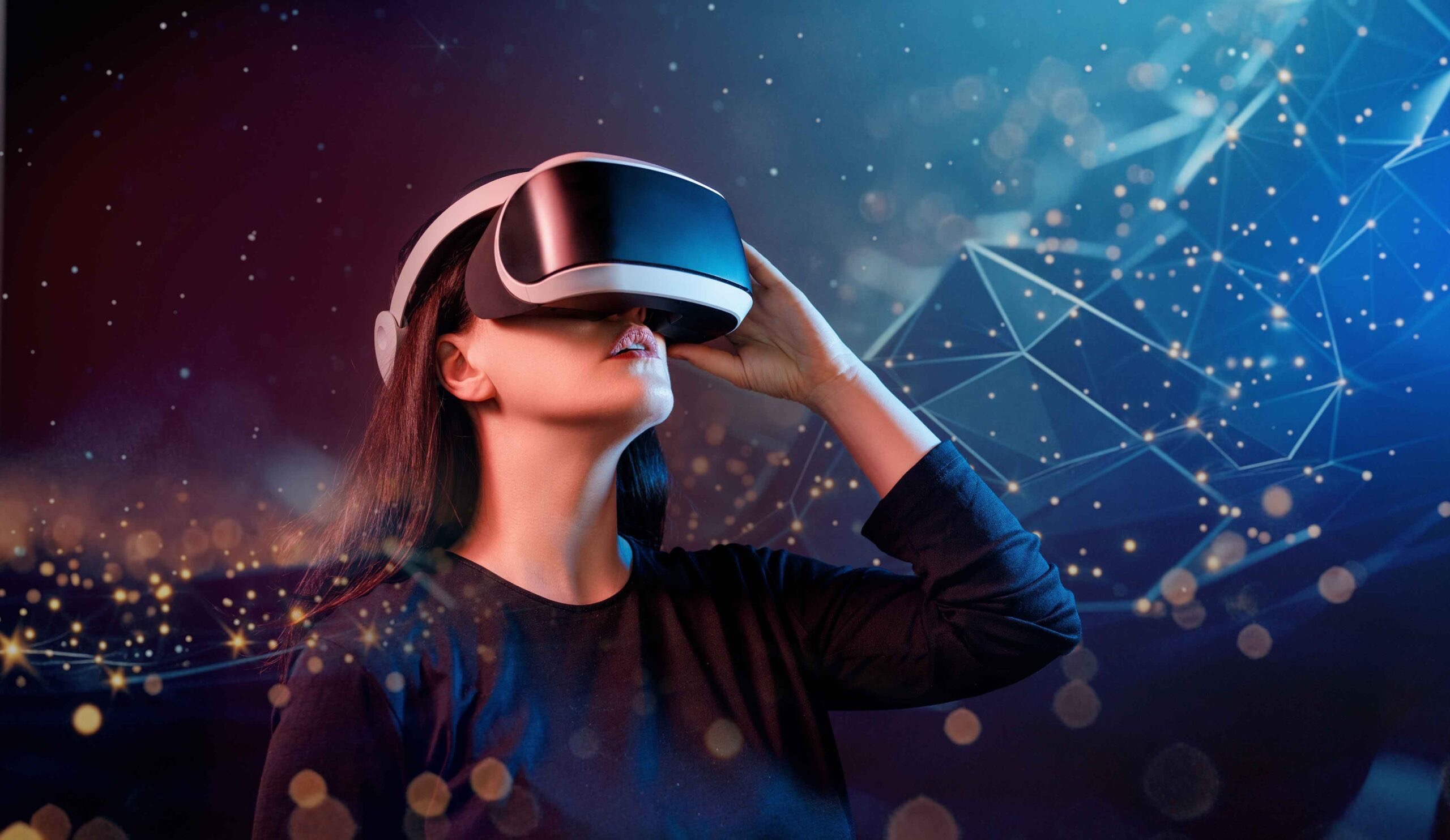
Mixed reality display technology is revolutionizing the way we experience digital content alongside the real world. In 2025, this cutting-edge technology is no longer confined to sci-fi or experimental labs — it has become an essential tool for a wide array of industries, including business, healthcare, education, gaming, and retail. By merging the immersive capabilities of virtual reality (VR) with the contextual richness of augmented reality (AR), mixed reality (MR) displays enable users to interact with digital and physical worlds simultaneously, creating highly engaging, interactive, and practical experiences.
Whether it’s enhancing surgical precision, training employees, or transforming gaming adventures, mixed reality display systems are shaping the future. Let’s explore the essential aspects powering this transformative technology in 2025.
Understanding Mixed Reality and Virtual Reality
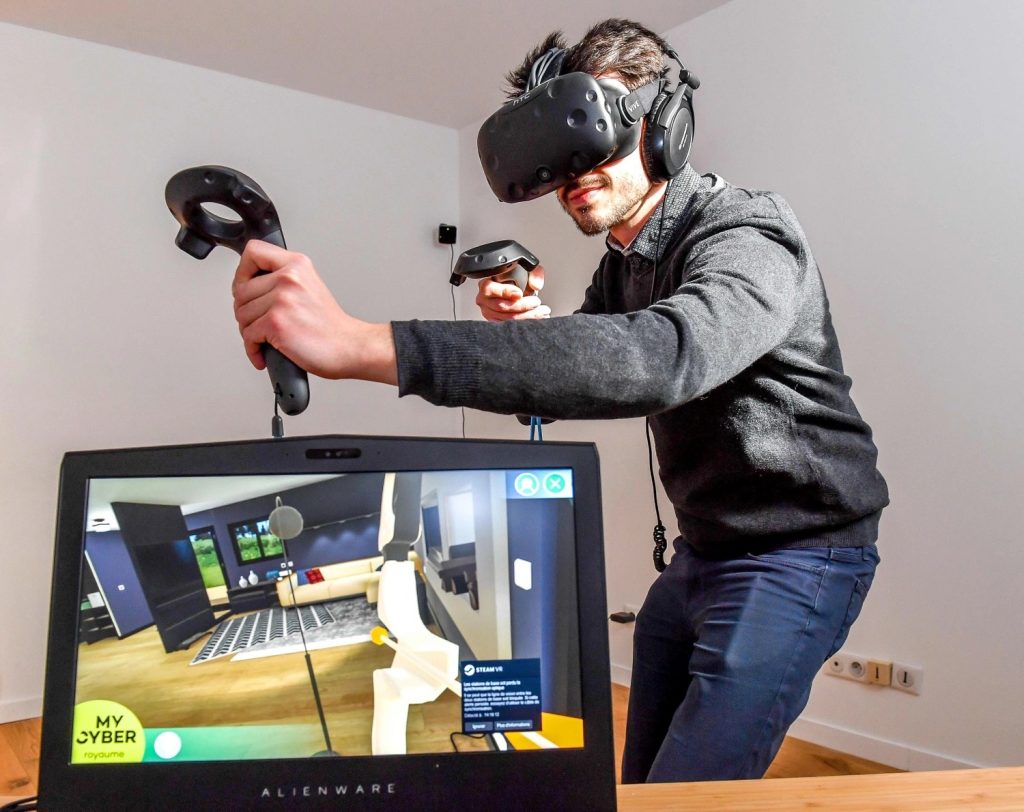
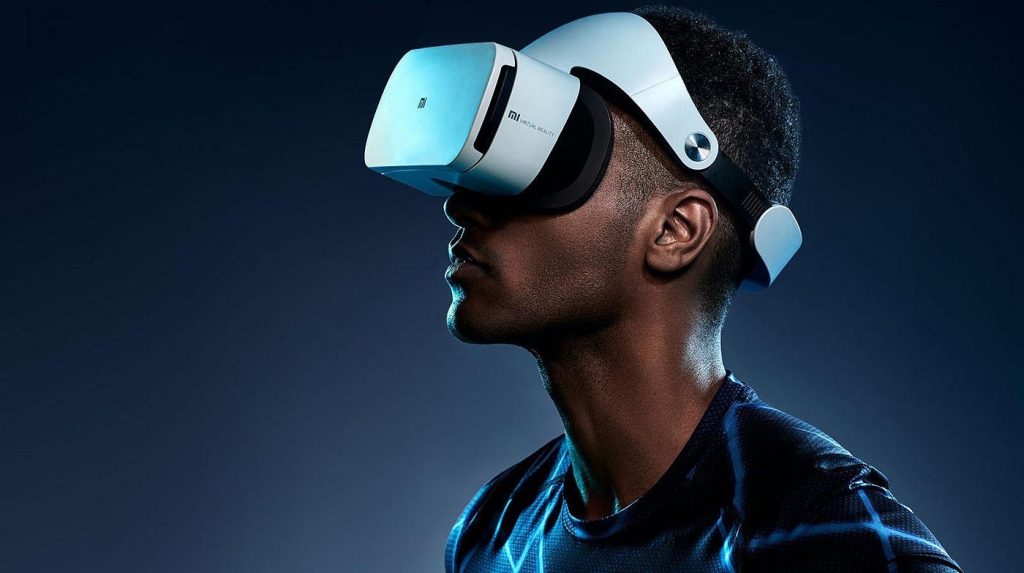
To appreciate mixed reality display technology, it’s important to distinguish it from virtual reality. Virtual reality immerses users in a fully digital environment, shutting out the real world entirely. Users wear headsets that transport them to virtual landscapes where everything is computer-generated.
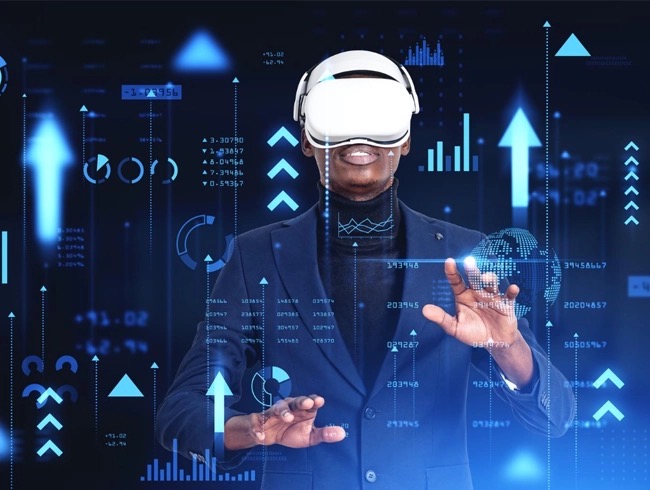
In contrast, mixed reality displays overlay interactive digital content onto the real world. These systems map and understand the physical environment using sensors, cameras, and spatial computing. The result? Digital objects appear anchored in your actual surroundings, responding naturally to your movements and environment changes.
While VR offers total immersion, mixed reality enriches your current space with dynamic digital elements, blending virtual content with reality in real-time. This creates a far more flexible, collaborative, and practical experience for users and businesses alike.
1. Real-World Applications of Mixed Reality Display in 2025
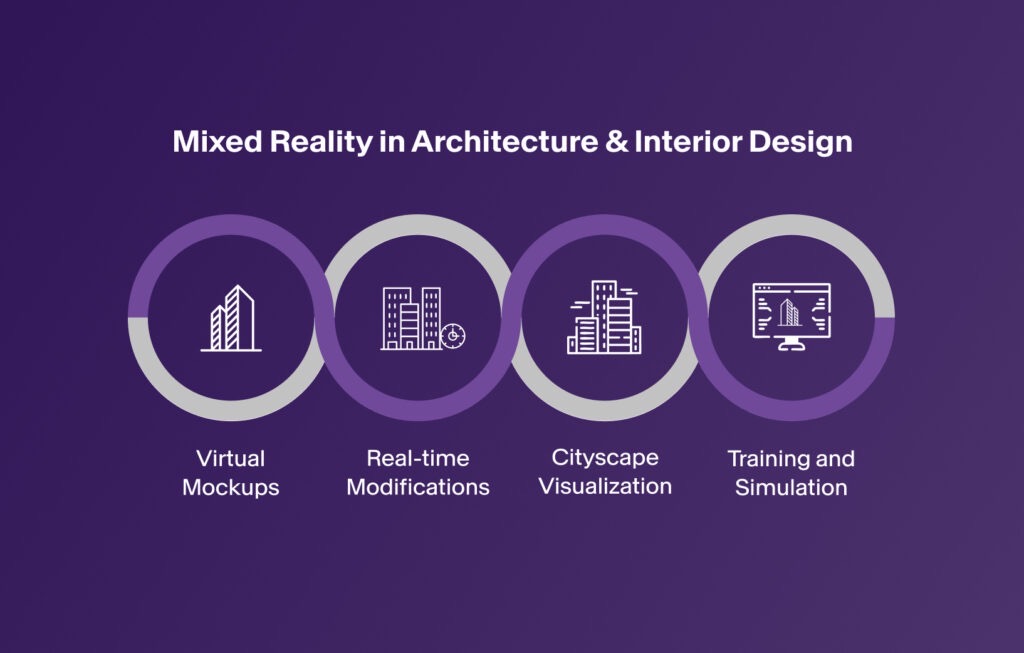
Mixed reality displays are moving rapidly from novelty to necessity across diverse industries:
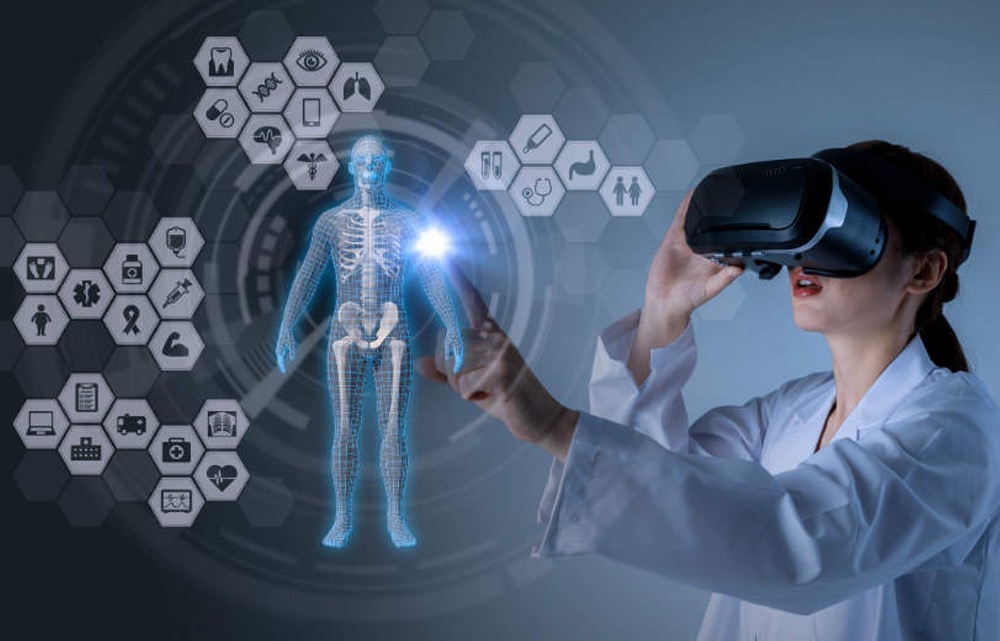
- Healthcare: Surgeons use MR displays for planning complex procedures, overlaying 3D models of patient anatomy during operations. Medical students gain immersive training by interacting with life-like anatomical holograms. Patient education also benefits from visualizing treatment plans and health conditions more clearly.
- Education: Classrooms are evolving with mixed reality by allowing students to explore historical sites, perform virtual science labs, or study molecular structures in 3D space. These experiences deepen engagement and improve knowledge retention.
- Retail: Shoppers can visualize furniture, apparel, or electronics in their homes before purchasing, minimizing returns and enhancing satisfaction. Retailers leverage MR to create interactive catalogs and immersive brand experiences.
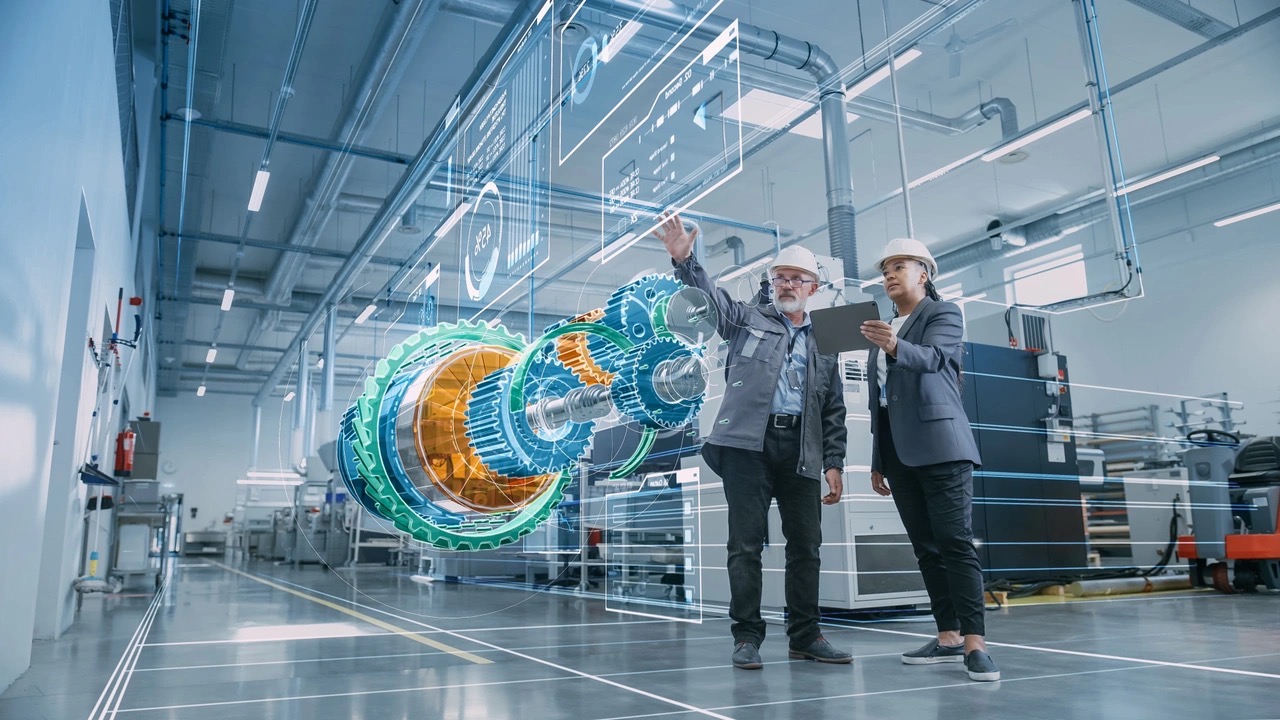
- Manufacturing & Maintenance: Workers receive on-site digital instructions and safety warnings directly overlaid on machinery, improving accuracy and reducing downtime.
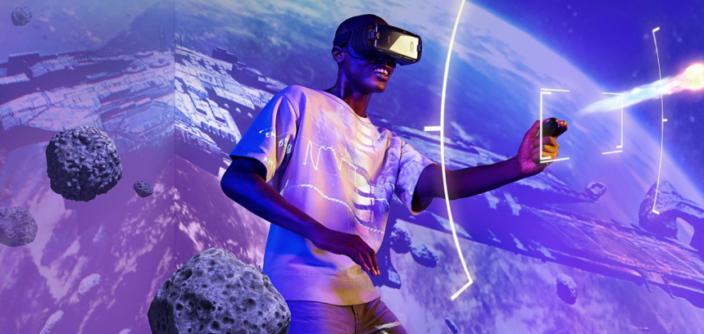
- Entertainment & Gaming: Gamers experience new worlds blending seamlessly with their real environments, offering novel gameplay mechanics and social experiences.
These examples represent just the tip of the iceberg. Mixed reality display technology is creating new possibilities in virtually every sector.
2. Hardware Advancements Powering Mixed Reality Displays
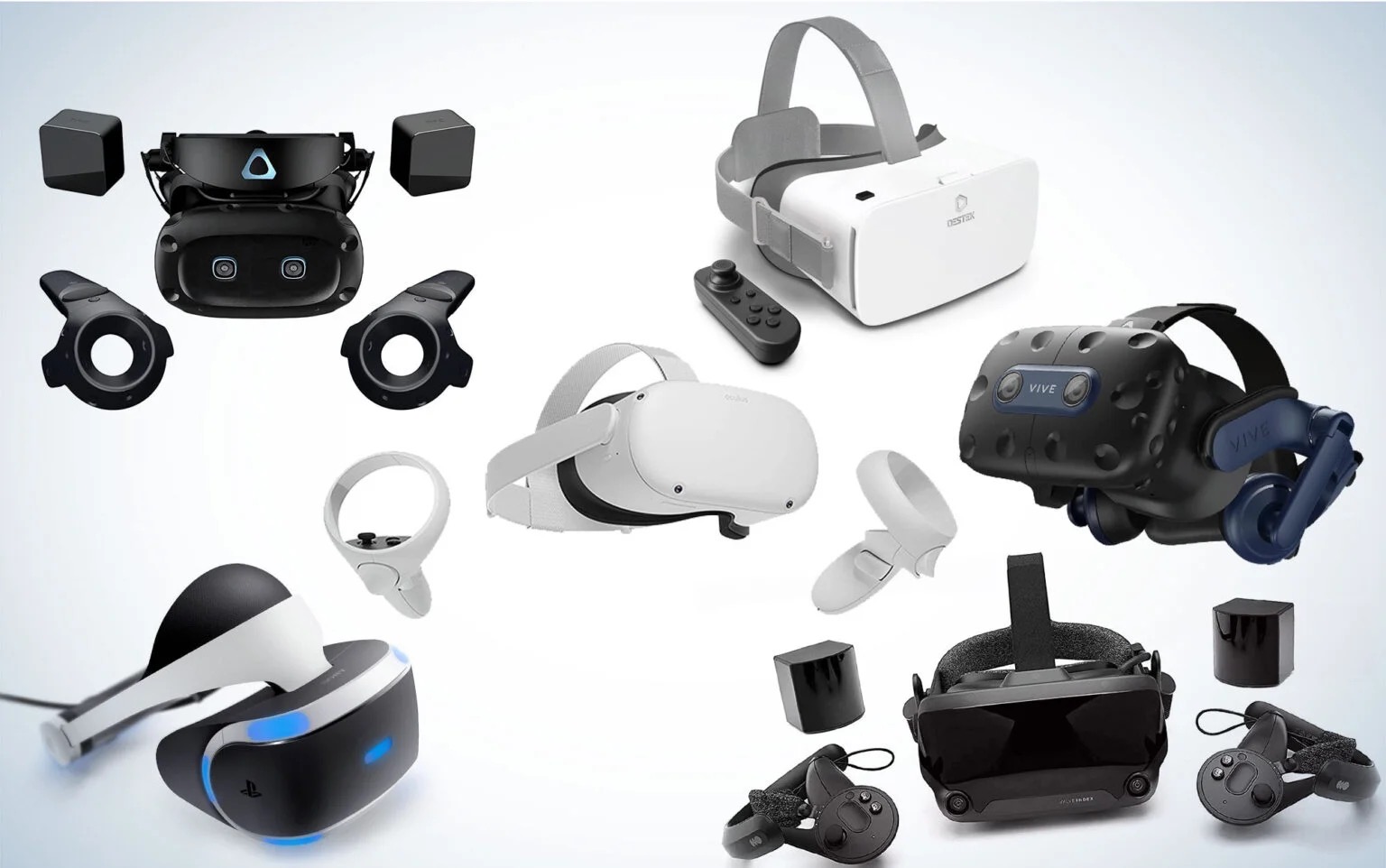
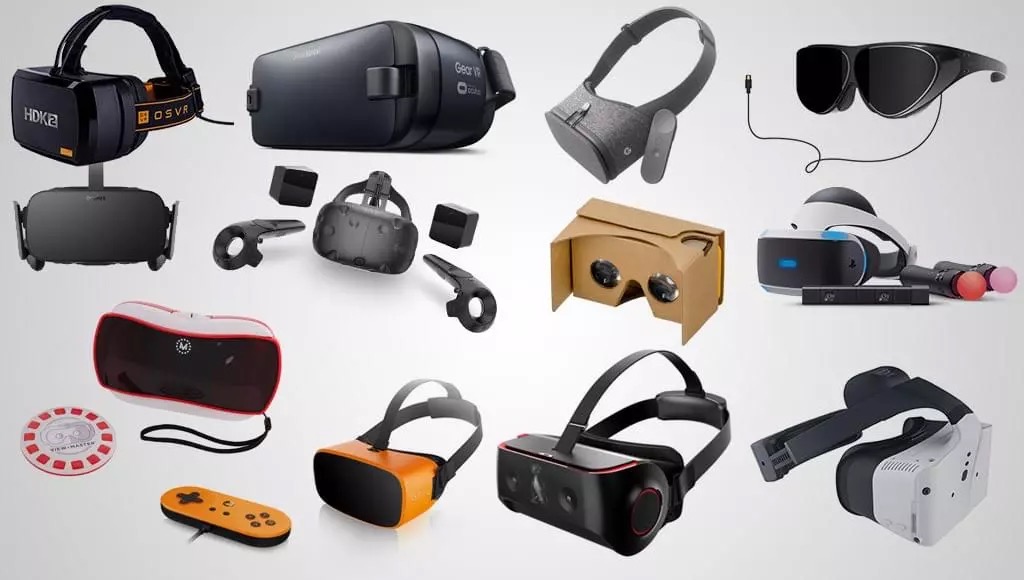
The evolution of hardware is central to MR’s rising impact. Recent years have seen leaps in headset design and performance:
- Lightweight & Comfortable: Devices from leaders like Microsoft (HoloLens 2) and Magic Leap have shed bulky designs, emphasizing ergonomics to allow extended use without discomfort.
- High Resolution & Wide Field of View: Crisp visuals with wide viewing angles make digital overlays realistic and immersive, eliminating the sense of a “screen” floating in front of users.
- Advanced Sensors & Cameras: Depth sensors, eye tracking, spatial mapping cameras, and inertial measurement units enable precise positioning and environment recognition, essential for stable, believable digital content.
- Wireless Connectivity: Improved wireless standards reduce tethering, enhancing user mobility and interaction freedom.
Together, these hardware advances are breaking down barriers, making mixed reality displays accessible and practical for everyday professional and personal use.
3. Software Ecosystems for Mixed Reality Display
Great hardware is only half the equation; powerful software frameworks enable developers and businesses to unleash MR’s full potential.
- Development Platforms: Microsoft’s Mixed Reality Toolkit (MRTK) and Unity’s MR plugins provide robust libraries, tools, and sample projects to accelerate app creation. These platforms streamline building spatial interactions, object manipulation, and environmental understanding.
- Intuitive Interaction Methods: Gesture recognition, gaze control, and voice commands reduce reliance on bulky controllers. These natural interfaces lower learning curves and improve user engagement.
- Cross-Platform Support: Modern MR software supports multiple device types and operating systems, ensuring broad reach and easy integration.
- Enterprise Solutions: Customizable SDKs and APIs allow companies to tailor MR experiences to unique workflows — from virtual collaboration rooms to remote expert assistance.
This evolving software ecosystem is fueling rapid innovation and widespread adoption of mixed reality display applications.
4. The Role of Artificial Intelligence in Enhancing Mixed Reality Display
Artificial intelligence (AI) significantly amplifies mixed reality display capabilities by interpreting complex sensor data in real time.
- Spatial Mapping & Scene Understanding: AI algorithms analyze input from cameras and sensors to create detailed, dynamic 3D maps of the user’s surroundings, ensuring digital objects interact realistically with physical surfaces and objects.
- Object Recognition: AI-powered recognition identifies real-world items, enabling contextual digital overlays — like highlighting a specific machine part or labeling tools during training.
- Adaptive Content: AI tailors MR experiences by learning user behaviors and preferences, delivering more relevant and responsive interactions.
- Natural Language Processing: Voice commands powered by AI allow seamless communication with MR systems without cumbersome manual inputs.
In manufacturing, healthcare, and education, AI-driven mixed reality displays are becoming indispensable tools for enhancing precision, efficiency, and safety.
5. User Experience and Ergonomics of Mixed Reality Displays
The success of mixed reality display technology hinges on user comfort and seamless experience design.
- Lightweight Designs: Balanced weight distribution and slim form factors minimize fatigue, crucial for prolonged use in professional settings.
- Natural Interactions: Gesture-based controls and eye tracking replace clunky handheld devices, making MR feel more intuitive and less intrusive.
- Visual Comfort: Reducing motion sickness and eye strain through optimized frame rates, contrast, and display quality keeps users comfortable.
- Accessibility: Adaptive interfaces accommodate diverse user needs, promoting inclusion and ease of adoption across various demographics.
By focusing on ergonomics and intuitive UX, manufacturers and developers ensure mixed reality displays are both powerful and user-friendly tools.
6. Overcoming Challenges: Connectivity and Integration
Despite tremendous progress, mixed reality display technology still faces hurdles that must be addressed for mainstream success:
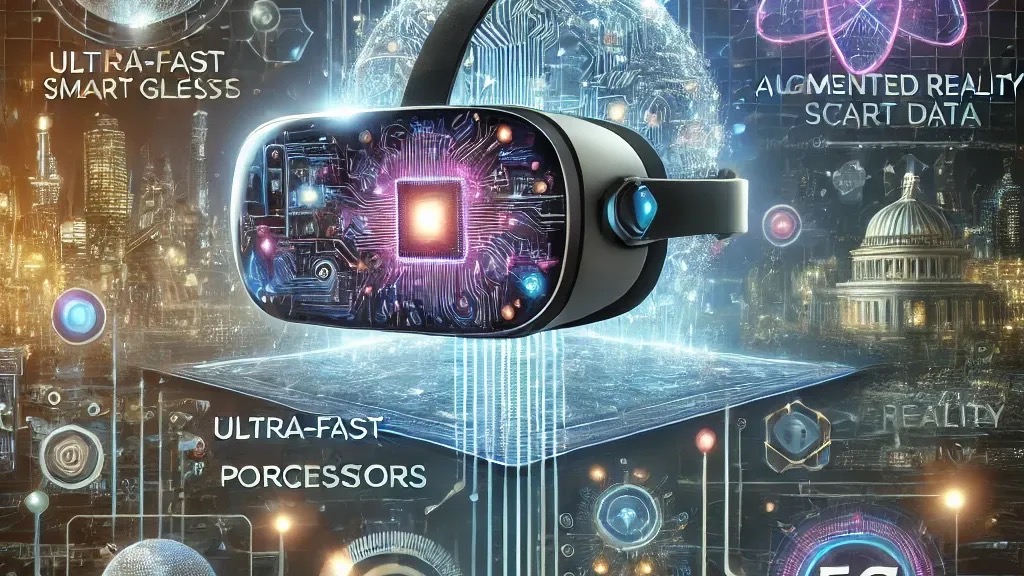
- Connectivity: High-quality MR demands powerful processing and ultra-low latency data transmission to maintain real-time responsiveness. The roll-out of 5G and edge computing infrastructures in 2025 is critical in meeting these requirements, enabling smooth multi-user collaboration and cloud-based rendering.
- Integration with Workflows: Businesses need MR systems to blend effortlessly into existing software and hardware environments. Seamless interoperability with enterprise tools, databases, and IoT devices is essential to maximize efficiency.
- Cost and Scalability: While prices have dropped, enterprise-grade MR displays and development can still be expensive. Scalability solutions and modular hardware/software designs will drive broader adoption.
- Privacy and Security: As MR collects rich environmental and biometric data, ensuring strong data protection protocols remains a priority.
Overcoming these challenges will unlock the full transformative power of mixed reality display technology.
Conclusion
Mixed reality display technology is no longer a distant or niche innovation — it’s an essential part of the digital transformation landscape in 2025. By seamlessly merging real and virtual worlds, MR is reshaping industries from healthcare to retail, education to entertainment, making interactions more immersive, efficient, and impactful.
At aibuzz, we specialize in helping businesses harness the potential of mixed reality display technology through innovative software development and tailored solutions. Whether you’re looking to revolutionize training, enhance customer engagement, or build the next generation of interactive experiences, our expertise in MR, AI, and software development will bring your vision to life.
Embrace the future of interaction — unlock the power of mixed reality displays with aibuzz and transform how your organization works, learns, and plays.